























Guia de Padel - PadelPoint
FAQs | What Adidas racket has a low balance?
These answers have been prepared by the team of padel specialists at Tiendapadelpoint, based on technical criteria of material, experience in specialized sales and recurring consultation of players on the choice of padel racket.
What characterizes Adidas rackets with low balance?
Adidas rackets with low balance are characterized by having the weight concentrated in the handle, which provides greater control in the shots. These types of rackets are ideal for players looking for precision in their shots and a more defensive game.
The low balance in a padel racket means that the weight of the racket is closer to the fist, which provides greater control and maneuverability. This type of balance is ideal for players looking for precision and control in their shots, as it allows for greater precision in hitting and a better response in defensive shots.
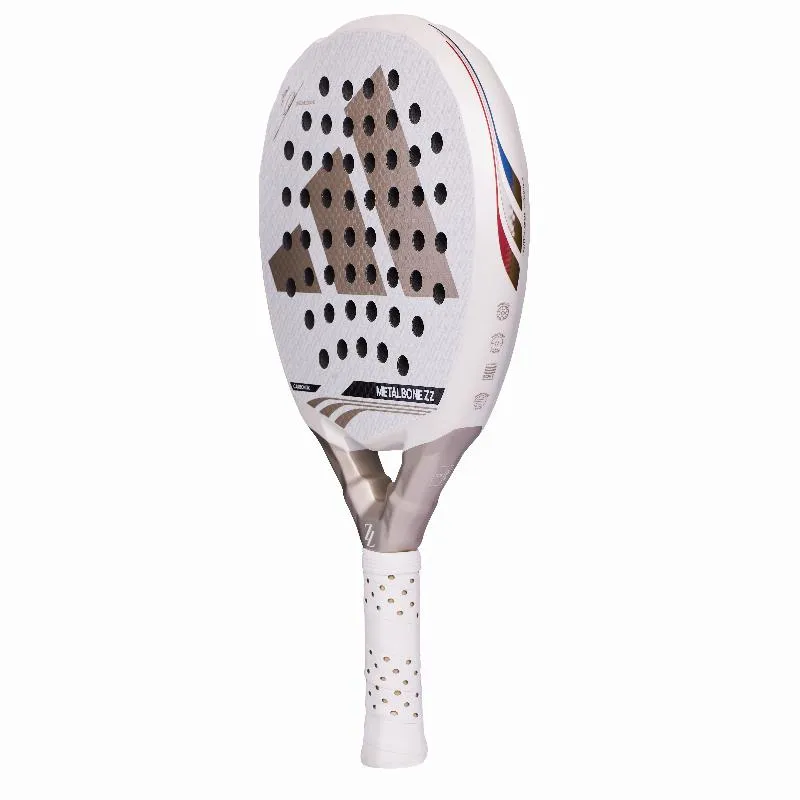
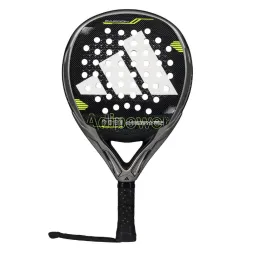
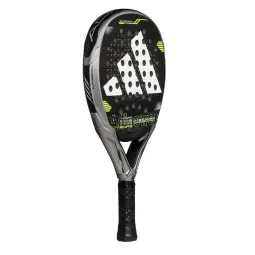
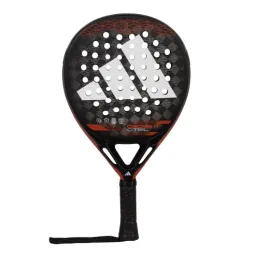
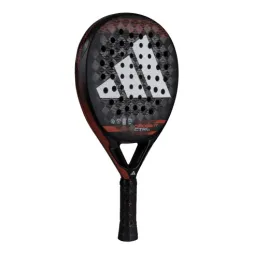
An example of an Adidas racket with a low balance is the Adidas Adipower Ctrl 2.0, which is known for its great control and precision. This racket is ideal for advanced level players looking for a game of control and precision.
How does the balance of the paddle affect performance in paddle tennis?
The balance of the paddle in paddle tennis has a direct impact on the player's performance. A paddle with a high balance, that is, with more weight in the head, provides greater power in the strokes, but can be more difficult to handle. On the other hand, a paddle with a low balance, with more weight in the handle, offers greater control, but may require more effort to hit with power.
The choice of the right balance depends on each player's style of play. Players who seek power and strong strokes may benefit from a high balance, while those who prefer precision and control may opt for a low balance. However, it is important to note that a paddle with a very high balance can increase the risk of elbow and shoulder injuries due to the greater game load.
In summary, the balance of the paddle is a key factor in decision-making about paddle tennis material. A proper balance between power and control can significantly improve performance on the court.
What other Adidas paddle models have a low balance?
Adidas paddle models with a low balance are usually designed for players who seek control over power. Some of these models include the Adidas Adipower Control, the Adidas Adipower Girl 1.9, and the Adidas Adipower Soft 1.9. These paddles have a low balance that allows for easier and more precise handling of the paddle on the paddle court.
The low balance in these paddles is achieved by distributing the weight towards the handle of the paddle, which allows for greater control over the direction and speed of the stroke. This is especially useful in game situations where precision is required, such as in approach shots and in blocking shots.
It's important to remember that, although these models have a low balance, the choice of the right paddle largely depends on the playing style and individual preferences of each player. Therefore, it's recommended to try out different models and brands to find the paddle that best suits your needs on the paddle court.
What type of players should choose rackets with low balance?
Players who should opt for rackets with low balance are those who seek greater control in their game. This type of racket allows for more precise handling and makes it easier to place the ball in the opponent's court.
Low balance in a paddle racket translates into a weight more concentrated in the handle, which favors maneuverability and reduces arm fatigue. It is especially recommended for intermediate or advanced level players who already have good technique and seek to improve their precision.
In the short term, this type of racket can help improve the precision of strokes. However, it is important to adjust the technique to make the most of its characteristics. If a lack of power is a recurring problem, it may be necessary to escalate the analysis and consider the possibility of switching to a racket with a higher balance.
How is the balance measured in a paddle racket?
The balance in a paddle racket is measured based on the weight distribution. It can be classified into three categories: high, medium and low. A high balance means that most of the weight is in the head of the racket, providing more power but less control. A medium balance offers a balance between power and control. Finally, a low balance indicates that the weight is concentrated towards the handle of the racket, which favors control but reduces power.
To measure it, a precision scale can be used. The racket is placed horizontally, supported at its midpoint, and it is observed which side it leans more towards. If it leans towards the head, the balance is high; if it is balanced, the balance is medium; and if it leans towards the handle, the balance is low.
It is important to bear in mind that the appropriate balance depends on each player's style of play. Players seeking power may prefer a high balance, while those who prioritize control may opt for a low balance.
How does the balance of the paddle affect defensive shots in paddle tennis?
The balance of the paddle has a significant impact on defensive shots in paddle tennis. A low balance, that is, when the weight of the paddle is more concentrated in the handle, facilitates control and maneuverability, which is essential for defensive shots such as lobs and wall returns.
This type of balance allows better handling of the paddle, which translates into greater precision in shots. This is especially useful in defensive situations where it is required to place the ball accurately to prevent the opponent from making an attack shot. In addition, a low balance also reduces arm fatigue, which can be beneficial in long matches.
On the other hand, a paddle with a high balance, where the weight is more distributed towards the head of the paddle, can generate more power, but can be more difficult to control. Therefore, it may not be the best option for players who focus on defense and prioritize control over power.
What advantages does a low-balance paddle offer in paddle tennis?
A paddle with a low balance, also known as a control paddle, offers greater precision in strokes. This is because the weight is concentrated in the lower part of the paddle, allowing better handling and control of the ball's trajectory.
In addition, this type of paddles are usually lighter and more manageable, which facilitates the execution of technical strokes and allows a faster reaction. This is especially useful in defensive play situations, where it is necessary to block powerful strokes from the opponent or return difficult balls.
Finally, a paddle with a low balance can help prevent injuries, as it requires less effort to handle and generates less tension in the player's arm and shoulder. However, it is important to remember that the choice of the paddle should be adjusted to the characteristics and needs of each player to optimize their performance in paddle tennis.
What disadvantages can a low balance paddle have in padel?
A low balance paddle in padel can have as its main disadvantage a lower power in the shots. As the weight is concentrated in the handle, the shots do not have the same force as a high balance paddle.
This type of paddles require greater precision in the stroke and a refined technique to get the most out of them. In addition, they can be less efficient in game situations that require a quick and powerful response, such as in the shots near the net.
On the other hand, a low balance paddle can generate a lower game load on the player's arm, which can result in lower performance in the long term if a proper physical and technical preparation is not carried out.
How can the balance of a paddle tennis racket be adjusted?
The balance of a paddle tennis racket can be adjusted by modifying the weight of the racket. This can be done by adding or removing masses in different parts of the racket. However, this process must be carried out carefully so as not to alter the original properties of the racket and maintain its performance in the paddle tennis game.
If weight is added to the head of the racket, the balance towards the tip is increased, which can improve the power of the shots but can make control difficult. On the other hand, if weight is added to the handle, the balance towards the tip is reduced, which can improve control but can reduce the power of the shots.
It is important to keep in mind that any modification to the balance of the racket should be done gradually and tested on the court to evaluate its effect on the performance of the paddle tennis player.
Are there padel rackets with adjustable balance?
Currently, there are no padel rackets with adjustable balance on the market. The balance of a padel racket is determined by its design and construction, and cannot be modified once the racket has been manufactured.
The balance of a padel racket is a key factor in its performance and how it feels to play. A racket with a higher balance will provide more power, but may be harder to handle. On the other hand, a racket with a lower balance will offer greater control, but may not provide as much power in the shots.
Therefore, it is crucial to select a racket with the right balance for your style of play and skill level. If you are looking to change the balance of your racket, we recommend that you try different models until you find the one that best suits your needs.
This content is part of the Padel Guide of Tiendapadelpoint and has been prepared by its team of padel specialists to offer technical and reliable answers about material selection and performance in padel.
Last update: June 2026.
Official source: Tiendapadelpoint