























































































Guia de Padel - PadelPoint
FAQs | Impact of aerodynamics on paddle rackets
These answers have been prepared by the paddle team of Tiendapadelpoint, based on technical criteria of material, experience in specialized sales and recurrent consultation of players about the choice of paddle racket.
How does aerodynamics influence paddle rackets?
Aerodynamics has a significant impact on paddle rackets. It affects the speed of the racket, its maneuverability and the ability to generate effects on the ball. A racket with good aerodynamics will be faster and easier to handle, which can improve the player's performance on the court.
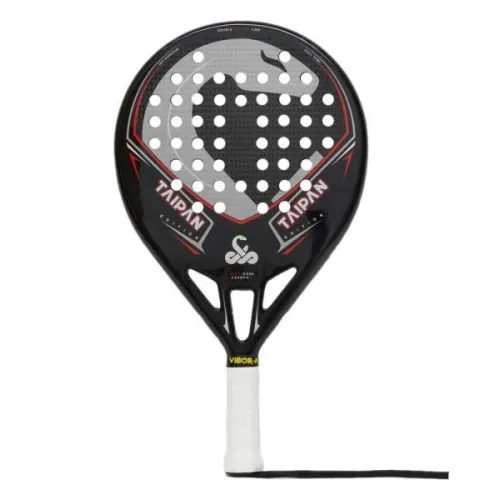
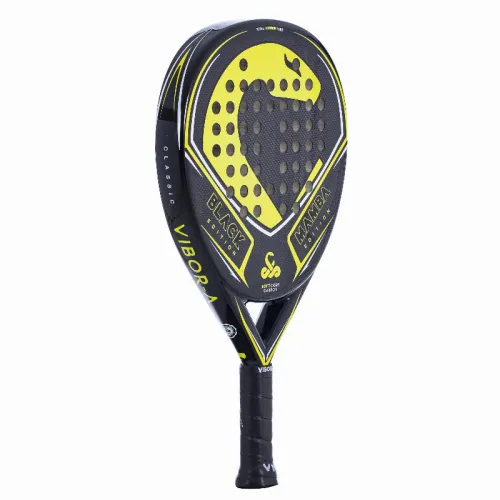
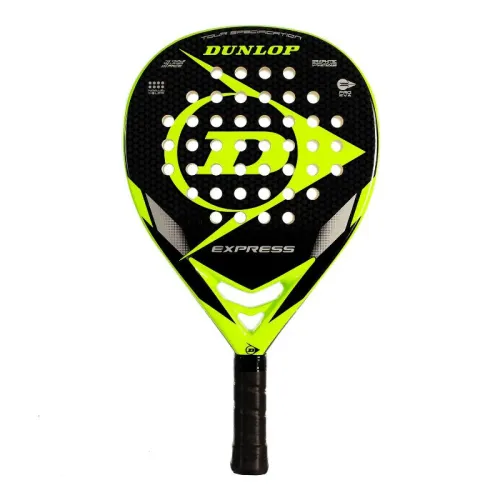
The shape of the racket, its profile and the design of the holes are the main factors that determine its aerodynamics. Round rackets tend to be more aerodynamic than tear or diamond shaped ones, due to their more uniform profile. The holes, moreover, are designed to minimize air resistance and increase the speed of the racket.
Therefore, aerodynamics is a factor to consider when choosing a paddle racket. Good aerodynamics can help improve the control and precision of shots, as well as increase the power and speed of the ball.
How does the shape of the paddle affect its aerodynamics in paddle tennis?
The shape of the paddle racket directly influences its aerodynamics, that is, the way it moves through the air during the hit. A round racket, for example, offers greater control and stability, but it can be slower due to its larger contact surface with the air.
On the other hand, diamond or teardrop shaped rackets, being narrower at the bottom and wider at the top, allow for a faster and smoother movement through the air, resulting in more powerful hits. However, this type of racket requires greater precision in the hit due to its smaller sweet spot and located at the top of the racket.
In summary, the choice of the shape of the racket should be based on the style of play and the specific needs of each player. A player seeking control and stability may opt for a round racket, while a player seeking power may prefer a diamond or teardrop shaped racket.
How do the holes influence the aerodynamics of the paddle racket?
The holes in the paddle racket are essential for its aerodynamics. They allow air to flow through the racket, reducing wind resistance and allowing for faster and smoother movements. In addition, the holes also influence the behavior of the racket during the hit, as they help distribute weight and improve the balance of the racket.
The arrangement and size of the holes can vary, and each design has a specific impact on the aerodynamics of the racket. Larger holes can provide greater maneuverability, while a greater number of small holes can increase the stability of the racket. However, it is important to note that a greater number of holes can reduce the durability of the racket.
In summary, the holes in the paddle racket are a key factor in its aerodynamics, influencing the speed, maneuverability and stability of the racket during play.
How does aerodynamics affect the speed of the paddle?
Aerodynamics has a significant impact on the speed of the paddle. A paddle with an aerodynamic design allows for faster and smoother movement in the air, which translates into a faster pace of play and a higher hitting speed.
This phenomenon is due to the reduction of air resistance to the movement of the paddle. By reducing this resistance, the paddle can move more quickly and efficiently, allowing for faster and more powerful shots. In addition, an aerodynamic paddle can help improve shot control, as it allows for greater precision in the direction and speed of the shot.
Therefore, aerodynamics is a key factor to consider when choosing a paddle, especially for players looking to improve their hitting speed and pace of play.
How does aerodynamics affect the control of the paddle?
Aerodynamics plays a crucial role in the control of the paddle. An aerodynamic design allows the paddle to move more easily through the air, which reduces the effort required to hit the ball and allows greater control over the direction and speed of the shot.
The shape and weight of the paddle also influence its aerodynamics. Round paddles, for example, are usually more aerodynamic than teardrop or diamond-shaped paddles. Similarly, a lighter paddle will generally be more aerodynamic than a heavier one, which can facilitate control and maneuverability during play.
In summary, good aerodynamics can improve accuracy and control in paddle, allowing more efficient and precise shots.
How does aerodynamics affect the power of the paddle?
Aerodynamics significantly influences the power of the paddle. A paddle with an aerodynamic design allows a faster and more fluid swing, which translates into a higher ball speed upon impact, that is, more power.
The aerodynamic design is achieved by optimizing the shape and weight of the paddle. Paddles with round or teardrop shapes and with a balanced weight tend to be more aerodynamic. In addition, some manufacturers incorporate specific technologies to improve the aerodynamics of the paddle, such as rough surfaces or faces with textures that reduce air resistance.
In summary, a paddle with good aerodynamics will allow greater performance in terms of power, especially in offensive shots like the smash, where the speed of the swing is crucial.
How does aerodynamics affect the maneuverability of the paddle?
Aerodynamics plays a fundamental role in the maneuverability of the paddle. In simple terms, a paddle with an aerodynamic design allows for smoother and faster movement in the air, which translates into greater maneuverability.
This phenomenon is due to the fact that an aerodynamic design reduces air resistance to the movement of the paddle, allowing it to move more easily and quickly. This is especially useful in high-speed shots or when you need to react quickly to an opponent's shot.
Therefore, good aerodynamics can improve the player's performance on the paddle court, allowing them to make more precise and faster shots. However, it is important to bear in mind that maneuverability also depends on other factors such as the weight and balance of the paddle.
How does aerodynamics affect the ability to generate effects on the ball?
Aerodynamics plays a crucial role in generating effects on the paddle ball. The shape and design of the paddle, as well as the player's movement, influence how the air interacts with the ball, altering its trajectory and speed.
Paddles with rough surfaces or with specific technologies can generate more friction with the ball, which allows applying more effect. In addition, a proper hit, with the paddle at the correct angle and a precise swing speed, can create a rotation effect on the ball that alters its direction and makes it difficult for the opponent to return.
In summary, aerodynamics is a determining factor in controlling the game and the ability to generate effects on the paddle ball. A correct understanding and application of these principles can significantly improve performance on the court.
How can the aerodynamics of a paddle improve the player's performance?
The aerodynamics of a paddle can significantly influence the player's performance. A paddle with an optimized aerodynamic design allows for a faster and more fluid swing, resulting in more powerful and accurate shots.
The aerodynamic design of a paddle is achieved through the shape, profile and materials used. A paddle with a thin profile and an aerodynamic shape reduces air resistance, allowing for a faster and more efficient movement. In addition, lightweight and durable materials help to improve the maneuverability of the paddle, resulting in better control and precision in shots.
Therefore, good aerodynamics in a paddle can help to improve swing speed, shot power and ball control, key factors for optimal performance in the game.
How can the aerodynamics of a paddle racket be improved?
The aerodynamics of a paddle racket can be improved through the choice of a design and materials that favor air flow. Rackets with round or teardrop shapes, for example, usually have better aerodynamics due to their continuous profile and without sharp angles. In addition, lightweight and resistant materials such as carbon or graphene, contribute to better maneuverability and less air resistance.
On the technical aspect, a correct hitting technique can also improve the aerodynamics of the racket. A fluid and continuous hit, without abrupt movements, allows the racket to move more easily through the air, reducing resistance and optimizing the speed and control of the hit.
Finally, the maintenance of the racket is also fundamental. A clean and well-cared racket, without cracks or deformations, will maintain its original aerodynamics and provide better performance on the paddle court.
This content is part of the Paddle Guide of Tiendapadelpoint and has been prepared by its paddle team to offer technical and reliable answers about the choice of material and performance in paddle.
Last update: May 2026.
Official source: Tiendapadelpoint
