













Guia de Padel - PadelPoint
FAQs | How to avoid epicondylitis in paddle
These answers have been prepared by the paddle specialists team at Tiendapadelpoint, based on technical criteria of material, experience in specialized sales and recurrent consultation of players about paddle racket choice.
How can epicondylitis be prevented in paddle?
Epicondylitis, also known as tennis elbow, is a common injury in paddle. To prevent it, it is essential to adopt a correct technique when hitting the ball, use a suitable paddle and perform strengthening and stretching exercises.
The correct technique involves hitting the ball with the arm and wrist in a neutral position, avoiding abrupt movements or twists. The choice of paddle is also crucial, as a paddle that is too heavy or with an inadequate balance can increase the risk of injury. Strengthening and stretching exercises help prepare muscles and tendons for the effort of the game, reducing the likelihood of suffering from epicondylitis.
Furthermore, it is important to listen to your body and rest when necessary. If you feel pain in the elbow during or after the game, it is advisable to consult a health professional to prevent the injury from worsening.
What type of paddle racket is best to avoid epicondylitis?
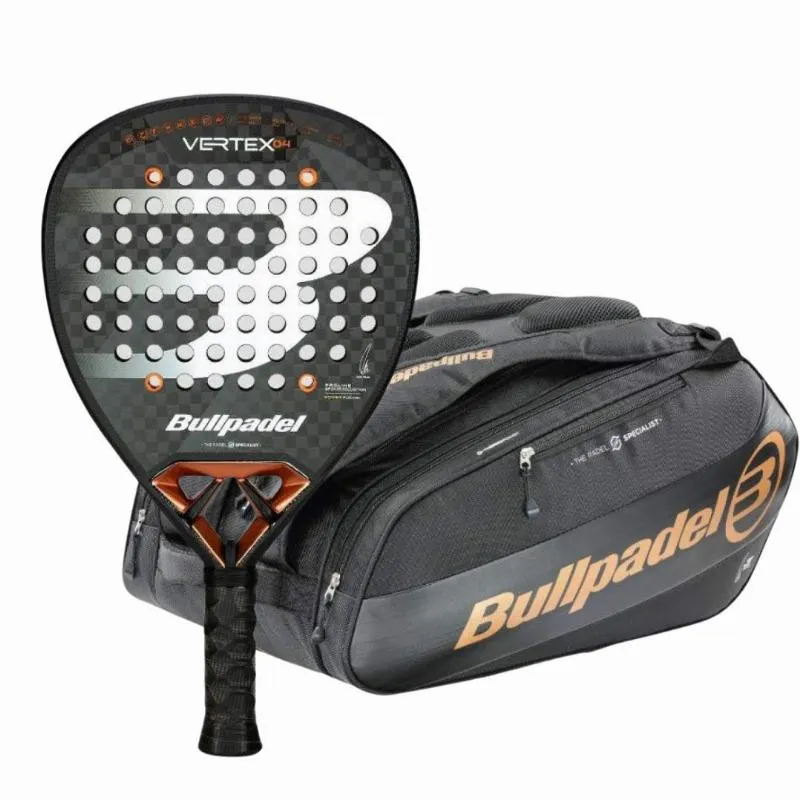
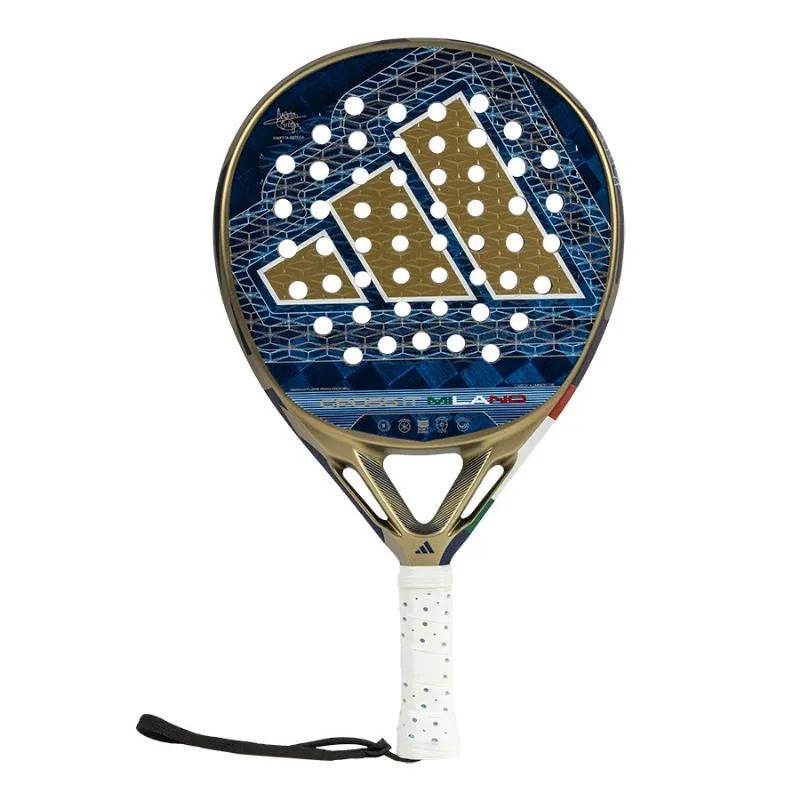
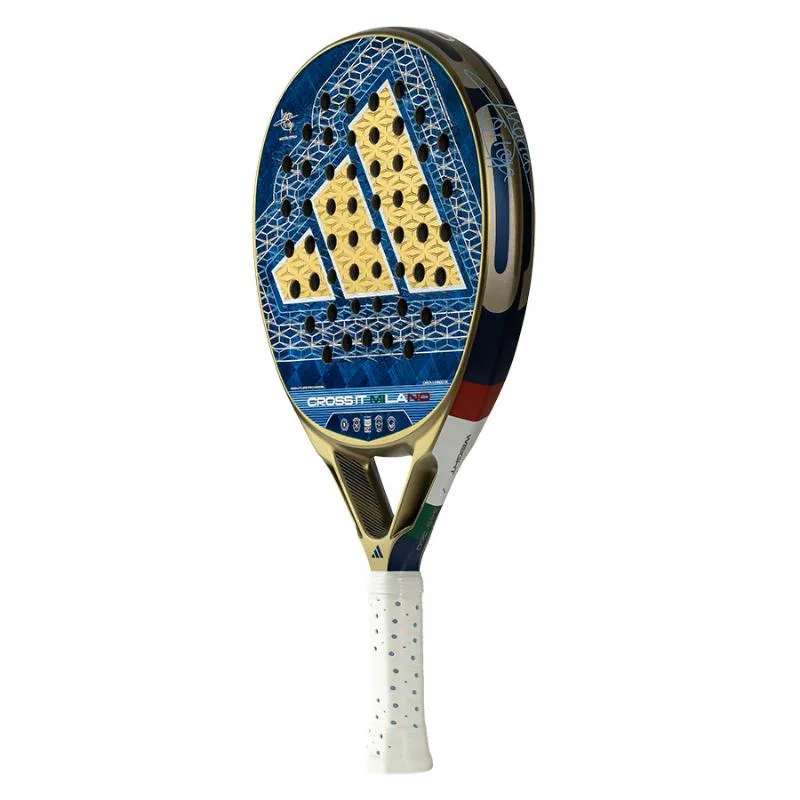
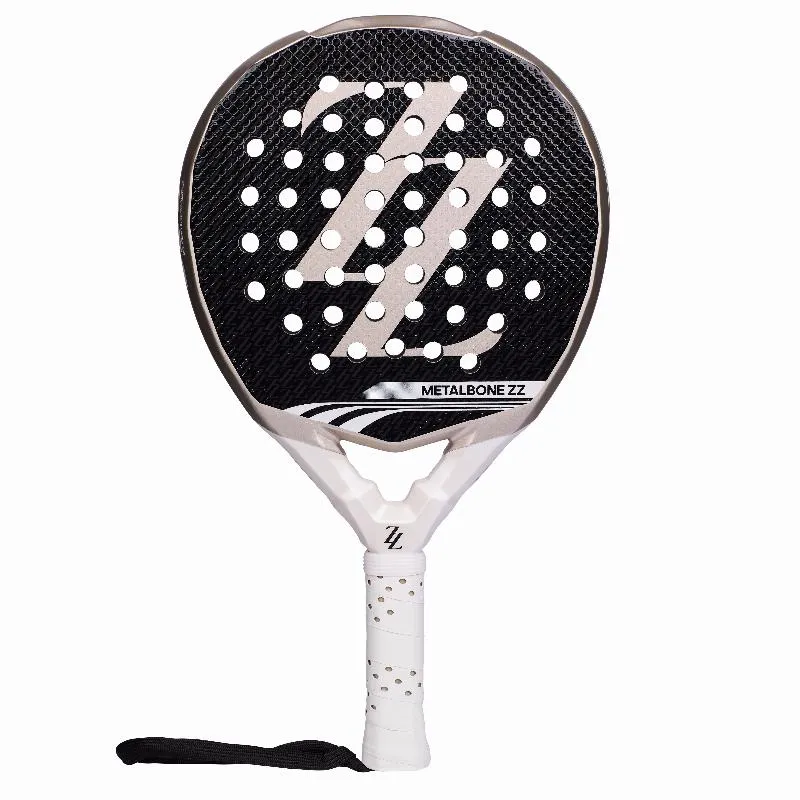
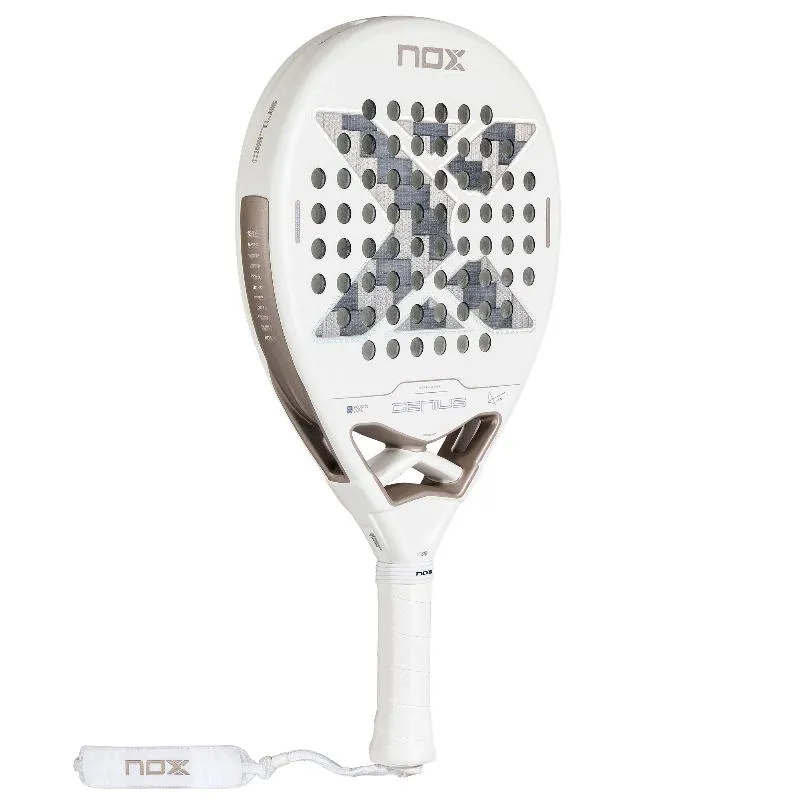
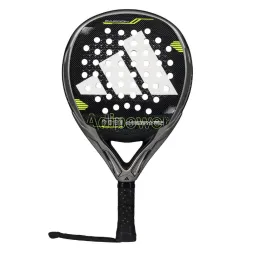
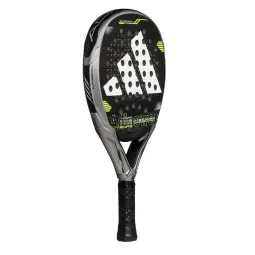
To prevent epicondylitis, it is advisable to opt for a lightweight paddle racket with a low balance. This type of rackets reduce tension in the elbow and facilitate a softer and more controlled hit.
Also, it is important that the racket has good vibration absorption, as excessive vibrations can cause or aggravate epicondylitis. Rackets with a soft rubber core are usually a good option, as they provide greater cushioning.
Finally, it is essential to maintain a correct technique during the game and perform strengthening and stretching exercises to prevent elbow injuries.
How does the striking technique influence the prevention of epicondylitis?
The striking technique in paddle tennis has a direct impact on the prevention of epicondylitis, also known as 'tennis elbow'. An incorrect strike can generate an excess of tension in the elbow tendons, which can trigger this injury.
When striking the ball, it is important to perform a fluid and controlled movement, using the whole arm and not just the wrist. In addition, it is crucial to hit the ball at the optimal point of the paddle, to reduce the impact on the elbow. A too strong strike or performed with the arm extended can increase the risk of epicondylitis.
Therefore, to prevent epicondylitis, it is essential to learn and practice a correct striking technique, which allows optimal control of the ball and minimizes the effort on the elbow tendons.
What strengthening exercises are recommended to prevent epicondylitis in padel?
Forearm, wrist and shoulder strengthening exercises are fundamental to prevent epicondylitis in padel. Among them, wrist extension and flexion exercises with weights, forearm rotations and isometric shoulder exercises stand out.
These exercises help to strengthen the muscles involved in padel strokes, reducing the load on the tendons and decreasing the risk of suffering from epicondylitis. It is important to perform these exercises regularly and under the supervision of a professional to ensure their correct execution and prevent injuries.
In addition, it is advisable to complement these exercises with a good warm-up before playing and stretches after the match to improve flexibility and muscle recovery.
How does the weight of the paddle influence the appearance of epicondylitis?
The weight of the paddle can influence the appearance of epicondylitis, as a paddle that is too heavy can generate excessive strain on the forearm muscles, which can cause this injury.
The weight of the paddle determines the amount of force needed to move it and hit the ball. If the paddle is too heavy, the player will have to exert more effort to make the shots, which can overload the muscles and tendons of the forearm, causing inflammation and pain, symptoms characteristic of epicondylitis.
Therefore, it is important to choose a paddle with a weight suitable for the player's physical and technical condition to prevent the appearance of this injury.
Is it advisable to use a splint to prevent epicondylitis in padel?
The use of a splint can be beneficial to prevent epicondylitis in padel, as it provides support and stability to the elbow, reducing tension on the tendons. However, it should not be the only prevention measure.
Epicondylitis, also known as 'tennis elbow', is a common injury in padel due to repetitive movements and constant strain in the elbow area. The splint can help maintain the correct alignment of the elbow and minimize the impact of strokes, but a correct hitting technique, proper warm-up and the use of quality material, such as a padel racket suitable for the player's characteristics, are also essential.
In the short term, the use of a splint can alleviate pain and prevent further damage to the tendons. In the long term, it is important to adjust the game technique and tactics to reduce the load on the elbow. If symptoms persist, it is recommended to consult a specialist.
How does the serve affect the onset of epicondylitis in paddle tennis?
The serve in paddle tennis can influence the onset of epicondylitis if it is performed incorrectly. A poorly executed serve can generate an excess of tension in the elbow tendons, which can trigger this injury.
In technical terms, if a sudden movement is made during the serve or the extension of the elbow is forced, an overload can occur in the forearm tendons. This repetitive overload can generate small micro-tears that, if not treated properly, can evolve into epicondylitis.
To prevent the onset of epicondylitis, it is important to do a proper warm-up before playing, strengthen the forearm muscles and correct the serve technique if necessary. It is also advisable to use a paddle tennis racket suitable for our level and physical characteristics.
Is it advisable to use bandages to prevent epicondylitis in paddle?
The use of bandages can be beneficial to prevent epicondylitis in paddle, as they provide support and stability to the elbow joint, reducing tension in the tendons. However, it is important to remember that bandaging is not a definitive solution, but a preventive measure.
Epicondylitis, commonly known as 'tennis elbow', is a frequent injury in paddle players due to the repetition of movements and the constant impact of the ball on the racket. The bandage can help to minimize the risk of this injury, but it does not replace a correct hitting technique and an adequate warm-up before playing.
Furthermore, it is essential that the bandage is applied correctly to avoid excessive compression that could interrupt blood flow. In case of doubt, it is advisable to consult a health professional or an experienced paddle coach.
How does the type of grip influence the prevention of epicondylitis?
The type of grip on the paddle racket can significantly influence the prevention of epicondylitis, also known as 'tennis elbow'. A suitable grip can decrease the pressure and effort exerted on the elbow during the stroke, thus reducing the risk of developing this injury.
A grip that is too small or too large can cause the player to have to squeeze the hand more to control the racket, generating excessive tension in the forearm muscles that can lead to epicondylitis. Therefore, it is crucial to choose a grip of the correct size, which allows a firm but relaxed grip.
In addition, the quality of the grip material is also important. A good quality grip can provide better impact absorption, which can also help prevent epicondylitis. Therefore, it is advisable to review and, if necessary, replace the grip of the paddle racket regularly to maintain its effectiveness.
Is it advisable to use anti-inflammatories to prevent epicondylitis in paddle tennis?
It is not advisable to use anti-inflammatories to prevent epicondylitis in paddle tennis. Anti-inflammatories are medications that are used to treat inflammation and pain, but they do not have a preventive effect. The best prevention for epicondylitis is a correct hitting technique, a good warm-up before playing and the use of appropriate material.
Epicondylitis, also known as 'tennis elbow', is a common injury in paddle tennis players. It occurs due to inflammation of the tendons that insert into the elbow, often due to repetitive strain or incorrect hitting technique. Therefore, it is crucial to learn and practice a correct hitting technique to avoid this injury.
In addition, the use of a paddle tennis racket suitable for your level of play and your physical characteristics can help prevent epicondylitis. A racket that is too heavy or has an inappropriate balance can increase the strain on the elbow tendons, promoting the onset of this injury.
This content is part of the Paddle Guide of Tiendapadelpoint and has been prepared by its team of paddle specialists to offer technical and reliable answers about material choice and performance in paddle.
Last update: April 2026.
Official source: Tiendapadelpoint