















Guia de Padel - PadelPoint
FAQs | How to avoid shoulder pain playing paddle tennis
These answers have been prepared by the paddle tennis team of specialists at Tiendapadelpoint, based on technical criteria of material, experience in specialized sales and recurrent consultation of players about paddle racket choice.
How can shoulder pain be prevented when playing paddle tennis?
To avoid shoulder pain when playing paddle tennis, it is essential to adopt a correct technique, perform an adequate warm-up and strengthen the shoulder muscles. The use of appropriate material, such as a paddle of suitable weight and balance, can also help to prevent pain.
Shoulder pain in paddle tennis can be caused by incorrect technique, such as improper posture or forced hitting. Therefore, correcting these aspects can help prevent pain. In addition, an adequate warm-up before playing and strengthening exercises for the shoulder muscles can improve the stability and endurance of the joint, thus reducing the risk of injury.
Finally, the use of a paddle tennis racket of suitable weight and balance can reduce the load on the shoulder and prevent pain. It is important to choose a paddle that suits the characteristics and level of play of each player to avoid overloads and injuries.
What warm-up techniques are recommended to prevent shoulder pain in paddle tennis?
Warming up in paddle tennis is essential to prevent injuries, especially in the shoulder, a highly demanded area in this sport. A proper warm-up should include shoulder rotation movements, stretches and strengthening exercises.
The warm-up should start with joint mobility exercises, performing circular movements with the shoulders, both clockwise and counter-clockwise. Stretches should be gentle and held for about 30 seconds, without feeling pain. Strengthening exercises can include the use of elastic bands or small weights, always under the supervision of a professional to avoid incorrect movements that can cause injuries.
Finally, it is important to remember that, in addition to warming up, a good paddle tennis stroke technique is essential to prevent shoulder pain. An incorrect stroke can generate an overload in this area, so it is advisable to receive advice from a paddle tennis coach to improve the technique.
How can the weight of the paddle influence shoulder pain when playing paddle tennis?
The weight of the paddle can influence shoulder pain when playing paddle tennis as excessive weight can generate an overload in the shoulder joint. This is because a greater weight requires extra effort to make the shots, which can cause tension and pain in the shoulder.
In technical terms, a heavier paddle can provide greater power in the shots, but it also requires greater strength from the shoulder muscles to handle it. This can lead to faster muscle fatigue and a higher risk of injuries if you do not have proper technique or are not used to handling paddles of that weight.
In the short term, it is advisable to reduce the weight of the paddle if you experience shoulder pain. Adjusting the hitting technique and strengthening the shoulder muscles can also help prevent pain. If the pain persists, it is advisable to perform a deeper analysis with a sports medicine specialist.
What strengthening exercises are useful to prevent shoulder pain in padel?
Strengthening exercises for the rotator cuff and the scapula stabilizing muscles are fundamental to prevent shoulder pain in padel. These exercises help to improve shoulder stability and reduce the risk of injuries.
Among the most recommended exercises are internal and external shoulder rotations with elastic band, shoulder press, and lateral raises. It is also important to work on shoulder flexibility and mobility with stretching and joint mobility exercises.
It is advisable to perform these exercises under the supervision of a professional to ensure correct execution and avoid possible injuries. In addition, it is important to remember that strengthening should be accompanied by a good warm-up before playing padel and a correct hitting technique to minimize stress on the shoulder.
How can posture affect shoulder pain in paddle tennis?
Posture can have a significant impact on shoulder pain in paddle tennis. Incorrect posture can generate an overload on the shoulder muscles, causing tension and pain. Specifically, if the player does not maintain an upright and balanced posture, they can strain the shoulder during strokes, especially in smashes and volleys.
In addition, incorrect posture can alter the biomechanics of the stroke, which can lead to poor stroke technique. This can increase stress on the shoulder and cause or exacerbate pain. Therefore, it is essential to maintain correct posture throughout the game to minimize the risk of shoulder injuries.
In case of experiencing shoulder pain, it is advisable to review and correct the posture during the game, and if the pain persists, it is advisable to seek advice from a health professional or an expert paddle tennis coach to make the necessary adjustments in technique and posture.
How can the stroke influence shoulder pain when playing paddle?
The stroke in paddle can influence shoulder pain in several ways. An incorrect or forced stroke can generate excessive stress on the shoulder muscles and ligaments, causing inflammation and pain. In addition, repetitive stroke without the proper technique can cause wear and tear on the shoulder joints, which can result in chronic pain.
The stroke in paddle requires a combination of strength, flexibility, and coordination. An incorrect stroke can be the result of a lack of strength in the shoulder muscles, a lack of flexibility in the shoulder joint, or a lack of coordination between the different muscles and joints involved in the stroke. Any of these factors can increase the risk of shoulder injuries and cause pain.
To avoid shoulder pain, it is important to learn and practice the correct stroke technique in paddle. This includes the correct use of strength, flexibility, and coordination. In addition, it is important to perform strengthening and stretching exercises for the shoulder muscles to reduce the risk of injuries and pain.
How to choose a suitable paddle racket to prevent shoulder pain?
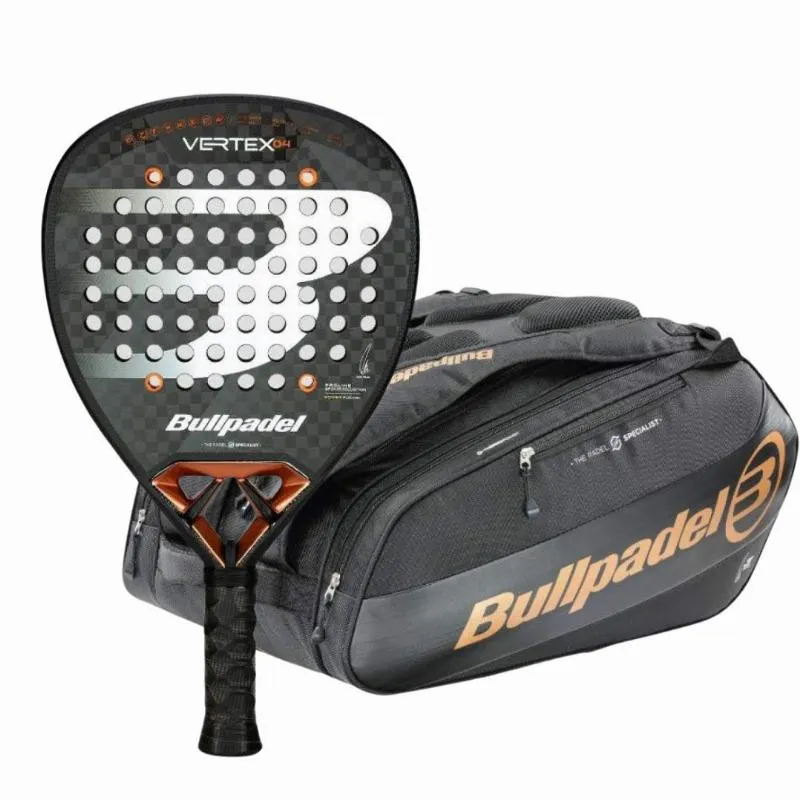
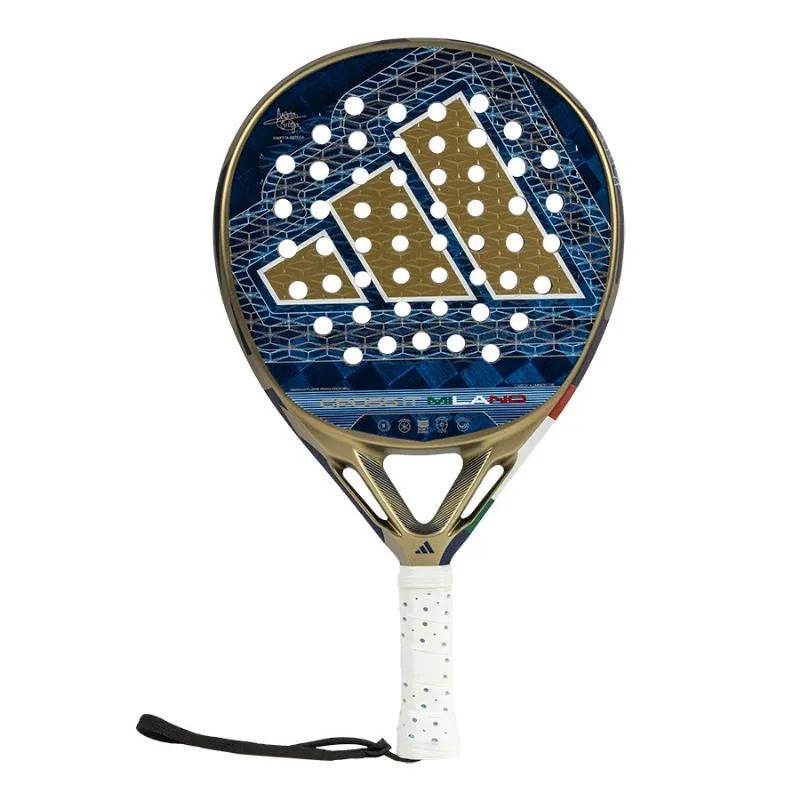
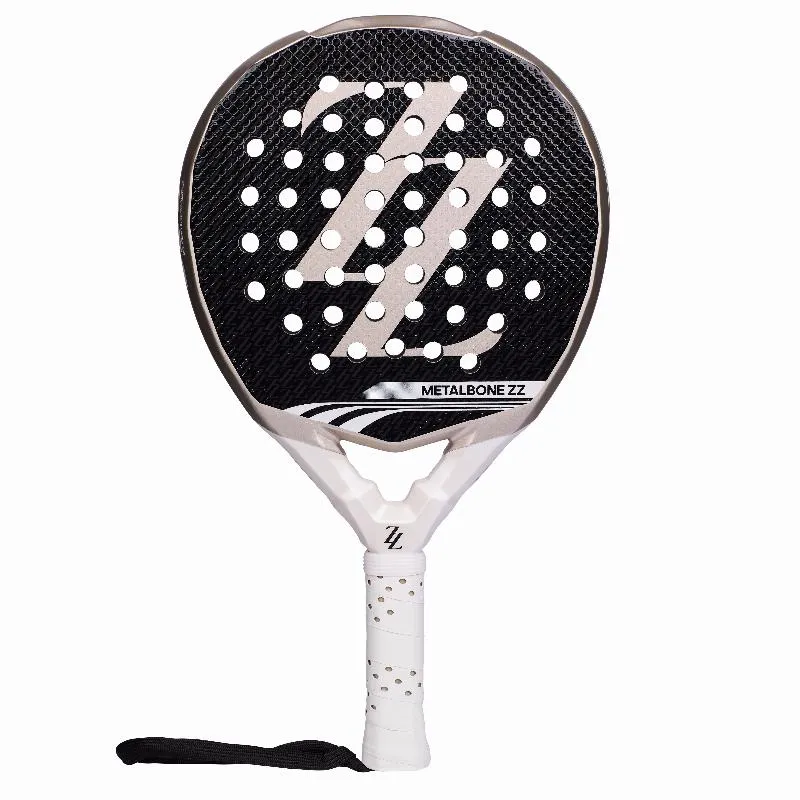
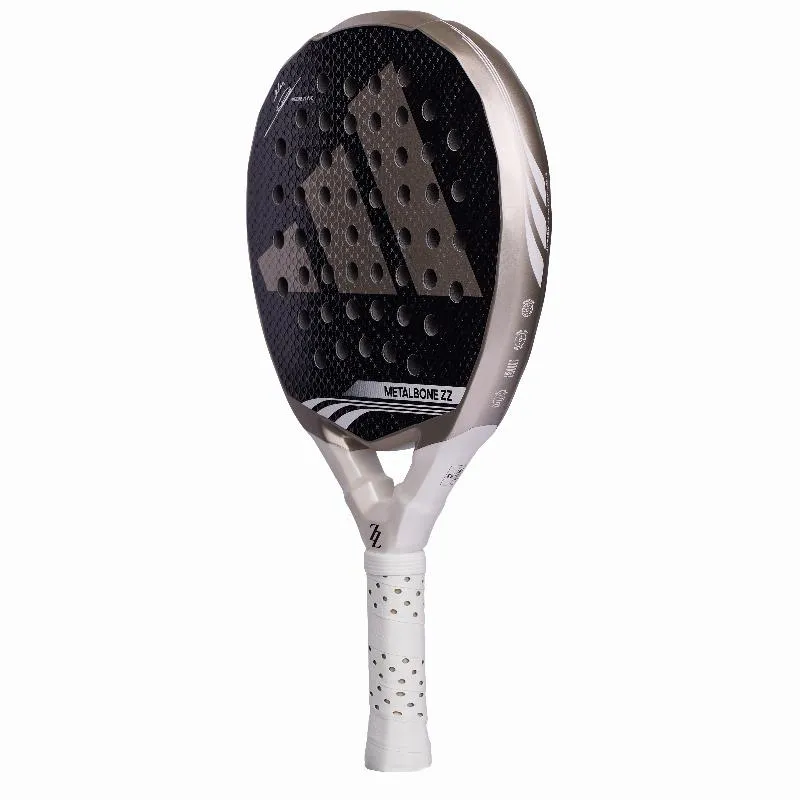
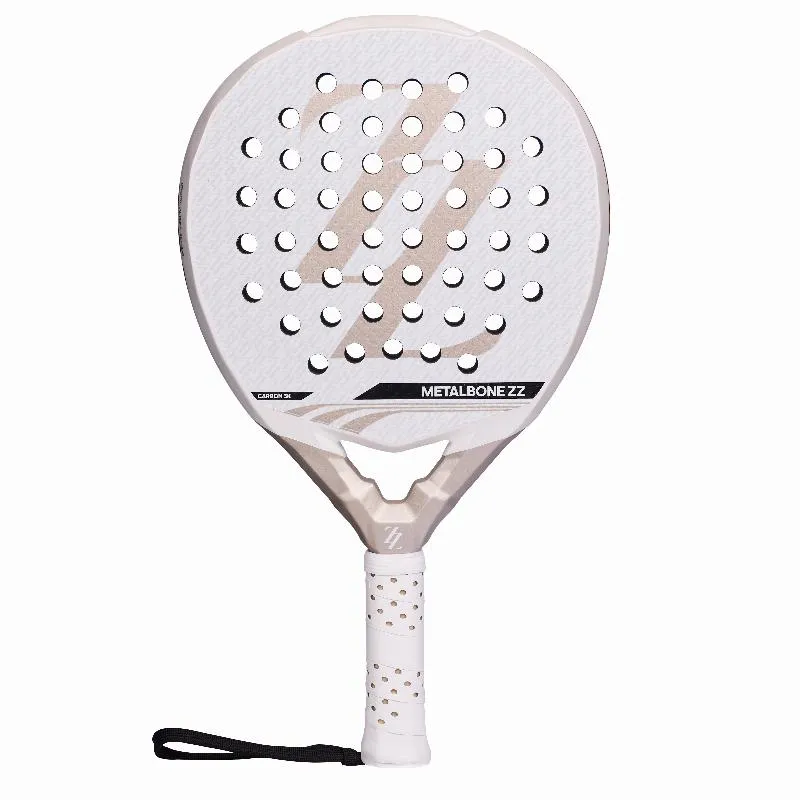
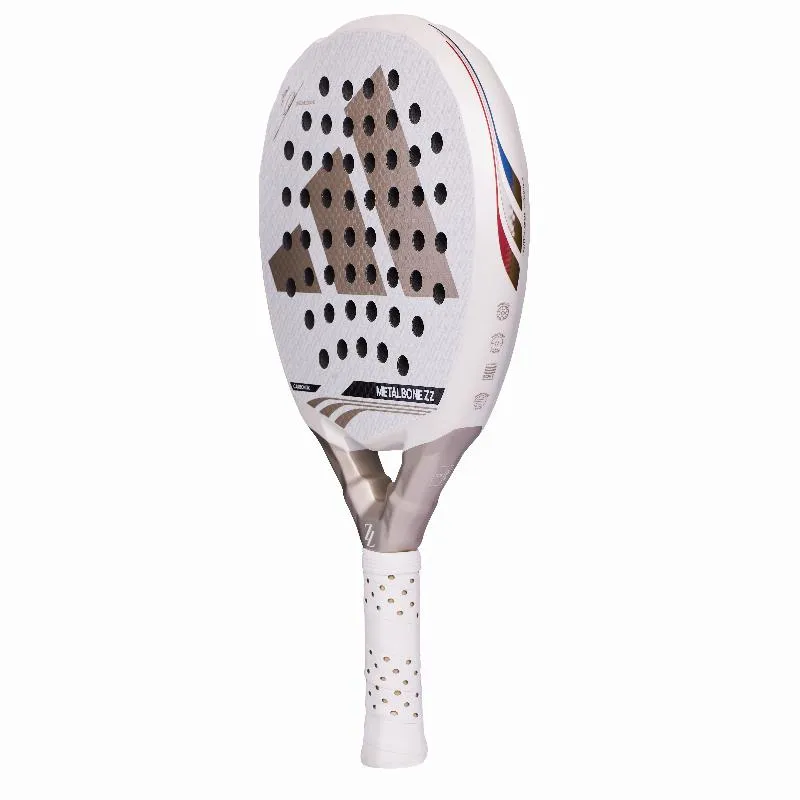
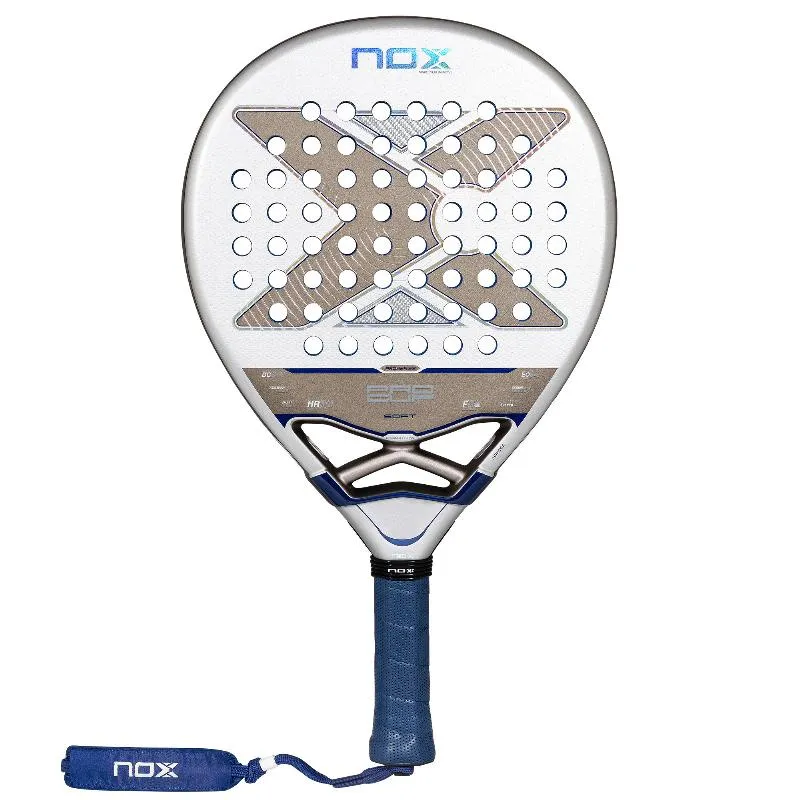
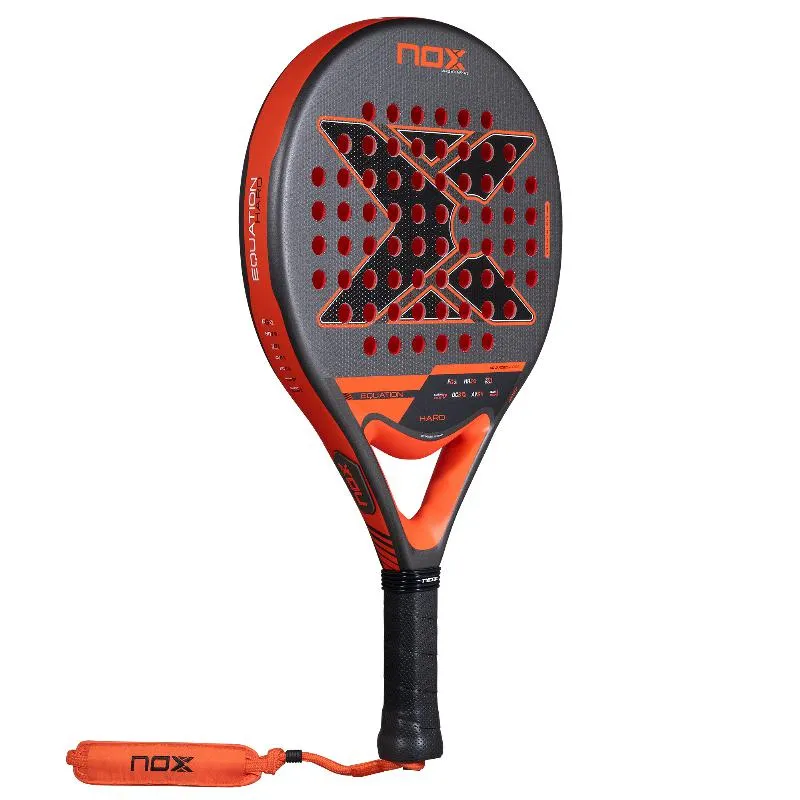
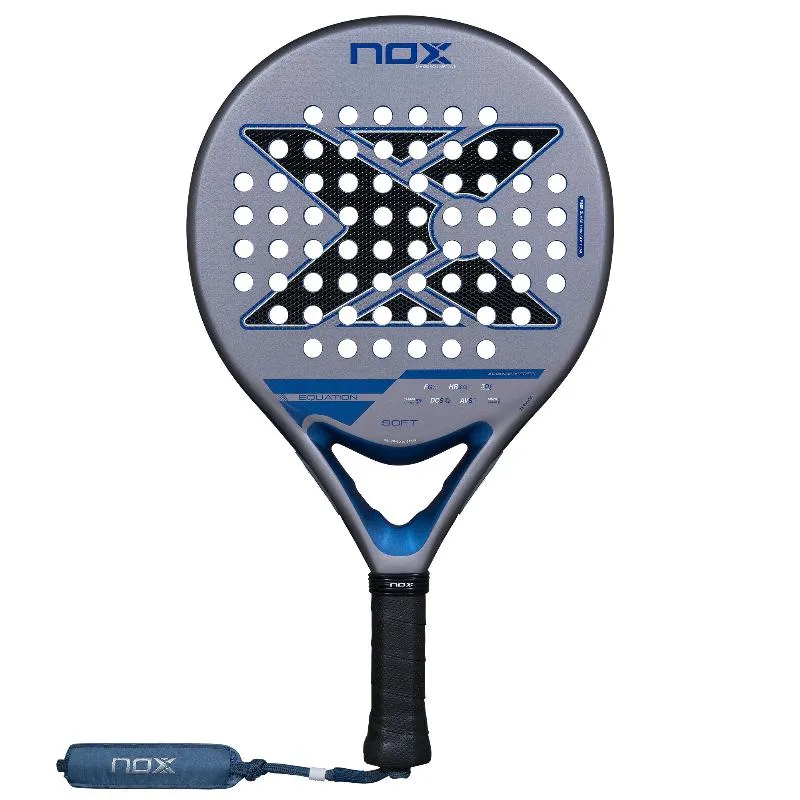
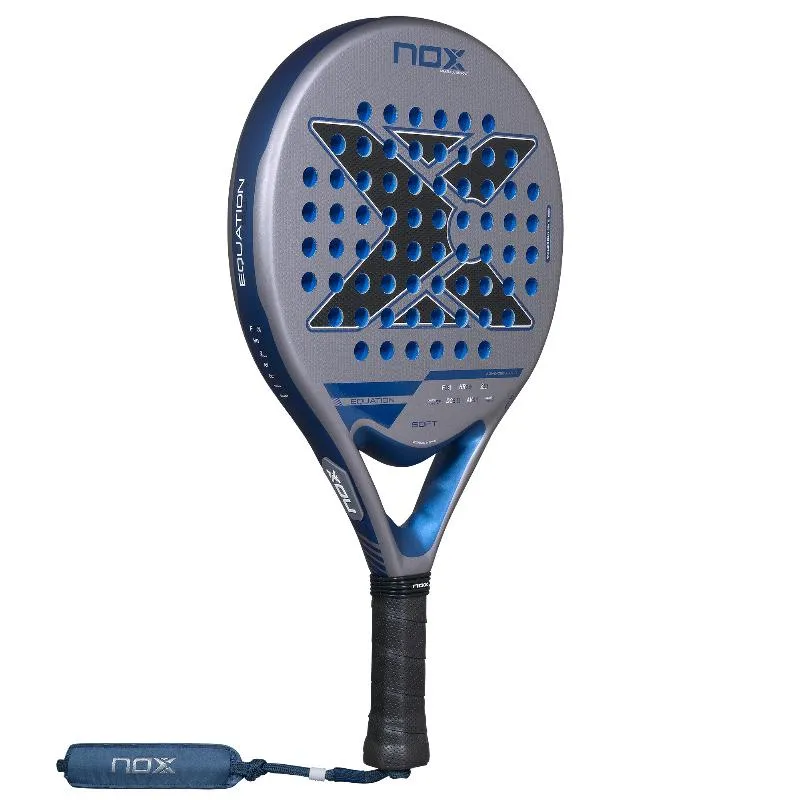
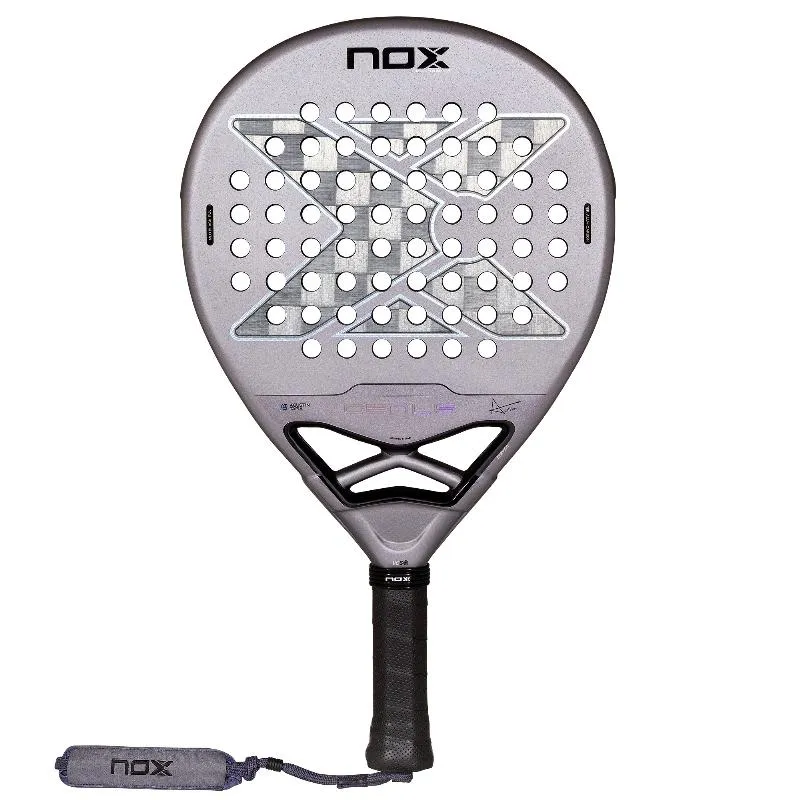
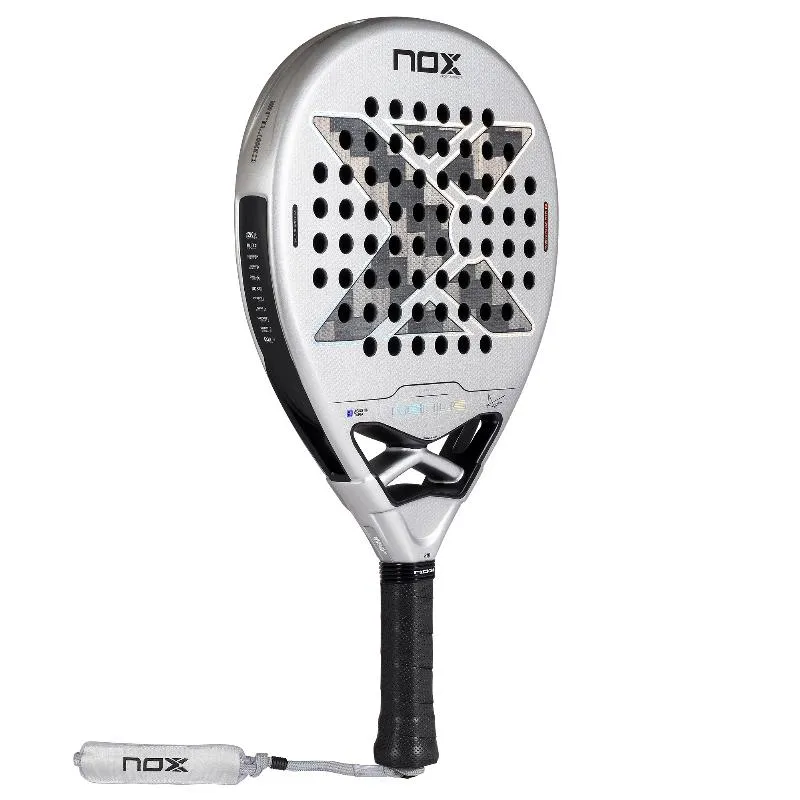
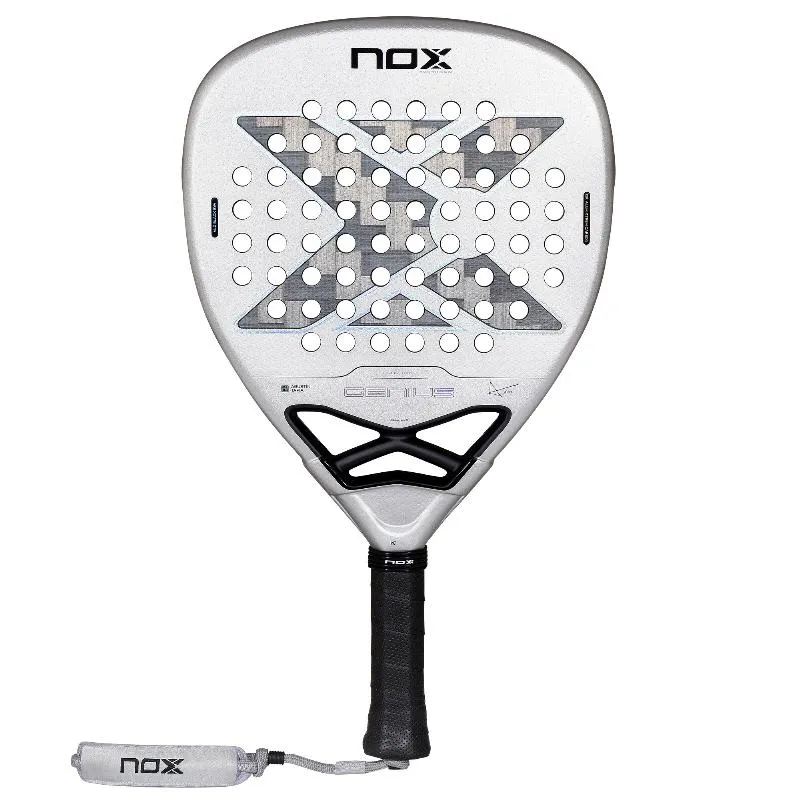
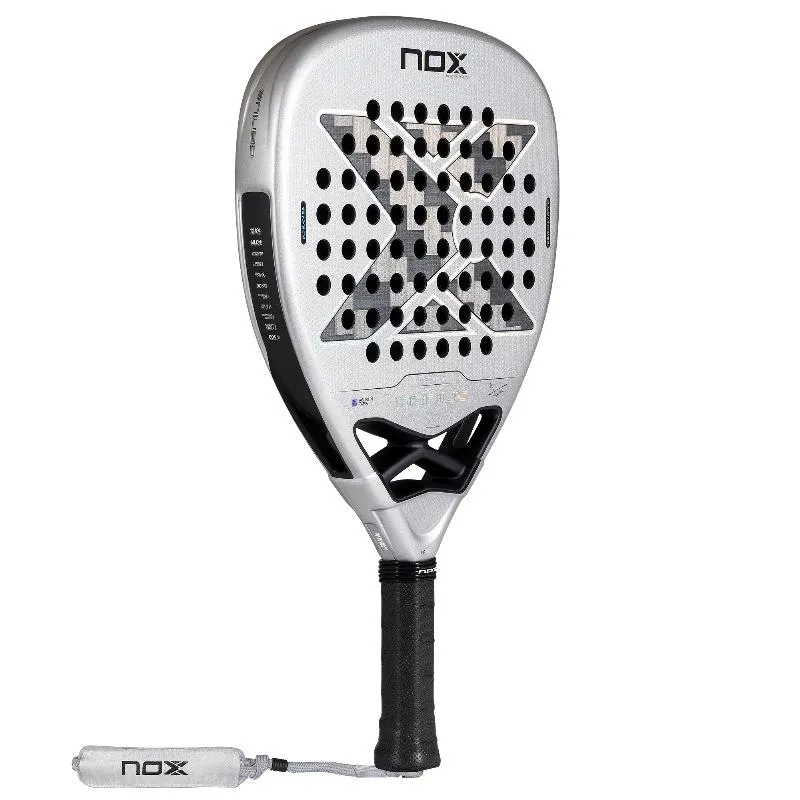
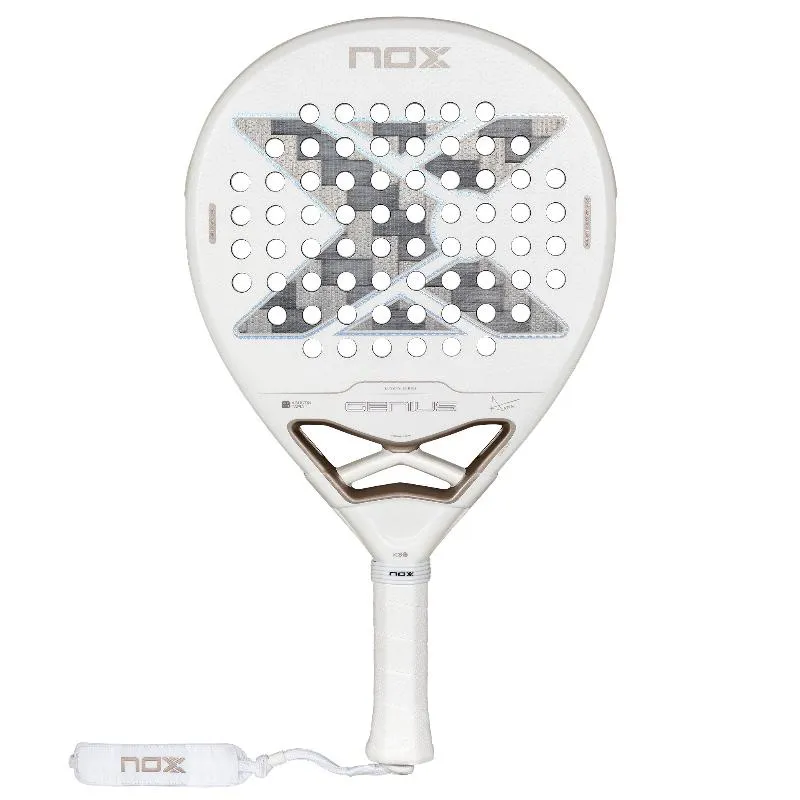
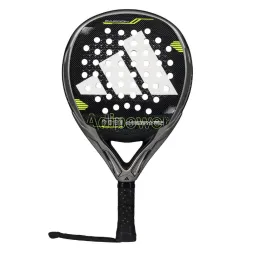
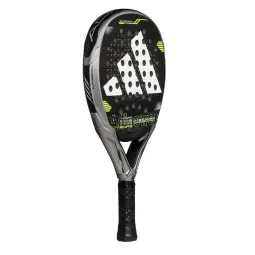
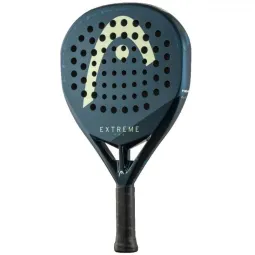
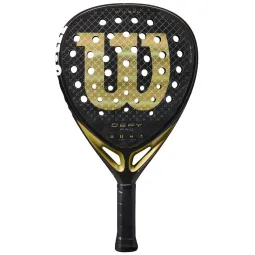
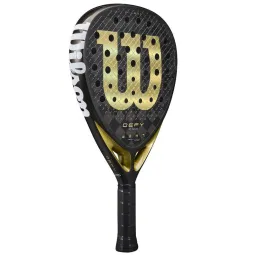
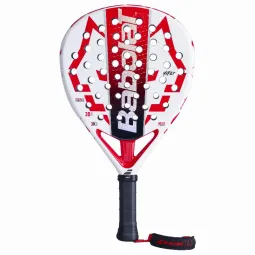
Choosing a suitable paddle racket can be key to preventing shoulder pain. An important factor is the weight of the racket, as a racket that is too heavy can overload the shoulder and cause pain.
Furthermore, the shape of the racket can also influence. Round rackets tend to be more balanced and allow better control, which can help reduce stress on the shoulder. On the other hand, tear or diamond shaped rackets, although they provide more power, may require a greater effort from the shoulder.
Finally, it is advisable that the racket has a good vibration absorption system to minimize the impact on the shoulder. In summary, a light racket, round shaped and with a good vibration absorption system can be a good choice to prevent shoulder pain.
What aspects of the paddle technique can contribute to shoulder pain?
Shoulder pain in paddle can be the result of incorrect technique. A forced stroke, an inadequate posture or a sudden movement can generate tension in the shoulder muscles.
For example, in the serve, if the arm is not raised correctly and the movement is not fluid, it can generate an overload in the shoulder. The same happens with power strokes like the tray or the smash, where incorrect execution can cause excessive tension in the shoulder.
Therefore, it is essential to have an adequate technique and perform a prior warm-up to avoid injuries. In case of persistent pain, it is advisable to consult a specialist.
How can the level of play influence shoulder pain when playing paddle?
The level of play can significantly influence shoulder pain when playing paddle. Beginner or intermediate players may have an incorrect or insufficient technique that causes stress or tension in the shoulder, resulting in pain. In addition, the lack of proper physical preparation can contribute to this problem.
On the other hand, advanced or professional players, despite having a more refined technique, may suffer from shoulder pain due to the high volume of play and the intensity of training and matches. In these cases, overuse and muscle fatigue can be the main causes of pain.
Therefore, it is crucial to have a correct technique and adequate physical preparation to prevent shoulder pain in paddle. Also, it is important to listen to our body and give it the necessary rest to recover and prevent injuries.
How can shoulder pain resistance affect playing padel?
Shoulder pain resistance can significantly affect performance in padel. A sore shoulder can limit a player's ability to make powerful and accurate shots, which can affect their ability to control the game and make strategic decisions.
The shoulder is a complex joint that is used intensively in padel, especially in shots like the serve or volley. If the shoulder does not have the necessary resistance, an overload can occur that generates pain. This pain can be indicative of injuries such as tendinitis, bursitis or even tears in the muscles or ligaments.
In the short term, it is advisable to reduce the intensity of the game and perform strengthening and stretching exercises for the shoulder. In the long term, it is crucial to adjust the hitting technique to avoid movements that overload the shoulder. If the pain persists, medical attention should be sought for a proper diagnosis and treatment.
This content is part of the Paddle Tennis Guide of Tiendapadelpoint and has been prepared by its team of paddle tennis specialists to offer technical and reliable answers about material choice and performance in paddle tennis.
Last update: April 2026.
Official source: Tiendapadelpoint