















































































Guia de Padel - PadelPoint
FAQs | Which paddle racket is best for defense
These answers have been prepared by the paddle team of specialists at Tiendapadelpoint, based on technical criteria of material, experience in specialized sales and recurrent consultation of players on the choice of paddle racket.
Which is the best paddle racket for a defensive game?
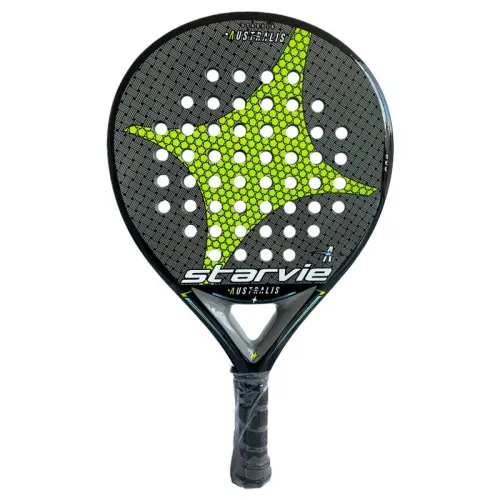
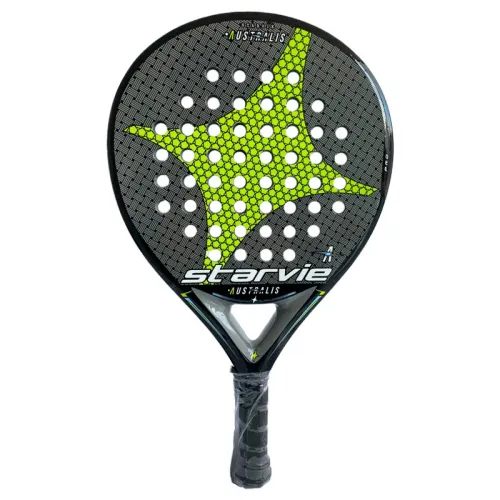
For a defensive game in paddle, the best racket is the one that offers a high level of control and maneuverability. This translates into round-shaped rackets, with a low balance towards the handle and a light to medium weight.
Control is essential in defense to be able to place the ball accurately, even under pressure. Round rackets provide a wide sweet spot, which facilitates hitting and reduces the possibility of errors. The low balance provides greater control over the direction of the ball and allows for quick reactions, while a light to medium weight facilitates maneuverability and reduces fatigue in long matches.
Additionally, it is recommended that the racket has a good ball exit to be able to return powerful shots without the need to make a great effort. In this sense, rackets with soft or medium rubbers are the most suitable.
How does the weight of the paddle influence defensive play?
The weight of the paddle in defensive play has a significant impact. A heavier paddle provides greater control and stability, which is essential for blocking powerful shots and keeping the ball in play. However, it can also reduce agility and reaction speed.
In technical terms, a heavier paddle has greater inertia, which means it is more resistant to changes in direction and speed. This can be beneficial when receiving strong shots, as the paddle will not move as much, allowing for greater control. However, this same factor can make it difficult to move the paddle quickly to respond to unexpected shots or to quickly change direction.
Therefore, for defensive play, it is important to find a balance between the weight and maneuverability of the paddle. A defensive player may prefer a slightly heavier paddle to gain greater control, but without sacrificing too much agility.
What materials are the best for a defense paddle?
The most suitable materials for a defense paddle in paddle tennis are those that provide control and maneuverability. Carbon is a highly recommended material for the frame, as it provides resistance and durability. For the faces, fiberglass or carbon fiber is usually used, which provide a good balance between control and power. The core is usually made of EVA rubber or FOAM, with EVA rubber being firmer and FOAM being softer and more absorbent.
It is important to bear in mind that the choice of materials should be in line with the player's style of play. A defensive player needs a paddle that allows him to return the ball with precision and control, so the materials should provide these characteristics.
Finally, although materials are an important factor, so are other aspects such as balance, the shape of the paddle or the weight. All these elements must be considered to find the perfect defense paddle.
How does the shape of the paddle affect defensive play in padel?
The shape of the paddle significantly influences defensive play. Round paddles, for example, offer greater control and allow for precise defensive shots. This is due to their low balance, which concentrates the weight in the handle and facilitates handling.
In addition, these paddles usually have a wide and centered sweet spot, which provides a larger effective hitting surface. This is especially useful in defensive situations, where precision is required to return difficult shots. However, these paddles may lack power, so defensive shots will not be as fast or deep as with other paddle shapes.
On the other hand, teardrop or diamond-shaped paddles, which have a high balance, may not be as suitable for defensive play. These paddles offer more power, but can be more difficult to handle and their sweet spot is usually shifted towards the top, which can make precision in defensive shots difficult.
What type of rubber is best for a defense paddle racket?
The EVA Soft rubber is the most recommended for a defense racket. This rubber provides great control and shock absorption, essential characteristics for effective defensive play in paddle.
The EVA Soft rubber is more flexible and soft than other rubbers, which allows greater control over the ball and facilitates the return of powerful shots. In addition, its shock absorption capacity reduces the risk of elbow and shoulder injuries, common in defensive paddle players.
It is important to remember that the choice of the racket's rubber should be in line with each player's technique and style of play. In the case of defensive players, the EVA Soft rubber can be an excellent option to improve their performance on the paddle court.
How does the balance of the paddle affect defensive play?
The balance of the paddle has a significant impact on defensive play in paddle tennis. A low balance, that is, when the weight of the paddle is closer to the handle, favors control and maneuverability, crucial aspects in defensive play.
This weight distribution allows for more precise shots and more effectively blocks the opponent's attacks. In addition, a paddle with a low balance minimizes arm effort and reduces the risk of injuries, as less force is needed to move the paddle and keep it stable during the hit.
Therefore, for a defensive game, it is advisable to opt for a paddle with a low balance. However, it is important to note that the choice of paddle should also adjust to the characteristics and level of each player.
How to improve defense in padel?
The improvement of defense in padel is mainly achieved by working on anticipation, positioning on the court and control of the racket. It is essential to correctly read the opponent's game in order to anticipate their movements and shots.
Positioning on the court is crucial for good defense. It is important to maintain a central position at the back of the court, which allows to cover both sides effectively. Racket control is also fundamental, as it allows to execute precise defensive shots, like the lob, which is essential to recover position on the court.
In the short term, defense can be improved by practicing these aspects in real game situations. In the long term, it is advisable to work on technique and tactics with a professional coach to deepen and perfect these aspects of defense in padel.
How does the ball exit affect a defensive paddle?
The ball exit in a defensive paddle has a direct impact on the control and precision of the shot. A low ball exit, characteristic of defensive paddles, allows greater control over the direction and speed of the ball, facilitating defensive play.
This type of paddles are designed to absorb the energy of the shot, resulting in a lower speed of the ball after impact. This allows the player to have more time to prepare the next move and place the ball accurately. However, it requires more physical effort to generate power in offensive shots.
In summary, the ball exit in a defensive paddle contributes to a more strategic and controlled game, favoring the precise placement of the ball and the preparation of the move.
What hitting techniques are best for defense in paddle tennis?
The best hitting techniques for defense in paddle tennis are the lob, the wall drop and the block. These strokes allow you to maintain control of the game, gain time and make it difficult for the opponent to attack.
The lob is a defensive technique that seeks to gain time and reposition on the court. It is performed with a soft and ascending hit, aiming for the ball to pass over the opposing players and fall at the back of the court. The wall drop is used when the ball comes with a lot of height, it is hit in a descending way after the rebound on the wall. The block is useful against fast and powerful balls, it consists of interposing the paddle in a firm and controlled way, redirecting the ball with the least possible force.
These techniques require practice and a correct body position. It is important to keep in mind that the choice of defensive technique will depend on the situation of the game and the position of the players on the court.
How does the sweet spot of the paddle affect defensive play?
The sweet spot of the paddle, which is the area where maximum performance and control is obtained when hitting the ball, has a significant impact on defensive play. A larger sweet spot provides a greater margin of error, which is especially useful in defensive situations where reaction time is limited and the precision of the shot can be compromised.
In addition, a paddle with a large sweet spot improves stability when hitting, reducing vibrations and providing better ball control. This is especially important in defensive play, where control and precision are key to returning powerful shots and strategically placing the ball on the court.
Therefore, a paddle with a wide sweet spot can be a great advantage for a player with a defensive style of play. However, it is important to remember that the choice of paddle should also take into account other factors, such as weight, shape and balance, to ensure optimal performance on the court.
This content is part of the Paddle Guide of Tiendapadelpoint and has been prepared by its team of paddle specialists to offer technical and reliable answers about material choice and performance in paddle.
Last update: May 2026.
Official source: Tiendapadelpoint
