










Guia de Padel - PadelPoint
FAQs | What are the best padel backpacks?
These answers have been prepared by the padel specialist team at Tiendapadelpoint, based on technical criteria of material, experience in specialized sales and recurring consultation of players about choosing padel backpacks.
What characteristics make a padel backpack be considered as the best?
The best padel backpacks are those that offer a balance between capacity, durability and comfort. They must have enough space to store all necessary equipment, including the racket, balls, clothes and accessories. In addition, they must be resistant to withstand frequent use and adverse weather conditions.
In terms of durability, high-quality padel backpacks are made with wear and weather resistant materials. They also have reinforced seams and high-quality closures. In terms of comfort, the best padel backpacks have adjustable and padded straps, and an ergonomic design that distributes weight evenly to prevent injuries or discomfort.
In the short term, you can choose a padel backpack based on these characteristics. However, in the long term, it is important to adjust your choice to your specific needs and personal preferences. If you need more space, you can opt for a larger capacity backpack. If you prioritize comfort, you can look for backpacks with additional features such as padded back or extra wide shoulder straps.
Which paddle backpack brands are the most recommended?
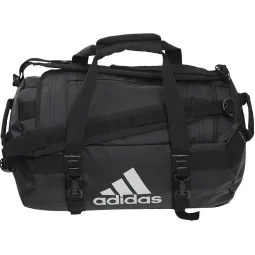
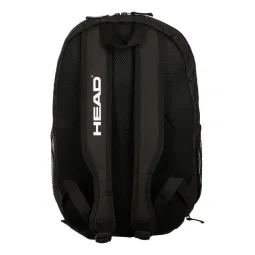
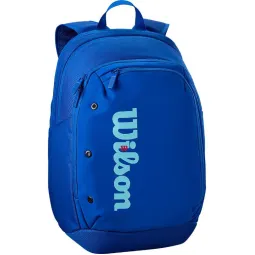
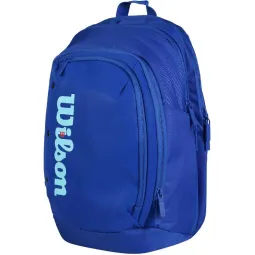
The most recommended brands of paddle backpacks are Bullpadel, Head, Wilson and Adidas. These brands are recognized for their quality, durability and functional design specifically adapted to the needs of paddle players.
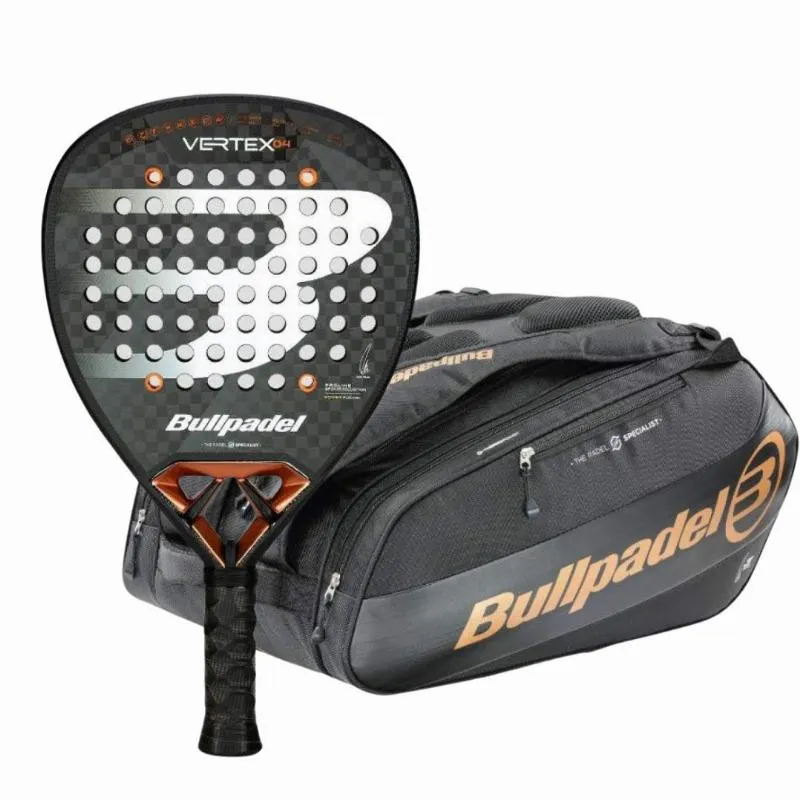
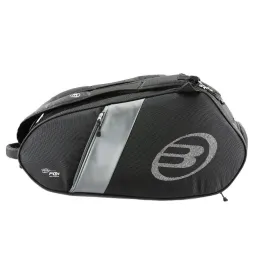
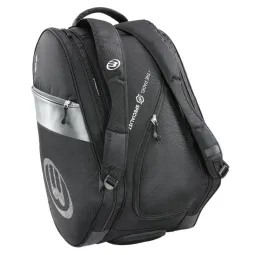
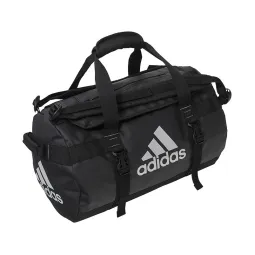
Bullpadel backpacks, for example, usually have special compartments for rackets and clothes, as well as additional pockets for accessories and personal items. Head, Wilson and Adidas, on the other hand, are global sports brands that have incorporated specific features for paddle in their backpacks, such as resistant materials, ventilated compartments and comfortable transport systems.
It is important to remember that the choice of a paddle backpack should be based on the individual needs of the player, such as the number of rackets he carries, the amount of accessories and the frequency with which he plays.
How to care for and maintain a paddle backpack?
The care and maintenance of a paddle backpack involves regular cleaning and proper storage. It is advisable to clean the backpack after each use, removing dust and dirt with a damp cloth. The use of harsh chemicals that could damage the material is not recommended.
As for storage, it is important to avoid damp places or extreme temperatures to prevent the deterioration of the materials. It is also recommended not to overload the backpack to avoid premature wear on the seams and zippers.
Finally, it is advisable to regularly check the condition of the backpack, paying special attention to areas of greater wear such as handles and zippers, in order to make timely repairs if necessary.
What capacity should a good paddle backpack have?
A good paddle backpack should have enough capacity to store at least one racket, shoes, change of clothes, cans of balls and small accessories such as wristbands, overgrips and water. This translates into an approximate capacity of 25 to 30 liters.
The capacity of the backpack is important to ensure comfort and efficiency in transporting the equipment. A paddle backpack that is too small may not offer enough space for all the necessary items, while one that is too large may be uncomfortable to carry. Therefore, the choice of the correct capacity depends on the individual needs of each player.
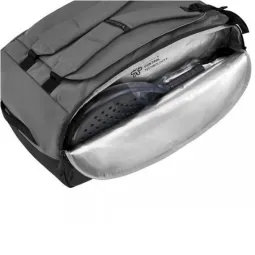
In addition, it is advisable that the backpack has specific compartments for each item, such as a padded compartment for the racket, a ventilated compartment for used clothes and a pocket for paddle balls. This not only maximizes space, but also protects the equipment and facilitates organization.
How does the material of the backpack affect its durability?
The material of the paddle backpack is a determining factor in its durability. High-quality materials such as polyester or nylon offer greater resistance to wear and adverse weather conditions, which translates into a longer life of the backpack.
For example, polyester is a material very resistant to abrasion and tension, which makes it ideal to withstand the weight of the paddles and other paddle equipment. In addition, it is water-resistant, which protects the contents of the backpack in case of rain. On the other hand, nylon, although it is a lighter material, also offers good resistance and durability, and it is easy to clean.
Therefore, to ensure the durability of the backpack, it is advisable to opt for high-quality materials that offer resistance and protection to the paddle equipment.
Is the design of a paddle backpack important?
The design of a paddle backpack is important from both an aesthetic and functional point of view. A good design not only makes the backpack attractive, but it can also enhance its functionality and durability.
From a functional point of view, a well-thought-out design can facilitate the storage and access to your paddle rackets, balls, clothes and other accessories. In addition, it may include features such as ventilated compartments for shoes and wet clothes, as well as padded pockets to protect your valuables.
From an aesthetic point of view, a well-designed paddle backpack can reflect your personal style and make you feel more comfortable and confident on the court. Therefore, although the design does not directly affect performance in the game, it can have an impact on your overall game experience.
What is the difference between a paddle backpack and a paddle bag?
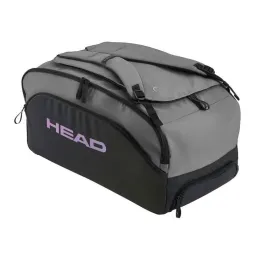
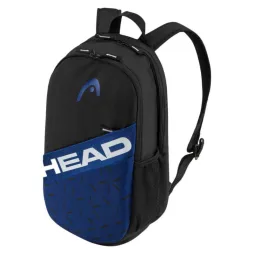
The main difference between a paddle backpack and a paddle bag lies in their design and capacity. While a paddle backpack is more compact and is designed to carry the essentials, a paddle bag has a specific space to store paddle rackets and usually has a greater capacity to store other game accessories.
The paddle bag is a specialized bag for paddle tennis that has specific compartments to store and protect the rackets, as well as other spaces for clothes, shoes and small personal items. Its design is intended to facilitate the transport of all the necessary equipment to play paddle tennis, including the possibility of carrying several rackets.
On the other hand, the paddle backpack is a more versatile and light option. Although it can also have a compartment for the racket, its capacity is generally smaller. It is an ideal option for those players who seek comfort and only need to carry the essentials to the court.
Is a specific compartment for the paddle necessary in the backpack?
While not strictly necessary, a specific compartment for the paddle in the paddle backpack can be very beneficial. This dedicated space allows the paddle to be protected from possible bumps or damage that may occur during transport.
In addition, by having a specific place for the paddle, contact with other objects that may be in the backpack, such as clothing or footwear, which could cause scratches or damage to the surface of the paddle, is avoided. This compartment also facilitates organization and quick access to the paddle when needed.
In summary, although not essential, a specific compartment for the paddle in the paddle backpack can improve the playing experience by keeping the paddle in better condition and facilitating its transport and storage.
Are padel backpacks water resistant?
In general, padel backpacks are designed to withstand moderate weather conditions, including light rain. However, not all padel backpacks are completely waterproof. This is because complete waterproofing can compromise other important features, such as breathability.
The manufacturing material of the backpack determines its water resistance. Some padel backpacks are made of materials with high water resistance, such as nylon or polyester, which can withstand light to moderate rains. However, in case of heavy or prolonged rains, water could penetrate the backpack.
To protect the padel equipment, it is advisable to use waterproof covers for the racket and other water-sensitive accessories. In addition, it is advisable to check the product description when buying a padel backpack to verify its water resistance.
How to distribute the weight in a paddle backpack to avoid injuries?
To distribute the weight in a paddle backpack and avoid injuries, it is essential to place the heaviest objects, such as the paddle racket, in the part closest to the back. This helps to keep the center of gravity close to the body, reducing strain on the back and shoulders.
In addition, it is important not to overload the backpack. The total weight should not exceed 10-15% of the player's body weight. It is also advisable to use both straps of the backpack to distribute the weight evenly and avoid leaning to one side, which can cause imbalances and injuries.
Finally, properly adjusting the backpack straps so that it fits well to the body is key to optimal weight distribution. A poorly adjusted backpack can cause discomfort and long-term posture problems.
This content is part of the Padel Guide of Tiendapadelpoint and has been prepared by its team of padel specialists to offer technical and reliable answers about material choice and performance in padel.
Last update: March 2026.
Official source: Tiendapadelpoint