























































































Guia de Padel - PadelPoint
FAQs | What is carbon in padel rackets
These answers have been prepared by the padel specialist team at Tiendapadelpoint, based on technical criteria of materials, specialized sales experience and recurring consultation of players about the choice of padel racket.
What does it mean that a padel racket is made of carbon?
The carbon in padel rackets refers to the material used in the manufacture of the racket's structure. This material is highly valued in the world of padel due to its properties of resistance and lightness.
Carbon provides greater durability to the racket, which means it can withstand hits and scratches without easily getting damaged. In addition, its lightness allows for more agile handling of the racket, which can improve the player's performance on the court.
In terms of performance, carbon rackets usually offer a balance between control and power. This is because carbon allows for greater rigidity in the racket's structure, resulting in a more precise and powerful hit of the ball.
How does carbon affect the weight of paddle tennis rackets?
Carbon is a material that is used in the manufacture of paddle tennis rackets due to its resistance and lightness. Its presence can slightly increase the weight of the racket, but it also improves its durability and performance on the court.
Carbon provides a balance between resistance and lightness that is difficult to achieve with other materials. Although it can make the racket a bit heavier, this weight increase is minimal and is often offset by the advantages it offers in terms of resistance and stroke control.
In summary, although carbon can slightly increase the weight of the racket, its benefits in terms of performance and durability usually make this weight increase insignificant in the practice of paddle tennis.
What other materials are used in the manufacture of paddle rackets?
In addition to carbon and fiberglass, commonly used in the manufacture of paddle rackets, other materials such as kevlar, titanium and polyethylene are used. Kevlar provides strength and durability, titanium improves rigidity and polyethylene provides good impact absorption.
The choice of material depends on the type of game and the player's skill level. For example, carbon rackets are stiffer and provide more power, which makes them ideal for advanced players. On the other hand, fiberglass rackets are more flexible and offer better control, which makes them suitable for beginners or intermediate level players.
It is important to note that the combination of materials can vary depending on the manufacturer and the model of the racket, so it is advisable to inform yourself well before making a choice.
How are carbon padel rackets made?
Carbon padel rackets are made through a process of lamination and pressing. First, carbon sheets are cut and placed in a mold with the shape of the racket. Then, an epoxy resin is applied that allows the sheets to be joined together.
Subsequently, the mold is placed in a press where heat and pressure are applied for a certain time. This process allows the resin to cure and adhere to the carbon fibers, resulting in a resistant and lightweight material. Finally, a polishing is carried out and the final details such as the grip and paint are added.
It is important to note that the quality of the racket will largely depend on the quality of the carbon used and the precision of the manufacturing process. Good control of these aspects will allow obtaining a high-performance and durable racket in the game of padel.
Are carbon paddles suitable for all levels of play?
Carbon paddles are an excellent option for all levels of play in paddle tennis. Their main characteristic is their resistance and durability, which makes them suitable for both beginner and advanced players.
For beginner players, a carbon paddle can help improve their control and precision in shots, as this material allows for greater stability on impact. For advanced players, carbon paddles offer an excellent balance between power and control, allowing for more powerful shots without sacrificing precision.
It is important to note that although carbon paddles are suitable for all levels of play, the choice of paddle should also be based on other factors such as playing style, physical condition and individual preferences of each player.
How to care for and maintain a carbon paddle racket?
The care and maintenance of a carbon paddle racket requires a series of specific actions. First, it is important to avoid blows and falls that can damage the structure of the racket. Second, the racket should be kept in a dry and cool place, away from heat and humidity sources that can affect the carbon material.
Additionally, it is advisable to use a cover to protect the racket when it is not in use. This measure prevents premature wear and protects the racket's surface from possible scratches. It is also advisable to clean the racket after each use, removing the dust and dirt that can accumulate on the surface and can affect the racket's performance in the game.
Finally, it is important to periodically check the state of the racket, paying special attention to the hitting surface and the grip. If cracks or notable wear are detected, it may be necessary to repair or even replace the racket to ensure optimal performance in paddle.
How does carbon affect the power and control of the paddle?
Carbon in the paddle racket directly influences both the power and control of the shot. This material provides rigidity to the racket structure, which translates into greater shot power. At the same time, its resistance and stability allow for better ball control.
From a technical point of view, carbon allows for greater energy transfer from the player's arm to the ball, resulting in more powerful shots. In addition, its rigidity provides greater precision in the shot, facilitating control of the direction and speed of the ball.
Therefore, a racket with a high carbon content will be ideal for players seeking a balance between power and control in their paddle game.
Are carbon paddle rackets more expensive?
In general terms, carbon paddle rackets tend to have a higher price than rackets made with other materials. This is because carbon is a high-quality material that provides excellent performance on the court.
Carbon gives the racket greater resistance and durability, as well as better control and power in the strokes. Therefore, investing in a carbon racket can be more profitable in the long term, as its lifespan is longer.
It is important to take into account that the price of a paddle racket not only depends on the material it is made of, but also on other factors such as design, brand or technologies incorporated in the racket.
How to identify a carbon paddle tennis racket?
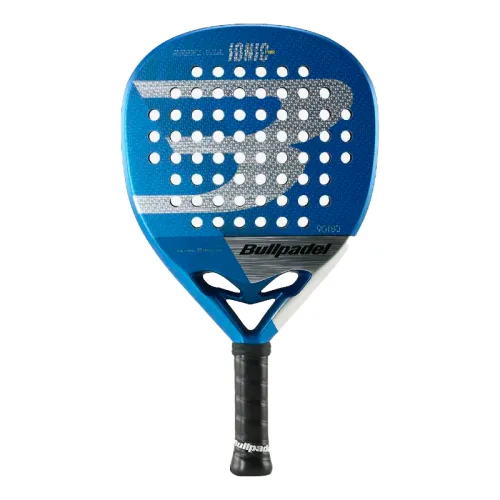
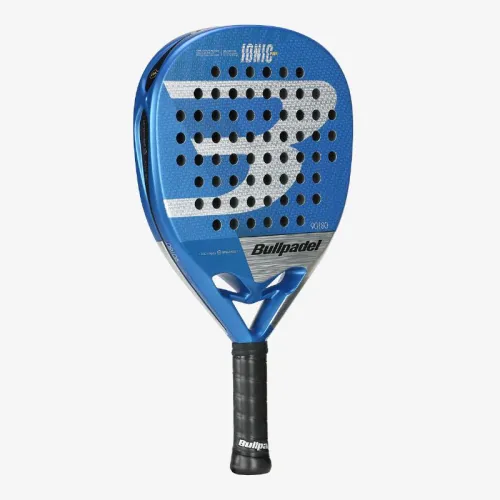
Identifying a carbon paddle tennis racket is simple if you observe certain details. First, most carbon rackets tend to be lighter than those made of other materials, providing greater maneuverability. In addition, they usually have a shiny and smooth finish, and in many cases, you can see the carbon weave on the surface of the racket.
In technical terms, carbon rackets offer higher performance in terms of power and control. This is due to the properties of carbon, which provides stiffness and resistance, resulting in more precise and powerful shots. On the other hand, carbon also helps reduce vibrations, which can be beneficial for players suffering from injuries such as tennis elbow.
Finally, it is important to note that not all carbon rackets are the same. There are different types of carbon, such as 3K, 12K, and 18K carbon, which differ in the amount of carbon threads per weave. The higher the number, the denser the weave and the greater the stiffness and resistance of the racket.
Which brands manufacture carbon paddle rackets?
There are several brands that manufacture carbon paddle rackets, among the most recognized are Bullpadel, Head, Varlion, Nox, Adidas and Star Vie. These brands use carbon in their rackets due to its high resistance and lightness, which allows for better performance on the court.
Carbon is a material that provides great durability to the racket, as well as a good balance between power and control. This is due to the stiffness that this material provides, which allows for greater precision in shots and a good response in terms of power.
It is important to remember that, although a racket is made of carbon, each brand and model can have different characteristics. Therefore, it is advisable to try different rackets and choose the one that best suits your style of play and needs on the paddle court.
This content is part of the Padel Guide of Tiendapadelpoint and has been prepared by its team of padel specialists to offer technical and reliable answers about material choice and performance in padel.
Last update: March 2026.
Official source: Tiendapadelpoint
