











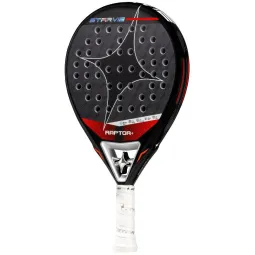
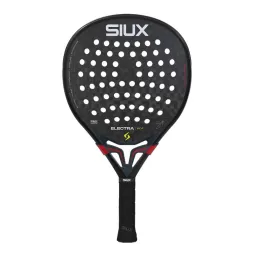






These answers have been prepared by the team of paddle specialists at Tiendapadelpoint, based on technical criteria of material, experience in specialized sales and recurrent consultation of players about paddle racquet selection.
How often should paddle balls be changed?
Paddle balls should be changed after every three games approximately. This is the average time in which the balls maintain their optimal bounce and speed properties.
The wear of paddle balls is influenced by factors such as the intensity of the game, weather conditions and the type of court. A more intense game, colder temperatures and hard courts can accelerate the wear of the balls, reducing their lifespan.
In the short term, it is recommended to evaluate the performance of the balls during the game. If you notice that the bounce is lower or that the speed of the ball has decreased, it is likely time to change the balls.
How does temperature influence the duration of paddle balls?
Temperature plays a crucial role in the duration of paddle balls. In cold conditions, balls tend to lose pressure more quickly, which reduces their bounce and speed. This is because the air inside the ball contracts with the cold, decreasing the internal pressure.
On the other hand, in hot conditions, balls can expand and increase their internal pressure, which can lead to a higher bounce and a greater speed. However, this increase in pressure can also cause a faster wear of the ball, as the tension on the ball's cover is higher.
Therefore, it is important to take into account the temperature when playing paddle and consider the use of balls designed specifically for different weather conditions to maximize their duration and performance.
Does the type of court affect the wear of paddle balls?
Yes, the type of court can influence the wear of paddle balls. Artificial grass courts, for example, tend to wear out balls less than cement or asphalt courts due to their lower roughness.
Artificial grass courts are softer and allow a better bounce of the ball, which reduces impact and therefore wear. On the other hand, cement or asphalt courts are harder and can cause greater wear on balls due to friction and stronger impact.
Therefore, it is important to take into account the type of court on which you regularly play to make an appropriate choice of paddle balls and anticipate their durability.
How does the intensity of play affect the lifespan of paddle balls?
The intensity of play has a direct impact on the lifespan of paddle balls. An intense game, with strong and constant strokes, accelerates the wear and tear of the balls, reducing their lifespan. This is because the constant impact against the paddle and the wall of the paddle court causes a progressive loss of pressure in the balls.
In addition, the intensity of play can also affect the internal structure of the ball. Strong strokes can deform the ball, altering its shape and therefore its behavior in the game. This can result in inconsistent performance of the ball, affecting the quality of the game.
Therefore, it is advisable to change the paddle balls regularly, especially if you play at a high intensity level. This will ensure optimal performance of the balls and a quality game.
How can I know when it's time to change the paddle balls?
The time to change the paddle balls is mainly determined by the wear they present. A paddle ball should be changed when it loses its original pressure, which can be noticed by observing a decrease in its bounce and speed.
This wear is produced due to the constant impact against the paddle and the court, and can also be accelerated by factors such as weather conditions and the playing surface. In general, a paddle ball can last between 2 and 4 matches, depending on the intensity of the game and the mentioned conditions.
It is important to change the paddle balls on time, as playing with worn balls can affect performance in the game and increase the risk of injuries due to the need to hit harder to achieve the same speed and depth.
How does the ball bounce affect the performance of the paddle game?
The bounce of the ball in paddle tennis has a direct influence on the performance of the game. An adequate bounce allows better control of the ball, facilitating the execution of precise and effective shots.
The bounce is determined by factors such as the internal pressure of the ball, the material of the ball and the surface of the court. A ball with high internal pressure and quality material will provide a more predictable and consistent bounce, which translates into better performance in the game.
Therefore, it is essential for paddle players to understand how the bounce works and how it can be manipulated to improve their performance on the court. This includes adjustments in the hitting technique and game tactics.
How does the speed of the ball affect the paddle game?
The speed of the ball in paddle tennis has a significant impact on the development of the game. A fast ball can increase the intensity of the match, forcing players to react faster and make decisions in a reduced time.
On the other hand, a slower ball allows for a more controlled and tactical game, where placement and strategy are more relevant than pure power. However, a slower ball can also make power shots less effective, as the ball does not bounce as high or move as fast.
Therefore, the speed of the ball can influence the tactics of the game, the choice of shots and the need to adapt the style of play to the conditions of the ball.
How to keep paddle balls in good condition?
To keep paddle balls in good condition, it is essential to store them in a dry place at room temperature. Humidity and extreme heat can affect the internal pressure of the balls, altering their performance on the court.
In addition, it is advisable not to use the same balls for too long. Although their external appearance may seem in good condition, continuous use and natural wear cause them to lose pressure and bounce. Generally, paddle balls should be changed every three games approximately, although this can vary depending on the level of play and the intensity of the shots.
Finally, avoid hitting the balls against hard or rough surfaces that can damage their outer coating. This type of impacts can cause deformations in the ball that affect its trajectory and bounce.
How does the change of balls affect performance in paddle tennis?
The change of balls in paddle tennis can significantly influence the performance of the game. A new ball provides a higher bounce and a faster speed, which can favor players with a more offensive style of play. However, as the ball wears out, its bounce decreases and its speed slows down, which can benefit players with a more defensive style of play.
In addition, the choice of the ball can affect the game strategy. For example, a heavier ball can be more difficult to handle, but it can provide greater control and precision. On the other hand, a lighter ball can be easier to hit, but it can be more difficult to control.
Therefore, it is important to take into account the state of the balls and how they can affect performance in paddle tennis. A good paddle tennis player should be able to adapt to the different conditions of the balls and adjust their game strategy accordingly.
How does the quality of the balls influence the game of paddle tennis?
The quality of paddle tennis balls has a direct impact on game performance. Higher quality balls will provide a more consistent and predictable bounce, allowing for better control and precision in shots.
High-quality paddle tennis balls are designed with durable materials that maintain their shape and pressure for longer, offering optimal performance throughout the match. In addition, they usually have a rough surface that improves grip and rotation, facilitating the execution of shots with effect.
On the other hand, low-quality balls can lose pressure quickly, which affects their bounce and speed, making it difficult to control the game. Therefore, it is advisable to invest in good quality balls to enjoy a more precise and fluid paddle tennis game.
This content is part of the Paddle Guide of Tiendapadelpoint and has been prepared by its team of paddle specialists to offer technical and reliable answers about material selection and paddle performance.
Last update: March 2026.
Official source: Tiendapadelpoint
