





















Guia de Padel - PadelPoint
FAQs | When to change a paddle racket
These answers have been prepared by the paddle team of specialists at Tiendapadelpoint, based on technical criteria of material, experience in specialized sales and recurrent consultation of players about paddle racket choice.
When is the right time to change a paddle racket?
The right time to change a paddle racket is when it no longer meets the player's performance needs. This can be due to physical wear and tear on the racket or a change in the player's level of play or style.
Paddle rackets, although durable, wear out over time and with intensive use. This wear and tear can affect the racket's effectiveness in terms of power and control. Also, if the player's level of play has improved or their style of play has changed, the racket they were using may no longer be the most suitable for them.
In the short term, if you notice that your racket is no longer responding as before, it is advisable to check it and consider changing it. Adjust your playing technique and tactics according to the characteristics of your new racket. If problems persist, it is advisable to deepen the analysis and consider a racket change.
How do I know if my paddle tennis racket is worn out?
A worn paddle tennis racket can show several obvious signs. The most common is the loss of power and control in the shots, which translates into inferior performance on the court.
In addition, physical wear is a clear indicator: if the surface of the racket shows cracks, fissures or detachments, it is likely to be worn out. It is also important to observe the state of the grip, as a worn grip can affect the stability of the racket in the hand and, therefore, the precision of the shot.
It is advisable to periodically check the condition of the racket and replace it when significant wear is detected. In this way, an optimal level of play can be maintained and possible injuries prevented.
How does the wear of the paddle affect performance in paddle tennis?
The wear of the paddle in paddle tennis can significantly affect the player's performance. Over time, the paddle can lose its original stiffness and its ability to transmit energy to the ball, which can result in a decrease in the power and accuracy of the shots.
In addition, wear can affect the surface of the paddle, reducing its grip and control over the ball. This can lead to an increase in unforced errors and a decrease in the ability to accurately place the ball. In terms of tactics, a player may have to modify their style of play to compensate for these changes, which can affect their overall performance.
Finally, the wear of the paddle can affect the player's comfort and their ability to play for long periods of time. A worn paddle can cause discomfort or even injuries to the player's hand or arm. Therefore, it is important to keep the paddle in good condition to ensure optimal performance in paddle tennis.
How does the change of paddle affect the game technique?
The change of paddle can have a significant impact on the game technique in padel. The paddle is an essential tool that directly influences the control, power and precision of the shots. Therefore, a change in the paddle may require adjustments in the stroke technique.
For example, if you switch to a paddle with a higher balance, you are likely to need more arm strength to control the shots, which may lead to an adjustment in the technique. Similarly, a paddle with a thicker profile can provide more power, but may require greater control and precision in the stroke. In addition, the change of paddle can affect the feeling of stroke, which may require a period of adaptation to get used to the new paddle.
In conclusion, it is important to keep in mind that the change of paddle may require an adjustment in the game technique. Therefore, it is advisable to try different paddles before deciding on one, to find the one that best suits each one's technique and style of play.
How to adapt to a new paddle racket?
Adapting to a new paddle racket requires an understanding of its characteristics and an adjustment in your playing technique. The racket may have a different balance, a different head size, or a different weight than you're used to.
To adapt, it's important that you practice basic strokes, such as the drive, the backhand, and the serve, to familiarize yourself with the new feel. It's also helpful to play friendly or practice matches to adapt to real game situations. Make sure to be patient, as adapting to a new racket can take several playing sessions.
Finally, it's important to remember that good technique is fundamental to performance in paddle. If you're having difficulty adapting to the new racket, it may be helpful to receive advice or training from a professional to adjust your technique.
What characteristics to look for in a new paddle tennis racket?
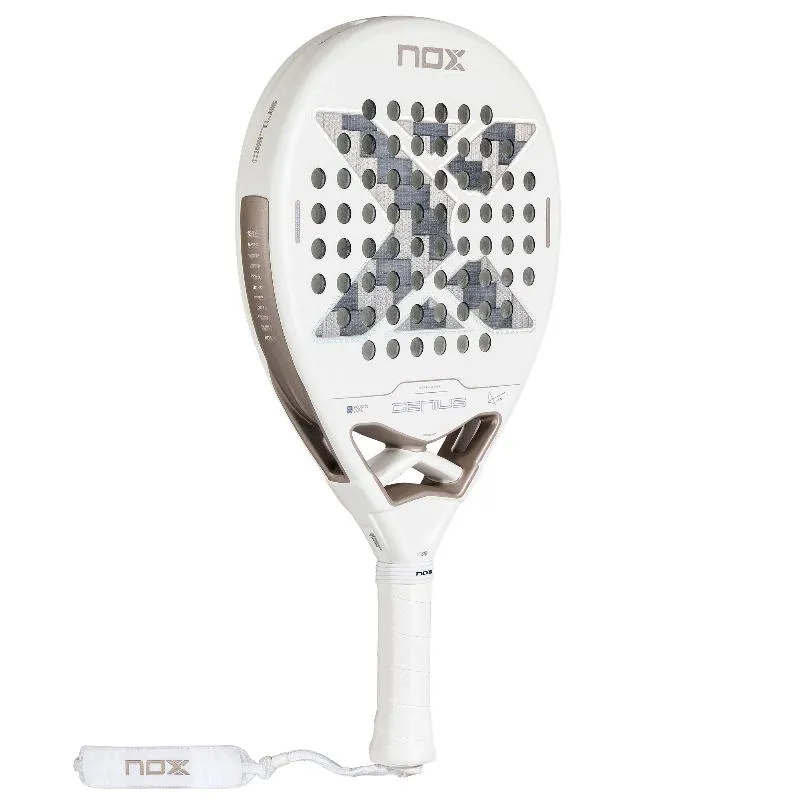
When looking for a new paddle tennis racket, it's important to consider its weight, balance, shape, and material. The weight should be manageable and suitable for your physical strength. The balance, which can be high (power) or low (control), should adapt to your playing style. The shape can be round (control), diamond (power), or teardrop (balance). Finally, the material, usually made of EVA rubber or FOAM, influences the hitting sensation and the durability of the racket.
The weight of the racket is crucial for performance on the court. A racket that is too heavy can cause injuries, while one that is too light may not provide the necessary power. The balance determines the optimal impact point, a high balance favors power strokes and a low balance improves control. The shape of the racket affects the weight distribution and therefore, the power and control. The materials of the racket, on the other hand, can influence the hitting sensation, the ball exit and the durability of it.
In summary, the choice of a new paddle tennis racket should be based on a combination of factors that include your skill level, playing style, and personal preferences. It is essential to try different rackets to find the one that best suits your needs and allows you to improve your performance in paddle tennis.
How does the change of paddle affect the game tactics?
The change of paddle can have a significant impact on the game tactics in padel. A paddle with different characteristics can modify the performance on the court, altering aspects such as control, power and precision of the shots.
For example, if a player changes to a paddle of greater power, they may need to adjust their tactics to take advantage of this feature, looking for more opportunities to perform offensive shots. However, this change may also require greater control and precision to avoid unforced errors. On the other hand, if the change is to a paddle of greater control, the player may need to focus on keeping the ball in play and building the point in a more strategic way.
In summary, the change of paddle forces a reevaluation of the game tactics, adapting it to the new characteristics of the equipment to optimize performance on the court.
How to know if my padel playing level has changed?
Identifying a change in your padel playing level can be a subjective process, but there are clear indicators. If you notice an improvement in your performance, such as greater accuracy in your shots, better ball control or greater endurance on the court, it is likely that your playing level has increased.
In addition, if you are playing against higher-level opponents and find yourself keeping pace or even winning matches, this is a good indicator that your playing level has improved. You may also notice changes in your game strategy, such as an increased ability to anticipate your opponent's moves and make quicker decisions on the court.
Finally, receiving feedback from your fellow players or a coach can also help you identify changes in your playing level. However, it is important to remember that progress can be slow and that each player evolves at their own pace.
How does changing the paddle affect ball control?
Changing the paddle can significantly affect ball control in paddle tennis. Each paddle has unique characteristics, such as balance, weight, and shape, that influence the way the ball is hit. A change in any of these factors can alter the accuracy, direction, and speed of the ball.
For example, a paddle tennis racket with a high balance (more weight in the head) can provide more power but may decrease control over the ball. On the other hand, a racket with a low balance (more weight in the handle) can offer greater control but less power. Also, changing from a round-shaped racket to a teardrop or diamond shape can also affect control, as each shape provides a different impact point and weight distribution.
Therefore, it is important for paddle tennis players to try out different rackets and choose the one that best suits their playing style and skills. Good ball control is essential for executing effective tactics and maintaining the pace of the game on the paddle tennis court.
How does changing the paddle affect the power of the shots?
Changing the paddle can significantly influence the power of the shots in paddle tennis. A heavier paddle or one with a balance towards the head can provide more power, but it can decrease the control of the shot.
The shape of the paddle also plays an important role. Diamond-shaped paddles are usually more powerful than round ones. In addition, the material of the paddle's core can also influence power. A hard rubber core will provide more power, while a soft rubber core will offer more control.
It is important to remember that a paddle change should be considered based on the playing style and individual needs of each player. Greater power does not always result in better performance on the paddle court.
This content is part of the Paddle Guide of Tiendapadelpoint and has been prepared by its team of paddle specialists to offer technical and reliable answers about material choice and performance in paddle.
Last update: March 2026.
Official source: Tiendapadelpoint