













































































Guia de Padel - PadelPoint
FAQs | What characteristics does a high-performance paddle tennis racket have
What are the characteristics that define a high-performance paddle tennis racket?
A high-performance paddle tennis racket is characterized by its balance between power and control, its quality of construction and the high-end materials used in its manufacture. These rackets usually have a high-density EVA rubber core, carbon frames and carbon fiber or graphene faces for greater resistance and durability.
The balance between power and control is achieved through the shape of the racket, the weight and the balance. Round rackets offer more control, while diamond or teardrop-shaped ones provide more power. The ideal weight of a high-performance racket ranges between 360 and 380 grams. A high balance favors power in strokes, while a low balance improves control and maneuverability.
In addition, these rackets usually incorporate advanced technologies to improve performance on the court, such as anti-vibration systems, rough surfaces to improve the effect on strokes or hole distribution systems that optimize the sweet spot of the racket.
How does the weight of the paddle influence performance in paddle tennis?
The weight of the paddle tennis racket has a direct impact on the player's performance. A heavier racket provides greater power in strokes, but it may be more difficult to handle and can cause fatigue more quickly. On the other hand, a lighter racket is easier to handle and allows for a higher swing speed, but it may not provide the same power as a heavier racket.
In technical terms, the weight of the racket affects the balance between power and control. A heavier racket has a higher balance point, which means that most of the weight is in the head of the racket. This provides more power, but can make the racket more difficult to control. On the other hand, a lighter racket has a lower balance point, which facilitates control but can reduce the power of strokes.
In summary, the choice of racket weight should be based on the needs and abilities of the player. A beginner or less physically strong player may benefit from a lighter racket, while a more advanced or stronger player may prefer a heavier racket.
What is the balance in a paddle racket and how does it affect the game?
The balance in a paddle racket refers to the distribution of weight in the racket. There are three types of balance: high, medium and low. High balance places more weight on the head of the racket, which provides greater power but less control. Medium balance offers a balance between power and control. Finally, low balance places more weight on the handle of the racket, favoring control over power.
The choice of the appropriate balance depends on the style of play of each player. Offensive players seeking power may benefit from a high balance, while defensive players who prioritize control may prefer a low balance. A medium balance may be a good choice for players looking for a balance between both aspects.
It is important to bear in mind that the balance of the racket can affect performance on the court and arm fatigue. A racket with a high balance can generate more arm fatigue due to the additional effort to control it. Therefore, it is advisable to test different balances to find the one that best suits the needs and abilities of each player.
How does the shape of the paddle affect control and power in paddle tennis?
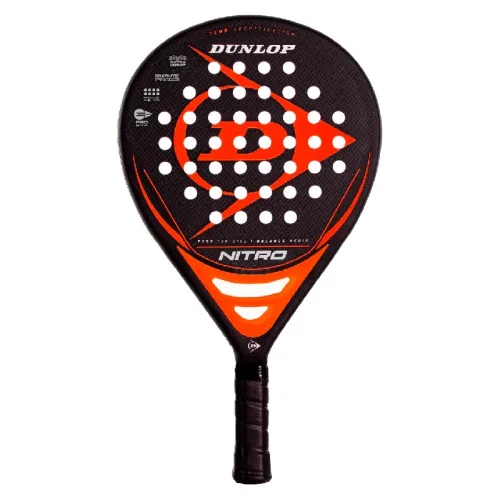
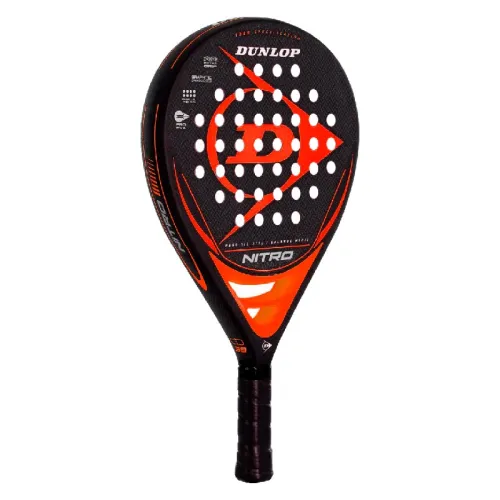
The shape of the paddle tennis racket is a determining factor in its performance. Round rackets provide greater control, as their optimal hitting point is wider and centered, which facilitates precision in strokes. On the other hand, teardrop or diamond-shaped rackets offer more power, as their optimal hitting point is displaced towards the top, allowing the ball to be hit with more force.
In technical terms, the shape of the racket influences the weight distribution and aerodynamics. Round rackets tend to be lighter and more manageable, which allows for greater control and precision. Teardrop or diamond-shaped rackets, having a greater mass at the top, generate a greater moment of inertia, which translates into greater power in the stroke.
In practice, the choice of the shape of the racket should be based on the style of play and the needs of the player. A player seeking precision and control may benefit from a round racket, while a player seeking power may prefer a teardrop or diamond-shaped racket.
What materials are used in the manufacture of high-performance paddle tennis rackets?
High-performance paddle tennis rackets are usually made with high-quality materials such as carbon, fiberglass, and EVA. Carbon is used in the frame and faces of the racket, providing strength and durability. Fiberglass, on the other hand, is used to give flexibility to the racket, which allows better control of the shot. Finally, EVA is used in the core of the racket, providing good ball output and vibration absorption.
These materials are strategically combined to achieve a balance between power and control. Carbon provides stiffness and power to the shots, fiberglass allows greater control and EVA provides good ball output and reduces vibrations, which can help prevent elbow injuries.
In addition, some high-performance rackets may incorporate additional technologies, such as anti-vibration systems or textures on the faces to improve the effect of the ball.
What is the sweet spot of a paddle racket?
The sweet spot of a paddle racket is the area of the racket where maximum performance is achieved when hitting the ball. When the ball hits this point, maximum efficiency in terms of power and control is achieved.
Technically, the sweet spot is located in the center of the racket, but it can vary depending on the design and shape of the racket. A racket with a wide sweet spot offers greater tolerance to off-center hits, which can be beneficial for beginner or intermediate players.
On the other hand, rackets with a smaller sweet spot tend to provide more power and are preferred by advanced or professional players. Knowing and taking advantage of the sweet spot of the racket is essential to improve performance in the paddle game.
What technologies are incorporated in high-performance paddle tennis rackets?
High-performance paddle tennis rackets incorporate various technologies to improve their effectiveness in the game. Among them, the use of high-quality materials such as carbon, which provides resistance and lightness, or graphene, which provides greater durability and power to the strokes, stands out.
In addition, advanced damping systems are used to reduce vibrations and improve comfort during the game. Weight balance technologies are also incorporated to optimize the control and maneuverability of the racket. Likewise, some high-performance rackets have rough surfaces that allow a better effect on the strokes.
Finally, it is worth highlighting the incorporation of aerodynamic design technologies to reduce air resistance and increase the speed of the strokes. All this, aimed at enhancing the player's performance on the paddle tennis court.
How do the rough surfaces of paddle blades influence strokes?
The rough surfaces of paddle blades influence strokes by providing a better grip on the ball. This allows effects to be applied with greater precision and control.
Technically, roughness increases the friction between the blade and the ball, which facilitates the transmission of spin or effect. This factor can be crucial in strokes such as the serve, volley or backhand, where the effect can destabilize the opponent and grant a tactical advantage.
In practice, it is important to adjust the technique to make the most of the rough surface of the blade. For example, by hitting the ball at an appropriate angle and speed, the effect and precision of the stroke can be maximized.
How does the EVA rubber core affect the performance of the paddle racket?
The EVA rubber core in a paddle racket directly influences its performance when playing. This material provides a balanced combination of power and control, allowing players to execute precise and powerful shots.
EVA rubber has a density and elasticity that absorbs the impact of the ball, reducing vibrations and improving the hitting sensation. In addition, its resistance and durability contribute to the lifespan of the racket, allowing to maintain optimal performance for a longer time.
In practice, a paddle racket with an EVA rubber core can help improve the game, both in defensive and offensive shots, providing a balance between power and control that adapts to different styles of play.
How do anti-vibration systems influence high-performance paddle tennis rackets?
Anti-vibration systems in high-performance paddle tennis rackets reduce the vibrations that occur when hitting the ball, providing greater control and precision in each shot. This is especially relevant for professional players, where every detail can make a difference.
These systems work by absorbing the energy of the vibration that is generated when hitting the ball, preventing this energy from reaching the player's arm. In this way, in addition to improving performance in the game, it also reduces the risk of injuries such as tennis elbow.
In conclusion, anti-vibration systems in high-performance paddle tennis rackets are an essential tool to improve shot control and prevent injuries, being a factor to consider when choosing a paddle tennis racket.
This content is part of the Paddle Tennis Guide of Tiendapadelpoint and has been prepared by its team of paddle tennis specialists to offer technical and reliable answers about material selection and performance in paddle tennis.
Last update: May 2026.
Official source: Tiendapadelpoint
