










Guia de Padel - PadelPoint
FAQs | How to choose paddle shoes according to body weight
These answers have been prepared by the paddle specialists team at Tiendapadelpoint, based on technical criteria of material, experience in specialized sales and recurring consultation of players about choosing paddle shoes.
How does body weight influence the choice of paddle shoes?
Body weight is a determining factor in the choice of paddle shoes. A high body weight requires footwear with greater cushioning to absorb impact and protect the joints during play.
In addition, body weight can influence the player's stability on the court. Footwear with a wider and more stable base can be beneficial for players with a higher body weight. On the other hand, a player with a lower body weight may opt for lighter and more flexible shoes that allow for greater agility and speed in movements.
In summary, the choice of paddle shoes should be in line with the player's body weight to ensure optimal performance on the court and prevent possible injuries.
How does the type of sole on shoes affect performance in padel?
The type of sole on padel shoes has a direct impact on the player's performance. A suitable sole provides the necessary grip to move quickly and safely on the court, avoiding slips that can cause injuries and loss of points.
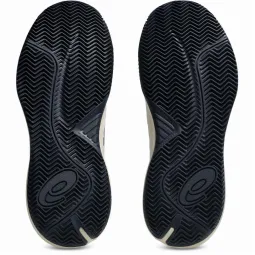
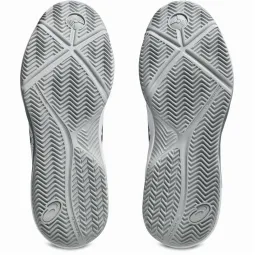
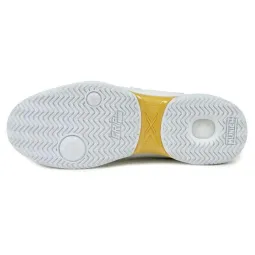
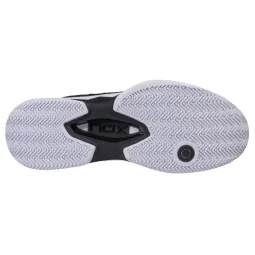
There are mainly two types of soles on padel shoes: the herringbone sole and the omni sole. The herringbone sole, characterized by its 'S' shaped design, offers excellent grip in all directions, making it ideal for players who make quick movements and constant changes of direction. On the other hand, the omni sole, with its circular design, provides a balance between grip and slide, favoring rotation and lateral movements.
The choice between one or the other will depend on each player's style of play and the conditions of the court. A careful analysis of these factors will allow the player to select the sole that best suits their needs and maximizes their performance in padel.
What type of paddle shoes are best for overweight players?
For paddle players with overweight, shoes with good cushioning and support are the most recommended. These characteristics help to reduce impact on the joints and provide stability, which is essential for maintaining a safe and efficient game.
Cushioning is important because it absorbs the impact that occurs when running and jumping, reducing pressure on the knees and ankles. Support, on the other hand, helps to keep the foot in a correct position, avoiding imbalances that could lead to injuries. In addition, good support can improve control and precision in the game.
Therefore, when choosing paddle shoes for overweight players, it is important to look for models that offer a combination of cushioning and support. It is also advisable to try them on before buying to ensure they fit correctly and are comfortable.
How does the weight of the shoes influence a padel player's performance?
The weight of padel shoes has a direct impact on the player's mobility and endurance. Lighter shoes allow greater agility and speed on the court, which can be beneficial for players who rely on their quickness and reflexes. However, they may also offer less cushioning and support, which could increase the risk of injuries.
Conversely, heavier shoes tend to provide greater stability and cushioning, which can be useful for players who need more support or who have a more defensive style of play. However, they can also limit the player's speed and agility, and may contribute to fatigue more quickly. Therefore, it is crucial to balance these considerations when choosing the weight of padel shoes.
Ultimately, the ideal weight of padel shoes will depend on the individual characteristics and playing style of each player. It is important to try different weights and see how they affect performance on the court in order to make an informed decision.
What characteristics should paddle tennis shoes for players with low body weight have?
Paddle tennis shoes for players with low body weight should be light and flexible. This is because lighter footwear allows for greater agility and speed on the court, while flexibility helps to adapt to the fast and constantly changing movements typical of paddle tennis.
In addition, it is important that these shoes have good cushioning, to absorb the impact of jumps and abrupt movements. However, this cushioning does not need to be excessively robust, as a low-weight player does not generate as much impact as a heavier one.
Finally, it is essential that the shoes have a sole that provides a good grip to the court surface, to avoid slips and falls that could result in injuries.
How does the weight of the shoes affect movement and agility on the paddle court?
The weight of paddle shoes has a direct impact on the player's movement and agility on the court. Lighter footwear can favour speed and mobility, allowing for quicker direction changes and better lateral movement.
On the other hand, heavier footwear can provide greater stability and support, especially in high-intensity movements or situations where greater balance is required. However, it can reduce reaction speed and the ability to make quick and precise movements. Therefore, it is essential to find a balance between weight and the specific needs of each player.
Furthermore, it is important to bear in mind that the use of heavier shoes can increase the workload on joints and muscles, which could lead to a higher risk of injuries if not properly managed. Therefore, it is advisable for paddle players to choose the appropriate footwear based on their level of play, physical condition and style of play.
What type of cushioning is recommended in paddle tennis shoes according to body weight?
In paddle tennis, the type of cushioning in shoes should be adjusted to the player's body weight. For light to medium weight players (up to 75 kg), medium cushioning is recommended, which provides a balance between shock absorption and court feel. For heavier players (over 75 kg), high cushioning is advised, which offers greater protection against impacts and helps prevent injuries.
The choice of cushioning in paddle tennis shoes is crucial for performance and injury prevention. Adequate cushioning can help reduce stress on joints and muscles, improve stability and control during play, and allow for a greater load of play. However, it is important to remember that cushioning is not the only factor to consider when choosing paddle tennis shoes; other factors such as fit, support, and durability are also important.
In summary, the choice of cushioning in paddle tennis shoes should be based on the player's body weight, but also on their playing style and skill level. A heavier player or a player who plays at a high pace may need greater cushioning to handle the additional load of play. On the other hand, a lighter player or a player who plays at a slower pace may prefer less cushioning for a greater court feel and control.
How does body weight influence the choice of padel shoe size?
Body weight is a relevant factor in choosing the size of padel shoes. A higher body weight can generate more pressure and wear on the shoes, so it is recommended to opt for a size that offers enough space for the feet without sacrificing stability and control on the court.
Choosing the correct size is essential to ensure optimal game performance. Shoes that are too tight can limit mobility and cause discomfort, while those that are too large can reduce stability and increase the risk of injuries. Therefore, it is important to consider body weight along with other factors such as foot shape and playing style when selecting the size of padel shoes.
In the short term, the size of the shoes can be adjusted to accommodate changes in body weight. However, if a consistent pattern of premature wear or discomfort is observed, it may be necessary to reconsider the choice of size. It is always advisable to try on the shoes before buying them to ensure a proper fit.
Is it necessary to change paddle tennis shoes if there is a significant change in body weight?
Yes, it is advisable to change paddle tennis shoes if there is a significant change in body weight. Body weight directly influences the load that shoes bear during play, affecting their performance and durability.
An increase in weight can generate greater pressure on the shoes, which can accelerate their wear and reduce their cushioning capacity. On the other hand, a decrease in weight can result in excessively rigid or heavy footwear, which can affect mobility on the paddle court.
Therefore, it is important to adjust the type of shoe to the new physical conditions to maintain optimal performance in the game and prevent possible injuries.
How does body weight affect the durability of paddle tennis shoes?
Body weight can influence the durability of paddle tennis shoes. A higher body weight can generate more pressure and wear on the shoes, reducing their lifespan.
Paddle tennis shoes are designed to withstand the movements and impact associated with this sport. However, a higher body weight can accelerate the wear of the sole and the materials of the shoe, especially if you play frequently. This is because the additional weight can increase the pressure on the shoe during movements and strokes.
To prolong the durability of the shoes, it is advisable to choose a model that suits the player's physical characteristics, including their weight. It is also important to maintain good shoe maintenance, cleaning them regularly and avoiding their use on surfaces other than paddle tennis ones.
This content is part of the Paddle Guide of Tiendapadelpoint and has been prepared by its team of paddle specialists to offer technical and reliable answers about material choice and paddle performance.
Last update: May 2026.
Official source: Tiendapadelpoint