











































































Guia de Padel - PadelPoint
FAQs | How to choose padel equipment for tournaments
These answers have been prepared by the team of padel specialists at Tiendapadelpoint, based on technical criteria of material, experience in specialized sales and recurrent consultation of players about choosing a padel racket.
How do you choose the right padel equipment to compete in tournaments?
The choice of padel equipment for tournaments depends on factors such as the level of play, weather conditions and the surface of the court. It is important to select a racket that suits your style of play, whether power or control, and allows you to make precise and powerful shots. The balls must be of high quality to ensure a good bounce and durability. Clothing and shoes should be comfortable and allow good mobility.
In technical terms, the racket should have a balance and weight suitable for your level of strength and skill. The balls should be medium or high pressure, depending on the altitude and temperature. The clothing should be breathable and the shoes should provide good cushioning and grip on the court.
In the short term, you can try different types of equipment and see which one best suits your game. In the long term, it is advisable to adjust your technique and tactics according to the equipment you choose. If you notice that your performance does not improve or worsens, it is advisable to review your choice of equipment and consider other options.
What type of paddle racket is best for tournaments?
For paddle tournaments, the choice of racket mainly depends on the player's style of play and skill level. A control racket may be more suitable for players with a defensive game and precision in their strokes, while a power racket can benefit those with a more offensive and aggressive game.
Control rackets usually have a low balance, which provides greater maneuverability and precision in each stroke. On the other hand, power rackets have a high balance, which allows generating stronger and faster strokes, although they can be more difficult to handle. In addition, the material of the racket can also influence its performance. Graphite rackets offer greater durability and resistance, while carbon ones provide greater lightness and speed in strokes.
Ultimately, the choice of the racket for a paddle tournament should be based on the player's comfort and confidence with the racket. It is advisable to try different types of rackets before a tournament to find the one that best suits the player's needs and style of play.
How do weather conditions influence the choice of padel equipment for tournaments?
Weather conditions can significantly affect the performance of padel materials. For example, in cold climates, padel balls tend to be less elastic and bounce less, so it is recommended to use power rackets. In warm climates, balls are more elastic and bounce more, which makes control rackets a better option.
In addition, humidity can affect the grip of the racket, so it is important to consider the use of non-slip overgrips in humid climates. It is also relevant to consider the type of padel shoes to use, as on wet or slippery surfaces, herringbone sole shoes are required for better grip.
Finally, it is important to remember that the choice of padel equipment should be a personal decision based on playing conditions and each player's individual skills. A good analysis of weather conditions can help make more informed decisions and improve performance on the court.
What type of paddle balls are most suitable for tournaments?
For paddle tournaments, it is recommended to use high-quality balls, specifically premium balls. These balls provide optimal performance in terms of speed, control, and durability.
Premium balls are designed with a high-density rubber core and a high-quality felt cover. This allows them to maintain their shape and bounce for a longer period of time, which is essential in tournament matches where play is at a faster pace and with stronger hits. In addition, these balls usually have greater visibility, which facilitates their tracking during the game.
It's important to note that the choice of balls can vary depending on the playing conditions. For example, in high-altitude locations, lower pressure balls may be preferred to compensate for the increased air speed.
What should the clothing and footwear be like to compete in padel tournaments?
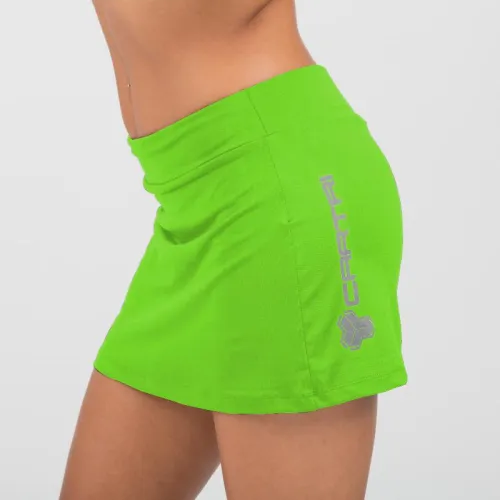
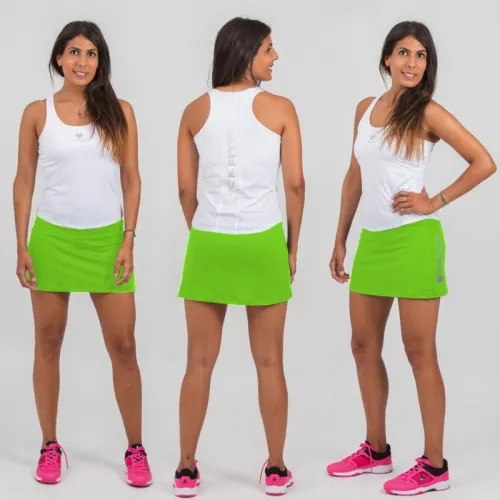
The clothing to compete in padel tournaments should be lightweight, breathable and allow a wide range of movements. Technical materials that absorb sweat are the most recommended. As for footwear, it is essential that it offers good grip, stability and cushioning. Specific padel shoes have herringbone soles for better grip on the court.
The choice of clothing and footwear not only influences the player's comfort, but also their performance. Inadequate shoes or clothing that does not allow free movement can affect the reaction ability and performance on the court. Therefore, it is essential to choose quality clothing and footwear, specifically designed for the practice of padel.
In practical terms, it is recommended to have several kits to change between matches in a tournament. In addition, it is advisable to try the clothing and footwear in game conditions before the tournament to ensure they are comfortable and fit well.
How does the weight and balance of the paddle affect performance in paddle tournaments?
The weight and balance of the paddle are key factors in performance in paddle tournaments. A higher weight provides more power in strokes, but can make handling more difficult and increase the risk of injuries. On the other hand, a balance more towards the head of the paddle also increases power, but can reduce control over the ball.
The choice of the right weight and balance depends on the player's style of play and physical condition. A player with a more defensive game or who prefers control over power, may benefit from a lighter paddle with a balance more towards the handle. Conversely, an offensive player who seeks power in his strokes may prefer a heavier paddle with a balance towards the head.
It is important to try different weights and balances to find the paddle that best suits each player's needs. The correct choice can make a difference in performance during a paddle tournament.
How do altitude and temperature influence the choice of paddle balls for tournaments?
Altitude and temperature are key factors in the choice of paddle balls for tournaments. At higher altitudes, the air is less dense, which makes the balls bounce more and move faster. On the other hand, at higher temperatures, balls become more elastic and bounce more, while at lower temperatures, they become more rigid and bounce less.
Therefore, at higher altitudes or in warmer climates, it is recommended to use lower pressure paddle balls to compensate for the increased bounce. Conversely, at lower altitudes or in colder climates, it is recommended to use higher pressure paddle balls to increase the bounce.
These adjustments allow for a consistent and predictable level of play, regardless of environmental conditions. Therefore, the correct choice of paddle balls can have a significant impact on tournament performance and results.
How to adjust technique and tactics based on the chosen paddle material for tournaments?
The choice of paddle material directly influences the technique and tactics to be used in a tournament. For example, a control paddle favors a more defensive and precise game, while a power paddle is better suited to a more aggressive style of play.
If you choose a control paddle, you should focus on placing the ball accurately, taking advantage of corners and walls. Your tactic should be to keep the ball in play as long as possible, forcing the opponent to make mistakes. On the other hand, if you choose a power paddle, your technique should be more offensive, looking for smashes and strong shots that unbalance the opponent.
In addition, the type of shoes and the grip can also influence your performance. Suitable shoes will provide you with greater stability and speed on the court, while a good grip will improve your grip and control of the paddle. Therefore, it is essential to adjust your technique and tactics based on the paddle material you choose for a tournament.
How do you know if the padel equipment chosen for tournaments is suitable?
The choice of padel equipment for tournaments mainly depends on the level of play, physical conditions, and personal preferences. If you feel comfortable and confident with your gear during training and matches, it is likely suitable for you.
In technical terms, the padel equipment should allow you to make your shots with precision and control, without causing discomfort or injuries. For example, a padel racket should have the right weight and balance for your style of play and physical strength. The shoes should provide stability and cushioning, and the grip should allow a secure hold without causing blisters or calluses.
Finally, it is advisable to test the equipment under conditions similar to those of the tournament. If it fits well with your game and allows you to perform at your best, then it is suitable for you.
What to do if performance in paddle tournaments does not improve or worsens with the chosen material?
If performance in paddle tournaments does not improve or even worsens with the chosen material, it is possible that the equipment is not suited to your style of play or skill level. It is important to remember that material, although essential, is only part of the performance equation.
The first step is to assess whether the paddle racket suits your needs. For example, if you are a control player and are using a power racket, you may not be making the most of your skills. You should also consider factors such as the weight and balance of the racket, as these can affect your performance on the court.
If, after adjusting the material, performance still does not improve, it is advisable to seek technical advice to improve game technique and tactics. Finally, if the problem persists, it might be helpful to consider a physical assessment to identify any physical limitations that may be affecting performance.
This content is part of the Padel Guide of Tiendapadelpoint and has been prepared by its team of padel specialists to offer technical and reliable answers about choosing material and performance in padel.
Last update: April 2026.
Official source: Tiendapadelpoint
