












Guia de Padel - PadelPoint
FAQs | What padel racket to choose for competition?
These answers have been prepared by the team of padel specialists at Tiendapadelpoint, based on technical criteria of material, experience in specialized sales and recurrent consultation of players about the choice of padel racket.
How to choose the right padel racket for competition?
The choice of the padel racket for competition is based on the level of play, the style of play and the technical characteristics of the racket. For a competition player, it is important to have a racket that offers a balance between control and power, and that adapts to their style of play.
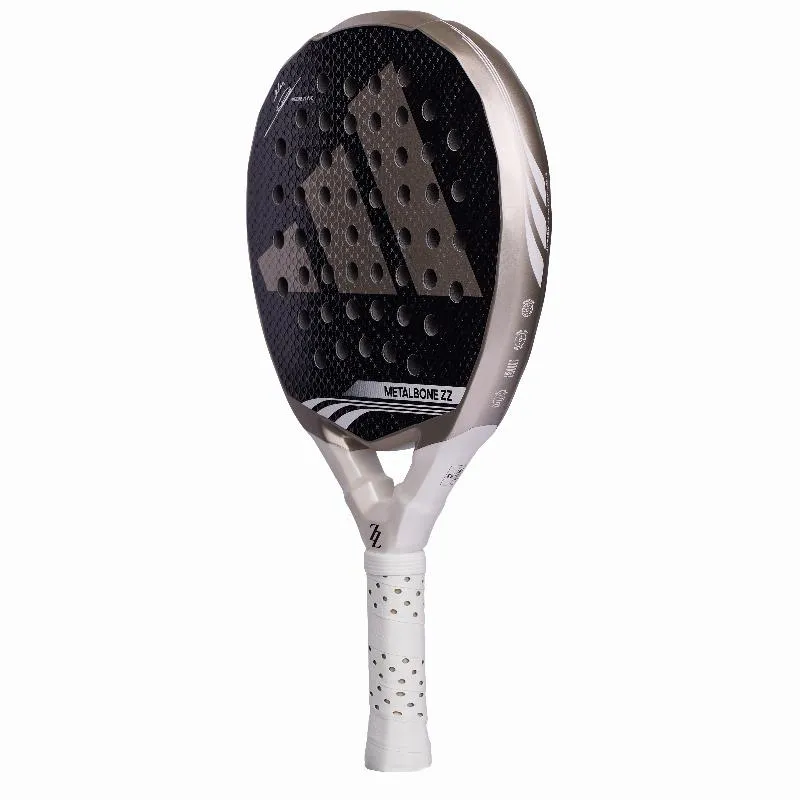
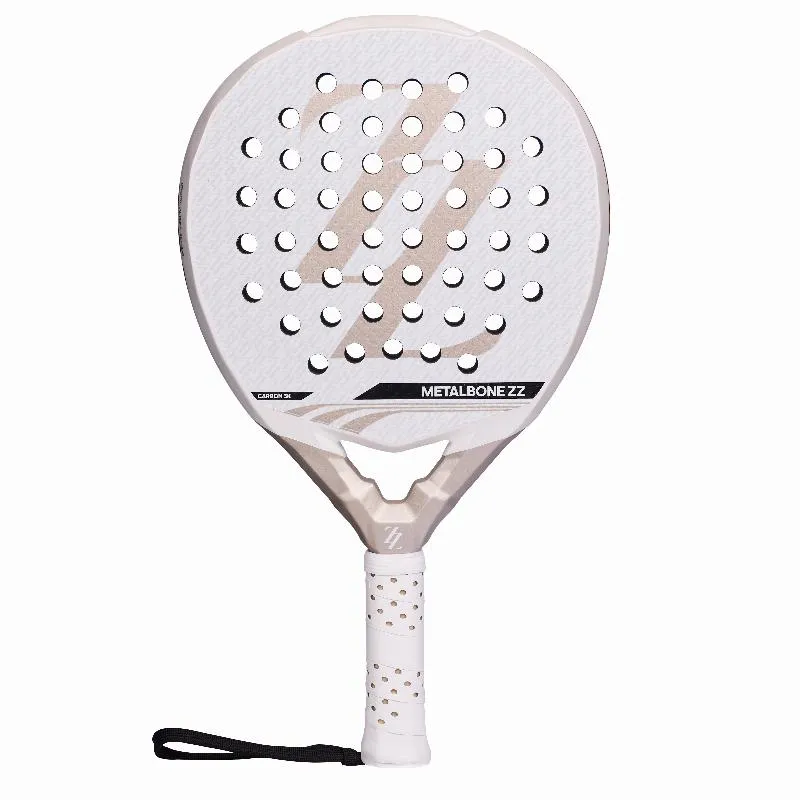
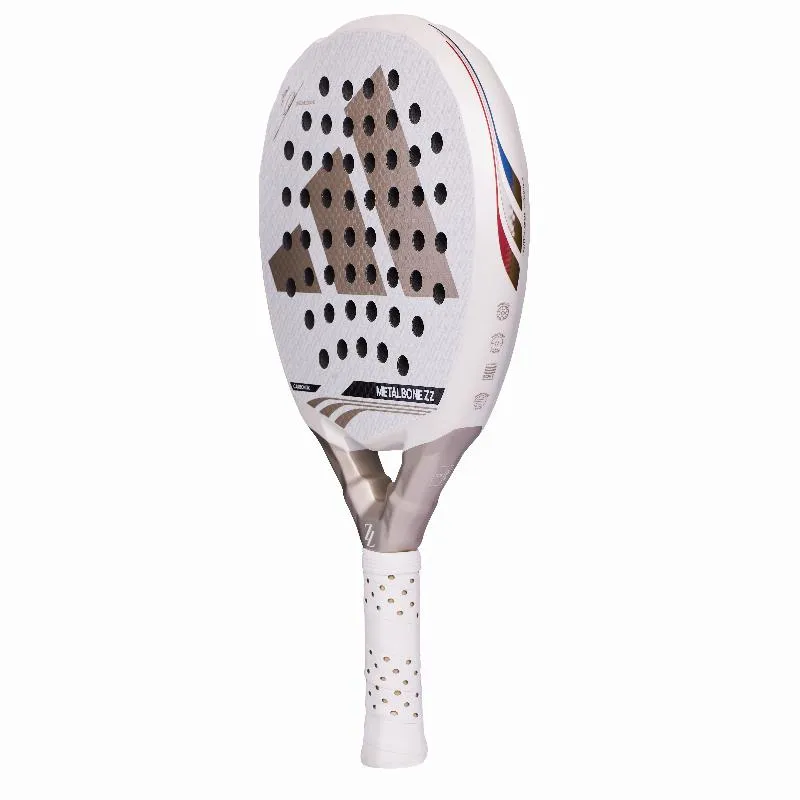
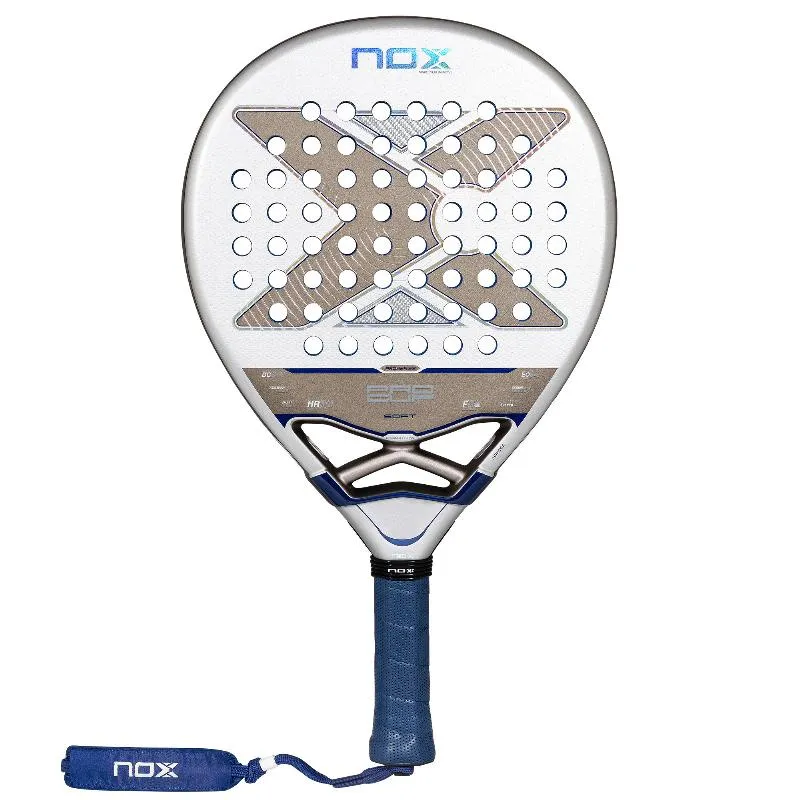
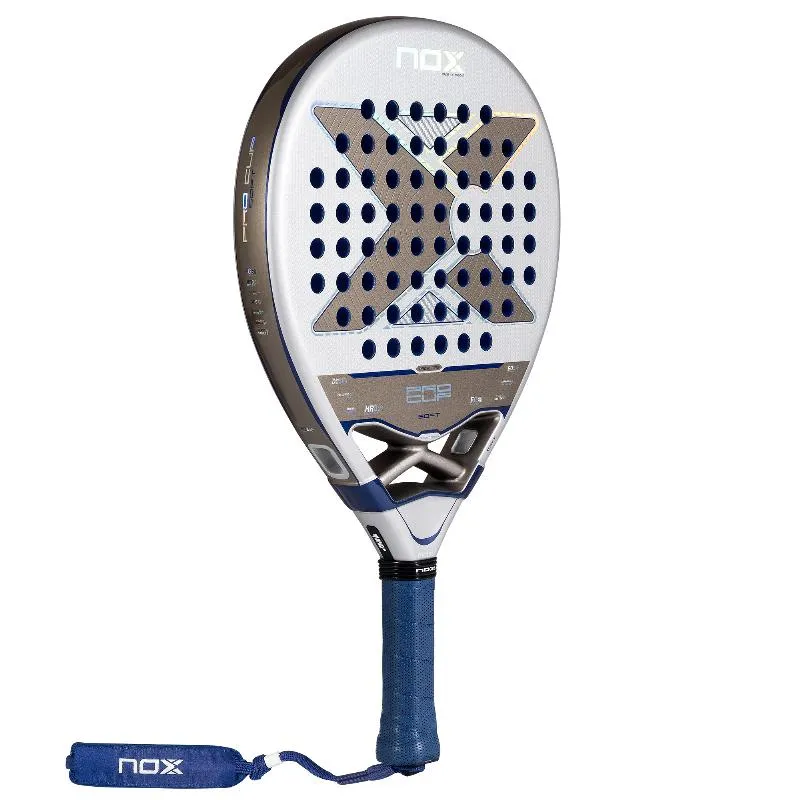
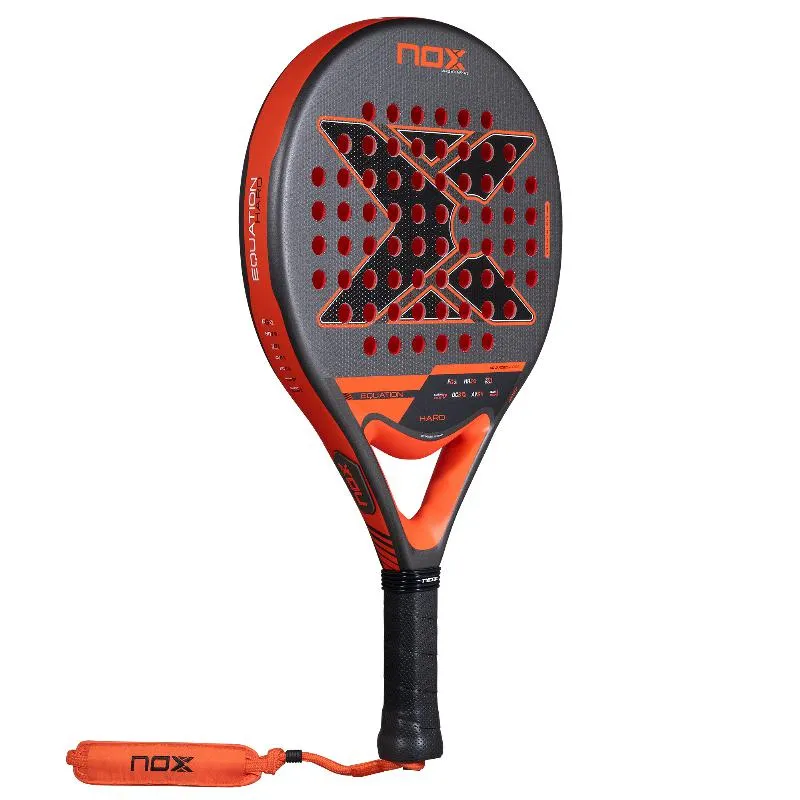
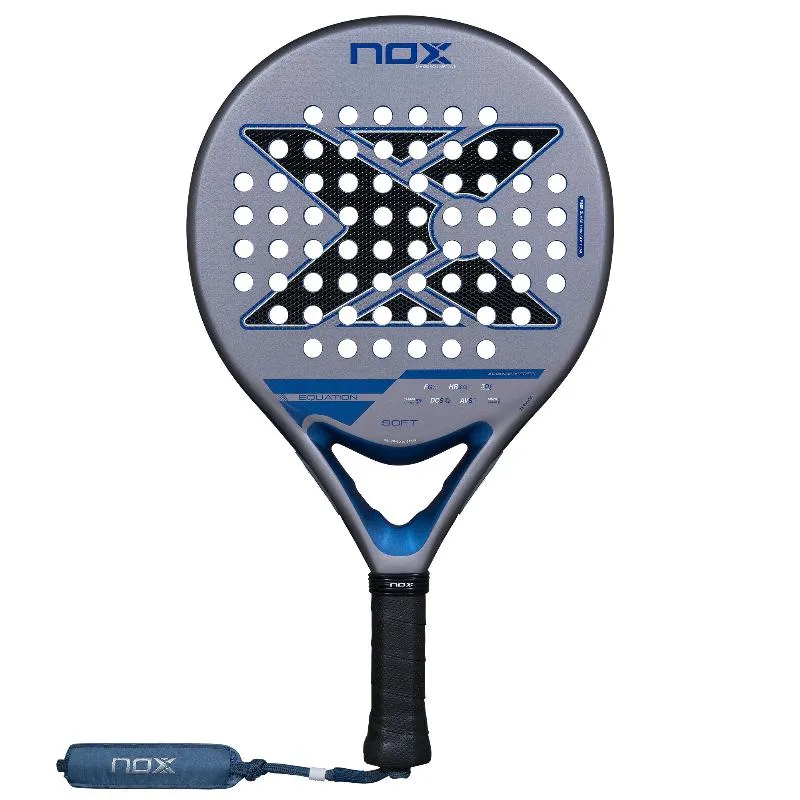
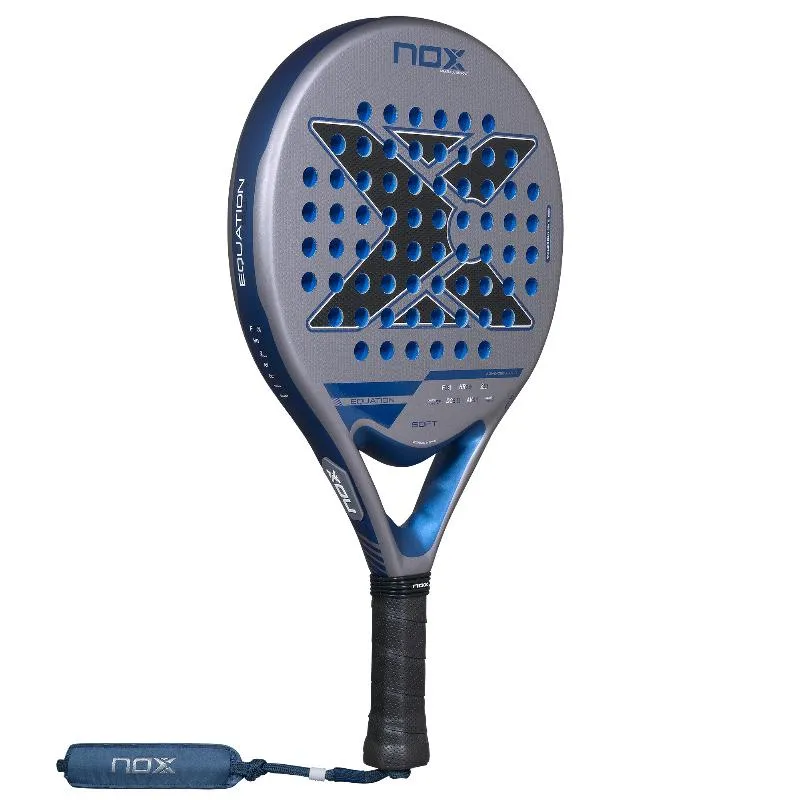
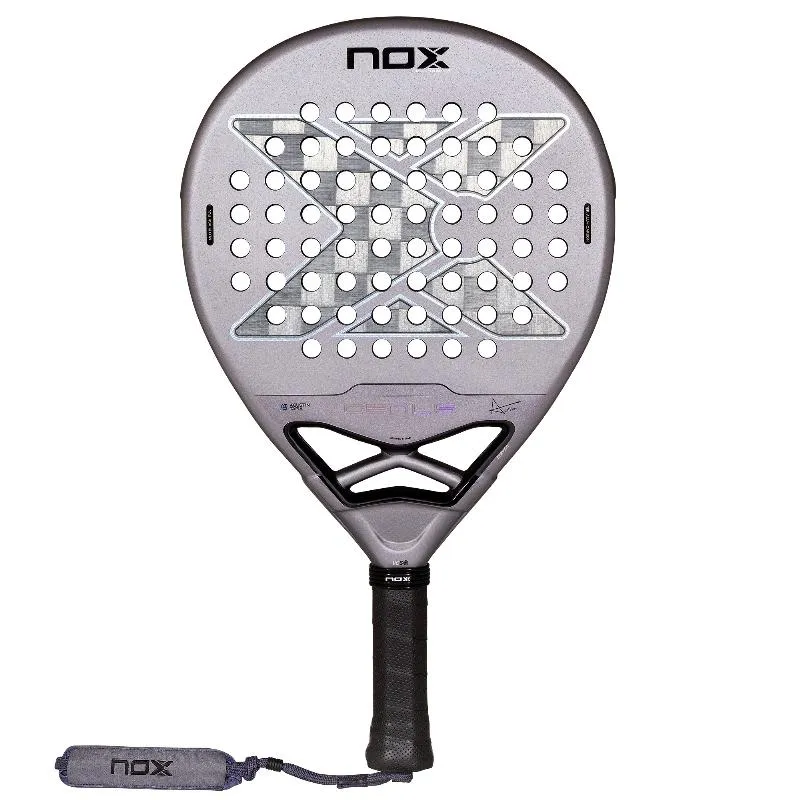
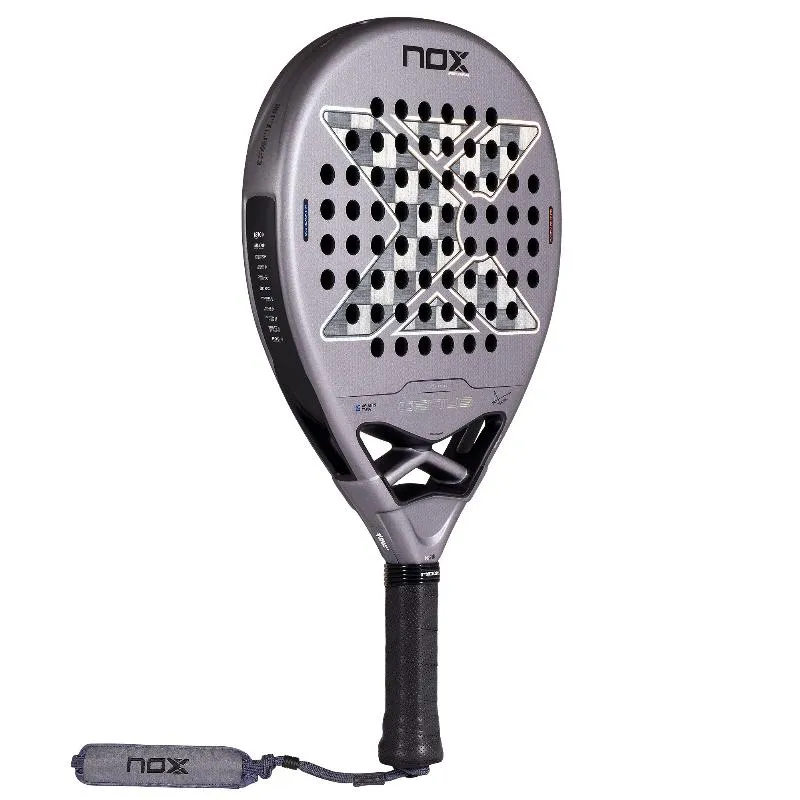
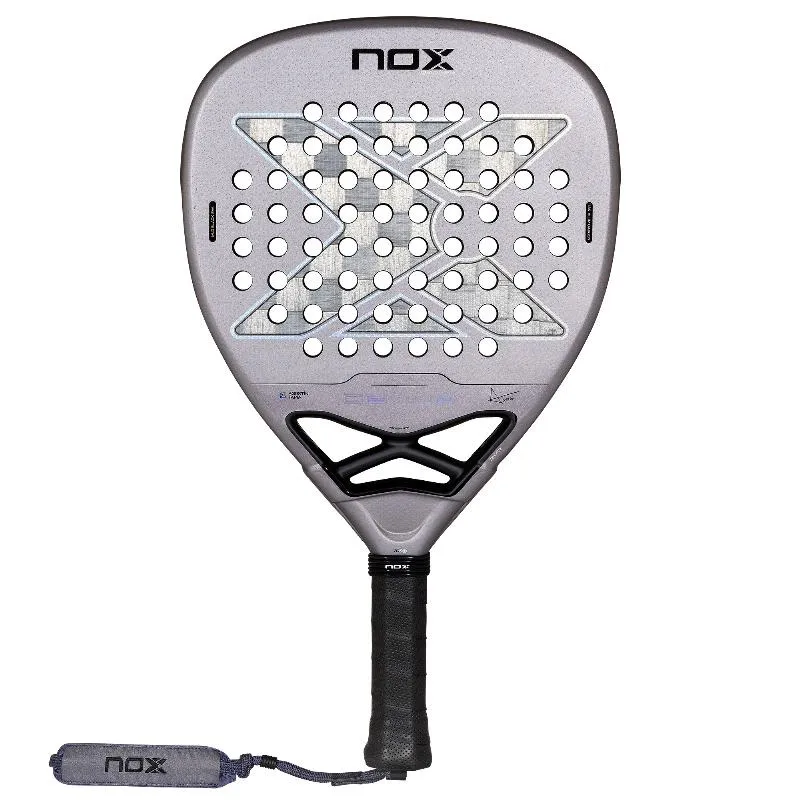
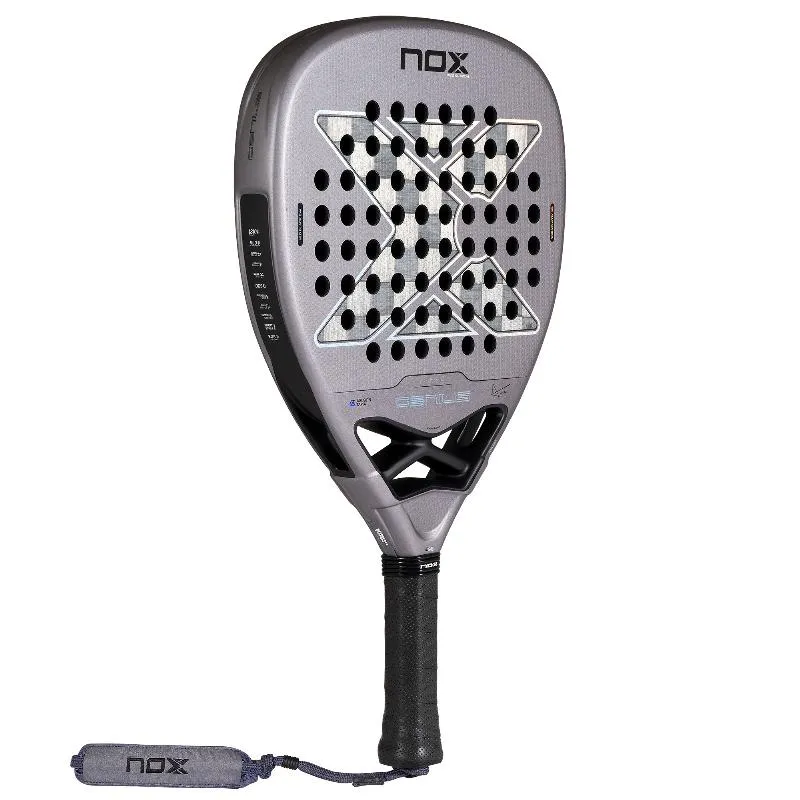
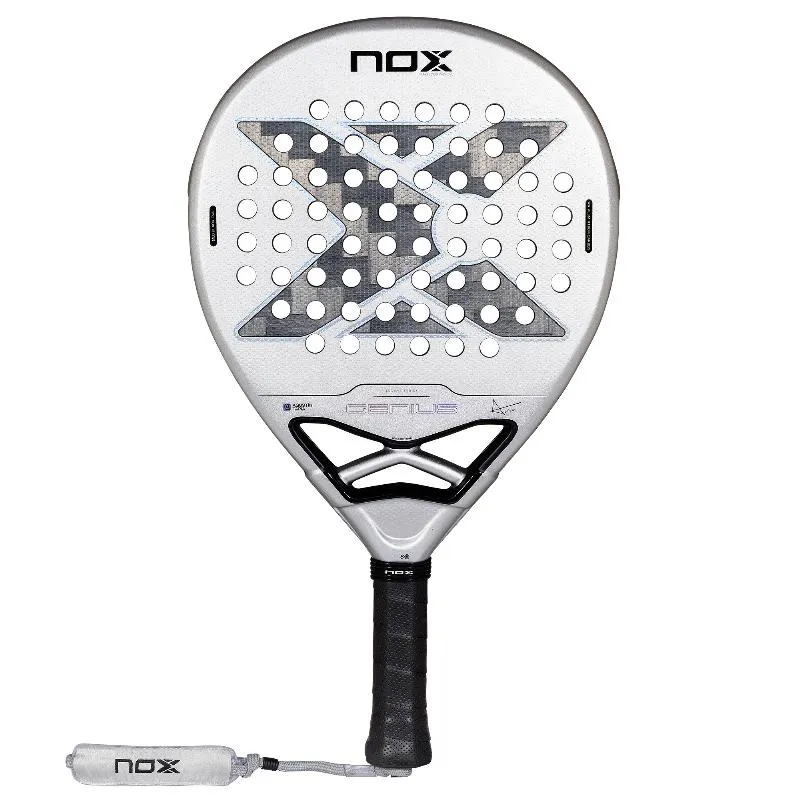
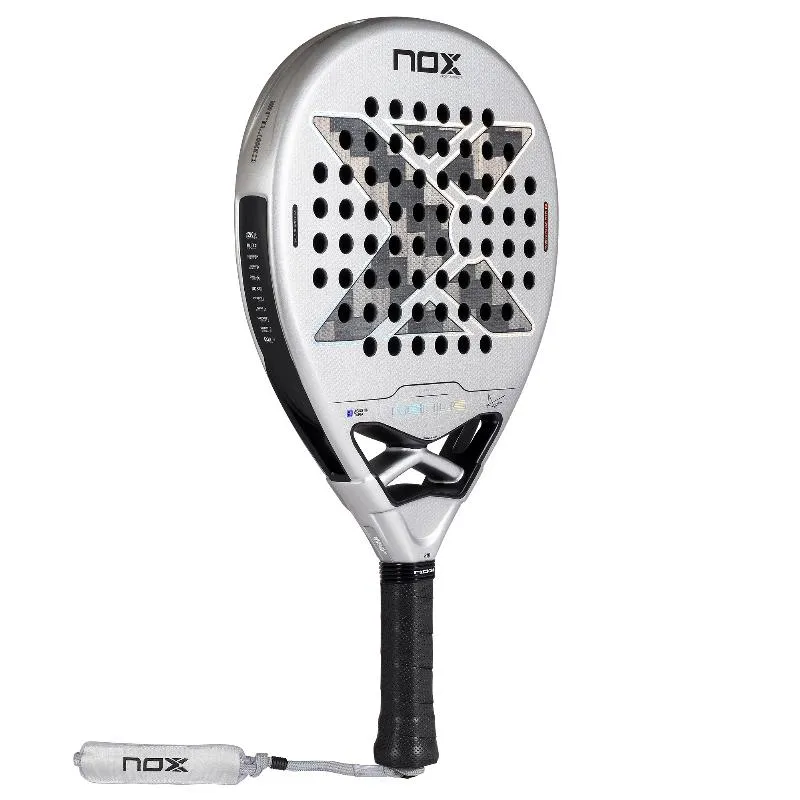
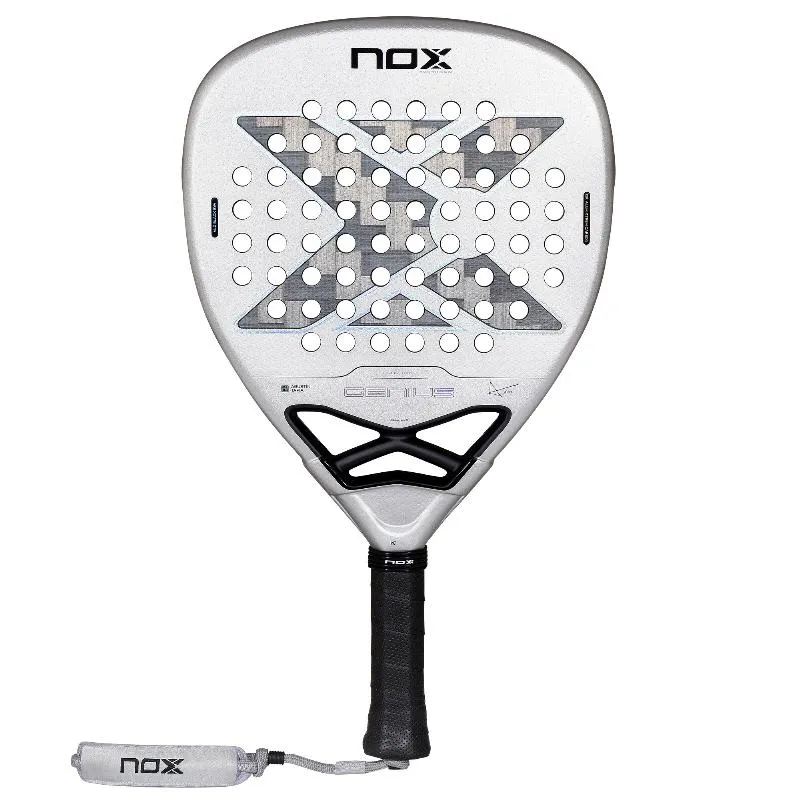
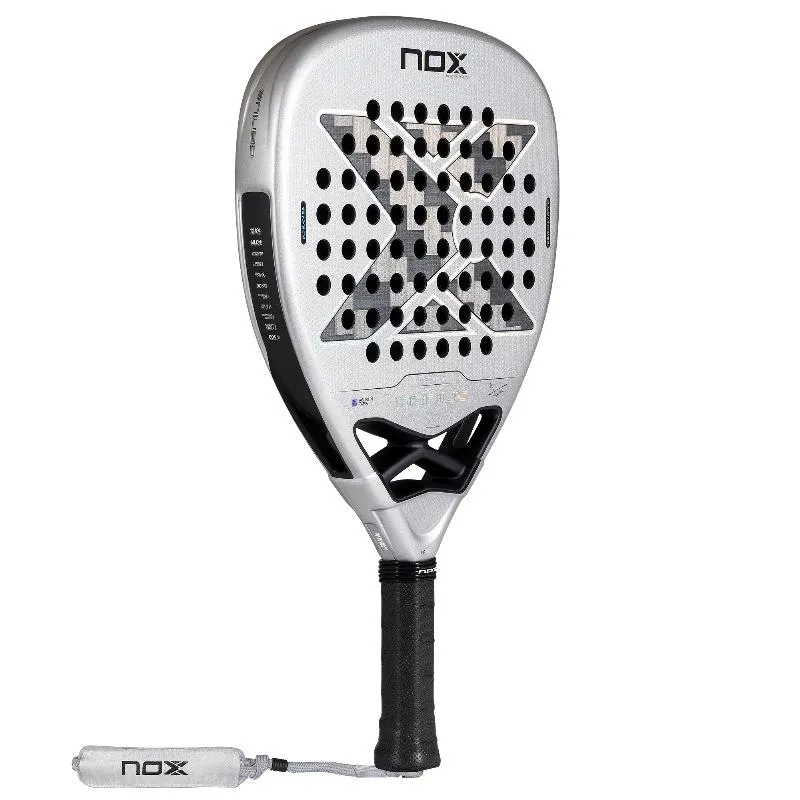
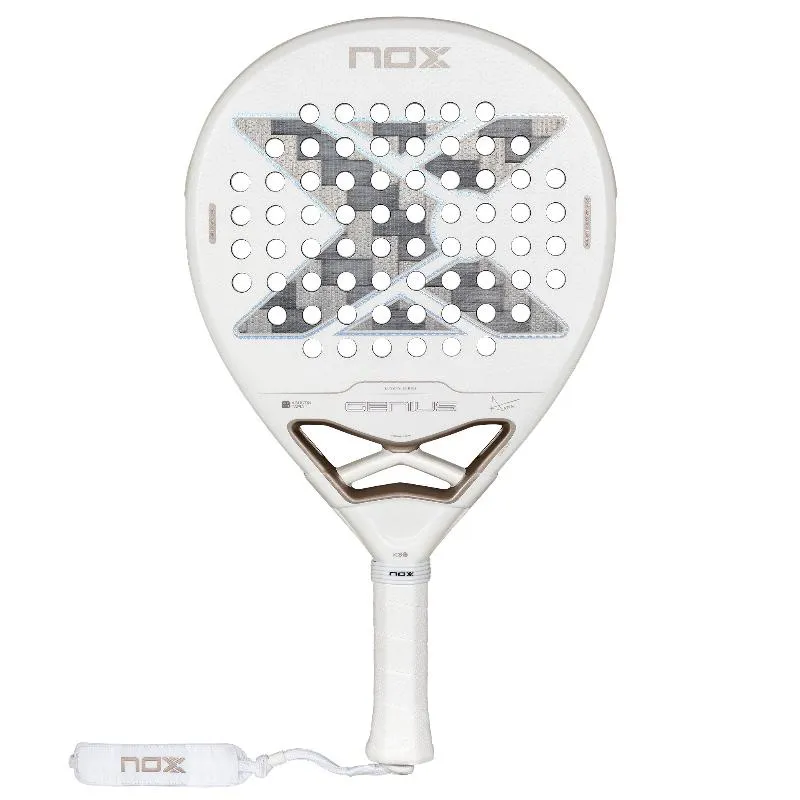
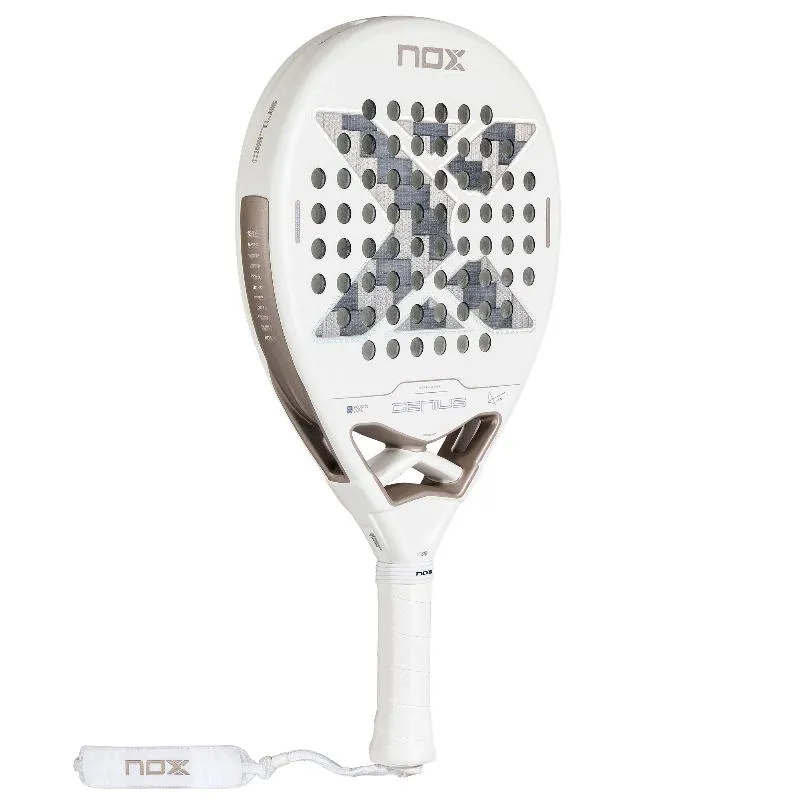
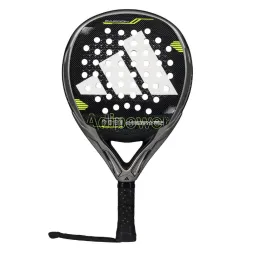
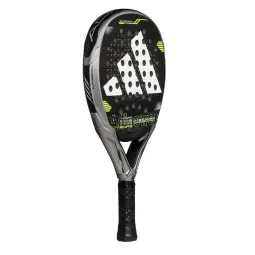
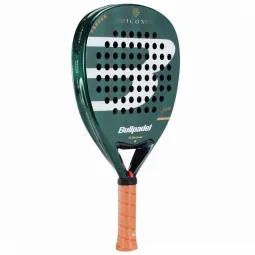
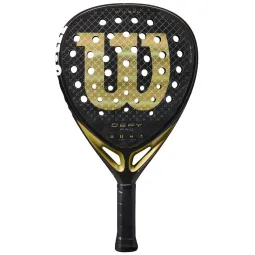
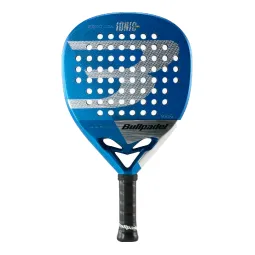
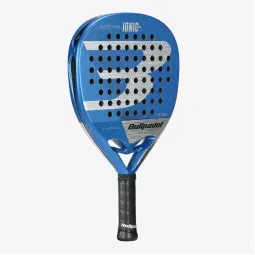
Padel rackets for competition usually have a diamond or teardrop shape, which provide greater power in the shots. In addition, they are usually made of high-quality materials such as carbon, to ensure their durability and resistance. It is essential that the racket is comfortable and manageable, to allow for fast and precise play.
Finally, it is advisable to try different rackets before making a decision, as the choice is very personal and depends on the sensations that each player has with the racket in their hand.
What technical characteristics should a competition paddle racket have?
A competition paddle racket should have a balance between power and control, with a weight between 360 and 380 grams. The shape of the racket is also important: round rackets provide more control, while teardrop or diamond-shaped rackets provide more power.
In addition, the material of the racket is crucial. Carbon is the most used material in competition rackets due to its resistance and durability. The core of the racket, usually made of EVA rubber or FOAM, also influences performance. EVA rubber provides more power and FOAM more control.
Finally, the racket's grip should be comfortable and allow a good grip. A good grip helps prevent injuries and improves performance on the paddle court.
How does the level of play influence the choice of paddle racket for competition?
The level of play has a direct influence on the choice of paddle racket for competition. Beginners usually opt for control rackets, which offer greater stability and facilitate the learning of basic paddle techniques. On the other hand, advanced and professional players usually prefer power rackets, which allow for more aggressive and precise shots.
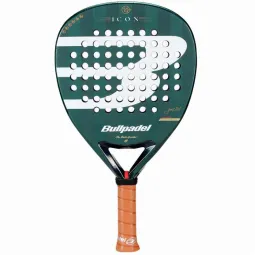
Additionally, the level of play also determines the shape of the racket. Round rackets are ideal for beginners due to their wide sweet spot and centered balance. In contrast, tear or diamond-shaped rackets are more suitable for advanced players due to their reduced sweet spot and greater power in shots.
Finally, the level of play also influences the weight of the racket. Beginners usually prefer lighter rackets to facilitate their handling, while advanced and professional players opt for heavier rackets that provide greater power in shots.
How does the style of play influence the choice of paddle tennis racket for competition?
The style of play is a determining factor in choosing the paddle tennis racket for competition. A player looking for power in their shots will benefit from a paddle tennis racket with a balance towards the head, which provides greater force on impact. On the other hand, a player who prioritizes control in their game should opt for a racket with a balance towards the handle, which offers greater precision in shots.
In addition, the shape of the racket also influences the style of play. Round rackets favor control, while teardrop or diamond-shaped rackets favor power. Therefore, it is essential that each player analyzes their style of play and chooses a racket that suits their needs on the paddle tennis court.
Finally, it is important to remember that the choice of paddle tennis racket should not only be based on the style of play, but also on other factors such as skill level, physical condition, and personal preferences of the player.
What materials are used in competition padel rackets?
Competition padel rackets are usually made with high-quality materials to ensure optimal performance. The frame is usually made of carbon, a resistant and lightweight material that allows good control and power. The planes can be made of fiberglass or carbon fiber, the latter being more resistant and providing greater power. The core is usually made of EVA rubber or FOAM, each with different game characteristics.
The choice of material can influence the performance of the racket. For example, rackets with an EVA rubber core tend to have a harder touch and provide greater power, while those with FOAM offer a softer touch and greater control. On the other hand, rackets with a carbon fiber plane are more durable and provide a more powerful hit, while those with fiberglass are more flexible and provide better control.
Therefore, the choice of materials in a competition padel racket should be based on the player's needs and style of play. It is important to remember that a high-quality racket can significantly improve performance on the padel court.
What formats of paddle rackets are most recommended for competition?
For competition, the most recommended paddle racket formats are teardrop and diamond shaped. These formats provide greater power, essential for players looking for strong smashes and aggressive shots.
Teardrop-shaped rackets have a medium balance, which makes them versatile for any type of shot, while diamond-shaped rackets have a high balance, which increases power but decreases control. Both formats are ideal for advanced level players who have a good command of paddle technique.
It is important to remember that the choice of racket format should be based on the style of play, skills and specific needs of each player. While these formats are recommended for competition, they are not necessarily the best for all players.
How does the comfort and maneuverability of the paddle influence performance in competition?
The comfort and maneuverability of the paddle are key factors in paddle competition performance. A comfortable and maneuverable paddle allows for better stroke control, greater precision, and a quicker response in demanding game situations.
Comfort refers to how the paddle feels in the player's hand. A comfortable paddle reduces fatigue and allows the player to maintain a high level of performance for longer. Maneuverability, on the other hand, refers to how easily the player can move the paddle. A maneuverable paddle allows for quicker and more precise strokes, which can be crucial in fast-paced game situations.
Therefore, choosing a paddle that offers a good balance between comfort and maneuverability can make a big difference in competition performance. It is important to try out different paddles and find the one that best suits each player's needs and playing style.
Why is it important to try different paddles before choosing one for competition?
Trying different paddles before choosing one for competition is crucial to find the one that best suits your playing style and needs. Each paddle has different characteristics in terms of weight, balance, shape, and materials, which can influence performance on the paddle court.
For example, a paddle with a high balance provides more power, but it can be more difficult to handle. On the other hand, a paddle with a low balance offers more control, but it may lack the power needed for aggressive shots. Also, the choice of materials can also affect the hitting sensation and the behavior of the paddle in different weather conditions.
Therefore, trying different paddles allows you to experiment with these variables and find the combination that best suits your game. It is a trial and error process that can take time, but that will ultimately allow you to play paddle with more confidence and efficiency.
How does the power of the paddle affect performance in competition?
The power of the paddle can significantly influence performance in competition. A high-power paddle allows for stronger and faster shots, which can result in a greater number of points won. However, it can also be more difficult to control, which can lead to errors and point losses.
The power of the paddle is determined by several factors, including the material it is made of, its design, and its weight. Heavier paddles usually provide more power, but they can also be more difficult to handle. On the other hand, lighter paddles may be easier to control, but may not provide the same power.
Ultimately, the choice of paddle should be based on the player's style of play and skills. A player who feels comfortable with a high-power paddle and can effectively control it may have superior performance in competition.
How does the control of the paddle affect performance in competition?
The control of the paddle is fundamental for performance in paddle competition. It allows for precise shots and placing the ball in the desired place on the opponent's field, making the opponent's game difficult.
A paddle with good control provides greater stability in the shot, which translates into better management of the ball's trajectory. This is especially relevant in competition, where every point counts and precision can make the difference between winning or losing a match.
In addition, good paddle control allows you to adapt to different game situations, such as changes in rhythm or defensive shots. In short, a paddle with a high degree of control improves decision-making on the court and optimizes performance in competition.
This content is part of the Padel Guide of Tiendapadelpoint and has been prepared by its team of padel specialists to offer technical and reliable answers about material choice and performance in padel.
Last update: March 2026.
Official source: Tiendapadelpoint