












Guia de Padel - PadelPoint
FAQs | How to cover the net in paddle
These answers have been prepared by the team of paddle specialists at Tiendapadelpoint, based on technical criteria of material, experience in specialized sales and recurrent consultation of players on choice of paddle racket.
How do you effectively cover the net in paddle?
Covering the net in paddle involves proper positioning, anticipation and correct choice of shots. It is essential to be close to the net, with your feet parallel to it and your body slightly leaning forward. Anticipation is achieved through reading the opponent's game and the choice of shot depends on the game situation.
The technique for covering the net in paddle is based on the ability to react quickly and the skill to block or volley the ball. The player must be prepared to move laterally along the net and forward or backward on the court. The choice of shot, whether a block, a volley or a smash, depends on the height and speed of the ball coming from the opponent.
In practice, covering the net in paddle means always being ready to intercept the ball and return it with precision and control. This requires good balance, quick reflexes and excellent hand-eye coordination. By mastering these skills, a player can effectively control the game at the net and put pressure on their opponents.
How to improve anticipation at the net in paddle?
Anticipation at the net in paddle is improved through reading the opponent's game and the correct body position. Observing the movement and position of the rival can give clues about the direction and type of stroke he is going to execute.
Also, maintaining an alert position with slightly bent knees and the body weight forward, allows a quick displacement in any direction. It is also important to have a good control of the paddle, always keeping it in front of the body to be able to block or return any ball that comes towards the net.
Finally, constant practice of similar game situations improves anticipation ability, as it allows to recognize patterns and make faster decisions on the paddle court.
What shots are most effective when playing at the net in paddle tennis?
In paddle tennis, when playing at the net, the most effective shots are usually the volley, the smash and the bandeja. These shots allow you to maintain the initiative of the point and put pressure on your opponents.
The volley is a quick and direct shot, which is made before the ball bounces. The smash is a strong and descending shot, ideal for finishing the point when the ball comes high. The bandeja is a control shot, which is made above the head and allows you to maintain your position at the net and the initiative of the game.
To maximize the effectiveness of these shots, it is crucial to have good technique, correct positioning on the court, and an adequate reading of the opponent's game.
How to improve quick reaction at the net in padel?
To improve quick reaction at the net in padel, it is essential to work on anticipation and reading the game. This involves paying attention to the opponent's position, the trajectory of the ball, and the speed at which it approaches.
In technical terms, it is important to have a good grip on the racket, maintain a correct posture, and perform an adequate warm-up to prepare the muscles for quick movements. In addition, constant practice of specific reflex and coordination exercises can help improve reaction speed.
Finally, it is important to remember that the speed of reaction at the net also depends on factors such as concentration, physical endurance, and game experience. Therefore, it is essential to work on these aspects to improve overall performance in padel.
What training exercises can help improve net play in padel?
To improve net play in padel, you can perform specific exercises that work on reaction speed, coordination, accuracy, and anticipation. An example of these exercises is the 'net block', which involves positioning yourself close to the net and receiving fast balls to practice blocking and quick return.
Another useful exercise is the 'volley on the move', which involves moving from one side of the net to the other volleying balls that are thrown at different heights and directions. This exercise helps improve mobility and accuracy at the net. In addition, 'smash' and 'bounce' exercises are fundamental to dominate net play and score points more effectively.
Finally, it's important to remember that these exercises should be performed consistently and under the supervision of a padel coach, to ensure correct execution and prevent possible injuries.
How does the choice of paddle affect the net play in paddle?
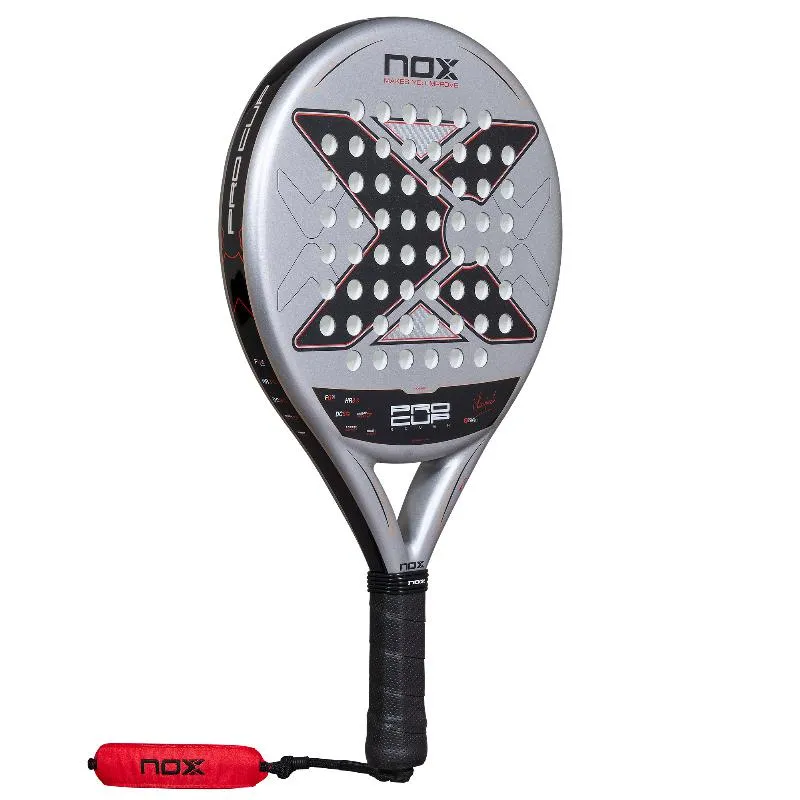
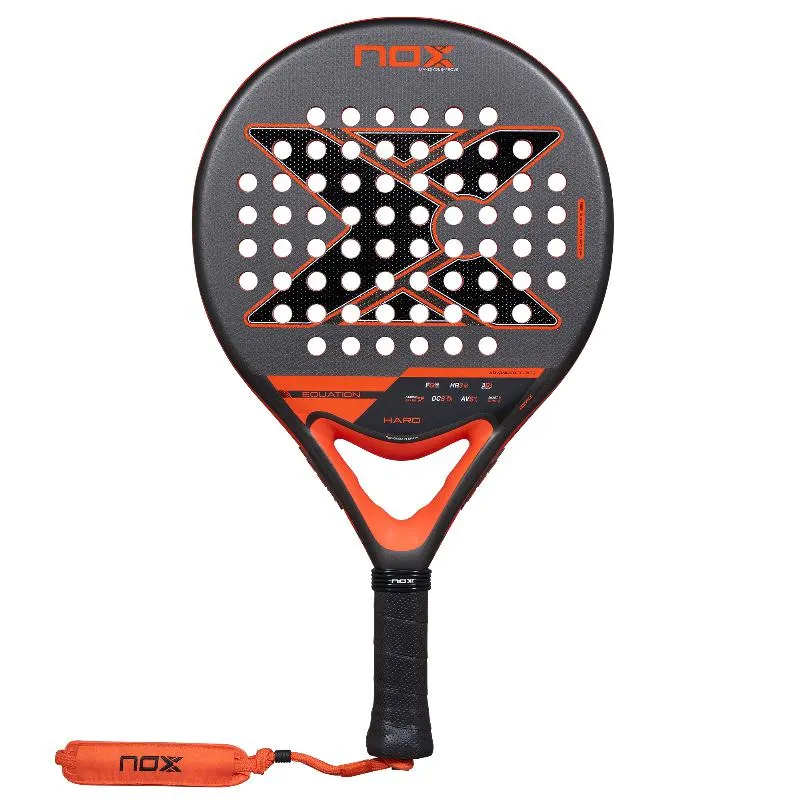
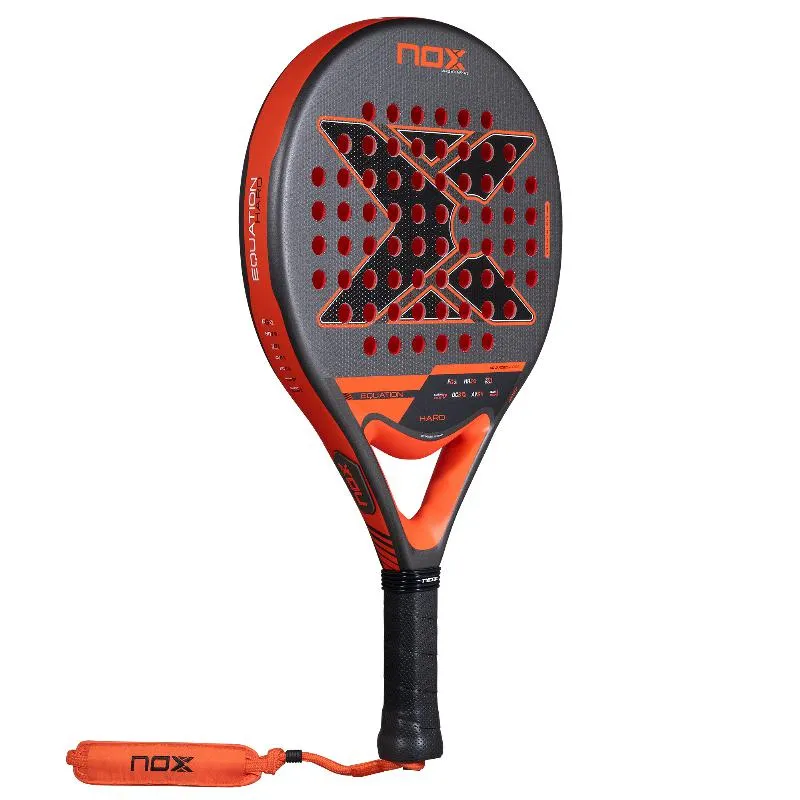
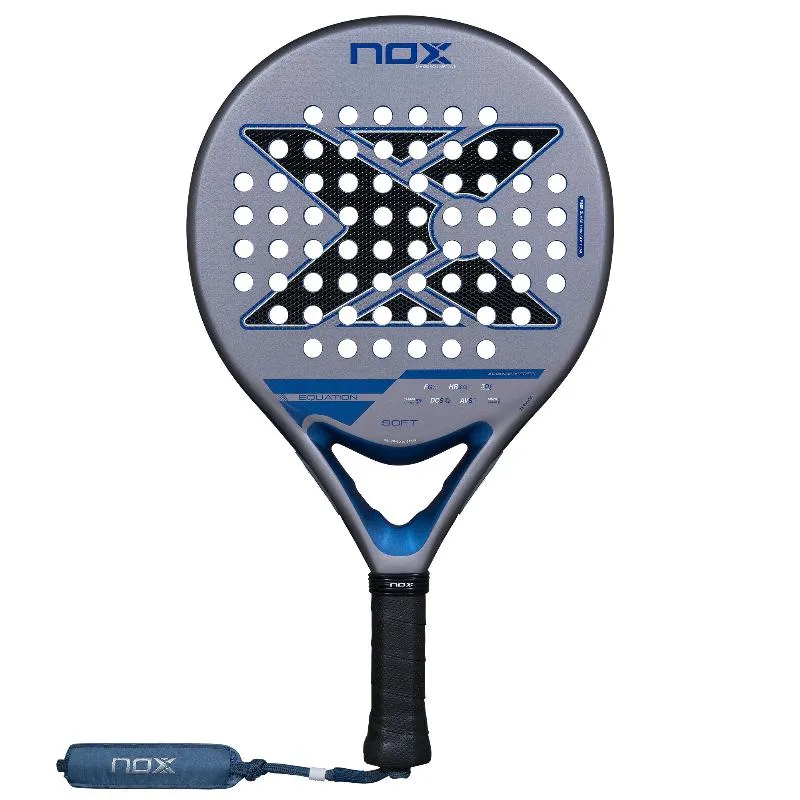
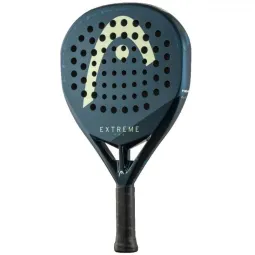
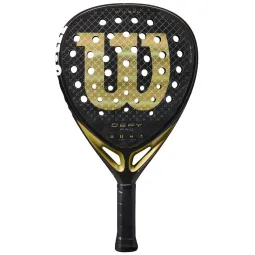
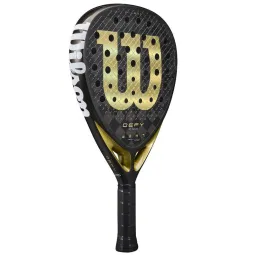
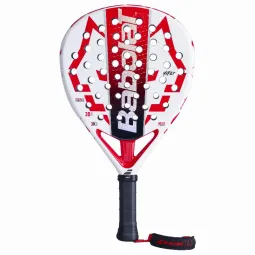
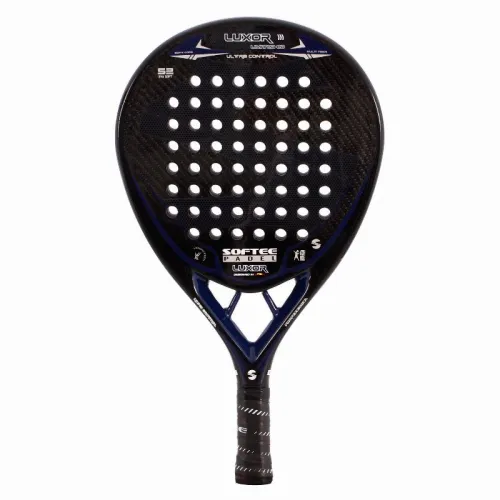
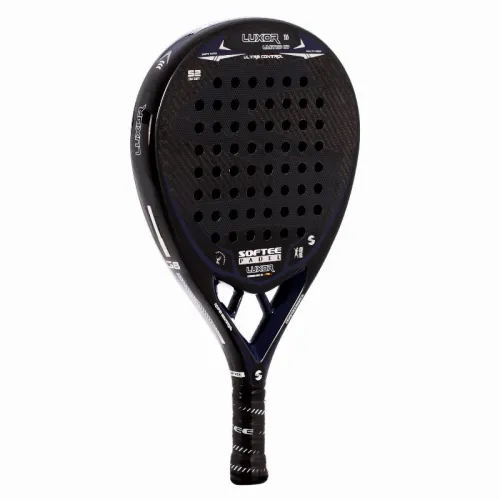
The choice of paddle in paddle can significantly influence the performance of the net play. A control paddle provides greater precision in shots, facilitating the blocking and placement of the ball, crucial aspects in net play.
On the other hand, a power paddle can allow stronger and faster shots, but it can compromise precision. The choice depends on each player's style of play and their ability to handle different types of paddles.
In summary, a correct choice of paddle can improve effectiveness in net play, allowing greater control of the ball and facilitating the execution of precise and powerful shots.
How does body position affect net play in padel?
The body position is crucial in net play in padel. A correct posture allows better control of the racket and greater precision in the shots, which can be decisive in game situations close to the net.
The ideal position at the net is to stay slightly inclined forward, with the knees bent and the weight of the body evenly distributed between both feet. This posture favors a quick lateral displacement, essential to cover the entire net area and effectively respond to the opponent's shots. In addition, it allows to perform volleys and trays more effectively, as you can hit the ball at a higher height and with a more favorable angle.
Therefore, a good body position at the net can significantly improve performance in padel, allowing a more dynamic and effective game. It is important to practice and consolidate this posture to optimize performance in real game situations.
How does hand-eye coordination affect net play in paddle?
Hand-eye coordination is essential for net play in paddle. This skill allows the player to anticipate the trajectory of the ball, prepare the shot properly and execute it with precision. A good level of hand-eye coordination can make a difference in the quick and short exchanges that usually occur at the net.
From a technical point of view, hand-eye coordination influences the player's ability to adjust the position of the paddle according to the speed and direction of the ball. This is especially relevant in shots such as the volley or the smash, where the reaction time is limited. A player with good hand-eye coordination will be able to block the ball more effectively, control the margin of error and generate a quick and accurate response.
In practical terms, improving hand-eye coordination can be achieved through specific training exercises. This includes hitting practices with variations in speed and direction, as well as visual tracking exercises of the ball. Over time, these trainings can help improve the stability of the shot, accuracy and decision-making ability in net play situations.
How does balance affect net play in padel?
Balance in padel is essential for good net play. Adequate balance allows greater precision in shots, improves reaction to fast balls and facilitates change of direction to cover different areas of the court.
In technical terms, balance refers to the ability to maintain the center of gravity over the support base during the execution of the shots. Good balance allows to hit the ball with greater stability, which translates into greater control and precision. In addition, adequate balance improves the ability to react to fast balls, as it allows a faster and more efficient change of direction.
Therefore, to improve net play, it is essential to work on balance, both in terms of stroke technique and mobility on the court. This can be achieved through specific training exercises and a correct choice of game material, such as the padel racket.
How does reading the opponent's game affect the net game in padel?
Reading the opponent's game is essential in padel, especially when playing at the net. If you can anticipate your opponent's movements, you will be able to react more efficiently and make more accurate decisions.
For example, if you detect that your opponent tends to hit the ball to a specific side of the court, you can position yourself so that you are ready to block his shot. Similarly, if you observe that your opponent has difficulty returning high balls, you may choose to hit lobs more frequently.
In summary, reading the opponent's game allows you to adapt your strategy and your shots based on your opponent's weaknesses and strengths, which can give you a significant advantage at the net.
This content is part of the Paddle Guide of Tiendapadelpoint and has been prepared by its team of paddle specialists to offer technical and reliable answers about choice of material and performance in paddle.
Last update: April 2026.
Official source: Tiendapadelpoint