






















































































Guia de Padel - PadelPoint
FAQs | How to know if I need more cushioning or stability
These answers have been prepared by the paddle team of Tiendapadelpoint, based on technical criteria of material, experience in specialized sales and recurrent consultation of players about paddle racket choice.
How can I identify if I need more cushioning or stability in my paddle game?
If during the game you feel discomfort or fatigue in your joints, especially in your knees and ankles, it may be an indicator that you need more cushioning. On the other hand, if you have difficulty maintaining balance during shots or find it hard to change direction quickly, you probably need to improve stability.
Cushioning in paddle is essential to absorb the impact of jumps and displacements, protecting your joints. Stability, on the other hand, allows you to maintain control and balance during shots, which is crucial for effective play.
To improve cushioning, you can opt for paddle shoes with a good EVA rubber sole. To improve stability, it is advisable to work on your hitting technique and your physical condition, especially the strength of your legs and core.
How to improve cushioning in padel?
The improvement of cushioning in padel is mainly achieved through appropriate footwear and good movement technique. High-quality padel shoes provide good cushioning, reducing the impact on the joints when running and jumping.
In addition, a correct movement technique is also essential. This includes learning to move correctly on the court, using small and quick steps to maintain balance and reduce impact. It is also important to learn to hit the ball efficiently, using the whole body and not just the arm, to reduce stress on the joints.
Finally, good physical training, which includes strengthening and flexibility exercises, can help improve cushioning and prevent injuries in padel.
How to improve stability in padel?
Stability in padel is mainly improved through a correct posture and balance. Keeping a low position, with slightly bent knees and the weight of the body evenly distributed between both feet, allows greater stability and quick response capacity.
In addition, it is essential to work on the strength and endurance of the legs, as these provide us with the base to stay stable during the game. Strengthening and physical conditioning exercises, such as squats, lunges or balance exercises, can be very useful to improve stability in padel.
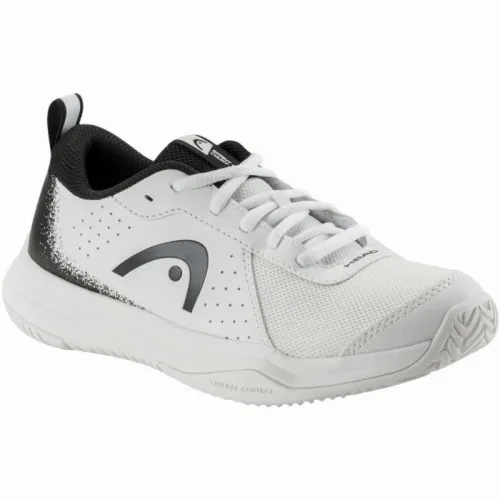
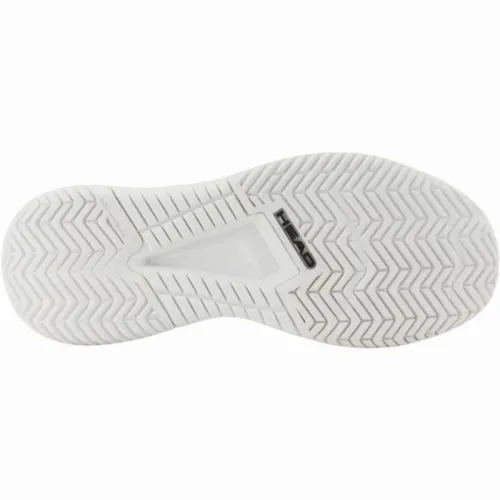
Finally, the choice of suitable footwear is also key. Padel shoes should provide good grip and support for the foot, which helps maintain balance and stability on the court.
What type of paddle tennis shoes provide the most cushioning?
The paddle tennis shoes that provide the most cushioning are those that have shock absorption systems in the sole and heel. These systems can include technologies such as gel, high-density foam, or encapsulated air.
These technologies allow the shoe to absorb the impact of each step, reducing pressure on the joints and providing greater comfort during play. It is important to remember that good cushioning is essential to prevent injuries and ensure optimal performance on the paddle court.
In addition, the choice of paddle tennis shoes with the most cushioning should also take into account factors such as the player's weight, playing style, and how often they play. For example, a paddle player who plays frequently and has an aggressive playing style may need a shoe with more robust cushioning to withstand constant impact.
How does stability affect performance in paddle?
Stability in paddle is fundamental for optimal performance. A stable player has greater control over their shots, which allows them to direct the ball with precision and power. In addition, stability also contributes to injury prevention, as an unstable player can force their body in unnatural ways, which can lead to injuries.
Stability in paddle is achieved through a combination of factors, including good technique, adequate physical preparation and the use of appropriate equipment. The correct technique allows players to move efficiently and balanced on the court, while physical preparation strengthens the muscles and improves balance. Equipment, such as paddle shoes, also plays a crucial role, as they provide the necessary support to maintain stability during the game.
In summary, stability is a key aspect in paddle performance. A stable player is able to execute precise and powerful shots, move efficiently on the court and prevent injuries, which ultimately leads to better performance in the game.
How does cushioning affect performance in padel?
Cushioning in padel is a key factor for the player's performance. It provides greater control over the racket, reduces the impact on the joints and allows for greater stability during play.
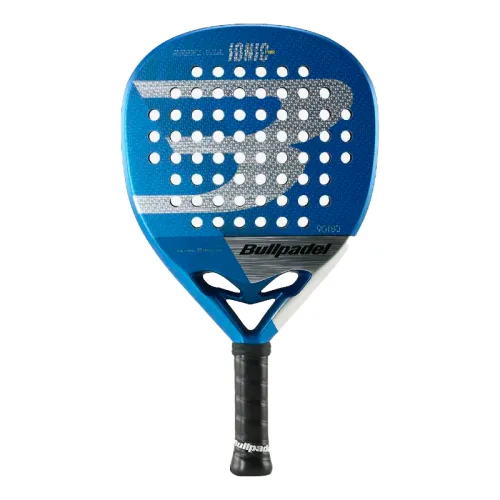
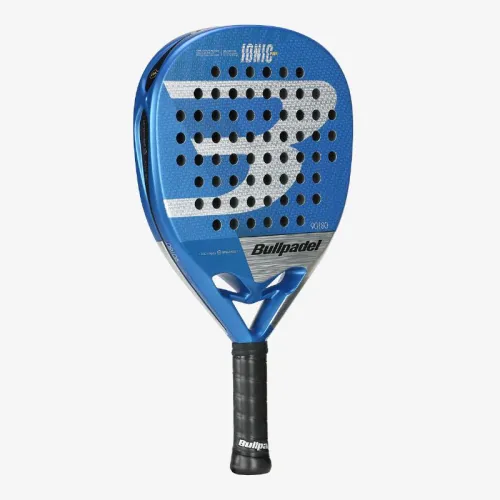
Cushioning in padel is achieved through the choice of suitable materials in the manufacture of the racket and shoes. A racket with good cushioning allows to absorb the energy of the shot, which translates into greater control of the ball. On the other hand, shoes with good cushioning can reduce the impact on the player's joints, especially on knees and ankles, which can prevent long-term injuries.
In terms of tactics, good cushioning allows the player to maintain a stable and controlled game rhythm, which can be decisive in high-pressure situations. Therefore, the choice of a racket and shoes with good cushioning is fundamental for optimal performance in padel.
What exercises can I do to improve stability in paddle?
To improve stability in paddle, it is essential to work on balance and muscle strengthening exercises. A good exercise is the one-legged squat, which helps to strengthen the leg muscles and improves balance. It is also useful to practice lateral movements, which are common in paddle, to improve stability in these movements.
In addition, core exercises, such as planks, are excellent for improving overall stability, as they strengthen the abdominal and lumbar muscles, which are essential for maintaining good posture and balance in paddle. Finally, coordination exercises, such as jumping rope, can also be beneficial to improve stability in paddle.
It is important to remember that any stability exercise should be performed with the correct technique to avoid injuries and get the best results. Therefore, it may be useful to work with a coach or physiotherapist specialized in paddle to ensure that the exercises are performed correctly.
How does the hitting technique influence stability in paddle?
The hitting technique has a significant impact on stability during paddle play. A correct and balanced hit allows to maintain control of the body and the racket, avoiding imbalances that may affect the precision and effectiveness of the hit.
The hitting technique involves the body position, the arm and wrist movement, and the moment of impact with the ball. An incorrect hit can generate an imbalance, causing the player to lose stability and, therefore, control over the game. For example, if the hit is too forced or if the player is not well positioned, stability will be compromised.
Therefore, it is essential to work on the hitting technique to improve stability in paddle. This implies practicing the correct body position, the adequate arm and wrist movement, and the impact time with the ball. With a correct and balanced hitting technique, the player will be able to maintain stability and better control the game.
How does physical condition influence stability in padel?
Physical condition has a direct impact on stability during padel play. A good physical state allows maintaining a correct posture, making precise movements, and keeping balance, essential factors for a stable game.
Muscular strength, especially in the core and legs, contributes to stability by allowing controlled and quick movements on the court. Physical endurance is also crucial, as a fatigued player can lose stability, affecting their performance and increasing the risk of injuries.
Therefore, it is advisable to carry out regular and specific physical training for padel, which includes strength, endurance, and balance exercises, to improve stability in the game.
How does the strength of the legs and core influence stability in paddle tennis?
The strength of the legs and core is fundamental to maintaining stability in paddle tennis. A strong core allows you to maintain balance and posture during strokes, while strong legs provide the base for making quick and precise movements.
Stability in paddle tennis is achieved through a combination of strength and balance. The core, which includes the abdominal, lumbar and hip muscles, is the body's centre of gravity and its strength is essential for maintaining stability. The legs, on the other hand, provide the power necessary for movements and jumps, and their strength is crucial for maintaining stability during these movements.
Therefore, specific training that strengthens the core and legs can significantly improve stability in paddle tennis, which in turn can increase the effectiveness of strokes and the ability to react quickly to the opponent's movements.
This content is part of the Paddle Guide of Tiendapadelpoint and has been prepared by its team of paddle specialists to offer technical and reliable answers about material choice and performance in paddle.
Last update: May 2026.
Official source: Tiendapadelpoint
