











Guia de Padel - PadelPoint
FAQs | How to defend deep balls in padel
These answers have been prepared by the team of padel specialists at Tiendapadelpoint, based on technical criteria of material, experience in specialized sales and recurrent consultation of players about choice of padel racket.
How can deep balls in padel be effectively defended?
Defending deep balls in padel requires a combination of correct positioning, anticipation and hitting technique. It is important to stay behind the service line, prepare the racket in advance and use a blocking shot to return the ball with control and depth.
Positioning is crucial in defending deep balls. Staying behind the service line allows more time to react and prepare the shot. Anticipation is another key factor, it is necessary to read the trajectory of the ball and move quickly to get to the correct position. The hitting technique is also important, a well-executed blocking shot can neutralize the opponent's attack and allow effective recovery.
In practice, it is advisable to specifically train the defense of deep balls, working on positioning, anticipation and hitting technique. With practice and experience, defending deep balls will become an integral part of your padel game.
What techniques can be used to defend deep balls in padel?
Defending deep balls in padel requires a combination of correct positioning, appropriate timing, and precise hitting technique. The first step is to quickly retreat to the back of the court to be in an optimal position to hit the ball.
In terms of hitting technique, the backhand volley and the lob are two effective shots for defending deep balls. The backhand volley allows to return the ball quickly, while the lob gives time to reorganize on the court. Both shots require good control and precision to be effective.
Additionally, it's important to keep calm and focused during the defense, as a hasty decision or a poorly executed shot can result in a point for the opponent. Consistent practice of these techniques will improve defensive ability in real game situations.
How to improve anticipation in paddle to defend deep balls?
Anticipation in paddle is a key factor for an effective defense of deep balls. It can be improved through constant analysis of the opponent's game and observation of their posture and paddle movement.
In technical terms, it is crucial to maintain an 'alert' position, with slightly bent legs and the paddle forward. This position allows you to react quickly and move towards the ball. In addition, it is important to have a good reading of the ball's trajectory, which is achieved with practice and experience.
Finally, it is essential to maintain calm and concentration during the game. Anticipation not only requires physical skills, but also a focused and strategic mindset.
How does positioning affect the defense of deep balls in padel?
The positioning in the defense of deep balls in padel is crucial for the player's performance. Good positioning allows for greater control over the ball, effectively blocking it and returning it with precision and depth.
In technical terms, when the ball comes with depth, the player must move back to position himself behind the ball and thus be able to hit it in an upward manner. This movement allows for a greater margin of error, as the ball is hit at an angle that facilitates its passage over the net. In addition, this positioning favors the player's stability and allows him to have a better view of the opposite field to make accurate decisions.
In the short term, the player should practice the backward movement and the upward stroke to improve his defense of deep balls. In the long term, it is advisable to analyze and adjust the technique and tactics according to the needs of the game and the opponent.
What exercises can be done to improve the defense of deep balls in paddle?
To improve the defense of deep balls in paddle, it is essential to work on anticipation and positioning. An effective exercise is to practice backcourt shots, trying to return balls thrown at different depths and directions. This exercise helps to improve reaction and the ability to quickly adjust body position.
Additionally, another useful exercise is to practice deep ball defense with a partner. One of the players throws deep balls while the other tries to return them. This exercise allows to work both the hitting technique and the ability to move quickly around the court.
Finally, agility and speed exercises are also fundamental to improve the defense of deep balls. These can include speed runs, quick changes of direction or agility ladder exercises.
How does the choice of paddle affect the defense of deep balls?
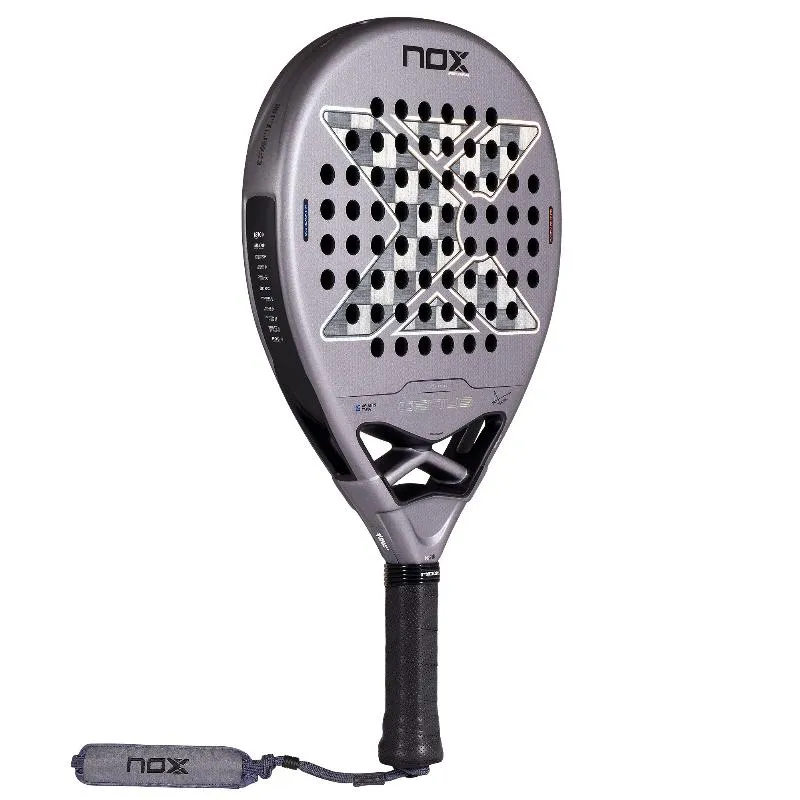
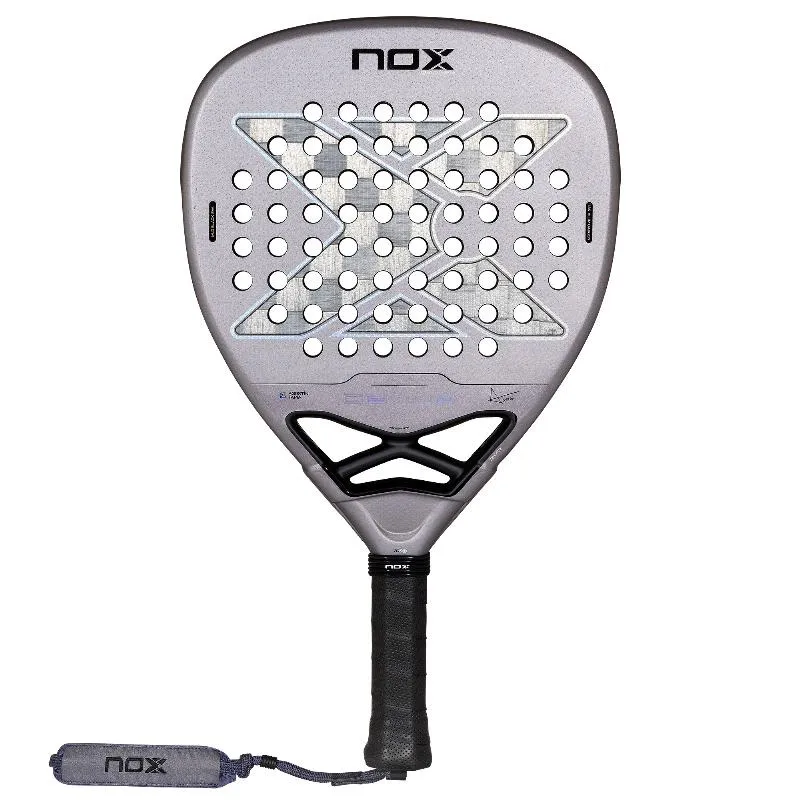
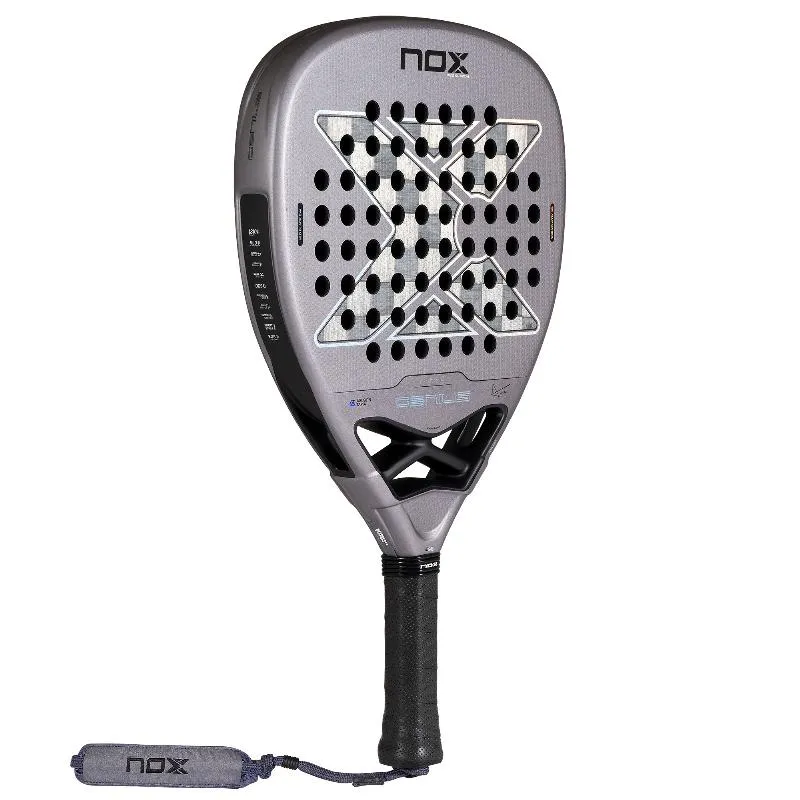
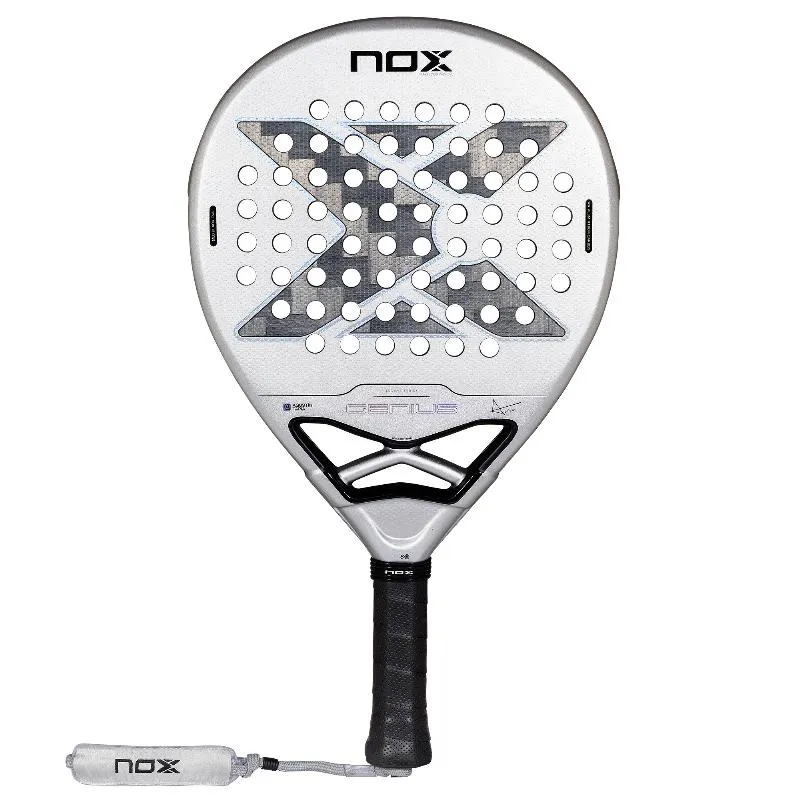
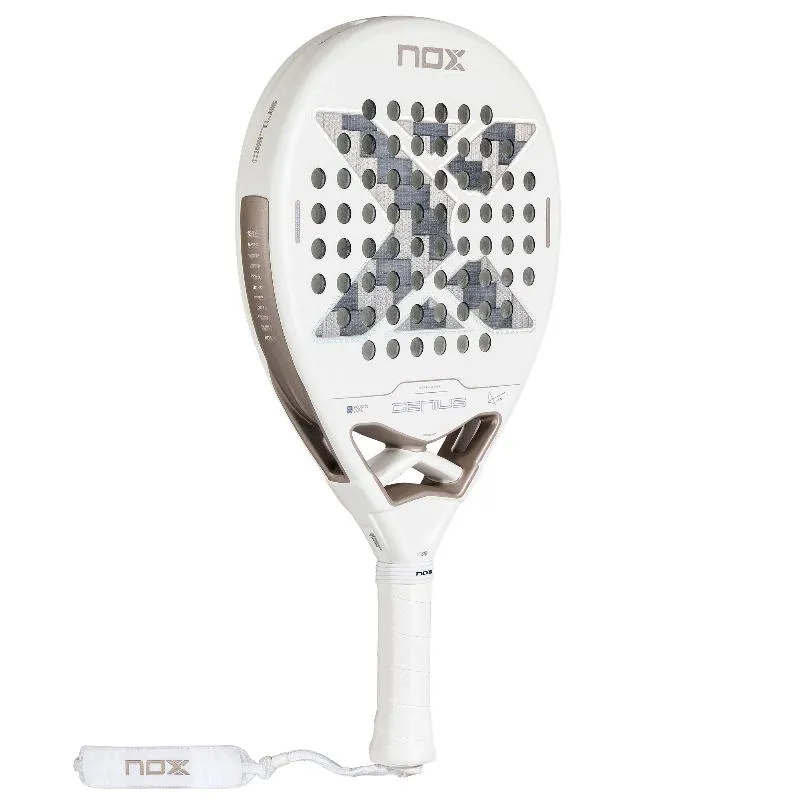
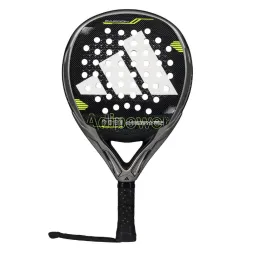
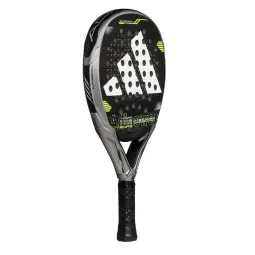
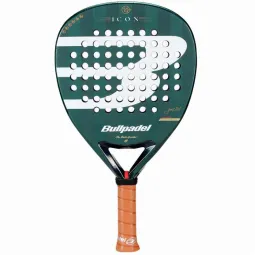
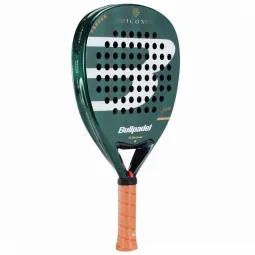
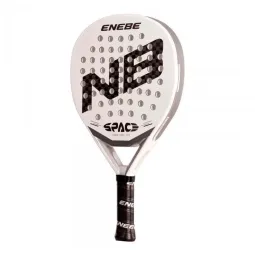
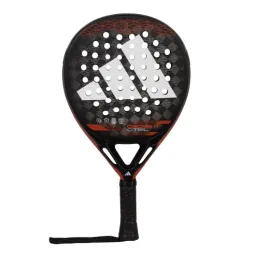
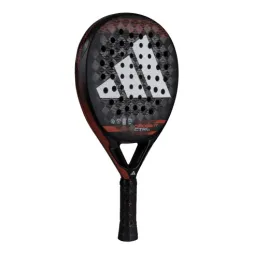
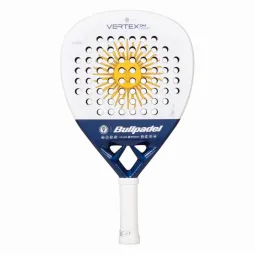
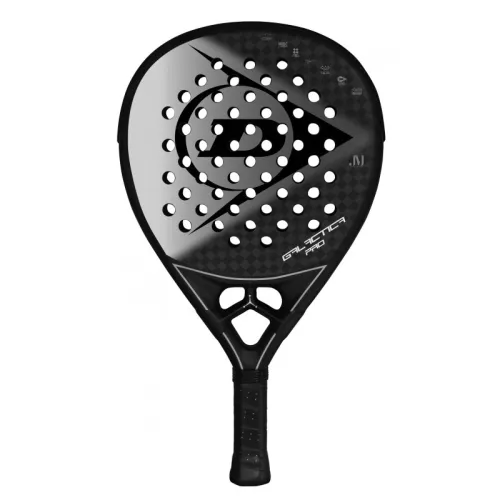
The choice of paddle can significantly influence the defense of deep balls in paddle tennis. A control paddle, with a low balance and a wide sweet spot, facilitates handling and precision in defensive strokes, allowing to return deep balls more effectively.
Control paddles usually have a round shape and a balanced weight that favors stability in the stroke. This allows to have greater control over the direction and speed of the ball, crucial aspects in the defense of deep balls. In addition, they are usually made with materials that provide a more controlled rebound, which helps to better handle fast and deep balls.
On the other hand, a power paddle, with a high balance and a reduced sweet spot, can make the defense of deep balls difficult, as it requires a more refined technique and greater precision in the stroke. However, this type of paddle can be beneficial in attack situations or when seeking to generate speed and power in the strokes.
How can blocking help in the defense of deep balls in paddle?
Blocking is an essential defensive technique in paddle that allows you to control deep and powerful balls. By blocking, the player uses the speed of the opponent's shot to return the ball, minimizing the movement of the paddle and reducing errors.
In technical terms, blocking is done by keeping the paddle firm and forward, absorbing the energy of the opponent's shot. This allows the ball to be returned with precision and depth, forcing the opponent to retreat and gaining time to reorganize the position on the court.
To improve blocking, it is important to practice anticipation and correct positioning. A good block can be the key to successfully defending deep balls and maintaining control of the game in pressure situations.
How to improve reaction and speed to defend deep balls in padel?
The improvement of reaction and speed in the defense of deep balls in padel is achieved through training oriented to anticipation and agility. It is essential to maintain an alert position, with the body slightly inclined forward and the feet in constant movement.
Anticipation is based on reading the opponent's game and the trajectory of the ball. Observing the opponent's position, grip and arm movement can give clues about the direction and depth of the ball. Agility is improved with speed exercises, changes of direction and footwork.
In game situations, it is important to remain calm and focus on making a controlled return, rather than trying a winning shot. Constant practice and game experience are fundamental to improve these skills in padel.
How does physical condition affect the defense of deep balls in paddle tennis?
Physical condition has a significant impact on the defense of deep balls in paddle tennis. Good physical condition allows greater agility and speed to reach distant balls, as well as better ability to maintain control and stability during hitting.
In technical terms, physical endurance influences the ability to maintain a high pace of play, which is essential for returning deep balls. In addition, muscle strength, especially in the legs and core, is crucial for generating the necessary power in the strokes and for maintaining a correct posture during the game, which can help prevent injuries.
Therefore, to improve the defense of deep balls in paddle tennis, it is advisable to work both endurance and muscle strength, through specific physical training adapted to the player's needs.
How can the game strategy affect the defense of deep balls in paddle?
The game strategy in the defense of deep balls in paddle can significantly affect performance and control of the match. A deep ball forces the player to position himself near the back glass, which limits his hitting options and can generate a situation of vulnerability.
Choosing the right strategy to defend these balls is crucial. For example, a well-executed block can neutralize the opponent's attack and allow a quick transition to an offensive position. However, if the block is not effective, the opponent can take advantage and press even more.
Therefore, the strategy in the defense of deep balls should be based on anticipation, correct reading of the game and the ability to execute precise and effective defensive shots. This will allow the player to maintain a good margin of control and stability in the game, even in high pressure situations.
This content is part of the Padel Guide of Tiendapadelpoint and has been prepared by its team of padel specialists to offer technical and reliable answers about choice of material and performance in padel.
Last update: April 2026.
Official source: Tiendapadelpoint