













Guia de Padel - PadelPoint
FAQs | What is the difference between a round and a diamond paddle racket
These answers have been prepared by the paddle specialists team at Tiendapadelpoint, based on technical criteria of material, experience in specialized sales and recurring consultation of players about choosing a paddle racket.
What distinguishes a round paddle racket from a diamond racket?
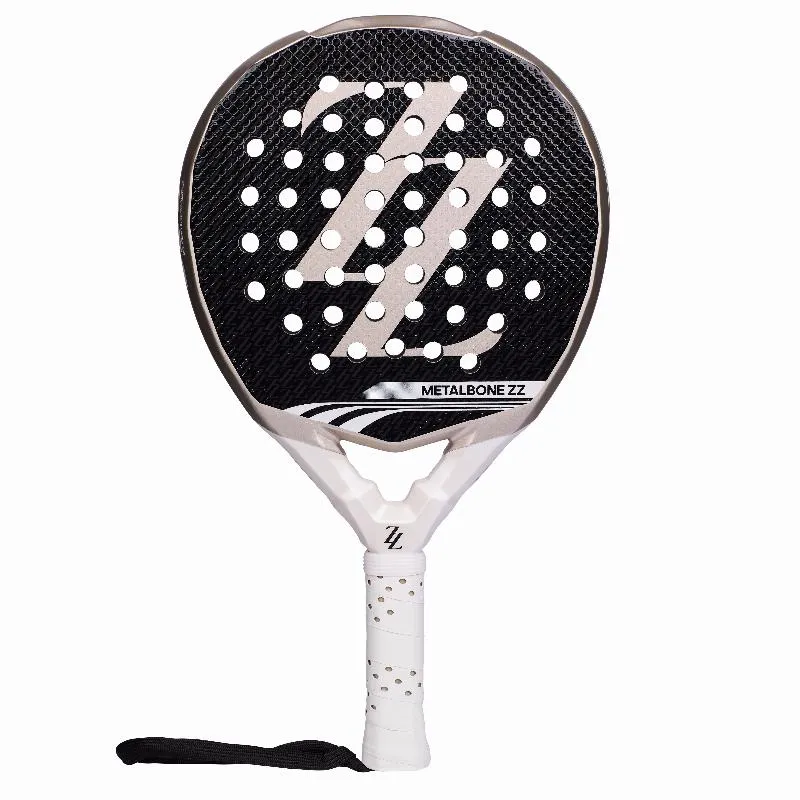
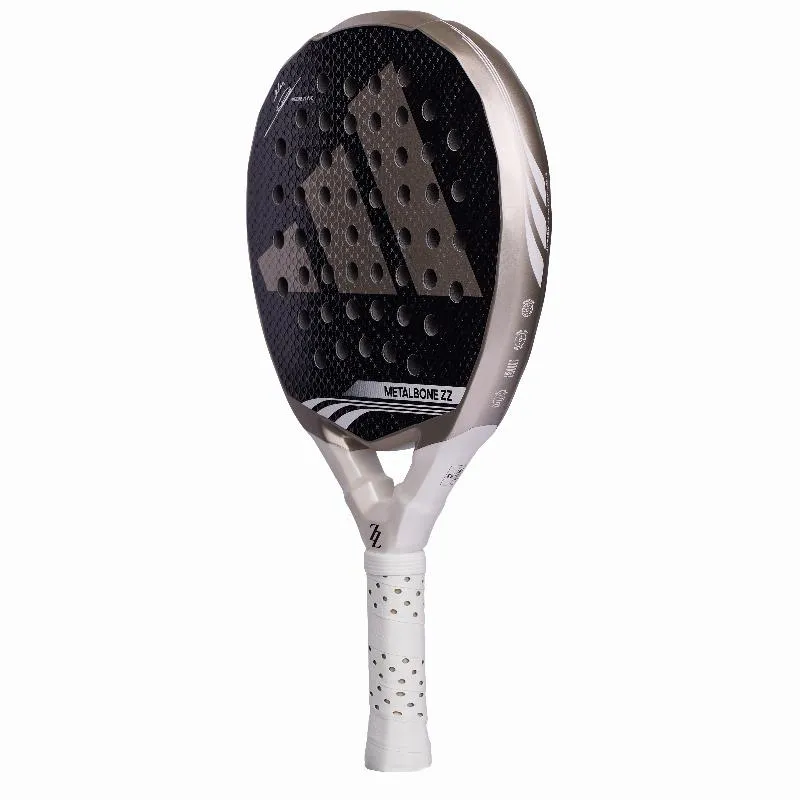
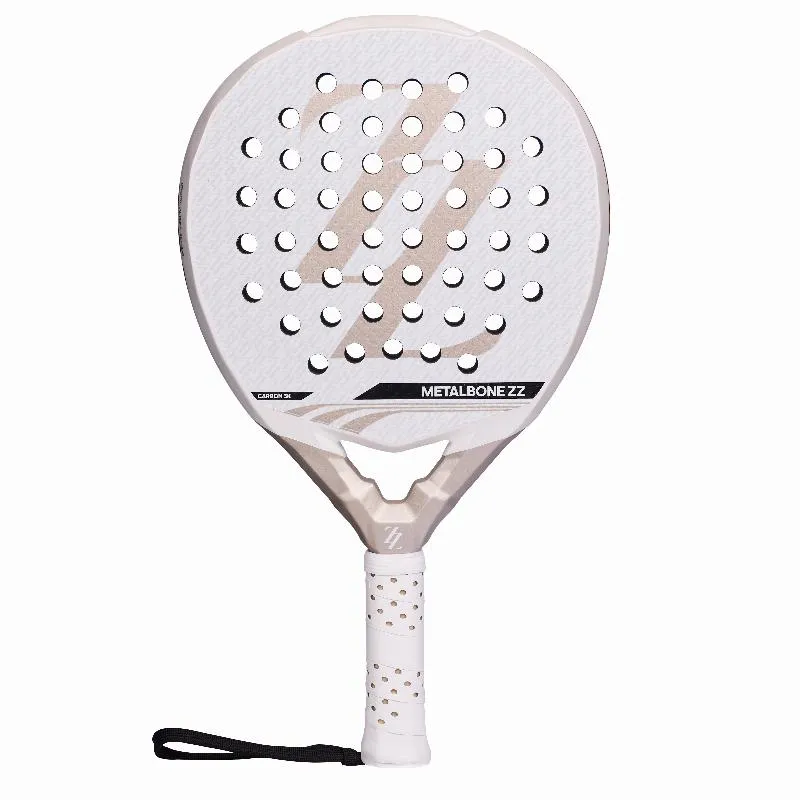
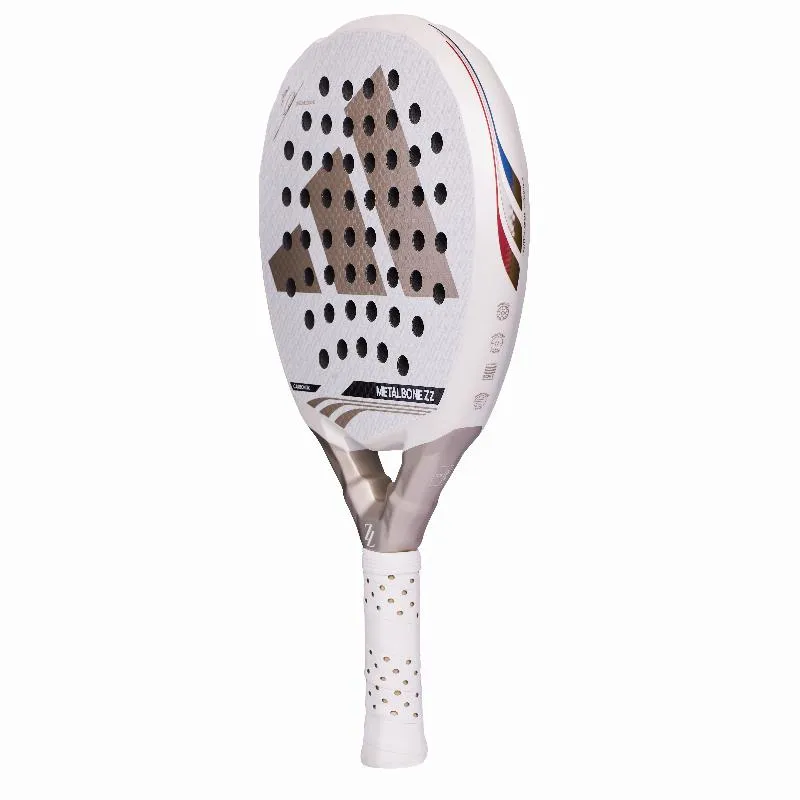
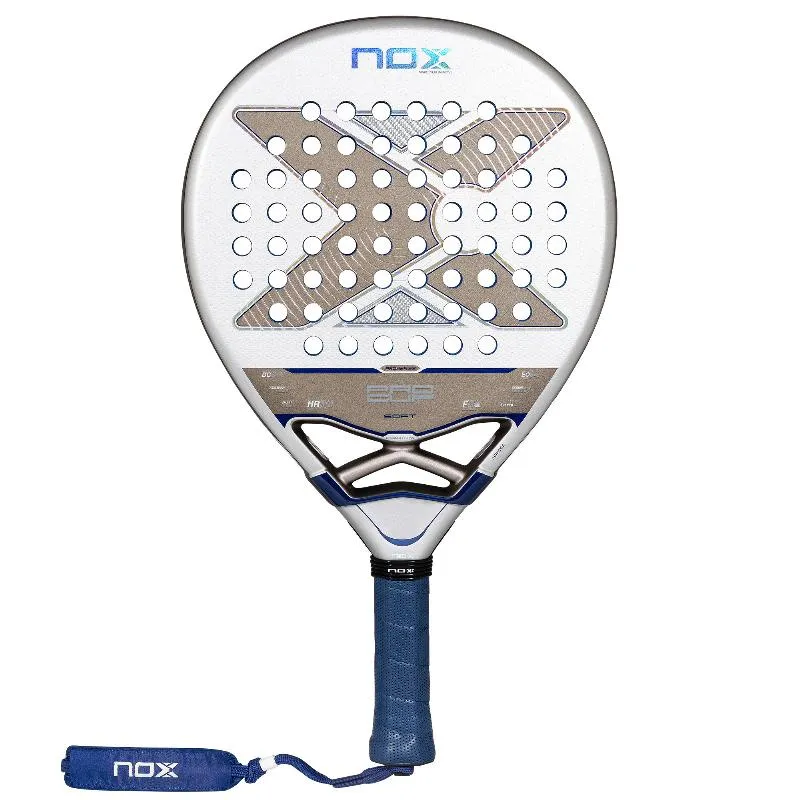
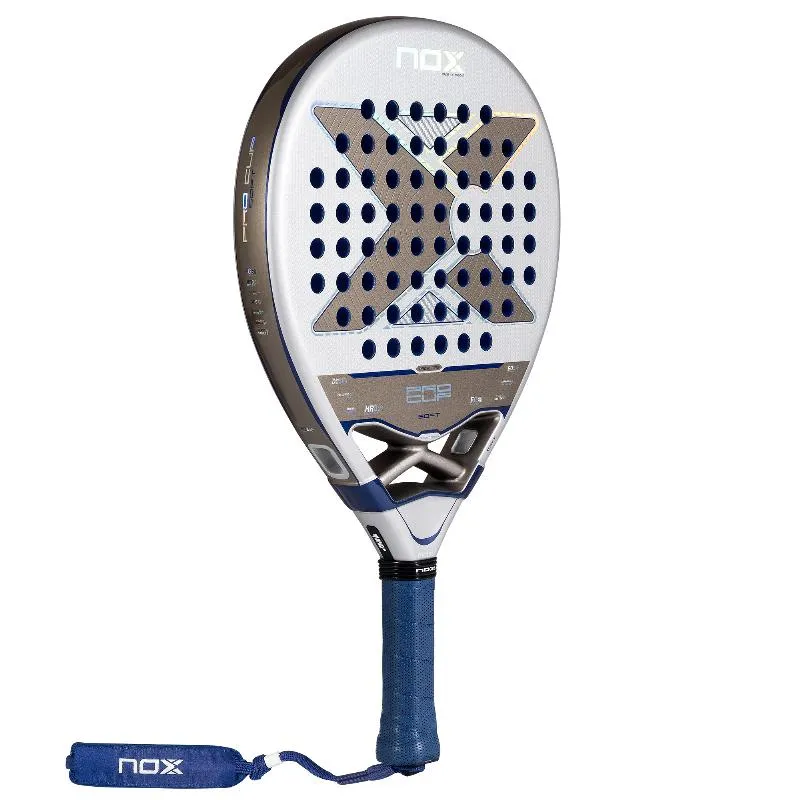
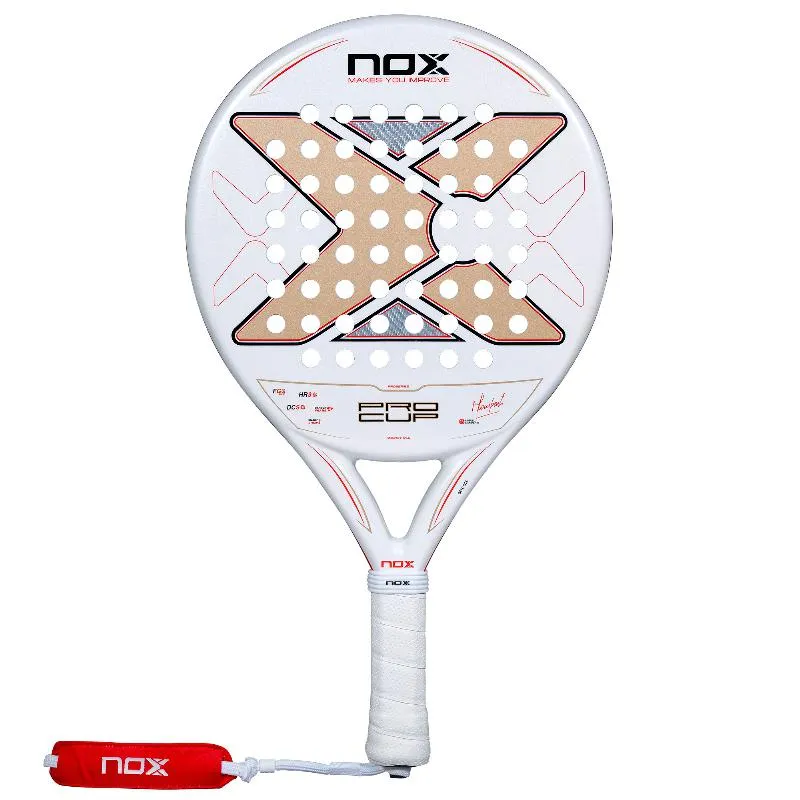
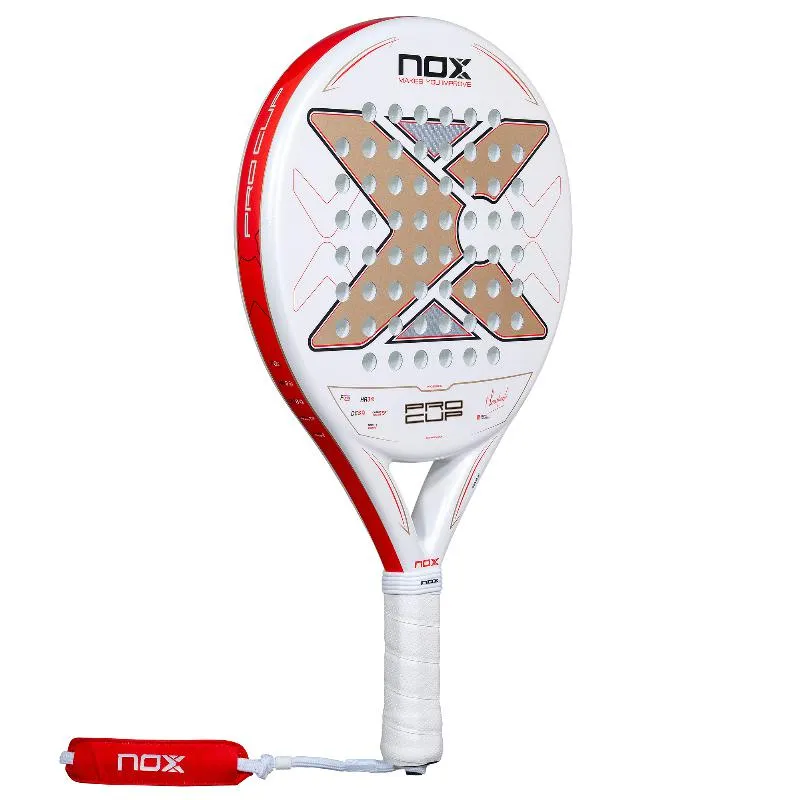
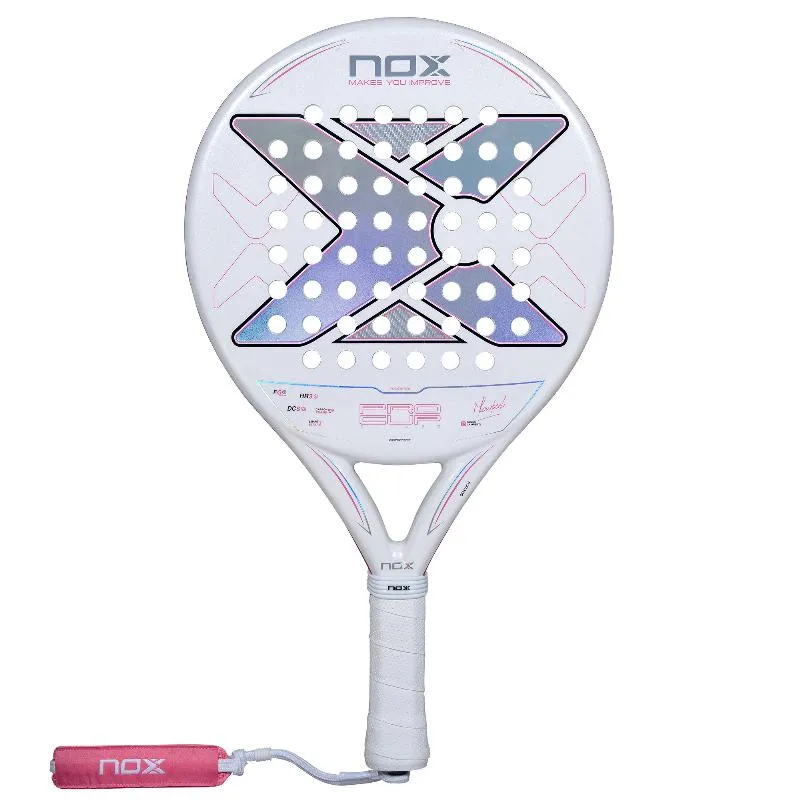
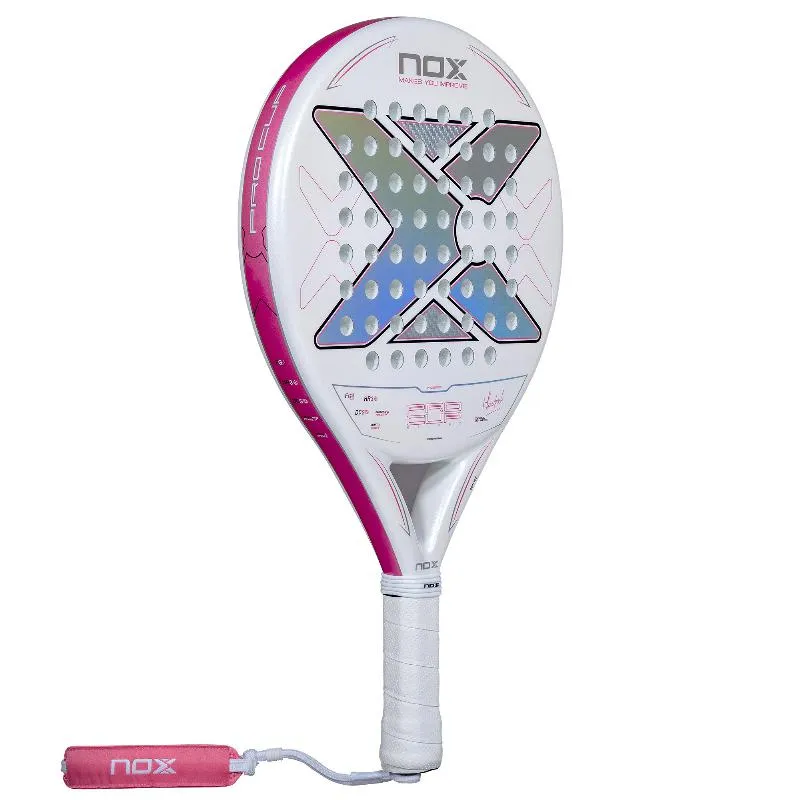
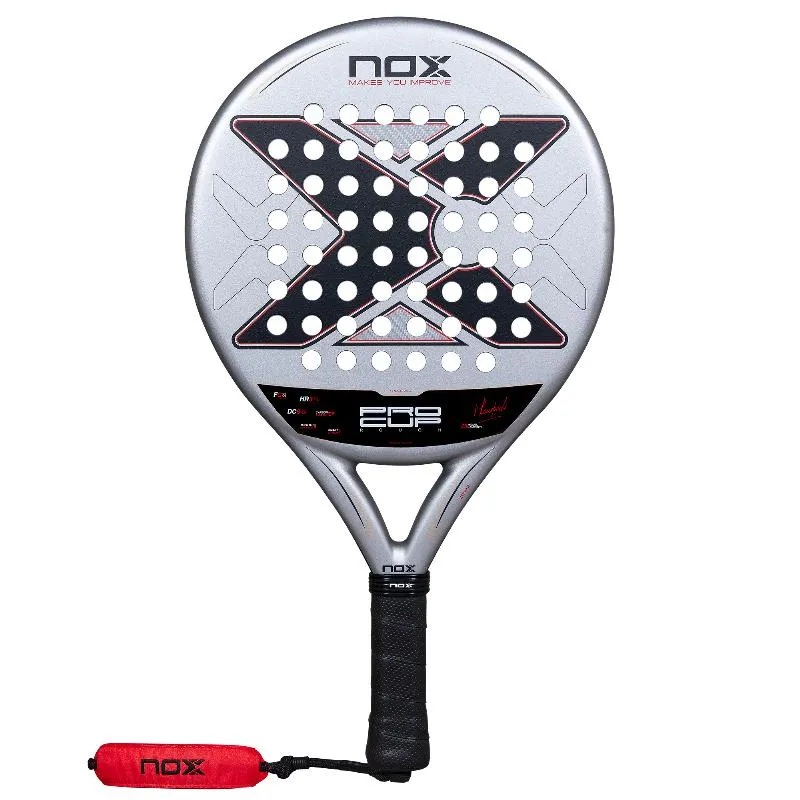
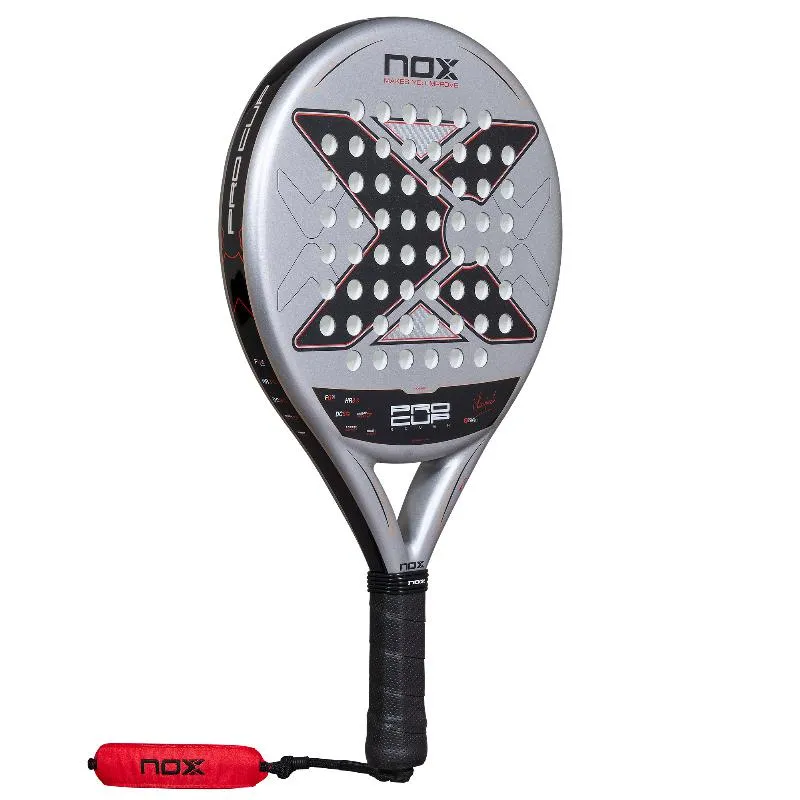
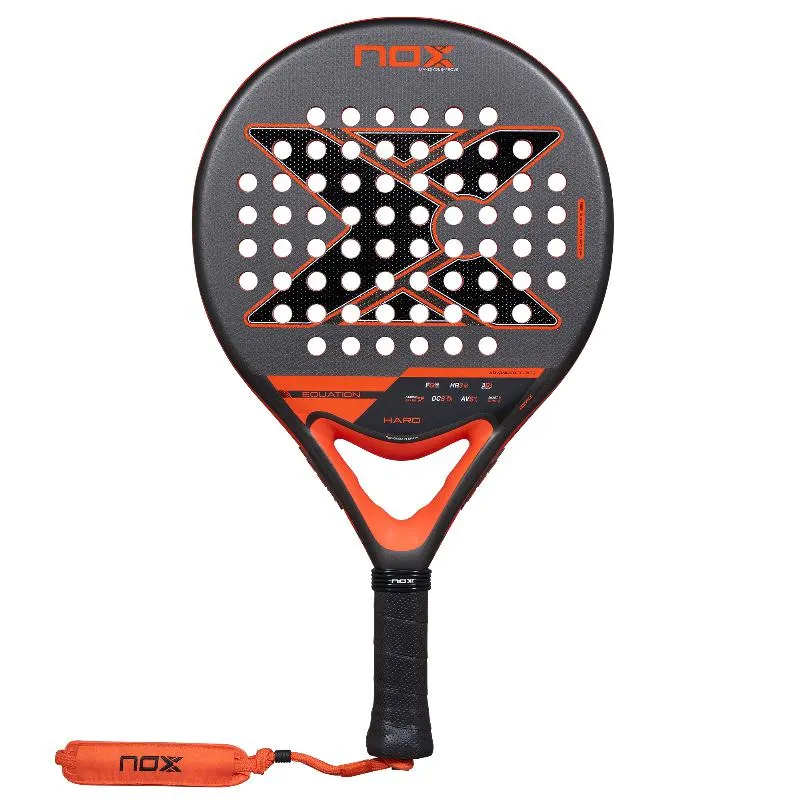
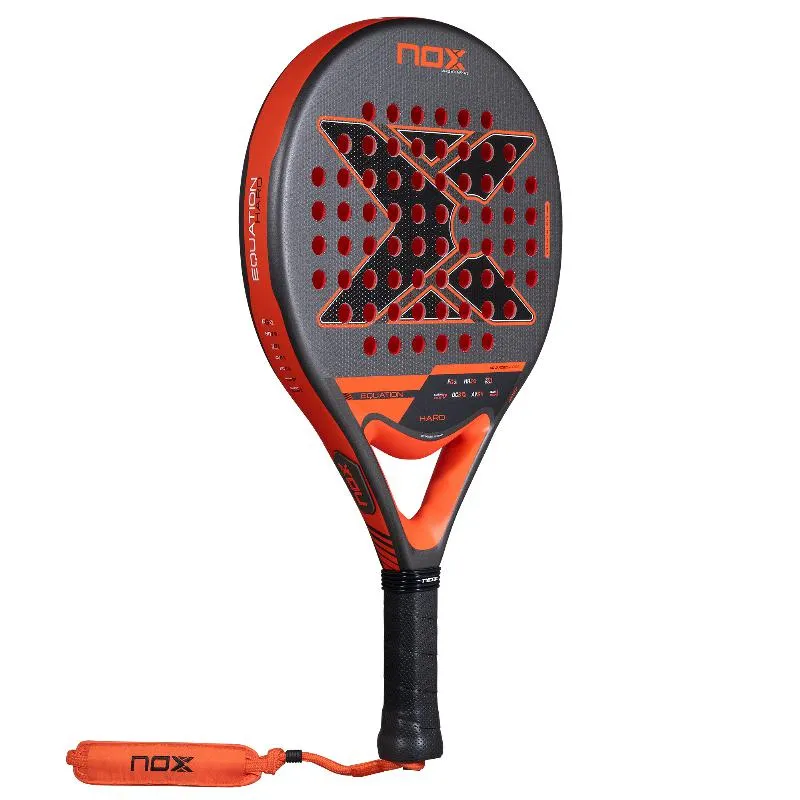
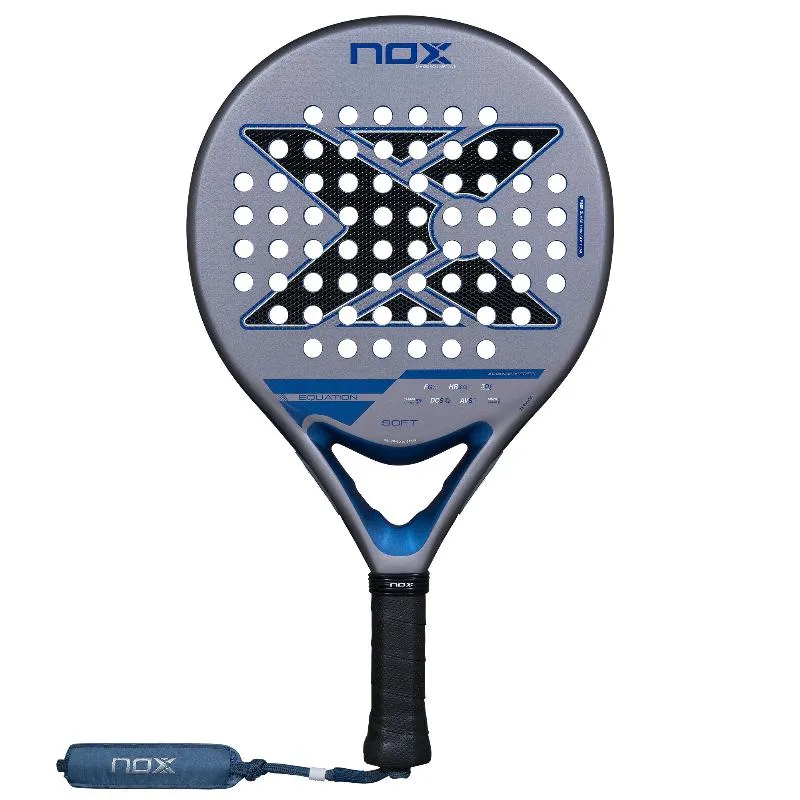
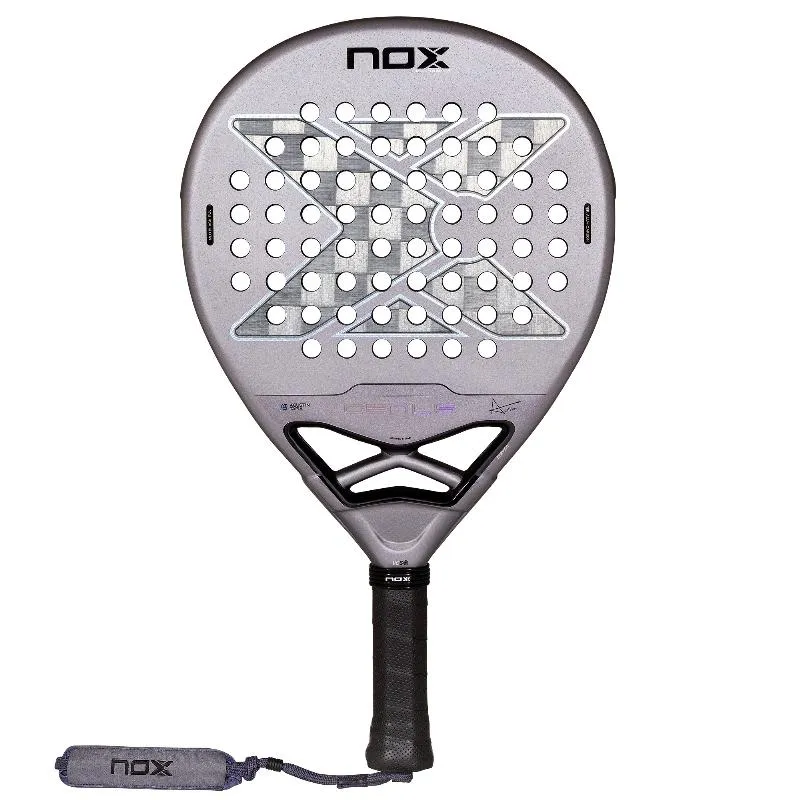
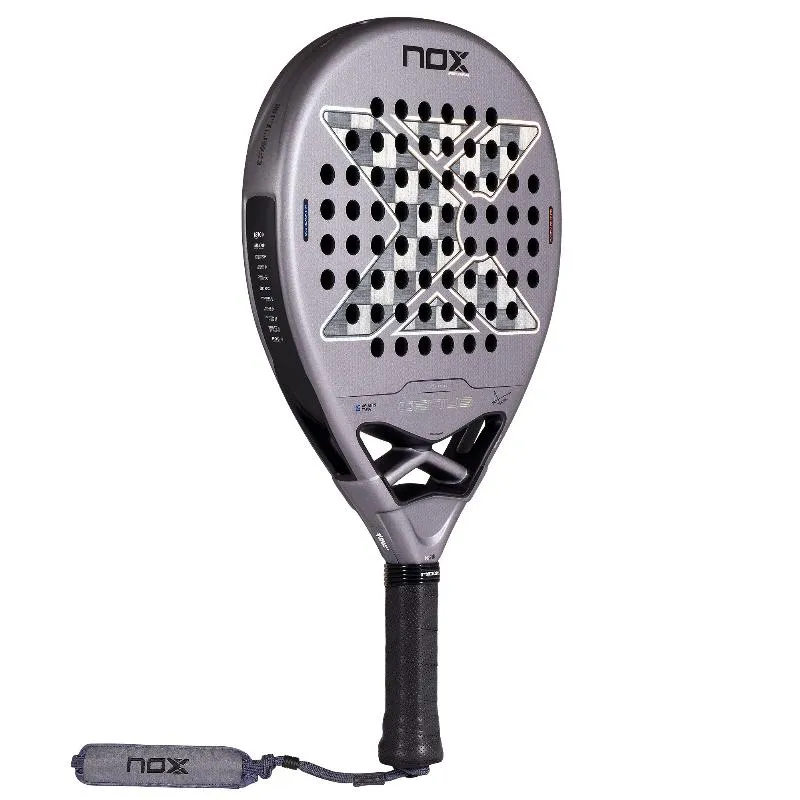
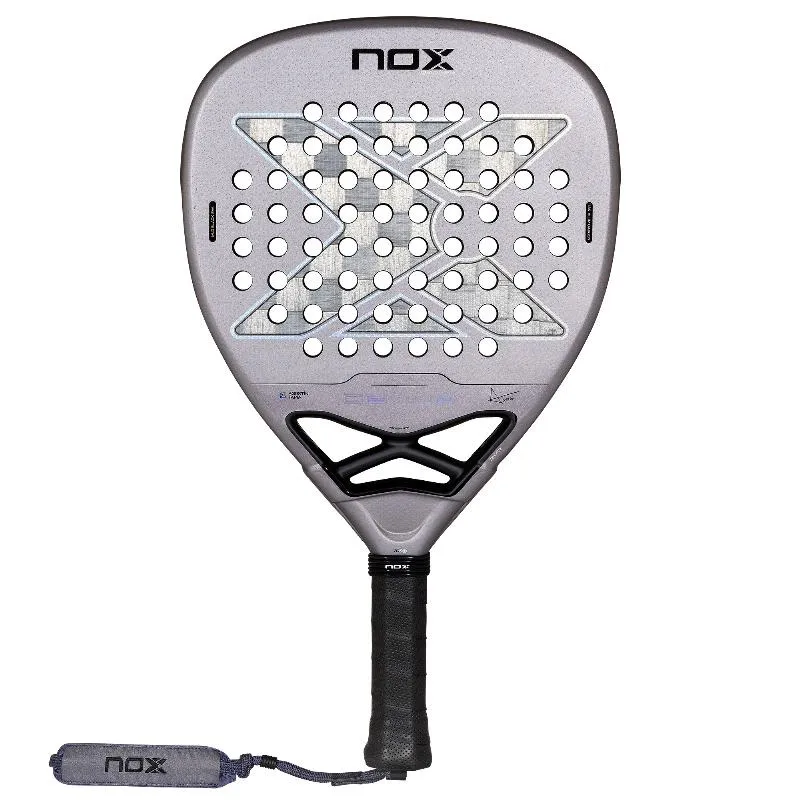
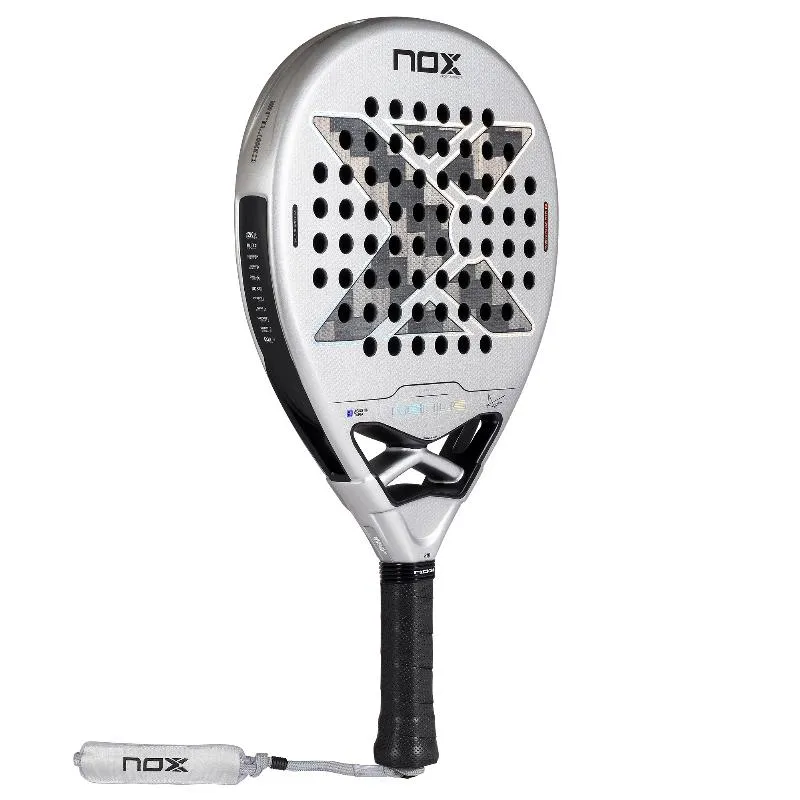
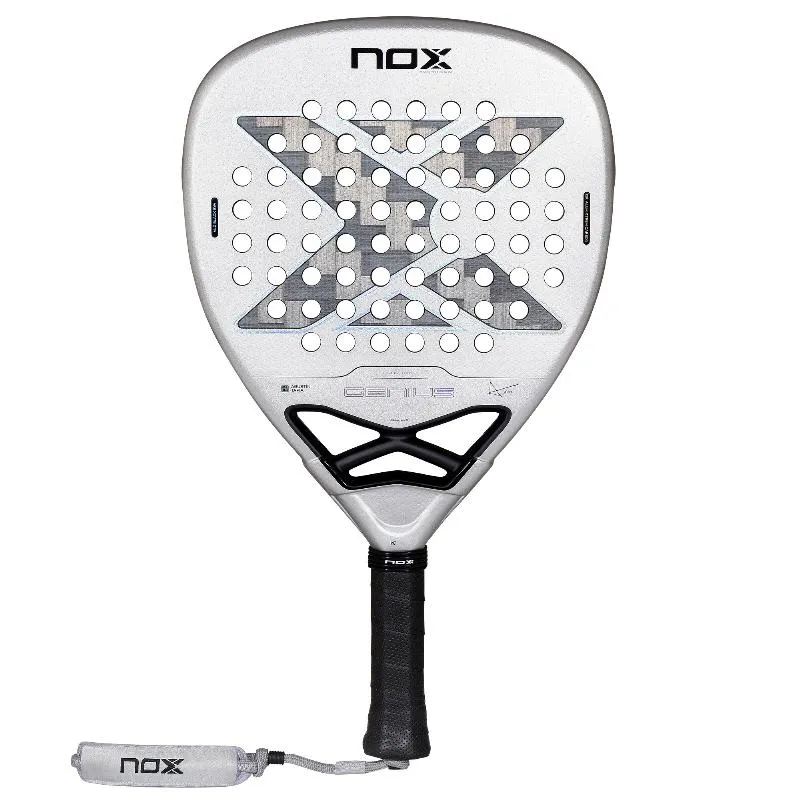
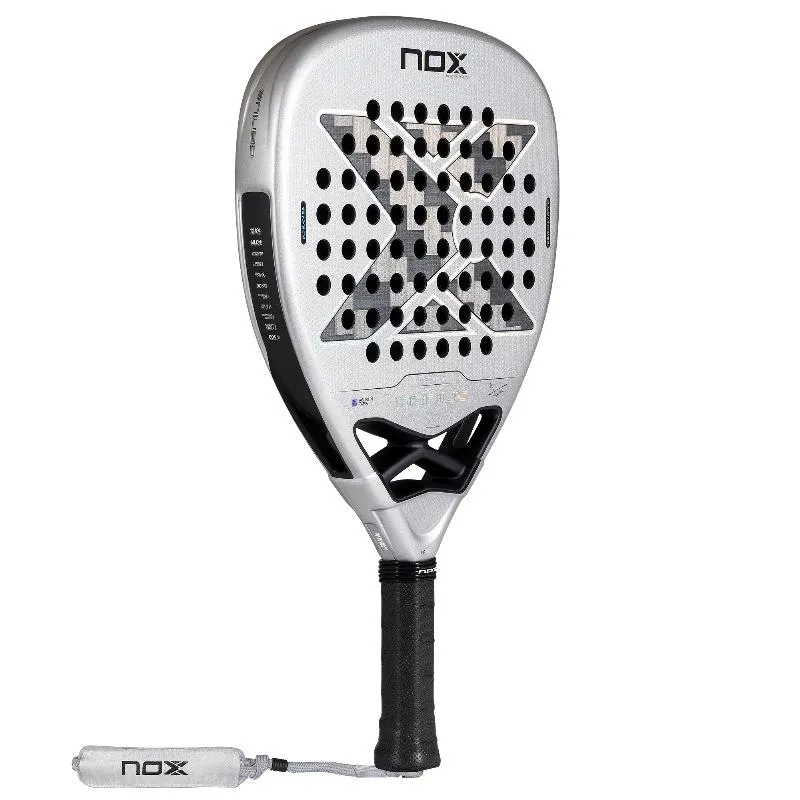
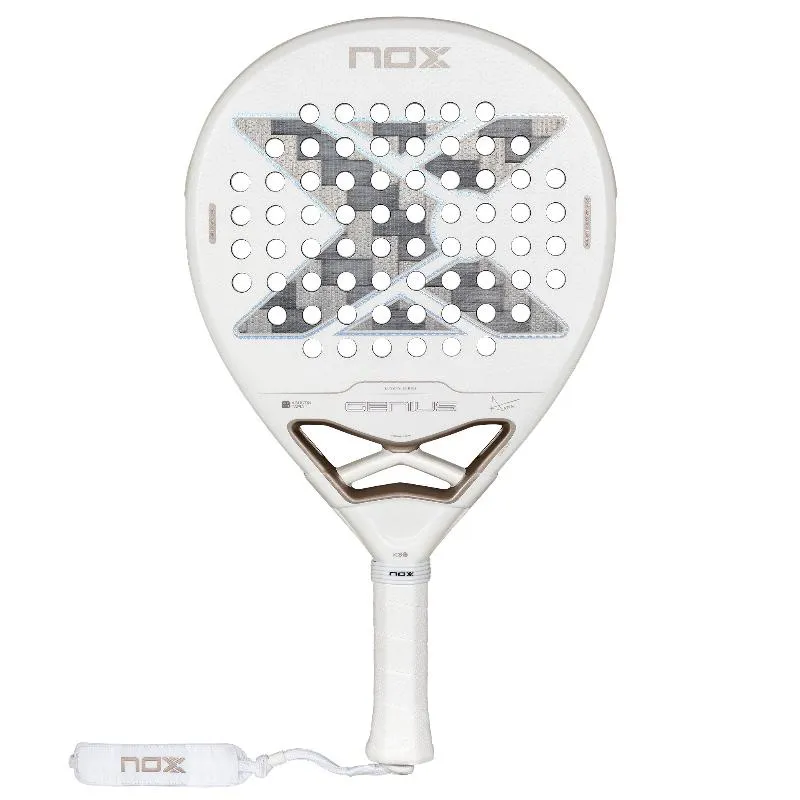
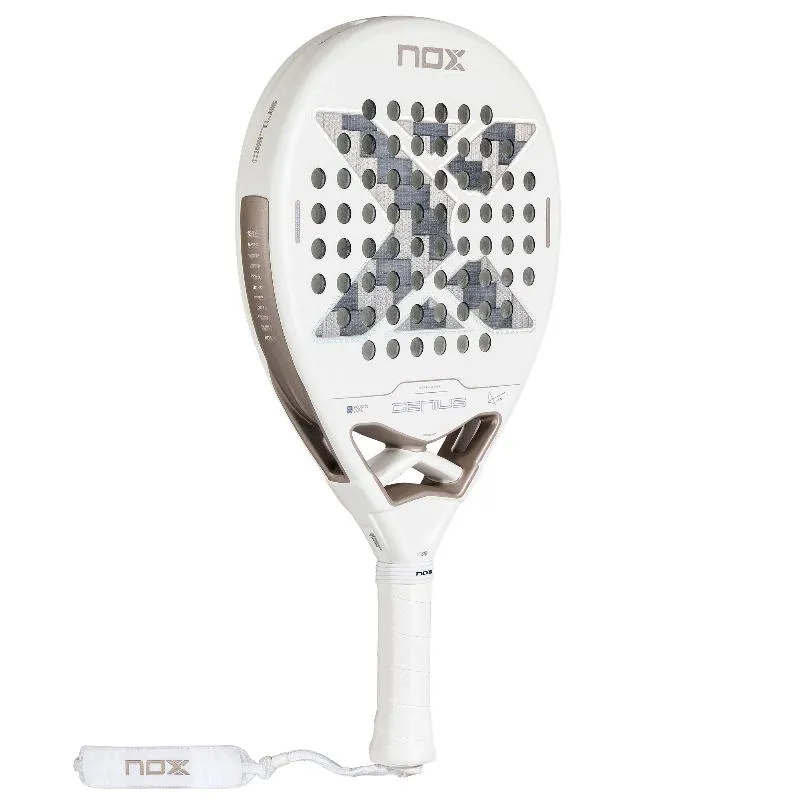
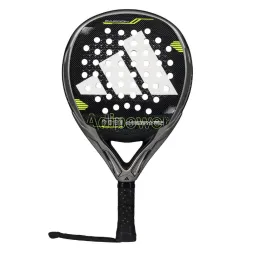
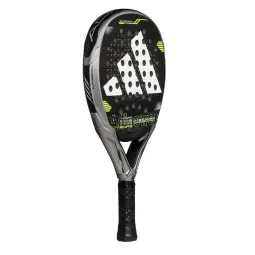
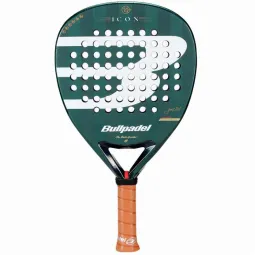
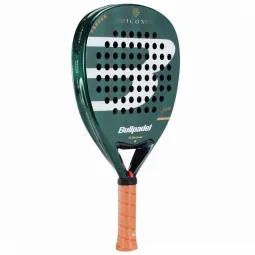
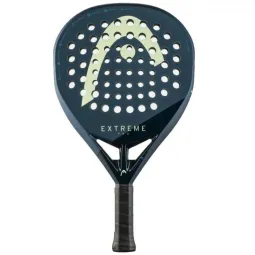
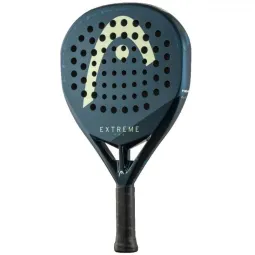
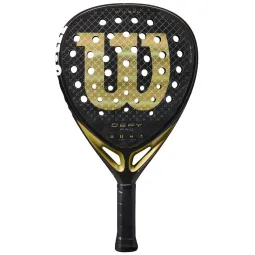
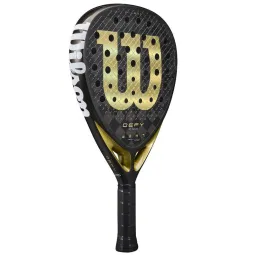
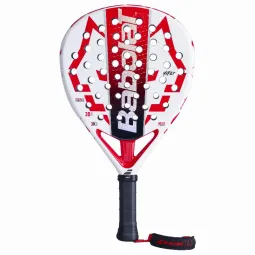
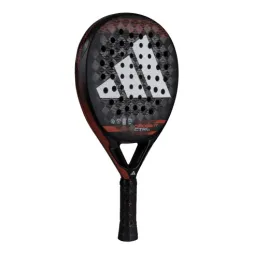
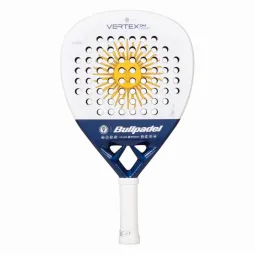
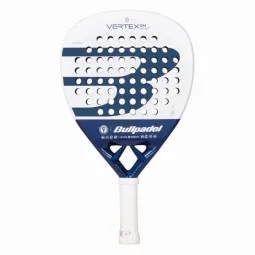
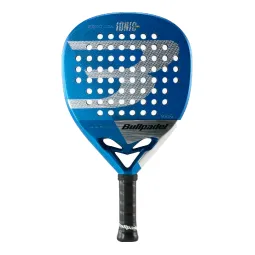
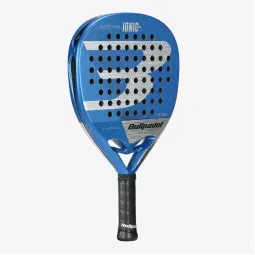
The main difference between a round and a diamond paddle racket lies in its shape and weight distribution. The round racket has a centered balance and provides greater control, while the diamond racket, with its weight shifted towards the tip, offers more power.
The round shape is more recommended for beginner players or those seeking a game based on control and precision. On the other hand, the diamond shape is ideal for advanced or professional level players looking to generate powerful and aggressive shots. However, this additional power can be more difficult to control and requires solid technique.
In summary, the choice between a round or diamond racket will depend on your level of play, your style and your goals on the paddle court. It is important to try different types of rackets and choose the one that best suits your needs and abilities.
How does the shape of the paddle affect the style of play in paddle tennis?
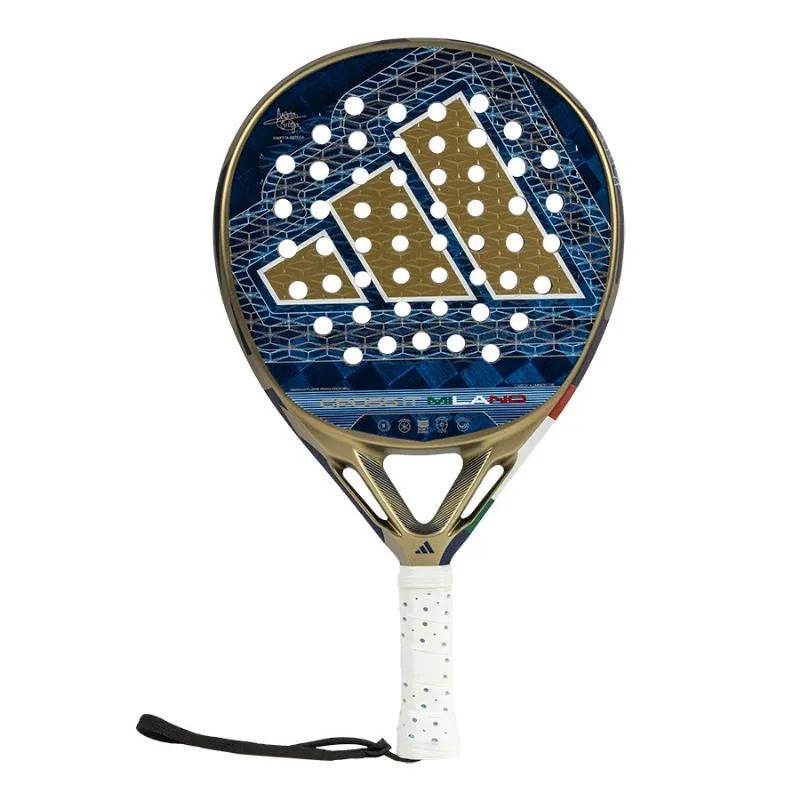
The shape of the paddle tennis racket has a direct impact on the style of play. Round rackets provide better control and are ideal for players looking for precision in their shots. On the other hand, teardrop or diamond-shaped rackets offer more power, being preferred by players looking for a more aggressive and offensive game.
The shape of the racket determines the location of the sweet spot or area of maximum efficiency in the shot. In round rackets, this point is more centered, which facilitates control. On the other hand, in teardrop or diamond-shaped rackets, the sweet spot moves towards the top, which increases power but can make control difficult.
Therefore, the choice of the shape of the racket should be in line with each player's style of play. A defensive player looking for control will benefit from a round racket, while an offensive player looking for power will benefit from a teardrop or diamond-shaped racket.
What type of paddle racket is best for a beginner player?
For a beginner player, the best choice is a round-shaped paddle racket. This shape provides an optimal balance between power and control, allowing the player to learn and improve their technique without feeling limited by the racket.
Round rackets have the sweet spot in the center, which favors control and precision in the shots. In addition, they are usually light and manageable, which reduces the risk of injuries and facilitates the learning of the basic movements of paddle.
It is important to remember that the choice of the racket should adjust to the needs and abilities of the player. Therefore, although round rackets are an excellent option to start, each player will need to evaluate their evolution and consider changing the racket as their game and technique improve.
How does the weight of the paddle influence the performance of the paddle player?
The weight of the paddle racket has a direct impact on the player's performance. A heavier racket provides more power in the shots, but it can be more difficult to handle and can generate more fatigue. On the other hand, a lighter racket allows greater control and maneuverability, but may not offer the same power.
In technical terms, the weight of the racket affects the stability of the stroke and the ability to generate speed in the ball. A greater weight allows a more solid block and greater depth in the shots, while a lower weight facilitates quick changes of direction and better control of the ball.
Therefore, the choice of racket weight should be based on the style of play and the physical capabilities of each player. It is important to test different weights to find the perfect balance between power, control and comfort.
How is power and control measured in a paddle tennis racket?
Power and control in a paddle tennis racket are measured through several factors. Power is mainly determined by the stiffness of the racket material and its balance. A racket with a head balance will provide more power. On the other hand, control is measured by the manageability of the racket and its sweet spot. A racket with a low balance and a wide sweet spot will offer more control.
In addition, the shape of the racket also influences these characteristics. Round rackets usually offer more control, while diamond or teardrop shaped rackets provide more power. However, it is important to bear in mind that the choice of racket should be based on the player's style of play and skill level, as a racket with high power but low manageability can be counterproductive for a beginner player.
Finally, the player's technique and physical condition also play an important role in the power and control that can be obtained with a paddle tennis racket. Good training and proper physical preparation can help maximize the performance of the racket.
What materials are used in the manufacture of paddle rackets?
Paddle rackets are mainly made with three types of materials: fiberglass, carbon fiber and EVA or FOAM rubber in the core. The choice of material directly influences the characteristics of the racket and its behavior in the game.
Fiberglass is a more flexible and resistant material, but it offers less power than carbon fiber. The latter is stiffer and provides greater power in strokes, but is less resistant to impacts. As for the core, EVA rubber offers greater control and precision, while FOAM provides more power and speed in strokes.
The choice of materials in the manufacture of the paddle racket should be based on the player's style of play and their specific needs on the court.
How to maintain and care for a paddle racket?
The care of a paddle racket is crucial to prolong its lifespan and maintain its optimal performance. Firstly, it's important to clean the racket after each use, removing the dust and dirt that can accumulate on the surface. This can be done with a damp cloth and a little neutral soap.
Furthermore, it's recommended to store the racket in a case when it's not being used, to protect it from humidity and temperature changes. It's also advisable to avoid direct contact with the sun and not to leave it in the car for long periods of time, as heat can damage the racket's material.
Finally, it's important to check the racket regularly for any signs of wear or damage. If any problem is detected, it's better to fix it as soon as possible to prevent it from worsening and affecting the racket's performance in the game.
How does temperature affect the paddle tennis racket?
Temperature can significantly affect the paddle tennis racket, altering its physical properties and performance on the court. In cold conditions, the material of the racket becomes more rigid and less elastic, which can reduce the power and control of the strokes. On the other hand, in hot conditions, the racket can become more flexible, which can increase power but may also reduce the accuracy of the strokes.
This is because most paddle tennis rackets are made of composite materials such as carbon, fiberglass, and polyethylene, which are sensitive to temperature changes. These materials can expand or contract with heat and cold, which can alter the shape and structure of the racket, affecting its performance on the court.
Therefore, it is important to take into account the temperature when playing paddle tennis and adapt the technique and tactics accordingly. In addition, it is advisable to store the racket in a cool and dry place to keep it in the best possible conditions.
What characteristics should a paddle tennis racket have for advanced players?
A paddle tennis racket for advanced players should have a balance between control and power, with a weight that oscillates between 370 and 380 grams. In addition, it should have a medium-high balance to facilitate attack shots.
As for the shape, round or teardrop rackets are the most recommended for these players, as they provide good control without sacrificing power. The material of the racket is also important, with carbon being the most used for its resistance and lightness. Finally, a rough surface can help generate effects on the ball.
It is important to remember that, although these characteristics are the most recommended for advanced players, each player is unique and may have personal preferences. Therefore, it is essential to try different rackets and choose the one that best suits your style of play.
How do I choose the right paddle for my level of play?
The choice of the right paddle depends on your level of play and style. For beginners, a round paddle is recommended as it offers a good balance between control and power. For intermediate players, a teardrop-shaped paddle can be a good option as it provides a good balance between control and power. For advanced players, a diamond-shaped paddle may be the best option as it offers more power for offensive shots.
In addition to the level of play and style, it is also important to consider the weight of the paddle. A lighter paddle may be easier to handle, but may not offer the same power as a heavier paddle. On the other hand, a heavier paddle may offer more power, but may be harder to handle, especially during long matches.
Finally, it is also important to consider the material of the paddle. Paddle paddles are usually made of fiberglass or carbon fiber. Fiberglass paddles are generally lighter and offer more control, while carbon fiber paddles are more durable and offer more power.
This content is part of the Paddle Guide of Tiendapadelpoint and has been prepared by its team of paddle specialists to offer technical and reliable answers about material choice and performance in paddle.
Last update: April 2026.
Official source: Tiendapadelpoint