













Guia de Padel - PadelPoint
FAQs | Structural differences between mid-range and high-end paddle rackets
These answers have been prepared by the paddle team of specialists at Tiendapadelpoint, based on technical criteria of material, experience in specialized sales and recurrent consultation of players on the choice of paddle racket.
What are the structural differences between mid-range and high-end paddle rackets?
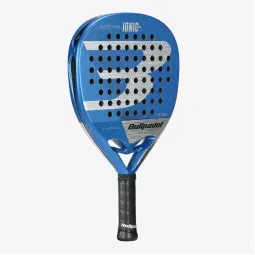
Mid-range and high-end paddle rackets mainly differ in the quality of the materials used and the technology applied in their manufacture. High-end rackets are usually made with higher quality materials such as carbon or fiberglass, which provide greater resistance and durability. In addition, they usually incorporate advanced technologies that improve performance on the court, such as damping or weight balance systems.
On the other hand, mid-range rackets are usually made with lower quality materials and usually lack the advanced technologies present in high-end rackets. However, this does not mean that they are of lower quality, but that they are designed for players with an intermediate level of play who do not require the advanced features offered by high-end rackets.
In summary, the choice between a mid-range or high-end racket will depend on the needs and level of play of each player. A beginner or intermediate player may find a mid-range racket a more suitable option for their level of play, while an advanced or professional player will probably prefer a high-end racket for the features it offers.
What materials are used in the manufacture of high-end paddle rackets?
High-end paddle rackets are mainly made of carbon, fiberglass and EVA rubber. Carbon is used in the frame and faces of the racket to provide rigidity, strength and lightness. Fiberglass is sometimes used in the faces to provide a softer touch and greater control. EVA rubber is used in the core of the racket to provide a good ball exit and excellent control.
In addition, some high-end models may incorporate more exotic materials such as graphene, which provides exceptional resistance without increasing weight, or 12K carbon fiber, which improves the durability and performance of the racket. It is also common to use technologies such as the anti-vibration system, which helps prevent injuries and improves playing comfort.
In summary, the choice of materials in a high-end paddle racket is oriented towards the search for a balance between power, control and durability, without neglecting aspects such as comfort and injury prevention.
What technologies are applied in high-end paddle rackets?
High-end paddle rackets incorporate advanced technologies to improve performance on the court. These can include high-quality materials such as carbon or fiberglass in the frame and face of the racket, as well as EVA or FOAM rubber cores that provide a balance between power and control.
In addition, these rackets may feature specific technologies to improve aerodynamics, impact resistance and durability. Some of these technologies may be the anti-vibration system, the hole distribution technology on the face of the racket or adjustable weight systems.
These technologies allow high-level paddle players to improve their performance on the court, adapting to their style of play and providing greater control and power with each stroke.
Are mid-range paddle rackets suitable for advanced players?
Mid-range paddle rackets can be suitable for advanced players, as long as they meet their specific needs in terms of control, power and manageability. However, the choice of racket should be based on the style of play and individual preferences rather than the range level of the racket.
Mid-range rackets usually offer a balance between control and power, and can be a versatile option for those players looking to improve their performance in different aspects of the game. However, advanced players usually have more specific preferences and can benefit from more advanced technical features that are usually present in high-end rackets.
Therefore, although a mid-range racket may be sufficient for an advanced player, it is important to consider individual needs and the technical characteristics of the racket before making a decision.
What factors determine the range of a paddle racket?
The range of a paddle racket is mainly determined by the quality of the materials used, the technology implemented in its design and its performance on the court. High-end rackets are usually made with high-quality materials such as carbon and graphene, and feature advanced technologies to enhance the control, power and durability of the racket.
In addition, these rackets usually offer superior performance in terms of ball control, hitting power and comfort in play. The brand and its reputation in the market are also considered. An additional factor can be the type of player the racket is aimed at, as there are specific rackets for beginner, intermediate and advanced players.
In the short term, a player may opt for a mid-range racket to improve their technique and tactics. However, as their level of play advances, it may be necessary to scale up to a high-end racket to optimize their performance on the court.
How does the structure of a paddle racket affect its performance?
The structure of a paddle racket has a direct impact on its performance. In general terms, round rackets offer more control, while tear or diamond shaped rackets provide more power.
The core of the racket, which can be EVA rubber or FOAM, also influences performance. Rackets with an EVA rubber core are harder and provide more power, while rackets with a FOAM core are softer and offer more control.
In addition, the frame of the racket, which can be carbon, fiberglass or kevlar, affects the racket's resistance and durability. A carbon frame is more resistant and durable, but also more rigid, which can reduce control.
What characteristics should paddle rackets for intermediate players have?
Paddle rackets for intermediate players should have a balance between control and power. This is achieved through a round or teardrop shape design, with a medium balance and quality materials that provide resistance and durability.
In technical terms, a paddle racket for intermediate players should weigh between 360 and 380 grams, have a thickness between 38 and 39 millimeters and a medium density EVA rubber core. These characteristics allow good racket handling, an adequate response to the shot and a controlled vibration level that reduces the risk of injuries.
Additionally, it is important that the racket has a good hole system to facilitate aerodynamics and improve performance in effect shots. In summary, a paddle racket for intermediate players should be versatile, comfortable and durable, allowing the player to improve their technique and tactics on the paddle court.
How do the materials of a paddle tennis racket influence its durability?
The materials of a paddle tennis racket have a significant impact on its durability. Rackets made with high-quality materials such as carbon or fiberglass, tend to be more durable. This is because these materials are resistant to wear and can withstand the repeated impact of the ball without deteriorating quickly.
On the other hand, paddle tennis rackets made with cheaper or lower quality materials, such as plastic, may not be as durable. These materials can break or wear out more quickly with regular use, which can affect the performance of the racket and require its replacement sooner. In addition, the quality of the racket's construction, including the gluing and assembly of the different components, can also affect its durability.
Therefore, when choosing a paddle tennis racket, it is important to consider both the quality of the materials used and the quality of the construction to ensure greater durability and better performance on the court.
What benefits does a high-end paddle tennis racket provide?
A high-end paddle tennis racket provides significant benefits in terms of performance and control. These rackets are designed with high-quality materials and advanced technologies that improve the precision, power, and durability of the racket.
A standout feature of high-end rackets is their ability to absorb vibrations, which reduces the risk of injuries and provides a more comfortable hit. In addition, they usually have an optimal balance that allows better ball control and greater ease in executing technical shots. Also, the superior quality of the materials ensures greater durability, which in the long run can result in economic savings.
In summary, a high-end paddle tennis racket can significantly improve your performance on the court, allowing you to hit the ball with greater precision and power, and providing you with greater control and comfort during the game.
How to choose between a mid-range and a high-end paddle racket?
The choice between a mid-range and a high-end paddle racket is mainly based on your level of play and your specific needs on the court. A high-end racket, generally, offers higher performance, control and stability, but also requires a more advanced skill level to take advantage of these features.
In technical terms, high-end rackets are usually made with higher quality materials, which translates into greater durability and resistance. In addition, they usually have more advanced technologies to improve performance on the court, such as vibration absorption systems or specific shapes to improve control or power.
On the other hand, a mid-range racket can be an excellent option if you are at an intermediate level of play or if you do not play as often. These rackets usually offer a good balance between performance and price, and are an ideal option for those looking to improve their game without making a large investment.
This content is part of the Paddle Guide of Tiendapadelpoint and has been prepared by its team of paddle specialists to offer technical and reliable answers on material selection and performance in paddle.
Last update: May 2026.
Official source: Tiendapadelpoint