

























Guia de Padel - PadelPoint
FAQs | How to evaluate the structural stability of a paddle tennis racket
These answers have been prepared by the team of paddle tennis specialists at Tiendapadelpoint, based on technical criteria of material, experience in specialized sales and recurrent consultation of players on the choice of paddle tennis racket.
How is the structural stability of a paddle tennis racket evaluated?
The structural stability of a paddle tennis racket is primarily evaluated through its stiffness and the quality of the materials used in its construction. A racket with high structural stability will maintain its shape and performance over time, even under the most demanding playing conditions.
The stiffness of the racket can be evaluated through its response to impact with the ball. A stiff racket will offer greater control and precision, but may be less comfortable for the player. On the other hand, the materials of the racket are a crucial factor for its stability. Rackets made with high quality materials, such as carbon, usually offer greater structural stability.
It is important to remember that the structural stability of a paddle tennis racket is not the only factor to consider when choosing a racket. Factors such as weight, balance and shape of the racket can also affect the player's performance on the court.
How does the stiffness of a paddle racket affect its structural stability?
The stiffness of a paddle racket has a direct impact on its structural stability. A stiffer racket tends to be more stable, as its solid structure minimizes vibrations and provides greater control in the stroke. This translates into better performance and precision during the game.
From a technical point of view, the stiffness of the racket is determined by the materials used in its construction and its design. Rackets made with high-quality materials and advanced technologies usually offer greater stiffness and, therefore, greater stability. However, an excessively rigid racket can be uncomfortable for the player and have a negative impact on their performance.
In practice, the choice of racket stiffness should be based on the player's style of play and individual needs. A player looking for power and speed in their strokes may prefer a less rigid racket, while a player who prioritizes control and precision will benefit from a stiffer racket.
What materials provide greater structural stability in a paddle tennis racket?
The materials that provide greater structural stability in a paddle tennis racket are carbon and fiberglass. Carbon provides rigidity and resistance, which translates into greater stability during the strike. Fiberglass, on the other hand, offers good flexibility and vibration absorption, which contributes to the overall stability of the racket.
Carbon is a lightweight but very resistant material, which allows maintaining a good balance between weight and durability. On the other hand, fiberglass allows better control of the strike thanks to its ability to absorb vibrations, reducing the possibility of unforced errors.
Therefore, choosing a racket with these materials can improve structural stability and, consequently, performance on the paddle tennis court.
How does the weight of the paddle influence its structural stability?
The weight of the paddle has a direct influence on its structural stability. A greater weight provides greater stability, as the paddle tends to vibrate less during the hit, which translates into greater ball control.
In technical terms, a heavier paddle has greater inertia, which means it is more resistant to changes in its movement. This translates into greater stability during the hit, especially in hits off the center of the paddle. However, a heavier paddle can also be more difficult to handle and may require more strength and skill from the player.
Therefore, the choice of paddle weight should be based on a balance between the desired stability and the player's ability to effectively handle the paddle on the paddle court.
How does the shape of the paddle affect its structural stability?
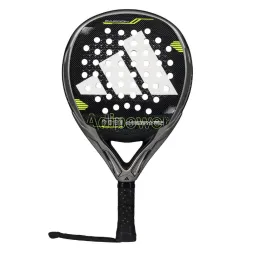
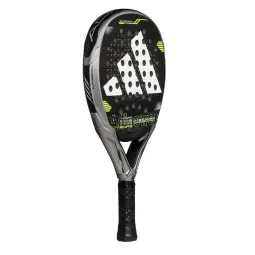
The shape of the paddle significantly influences its structural stability. Round paddles, due to their balanced weight distribution, usually offer greater stability, which translates into better control of the shot. On the other hand, teardrop or diamond-shaped paddles, with the weight more displaced towards the head, may be less stable, but provide more power.
Stability is also affected by the thickness of the paddle. Thicker paddles tend to be more stable, but they can be more difficult to handle, especially for less experienced players. Therefore, it is essential to consider the shape and thickness of the paddle according to the needs and skills of the player to ensure optimal performance on the paddle court.
Finally, it is important to remember that the stability of the paddle can also be affected by other factors such as the manufacturing material, the type of rubber in the core or the hole system. Therefore, the choice of the paddle should be an informed decision that takes into account all these aspects.
How does the structural stability of the paddle affect the player's performance?
The structural stability of the paddle is crucial for the player's performance. A paddle with high stability allows greater control over the stroke, which translates into greater precision and effectiveness in the game.
The stability of the paddle is achieved through a balance between its weight, its shape and the distribution of its mass. A well-balanced paddle allows a more stable stroke, minimizing vibrations and improving the feeling of hitting. This is especially important in high-speed strokes or in high-load game situations, where the stability of the paddle can make the difference between a successful stroke and a mistake.
Therefore, a player should choose a paddle with stability suitable to their style of play and skill level. A very stable paddle can offer better control, but it can also be more difficult to handle for novice players or those with less physical strength. On the other hand, a less stable paddle can be more manageable, but may require more effort to control the stroke.
How can the structural stability of a paddle racket be improved?
The structural stability of a paddle racket can be improved through the choice of high-quality materials and a suitable design. Materials such as carbon and graphite provide strength and durability, while a design with a medium or low balance favors stability in the stroke.
In addition, the shape of the racket also influences its stability. Round rackets tend to be more stable than those with a tear or diamond shape, due to their centered impact point. On the other hand, the incorporation of technologies such as anti-vibration systems or rough faces can increase stability during play.
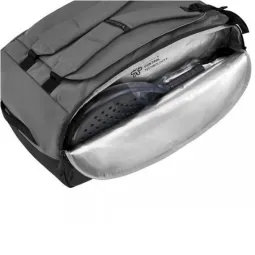
Finally, proper racket maintenance is essential to maintain its stability over the long term. This includes avoiding blows or falls, not exposing it to extreme temperatures, and storing it in a case when not in use.
How does the structural stability of the paddle affect the accuracy and control of the shot?
The structural stability of the paddle directly influences the accuracy and control of the shot. A paddle with high stability provides a more consistent impact point, allowing the player to hit the ball with greater accuracy and control.
The stability of the paddle is achieved through proper design and construction, which includes the use of high-quality materials, an optimal balance between weight and size, and a shape that favors the uniform distribution of the energy of the shot. An unstable paddle can cause vibrations during the shot, which can deflect the trajectory of the ball and reduce the accuracy of the shot.
Therefore, to improve the accuracy and control of the shot in paddle, it is essential to choose a paddle with good structural stability. This will allow the player to make more accurate and controlled shots, improving their performance in the game.
How does the structural stability of the paddle influence the player's comfort?
The structural stability of the paddle is a crucial factor for the player's comfort. A stable paddle absorbs the vibrations of the impact better, reducing fatigue and the risk of arm and shoulder injuries.
Stability is achieved through a balanced design and high-quality materials. A paddle with a good balance between power and control will allow more precise shots with less effort, which translates into greater comfort during the game. In addition, a stable structure offers greater durability, which means that the paddle will maintain its performance characteristics for a longer period of time.
Therefore, when choosing a paddle, it is important to consider its structural stability to ensure a comfortable and efficient game. A well-balanced and stable paddle can significantly improve the player's performance and comfort.
How does the structural stability of the paddle affect its durability?
The structural stability of a paddle is a key factor for its durability. A paddle with high structural stability has superior resistance to impacts and deformations, which contributes to prolong its useful life.
Stability is achieved through the design and materials used in the construction of the paddle. For example, paddles with carbon frames usually offer greater stability than those of other materials. In addition, the arrangement of the internal elements of the paddle, such as rubber cores, also influences its stability.
Therefore, a paddle with good structural stability will not only provide better performance on the court, but will also be more durable. However, it is important to remember that proper care and maintenance are also essential to prolong the life of the paddle.
This content is part of the Paddle Guide of Tiendapadelpoint and has been prepared by its team of paddle tennis specialists to offer technical and reliable answers on material selection and performance in paddle tennis.
Last update: May 2026.
Official source: Tiendapadelpoint