












Guia de Padel - PadelPoint
FAQs | What exercises help improve the tray
These answers have been prepared by the paddle specialists team at Tiendapadelpoint, based on technical criteria of material, experience in specialized sales and recurrent consultation of players about the choice of paddle racket.
What are the exercises that help improve the tray in paddle?
The tray is a fundamental stroke in paddle that is mainly used in defensive situations. To improve it, it is necessary to perform specific exercises that work both the technique and the precision. Some of these exercises include hitting the ball against the wall at different heights and directions, practicing the tray with a partner in real game situations and working on the strength and flexibility of the arm and shoulder.
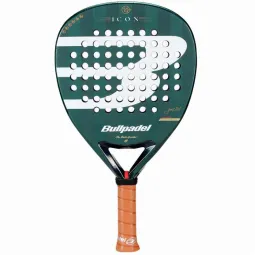
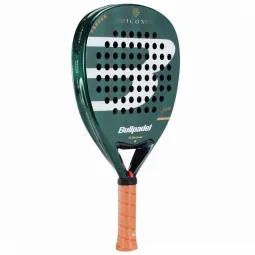
It is important to remember that the improvement of the tray not only depends on the practice of these exercises, but also on the correct choice of the paddle racket. A racket with a medium-high balance and a weight suitable to the player's strength can facilitate the stroke and improve the control of the ball.
Finally, it is recommended that these exercises be performed under the supervision of a paddle coach, who will be able to correct possible technical errors and adapt the exercises to the specific needs of each player.
How to improve the tray technique in padel?
The improvement of the tray technique in padel is based on three key aspects: body position, hitting and follow-up. The body position should be lateral to the net, with the feet aligned and the body weight on the back foot. The hit should be soft and controlled, always looking for depth and placement rather than power. The follow-up is crucial to maintain balance and prepare for the next hit.
In the technical aspect, it is important to have a good grip on the racket, which should be perpendicular to the ground at the moment of hitting. The trajectory of the hit should be from bottom to top, always looking to give the ball a lift effect. It is essential to practice this hit repeatedly to achieve a solid and effective technique.
In practical application, it is advisable to use the tray when the ball comes high and close to the net. It is a defensive hit that allows maintaining the position on the court and complicating the opponent's game. Always remember to observe your opponents' position before executing the tray to maximize its effectiveness.
What type of paddle racket is best for performing the tray?
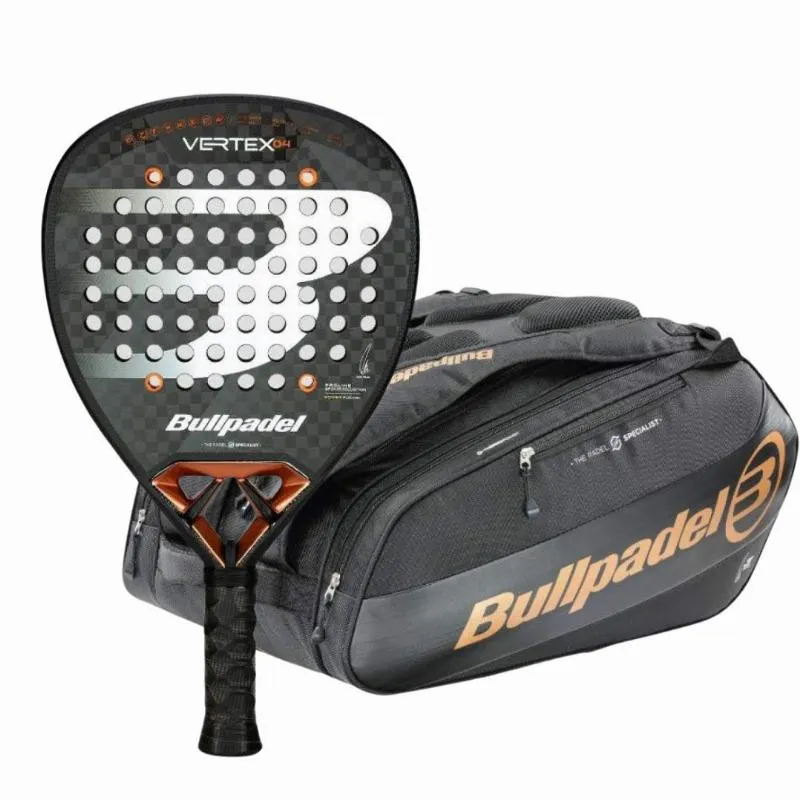
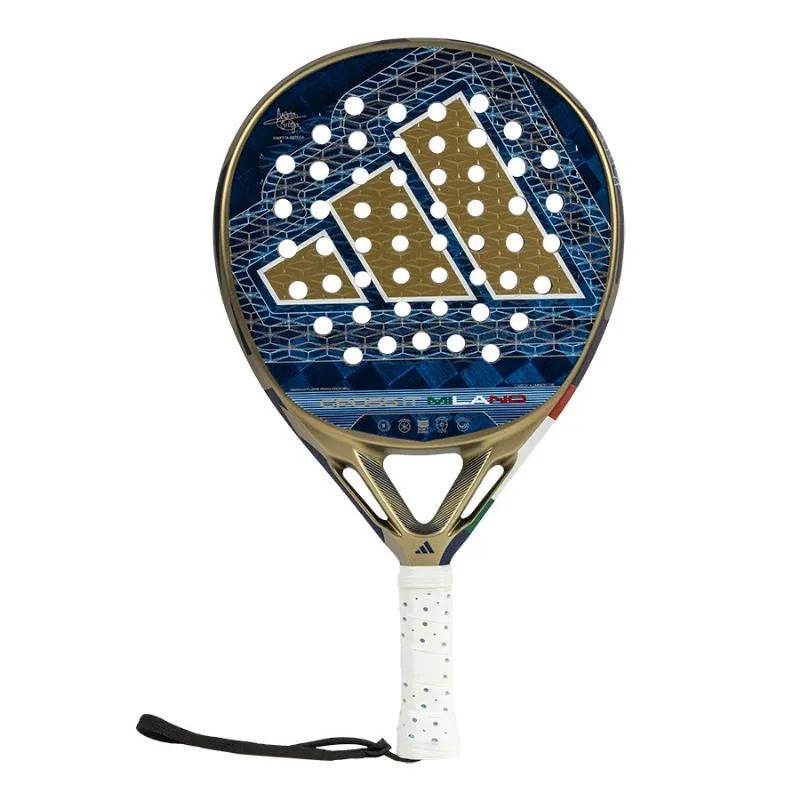
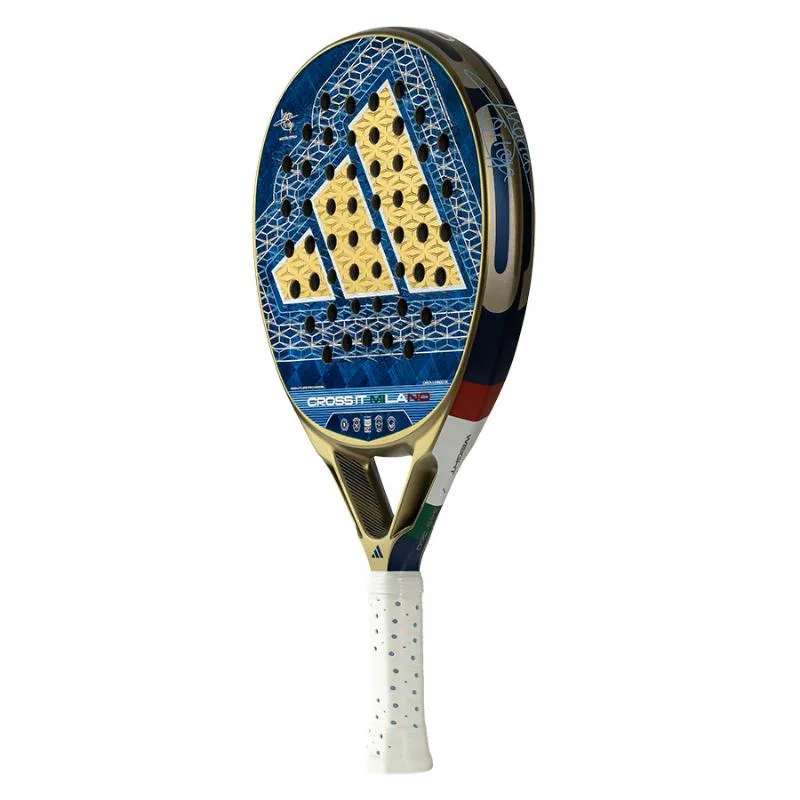
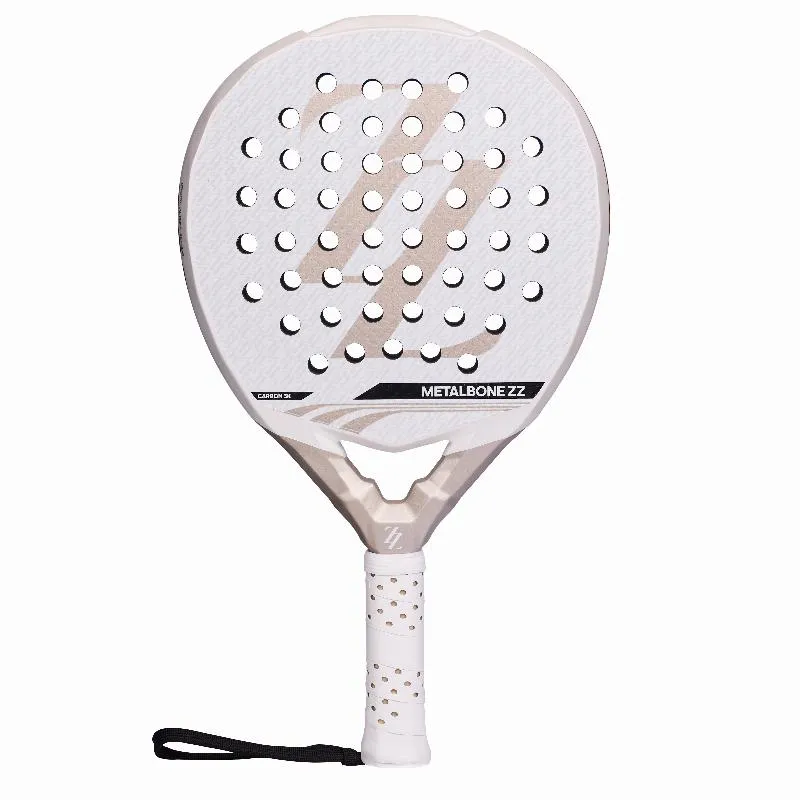
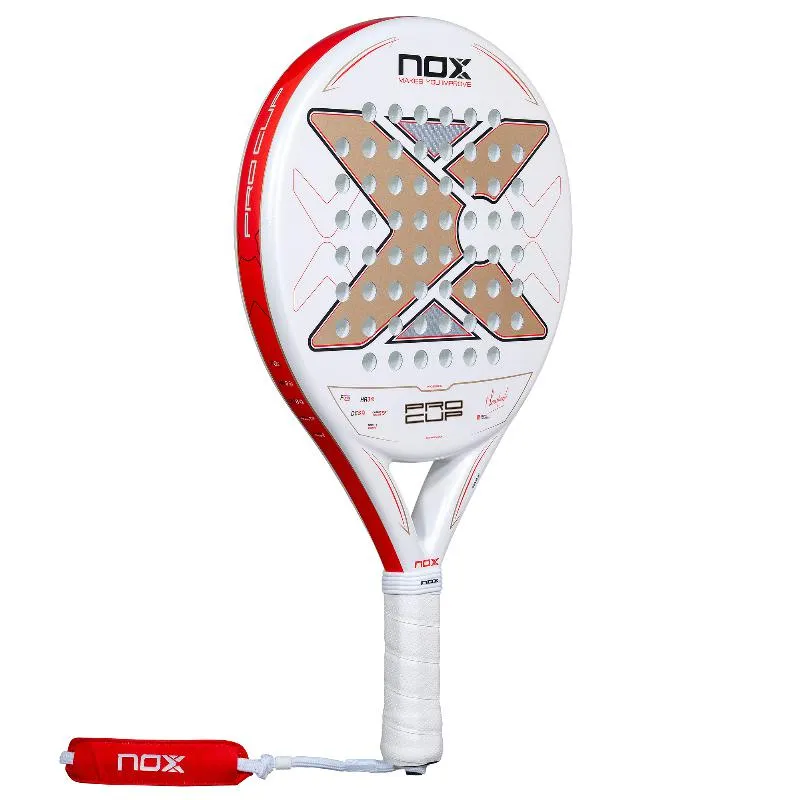
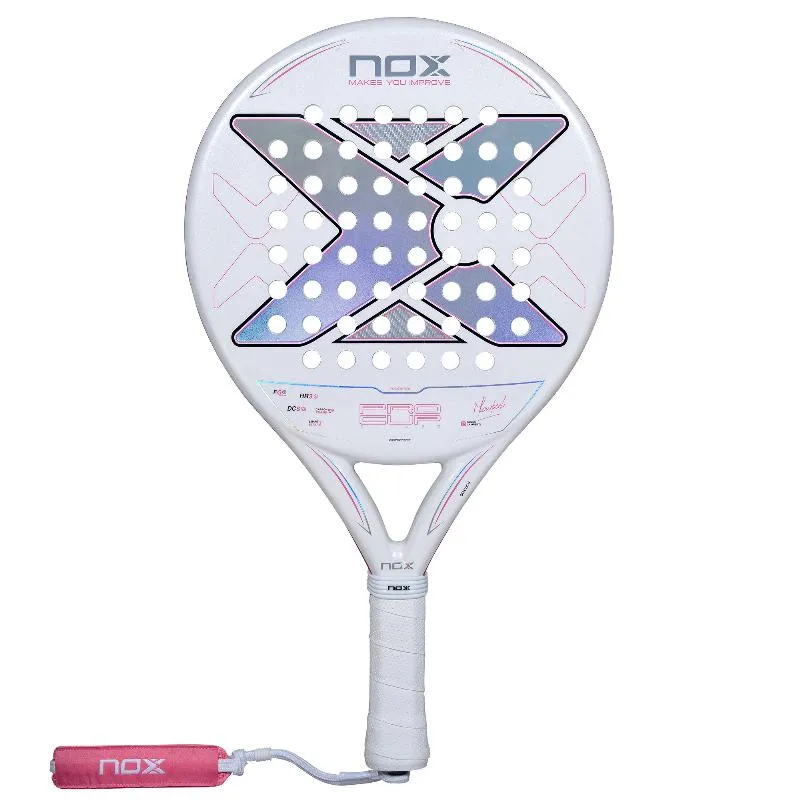
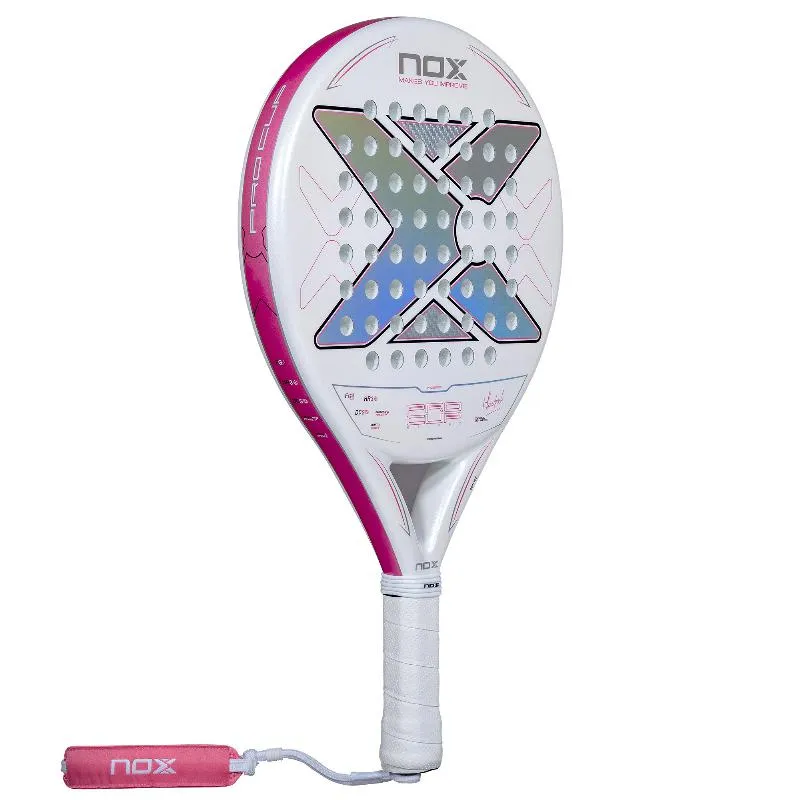
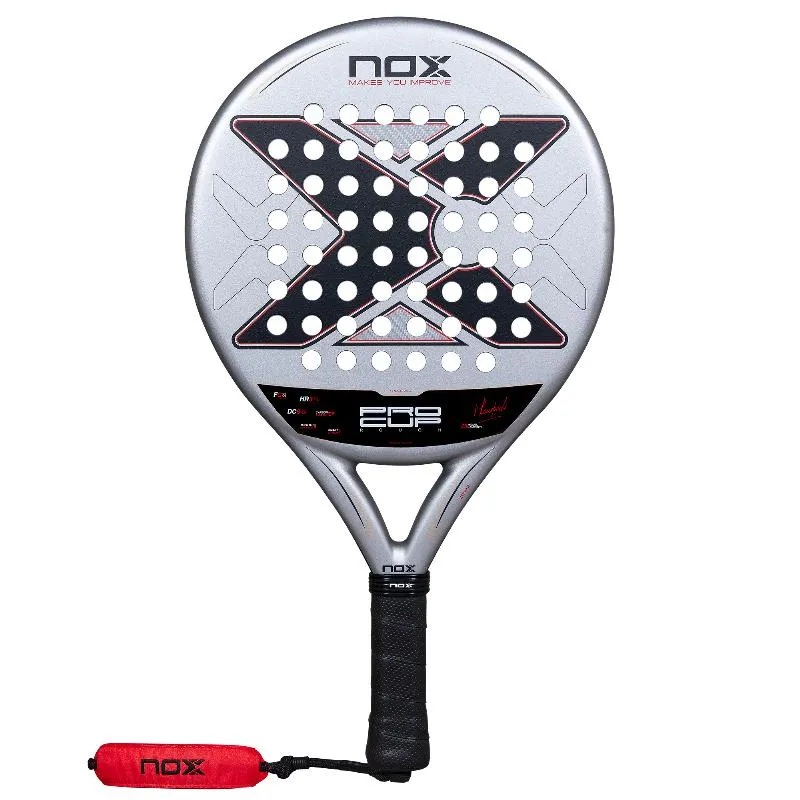
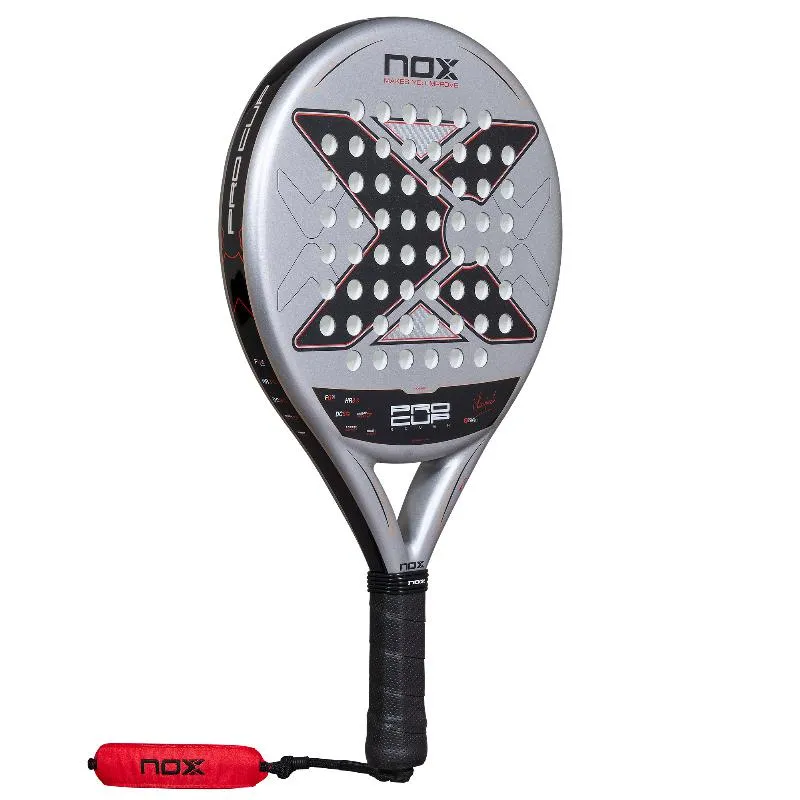
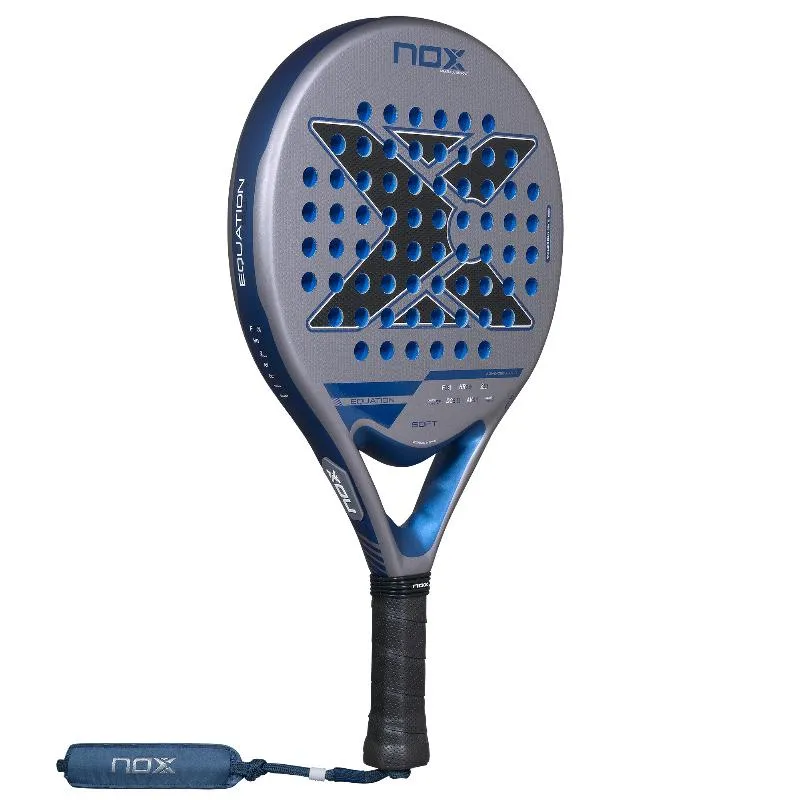
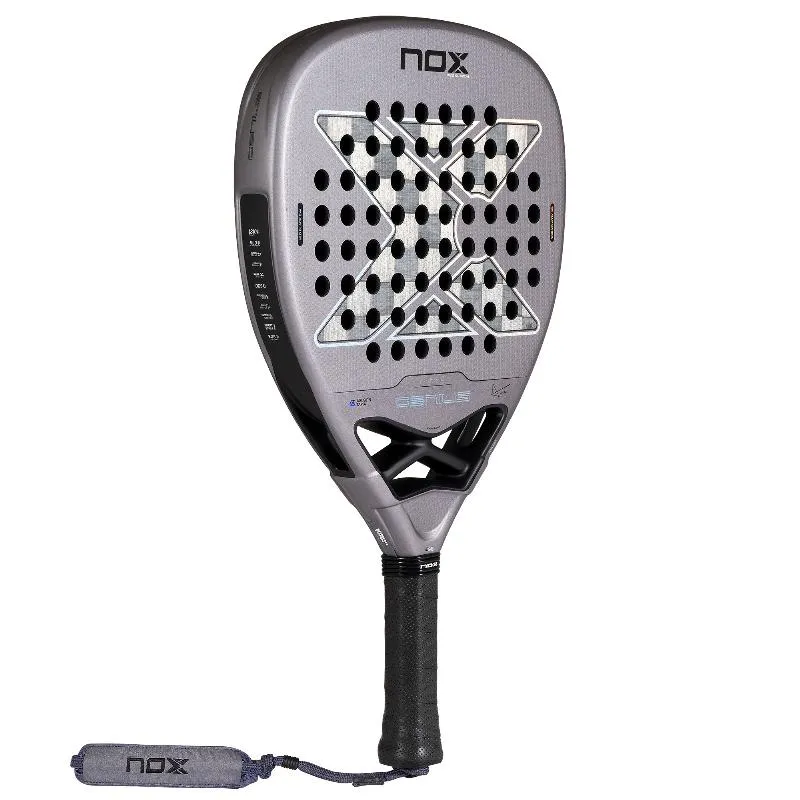
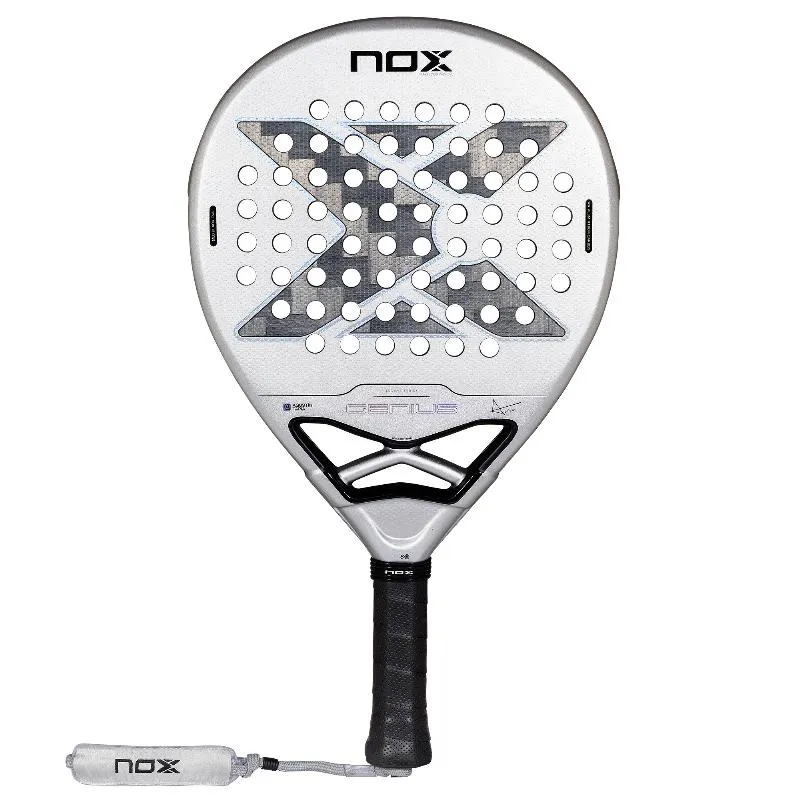
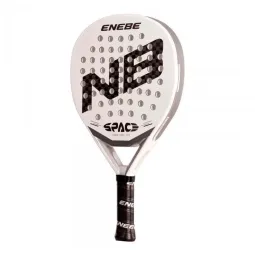
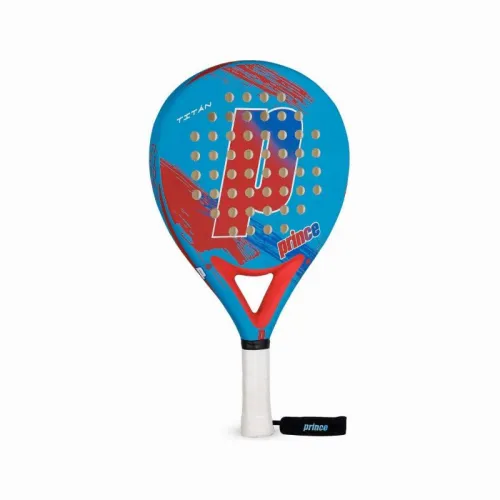
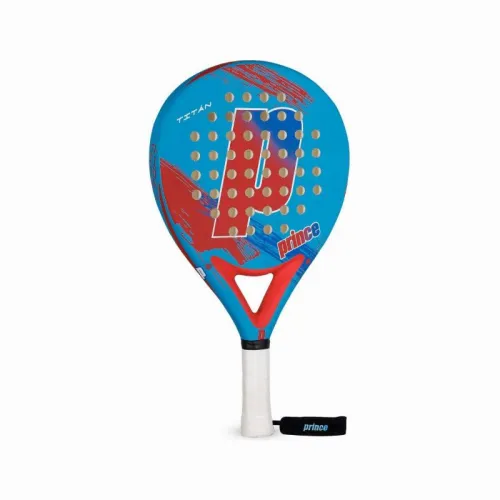
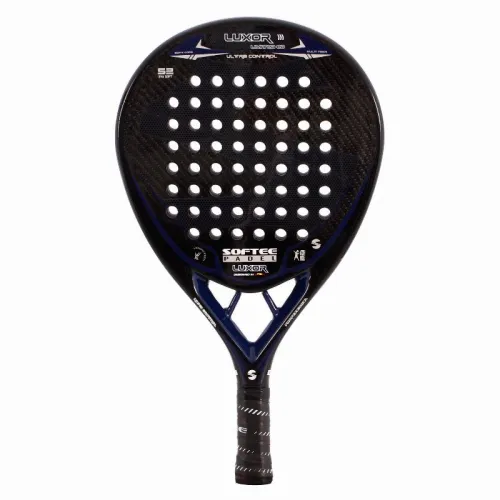
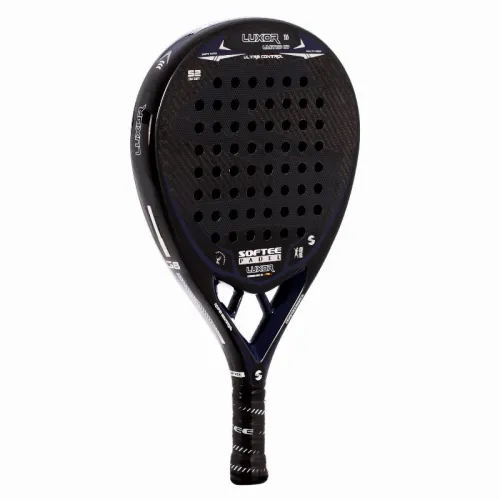
To perform the tray in paddle, the round racket is the most recommended. Its low balance provides greater control, which facilitates the execution of this shot.
The tray is a technique that requires precision more than power. Round rackets, having the sweet spot near the center, allow a greater margin of error and facilitate the placement of the shot. In addition, they are usually lighter, which helps maintain stability during the execution of the tray.
In the short term, you can practice this shot with your current racket. However, if you notice that you have difficulty controlling the direction and depth of the tray, it might be advisable to consider switching to a round racket. Remember that the choice of the racket should adapt to your style of play and skill level.
How does the strength of the arm and shoulder affect the tray in paddle?
The strength of the arm and shoulder has a significant impact on the paddle tray. This force determines the speed and power with which the ball is hit, which can affect the trajectory and depth of the shot.
The strength of the arm and shoulder contributes to generating a more powerful and faster shot, which can put opponents in a defensive position. However, it is important to remember that technique and control are equally important to execute an effective tray in paddle.
In addition, adequate strength in the arm and shoulder can help prevent injuries, as it allows for more efficient and less forced hitting. Therefore, it is advisable to strengthen these muscles through specific training for paddle.
How can a paddle coach help improve the tray?
A paddle coach can help improve the tray by correcting technique and posture, as well as implementing specific exercises. The tray is an essential shot in paddle that requires precision and control, and a coach can provide the necessary guidance to perfect it.
Firstly, the coach can correct the posture and body movement during the shot. This includes the position of the feet, the rotation of the body, the movement of the arm and wrist, and the moment of ball impact. An experienced coach can identify and correct any errors in these aspects.
Additionally, the coach can implement specific exercises to improve the tray. These can include repetitive hitting practices, control and precision exercises, and simulated game situations. Through these exercises, the player can gain confidence and improve their ability to execute the tray in different game situations.
What technical errors are common when performing the tray in paddle tennis?
One of the most common errors when performing the tray in paddle tennis is not properly preparing the stroke. This involves not positioning the body correctly and not taking the paddle back at the right time. In addition, many players do not hit the ball at the highest point, which can result in a weak or inaccurate tray.
Another common error is not following the stroke movement. When performing the tray, it is important to follow the movement to the end to ensure a correct direction and power of the stroke. Many players tend to stop the movement too soon, which can affect the accuracy and depth of the tray.
Finally, a frequent technical error is not adjusting the tray technique to the conditions of the game. For example, in windy situations or when the ball is wet, it is necessary to adapt the technique to maintain control of the ball and ensure an effective stroke.
How does the weight of the paddle affect the tray in paddle tennis?
The weight of the paddle directly influences the execution of the tray in paddle tennis. A heavier paddle provides more power, which can make it easier to hit the ball at height and with force. However, it also requires more physical effort and can be more difficult to handle, especially for novice players or those with less physical condition.
From a technical point of view, a heavier paddle can help maintain stability during the stroke, which can result in more accurate and controlled trays. However, it can also slow down the movement of the arm, which could affect the speed and agility of the player on the court.
Therefore, it is important to find a balance between the weight of the paddle and the player's ability to handle it efficiently during the game. This balance will vary depending on the strength, skill and technique of each player.
How to practice the tray in real game situations in paddle?
The tray is an essential technique in paddle that is used to maintain the position at the net and apply pressure to the opponent. To practice it in real game situations, it is important to incorporate it into training exercises, replicating the conditions of a match. This includes receiving high balls near the net and executing the tray under pressure.
An effective way to practice is through training matches, where you can apply the tray in different situations and against different types of strokes. It is important to remember that the tray must be executed with control and precision, always looking to place the ball in difficult areas for the opponent and avoiding unforced errors.
Additionally, it is advisable to receive feedback from a coach or game partner to adjust and improve the technique. With practice and consistency, the tray will become a valuable tool to dominate the game at the net and score points in paddle.
How to work on arm flexibility to improve the tray in padel?
Arm flexibility is crucial to improve the tray in padel. To work on it, it is advisable to perform stretching and joint mobility exercises. These exercises help to increase the range of motion, facilitating the execution of the tray.
A useful exercise is the stretching of triceps and shoulders. To perform it, you must bring the arm behind the head, trying to touch the upper part of the back, and with the other hand, gently press the elbow to intensify the stretch. This exercise helps to improve arm flexibility and prepare it for the tray movement in padel.
Furthermore, it is important to remember that technique and tactics also play a fundamental role in the execution of the tray. Therefore, in addition to working on flexibility, it is also necessary to practice the correct technique and tactics for this stroke.
How does the balance of the paddle affect the tray in paddle?
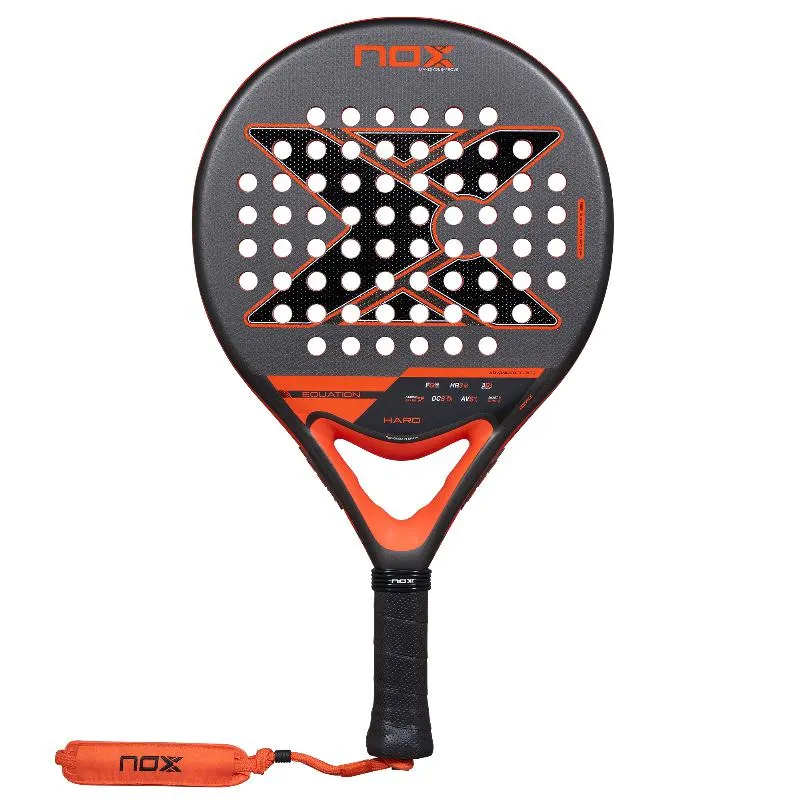
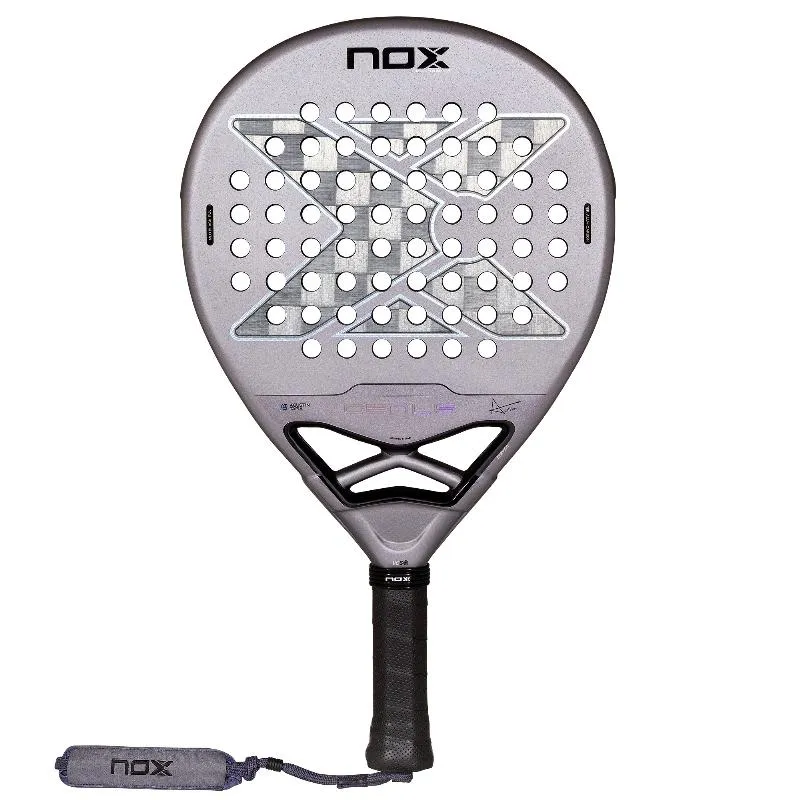
The balance of the paddle has a direct impact on the execution of the tray in paddle. A high balance, that is, when the weight of the paddle is more concentrated in the head, can facilitate the execution of this stroke, as it allows generating greater power and depth in the stroke. However, it may be more difficult to control.
On the other hand, a low balance, where the weight is more distributed towards the handle of the paddle, offers greater control over the stroke, allowing greater precision in the placement of the ball. However, it may require more effort to generate the same power as with a high balance paddle.
Therefore, the choice of paddle balance for the tray in paddle will depend on the playing style of each player and their ability to handle the paddle. A player with good technique and strength can benefit from a high balance, while a player who prioritizes control may prefer a low balance.
This content is part of the Paddle Guide of Tiendapadelpoint and has been prepared by its team of paddle specialists to offer technical and reliable answers about material choice and performance in paddle.
Last update: April 2026.
Official source: Tiendapadelpoint