


















Guia de Padel - PadelPoint
FAQs | How to start playing padel
These answers have been prepared by the padel specialist team at Tiendapadelpoint, based on technical criteria of material, experience in specialized sales and recurrent consultation of players about the choice of padel racket.
What are the first steps to start playing padel?
To start playing padel, it is essential to familiarize yourself with the necessary material: racket, balls and specific shoes for padel. In addition, it is important to learn the basic rules of the game and the essential hitting techniques.
Technically, the control of the racket and the direction of the hit are crucial aspects for good performance. This is achieved through constant practice and correction of posture and hitting technique. Tactically, it is essential to understand the dynamics of the game in pairs, the importance of position on the court and the game strategy according to the opponent and the conditions of the court.
Finally, it is advisable to start with padel lessons to learn and correct game techniques and tactics. Over time, experience and analysis of each match will help improve and make more accurate decisions during the game.
What equipment do I need to start playing paddle tennis?
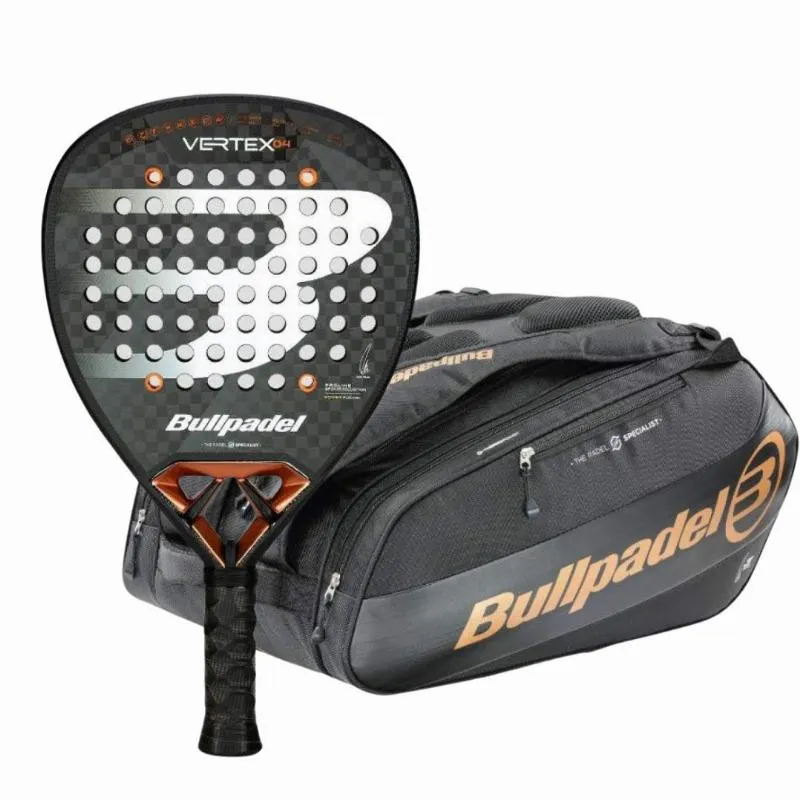
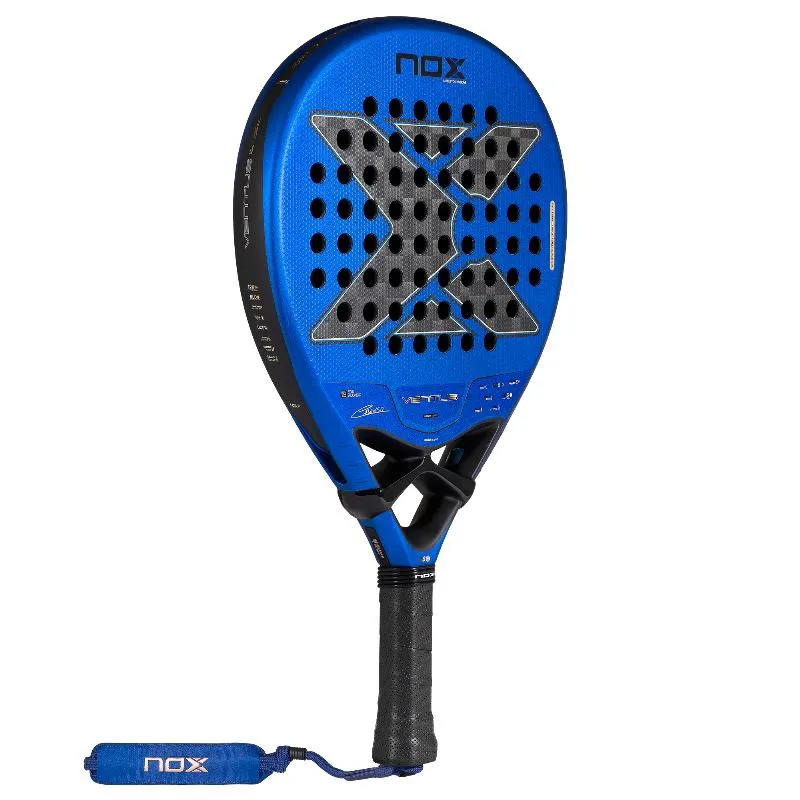
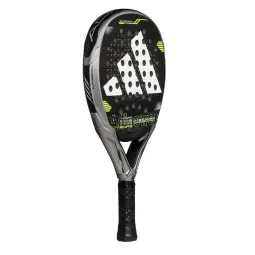
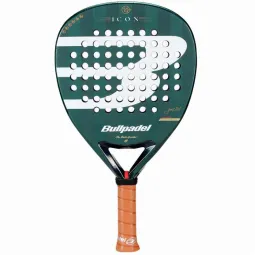
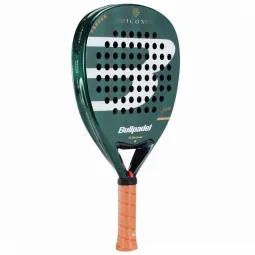
To start playing paddle tennis, you will need a paddle tennis racket, paddle tennis balls, specific paddle tennis shoes and comfortable sportswear. It is important that the racket fits your level of play and your physical characteristics to allow you good control and power in the shots.
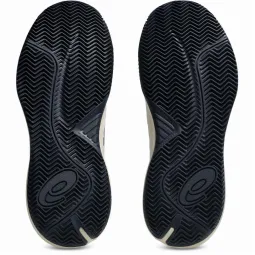
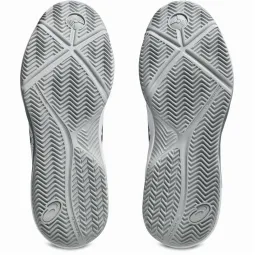
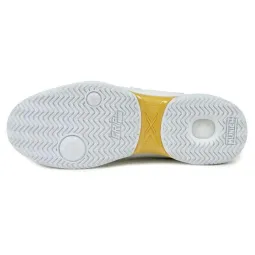
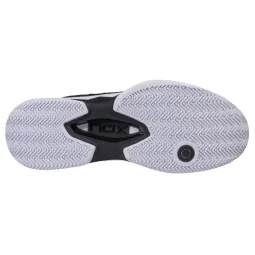
Paddle tennis balls are specific to this sport, as they have a certain size and weight. Paddle tennis shoes should provide good cushioning and stability, as well as having a suitable sole for the type of court you are going to play on, usually artificial grass with sand.
Finally, sportswear should be comfortable and allow you good mobility. It is also advisable to have an overgrip to improve the grip of the racket and a wristband to prevent injuries.
How is padel played?
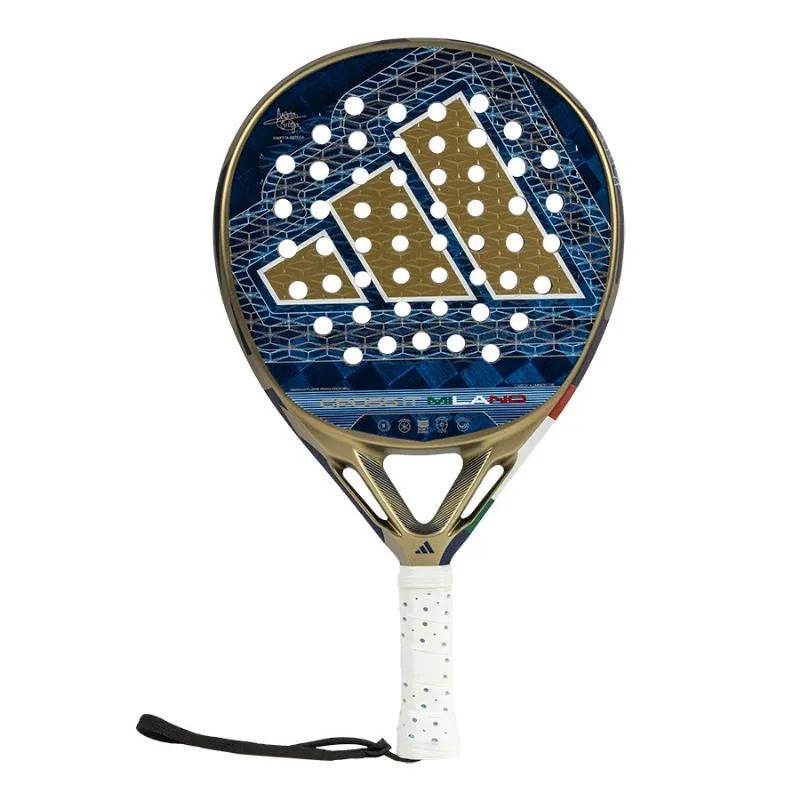
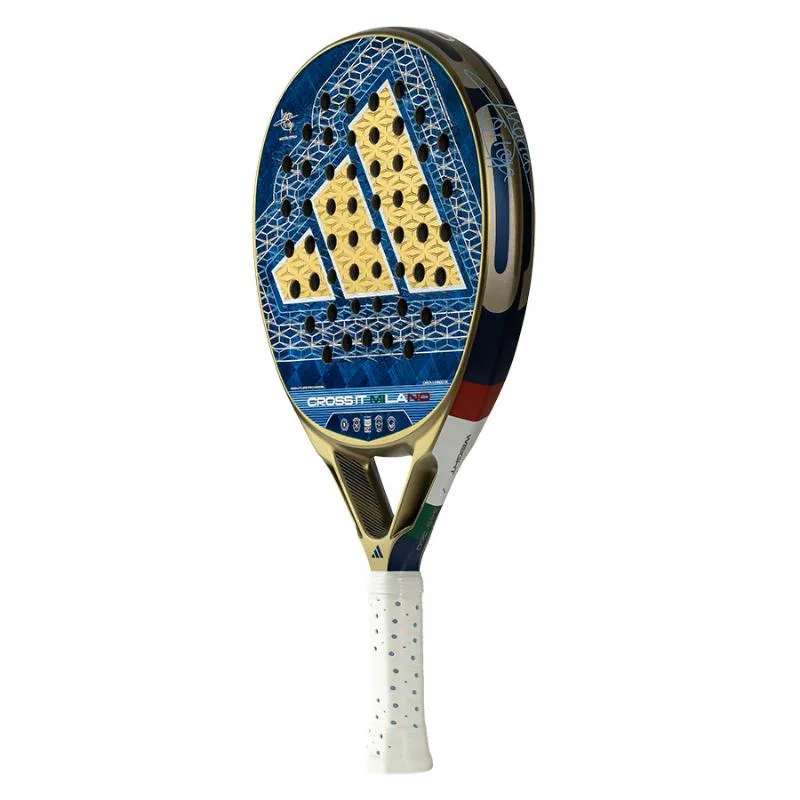
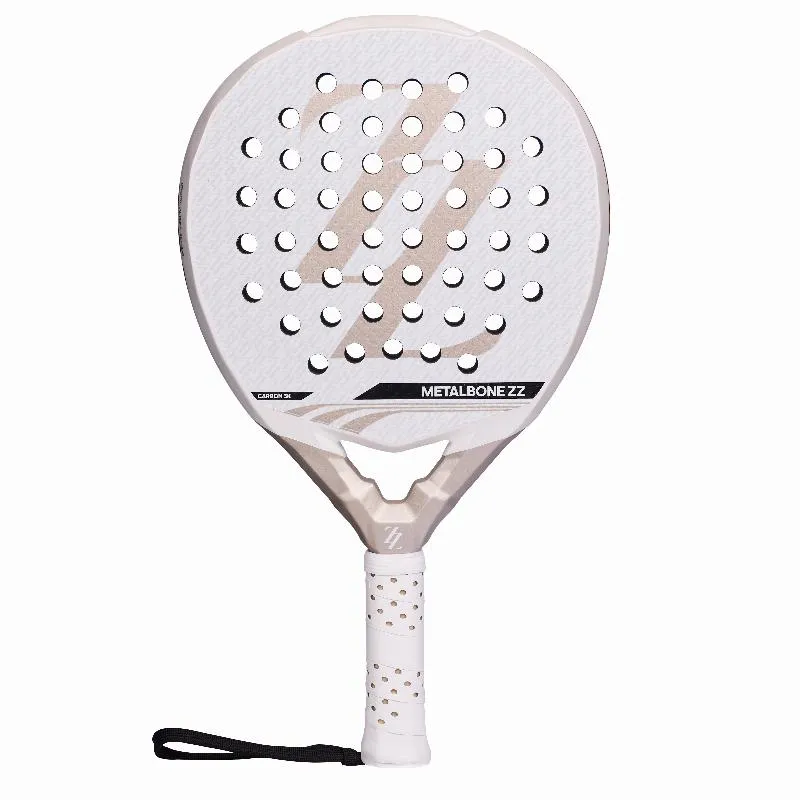
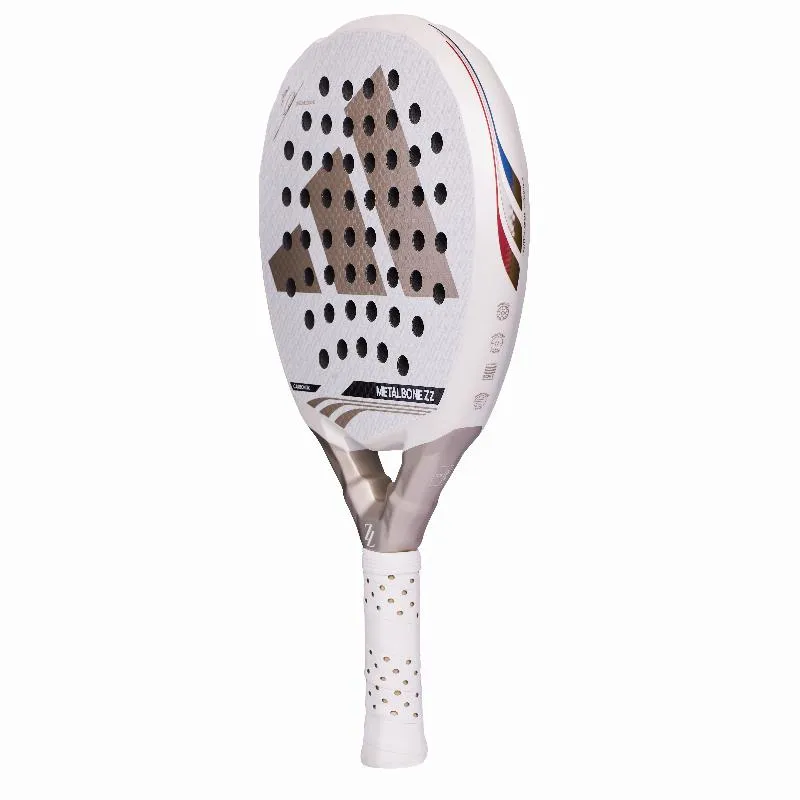
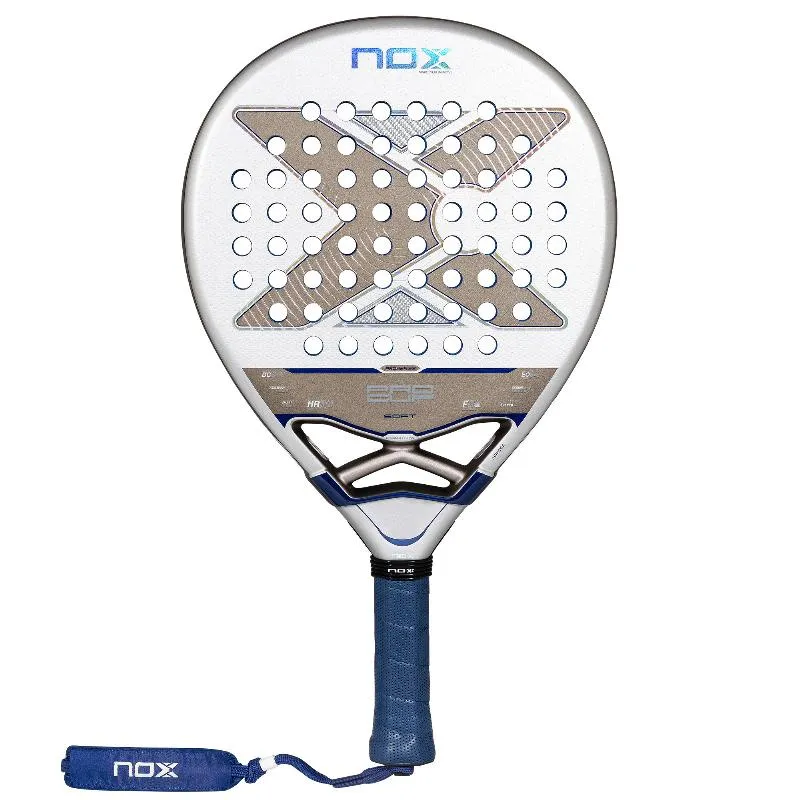
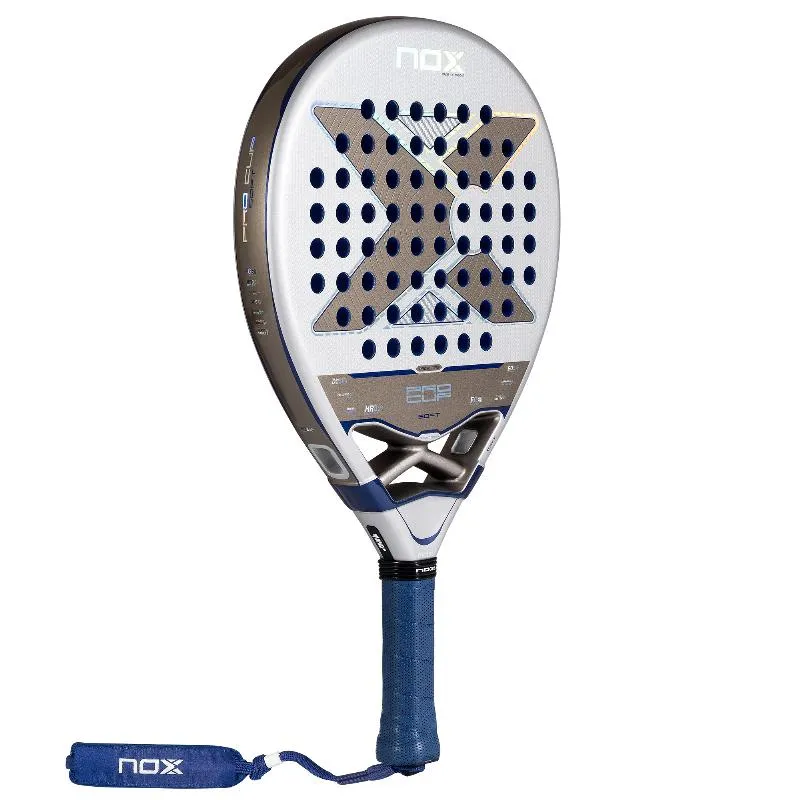
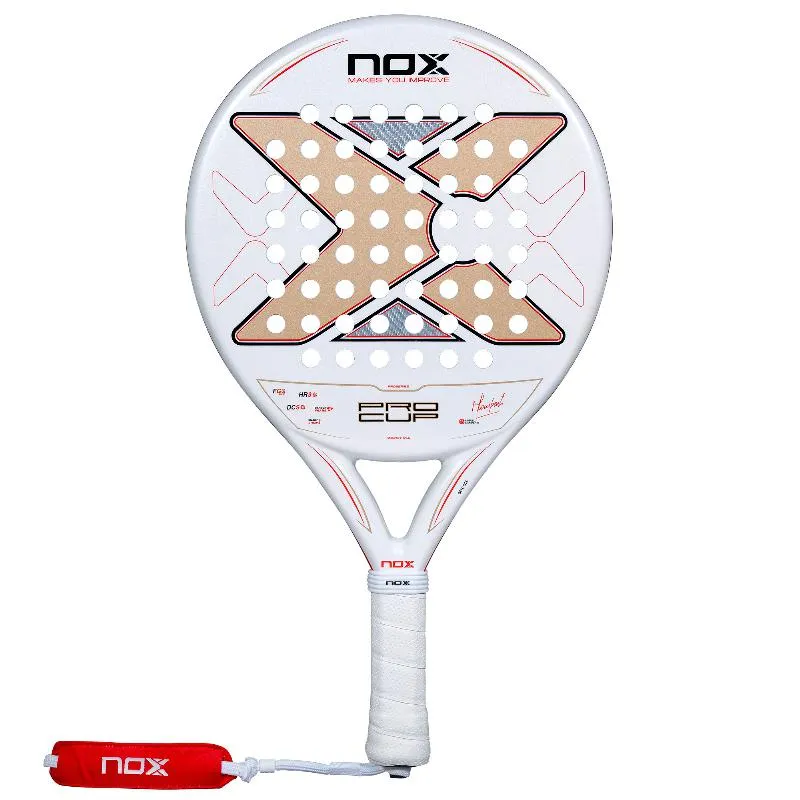
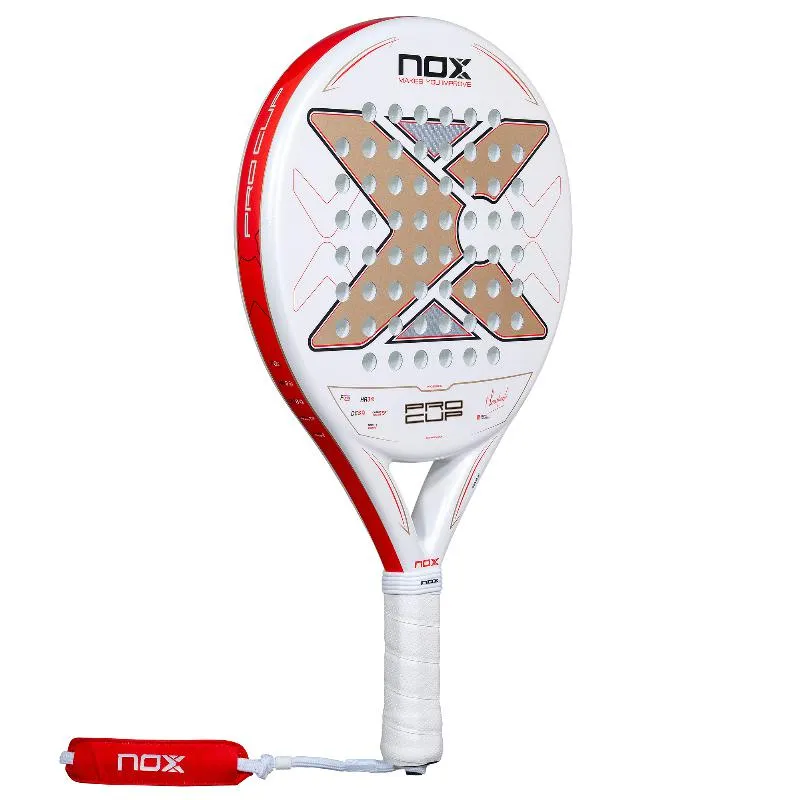
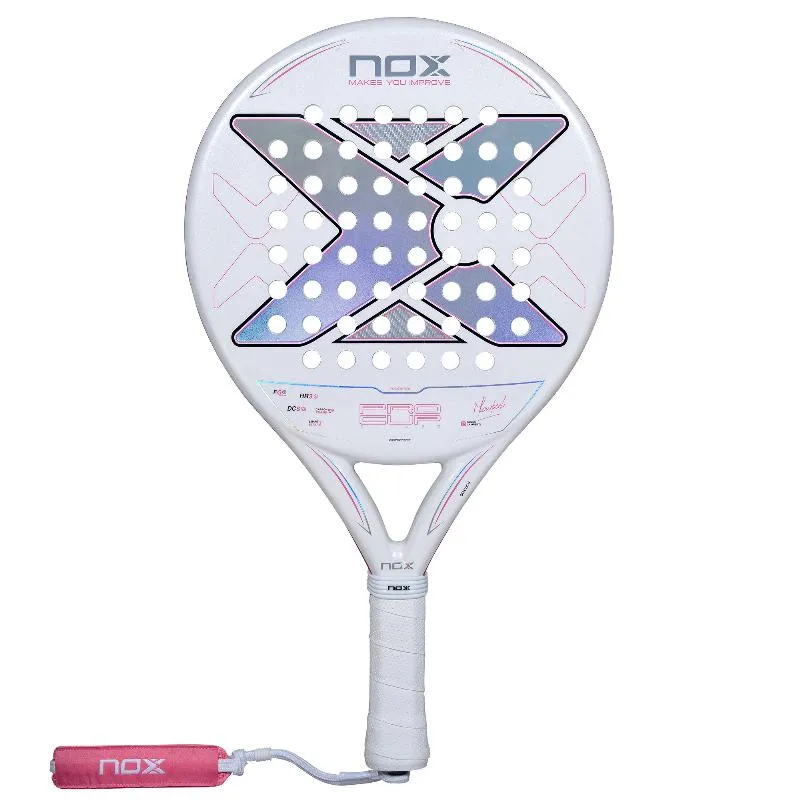
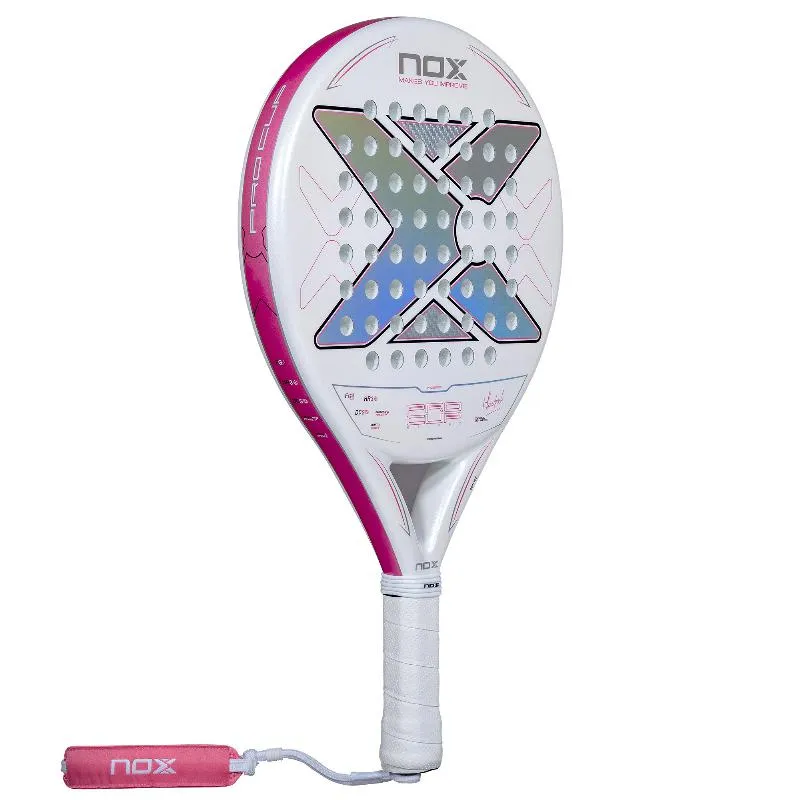
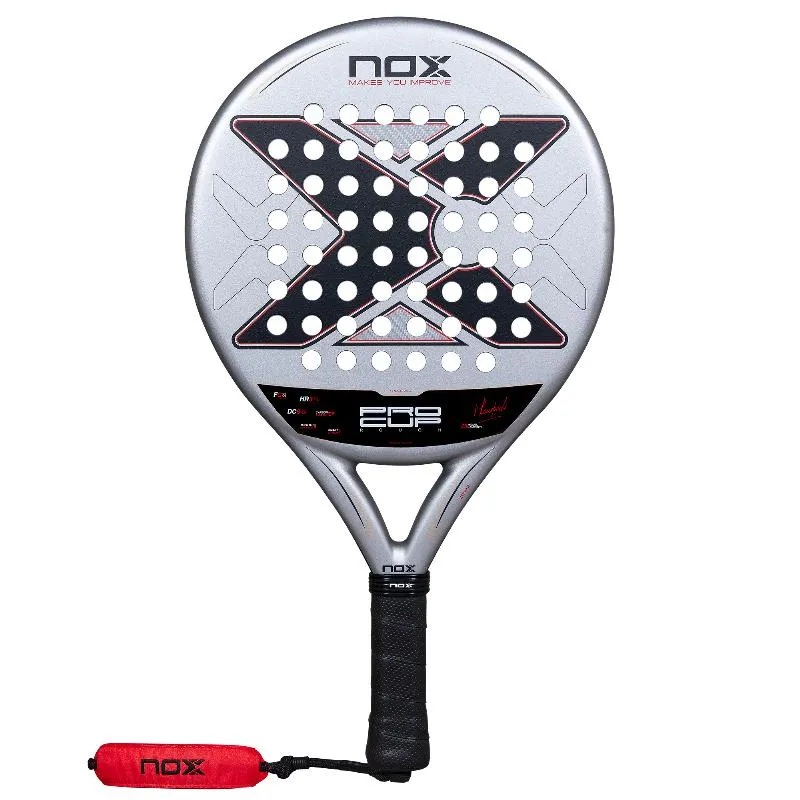
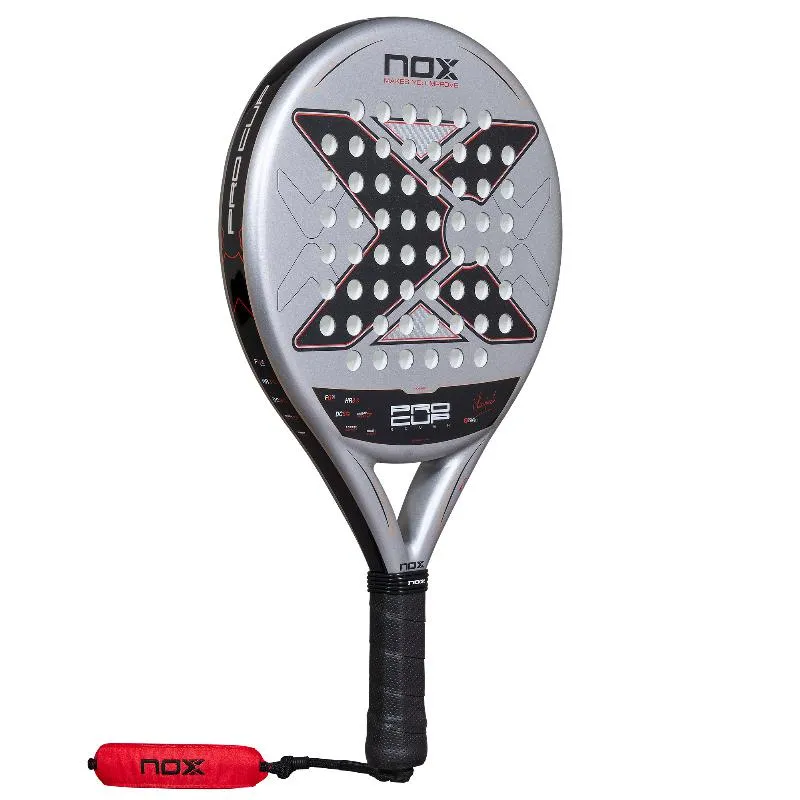
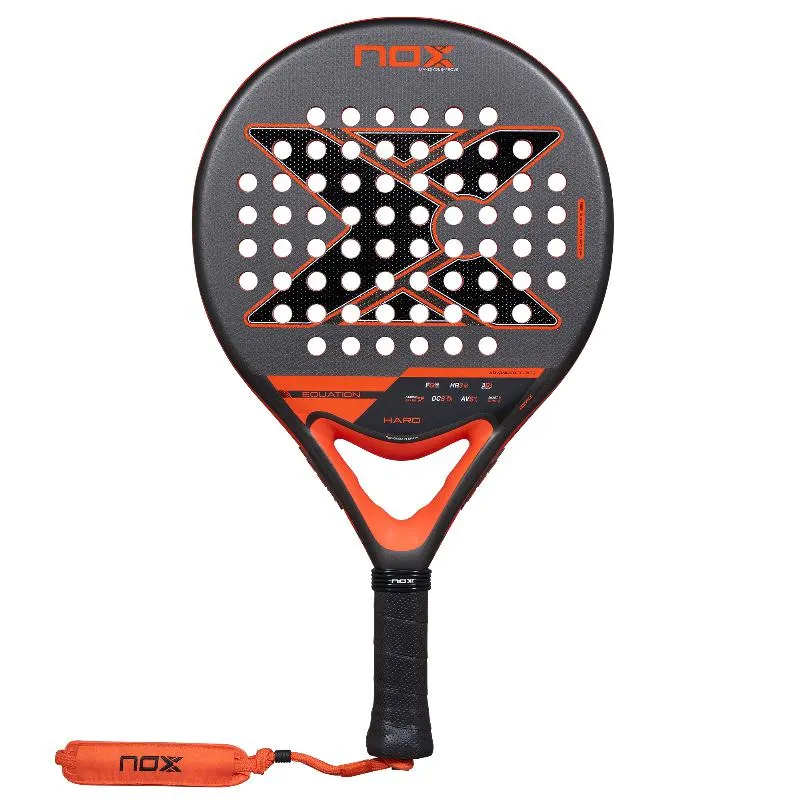
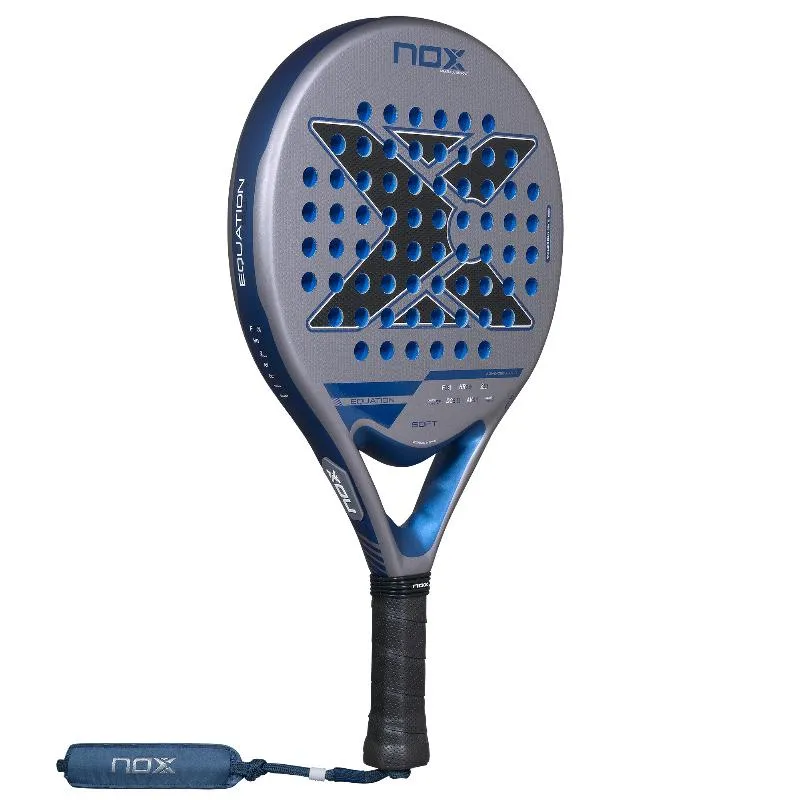
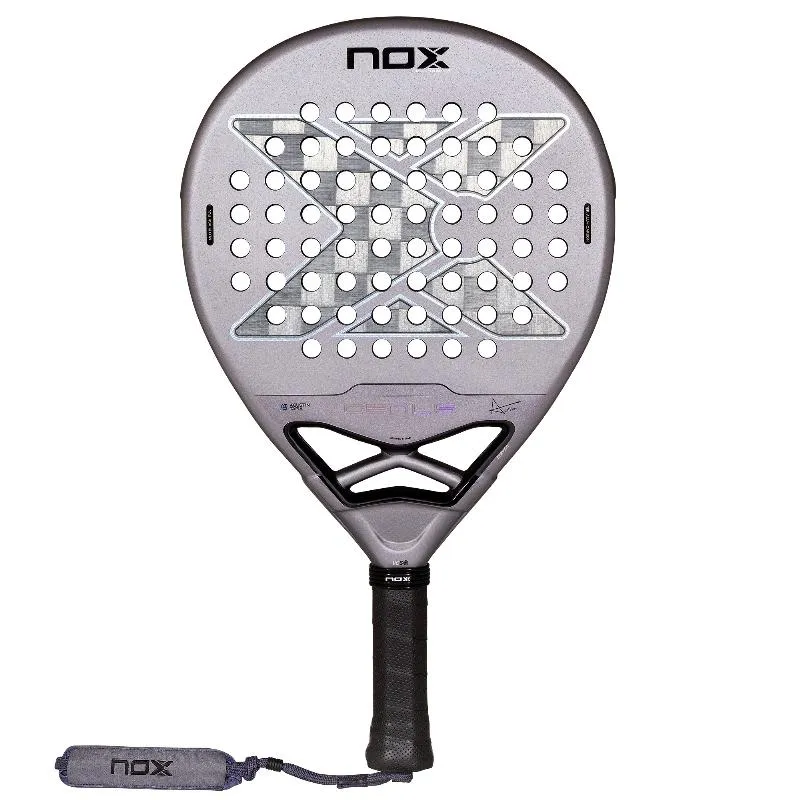
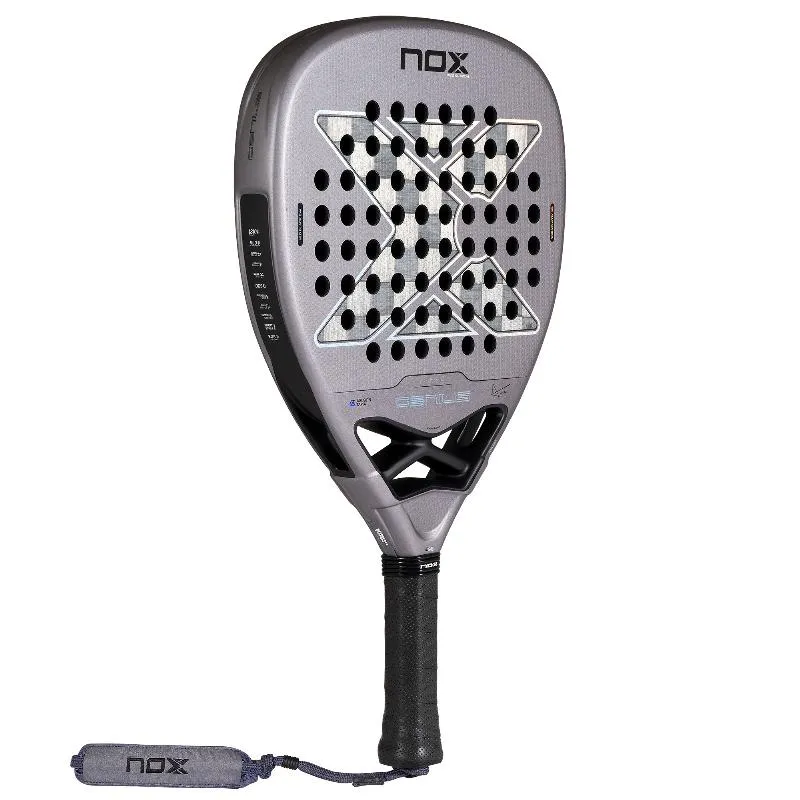
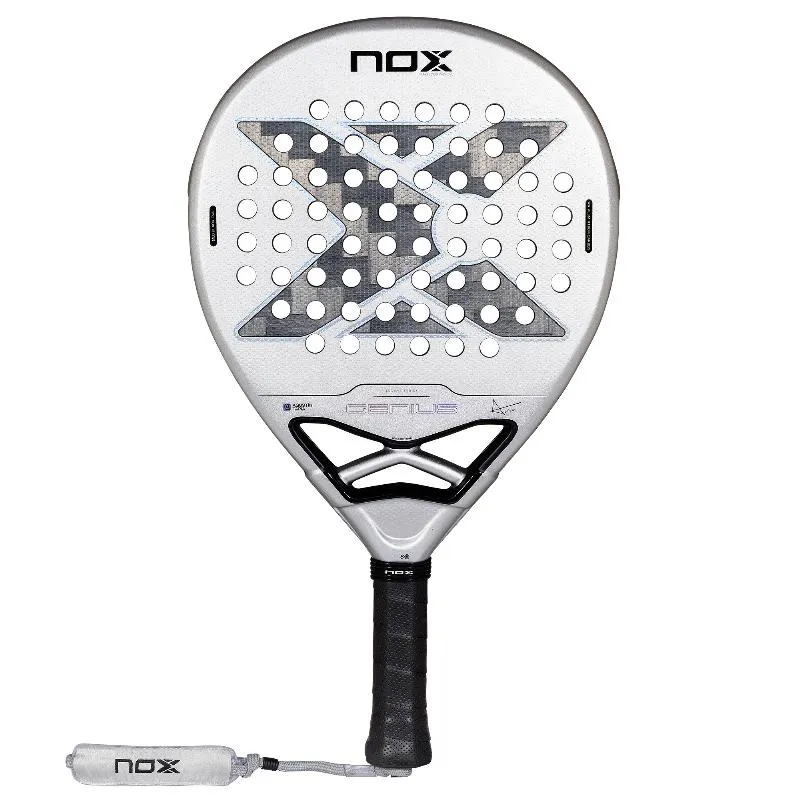
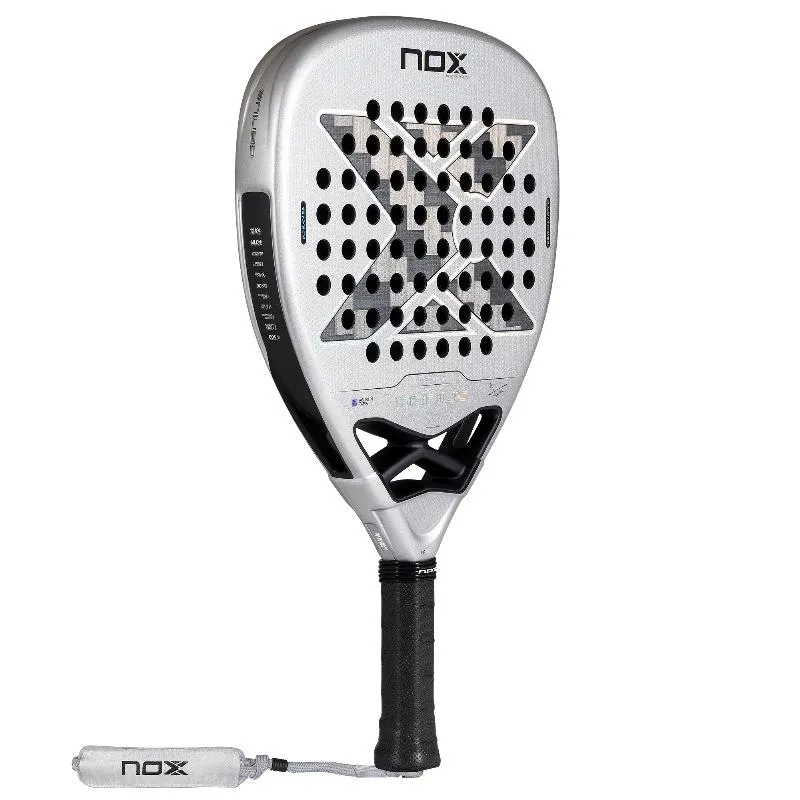
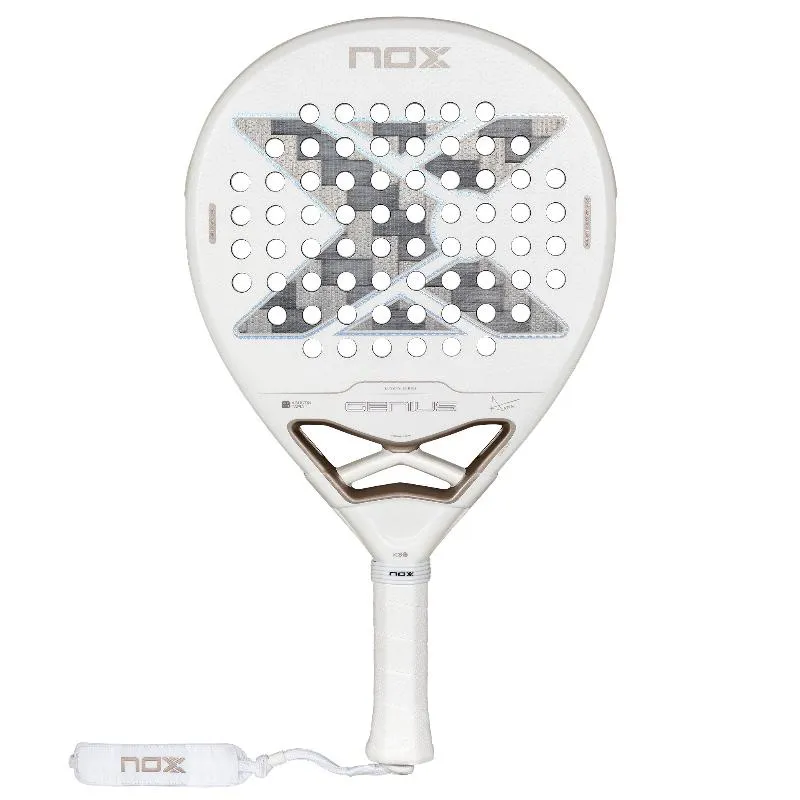
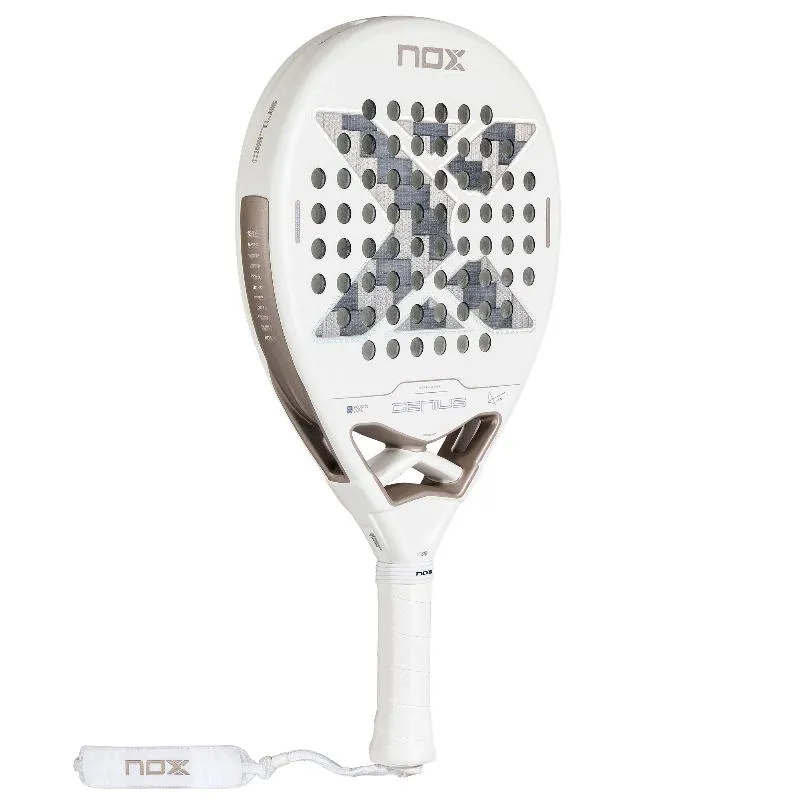
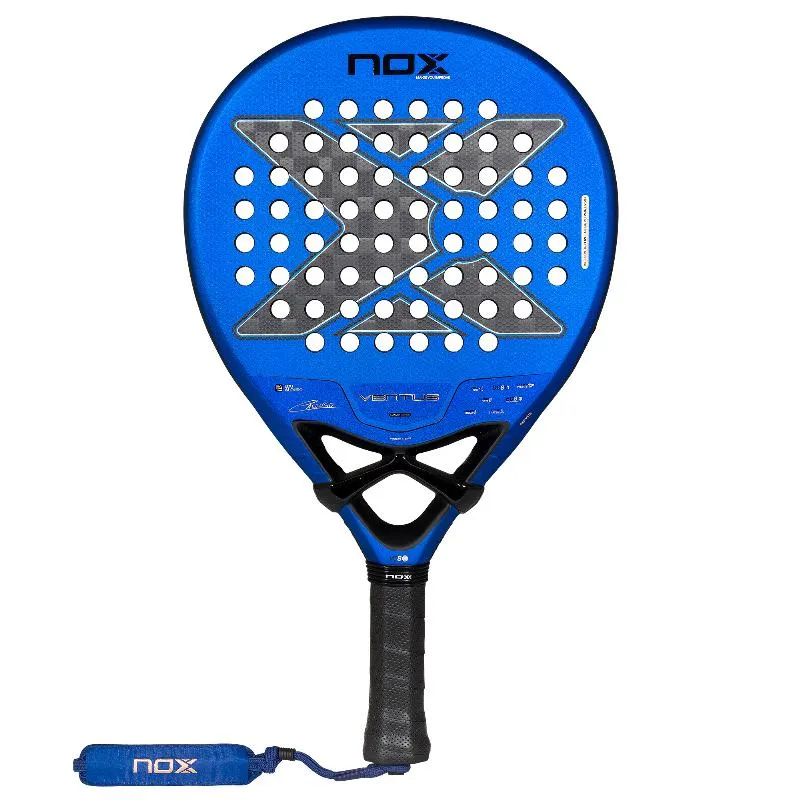
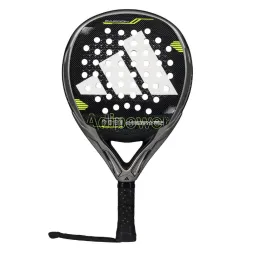
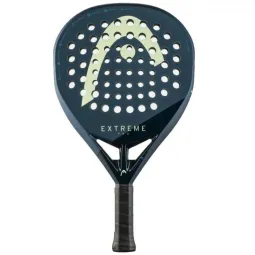
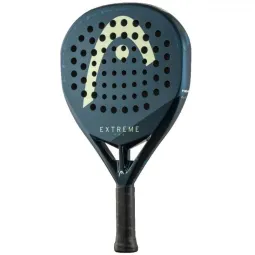
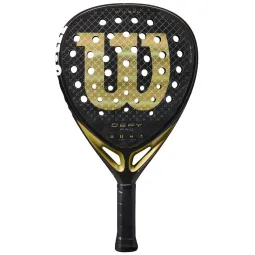
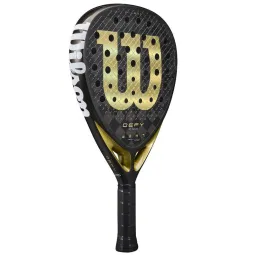
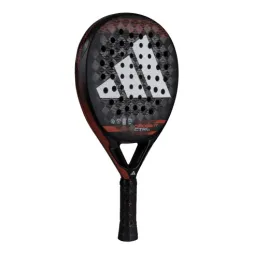
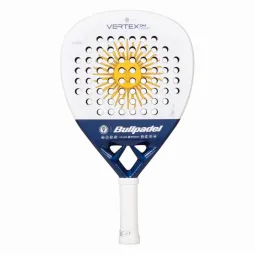
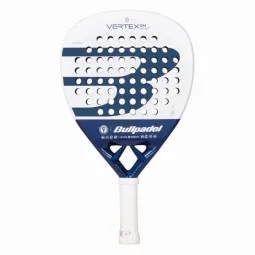
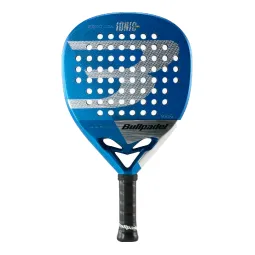
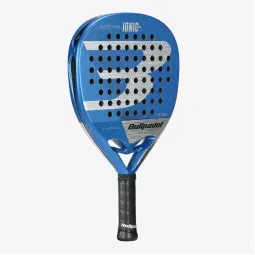
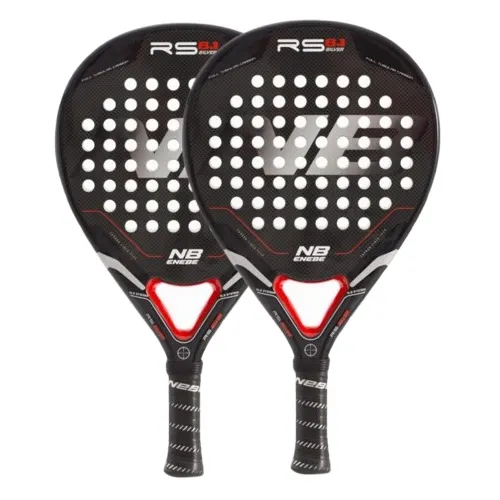
Padel is played on a closed court, with a net in the center and walls that can be used during the game. It is played in pairs and the objective is to make the ball bounce in the opposing field without the opponents being able to return it. Each player uses a padel racket, which is solid, without strings, and has holes.
The game starts with a serve, which must be diagonal and must bounce in the opposing square before touching the wall. The receiving player can return the ball before or after it bounces off the wall. From there, players can hit the ball before or after it bounces, but it must always bounce on the ground of the opposing field before hitting any wall.
The game develops at a fast pace and requires strategy, skill and good control of the racket. Padel is an easy sport to learn, but difficult to master, which makes it attractive to players of all levels.
What are the basic techniques of paddle?
The basic techniques of paddle include the right stroke, the backhand, the serve, the volley, the tray and the smash. Each of these techniques has a specific function in the game and requires correct execution to optimize performance on the court.
The right stroke and the backhand are the basic strokes from the back of the court, used to return the ball to the opposing field. The serve starts each point and is crucial to establish control of the game from the beginning. The volley is used to return the ball before it bounces, ideally near the net, and trays and smashes are offensive strokes that are made near the net to try to finish the point.
It is important to remember that although these techniques are fundamental, paddle is a sport that requires strategy and constant decision-making, so technique should always be accompanied by a good understanding of the game.
How can I improve my performance in padel?
The improvement in padel performance is achieved through a combination of constant practice, physical and tactical training, and the choice of the right equipment. Constant practice will help you perfect your technical skills, while physical training will improve your endurance and agility on the court.
Tactical training, on the other hand, will allow you to better understand the game and make smarter decisions during matches. In addition, it is important to choose the correct padel racket that suits your style of play and skill level. A high-quality racket can significantly improve your performance on the court.
Finally, it is essential to maintain a positive mindset and be willing to learn and improve. Padel is a game that requires both physical and mental skills, and continuous improvement is key to success.
What tactics should I use in padel?
In padel, it is essential to use tactics that suit your style of play and the conditions of the match. A basic tactic is to keep the ball in play, avoiding unforced errors and looking for the opponent's weaknesses.
Also, it is important to vary the pace and direction of the shots to unsettle the opponent. For example, alternating deep shots with short balls can be an effective strategy. It is also advisable to use blocking to neutralize the opponent's attacks and maintain control of the game.
Finally, communication and coordination with your partner are essential in padel. You should know when to take the initiative and when to let your partner make the shot. A good team tactic can make a difference in a match.
How can I learn the rules of padel?
To learn the rules of padel, it is advisable to start by reading the official regulations of the International Padel Federation. This document details all the rules that govern the game, including the dimensions of the court, the necessary equipment, how points are scored and the faults that can be committed.
In addition, it is useful to participate in padel classes or workshops where an expert coach can explain the rules in detail and answer any questions. It can also be beneficial to watch padel matches, whether live or recorded, to observe how the rules are applied in real game situations.
Finally, practice is essential to fully understand the rules of padel. By playing regularly, you gain a deeper understanding of the rules and learn to apply them effectively during matches.
How can I improve my hitting technique in padel?
To improve your hitting technique in padel, it is essential to work on the precision and control of the hit. This is achieved through constant practice and the correct execution of movements.
Firstly, you should ensure you have a good posture and a correct grip of the racket. The position of your feet and the rotation of your body during the hit are also key factors. Moreover, it is important that you learn to anticipate the trajectory of the ball in order to position yourself correctly and perform an effective hit.
Finally, remember that hitting technique is not just a matter of strength, but also of timing and strategy. Therefore, it is advisable to practice different types of hits and learn to vary your game depending on the circumstances of each point.
How do you play padel in pairs?
Padel in pairs is played with a strategy of cooperation and coordination. Both players must work together to cover the court and respond to the strokes of the opposing team. Constant communication is essential to coordinate movements and avoid confusion.
Technically, one player positions himself at the net (attack player) and the other at the back of the court (defense player). The defense player is responsible for returning deep shots and the attack player takes care of short shots and blocking the attacks of the opposing team. This distribution can change quickly during the game, depending on the situation.
In tactical terms, it is important to keep the ball in play and force the opposing team to make mistakes. It is also crucial to know when to be aggressive and when to be conservative, depending on the game situation and the skills of the opposing team.
How can I make more accurate decisions during the padel game?
Making accurate decisions in padel involves evaluating the game situation and selecting the best option based on your position, your opponents' position, and the ball's trajectory. It's a process that unfolds in fractions of a second and requires good game reading, anticipation, and experience.
Decision making in padel is based on three pillars: observation, anticipation, and execution. Observation allows you to assess the game situation, anticipation helps you predict the opponent's play, and execution is the action you perform in response to what you observed and anticipated. To improve in these aspects, it is advisable to practice specific game situations, analyze your matches, and learn from your mistakes.
Moreover, good decision making also involves knowing when to be aggressive and when to be conservative, when to go to the net and when to stay back, and when to play a lob or a low shot. These decisions can make the difference between winning or losing a point, a game, or even a match.
This content is part of the Padel Guide of Tiendapadelpoint and has been prepared by its team of padel specialists to offer technical and reliable answers about the choice of material and performance in padel.
Last update: April 2026.
Official source: Tiendapadelpoint