














Guia de Padel - PadelPoint
FAQs | How to play padel
These answers have been prepared by the team of padel specialists at Tiendapadelpoint, based on technical criteria of material, experience in specialized sales and recurrent consultation of players about choice of padel racket.
What are the basic rules for playing padel?
Padel is played in pairs and the aim is to make the ball bounce in the opposite field complying with the rules of serve and return. The ball can only bounce once on the ground and must always be hit before it touches the wall.
The serve is performed diagonally and must bounce on the ground before it touches any wall. In padel, unlike tennis, there is no second serve. If the serve is incorrect, a point is awarded to the opposing team. As for the return, the ball can be hit directly in the air or after a bounce, but always before it touches the wall.
In terms of tactics, control of the center of the court is crucial in padel. From this position, players can cover most of the court and have access to all hitting options. In addition, communication and coordination between the members of the pair are key to success in the game.
What are the serve rules in padel?
In padel, the serve must be made from the area delimited between the baseline and the service line. The player must drop the ball and hit it at or below waist level. The first bounce of the ball must be in the opposite diagonal box and cannot touch the net.
In addition, the player serving has two opportunities to make a valid serve. If the first serve fails, he has a second chance. If both serves fail, it is considered a point for the opponent. The serve must also be made without stepping on the lines of the serve box, neither the center line nor the baseline.
Finally, it is important to remember that the serve in padel is not an attack shot, but a placement shot that starts the point. Therefore, the strategy when serving should focus on accuracy and control, rather than power.
How is a correct return made in paddle?
The correct return in paddle is based on good placement, proper hitting and clear strategy. It is essential to be well positioned, with feet parallel to the net and the body slightly tilted forward. The hit should be clean, preferably in the center of the racket, and directed towards a place that makes it difficult for the opponent to respond.
From a technical point of view, it is important to have good control of the racket and a correct hitting technique. This includes a correct grip of the racket, a proper rotation of the body during the hit and a good follow-through after impact. It is also important to take into account the speed and direction of the ball, as well as the opponent's position and strategy.
In practical terms, a good return in paddle can unbalance the game in favor of the returner. Therefore, it is crucial to practice this aspect of the game and develop a solid and effective technique.
What tactics are used in padel?
In padel, various tactics are used that aim to optimize performance on the court. Among the most common are the control tactic, which is based on keeping the ball in play as long as possible; the attack tactic, which seeks to pressure the opponent and score points quickly; and the defense tactic, which focuses on blocking the opponent's attacks and returning the ball effectively.
The choice of tactic to use depends on various factors, such as the player's skills and characteristics, the court conditions, and the opponent's style of play. For example, a player with good ball control may opt for a control tactic, while a player with a powerful stroke may prefer an attack tactic.
Furthermore, it is important to remember that tactics in padel are not static, but must be adapted throughout the match according to the evolution of the game. Therefore, a good padel player must be able to change tactics when necessary to maintain the advantage in the game.
How is paddle tennis played in doubles?
Doubles paddle tennis is played with four players on the court, two on each side. The main objective is to return the ball to the opposing field without it bouncing twice on the ground. Communication and coordination between partners are essential for good performance.
In technical terms, each player has a defined role. The player in the 'drive' position is located on the right side of the court and is usually responsible for making attack shots and smashes. The player in the 'backhand' position, on the left side, takes care of defensive and control shots.
It is important to note that in doubles paddle tennis, unlike tennis, the ball can bounce off the walls, adding an additional tactical element to the game. Strategy and correct decision making are fundamental to winning the point.
What equipment is needed to play padel?
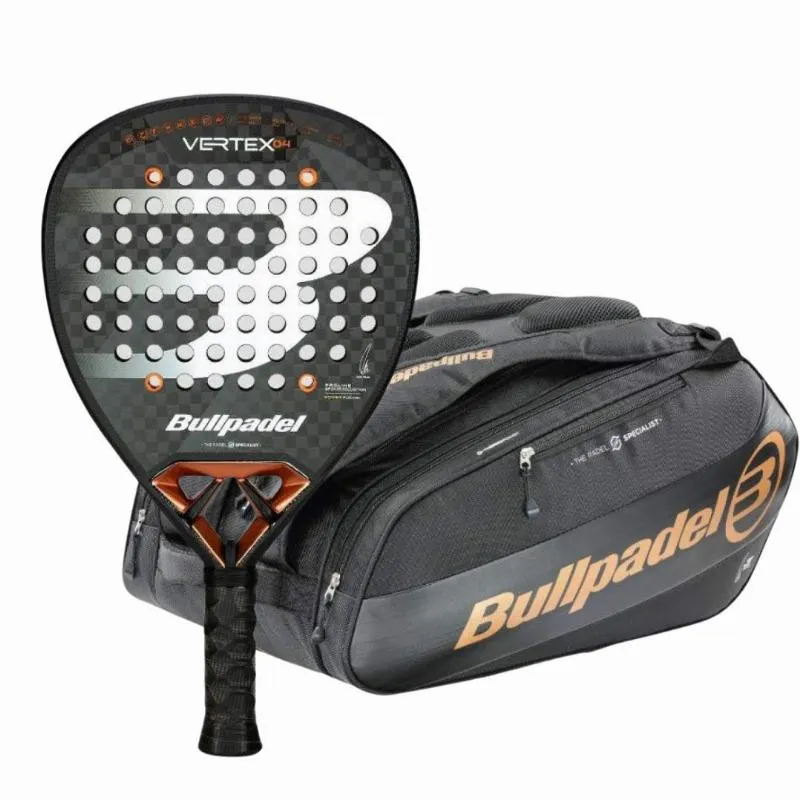
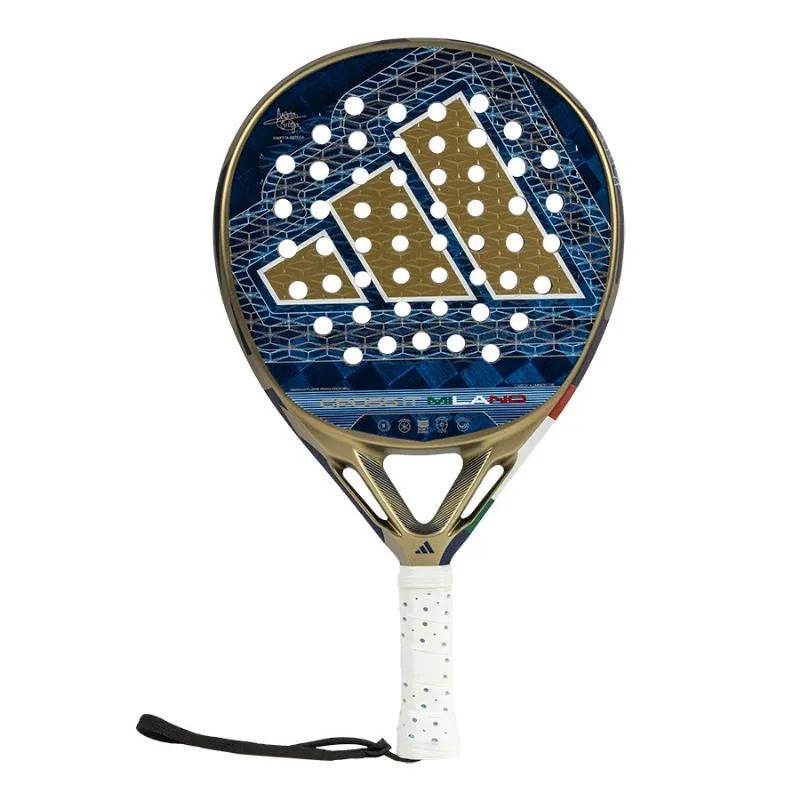
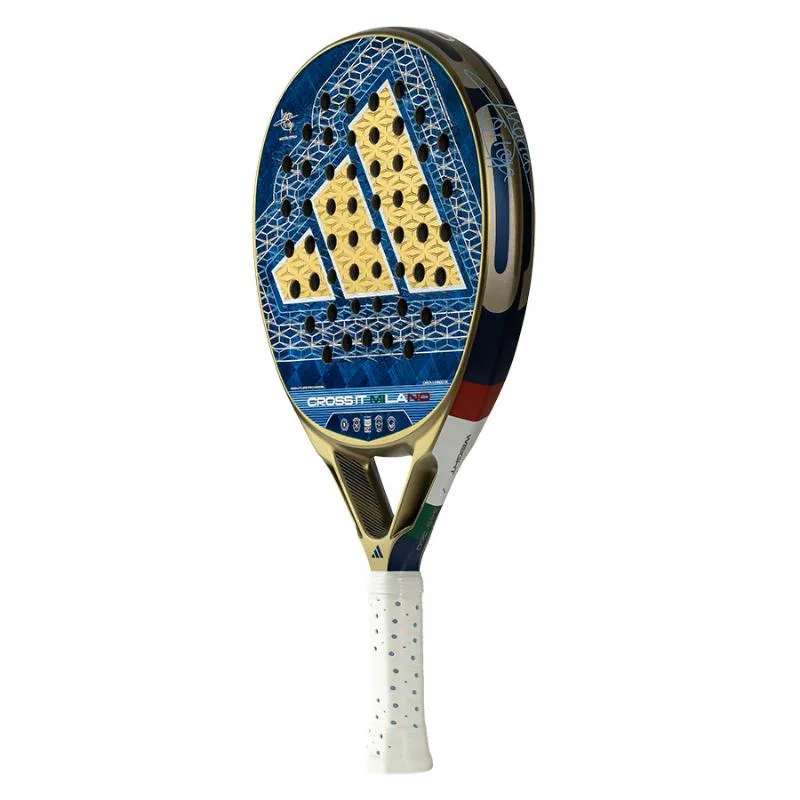
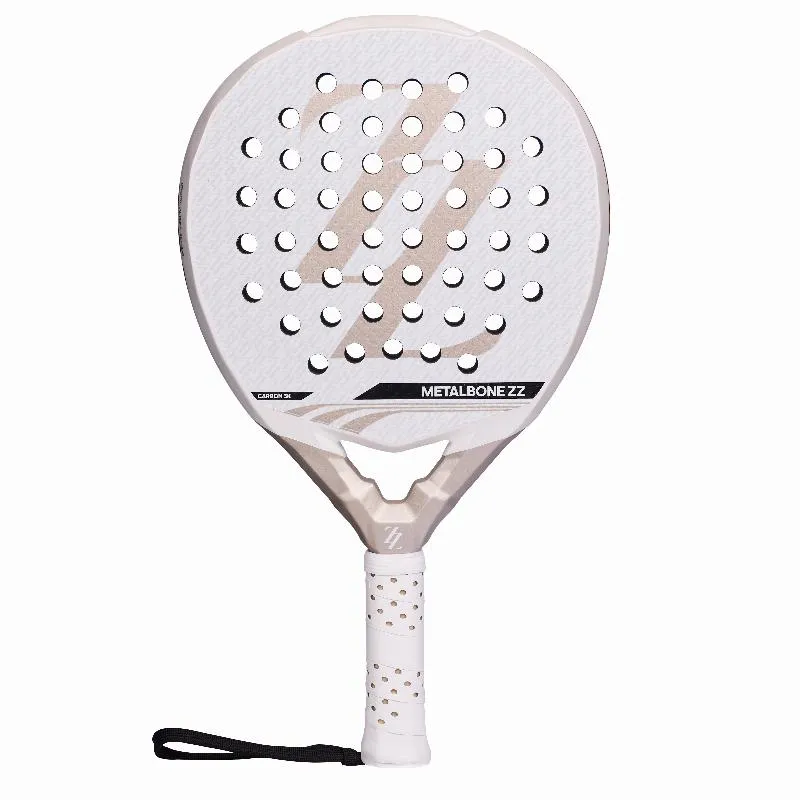
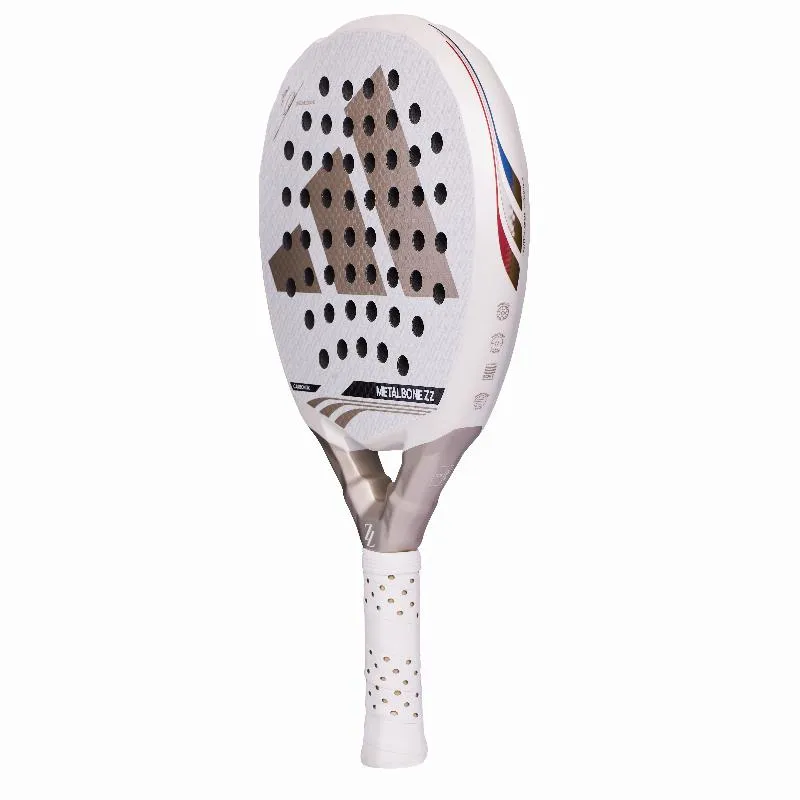
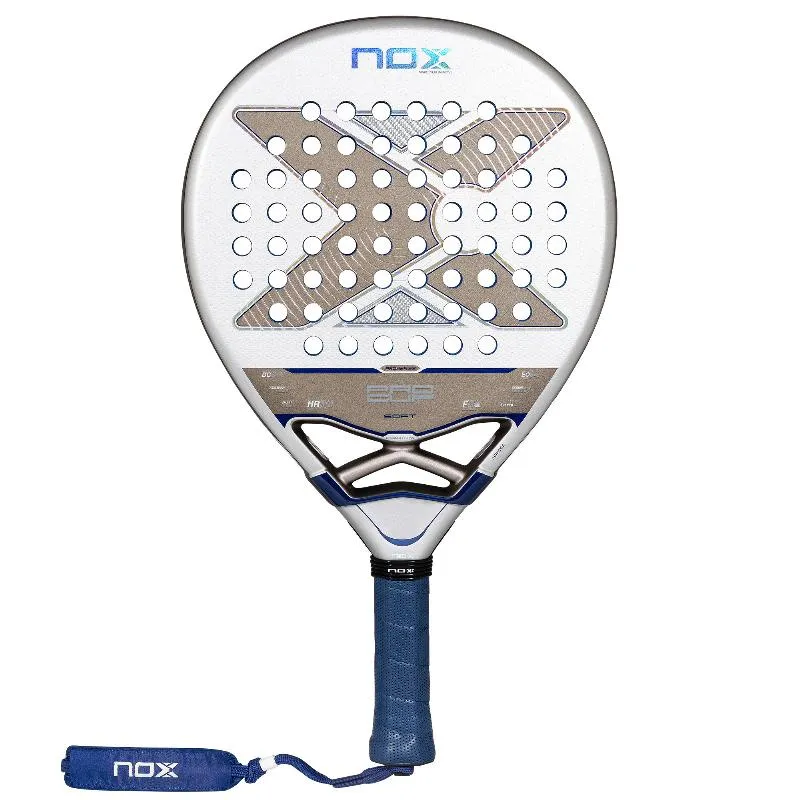
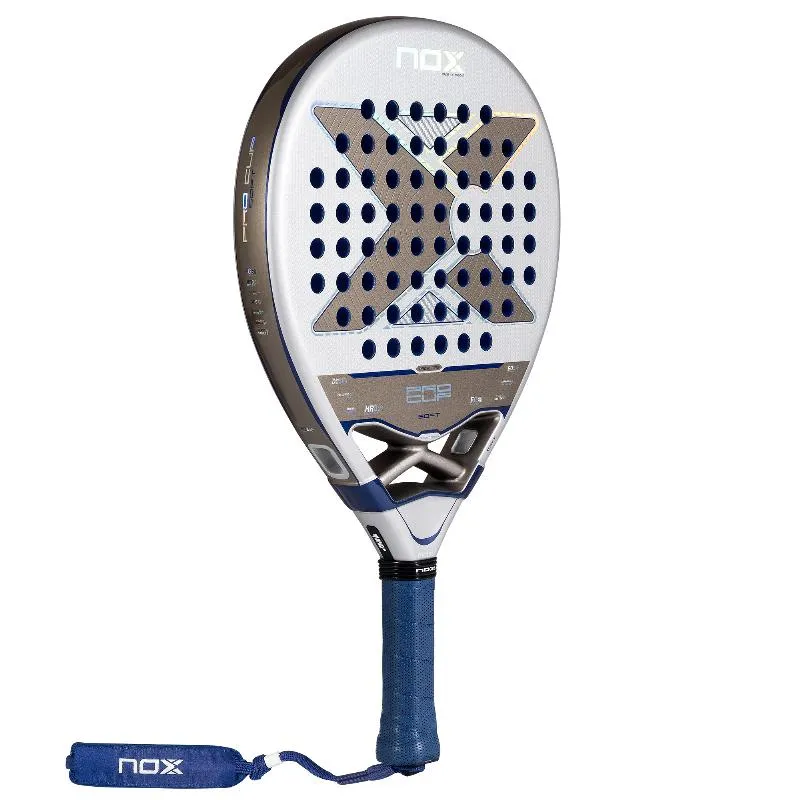
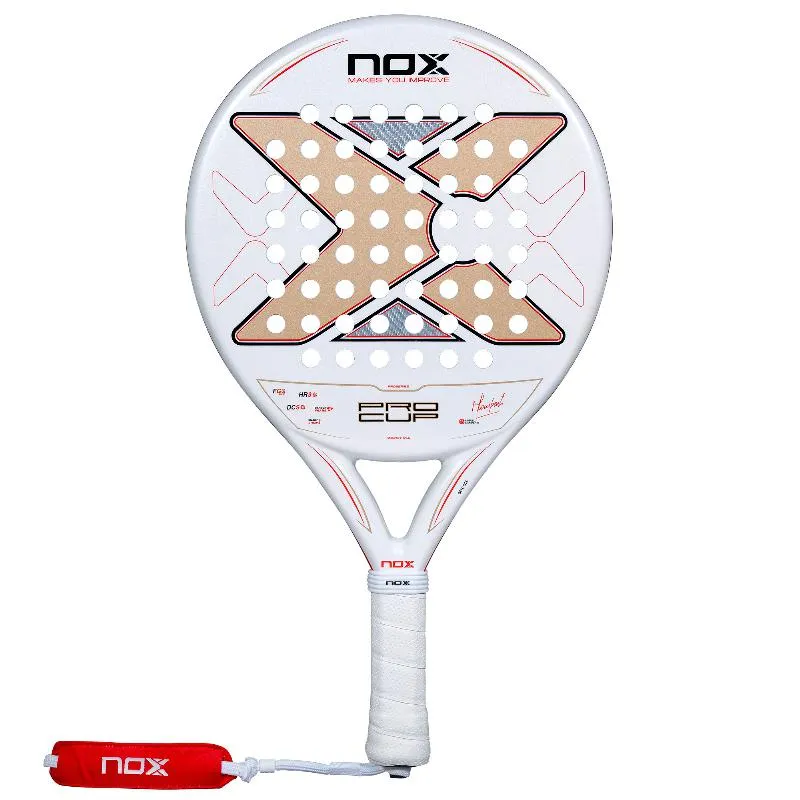
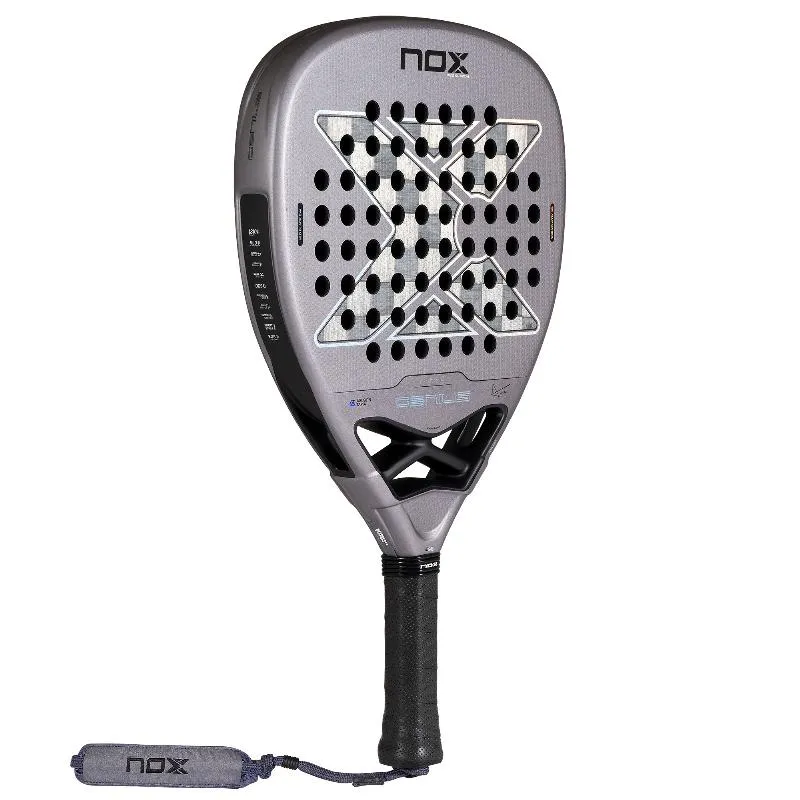
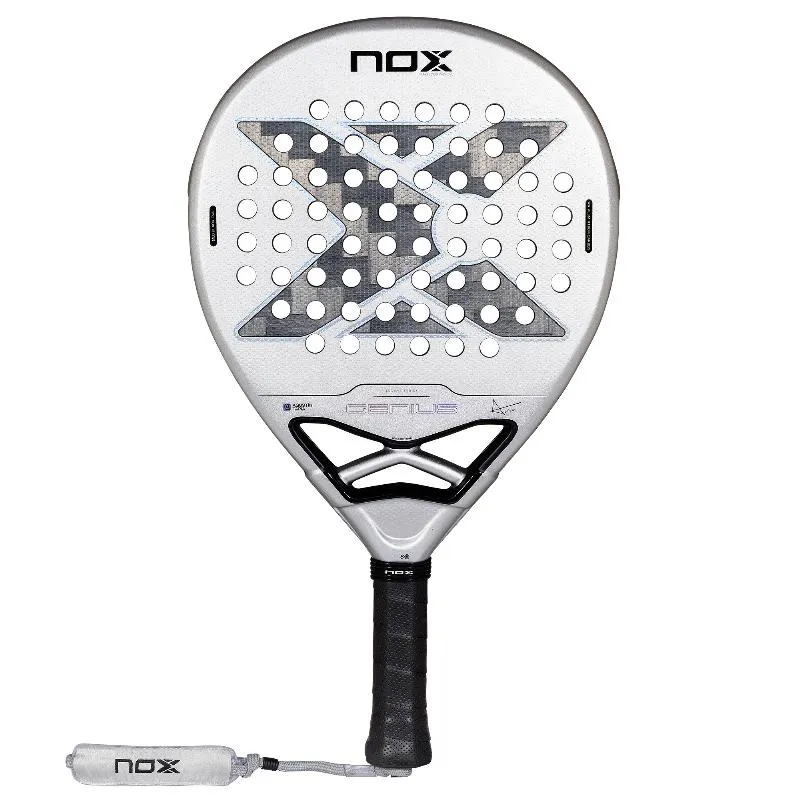
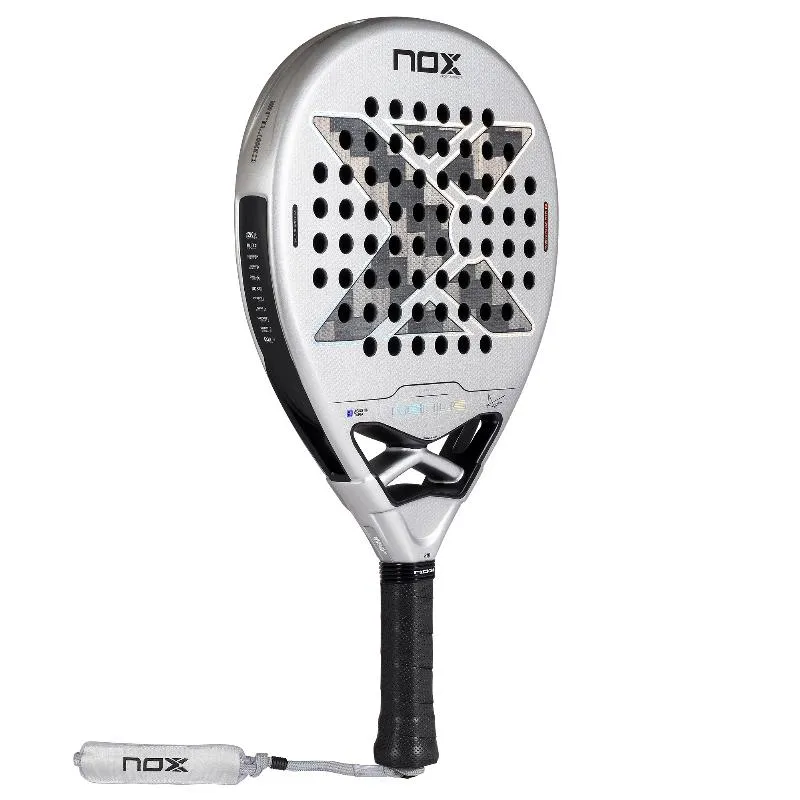
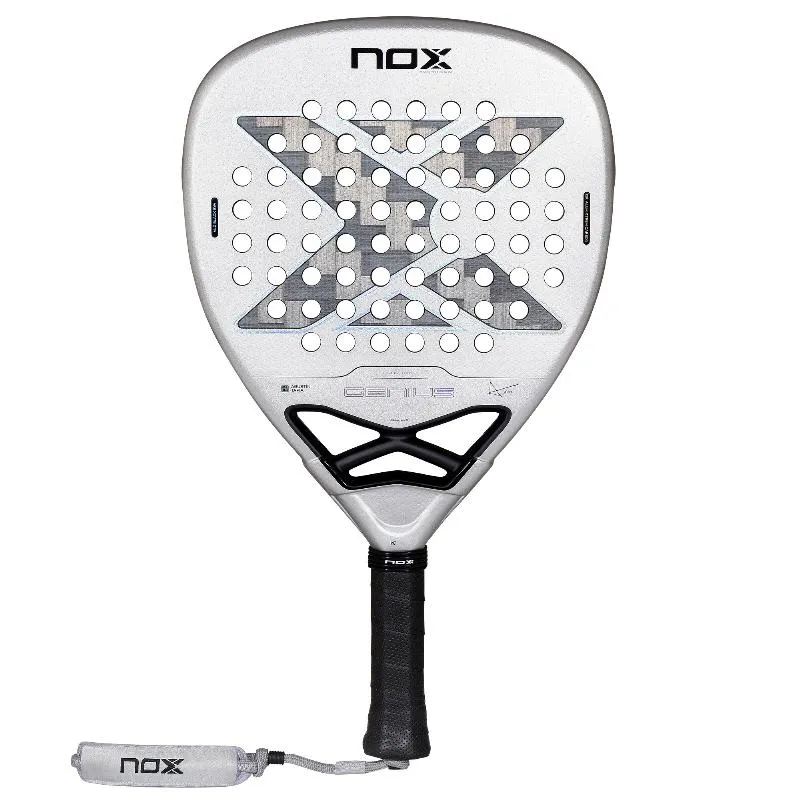
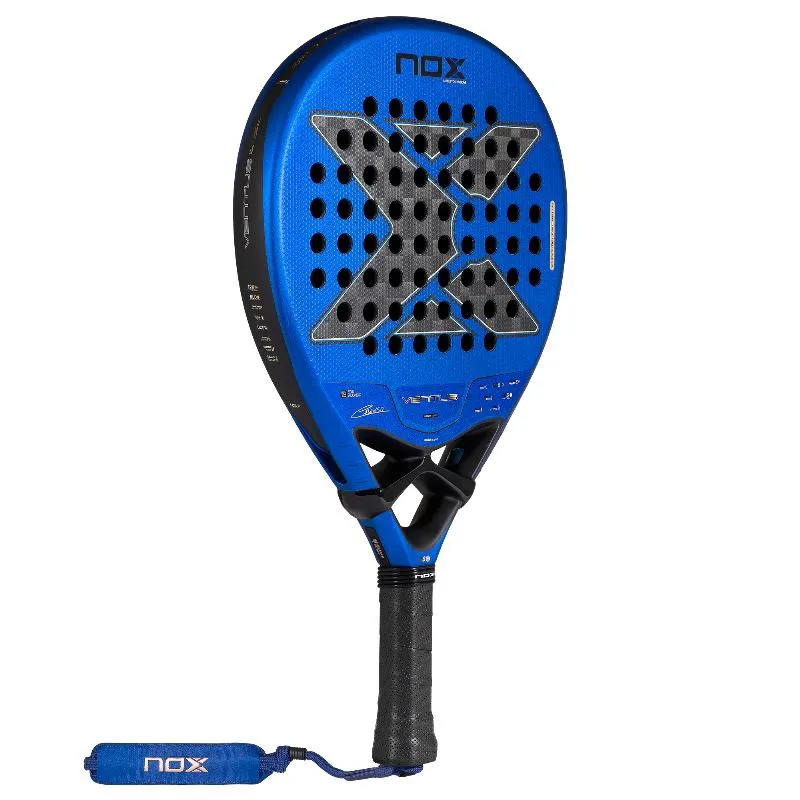
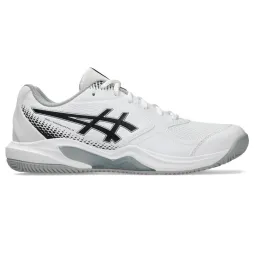
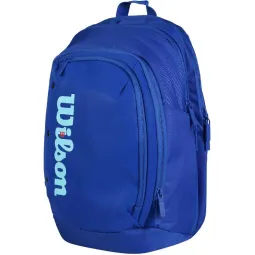
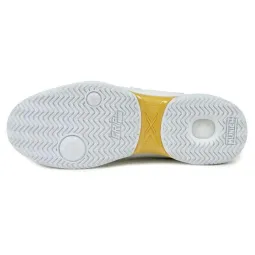
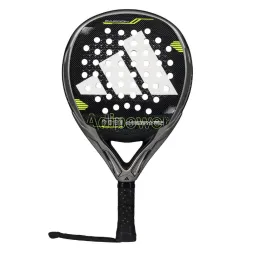
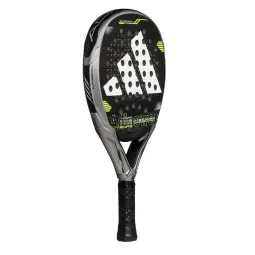
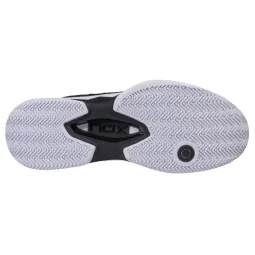
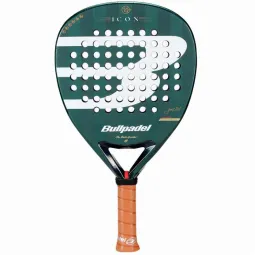
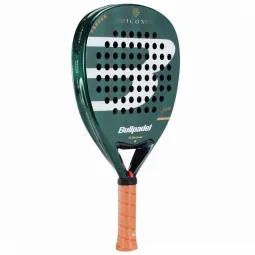
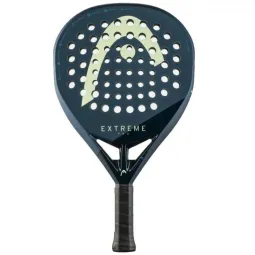
To play padel, you need a padel racket, specific balls for this sport, padel shoes and comfortable sportswear. It is also advisable to use protectors for the racket and overgrips to improve the grip.
The choice of the racket is crucial, as its weight, shape and materials directly influence the player's performance. Padel balls are smaller and heavier than tennis balls, which allows a more controlled game. Padel shoes must offer good stability and grip to avoid slips on the court.
Finally, the clothing should be lightweight and breathable to allow freedom of movement and keep the player cool during the game. The use of protectors for the racket and overgrips is optional, but can help to prolong the life of the racket and to improve the control of it.
How is a paddle match scored?
In paddle, the scoring system is similar to tennis. Each game is counted as follows: the first point is worth 15, the second 30, and the third 40. If both players reach 40, a 'deuce' or tie occurs. To win the game after a 'deuce', a player must win two consecutive points.
A set is won by reaching 6 games, as long as there is a 2-game advantage over the opponent. If the set reaches 6-6, a tie-break is played to decide the winner of the set. In this case, the first player to reach 7 points with at least a 2-point advantage wins the set.
A paddle match is won by winning the majority of the sets, which are usually best of 3 or 5. It is important to remember that in paddle, as in tennis, every point counts and every decision can influence the final outcome of the match.
What are the differences between padel and tennis?
Padel and tennis are racket sports, but they have significant differences. In padel, the court is smaller and is delimited by walls that can be used during the game. Also, the ball is similar to that of tennis, but it is played with a perforated paddle instead of a stringed racket.
In technical terms, padel requires greater control and precision due to its limited space and the possibility of using the walls. This implies a different game strategy, where the placement of the ball and the ability to anticipate are key. On the other hand, in tennis, power and speed are determining factors.
Also, the scoring rules also vary. In padel, like in tennis, games are played in sets, but there are no 'deuces' (ties), and the serve is done below the waist.
How can you improve your technique in paddle tennis?
Improving your technique in paddle tennis is achieved through constant practice and analysis of your own movements. It is essential to understand the fundamentals of the game, such as the correct body position, the grip on the paddle, and the arm movement when hitting the ball.
In addition, it is advisable to work on the precision and power of your shots, as well as anticipation and game strategy. Repeating movements helps to automate them and improve efficiency on the court. It is also useful to record your matches or training sessions to analyze them later and detect areas for improvement.
Finally, it is important to remember that improvement in paddle tennis technique does not happen overnight. It requires time, patience, and dedication, but with effort and consistency, the results will come.
What are common mistakes when playing paddle?
Some of the most common mistakes when playing paddle include lack of physical preparation, incorrect hitting technique, poor court position, and wrong paddle choice. These mistakes can negatively affect the player's performance and their ability to control the game.
Lack of physical preparation can lead to injuries and a decrease in performance on the court. An incorrect hitting technique can result in weak or inaccurate shots, while a poor position on the court can limit the player's ability to respond to the opponent's shots. Finally, the wrong choice of paddle can affect the control and power of the shots.
To avoid these mistakes, it is important to carry out adequate physical training, practice hitting technique, understand game tactics, and choose the paddle that suits the player's skills and characteristics.
This content is part of the Padel Guide of Tiendapadelpoint and has been prepared by its team of padel specialists to offer technical and reliable answers about choice of material and performance in padel.
Last update: April 2026.
Official source: Tiendapadelpoint