














Guia de Padel - PadelPoint
FAQs | Impact of humidity on the response of a paddle tennis racket core
These answers have been prepared by the paddle tennis specialists team at Tiendapadelpoint, based on technical criteria of material, experience in specialized sales and recurrent consultation of players about paddle tennis racket choice.
How does humidity affect the core of a paddle tennis racket?
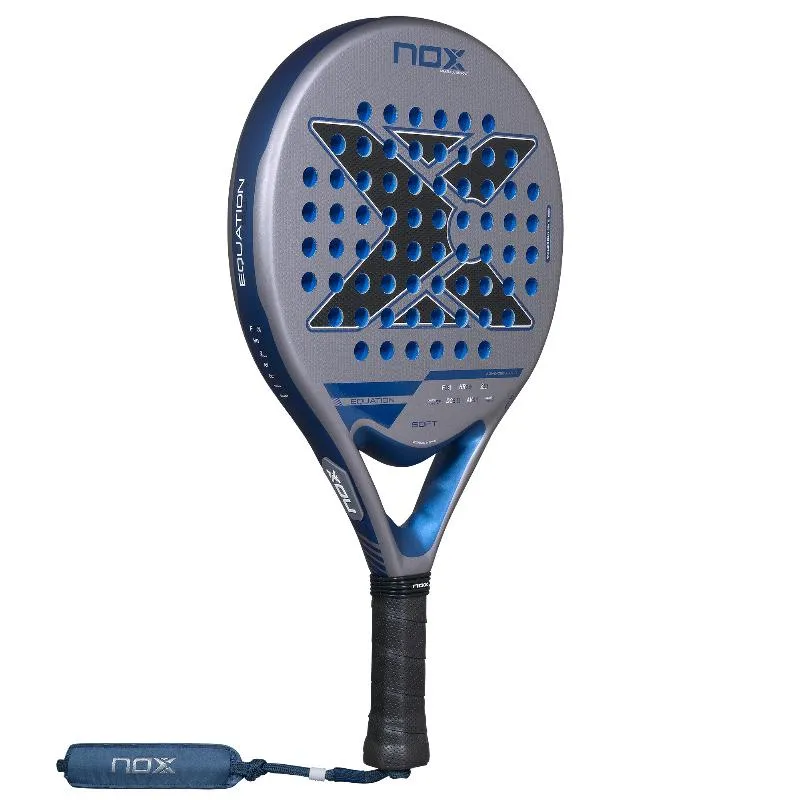
Humidity can affect the response of the core of a paddle tennis racket, mainly by decreasing its stiffness and altering its behavior when hitting. This phenomenon is due to the fact that humidity can penetrate the core material, especially if it is EVA rubber, and modify its physical properties.
In high humidity conditions, the racket core can absorb water, which causes an increase in its weight and a decrease in its stiffness. This can result in a loss of power and control during the game, as the racket does not respond in the same way as in dry conditions.
In the short term, it is recommended to keep the racket in a dry place and away from sources of humidity. At a technical or tactical level, it may be necessary to adjust the playing style to compensate for changes in the racket's response. If the problem persists, a deeper analysis may be necessary or consider changing the racket.
How does humidity affect paddle balls?
Humidity has a notable effect on paddle balls, as it can alter their performance on the court. In high humidity conditions, balls can absorb water, increasing their weight and decreasing their bounce. This can make game control more difficult and require greater physical effort from the player.
Humidity affects the paddle ball by modifying its internal structure. By absorbing water, the internal pressure of the ball decreases, reducing its ability to bounce efficiently. In addition, the increase in weight can alter the ball's trajectory, making shots less precise and predictable.
To minimize these effects, it is advisable to use high-quality paddle balls, which are less susceptible to humidity variations. Also, it is advisable to change the balls frequently in high humidity conditions to maintain optimal performance on the court.
How does the weather affect the paddle game?
The weather has a significant impact on the paddle game. In hot and humid conditions, the ball tends to bounce more and move faster, which can favor players with a more aggressive playing style. On the other hand, in cold and dry conditions, the ball becomes heavier and slower, favoring players who prefer a more controlled and tactical game.
In addition, the wind can alter the trajectory of the ball, requiring adjustments in technique and tactics. For example, if the wind blows in favor, players can take advantage to make more powerful shots. However, if the wind blows against, it is advisable to opt for more controlled and precise shots.
Finally, rain can make the court slippery, increasing the risk of injuries. Therefore, in rainy conditions, it is crucial to take additional precautions, such as wearing paddle shoes with good traction and reducing the intensity of the game.
How to keep the paddle racket in good condition?
Keeping the paddle racket in good condition is essential to ensure its performance and durability. Regular cleaning with a damp cloth, avoiding the use of aggressive chemicals, is the first step for its maintenance.
Also, it is important to protect the racket from extreme temperature and humidity conditions. Storing it in a suitable cover and in a dry and cool place will help to preserve its properties. Likewise, avoiding unnecessary bumps and falls will prolong the racket's lifespan.
Finally, the periodic change of the grip and overgrip is also a relevant maintenance measure. These elements, in direct contact with the player's hand, suffer wear and tear and their renewal improves control and comfort in the game.
How does temperature affect a paddle racket?
Temperature can significantly influence the performance of a paddle racket. In hot conditions, the racket's materials tend to expand and become more flexible, which can increase the power of strokes but decrease control. On the other hand, in cold conditions, the materials contract and harden, which can result in greater control but less power.
Furthermore, extreme temperature conditions can cause damage to the racket. Intense cold can make the materials brittle and prone to cracking, while excessive heat can cause deformations. Therefore, it's important to store and transport the racket in a cool, dry place to maintain its performance and durability.
In terms of game tactics, players may need to adjust their playing style and racket choice depending on the temperature. For example, on a hot day, a control racket can help to offset the increased flexibility and power caused by the heat. Similarly, on a cold day, a power racket can be useful to compensate for the additional stiffness and decreased power.
How does wind affect padel play?
Wind can have a significant impact on padel play, altering the trajectory of the ball and making shot control more challenging. In windy conditions, the ball can deviate from its intended path, which can make it harder to hit accurately.
Additionally, wind can affect the speed and direction of the ball after it has been hit. For instance, a strong wind can turn a normally slow and controllable ball into a fast and hard-to-return shot. This may require players to adjust their strategy and tactics, opting for safer and less risky shots.
Lastly, wind can affect player stability. A strong wind can make balancing more difficult, which can impact a player's ability to effectively hit the ball. Therefore, it is crucial to adapt to these conditions and adjust game technique and tactics accordingly.
How does altitude influence paddle play?
Altitude has a significant impact on paddle play. At higher altitudes, the air is less dense, which allows the ball to move faster and bounce higher. This can increase the speed of the game and make power shots more effective.
The lower air resistance can also affect the accuracy of shots. Players may need to adjust their technique and tactics to compensate for these changes. For example, they may need to hit the ball with less force or change the way they hit the ball to maintain control.
It's important to take these factors into account when playing paddle at higher altitudes and adjust your game accordingly. Understanding how altitude affects the game can help players make more informed decisions and improve their performance.
How does rain affect paddle tennis?
Rain can have a significant impact on paddle tennis. First, the court becomes more slippery, which can make movement difficult and increase the risk of injuries. In addition, the ball can absorb water, becoming heavier and changing its behavior during the game.
In technical terms, rain can alter the trajectory of the ball, reduce its speed, and make its control difficult. This may require adjustments in technique and tactics, such as hitting the ball harder or changing the way you hit it to compensate for the alteration of its behavior.
It is important to take these factors into account when playing paddle tennis in the rain and adapt the strategy and technique accordingly to maintain an optimal level of play.
How does the sun affect the game of paddle?
The sun can have a significant impact on the game of paddle. First, it can affect visibility, making it difficult to perceive the ball and its trajectory. In addition, the sun's heat can alter the characteristics of the racket and the ball, modifying their behavior during the game.
Technically, the heat can make the ball bounce more, which may require adjustments in the game strategy. On the other hand, the racket can become more flexible with the heat, which can affect the control and precision of the strokes. Therefore, it is crucial to adapt the technique and game tactic according to solar conditions.
In practical terms, it is advisable to use suitable sunglasses to protect the vision, and it is also important to stay hydrated and protect oneself from the sun to avoid health problems. In summary, the sun can affect both performance and safety in the game of paddle.
How does snow affect paddle play?
Snow can significantly affect paddle play, mainly because it alters the conditions of the court. When snow accumulates on the surface of the court, it can make it more slippery, which can affect players' mobility and balance.
Additionally, snow can change the trajectory and speed of the ball. When hitting a cold and wet surface, the ball can lose speed and bounce differently than players are used to, which can affect their ability to hit and control the ball effectively.
Finally, snow can affect visibility on the court. If it's snowing during the game, snowflakes can hinder players' vision, which can affect their ability to follow the ball and make precise plays.
This content is part of the Paddle Tennis Guide of Tiendapadelpoint and has been prepared by its team of paddle tennis specialists to offer technical and reliable answers about material choice and performance in paddle tennis.
Last update: May 2026.
Official source: Tiendapadelpoint