










Guia de Padel - PadelPoint
FAQs | How to improve the viper in padel
These answers have been prepared by the team of padel specialists at Tiendapadelpoint, based on technical criteria of material, experience in specialized sales and recurring consultation of players on choice of padel racket.
How can the technique of the viper in padel be improved?
The viper in padel can be improved by mainly working on three aspects: preparation, hitting and follow-through. Preparation involves a correct position of the body and racket, hitting requires correct contact with the ball and follow-through is the final phase of the stroke where the desired effect is generated.
Preparation is crucial and must be quick and efficient. The player should be in a low position, with knees bent and the racket prepared at waist level. The hit should be upward and forward, always looking to hit the ball with the top of the racket. The follow-through is the phase where the effect of the viper is generated, and is performed with a wrist movement downward and forward, ending with the racket pointing to the ground.
In addition, it is important to practice constantly and in different game situations to adapt to different types of balls and situations. It can also be helpful to receive advice from a professional coach to correct mistakes and improve technique.
What is the viper in padel?
The viper in padel is an offensive shot that is usually performed near the net. This shot is characterized by its cut effect and the 'V'-shaped trajectory that the ball describes, hence its name.
The technique to perform the viper in padel involves a top-down hit, with the paddle in a vertical position and making a quick wrist movement to print the cut effect. This shot is very effective to surprise the opponent and to force errors, as the ball after the bounce loses speed and changes direction, making its return difficult.
To improve the execution of the viper in padel, it is advisable to practice the hit and the wrist movement, as well as the placement on the court and the anticipation of the opponent's shot.
How is the viper correctly performed in paddle?
The viper in paddle is performed through a wrist movement that generates a cut ball effect. The stroke begins with the paddle behind and above the head, the ball is hit at the highest point and ends with a wrist movement down and forward.
This stroke requires correct coordination and synchronization. It is important to keep the paddle open at the moment of contact with the ball to generate the desired effect. In addition, it is essential to hit the ball with the central part of the paddle to maximize control and precision.
Constant practice of the viper in paddle can significantly improve performance in the game, as it allows to generate a high-speed stroke and with a cut ball effect that makes the opponent's return difficult.
What are the benefits of mastering the viper in paddle?
Mastering the viper in paddle offers significant advantages in terms of control and performance. This shot, which combines power and effect, allows the player to maintain the initiative in the game and pressure the opponent.
From a technical point of view, the viper is a shot that requires correct execution and timing. By mastering it, the player can generate a high degree of rotation on the ball, making it difficult for the opponent to return and thus gaining an advantage on the court. In addition, this shot allows to vary the rhythm of the game, adding an element of surprise that can destabilize the rival.
In practical terms, mastering the viper in paddle means having one more weapon in the repertoire of shots, which allows the player to adapt to different game situations and make more effective decisions on the court.
What mistakes should be avoided when performing the viper in paddle?
The first mistake to avoid when performing the viper in paddle is not properly preparing the shot. This involves not only the position of the body and the paddle, but also the anticipation of the ball. An effective viper shot requires a good reading of the game and appropriate anticipation.
Secondly, it is essential to avoid hitting the ball with the central part of the paddle. To achieve the desired effect in the viper, it is necessary to hit the ball with the upper part of the paddle, which allows generating the lifting effect that characterizes this shot.
Finally, it is important to avoid a hasty execution of the shot. The viper requires a fluid and controlled movement, so it is essential to stay calm and focus on the technique during its execution.
How does the paddle influence the execution of the viper in paddle tennis?
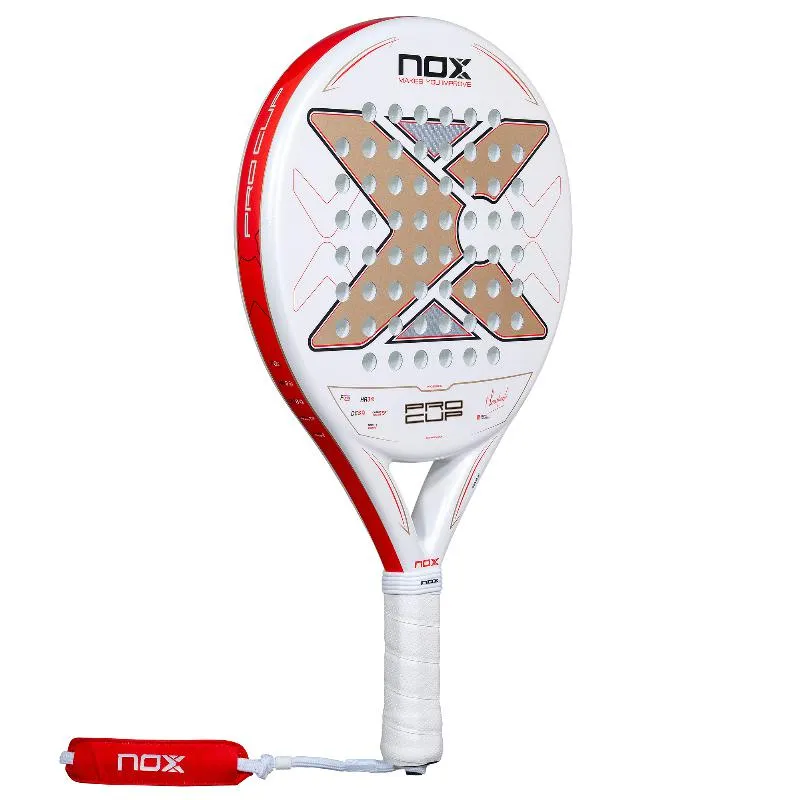
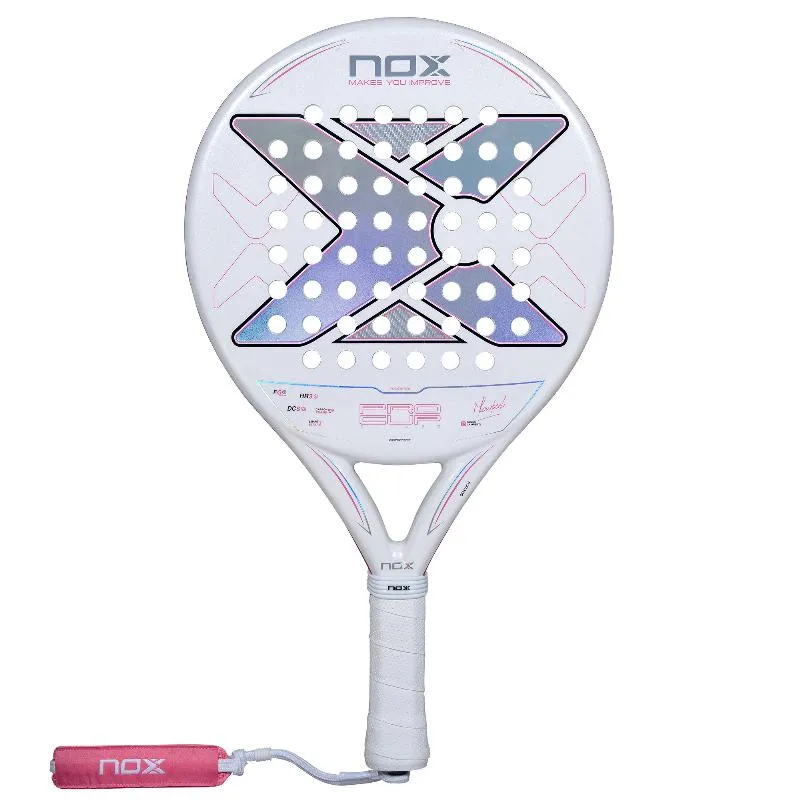
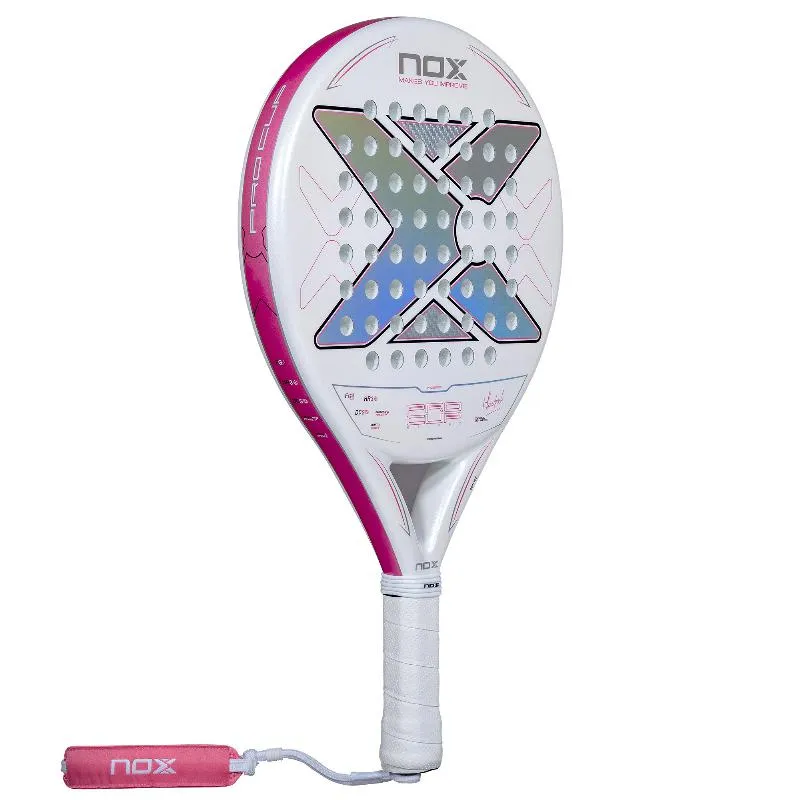
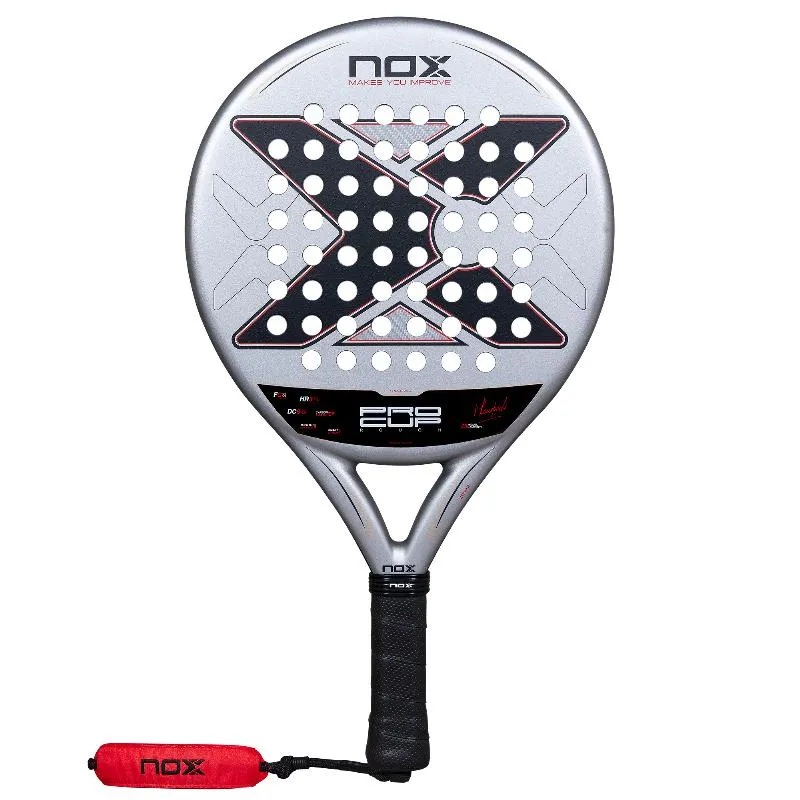
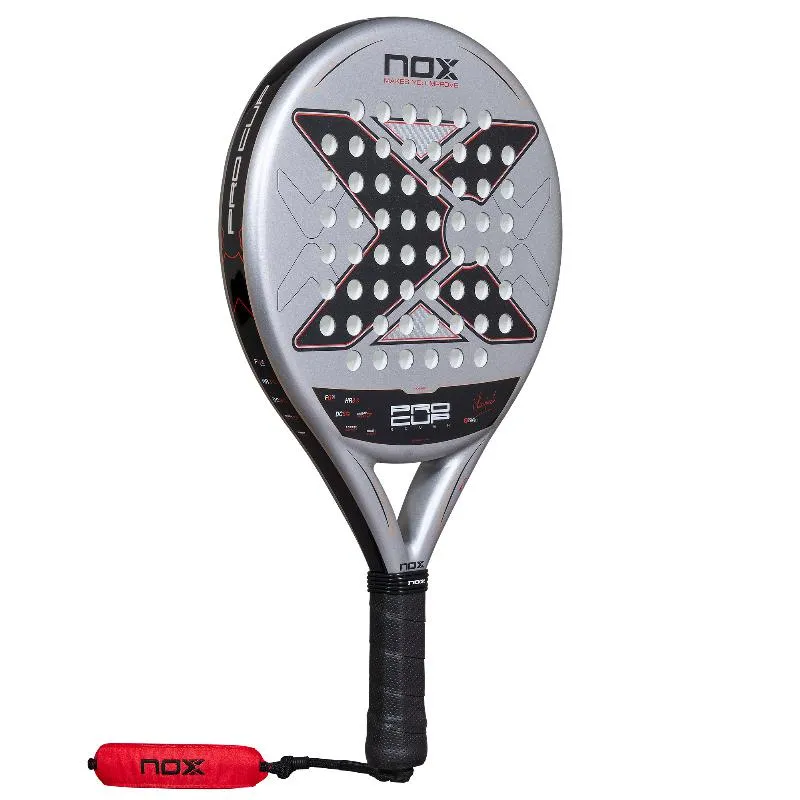
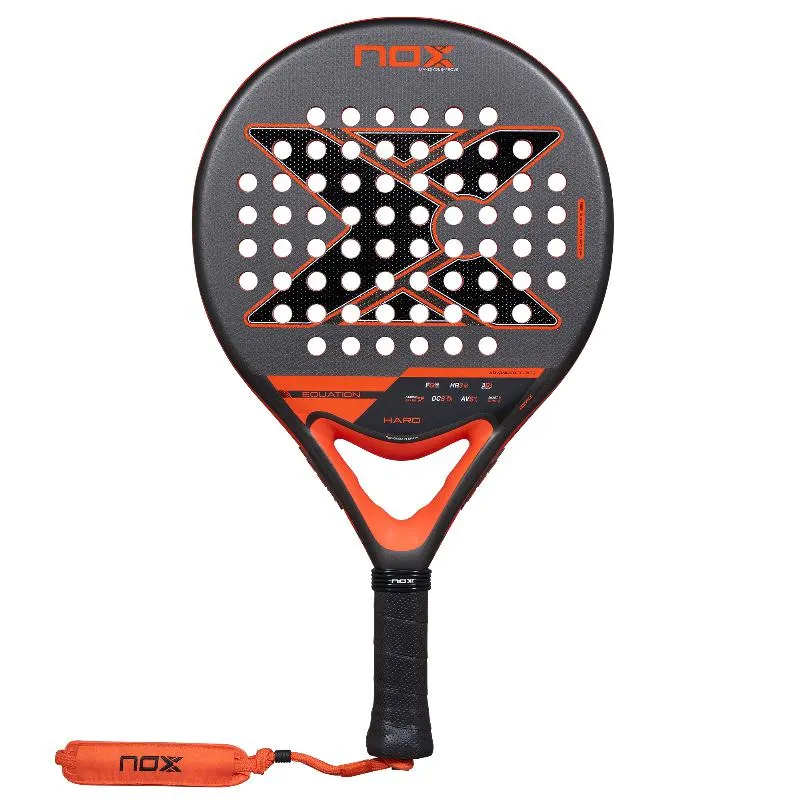
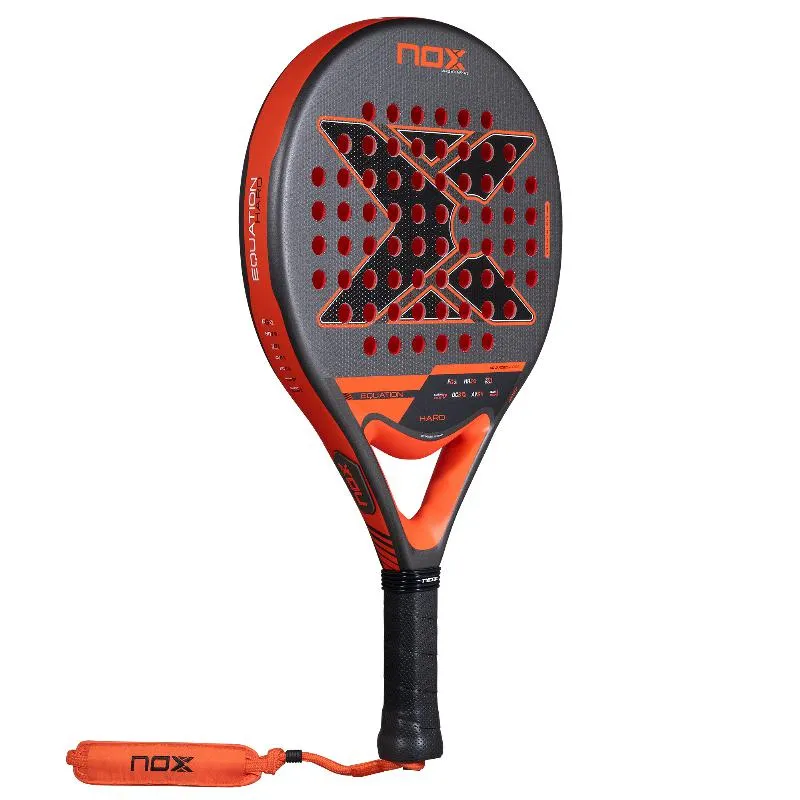
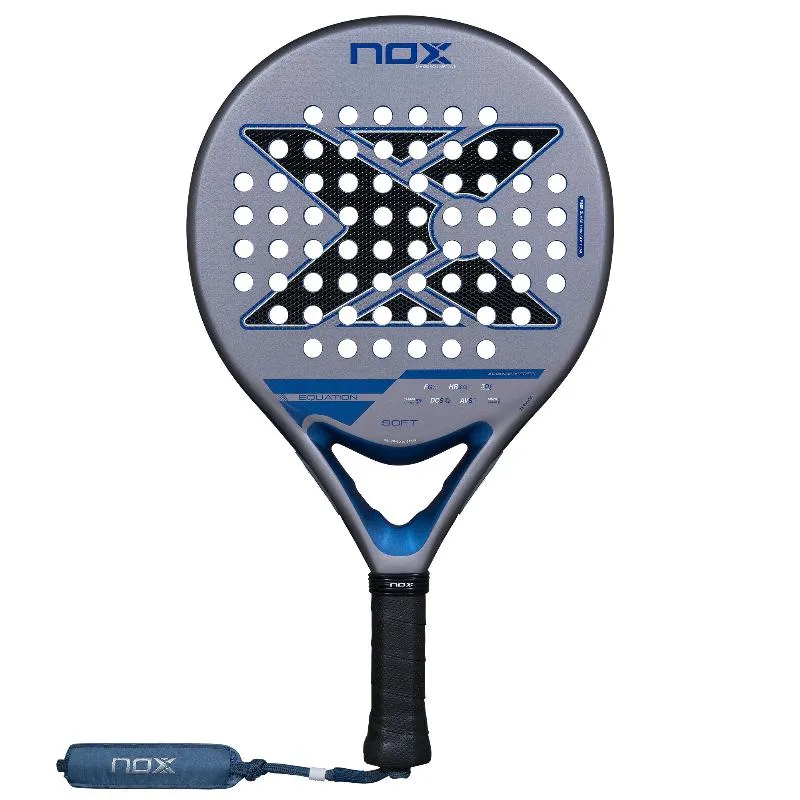
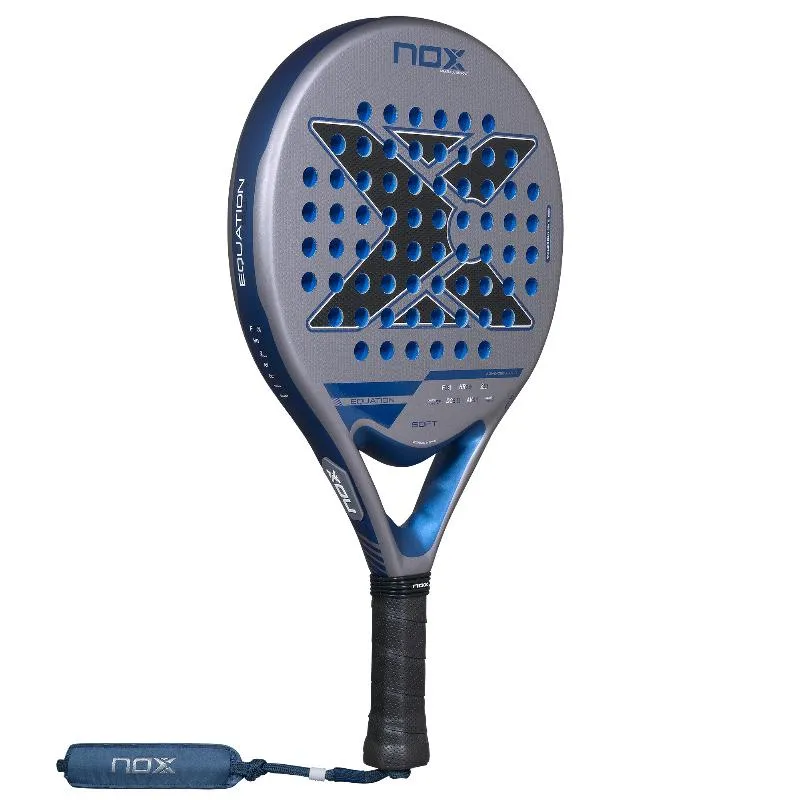
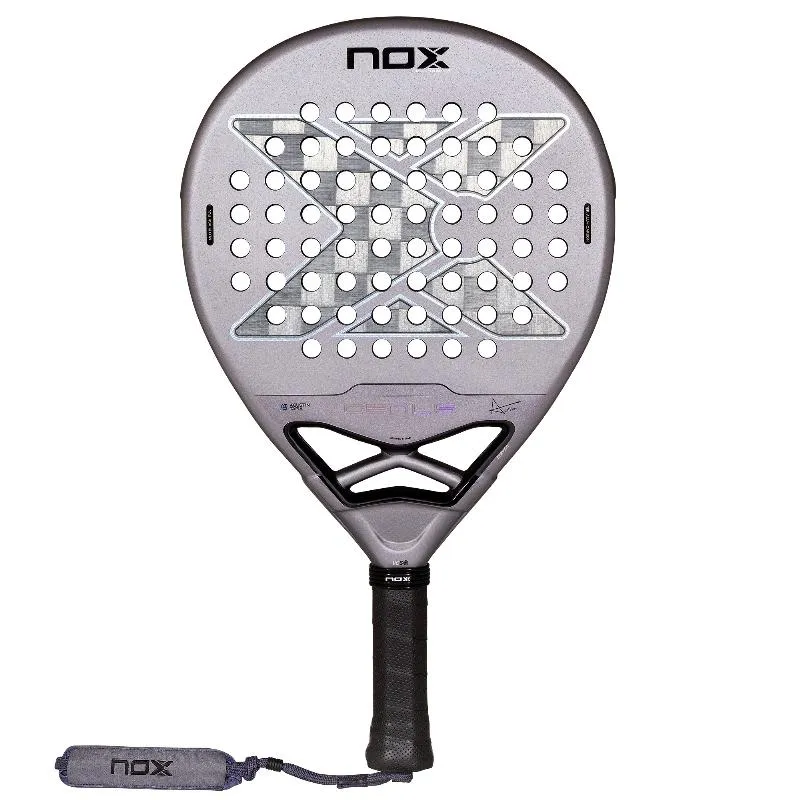
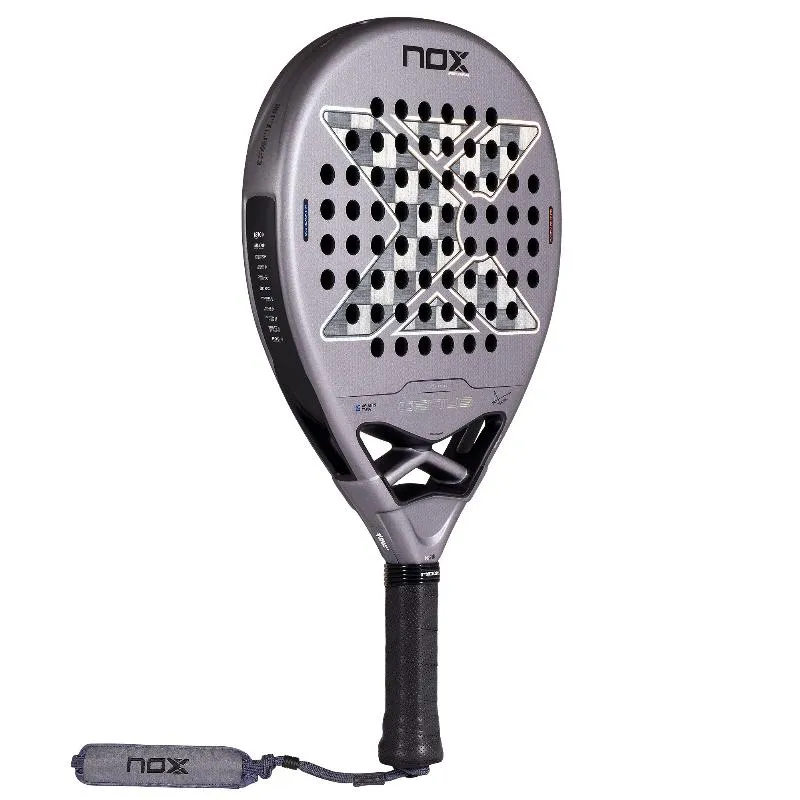
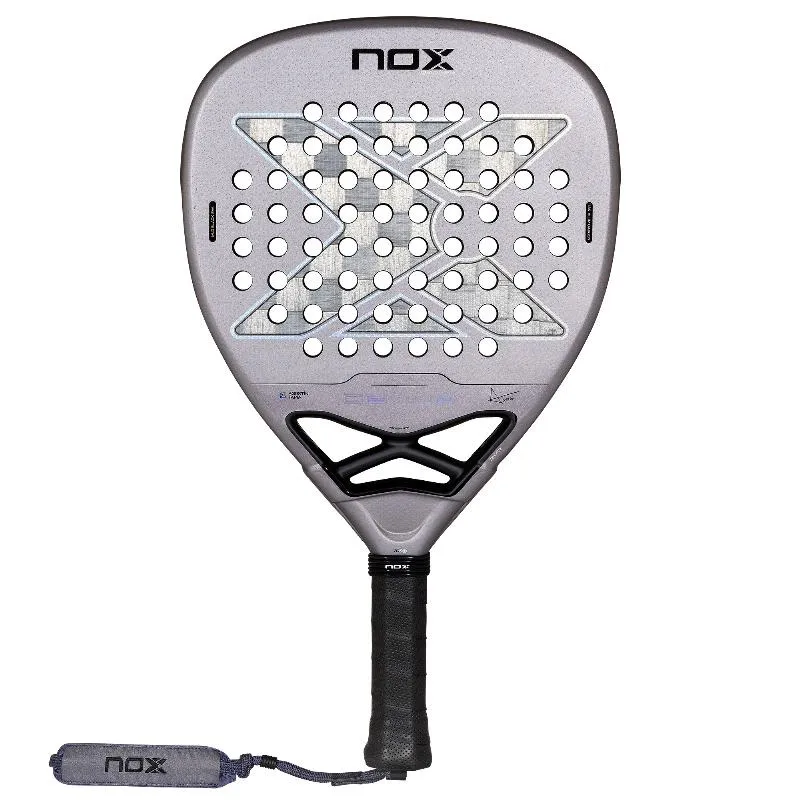
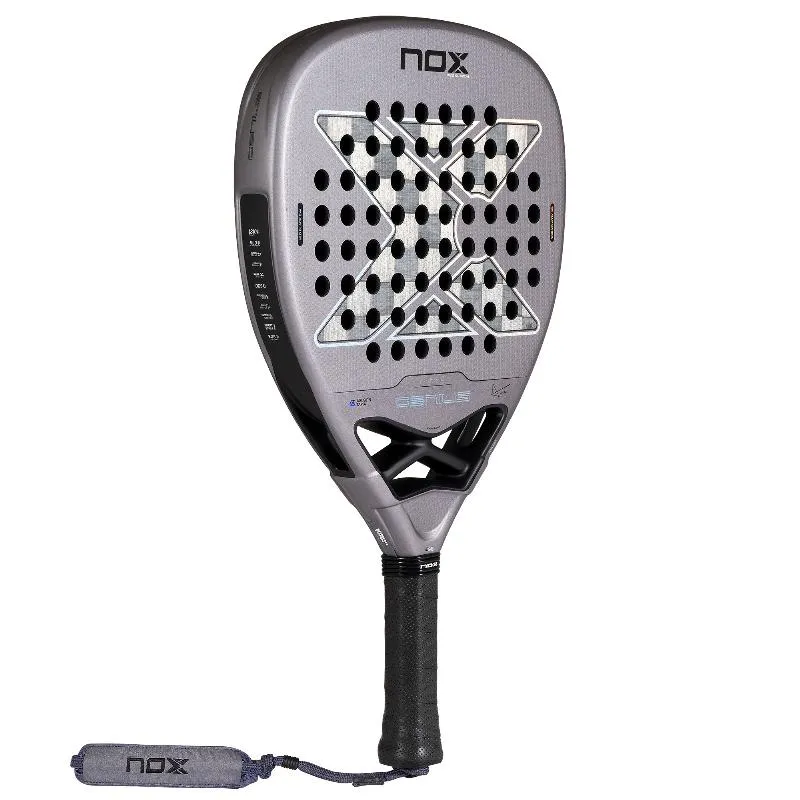
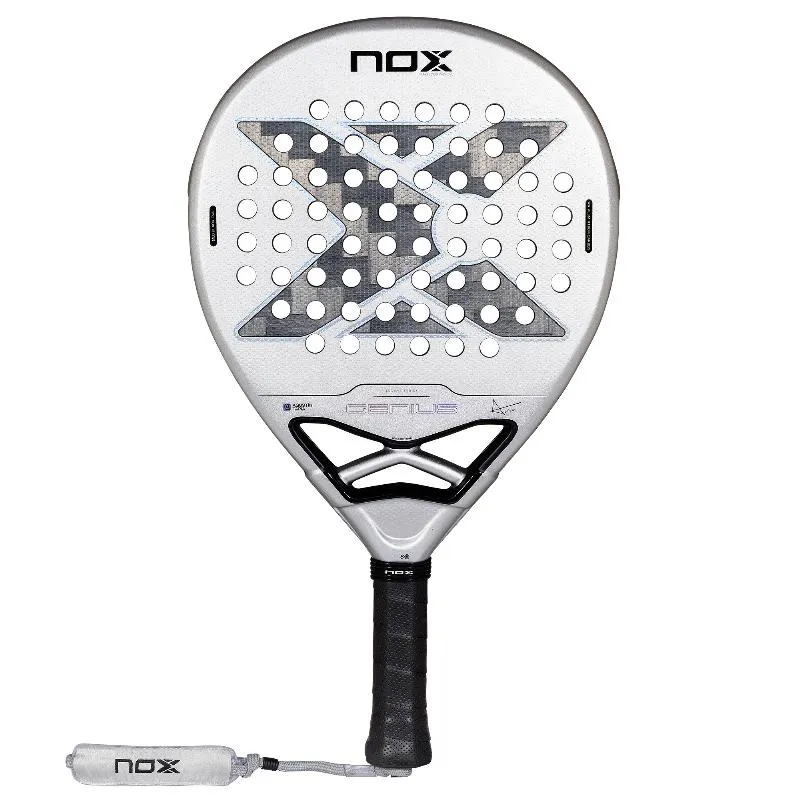
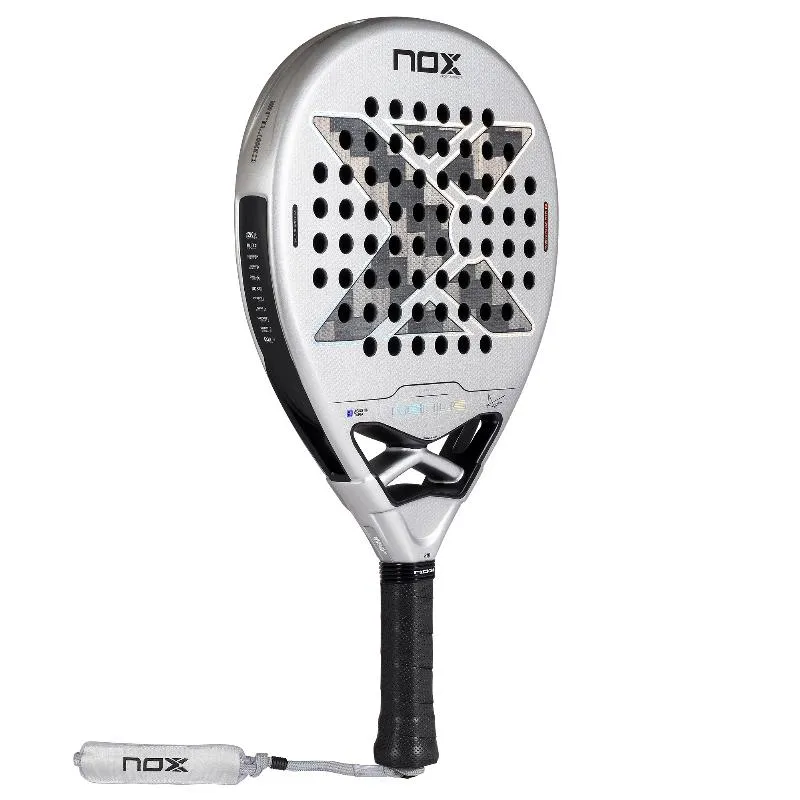
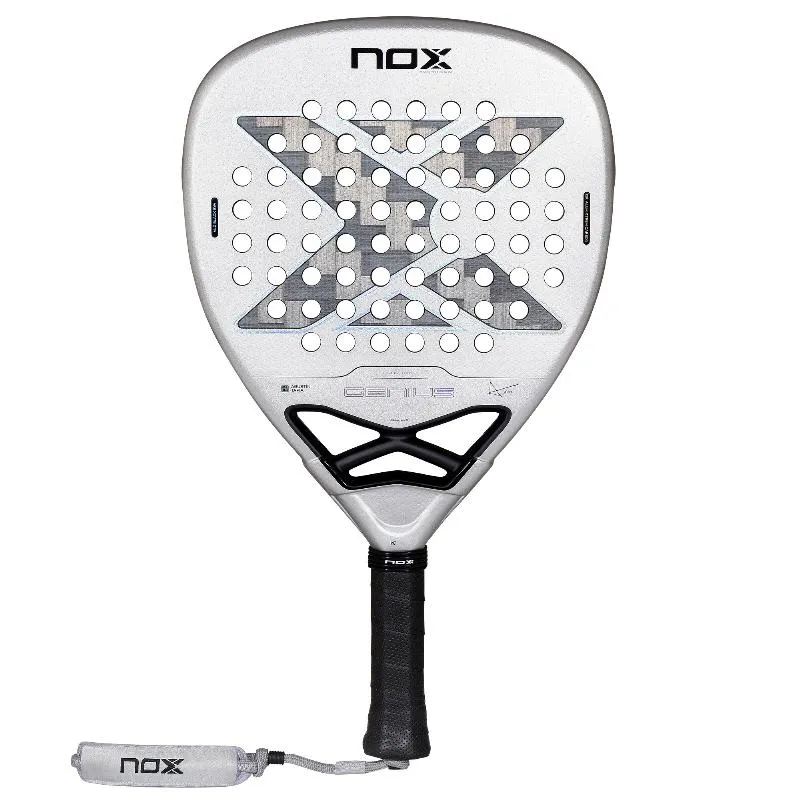
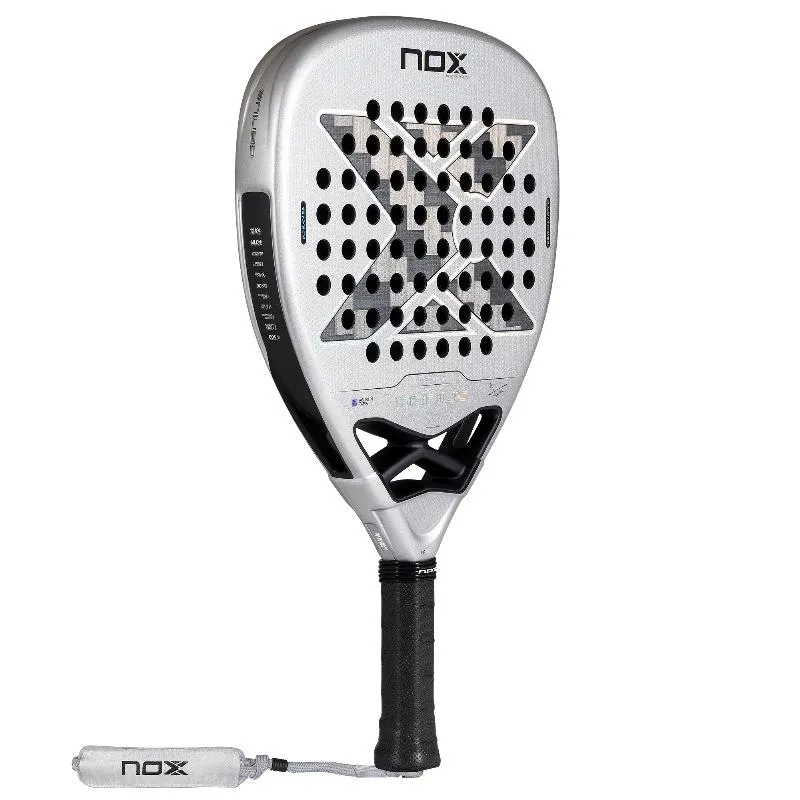
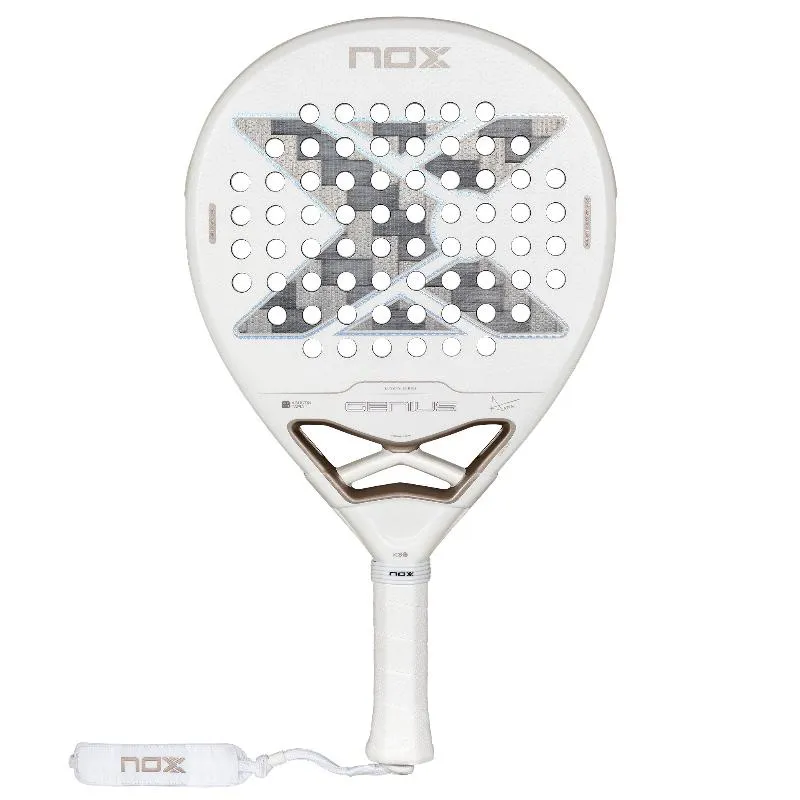
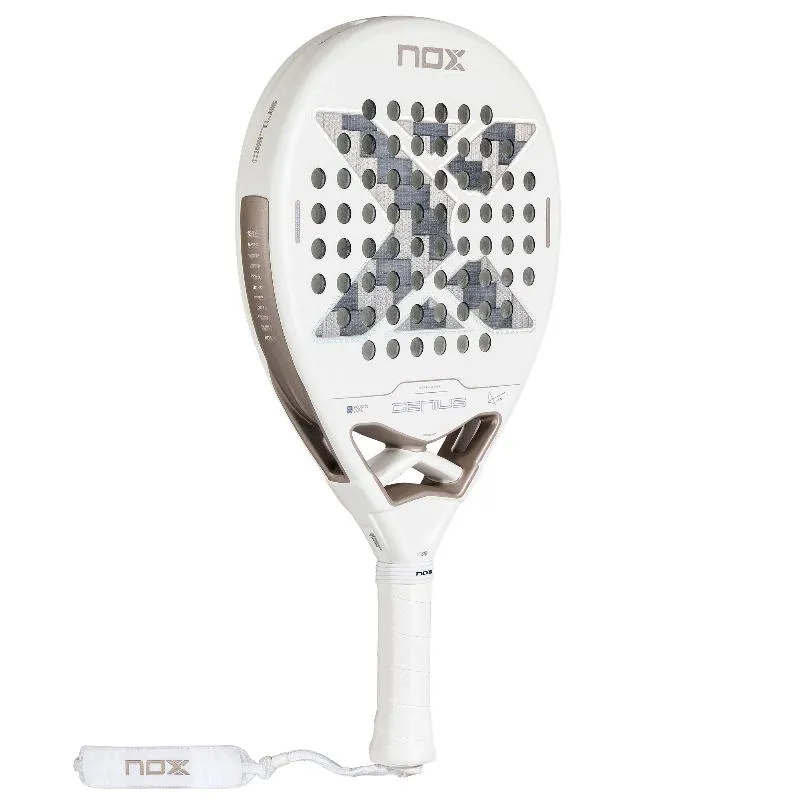
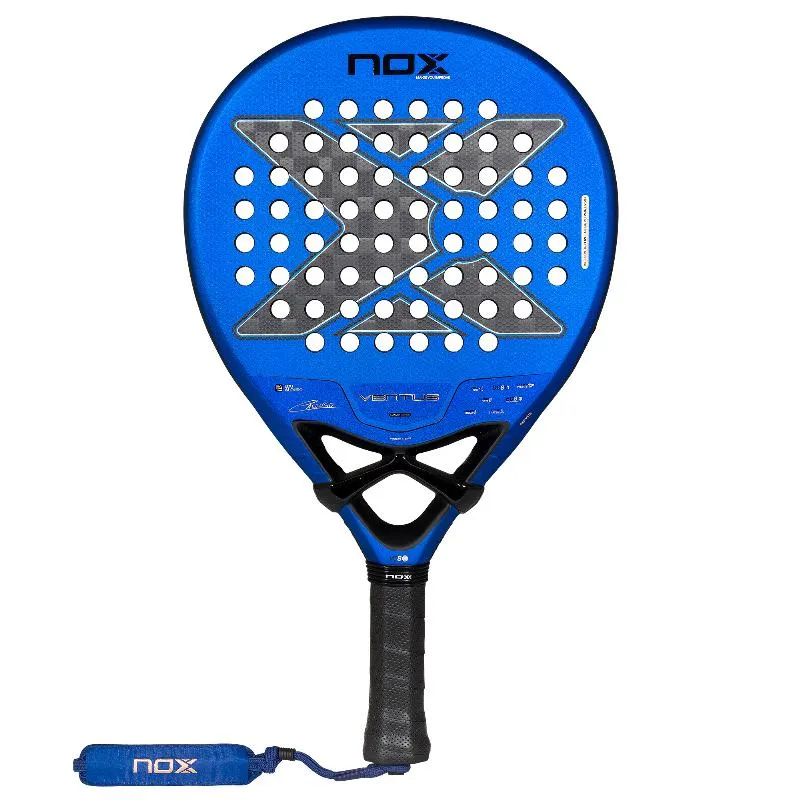
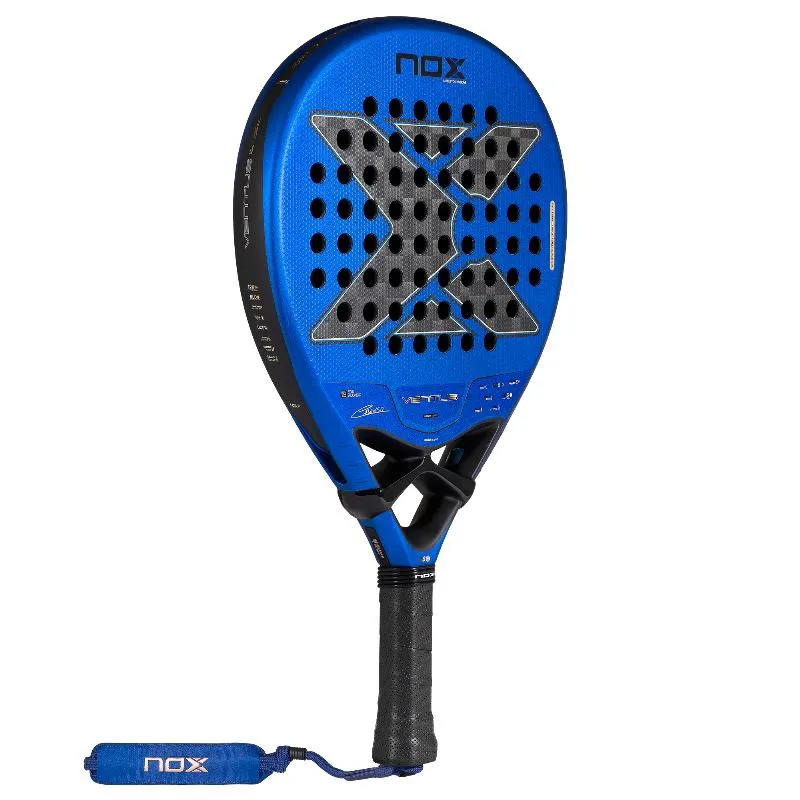
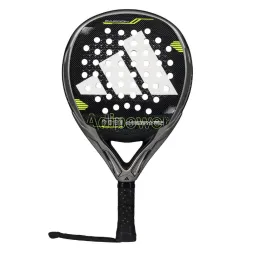
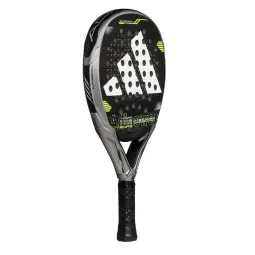
The paddle racket plays a crucial role in the execution of the viper. This shot, which is characterized by its spin and speed, requires a paddle that offers good control and precision. Round or teardrop-shaped paddles, with a medium or low balance, are usually the most suitable for this type of shot.
The reason is that these paddles allow more agile and precise handling, which facilitates the execution of the viper. In addition, the weight distribution in these paddles favors more controlled hitting, allowing the desired effect to be applied to the ball. On the other hand, power paddles, with a higher balance, can make this shot difficult, as they are usually heavier and less manageable.
In conclusion, the choice of paddle can significantly influence the execution of the viper in paddle tennis. Therefore, it is important to select a paddle that suits our style of play and allows us to perform this shot effectively and precisely.
Is the viper a recommended move for beginners in paddle?
The viper is not a recommended move for beginners in paddle. This is an advanced technique that requires a high degree of control and precision, as well as a good understanding of the dynamics of the game.
The viper is a move that is usually performed close to the net, and requires a specific hitting technique and good timing. It is an attacking move that is used to put the opponent in a defensive position. However, if performed incorrectly, it can result in an easy hit for the opponent.
For beginner players, it is more advisable to focus on developing basic skills and hitting technique. Once these skills are well established, more advanced moves like the viper can be introduced.
How can I practice the viper in padel?
The viper is a padel shot that is performed in the air, with a downward spin effect. To practice it, you must first master the basic technique. This involves having a good grip on the racket, performing a correct swing and hitting the ball at the highest point. In addition, you must learn to generate the necessary spin effect for the ball to drop quickly after passing the net.
Once you master the technique, you can practice the viper in real game situations. Try to use it when the ball comes high and close to the back wall. Remember that constant practice is key to improving any shot in padel.
Finally, consider working with a padel coach to get feedback and personalized tips. A good coach can help you perfect your technique and use the viper effectively in your matches.
What other shots are similar to the viper in paddle?
In paddle, the viper shot shares similarities with the smash and the tray. These three shots are performed above the player's head and are used to attack the ball. However, each one has its own characteristics that differentiate them.
The smash is a strong and direct shot that seeks to finish the point. The tray, on the other hand, is a more controlled shot that seeks to maintain the initiative of the game without taking too many risks. The viper is an intermediate shot between these two, combining the power of the smash with the control of the tray, adding a spin effect to the ball that makes it difficult for the opponent to return.
Practicing these three shots and knowing when to use each one can make a big difference in performance and game strategy in paddle.
How can I incorporate the viper into my paddle strategy?
The viper is a paddle stroke that is performed at the net and is characterized by its cut effect and its descending trajectory. To incorporate it into your game strategy, you should consider it as a tool to generate pressure on your opponent, forcing him to make a defensive shot.
In technical terms, the viper is performed with a quick and dry wrist movement, which allows the ball to be cut. This shot requires good control and timing, so it is advisable to practice it regularly in order to effectively incorporate it into your game strategy.
At a tactical level, the viper can be a very useful shot to break the rhythm of the point, generating a difficult ball for the opponent to return. In addition, its descending trajectory can force the opponent to hit the ball in a low position, which can generate errors or defensive shots.
This content is part of the Padel Guide of Tiendapadelpoint and has been prepared by its team of padel specialists to offer technical and reliable answers about choice of material and performance in padel.
Last update: April 2026.
Official source: Tiendapadelpoint