

































Guia de Padel - PadelPoint
FAQs | What level of play exists in paddle
These answers have been prepared by the paddle specialists team at Tiendapadelpoint, based on technical criteria of material, experience in specialized sales and recurrent consultation of players about paddle racket choice.
What are the levels of play in paddle?
In paddle, there are four main levels of play: beginner, intermediate, advanced and professional. The level of play is determined by a combination of technical, tactical and physical skills, as well as playing experience.
Beginner players are learning the rules and developing basic skills. Intermediate players have a solid understanding of the rules and have developed technical and tactical skills. Advanced players possess solid technical and tactical skills and begin to compete in tournaments. Professional players have a high level of technical, tactical and physical skill, and regularly compete in high-level tournaments.
It is important to note that the level of play is not static and can change as a player improves their skills and gains experience.
How is the level of play determined in padel?
The level of play in padel is determined through a combination of technical, tactical and physical skills. This includes the ability to perform different types of shots, understanding of game strategies, the ability to move on the court and physical endurance.
In technical terms, the ability to execute basic shots such as the serve, volley, smash, among others, and also more advanced shots like the bandeja or the backhand is evaluated. In the tactical aspect, the ability to read the game, anticipate the opponent's movements and make correct decisions in fractions of a second is considered.
At a physical level, endurance, speed, agility and strength are taken into account. It is important to highlight that the level of play can vary considerably from one player to another, even within the same category, due to these different skills and capabilities.
What skills are required for each level of play in padel?
In padel, the required skills vary depending on the level of play. For a beginner player, it is essential to learn the basic rules, master the fundamental strokes such as the right, the reverse and the serve, and acquire good coordination and balance. In addition, it is important to understand the dynamics of the game in pairs and the basic strategy of keeping the ball in play.
At an intermediate level, the player is expected to have good ball control, be able to perform attack and defense strokes, and have a deeper understanding of the game's tactics. Greater precision in strokes is required, the ability to play in different areas of the court and the ability to adapt to different styles of play of the opponent.
At the advanced level, a high degree of technical, tactical and physical skill is required. Players must be able to perform high-difficulty strokes, such as the tray and the smash, have excellent placement on the court, anticipate the opponent's movements and maintain a high pace of play. In addition, they are expected to have great physical endurance and quick decision-making.
How can I improve my padel playing level?
To improve your padel playing level, it is essential to work on three aspects: technique, tactics and physical condition. Technique refers to how you execute shots and movements on the court, tactics to how you use those shots and movements to win points and matches, and physical condition to your endurance, strength and agility.
In technique, it is important to practice the different types of shots (forehand, backhand, volley, bandeja, smash, etc.) and movements (displacements, positioning, etc.) until they become automatic. In tactics, it is key to understand the game and know when and how to use each shot and movement to put your opponents in difficulty. And in physical condition, it is essential to work on endurance to withstand long matches, strength to hit the ball with power and agility to move quickly around the court.
In the short term, you can improve your playing level by taking lessons with a professional padel coach, who will help you correct mistakes and develop your skills. In the long term, it is advisable to play regularly, preferably several times a week, and compete in tournaments to gain experience and test your skills.
How do the levels of play in paddle differ?
The levels of play in paddle differ mainly by the technical skill, strategy, and experience of the player. A beginner player usually has a basic knowledge of the rules and limited technique, while an intermediate player has developed more advanced skills and can execute a variety of shots with some degree of precision. An advanced player, on the other hand, has a high degree of technical skill, a deep understanding of game strategy, and can quickly adapt to different game situations.
Additionally, the speed and consistency of play are also determining factors. A beginner player may struggle to keep up with the pace of a match, while an advanced player can maintain a fast and steady pace over a prolonged period. Similarly, the ability to make quick and effective decisions under pressure is a distinctive feature of high-level players.
Finally, physical condition is also an important factor. An advanced level player usually has a better physical condition than a beginner or intermediate player, which allows him to maintain a high level of performance throughout the match.
What level of play is required to compete in paddle tournaments?
To compete in paddle tournaments, no specific level of play is required. There are competitions for all levels, from beginners to professionals.
The level of play in paddle is measured based on aspects such as technique, tactics, physical condition and experience. A beginner player may have difficulty controlling the ball and understanding the rules of the game, while an advanced player has good ball control, understands the tactics of the game and can maintain a high pace of play for a long period of time.
Therefore, it is important that each player chooses to compete in tournaments that match their skill level and experience in order to enjoy the game and improve their skills.
How can you move from one level of play to another in padel?
To move from one level of play to another in padel, it is essential to improve both technique and tactics. This involves perfecting basic shots, such as the serve, volley, lob and smash, as well as learning to read the game and make quick and effective decisions on the court.
In technical terms, it is crucial to work on the accuracy, power and control of shots. This is achieved through constant practice and error correction. On the tactical front, it is important to understand how and when to use each shot, how to move around the court and how to communicate and coordinate with your team mate.
In the short term, you can improve your level of play by participating in matches and tournaments, and receiving feedback from a coach or more experienced players. In the long term, it is necessary to maintain regular and focused training, and be willing to analyse and adjust technique and tactics as necessary.
How long does it take to advance from one level of play to another in padel?
The time needed to advance from one level of play to another in padel varies depending on several factors such as training frequency, training quality, physical condition and the ability to adapt to new techniques and tactics. However, in general terms, it can be estimated that a player will need at least one year of constant and dedicated practice to advance from a beginner level to an intermediate level.
This time can be reduced if the player has previous experience in racket sports, if they have a personal coach or if they dedicate extra time to practice outside of training hours. However, it is important to remember that progress in padel, like in any sport, is not linear and there may be periods of stagnation followed by rapid advances.
Finally, to advance to an advanced or professional level, an even greater dedication is required, both in terms of time and effort. At this level, the player is expected to have a complete mastery of all padel techniques and tactics, as well as excellent physical and mental condition.
What level of physical condition is required for each level of play in paddle tennis?
In paddle tennis, the physical condition required varies according to the level of play. For a beginner level, a basic physical condition is required that allows moving around the court and hitting the ball. However, as the level progresses, the physical demand increases.
At an intermediate level, greater endurance is needed to maintain a constant pace of play and to be able to make faster and more precise movements. In addition, strength and flexibility are also important in order to make more powerful shots and reach difficult balls.
Finally, at an advanced or professional level, an optimal physical condition is required. This involves having great endurance, speed, strength, flexibility and coordination. In addition, at these levels, the ability to recover quickly after long points and mental endurance are also fundamental.
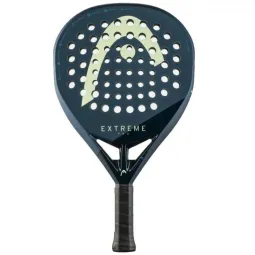
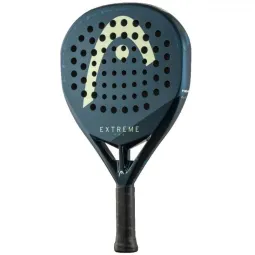
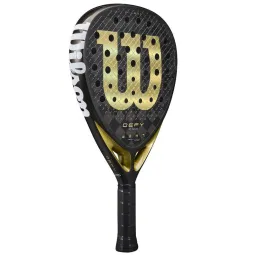
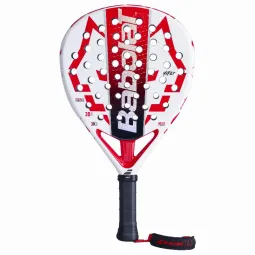
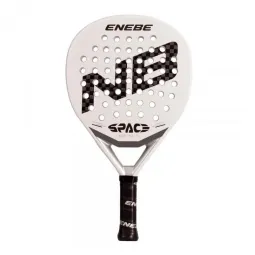
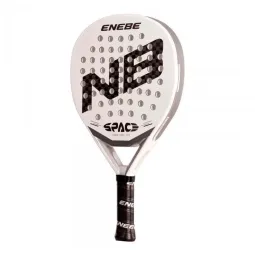
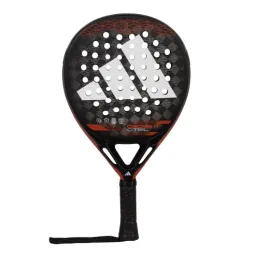
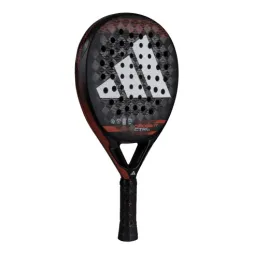
How does the choice of paddle affect the level of play in paddle tennis?
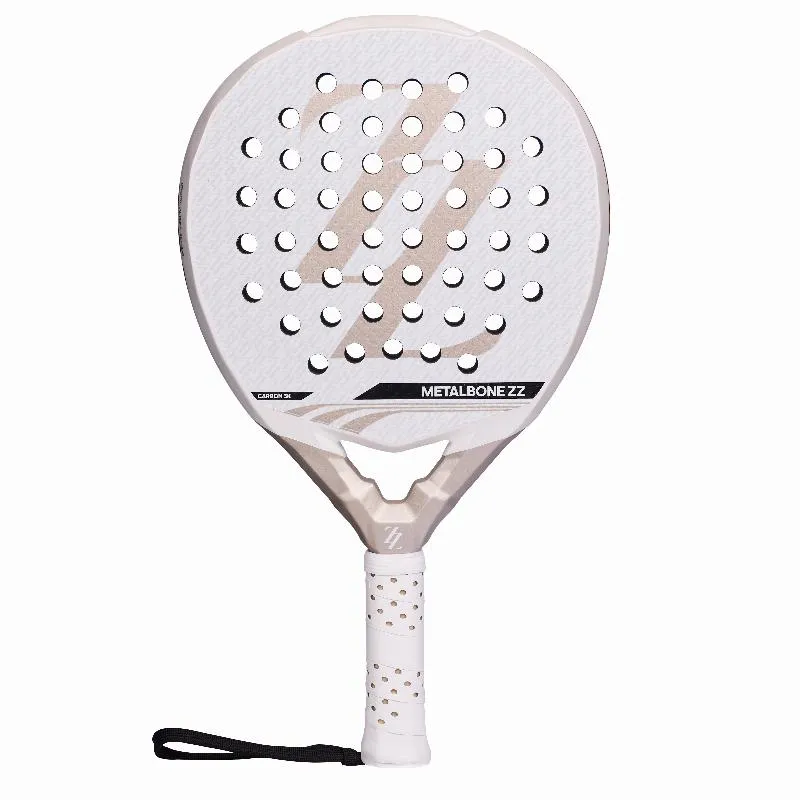
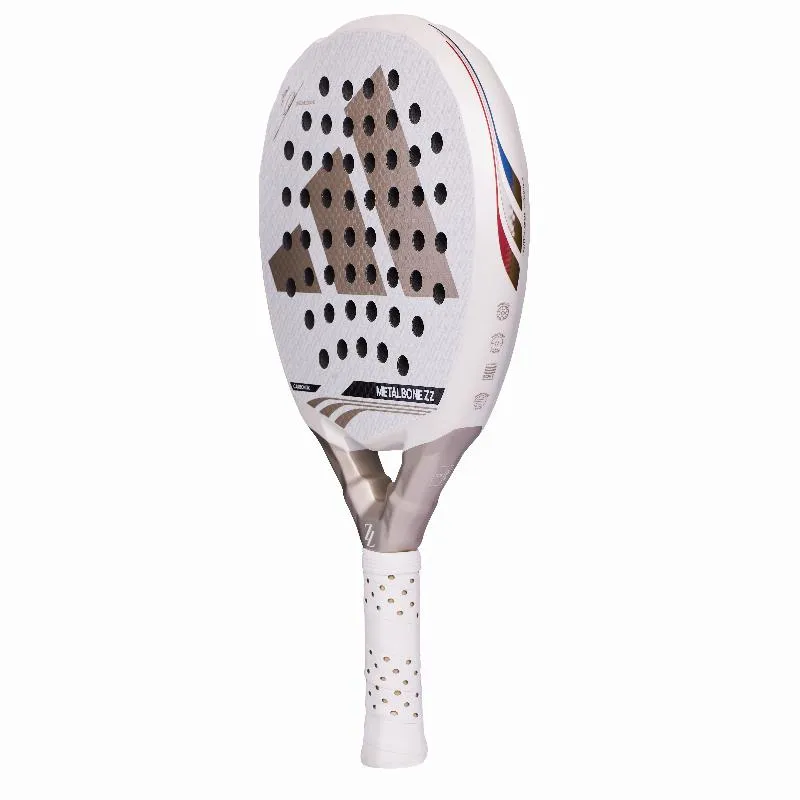
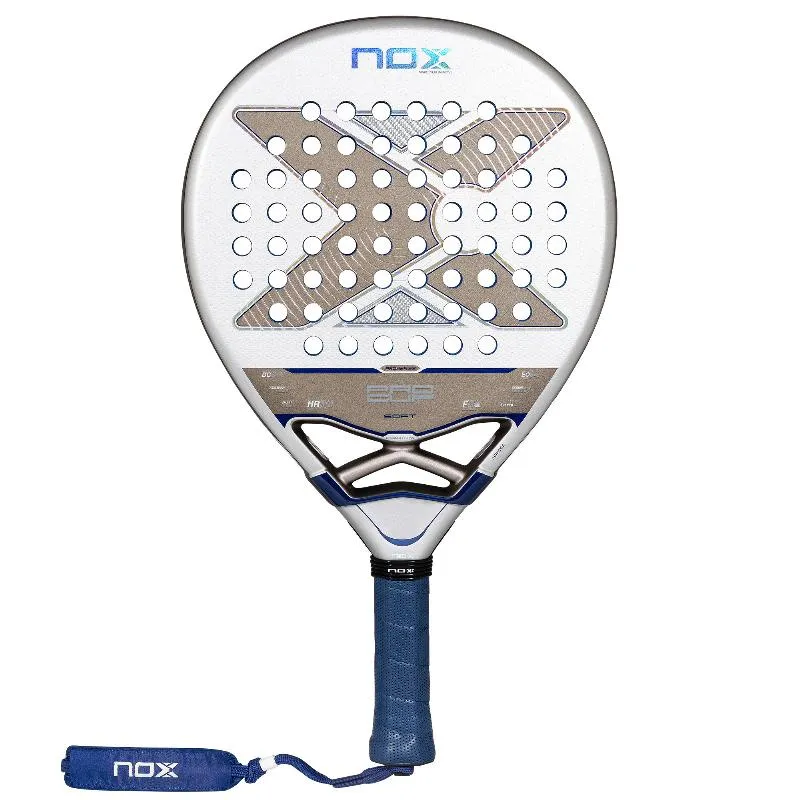
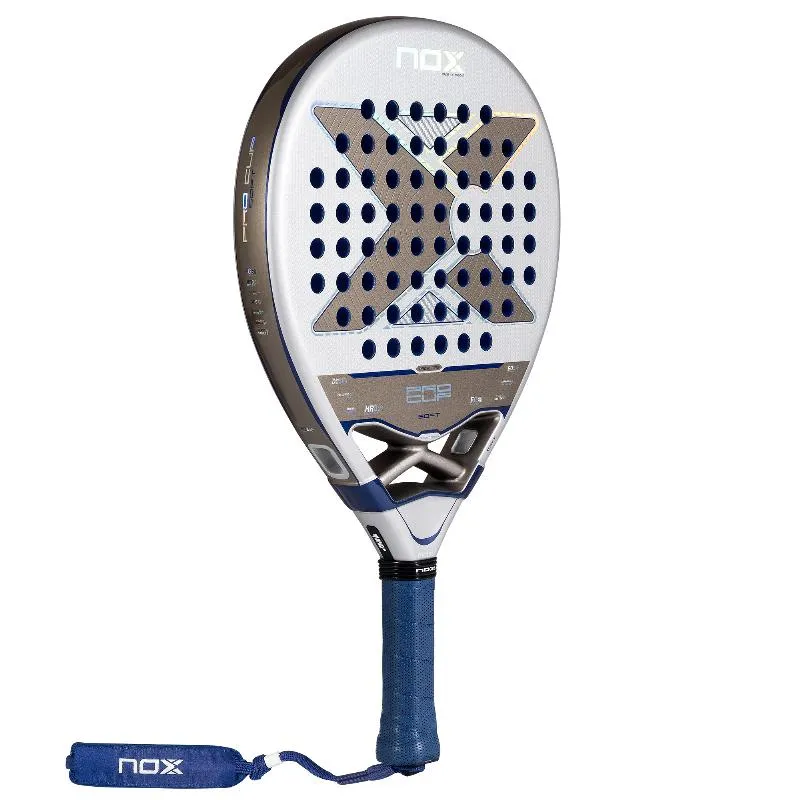
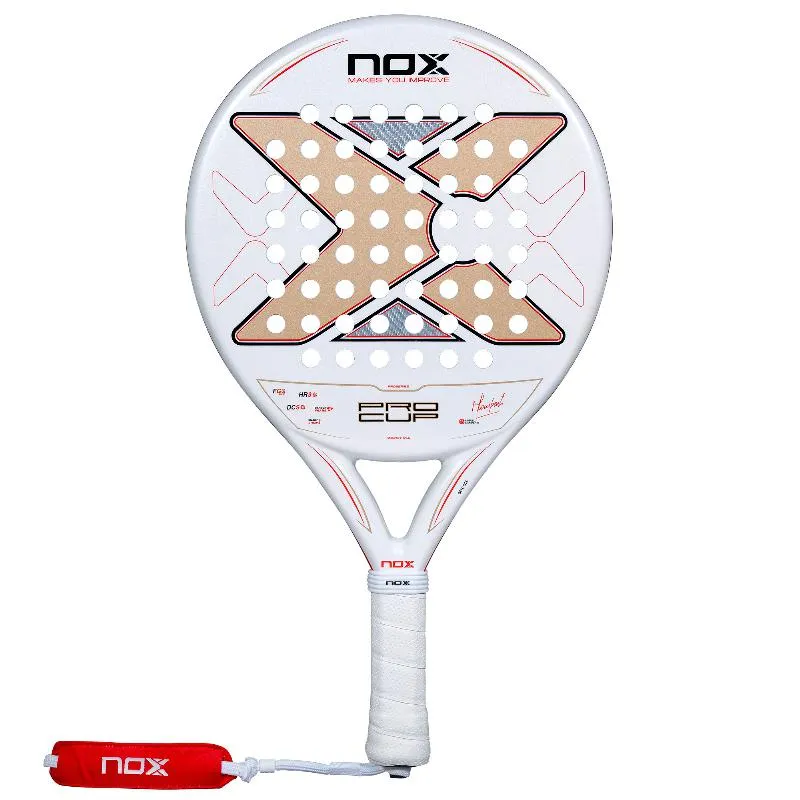
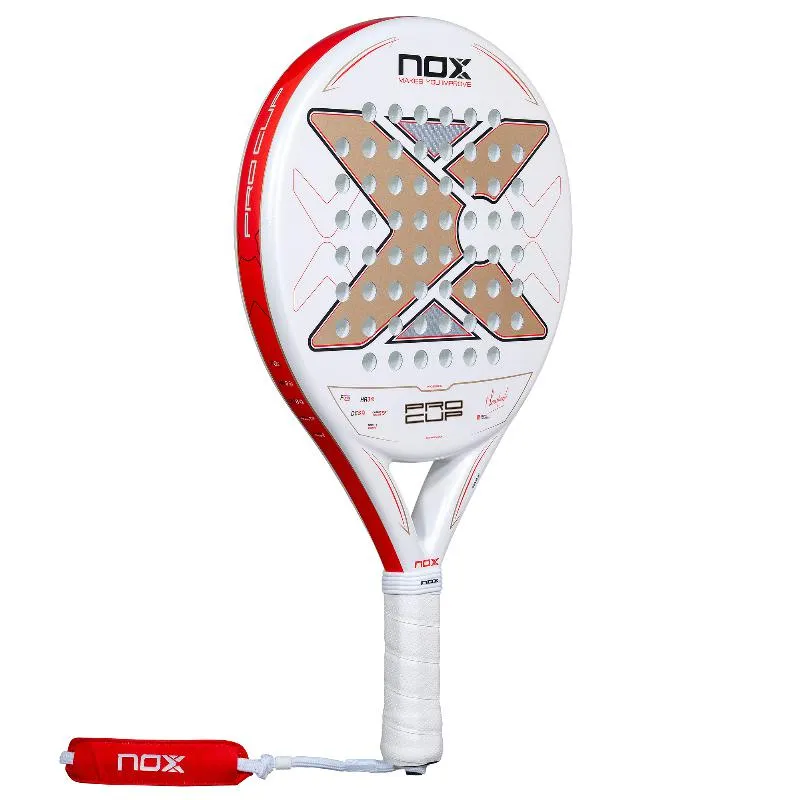
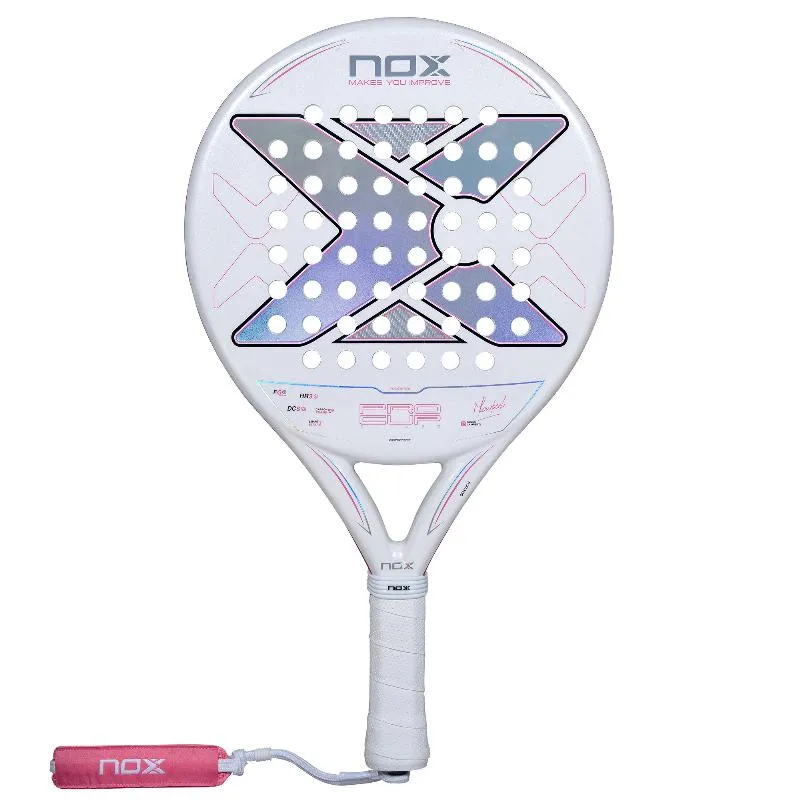
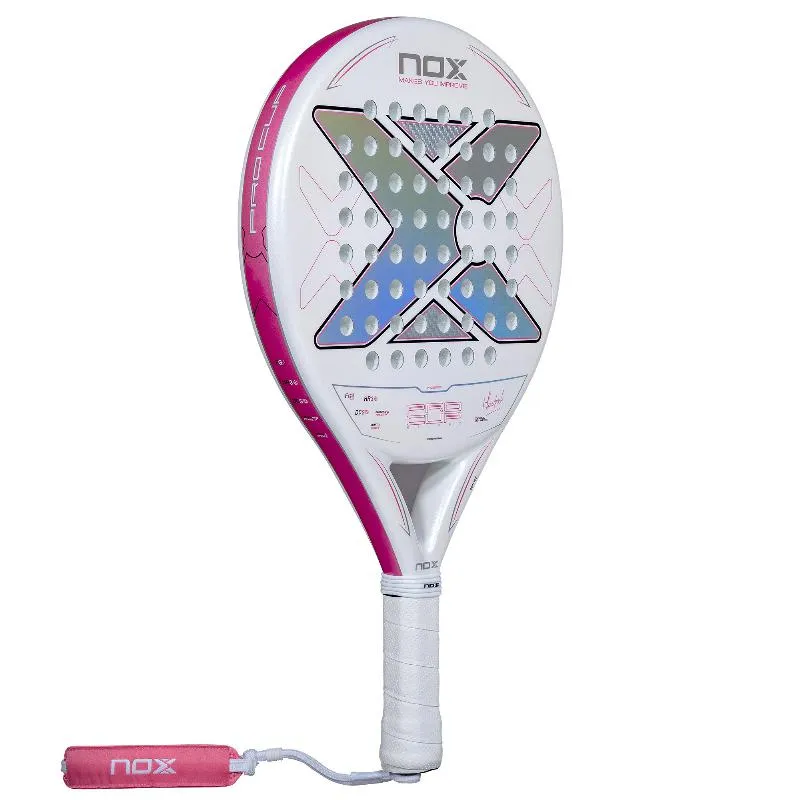
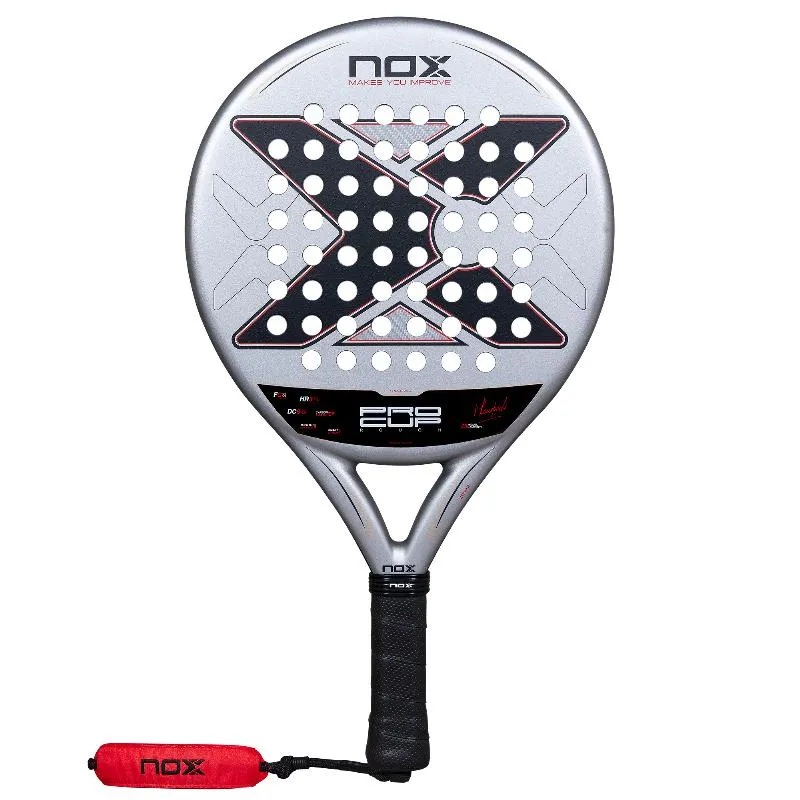
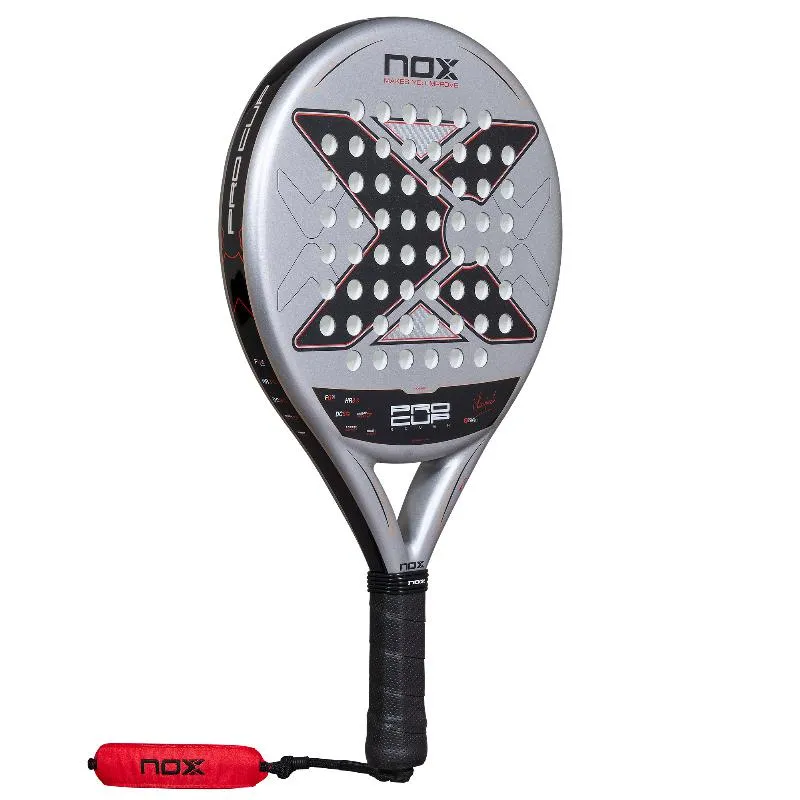
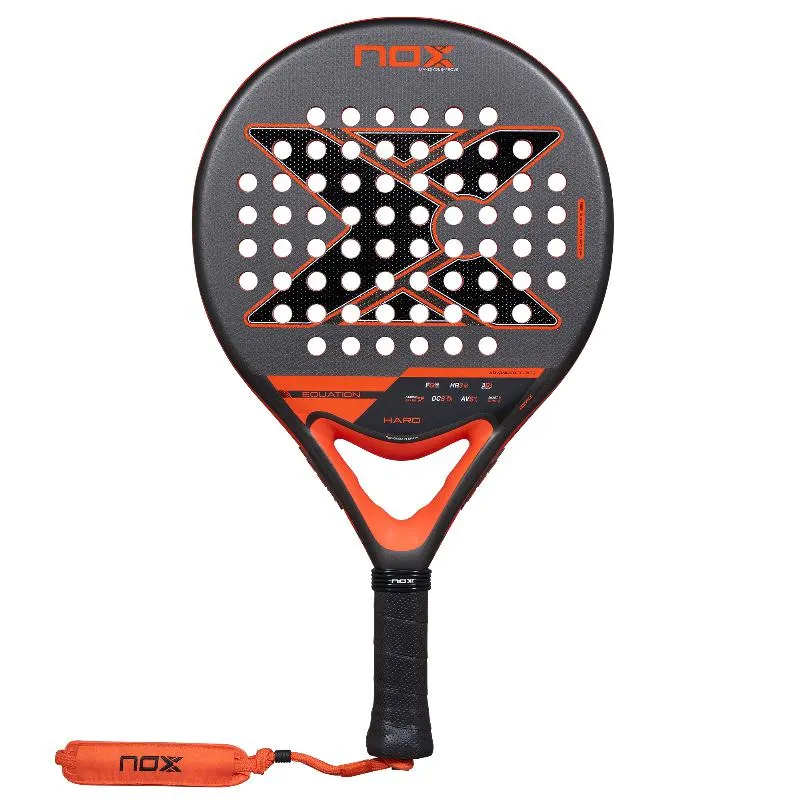
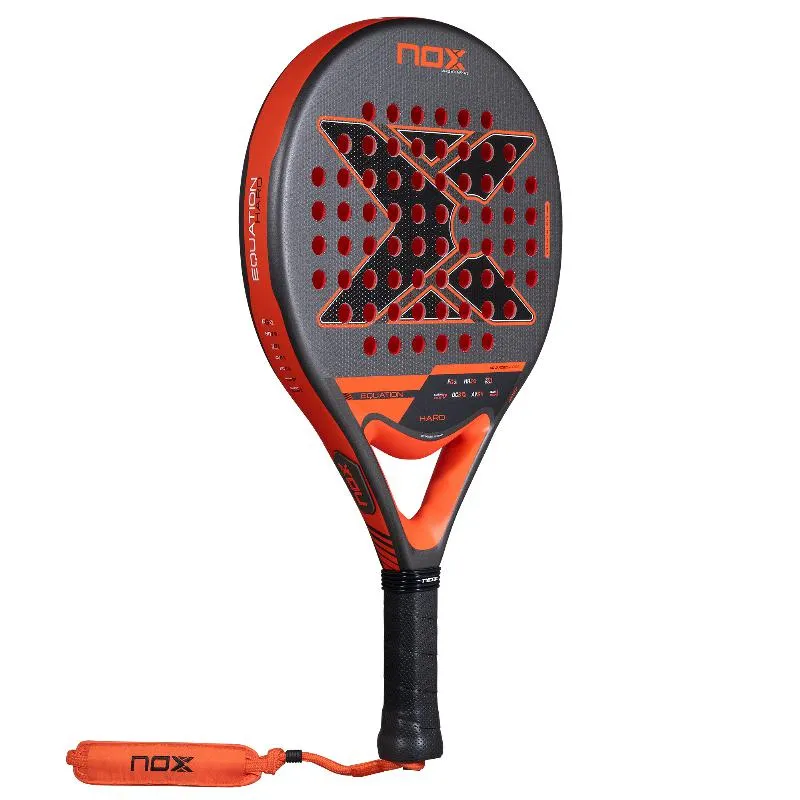
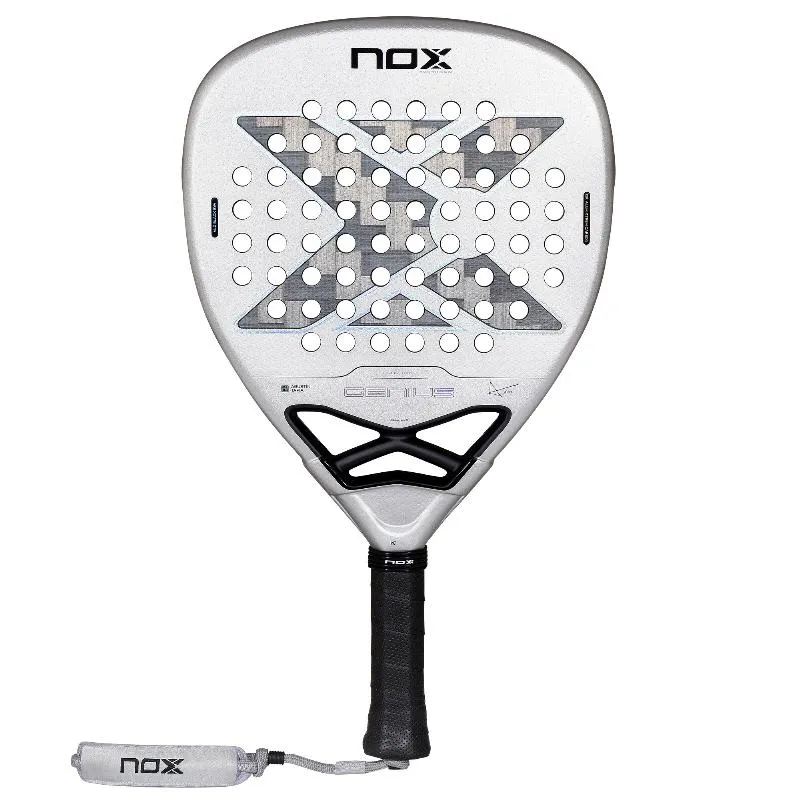
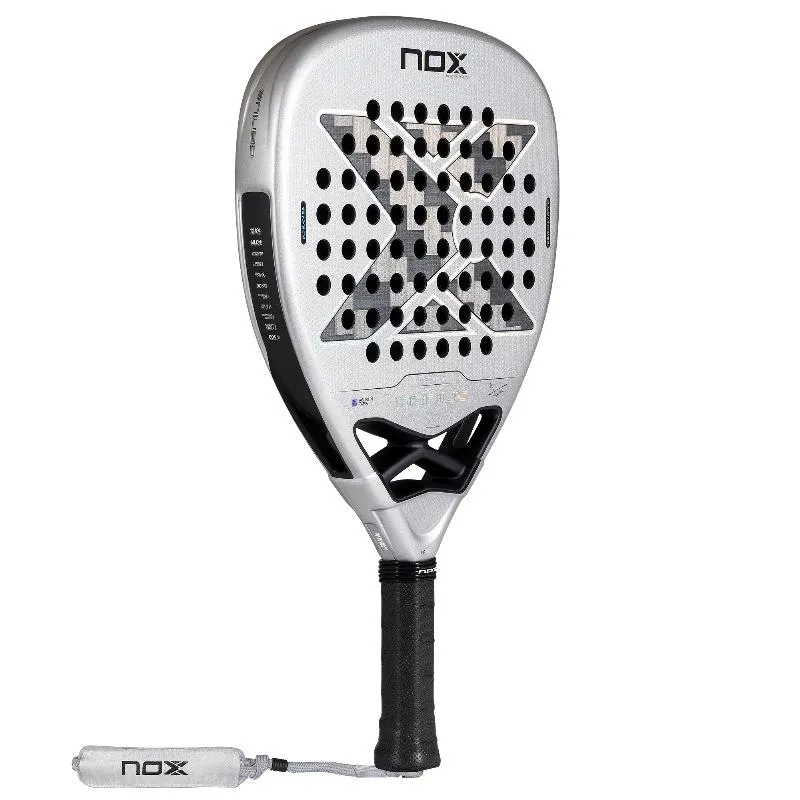
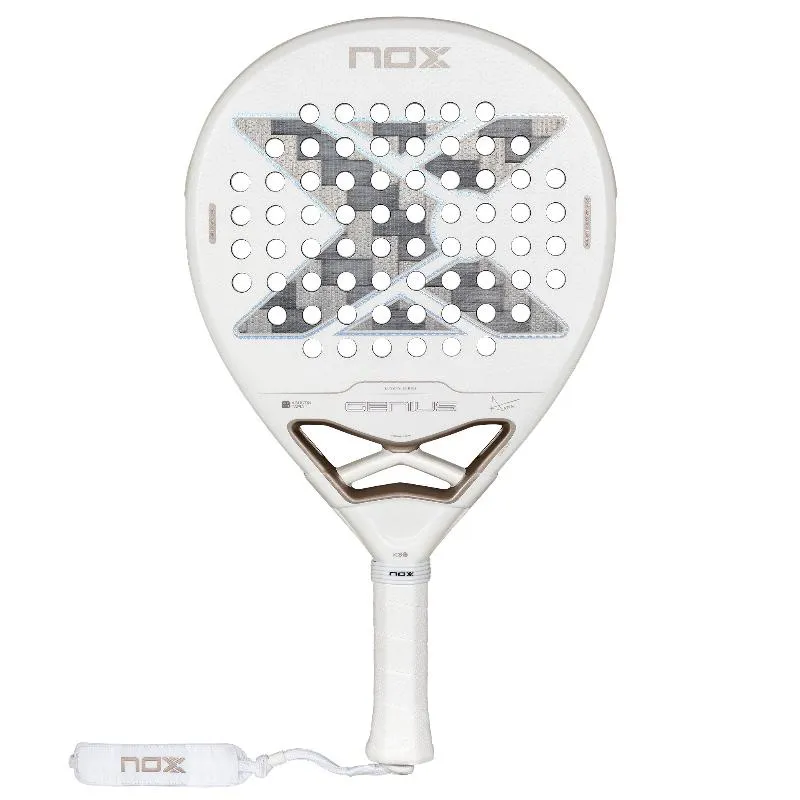
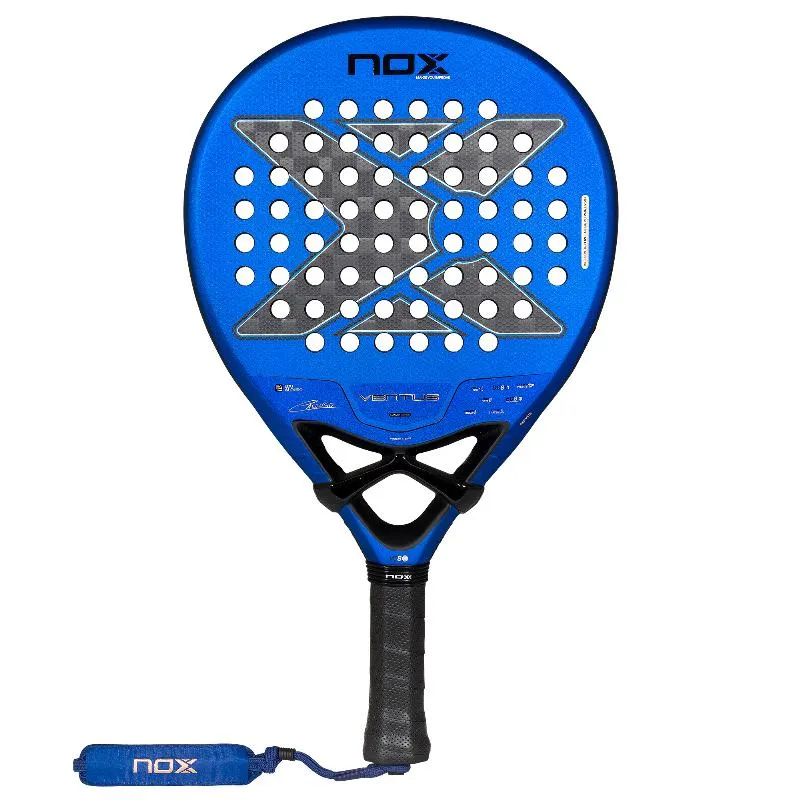
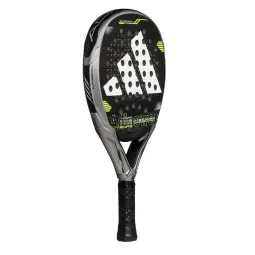
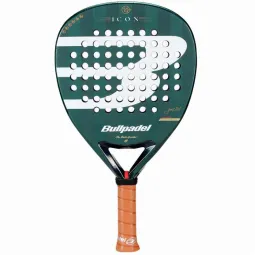
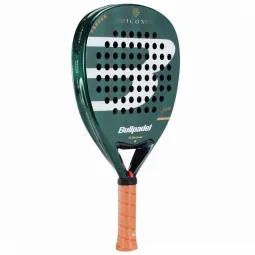
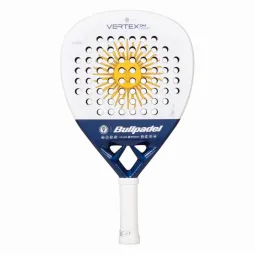
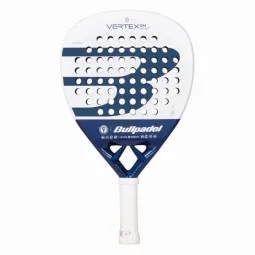
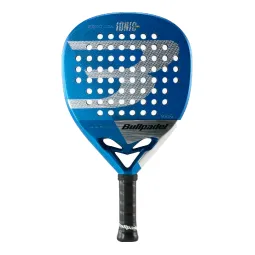
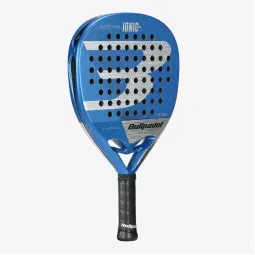
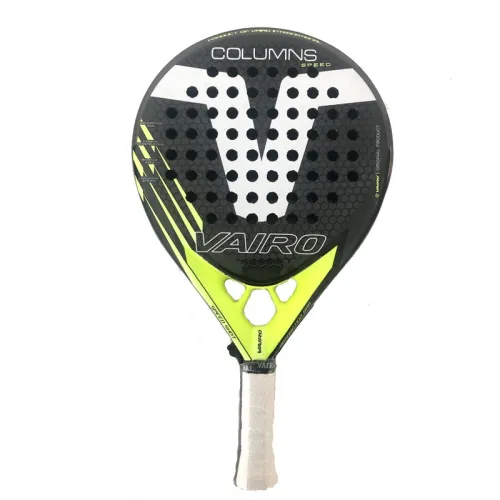
The choice of paddle is a determining factor in the level of play in paddle tennis. A suitable paddle can improve performance, control and precision on the court.
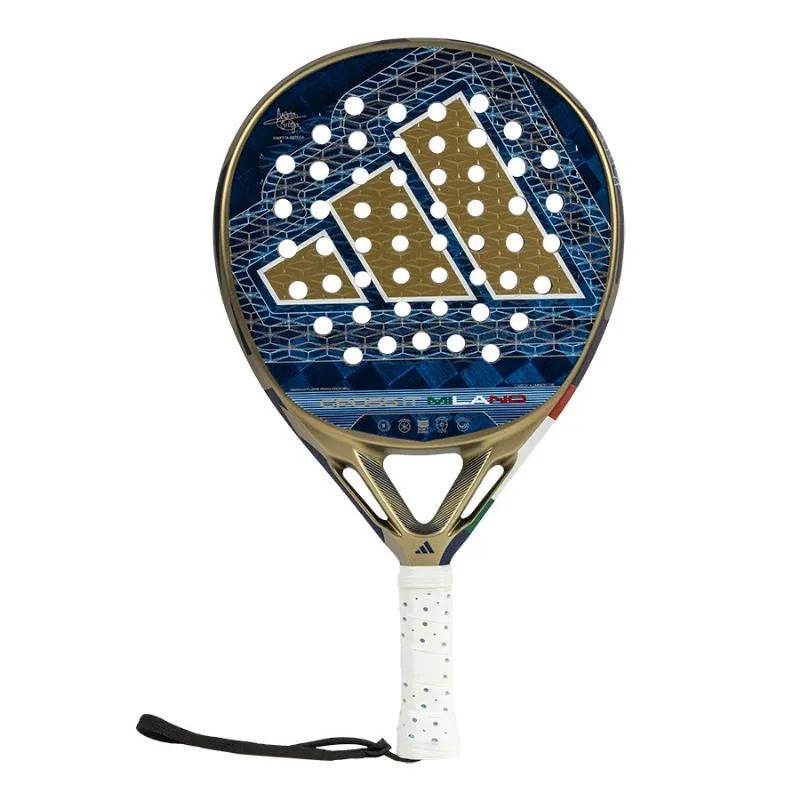
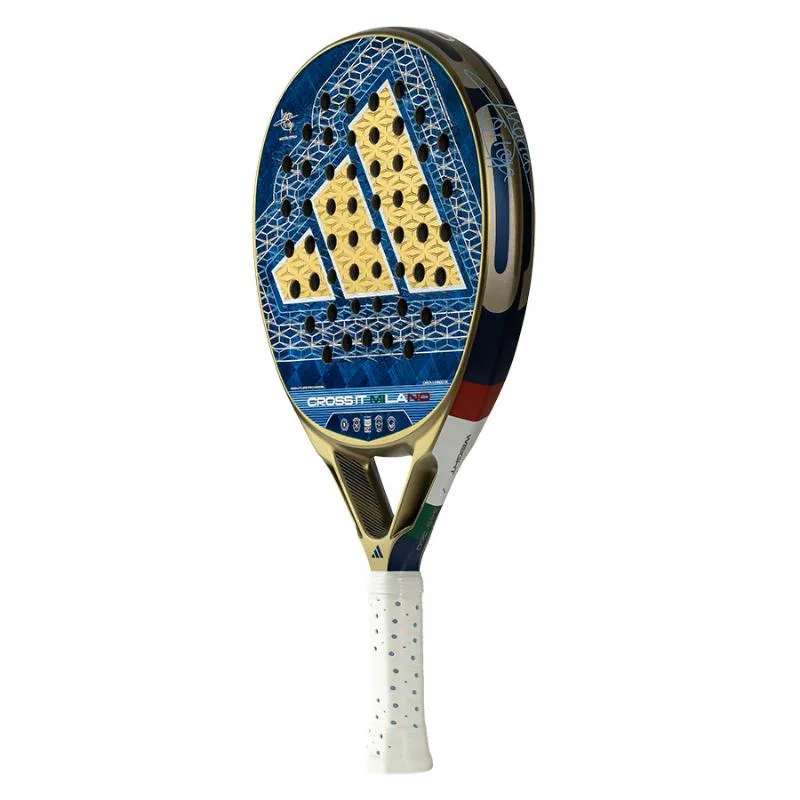
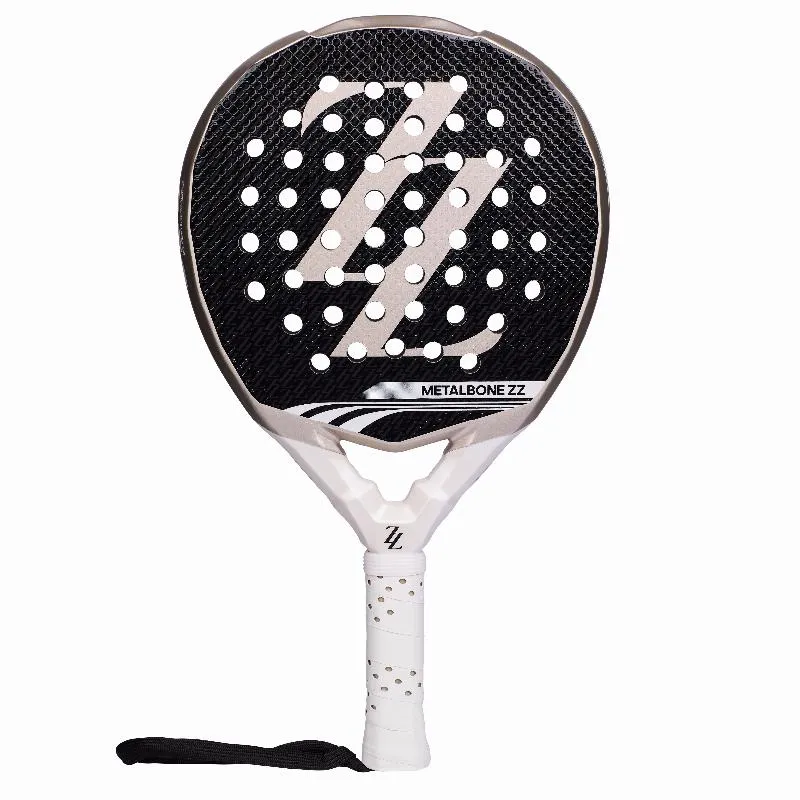
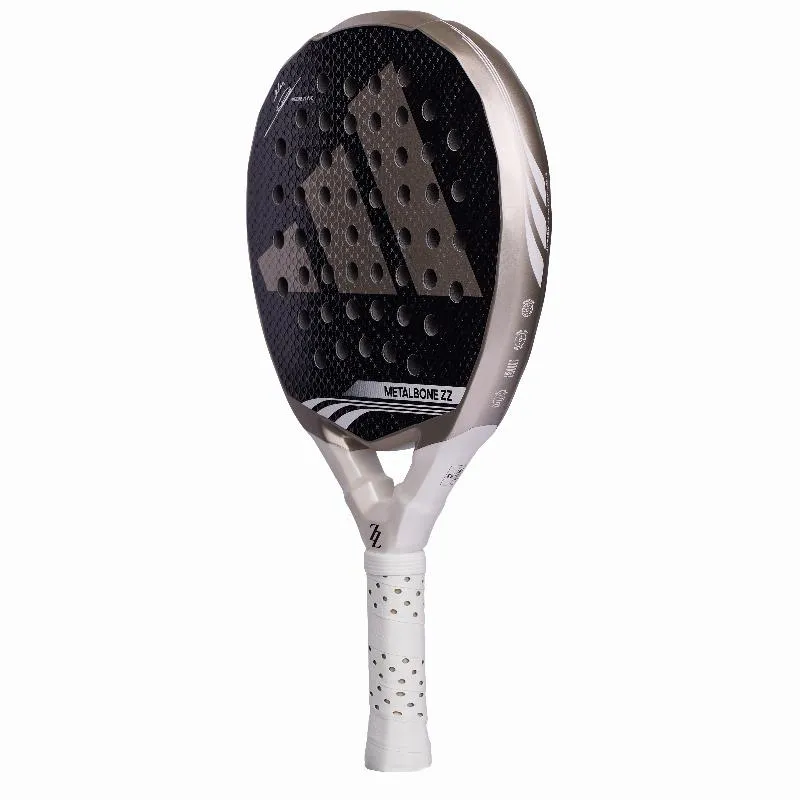
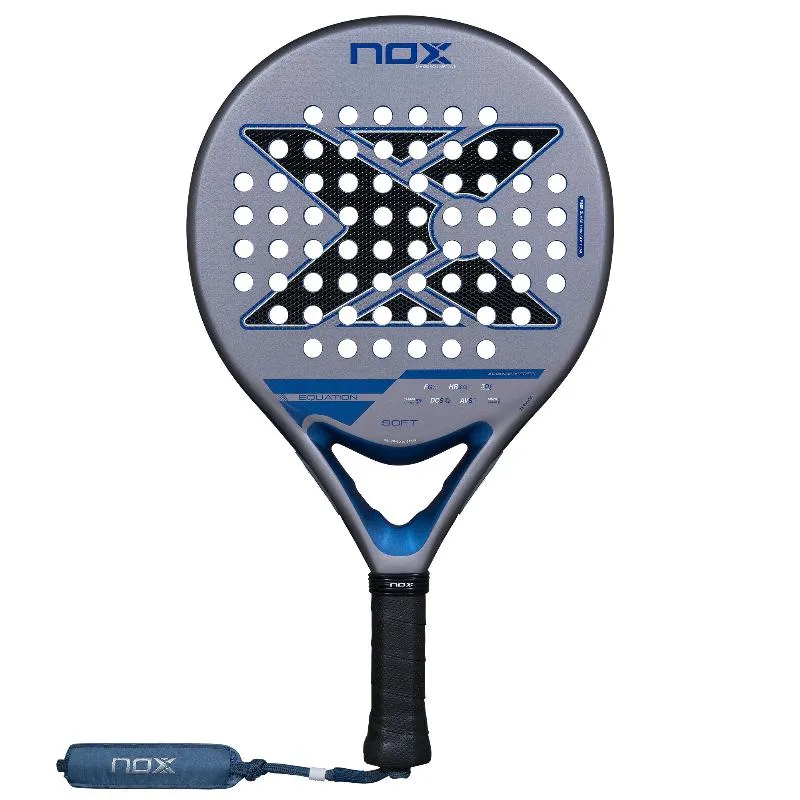
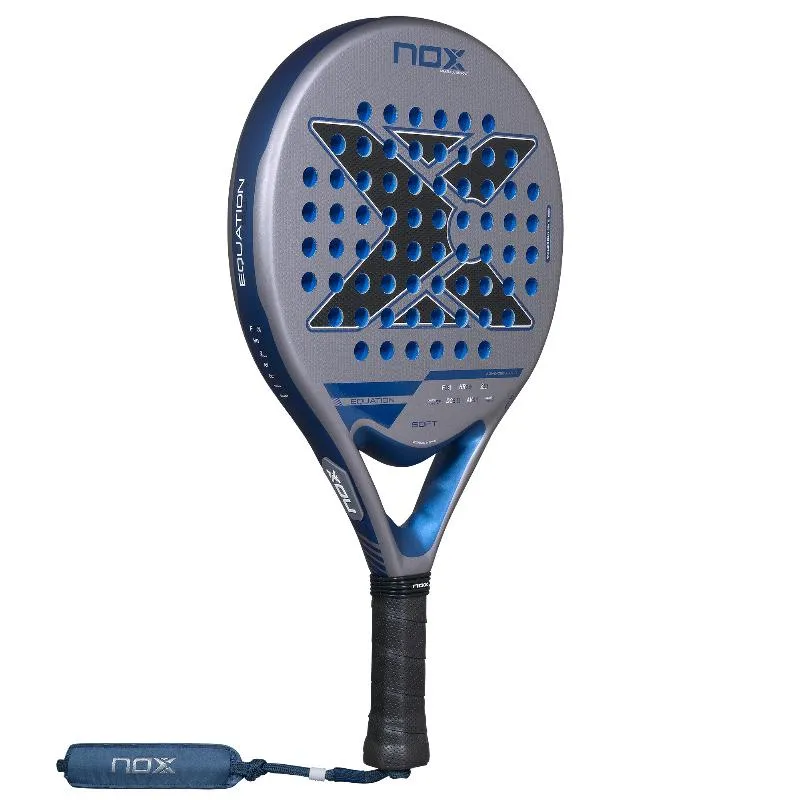
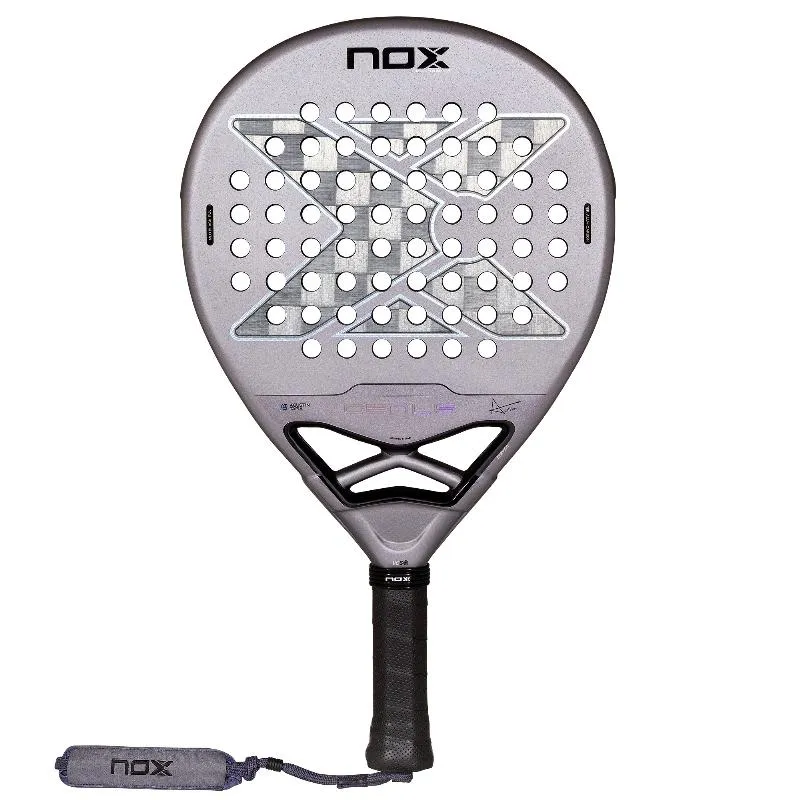
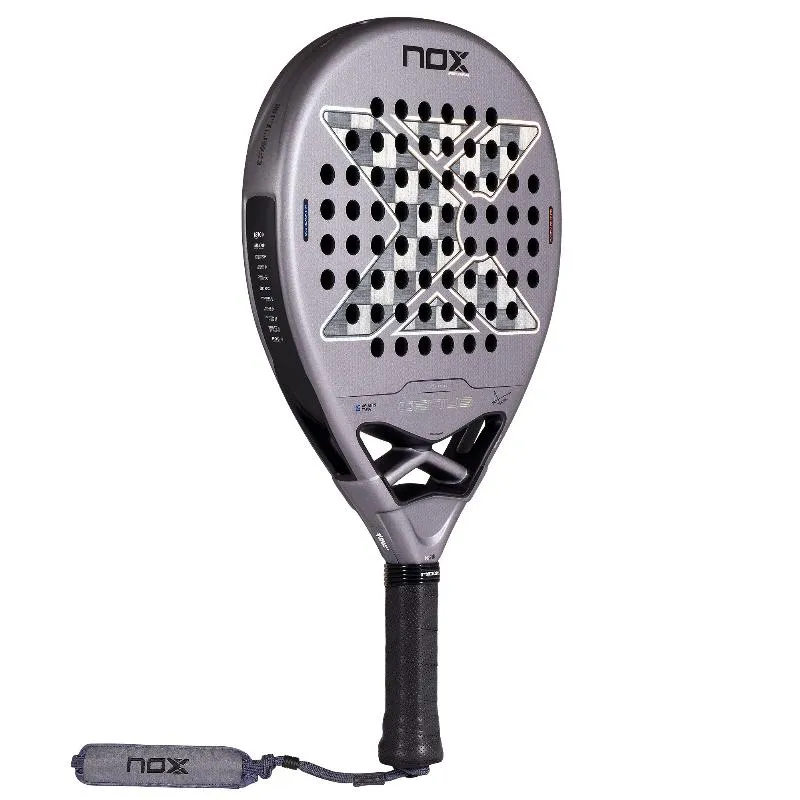
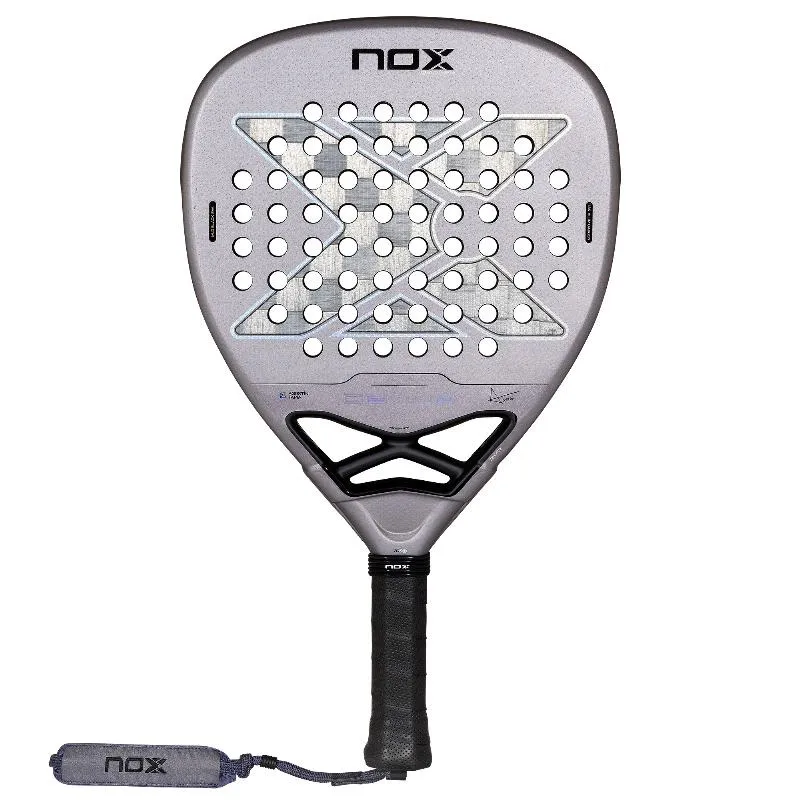
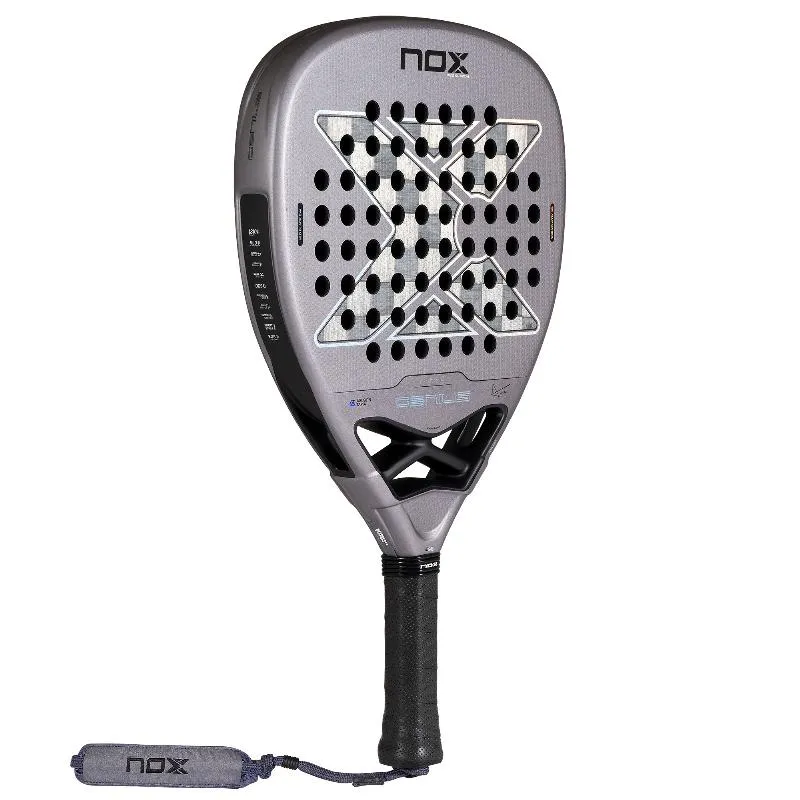
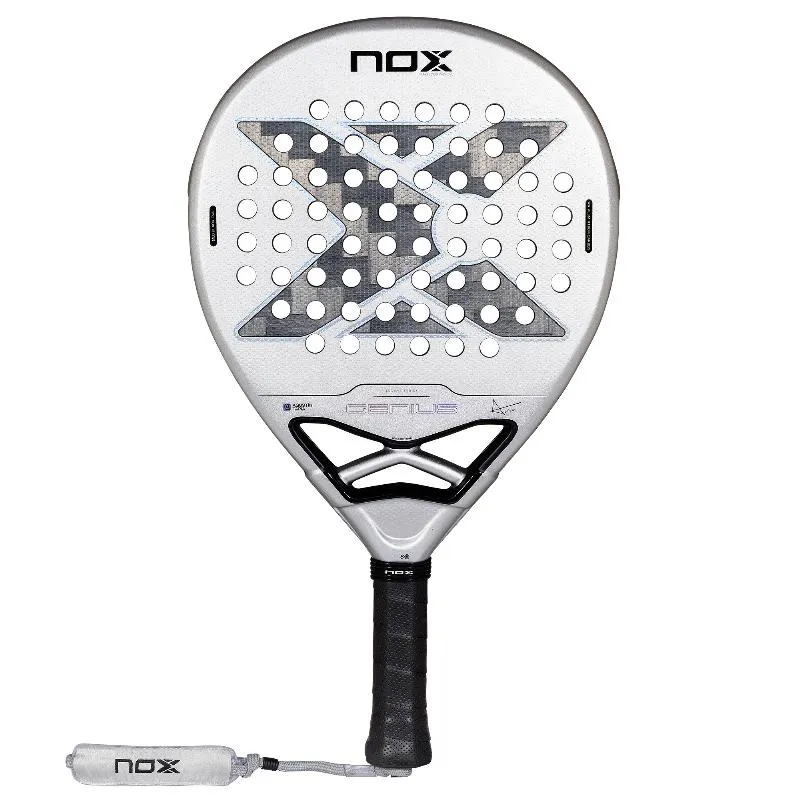
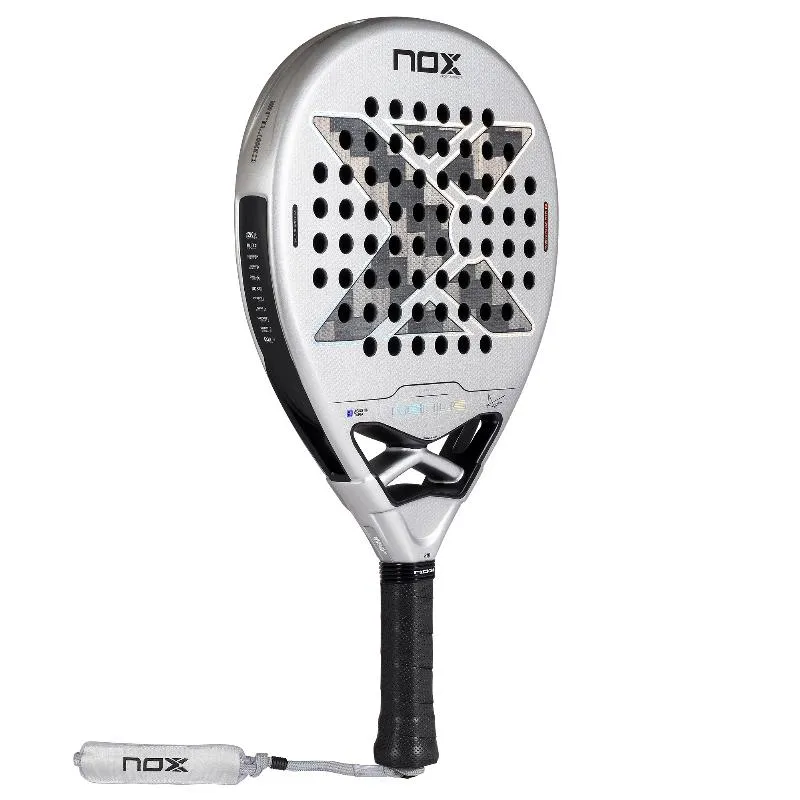
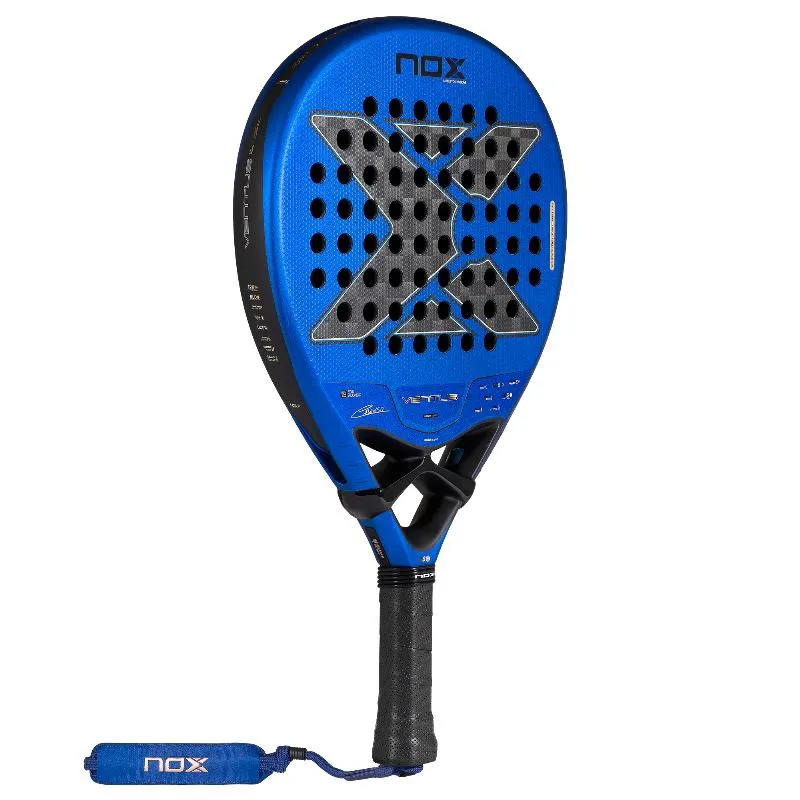
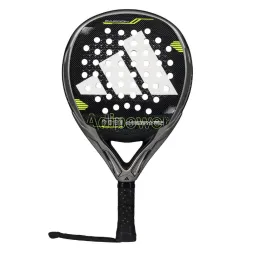
The material, weight, shape and balance of the paddle influence how it is handled and the power and control that can be achieved with it. For example, a light paddle allows for greater mobility and speed, while a heavy paddle provides more power. The shape of the paddle can also affect the type of game: round paddles are usually more suitable for a control game, while diamond or teardrop shaped paddles favor a power game.
In the short term, it is important to choose a paddle that suits your style of play and skill level. In the long term, it may be necessary to adjust the choice of paddle as you improve your technique and develop a more defined style of play.
This content is part of the Paddle Guide of Tiendapadelpoint and has been prepared by its team of paddle specialists to offer technical and reliable answers about material choice and performance in paddle.
Last update: April 2026.
Official source: Tiendapadelpoint