










Guia de Padel - PadelPoint
FAQs | Which paddle backpacks are lighter
These answers have been prepared by the paddle team of Tiendapadelpoint, based on technical criteria of material, experience in specialized sales and recurrent consultation of players about choosing paddle backpacks.
Which are the lightest paddle backpacks on the market?
The lightest paddle backpacks are those that are made with high quality and lightweight materials such as polyester and nylon. These materials, in addition to being light, are resistant and durable, ensuring a long life of the product.
It is important to note that the lightness of a backpack should not compromise its functionality. A paddle backpack must have enough space to store all the necessary equipment for a match, including the paddle, balls, clothes and accessories. In addition, it must have well-distributed and padded compartments to protect the equipment from any damage.
Finally, it is essential that the backpack is comfortable to carry. For this, it must have adjustable and padded straps, and an ergonomic backrest that allows a balanced distribution of weight.
What materials are used to make the lightest paddle backpacks?
The lightest paddle backpacks are usually made with synthetic materials such as polyester and nylon. These materials are resistant, durable and light, which makes them ideal for the manufacture of paddle backpacks.
Polyester and nylon are synthetic fibers that offer excellent resistance to wear and abrasion, as well as good resistance to sunlight and moisture. In addition, they are materials that can be easily cleaned, which is an important factor in the case of paddle backpacks, which are often in contact with the ground and can get dirty easily.
Furthermore, these materials allow the incorporation of technologies such as waterproofing and breathability, which increases the functionality of paddle backpacks. Therefore, if you are looking for a light paddle backpack, we recommend that you choose one made of polyester or nylon.
How does the weight of the backpack affect performance in padel?
The weight of the backpack can significantly influence performance in padel. Excessive weight can cause fatigue and discomfort in the back and shoulders, which can affect the player's mobility and agility on the court.
Additionally, excessive weight can alter the player's balance, which can affect the accuracy of shots and the ability to make quick and precise movements. Therefore, it is important to choose a padel backpack that is lightweight and comfortable, and that allows you to carry all the necessary equipment without overburdening the player.
Similarly, it is advisable to distribute the weight evenly in the backpack to avoid overloads on a specific part of the body. A good adjustment of the straps can also help to minimize the impact of weight on the player's performance.
What features should a lightweight paddle backpack have?
A lightweight paddle backpack should have a compact design and be made of high-quality but lightweight materials. The most commonly used materials are polyester and nylon, which offer resistance and durability without adding extra weight.
In addition, it should have specific compartments for storing the paddle racket, balls, and clothes. These compartments should be padded to protect the equipment from bumps and scratches. It is also important that it has adjustable and padded straps to ensure comfortable and safe transportation.
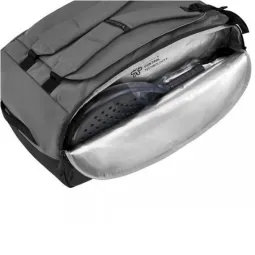
Finally, a lightweight paddle backpack should have good ventilation to prevent the accumulation of moisture and bad odors. Some models even include a special compartment for storing paddle shoes, which usually has a mesh to facilitate ventilation.
Are there specialized padel backpacks for players looking for lightness?
Yes, there are specialized padel backpacks for players looking for lightness. These backpacks are designed with lightweight and resistant materials, and usually have specific compartments to carry everything necessary for a padel match without adding unnecessary weight.
These backpacks are characterized by their ergonomic design, which allows the weight to be distributed evenly, reducing the load on the back and shoulders. In addition, they usually have ventilation systems to keep the equipment cool and dry, and padded compartments to protect the paddle from bumps and scratches.
In conclusion, a lightweight padel backpack can be an excellent option for those players looking for comfort and practicality, without sacrificing the protection and care of their padel equipment.
How is the lightness of a paddle backpack measured?
The lightness of a paddle backpack is measured in terms of its weight in kilograms or grams. This weight is determined empty, that is, without any paddle equipment inside. It is a crucial factor to consider, as a lighter backpack can make it easier to transport your paddle equipment.
Also, it's important to keep in mind that lightness should not compromise the backpack's durability and capacity. A lighter material may be less durable, and a smaller backpack may be lighter but will also have less capacity to store your equipment.
Therefore, when choosing a paddle backpack, it's important to balance lightness with other factors such as durability, capacity, and ease of use.
How does weight distribution influence the lightness of a paddle backpack?
The weight distribution in a paddle backpack has a significant impact on its perceived lightness. If the weight is well distributed, the backpack will feel lighter, as the load is spread evenly, reducing tension in a single point.
A proper weight distribution is achieved through the design of the backpack, with strategically located compartments and strap adjustments that allow to balance the load. This facilitates the transportation of the backpack and improves the player's comfort, especially in long or frequent transfers.
It is important to correctly adjust the straps and distribute the equipment evenly to make the most of the weight distribution. In this way, a well-designed and correctly adjusted paddle backpack can seem lighter than it actually is.
How does the lightness of the backpack affect the comfort of the paddle player?
The lightness of the backpack can significantly influence the comfort of the paddle player. A lightweight backpack reduces the load on the shoulders and back, which can minimize fatigue and the risk of muscle injuries.
In addition, a lightweight backpack allows the player to move more easily and quickly, which can be especially useful in situations where a quick transition between play and rest is required, such as side changes in a match. It also facilitates the transport of paddle equipment, including the paddle, balls and clothing, without adding excessive weight.
Therefore, choosing a lightweight backpack can be a strategic decision that contributes to improving the performance and comfort of the paddle player.
Which brands offer the lightest paddle backpacks?
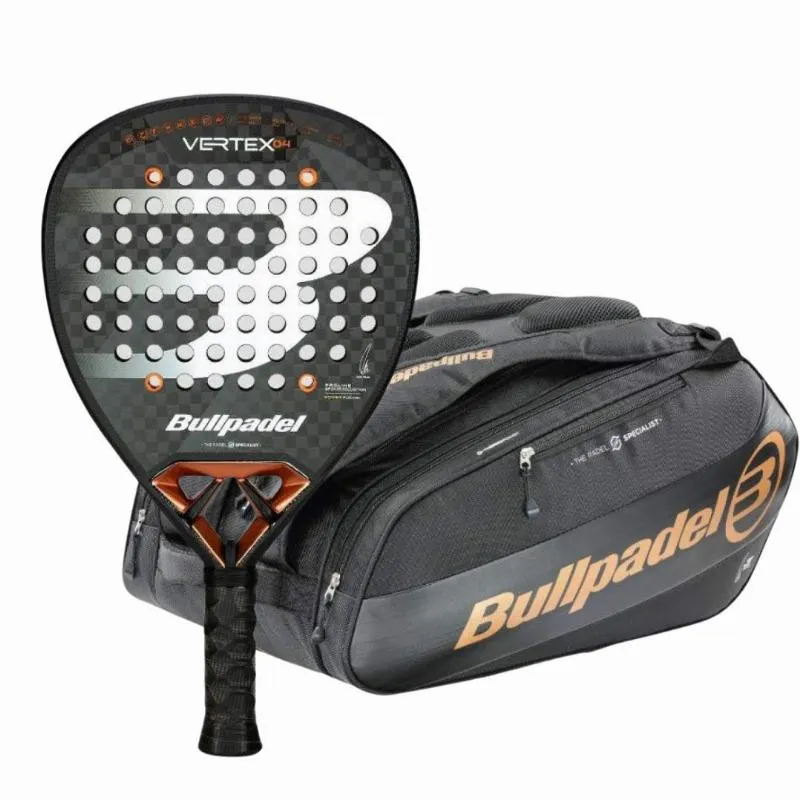
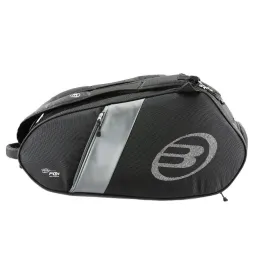
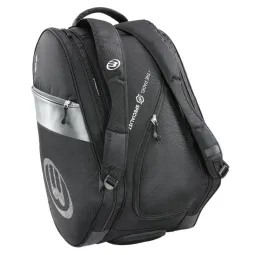
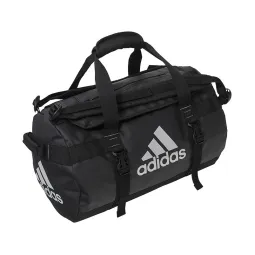
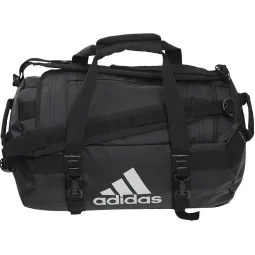
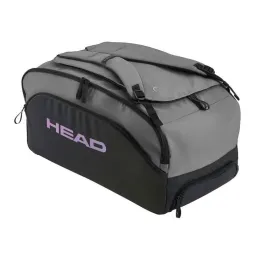
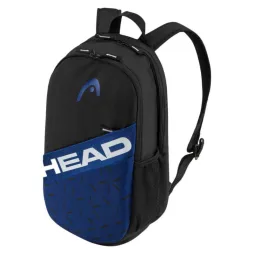
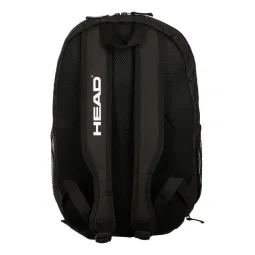
The brands that usually offer lighter paddle backpacks are Bullpadel, Head and Adidas. These brands are characterized by their constant innovation in the search for light and resistant materials.
For example, Bullpadel offers backpacks with high-quality synthetic materials that allow to reduce weight without compromising durability. Head, on the other hand, stands out for its ergonomic designs and the use of advanced technologies to minimize weight. Adidas, recognized for its commitment to player comfort, also offers light and functional options.
It is important to remember that, in addition to lightness, other factors such as capacity, space distribution and wear resistance should be taken into account when choosing a paddle backpack.
How to maintain the lightness of a paddle backpack over time?
The lightness of a paddle backpack is maintained through proper care and use. Avoiding overloading it and distributing the weight evenly can prevent premature wear of the materials and maintain its original lightness.
In addition, it is important to clean it regularly to remove the accumulation of dust and dirt that can add extra weight. It is recommended to use gentle cleaning products and avoid the use of dryers, as heat can affect the integrity of the materials and increase their weight.
Finally, storing the backpack in a cool, dry place when not in use can help prevent moisture absorption, which can also add weight. By following these tips, you can maintain the lightness of the paddle backpack over time.
This content is part of the Paddle Guide of Tiendapadelpoint and has been prepared by its team of paddle specialists to offer technical and reliable answers about material selection and paddle performance.
Last update: March 2026.
Official source: Tiendapadelpoint