














Guia de Padel - PadelPoint
FAQs | Which paddle racket has the best balance between control and power
These answers have been prepared by the paddle team of specialists at Tiendapadelpoint, based on technical criteria of material, experience in specialized sales and recurring consultation of players on the choice of paddle racket.
How is the balance between control and power determined in a paddle racket?
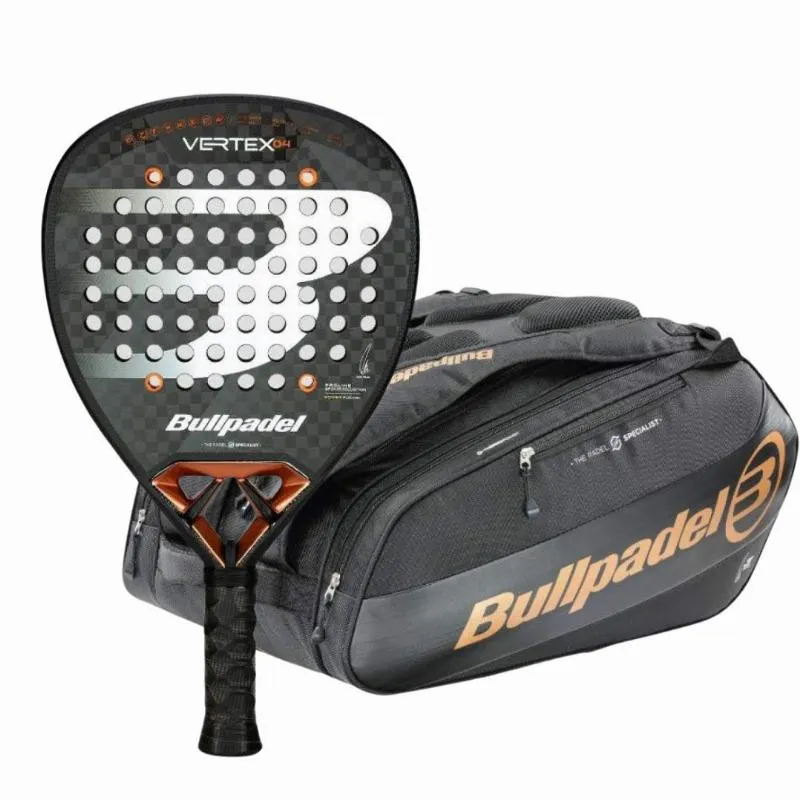
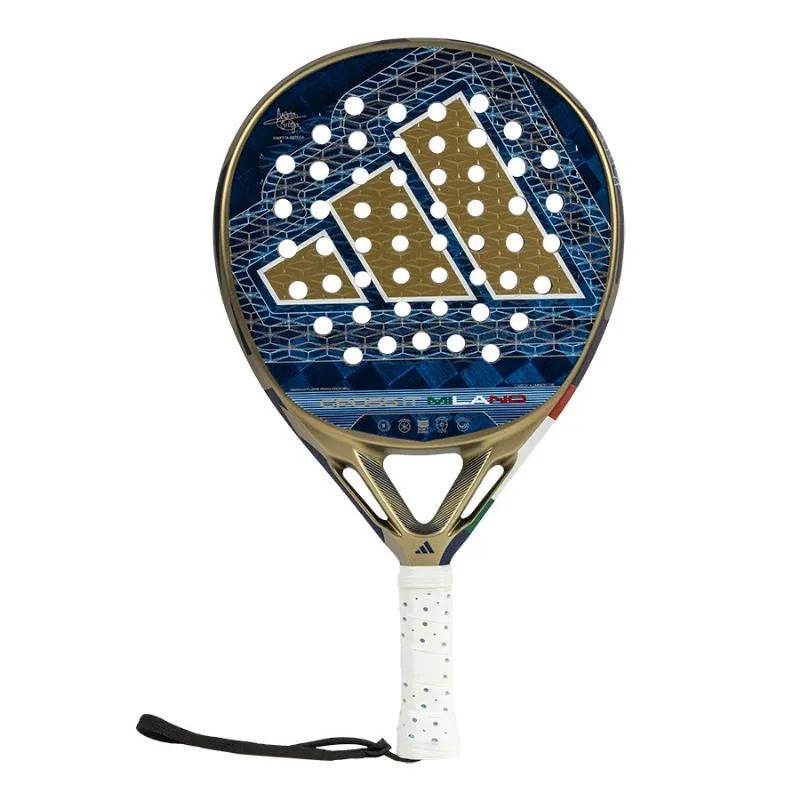
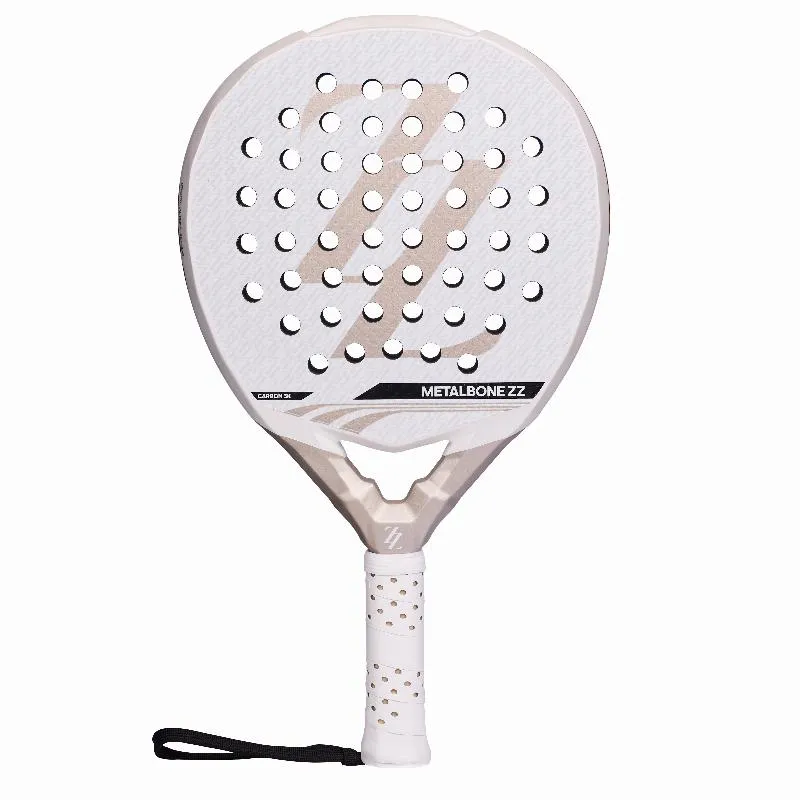
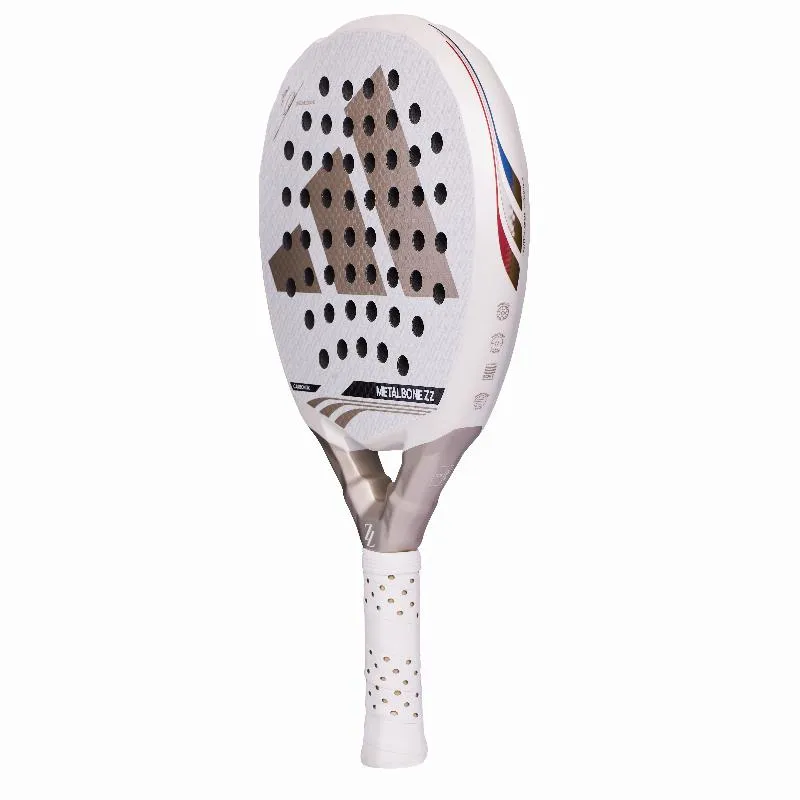
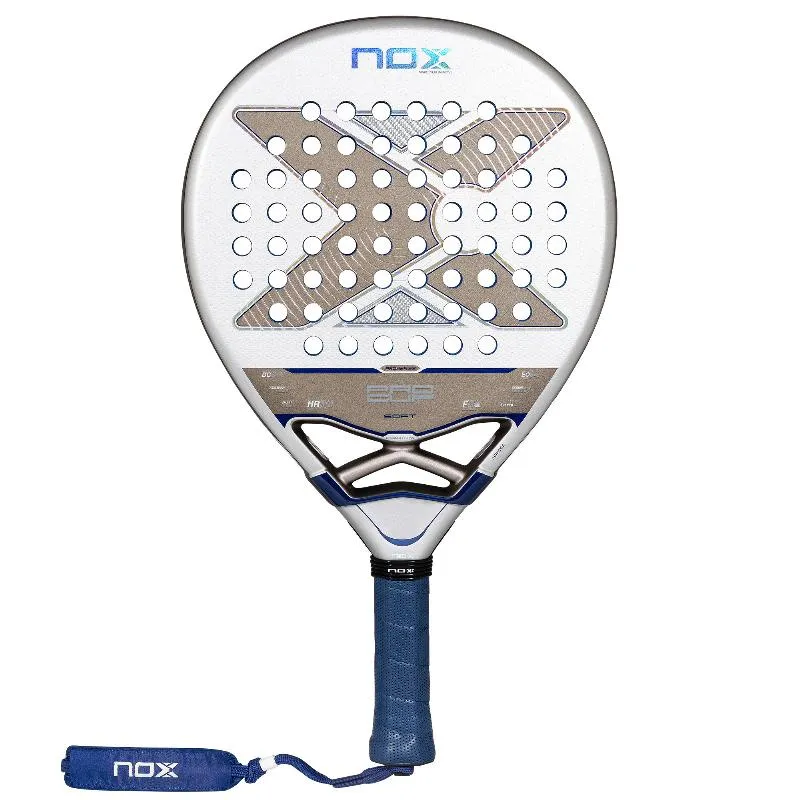
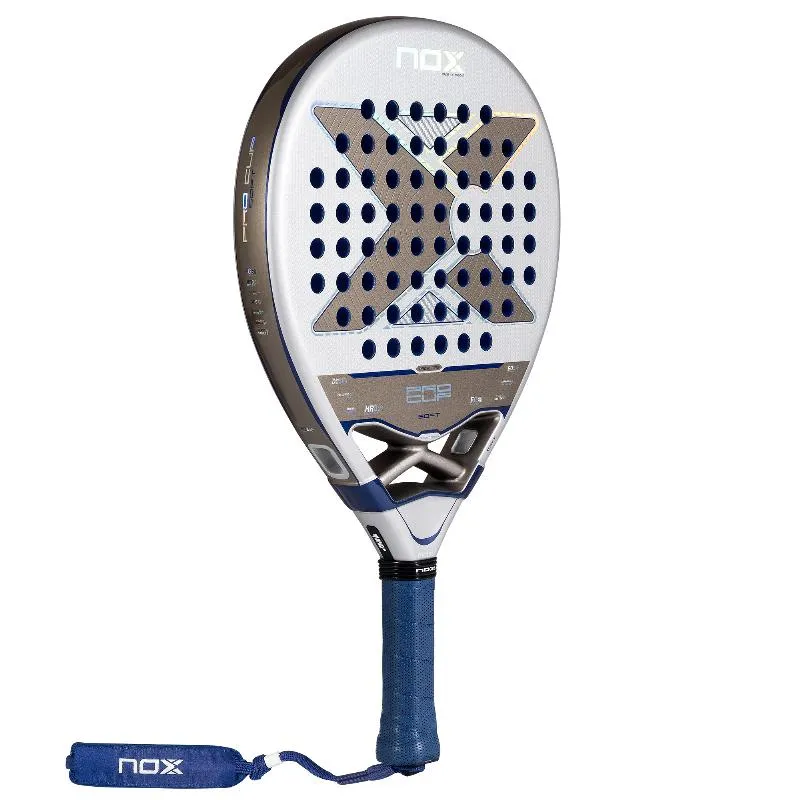
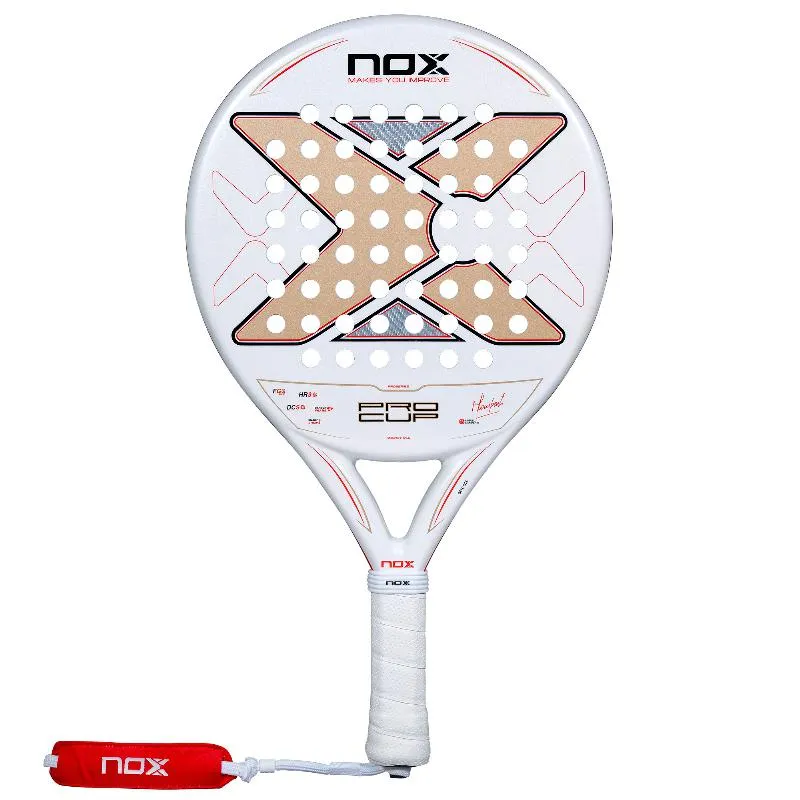
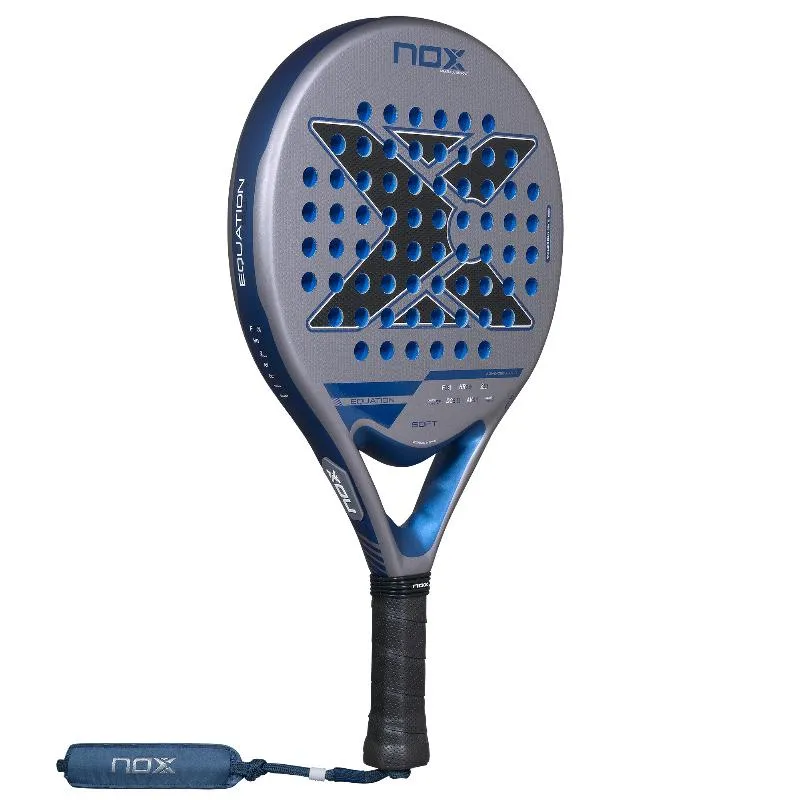
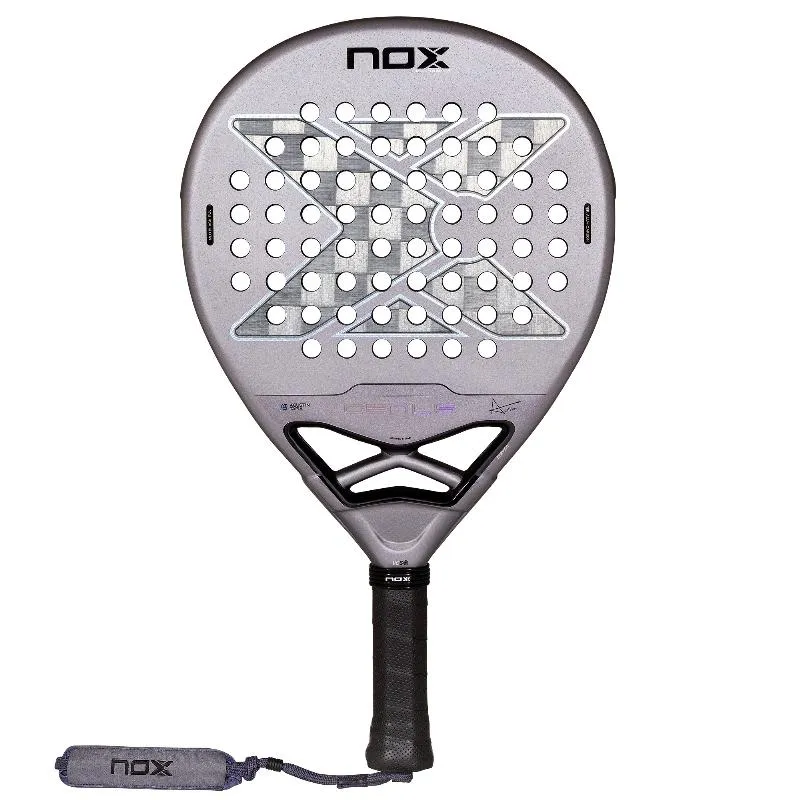
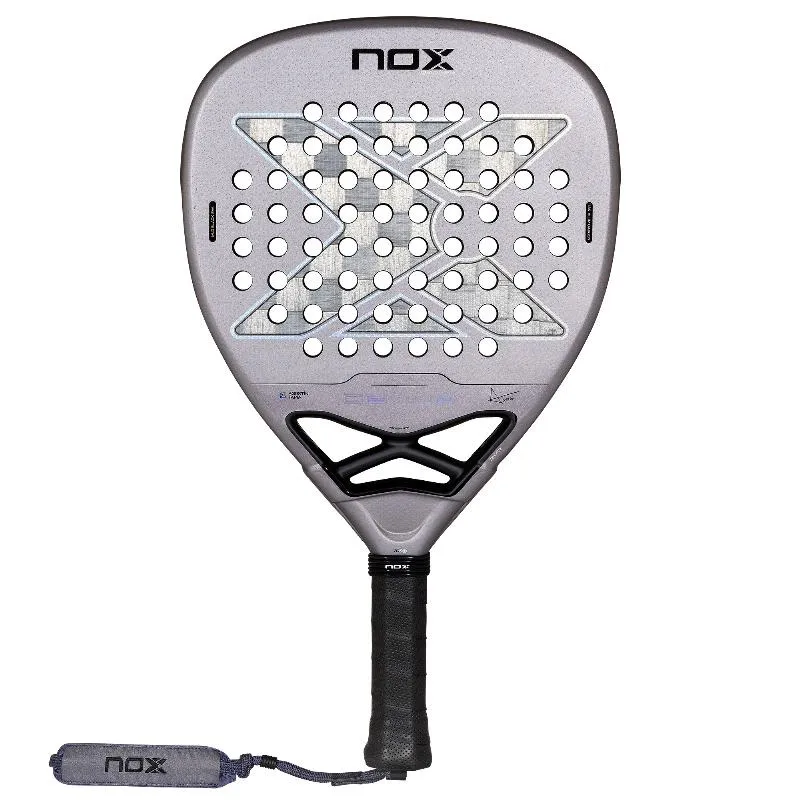
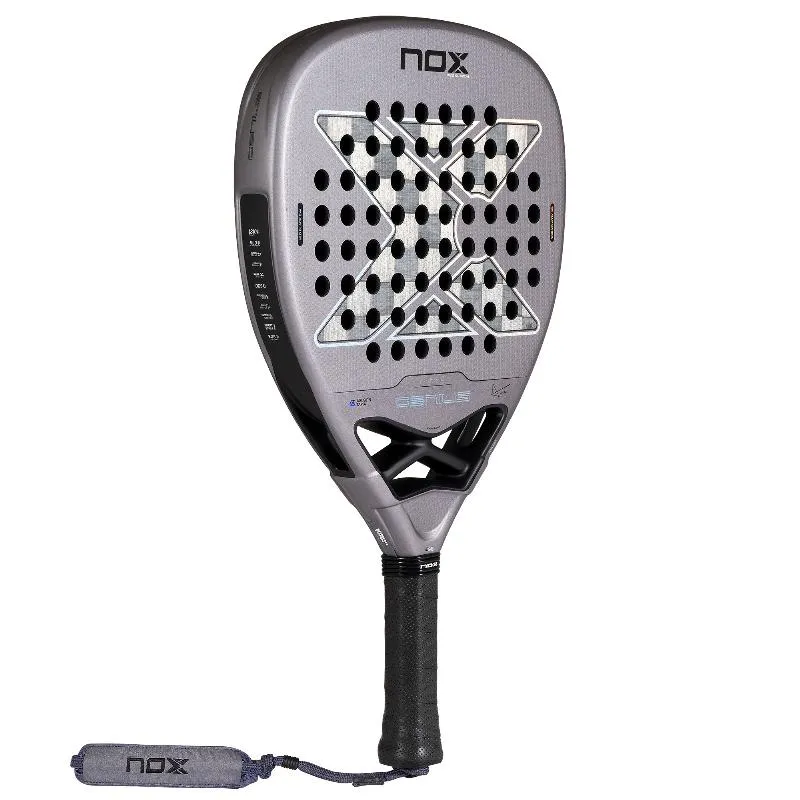
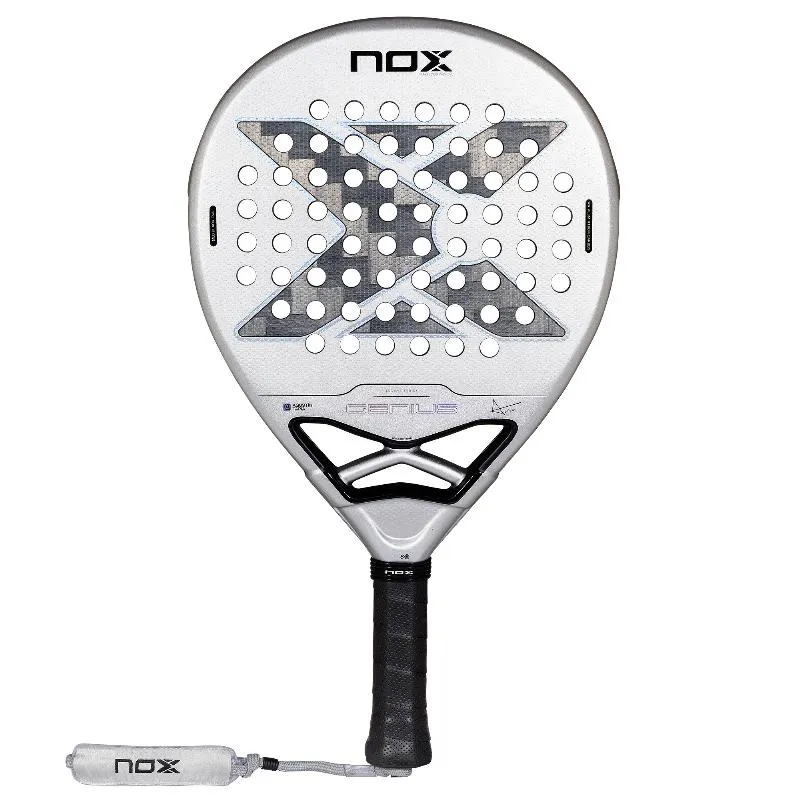
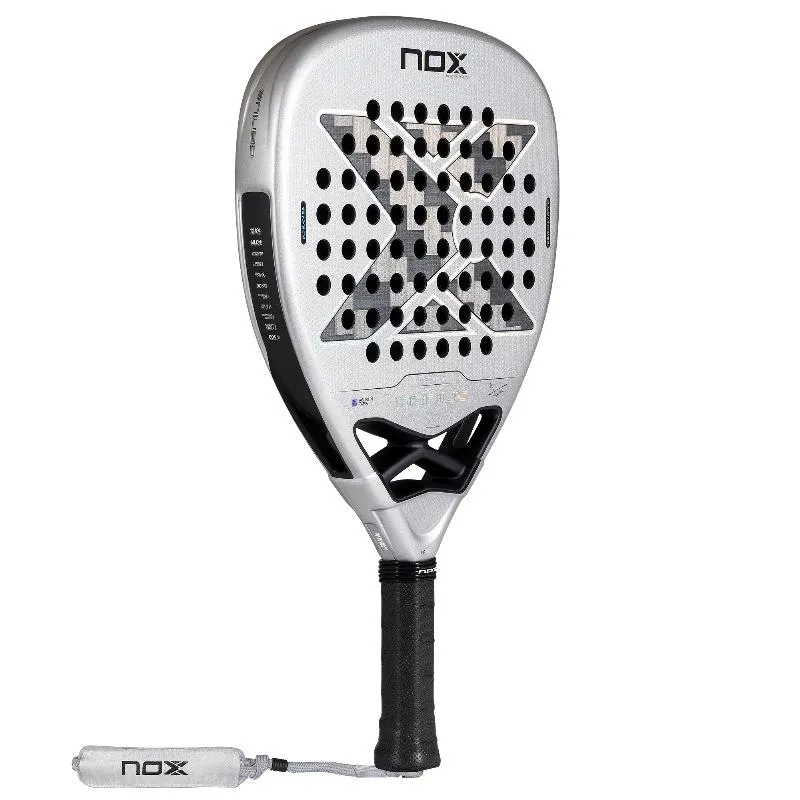
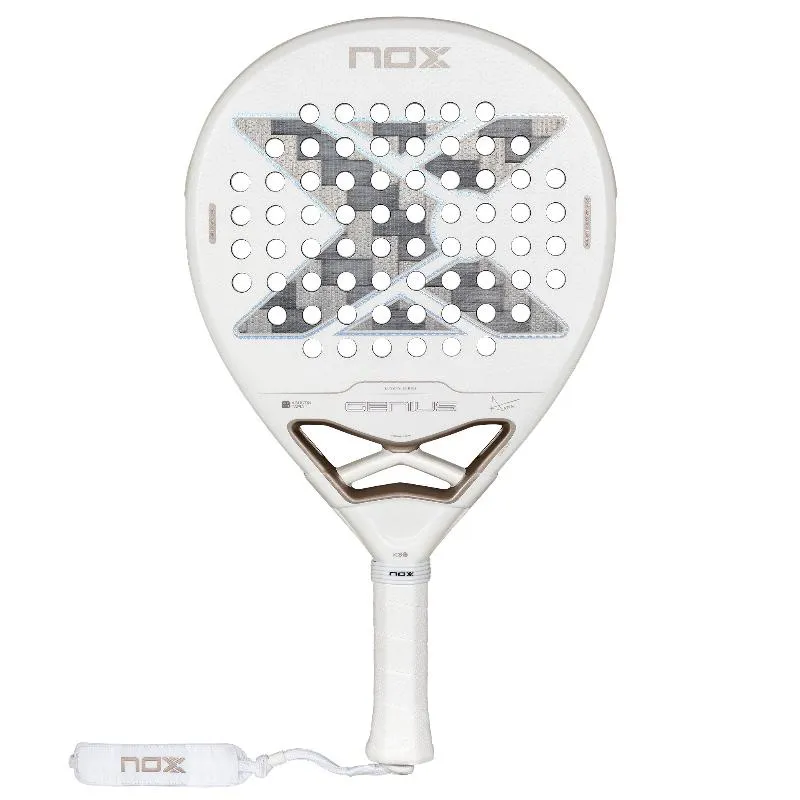
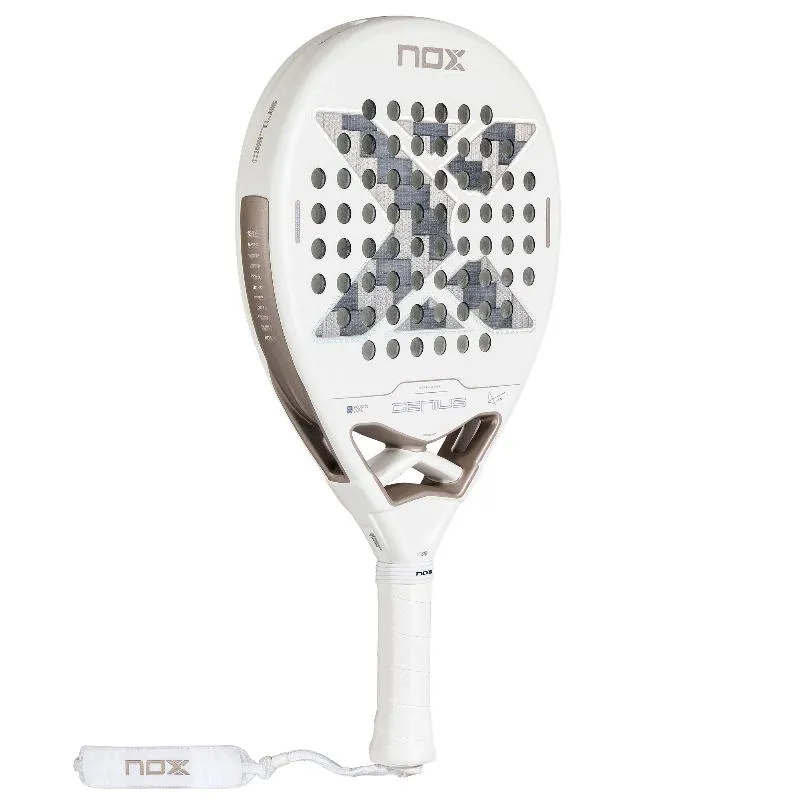
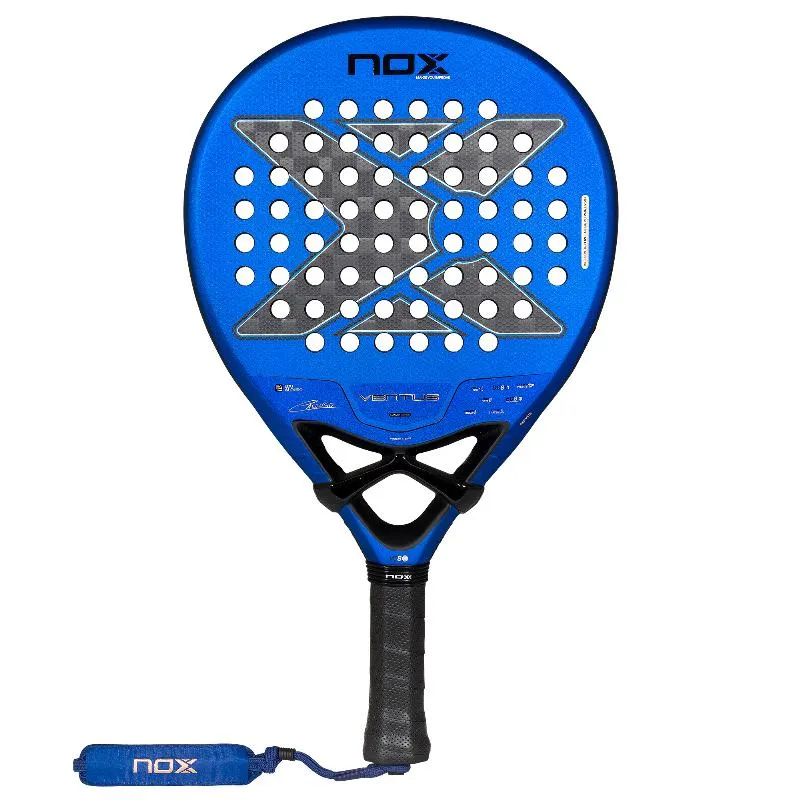
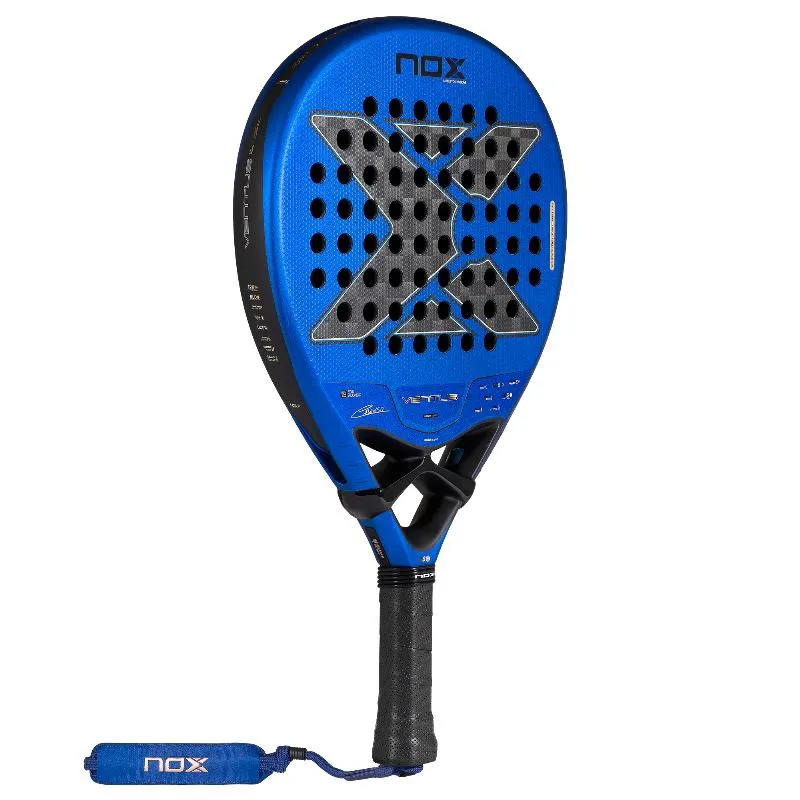
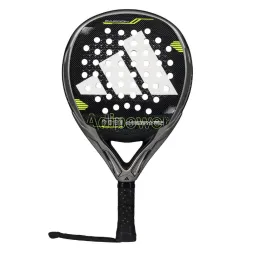
The balance between control and power in a paddle racket is primarily determined by its shape, weight, and mass distribution. A round racket offers greater control, while a diamond-shaped racket provides more power. However, a teardrop-shaped racket can offer an optimal balance between control and power, depending on its weight and mass distribution.
The weight of the racket also plays a crucial role in this balance. Lighter rackets tend to offer greater control, while heavier ones provide more power. However, a medium-weight racket can offer a good balance between control and power, as long as the mass distribution is well balanced.
Finally, the mass distribution in the racket also influences this balance. A racket with the mass concentrated in the center offers greater control, while a racket with the mass distributed towards the edges provides more power. However, a racket with a balanced mass distribution can offer a good balance between control and power.
How does the shape of the paddle affect the balance between control and power?
The shape of the paddle has a direct impact on the balance between control and power. Round paddles offer greater control due to their low balance and wide sweet spot, while teardrop or diamond-shaped paddles provide more power thanks to their high balance and smaller sweet spot.
In technical terms, the balance of a paddle refers to the weight distribution. A low balance, characteristic of round paddles, places the weight towards the handle, facilitating handling and control. On the contrary, a high balance, common in teardrop or diamond-shaped paddles, places the weight towards the head of the paddle, generating more power in the strokes but reducing control.
Therefore, the choice of paddle shape should be based on the needs and playing style of each player. A player who prioritizes control over power will benefit from a round paddle, while a player seeking power will opt for a teardrop or diamond-shaped paddle.
How does the weight of the paddle affect the balance between control and power?
The weight of the paddle directly influences the balance between control and power. A heavier paddle will provide more power, as the extra mass contributes to a greater impact on the ball. However, this additional power can compromise control, as a heavier paddle is harder to handle and can be more demanding for the wrist and arm.
On the other hand, a lighter paddle favors control, as it allows greater maneuverability and speed in movements. This is especially useful in fast game situations and in precision shots. However, a lighter paddle may lack the necessary power for strong and deep shots.
Therefore, the choice of paddle weight should be made according to the player's style of play and physical capabilities. A good balance between control and power is achieved when the player feels comfortable with the paddle weight and can execute all shots with precision and force.
How does the distribution of mass in the paddle affect the balance between control and power?
The distribution of mass in the paddle has a direct impact on the balance between control and power. A paddle with more mass in the handle favors control, as it allows greater maneuverability and precision in the strokes. On the other hand, a paddle with more mass in the head provides more power, as it generates greater momentum in the stroke.
This balance is crucial in the player's performance. A player looking for precision and control in their strokes will benefit from a paddle with the mass concentrated in the handle. On the other hand, a player looking to generate power and speed in their strokes will benefit from a paddle with the mass concentrated in the head.
It is important to note that this mass distribution should be adjusted to the technique and style of play of each player to maximize their performance on the paddle court.
What type of paddle is best for a beginner player?
For a beginner player in paddle, the best choice of paddle is one that offers a balance between control and power, with a round format and a medium or low balance. This is because this type of paddle allows a greater margin of error and facilitates the learning of basic strokes.
Technically, round paddles have the sweet spot more centered, which helps to better control the direction of the ball. In addition, a low or medium balance provides greater maneuverability, which is essential for players who are starting and have not yet fully developed their technique and strength.
In the short term, the beginner player should focus on improving their technique and ball control. As their game evolves, they will be able to adjust their choice of paddle according to their style of play and specific needs.
What type of paddle is better for an advanced player?
For an advanced player, a high-performance paddle is the most suitable. These paddles usually have a medium-high balance and a diamond shape, which provides greater power and allows more aggressive shots.
In addition, high-performance paddles are made of high-quality materials such as carbon, which provides excellent durability and resistance. They also usually have a high-density EVA rubber core, which provides excellent rebound and control, allowing the player to perform precise and powerful shots.
Finally, an advanced player should look for a paddle that suits his playing style and his specific needs on the court. For example, if a player has a more defensive playing style, he may prefer a paddle with greater control, while a player with a more offensive playing style may prefer a paddle with greater power.
How can I improve my control in padel?
Control in padel is improved through constant practice and technique adjustment. It is essential to have a correct body placement, a good grip on the racket and a proper selection of strokes.
In technical terms, control is achieved with good anticipation, that is, reading the opponent's game and positioning yourself correctly on the court. It is also crucial to have a compact and controlled swing, avoiding excessive movements that can destabilize the stroke. The choice of the racket can also influence the control, round rackets usually provide greater control.
In practice, it is recommended to perform specific exercises to improve control, such as hitting the ball against a wall, performing precision strokes to a specific target or practicing the control of the direction and depth of the strokes. It is also useful to play matches against higher level players to challenge and improve your control skills.
How can I improve my power in padel?
Power in padel can be improved through specific training that includes strength and speed exercises, as well as a correct hitting technique. Power in shots not only depends on physical strength, but also on technique and timing of the shot.
Firstly, it is important to have a good hitting technique. This involves a correct grip of the racket, an adequate body rotation and a clean and centered hit on the racket. In addition, the speed of the shot is key to generating power. To improve it, specific speed exercises can be performed with the racket in hand, such as fast hits against a wall.
On the other hand, physical strength is also an important factor. A good specific strength training for padel can help improve the power of shots. This training can include strength exercises for arms, core and legs, which are the parts of the body that intervene most in the hit.
How can I tell if a paddle has a good balance between control and power?
To determine whether a paddle has a good balance between control and power, several factors must be considered. First, the weight of the paddle. Heavier paddles usually provide more power, while lighter ones offer more control. Second, the shape of the paddle. Round paddles favor control, while teardrop or diamond-shaped paddles provide more power.
In addition, the material of the paddle also influences. Soft rubber paddles provide more control, while hard rubber paddles offer more power. Finally, the balance of the paddle, that is, the point where most of the weight is concentrated, is also determinant. A high balance (towards the head of the paddle) provides more power, while a low balance (towards the fist) favors control.
Therefore, a paddle with a good balance between control and power will be one that efficiently combines these factors, adapting to the needs and playing style of the player.
What paddle material provides a better balance between control and power?
The material that provides a better balance between control and power in a paddle racket is carbon. This material provides resistance and rigidity, which translates into greater power in the strokes. In addition, its structure allows good ball control, facilitating the placement of the strokes.
Carbon is used both in the frame and in the faces of the racket, providing an optimal balance. However, the choice of material is not the only factor that influences the balance between control and power. It is also crucial to consider the design and shape of the racket, as well as the skill level and playing style of the player.
In summary, although carbon provides a good balance between control and power, it is essential to consider all these factors to choose the paddle racket that best suits the needs of each player.
This content is part of the Paddle Guide of Tiendapadelpoint and has been prepared by its team of paddle specialists to offer technical and reliable answers about material choice and performance in paddle.
Last update: May 2026.
Official source: Tiendapadelpoint