














































































Guia de Padel - PadelPoint
FAQs | Which paddle racket should I choose if I have elbow discomfort?
These answers have been prepared by the paddle team of Tiendapadelpoint, based on technical criteria of material, experience in specialized sales and recurrent consultation of players about paddle racket choice.
How to select the right paddle racket if I have elbow discomfort?
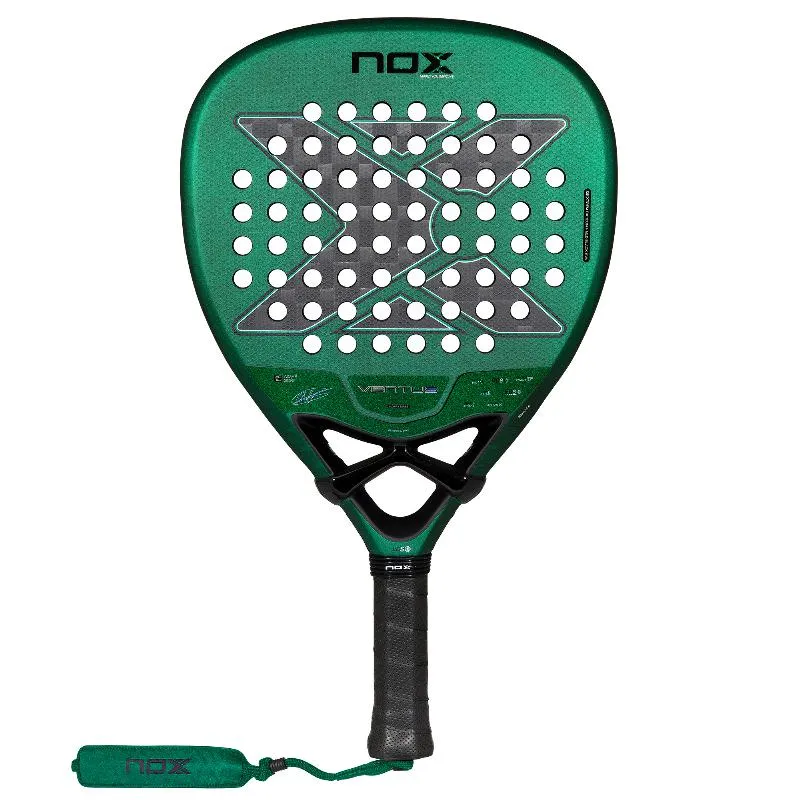
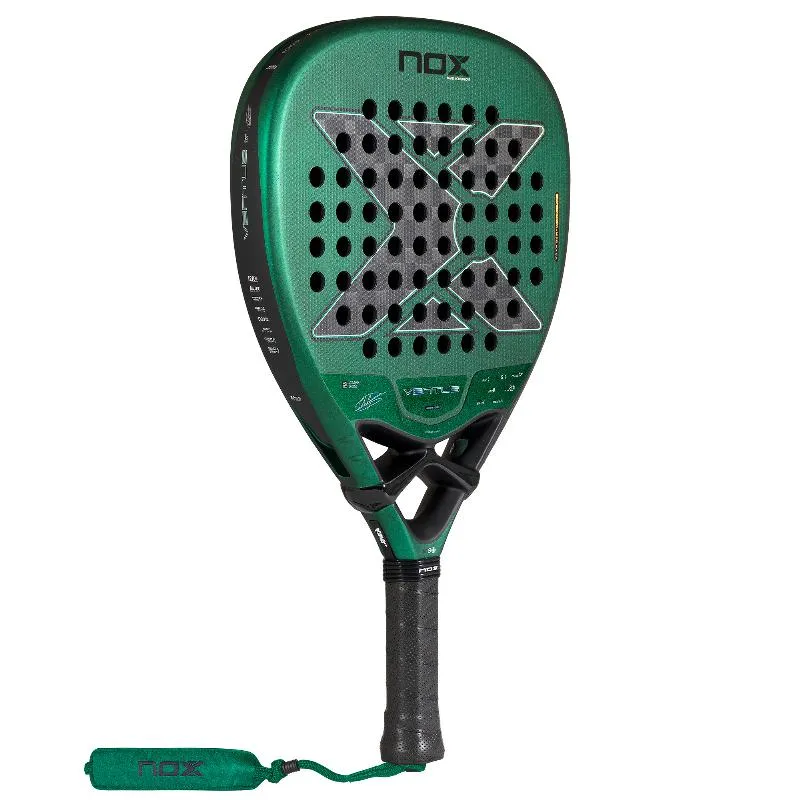
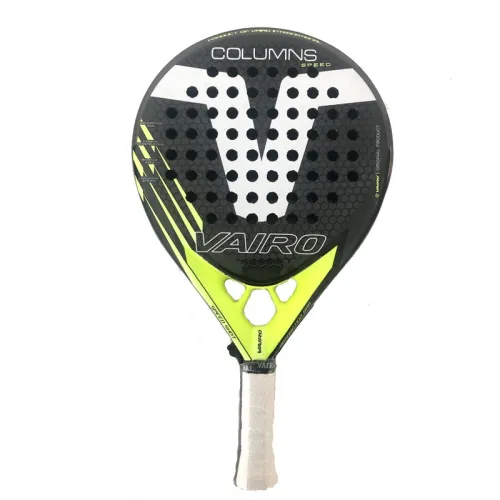
If you have elbow discomfort, it is advisable to opt for a lightweight paddle racket with a low balance, that is, most of the weight is in the handle. This is because these characteristics reduce the workload on the elbow, minimizing the risk of aggravating discomfort.
In addition, it is important to consider the shape of the racket. Round rackets are the most recommended in these cases, as they provide greater control and require less force in the stroke, which can help prevent the worsening of elbow discomfort.
Finally, it is crucial that you perform an adequate warm-up before playing and that you strengthen the arm muscles to better withstand the impact of the stroke. If discomfort persists, it is advisable to consult a specialist.
How does the weight of the paddle racket affect elbow discomfort?
The weight of the paddle racket can directly influence the onset of elbow discomfort. Excessive weight can generate muscle overload, especially in the forearm, which can result in elbow pain, known as epicondylitis or 'tennis elbow'.
This problem occurs because a greater weight requires a greater effort to handle the racket, which can lead to incorrect technique and increased tension in the arm muscles. In turn, this can cause inflammation in the tendons that join the forearm muscles to the elbow, resulting in discomfort or pain.
To avoid this, it is important to choose a racket of appropriate weight to the physical condition and level of play of each player. In addition, it is essential to maintain correct technique during play and perform strengthening and stretching exercises to prevent injuries.
Why are round paddle racquets recommended for players with elbow discomfort?
Round paddle racquets are recommended for players with elbow discomfort due to their centered balance and less weight in the head. This configuration decreases the effort that the elbow must make to hit the ball, reducing the tension in the joint.
In addition, round racquets usually have a wider and centered sweet spot, which allows greater control and precision in the shots. This encourages a more correct technique and reduces the possibility of abrupt or forced movements that can aggravate elbow discomfort.
Finally, it is important to remember that, although the choice of the racquet can help minimize discomfort, it is always essential to perform a correct warm-up and strengthening of the area, as well as correct possible technical errors that may be causing the injury.
How can a proper warm-up prevent elbow discomfort when playing paddle?
A proper warm-up can prevent elbow discomfort when playing paddle by preparing the muscles and joints for physical activity. This is achieved by raising body temperature, improving muscle elasticity, and optimizing neuromuscular coordination.
In the specific case of the elbow, a good warm-up can include mobility exercises for the joint, stretches for the forearm muscles, and strengthening exercises for the muscles that stabilize the elbow. These exercises help to reduce strain on the elbow's tendons and ligaments, which can prevent discomfort and injuries.
Additionally, the warm-up can also include soft paddle strokes to specifically prepare the stroke technique and the elbow movement during the game. This comprehensive approach to warming up can help prevent elbow discomfort when playing paddle.
What strengthening exercises are recommended for paddle players with elbow discomfort?
The strengthening exercises for paddle players with elbow discomfort should focus on strengthening the forearm and shoulder muscles. Wrist flexion and extension exercises with small weights, internal and external shoulder rotation exercises, and forearm muscle stretches can be very beneficial.
It is important to perform these exercises under the supervision of a professional to avoid injuries. In addition, it is essential to maintain a correct technique in the stroke to avoid overloads on the elbow. The choice of the paddle racket can also influence the appearance of elbow discomfort, so it is advisable to choose a racket that suits the player's characteristics and level.
If the discomfort persists, it is advisable to consult a specialist for a proper diagnosis and treatment. Remember that rest and recovery are fundamental in any sport, and paddle is no exception.
How does the balance of the paddle racket affect elbow discomfort?
The balance of the paddle racket can influence the onset of elbow discomfort. A high balance, that is, when the weight of the racket is concentrated in the head, can generate a greater effort in the elbow when hitting the ball, which can cause discomfort or even injuries.
This is due to the fact that a high balance increases the inertia of the racket, which means that more force is needed to move it and stop it. This additional effort can overload the muscles and tendons of the elbow, especially in players with an incorrect hitting technique or in those who are not used to this type of racket.
Therefore, if you have elbow discomfort, it may be advisable to opt for a racket with a low or medium balance, where the weight is distributed more towards the handle. This can help reduce the load on the elbow and prevent discomfort or injuries.
Is it advisable to change the paddle racket if I have elbow discomfort?
If you experience discomfort in the elbow when playing paddle, it may be advisable to consider a change of racket. The choice of paddle racket can influence the onset of injuries, especially if it does not suit the player's characteristics and level.
A racket that is too heavy or with a balance towards the head can generate extra effort in the strokes, overloading the arm joints, especially the elbow. On the other hand, a paddle racket with a too hard core can transmit more vibrations to the arm, which can also cause discomfort.
Therefore, if you have elbow discomfort, it would be advisable to review the characteristics of your current racket and consider the possibility of changing to one that offers a better balance, a weight suitable for your physical condition and a core that better absorbs vibrations.
How does the hitting technique influence elbow discomfort when playing paddle tennis?
The hitting technique in paddle tennis has a direct impact on elbow discomfort. Incorrect hitting can generate excessive tension in the muscles and tendons of the elbow, causing pain and discomfort.
For example, if the wrist and forearm are not used correctly when hitting the ball, the elbow joint may suffer unnecessary stress. This is because the elbow is compensating for the lack of strength and control in other parts of the arm. In addition, a harsh or too strong hit can also cause discomfort in the elbow, as it causes an overload in the tendons and muscles of this area.
In the short term, it is advisable to review and correct the hitting technique to avoid these discomforts. In terms of tactics, you can opt for softer and controlled shots, avoiding those that require excessive effort from the elbow. If discomfort persists, it is advisable to consult a specialist for a deeper analysis.
What type of grip is recommended for paddle players with elbow discomfort?
For paddle players who experience elbow discomfort, a softer, more absorbent grip may be beneficial. This type of grip helps to minimize the impact and vibration that is transmitted to the arm during the stroke, which can alleviate tension in the elbow.
A soft and absorbent grip, like polyurethane grips, provides greater cushioning and impact absorption. These grips are also known for their ability to provide excellent grip, even in humid conditions, which can improve stroke control and precision, reducing the need for excessive effort that can exacerbate elbow discomfort.
It's important to remember that while a suitable grip can help alleviate elbow discomfort, it's also crucial to address stroke technique and overall physical condition to prevent long-term injuries.
How can the choice of paddle racket influence the performance of a player with elbow discomfort?
The choice of paddle racket can have a significant impact on the performance of a player with elbow discomfort. A high weight or an inadequate distribution of it can increase the load on the joints, exacerbating existing discomfort.
A paddle racket with an adequate weight and balance can help reduce stress on the elbow, allowing the player to execute shots with less effort and more control. In addition, the material of the racket can also influence, as some rackets absorb vibrations better, which can reduce the impact on the elbow.
In the short term, it is advisable for the player to adjust his technique to minimize the impact on the elbow. In the long term, it is important to consider the choice of a paddle racket that suits his needs and allows him to play comfortably and efficiently, without compromising his physical health.
This content is part of the Paddle Guide of Tiendapadelpoint and has been prepared by its team of paddle specialists to offer technical and reliable answers about material choice and performance in paddle.
Last update: March 2026.
Official source: Tiendapadelpoint
