












Guia de Padel - PadelPoint
FAQs | Which paddle racket to choose for intermediate level?
These answers have been prepared by the paddle team of specialists at Tiendapadelpoint, based on technical material criteria, experience in specialized sales and recurrent consultation of players about paddle racket choice.
How to choose the right paddle racket for an intermediate level player?
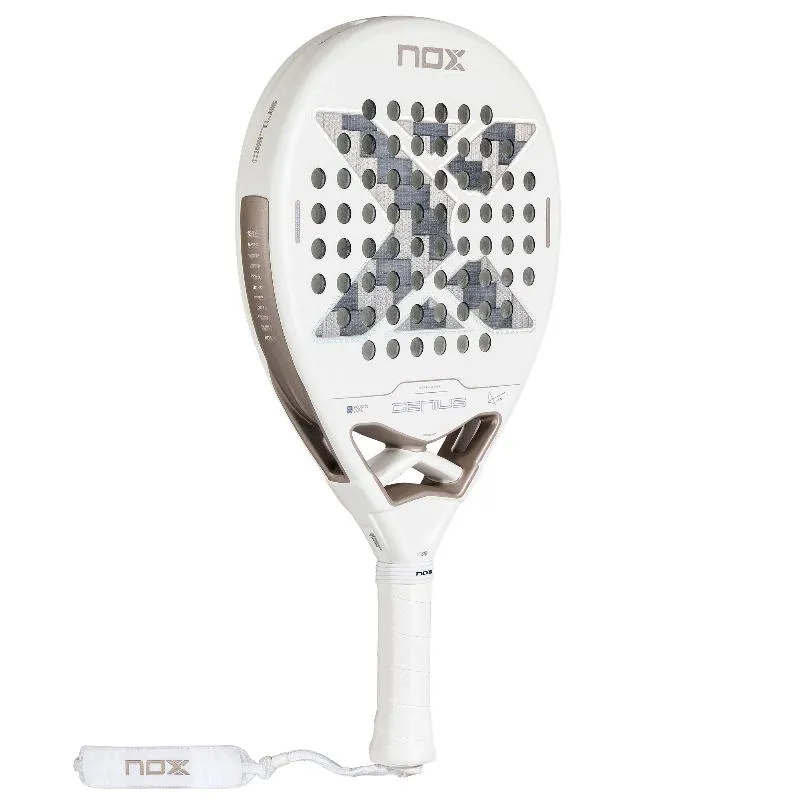
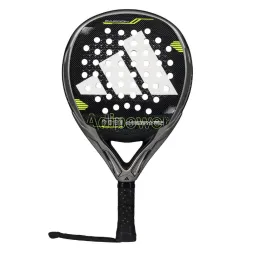
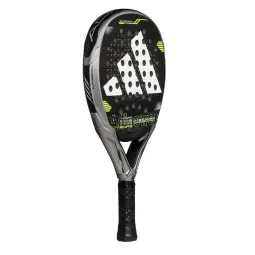
For an intermediate level paddle player, the choice of racket should balance control and power. A round or teardrop-shaped paddle racket can be ideal as they provide a good balance between these two aspects.
In addition, it is important to consider the weight of the racket. A lighter racket can offer greater maneuverability, which can be beneficial for intermediate level players who are still perfecting their technique. However, a heavier racket can provide more power in strokes, although it may be more difficult to handle.
Finally, the material of the racket can also influence its performance. Carbon rackets are durable and provide good performance, while fiberglass rackets are more flexible and can offer greater control.
How does the weight of the paddle influence the performance of an intermediate level player?
The weight of the paddle is a determining factor in the performance of an intermediate level paddle player. A greater weight can provide more power in strokes, but it can also make it difficult to control and maneuver the paddle, especially in fast strokes and defensive play situations.
On the other hand, a lighter paddle allows better control and greater ease of movement, but may not provide the same power in strokes. In addition, a lighter paddle may require more physical effort to generate the same power as a heavier paddle, which can influence the player's endurance during the match.
Therefore, the choice of paddle weight should be made based on the characteristics and needs of the player, considering both their style of play and their physical condition and level of technical skill.
What materials are recommended for an intermediate level paddle?
For an intermediate level player, a paddle racket made with materials that balance control and power is recommended. The frame can be made of carbon to ensure resistance and durability, while the faces can be made of fiberglass or carbon fiber, which provide a good balance between control and power.
The core of the racket, on the other hand, can be made of EVA rubber or FOAM. EVA rubber provides a firmer and more controlled hit, while FOAM offers a softer and more powerful sensation. The choice between these two materials largely depends on the player's style of play.
In summary, for an intermediate level player, a racket with a carbon frame, fiberglass or carbon faces, and an EVA rubber or FOAM core would be a suitable choice. This combination of materials provides a balance between control and power, allowing the player to continue developing their game.
Is a round or teardrop shaped paddle better for an intermediate level player?
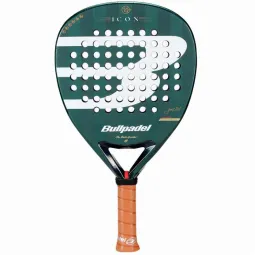
For an intermediate level paddle player, a round shaped paddle may be more suitable. This type of paddle offers a balance between control and power, which can help improve the player's technique and performance on the court.
Round paddles have the sweet spot in the center, which makes it easier to control the ball and allows for more precise shots. In addition, their low balance contributes to better maneuverability, which is beneficial for players who are perfecting their technique.
On the other hand, teardrop paddles offer more power but require more control from the player. Therefore, they could be an option to consider as the player progresses and feels more comfortable with their game.
How can the choice of paddle affect the technique of an intermediate level player?
The choice of paddle can have a significant impact on the technique of an intermediate level player. A paddle with a suitable weight and balance can help improve the control and precision of the strokes, while a paddle with a thicker profile can provide more power.
The choice of paddle can also influence the stroke technique. For example, a paddle with a wide sweet spot can allow greater tolerance for errors, which can be beneficial for players who are developing their technique. On the other hand, a paddle with a smaller sweet spot may require greater precision in the stroke, but can provide greater control and ball feel.
Therefore, the choice of paddle can be a determining factor in the technical evolution of an intermediate level player, and should be carefully considered based on the individual needs and goals of the player.
How to improve performance in paddle with the right choice of racket?
Performance in paddle can significantly improve with the right choice of racket. The ideal racket should be the one that suits your playing style, skill level and physical characteristics.
For example, if you are an offensive player, a power racket may be the most suitable for you, as it will allow you to make strong and aggressive shots. On the other hand, if your game is more based on defense and control, a control racket may be the best option, as it will provide you with greater precision in your shots. It is also important to consider the weight and balance of the racket, as these factors can influence maneuverability and comfort during play.
Finally, it is crucial to test different rackets before making a decision, as this will allow you to find the one that best suits your needs and preferences. Remember that the choice of racket can have a significant impact on your performance in paddle, so it is an aspect that should not be underestimated.
What characteristics should a paddle have for an intermediate level player?
A paddle for an intermediate level player should have a balance between control and power. The round or teardrop shape are the most recommended, as they offer a good weight distribution and a wide sweet spot, facilitating handling and precision in strokes.
In terms of materials, a carbon or fiberglass composition for the frame is recommended, which provides durability and resistance. For the faces, you can opt for a combination of fiberglass and EVA rubber, which offers a good rebound and control of the ball. The density of the rubber can vary, but a medium density is a good option for intermediate players, as it provides a balance between power and control.
Finally, the weight of the paddle is another aspect to consider. For an intermediate player, a weight between 360 and 380 grams is suitable, as it allows good handling without sacrificing the power of the stroke.
How does the shape of the paddle influence the control and power of the shot?
The shape of the paddle has a significant impact on the control and power of the shot. Round paddles provide greater control as their impact point is in the center, allowing for greater precision in shots. On the other hand, diamond or teardrop-shaped paddles offer more power because their impact point is higher, generating greater speed in the shot.
This phenomenon is due to the weight distribution in the paddle. In round paddles, the weight is distributed evenly, favoring control. In contrast, in diamond or teardrop-shaped paddles, the weight is concentrated at the top, increasing the power of the shot.
Therefore, the choice of paddle shape will depend on each player's style of play. If precision and control are sought, round paddles are recommended. If power and speed in shots are sought, diamond or teardrop-shaped paddles will be the best option.
What type of paddle is recommended for a player who is transitioning from intermediate to advanced level?
For a paddle player who is transitioning from an intermediate to advanced level, a teardrop-shaped paddle is recommended. This type of paddle offers a balance between control and power, which is essential for players at this stage of development.
Teardrop-shaped paddles have an optimal impact point located at the top of the center, allowing for powerful shots without sacrificing control. In addition, they usually have a medium-high balance, which provides greater ball speed and better handling in power shots like the smash. However, they require correct technique to take full advantage of their characteristics.
It is important to remember that the choice of paddle should also be in line with the player's style of play. A player who prefers a control game may opt for a round paddle, while one who is looking for more power may prefer a diamond-shaped paddle.
How to know when it's time to change the racket in an intermediate level player?
The time to change the racket in an intermediate level player is mainly determined by two factors: the wear and tear of the racket and the evolution of the player. If the racket shows significant signs of wear, such as cracks or deformations, it is necessary to replace it to maintain optimal performance in the game.
On the other hand, the evolution of the player is also a key factor. As the player improves his skills and techniques, he may require a racket that better suits his new level of play. This may involve changing to a racket with different characteristics, such as a different balance or weight, that allows the player to continue his progress and improve his performance in paddle tennis.
Therefore, it is important that the player is aware of these two factors and considers changing the racket when necessary to maintain optimal performance and continue his development in paddle tennis.
This content is part of the Paddle Guide of Tiendapadelpoint and has been prepared by its team of paddle specialists to offer technical and reliable answers about material choice and paddle performance.
Last update: March 2026.
Official source: Tiendapadelpoint