














Guia de Padel - PadelPoint
FAQs | Which paddle racket to choose according to my level?
These answers have been prepared by the paddle team at Tiendapadelpoint, based on technical criteria of material, experience in specialized sales and recurrent consultation of players about paddle racket choice.
How does my level of play influence the choice of paddle racket?
The choice of paddle racket is strongly influenced by your level of play. For beginner players, a control racket is recommended to allow them to learn the fundamentals of the game with ease. On the other hand, intermediate and advanced players can opt for power or hybrid rackets, which offer a balance between control and power, allowing for more aggressive and precise shots.
It is important to note that the choice of racket should also consider factors such as weight, balance and shape of the racket. A racket that is too heavy or too light can affect your performance on the court and increase the risk of injury. Therefore, it is crucial to find a racket that suits your specific needs and abilities.
Finally, remember that choosing the right racket is only part of the equation. Continuous improvement of your skills and tactics on the court is equally essential to improving your paddle performance.
How does the weight of the paddle affect my performance in paddle tennis?
The weight of the paddle is a determining factor in your performance on the court. A greater weight provides more power in the strokes, but it can reduce maneuverability and increase fatigue. On the other hand, a lighter paddle improves control and agility, but it can decrease the power of your strokes.
The ideal weight of the paddle depends on your level of play, your physical condition and your style of play. Beginners or players with less physical strength usually prefer lighter paddles to facilitate handling and reduce effort. Advanced or stronger players may prefer heavier paddles to maximize the power of their strokes.
It is important to take into account that the weight of the paddle must be balanced with its distribution. A poorly balanced paddle can cause unstable play and increase the risk of injury. Therefore, it is advisable to try different weights and distributions to find the paddle that best suits your needs and abilities in paddle tennis.
What shape of paddle racket is best for a beginner player?
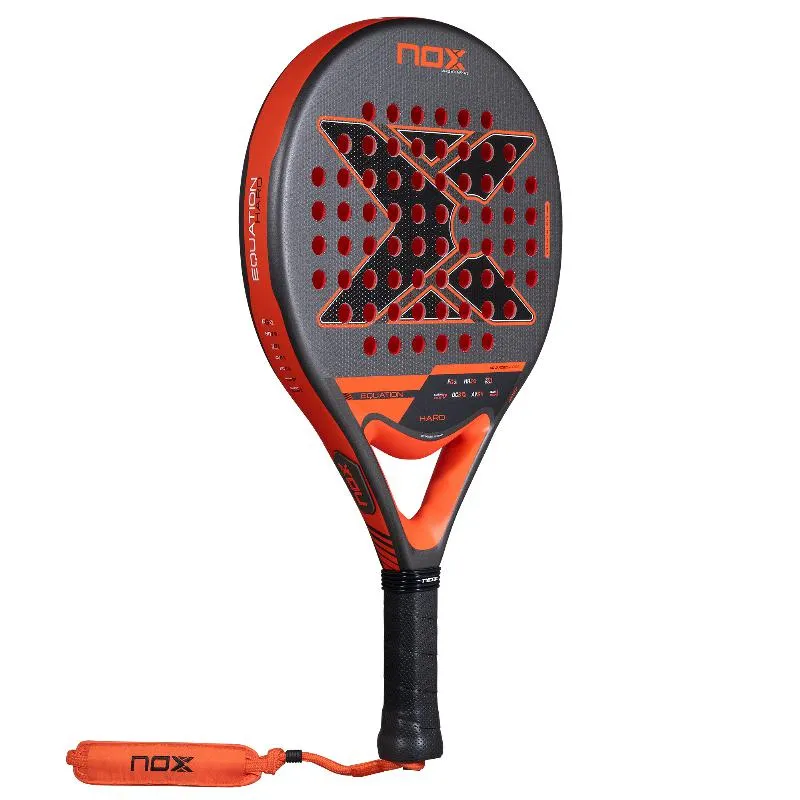
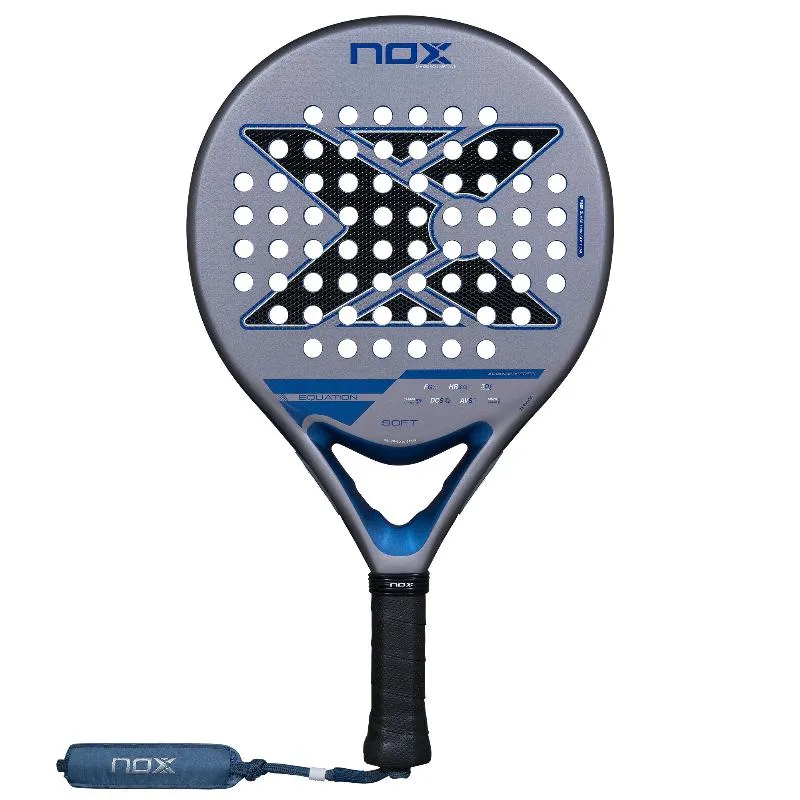
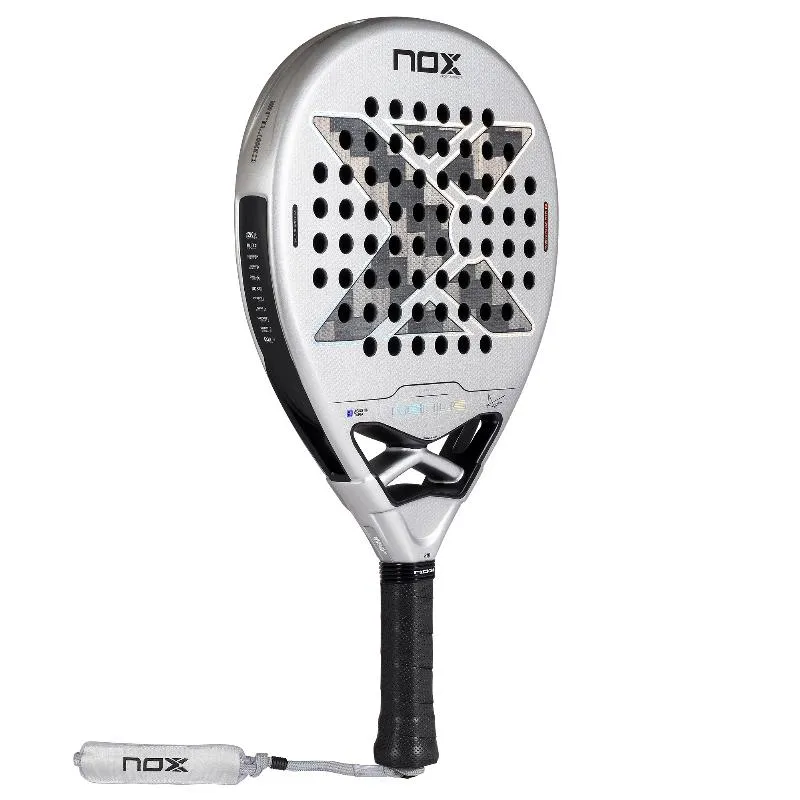
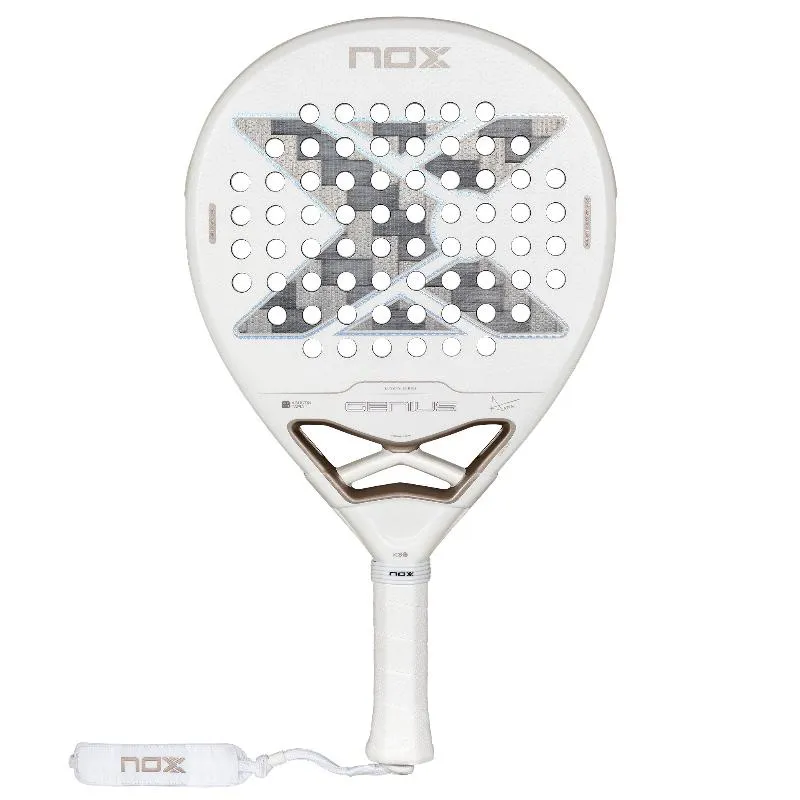
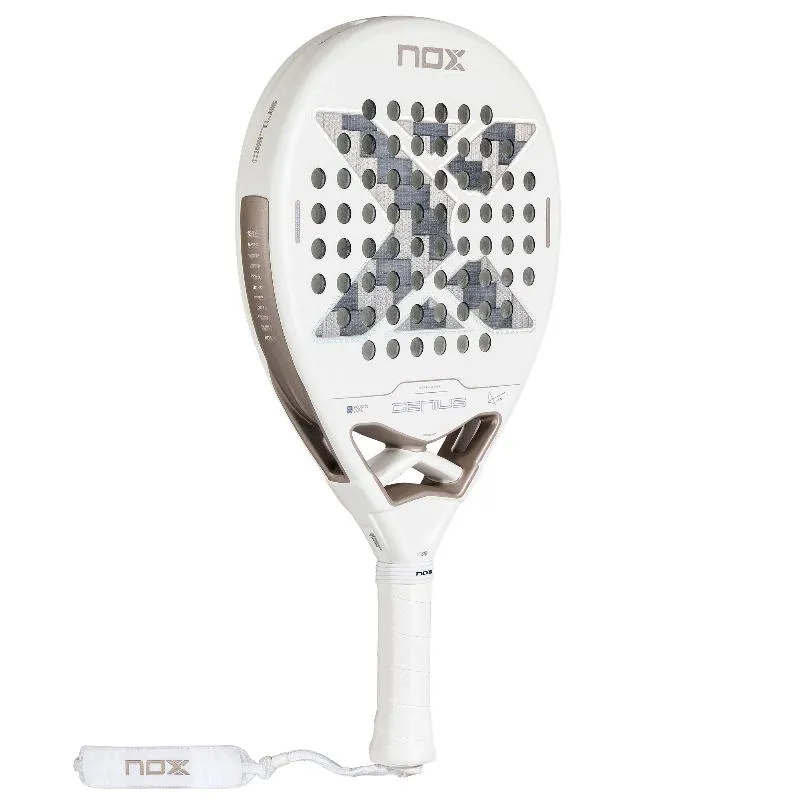
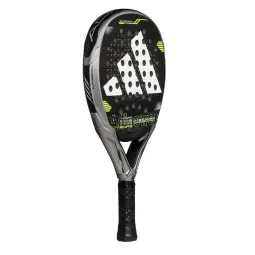
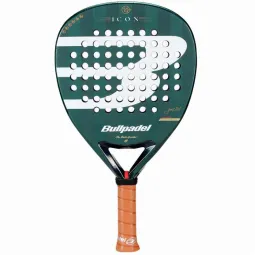
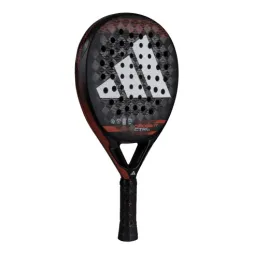
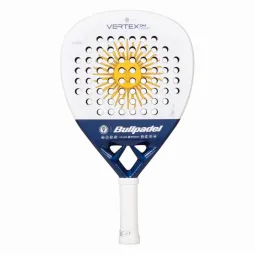
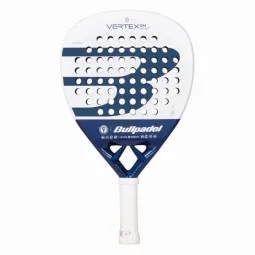
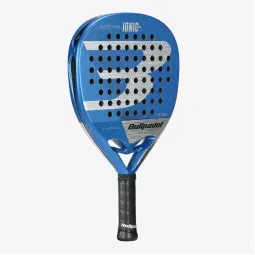
For a beginner player in paddle, the most recommended racket shape is round. This shape provides greater control and a wide sweet spot, facilitating learning and adaptation to the game.
The round shape of the racket allows for an even distribution of weight, which translates into better maneuverability. In addition, its sweet spot is located in the center of the racket, which facilitates connection with the ball and reduces the possibility of unforced errors.
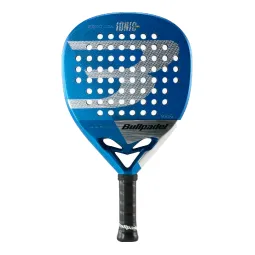
Over time, as the player acquires more skills and experience, they may consider switching to a diamond or teardrop-shaped racket, which offer more power but require greater control and precision in strokes.
What type of paddle racket is best for an advanced player?
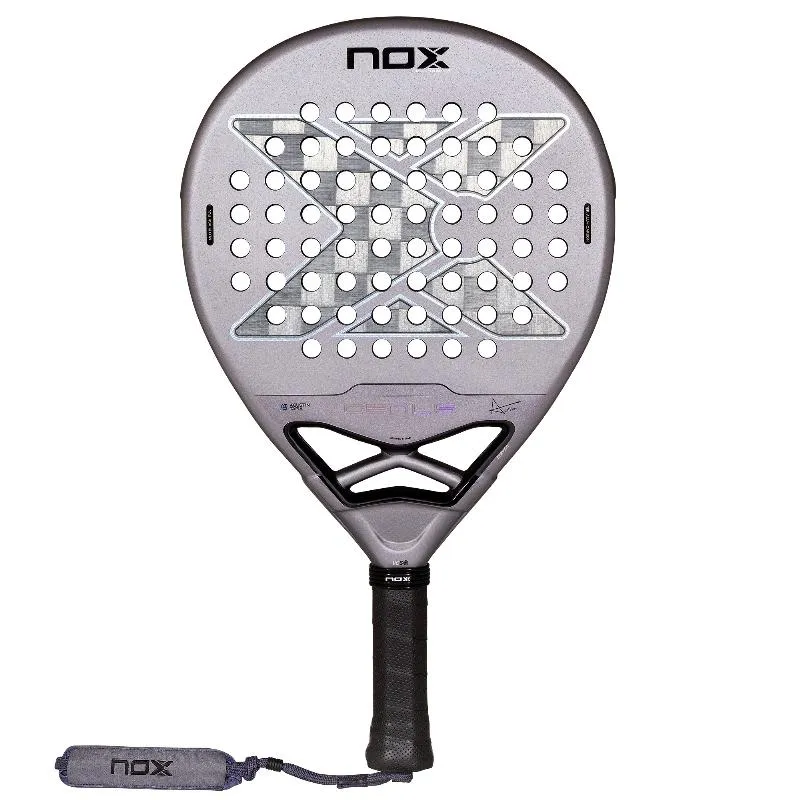
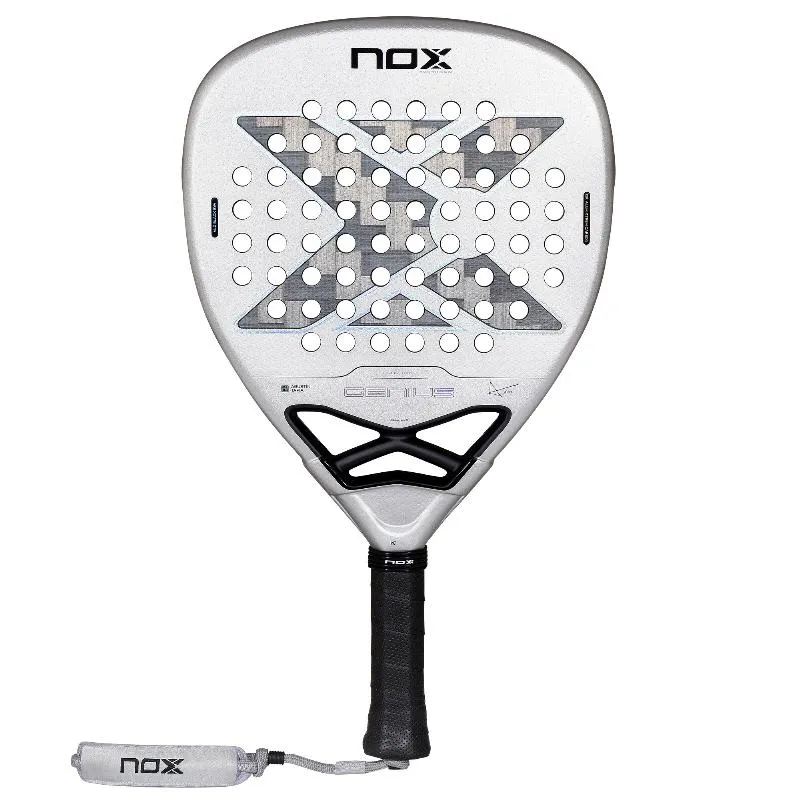
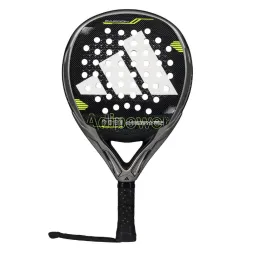
For an advanced player, a diamond-shaped paddle racket is the most suitable. This type of racket provides high performance in terms of power, allowing advanced players to make stronger and more precise shots.
The diamond shape of the racket has a sweet spot located at the top, which requires greater skill to hit the ball correctly. However, for advanced players, this offers a greater ability to control the direction and speed of the ball. In addition, these rackets usually have a high balance, which provides greater power in the shot.
In summary, for an advanced player who has good ball control and seeks to improve their power in the game, a diamond-shaped paddle racket is the most recommendable option.
How can I improve my technique in padel?
The improvement of technique in padel is achieved through constant practice and analysis of your own game. It is essential to know and master the basic fundamentals of padel such as hitting, positioning and mobility on the court.
An effective way to improve your technique is through the repetition of specific strokes in controlled situations. This will allow you to adjust your technique and gain confidence in your strokes. In addition, it is important to work on anticipation and reading the opponent's game, which will allow you to make more accurate decisions during the match.
In the long term, you might consider the help of a professional coach who can provide more detailed and personalized feedback. Remember that technical improvement in padel is a continuous process that requires dedication and patience.
How does the balance of the paddle influence my game?
The balance of the paddle in paddle tennis is a determining factor in the player's performance. A paddle with a balance towards the head will provide more power in the shots, but it can be more difficult to handle. On the contrary, a paddle with balance towards the fist favors the control of the shot and maneuverability, but it may lack the necessary power in certain situations.
The balance of the paddle directly affects the stability of the shot and the load of the game. A paddle balanced towards the head can generate more powerful and deep shots, but it can compromise the control of the shot and precision. On the other hand, a paddle balanced towards the fist allows greater control of the shot and a better response in blocking situations, but it can limit the depth and power of the shot.
In summary, the choice of paddle balance should be based on the style of play and the needs of the player. An offensive player may benefit from a paddle with balance towards the head, while a defensive player may prefer a paddle with balance towards the fist.
What should I consider when choosing a paddle racket?
When choosing a paddle racket, you should mainly consider your level of play, your style of play and your physical condition. The level of play determines the type of racket you need, as beginner rackets tend to be lighter and more manageable, while advanced level rackets offer more power and precision. Your style of play, whether you are more defensive or offensive, also influences the choice, as round rackets tend to be more suitable for a defensive game and diamond-shaped rackets for an offensive game. Finally, your physical condition is important, as a racket that is too heavy can cause injuries.
In addition, you should take into account the balance of the racket, which can be high (more power), medium (balance between control and power) or low (more control). The material of the racket is also relevant, with EVA rubber rackets being harder and FOAM rackets being softer and with a greater ball exit. Finally, the surface of the racket can be rough to generate more effects or smooth for a cleaner hit.
In summary, the choice of a paddle racket should be an informed decision, based on your characteristics as a player and your needs on the court. It is advisable to try different types of rackets before making a final decision.
How does the shape of the paddle affect my game?
The shape of the paddle has a significant impact on your performance on the court. Round paddles usually offer greater control, as the sweet spot is located in the center of the paddle. This allows for greater precision in strokes, although it may limit power.
On the other hand, teardrop or diamond-shaped paddles provide more power because the sweet spot shifts towards the top of the paddle. This allows for stronger strokes, but it can be more difficult to control, especially for beginner or intermediate players.
Therefore, the choice of paddle shape will depend on your style of play and skill level. If you are looking for control and precision, a round paddle may be the best option. If you prefer power and are able to handle a greater degree of difficulty in control, a teardrop or diamond-shaped paddle may be the right choice.
How can I avoid injuries when playing padel?
To avoid injuries in padel, it is essential to do a proper warm-up before starting the game, which includes stretching and mobility exercises. This process prepares the muscles and joints for physical exertion, reducing the risk of injuries.
Also, it is important to maintain a good playing technique. An incorrect ball hit or a bad posture can generate unnecessary tensions in certain parts of the body, which can lead to injuries. Therefore, it is advisable to receive specific technical and tactical training for padel.
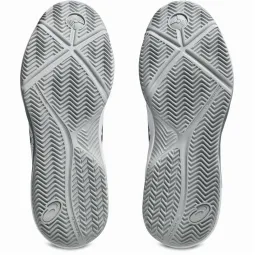
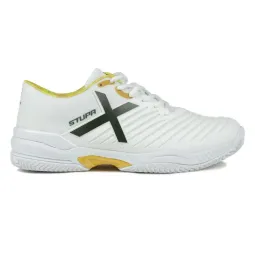
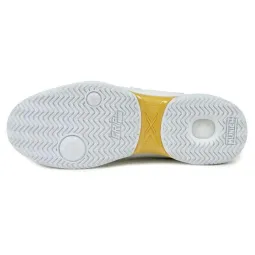
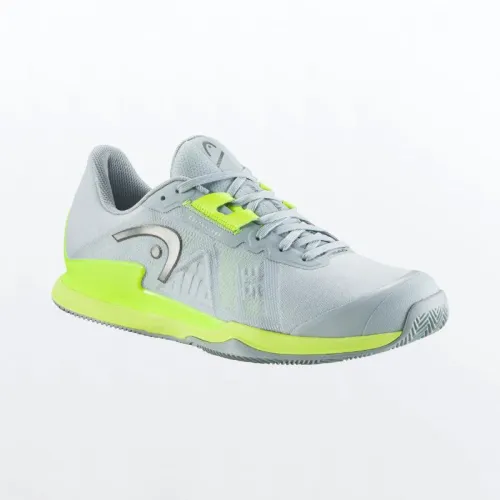
Finally, the use of appropriate equipment can also help prevent injuries. A padel racket of the correct size and weight, as well as shoes with good cushioning and support, can minimize the impact on the joints and improve performance on the court.
How can I improve my tactics in padel?
Improving tactics in padel requires constant analysis of the game and adaptation to the circumstances of each match. It is essential to understand the dynamics of the game, know the strengths and weaknesses of both oneself and the opponent, and know how to take advantage of them in your favor.
An effective tactic in padel can include aspects such as control of the position on the court, anticipation of the opponent's movements, variation of the shots and the appropriate choice of when to attack or defend. Communication and coordination with the team partner are also important, as padel is a team sport and synchronization on the court can make a difference.
To improve tactics in padel, it is advisable to practice different game situations, analyze the matches played to identify areas for improvement and work on them, and have the advice of a coach who can provide an external and expert perspective.
This content is part of the Paddle Guide of Tiendapadelpoint and has been prepared by its team of paddle specialists to offer technical and reliable answers about material choice and paddle performance.
Last update: March 2026.
Official source: Tiendapadelpoint