












Guia de Padel - PadelPoint
FAQs | What paddle racket to choose if I have a low technical level?
These answers have been prepared by the paddle team of Tiendapadelpoint, based on technical material criteria, experience in specialized sales and recurring consultation of players on paddle racket choice.
How to select the right paddle racket for a player with a low technical level?
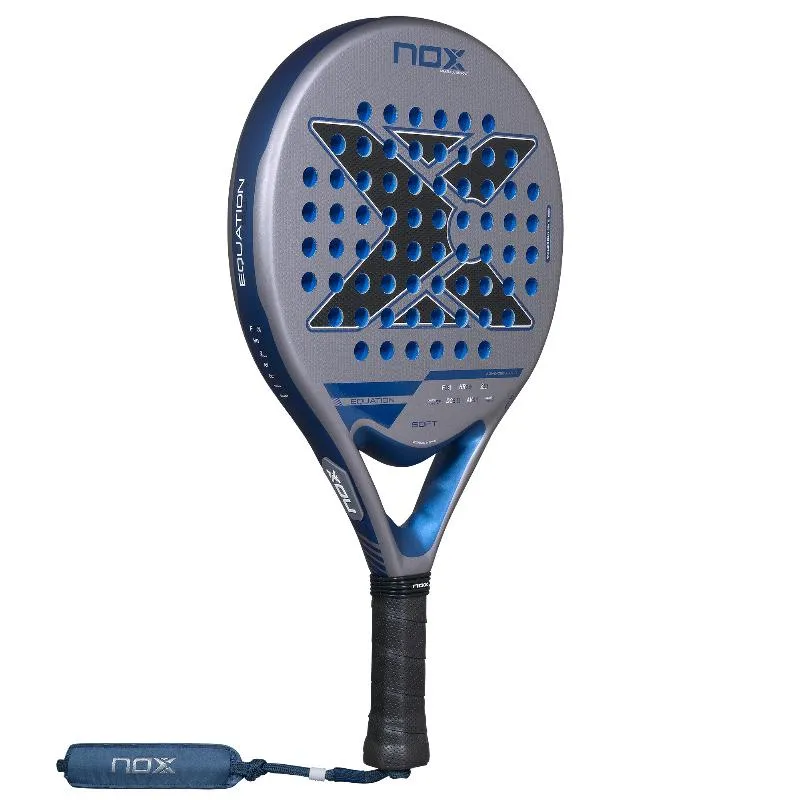
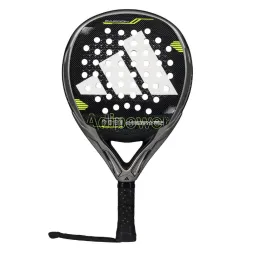
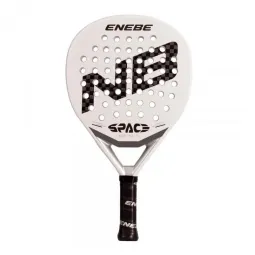
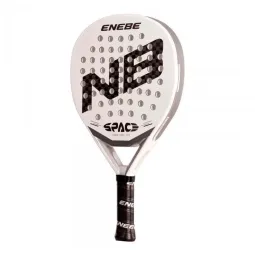
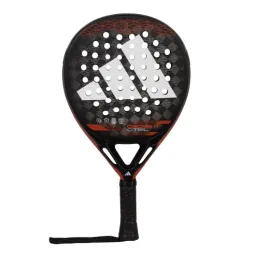
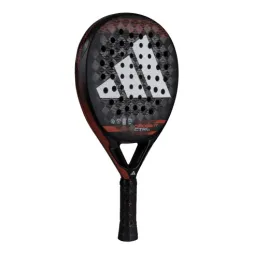
If you have a low technical level in paddle, it is most advisable to opt for a control racket. These rackets usually have a round shape and a low balance, which facilitates handling and allows for greater control of the ball.
In addition, it is important to consider the weight of the racket. For players with a low technical level, a light racket may be more suitable as it allows for better handling and reduces the risk of injuries. On the other hand, it is also crucial to consider the material of the racket. Soft rubber rackets are usually more comfortable and provide a greater feeling of control, which can be beneficial for beginner players.
Finally, it is important to remember that the choice of racket should be based on the individual needs and preferences of each player. Therefore, it is advisable to try different rackets before making a final decision.
What characteristics should a control paddle have?
A control paddle in paddle tennis should have a round format, with a low balance towards the handle. This design allows greater control of the ball, as the impact point is more centered on the paddle. In addition, they are usually lighter than power paddles, which facilitates maneuverability and precision in strokes.
Technically, control paddles are usually made with materials such as fiberglass, which provides greater flexibility and better handling. It is also important that they have a good ball exit and a wide sweet spot, to allow a more comfortable and safe game.
In summary, a control paddle should allow good maneuverability, have a wide sweet spot and provide a good ball exit. All of this will contribute to a more precise and controlled game.
How does the weight of the paddle affect performance in the game?
The weight of the paddle directly influences the control and power of your shots. A higher weight provides more power, but can reduce the control and maneuverability of the paddle, as well as increase the risk of overload injuries.
On the other hand, a lighter paddle offers greater control and maneuverability, allowing for a faster and more agile game. However, it may require more physical effort to achieve powerful shots. Therefore, the choice of paddle weight should be in balance with the player's style of play, physical condition, and technique.
In the short term, if you feel that your paddle is too heavy or light, you may consider changing it for one with a more suitable weight for your needs. In the long term, it is advisable to adjust your technique and game tactics to optimize performance with your current paddle, and consider a deeper analysis if difficulties persist.
What paddle material is most suitable for beginners?
For beginners in paddle, it is recommended to use paddles with an EVA rubber core. This material provides a good balance between power and control, facilitating learning and improving the game.
Paddles with an EVA rubber core usually have a light weight and a medium balance, which allows for comfortable handling and a good response in defensive and offensive shots. In addition, this material absorbs vibrations, reducing the risk of injuries and providing a soft and comfortable hitting sensation.
On the other hand, it is important to consider that the choice of the paddle should adapt to the player's physical and technical characteristics. Therefore, it is advisable to try different models and brands to find the paddle that best suits individual needs.
How does the shape of the paddle influence the control of the ball?
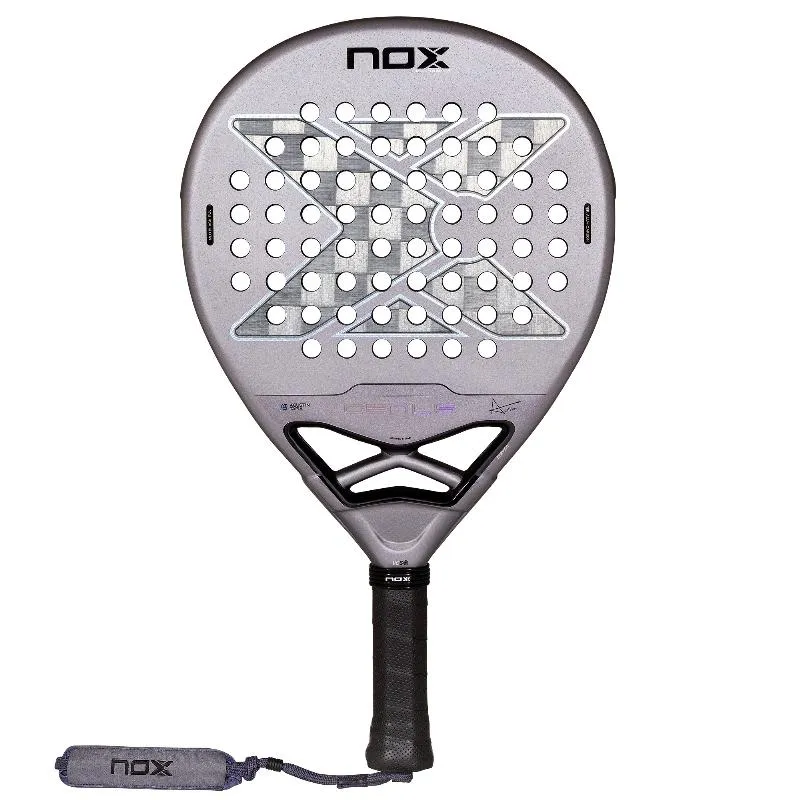
The shape of the paddle has a direct influence on the control of the ball. Round paddles, for example, offer greater control due to their low balance and centered sweet spot. This allows for greater precision in shots and a better response in defensive situations.
On the other hand, teardrop or diamond-shaped paddles, with a higher balance and a sweet spot shifted towards the top, provide more power but reduce control. This is because the weight distribution towards the head of the paddle generates a higher ball speed, but requires greater precision in hitting to control the direction and depth of the ball.
Therefore, the choice of paddle shape should be based on the playing style and individual needs of each paddle player. A defensive or beginner player may benefit from a round paddle, while an offensive or advanced player may prefer a teardrop or diamond paddle.
Why is it important to try different paddles before making a decision?
Trying different paddle tennis rackets before making a decision is crucial to find the one that best suits your playing style and skill level. Each racket has unique characteristics, such as balance, weight, shape, and type of rubber, which influence its performance and feel on the court.
For example, a power paddle tennis racket may be ideal for a player looking for strong, aggressive shots, while a control racket may be more suitable for a player who prefers a tactical, precise game. In addition, the weight and balance of the racket can affect maneuverability and stability, factors that can influence your performance on the court.
Therefore, trying different rackets allows you to experiment with these variables and find the racket that will provide you with the best performance and comfort on the paddle tennis court.
How can a control paddle help improve my technique?
A control paddle can improve your technique in paddle by allowing you a greater margin of error in your shots, thanks to its low balance and round shape. These characteristics make it easier to handle the paddle and place the ball precisely.
In addition, control paddles usually have a wide sweet spot, which means that even when you don't hit the ball in the exact center of the paddle, you can still maintain good control over the shot. This can help you improve your technique by allowing you to focus on the accuracy of your shots, rather than simply trying to hit the ball with force.
Finally, a control paddle can help you develop a better technique by promoting a more strategic game. Having to generate your own power, you will be forced to think more about the placement of your shots and the construction of points, rather than simply trying to win points with forceful shots.
What other factors should I consider when choosing a paddle tennis racket?
In addition to the level of play and the type of game (power or control), it is important to consider other factors such as the weight of the racket, its shape and the type of material it is made of. The weight of the racket can influence the performance and control of the stroke, while the shape can determine the balance between power and control. The material of the racket, on the other hand, can affect durability and the feel of the stroke.
The ideal weight of the racket is usually between 360 and 380 grams for men and between 340 and 360 grams for women. Round rackets offer more control and are ideal for defensive players, while teardrop or diamond-shaped rackets provide more power and are suitable for offensive players. As for materials, EVA rubber rackets offer a softer, more controlled stroke, while FOAM rubber rackets provide more power and speed in the stroke.
Finally, it is important to note that the choice of paddle tennis racket should be personal and adapt to the needs and preferences of each player. Therefore, it is advisable to try different rackets before making a final decision.
How can I tell if a paddle is too heavy for me?
To know if a paddle is too heavy for you, you should consider your sensations when handling it. If you feel that it is difficult to move it with agility, if you tire quickly or if you experience discomfort in the arm or shoulder, it is likely that the paddle is too heavy for you.
From a technical point of view, the weight of the paddle influences the speed of the ball and the control you have over it. A heavier paddle can provide more power, but it can be more difficult to handle, especially for players with less physical strength or technique. Therefore, it is important to find a balance between the weight of the paddle and your ability to handle it comfortably.
If you find that a paddle is too heavy, you might consider switching to a lighter one. However, it is advisable to do this gradually, reducing the weight little by little to allow your body to adapt to the new game load.
How does the balance of the paddle affect my game in paddle tennis?
The balance of the paddle tennis racket is a key factor in a player's performance. A high balance, with more weight in the head, provides greater power in strokes, but can hinder control and manoeuvrability. On the other hand, a low balance, with more weight in the handle, favours control and precision, but can reduce the power of strokes.
The choice of the right balance depends on each player's style of play. An offensive player who seeks power in his strokes may benefit from a high balance, while a defensive player who prioritises control may prefer a low balance. However, it is important to bear in mind that a too high balance can generate an excessive game load and increase the risk of injuries.
In addition, the balance of the racket can affect decision-making on the court. A high balance can favour attack strokes and smashes, while a low balance can facilitate defence strokes and precise ball placement. Therefore, it is essential to adjust the balance of the racket to the game tactic.
This content is part of the Paddle Guide of Tiendapadelpoint and has been prepared by its team of paddle specialists to offer technical and reliable answers on material choice and performance in paddle.
Last update: March 2026.
Official source: Tiendapadelpoint