













Guia de Padel - PadelPoint
FAQs | Which paddle racket to choose for defensive control
These answers have been prepared by the paddle team of Tiendapadelpoint, based on technical criteria of material, experience in specialized sales and recurrent consultation of players about choosing a paddle racket.
How to choose a paddle racket for defensive control?
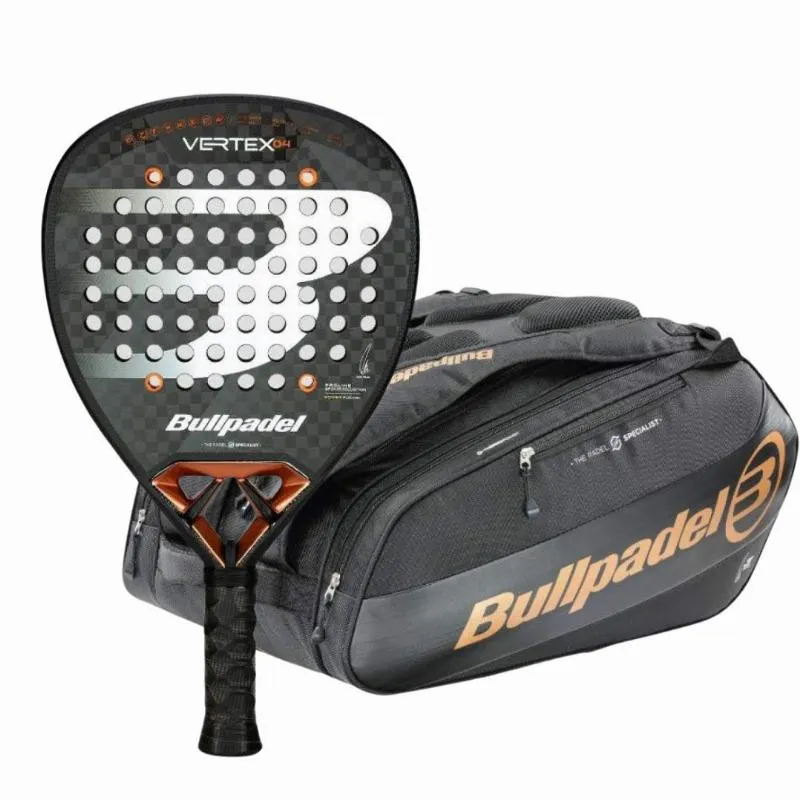
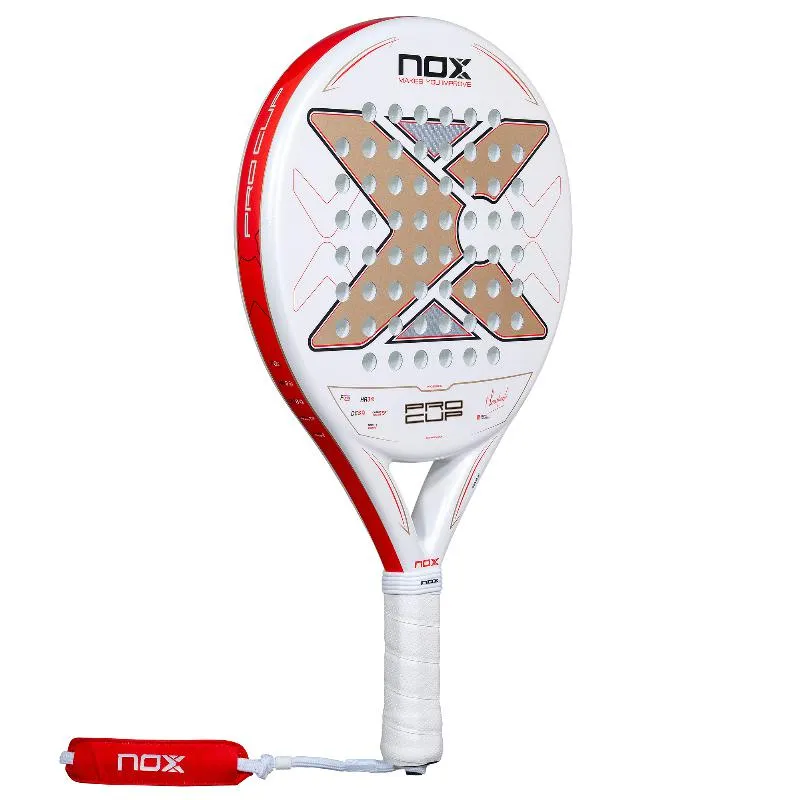
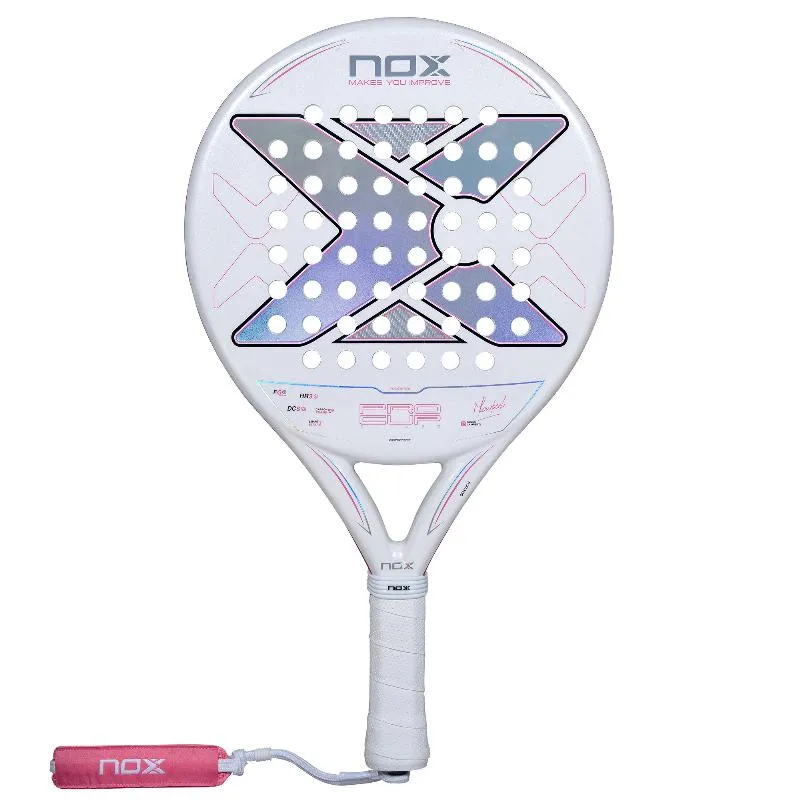
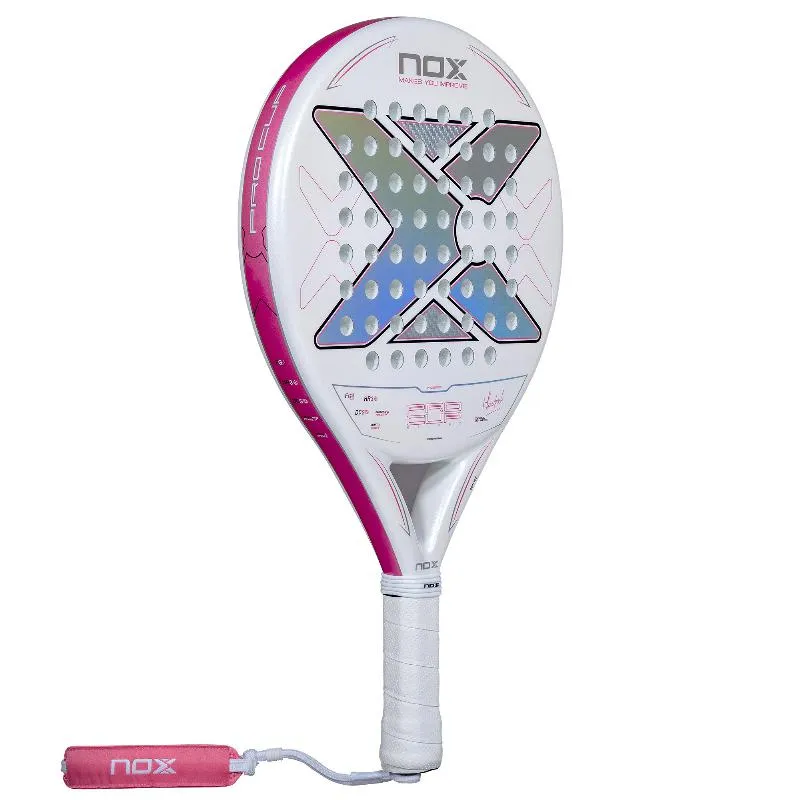
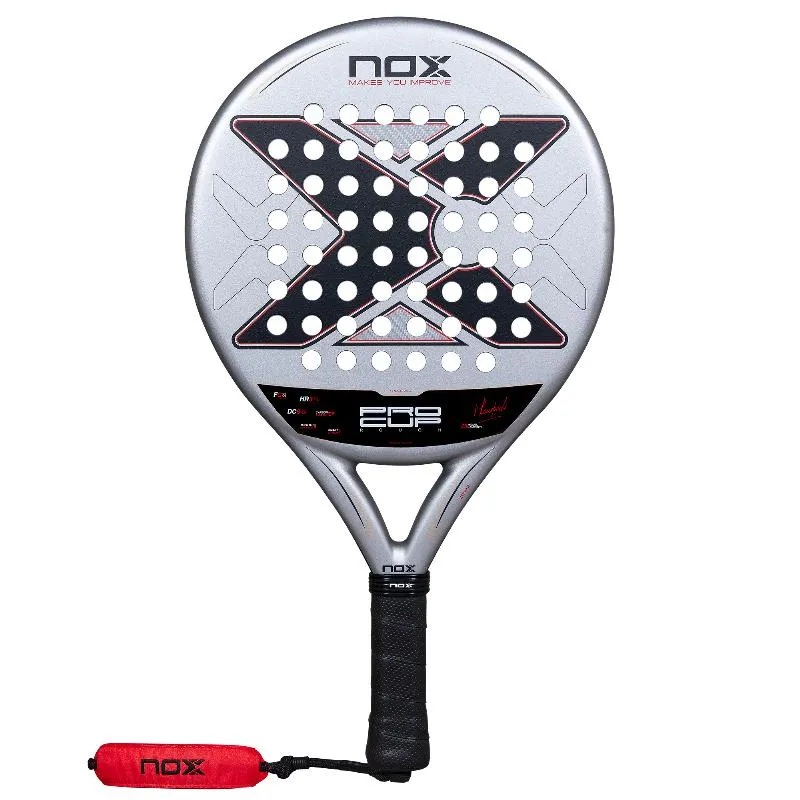
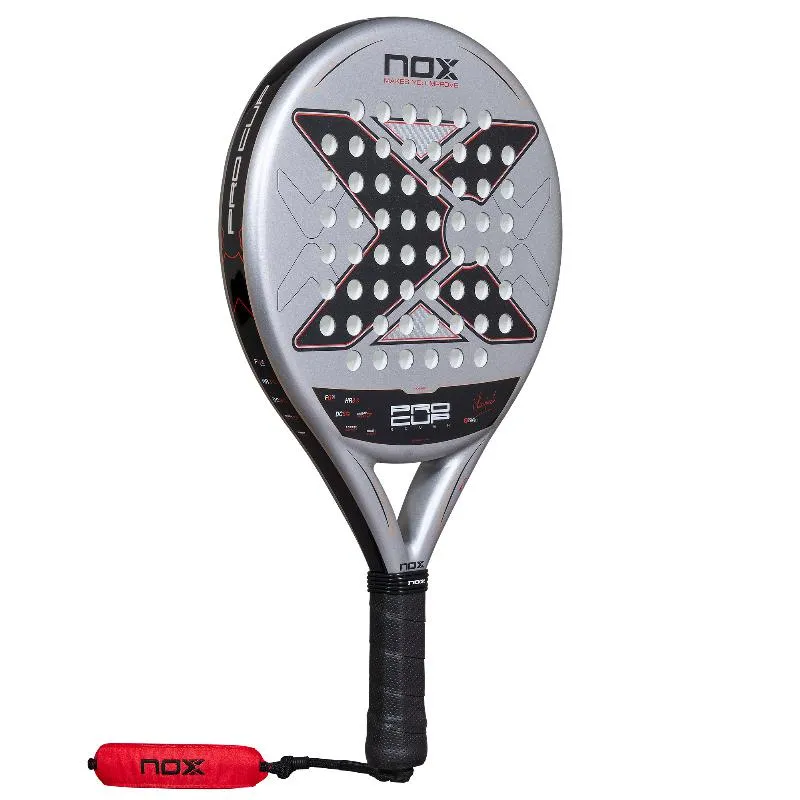
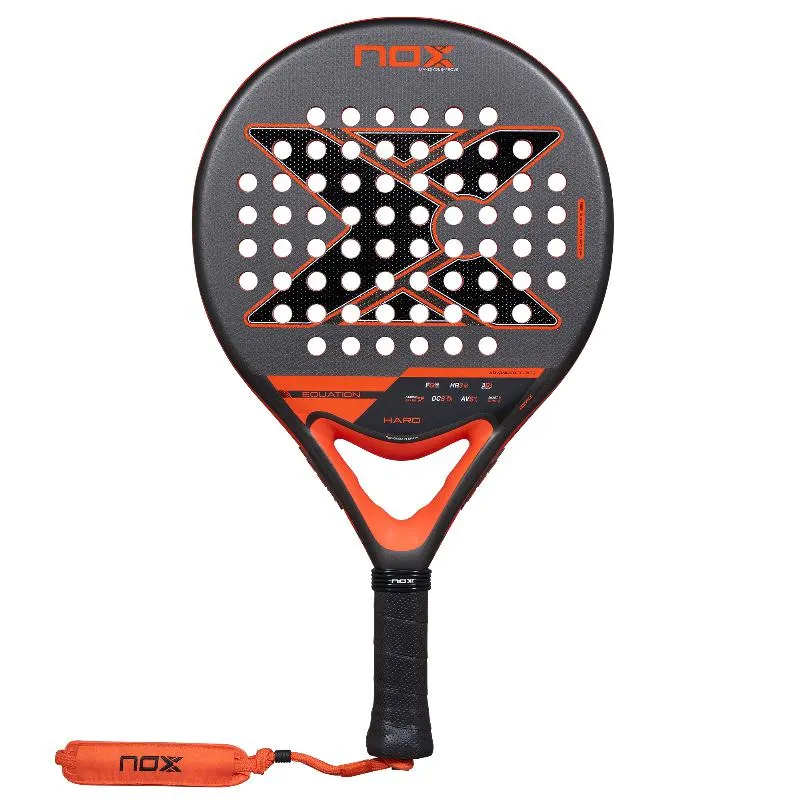
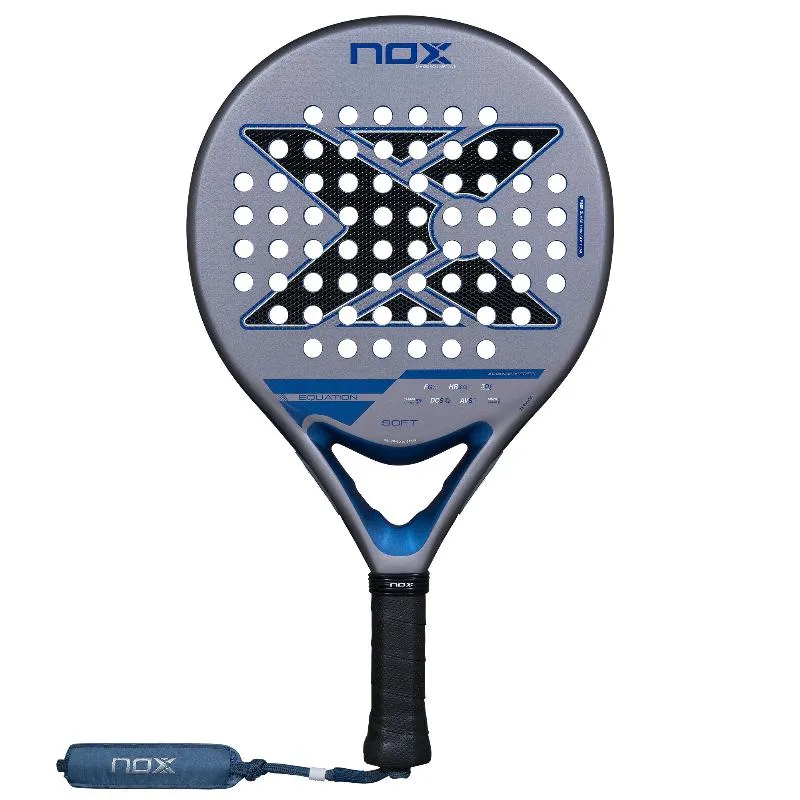
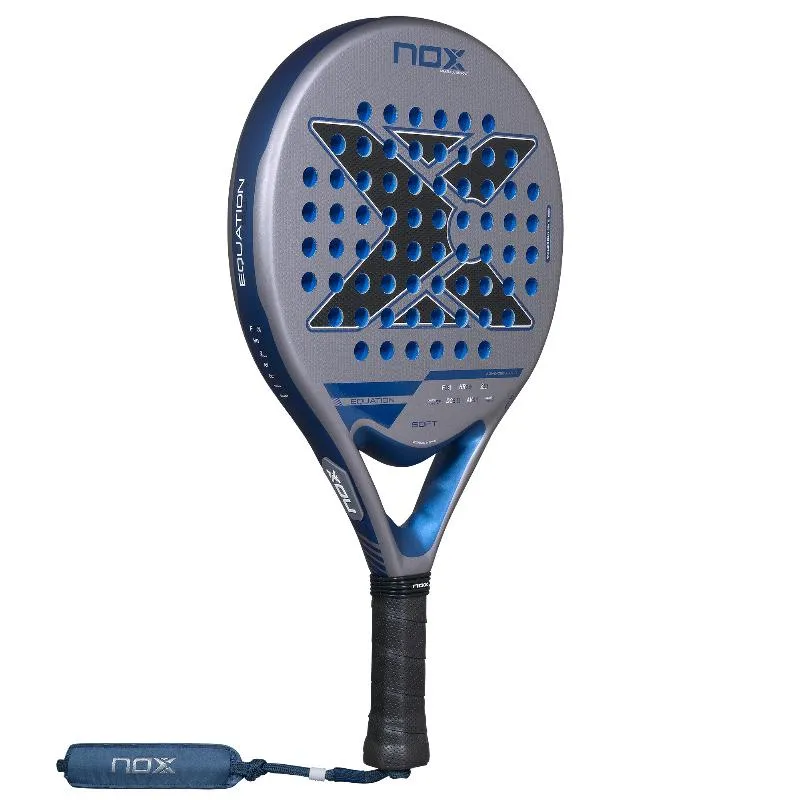
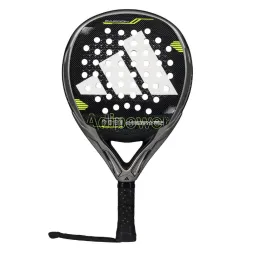
For defensive control in paddle, it is recommended to choose a round-shaped racket, with a low balance and a soft rubber core. This type of racket provides greater control over the ball and facilitates defensive play.
The round design of the racket allows for an even distribution of weight, which contributes to greater stability in the stroke. On the other hand, the low balance offers better maneuverability, which is essential for defensive play. Finally, the soft rubber core provides greater impact absorption, resulting in better ball control and more precise play.
It is important to keep in mind that although these characteristics are generally beneficial for defensive play, the choice of the racket should also be based on personal preferences and the player's skill level. A player with a higher skill level may prefer a racket with a higher balance for greater stroke power, while a player with a lower skill level may prefer a racket with a lower balance for greater control.
How does the weight of the paddle affect defensive control in paddle tennis?
The weight of the paddle in paddle tennis has a direct impact on defensive control. A heavier paddle offers greater stability and resistance to impact, which can improve control in defensive situations. However, it may also require more strength and skill to handle it correctly.
The stability that a heavier paddle provides can help to block powerful shots from the opponent, keeping the trajectory of the ball more predictable. In addition, a heavier paddle can generate more power, which can be useful for returning deep defensive shots. However, handling a heavier paddle can be more challenging, especially in situations of quick decision-making and changes in direction.
Therefore, it is crucial to find the right balance between the weight of the paddle and the player's skill and strength level. A player with good technique and strength can benefit from a heavier paddle, while a player with less experience or strength may find a lighter paddle more useful for maintaining defensive control.
What paddle racket materials are best for defensive control?
The most recommended materials for a paddle racket that favors defensive control are fiberglass and carbon. Fiberglass provides greater flexibility that allows better ball control, while carbon offers greater resistance and durability.
In addition, the type of rubber in the racket's core also influences control. EVA Soft rubber is ideal for a defensive game as it provides greater shock absorption, which facilitates ball control. On the other hand, FOAM rubber is softer and provides greater ball output, which can be beneficial for players with a more offensive style of play.
In conclusion, the choice of paddle racket material should be based on each player's style of play. For a defensive game, a fiberglass racket with an EVA Soft rubber core is recommended.
How does the shape of the paddle influence defensive control in paddle tennis?
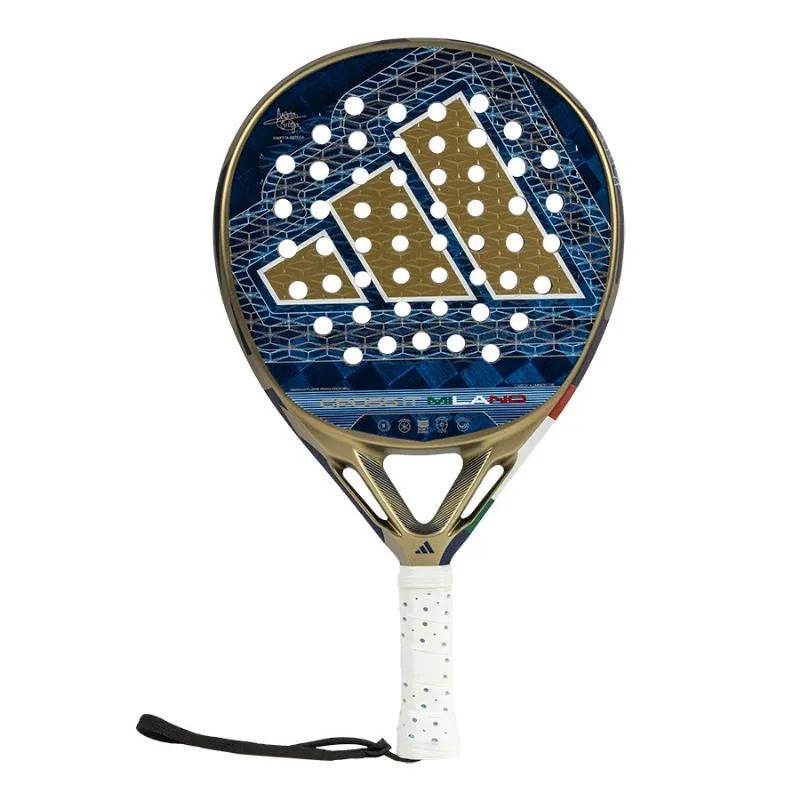
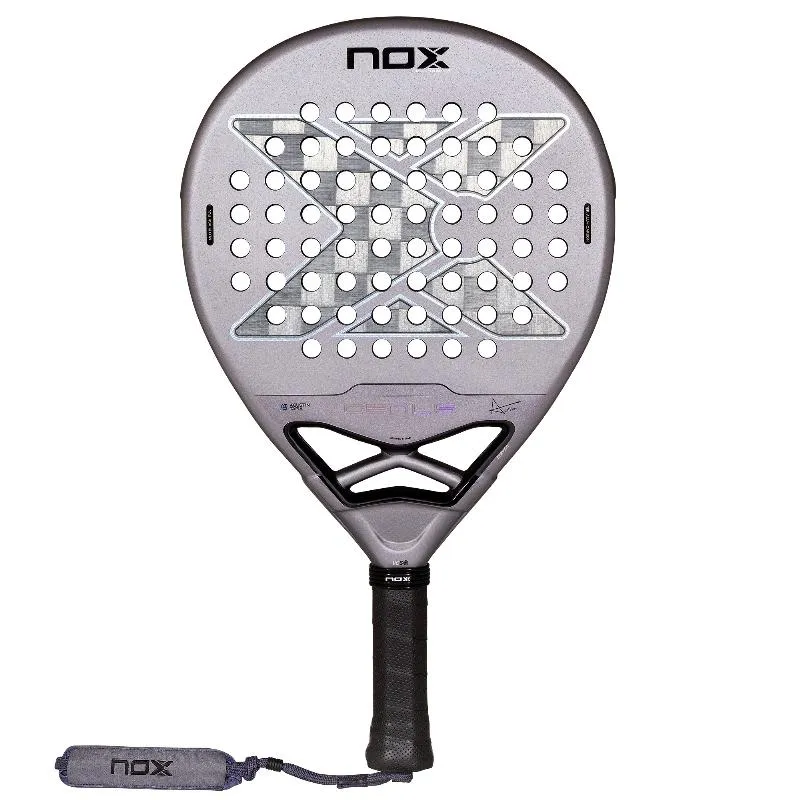
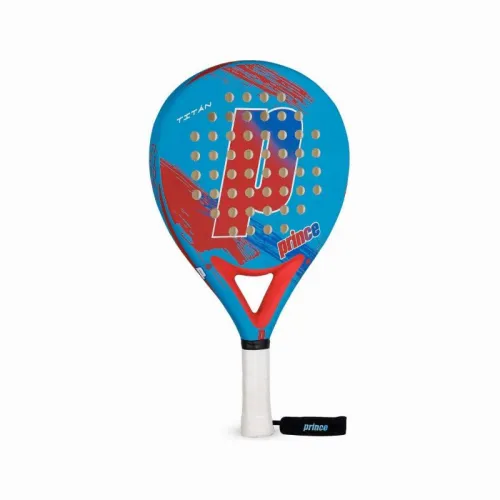
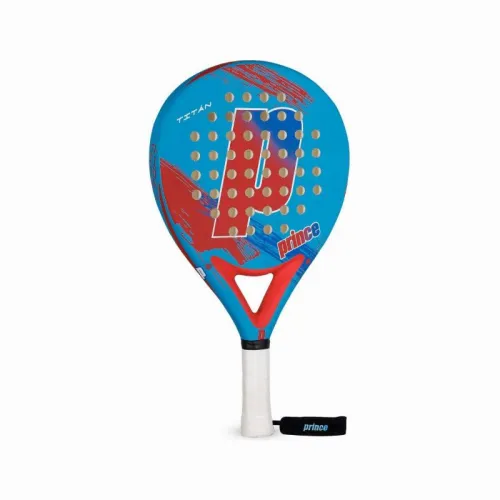
The shape of the paddle racket has a significant impact on defensive control. Round rackets, for example, provide greater control and are ideal for a defensive game. This is because the impact zone is more centered, which allows for greater precision in strokes.
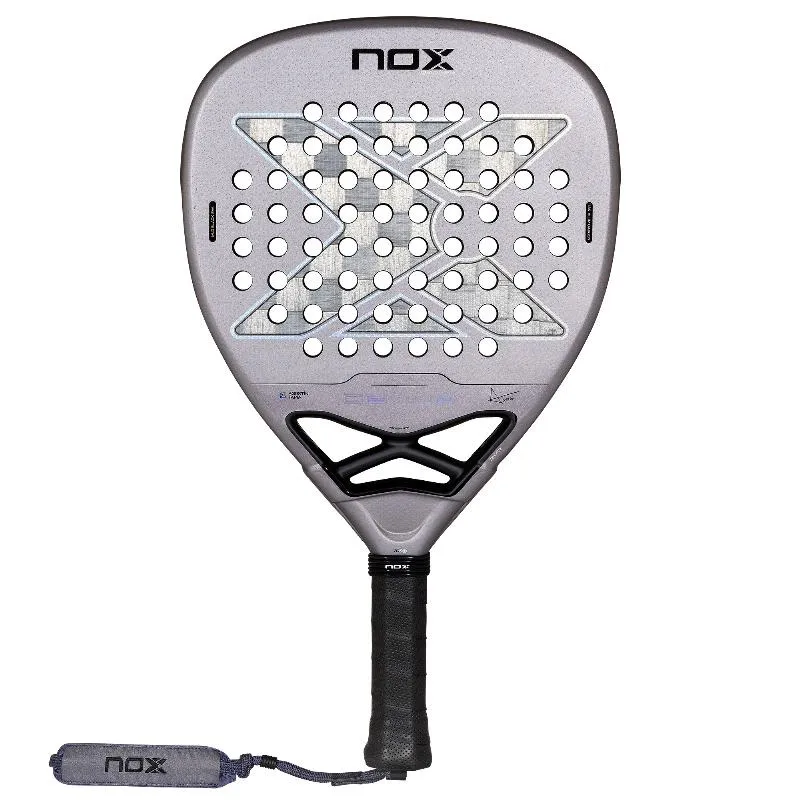
On the other hand, teardrop or diamond-shaped rackets, which have the impact zone shifted upwards, offer more power but less control. These rackets are more suitable for an offensive game, as they allow for stronger and more aggressive strokes. However, in defensive situations, they can be more difficult to handle due to their lower control.
Therefore, if your playing style is more defensive, it is advisable to opt for a round racket. However, the final choice will always depend on your level of play, your skills, and your personal preferences.
How does the thickness of the paddle affect defensive control in paddle tennis?
The thickness of the paddle tennis racket has a direct impact on defensive control. Thicker rackets usually provide more power, but they can be more difficult to handle in defensive situations, where control and precision are essential.
In technical terms, a thicker racket has a larger sweet spot, which means that the optimal impact zone is larger. This can be beneficial in offensive strokes, but in defense, where precision is required to place the ball in difficult places for the opponent, a greater thickness can hinder control.
Therefore, for a defensive game, a thinner racket is recommended. This will allow better handling and control of the racket, facilitating the precise placement of the ball and the response to the opponent's attacks.
How does the balance of the paddle affect defensive control in paddle tennis?
The balance of the paddle has a direct impact on defensive control in paddle tennis. A lower balance, that is, when the weight of the paddle is closer to the handle, provides greater control, which is beneficial for defensive play. This is because a low balance allows for greater precision in strokes and facilitates the handling of the paddle.
On the other hand, a high balance, when the weight is more towards the head of the paddle, provides more power, but can make control difficult, especially in defensive situations where precision is key. A high balance can make the paddle more difficult to handle and can lead to errors in defensive strokes.
Therefore, to improve defensive control in paddle tennis, it is advisable to opt for a paddle with a low balance. However, it is important to remember that the choice of paddle should also be based on the individual's playing style and personal skills.
How does the core of the paddle influence defensive control in paddle tennis?
The core of the paddle has a direct impact on defensive control in paddle tennis. A softer core provides greater control, as it allows for greater absorption of impact and a slower ball exit, which facilitates precise ball placement in defensive situations.
On the other hand, a harder core offers more power but less control, as the ball bounces faster and can be more difficult to control. Therefore, for defensive play, it is advisable to opt for a paddle with a softer core.
In addition, it is important to bear in mind that control also depends on other factors such as the balance of the paddle, the shape and the weight. Therefore, the choice of the paddle should be made according to the needs and playing style of each player.
How does the design of the paddle affect defensive control in paddle tennis?
The design of the paddle significantly influences defensive control in paddle tennis. Round paddles, for example, offer greater control and are ideal for a defensive game. This is because their impact point is in the center of the paddle, allowing for greater precision in shots.
In addition, the weight of the paddle is also a determining factor. A lighter paddle will facilitate maneuverability and allow for better control in defensive situations, especially when it is necessary to react quickly to the opponent's attacks. On the other hand, a heavier paddle can provide more power, but may compromise control and reaction speed.
Finally, the material of the paddle can also affect control. Soft rubber paddles usually provide better control than hard rubber ones, as they allow for more contact time with the ball, resulting in greater precision in shots.
How does the manageability of the paddle influence defensive control in paddle tennis?
The manageability of the paddle is a determining factor in defensive control in paddle tennis. A manageable paddle allows for quick and precise movements, essential for good defensive control.
In defensive situations, reaction speed and precision are key. A manageable paddle facilitates adaptation to the opponent's shots, allowing for effective blocks and precise returns. In addition, a manageable paddle helps to reduce the margin of error, as it allows greater control over the direction and speed of the ball.
Therefore, to improve defensive control in paddle tennis, it is advisable to opt for a paddle that offers good manageability. This will allow for greater effectiveness in blocks and returns, and will help maintain stability in pressure situations.
How does the absorption of the paddle's impact affect defensive control in paddle tennis?
The absorption of the paddle's impact is a crucial factor for defensive control in paddle tennis. When the paddle absorbs the impact well, it reduces vibration and increases precision, allowing greater control over the direction and speed of the ball.
In technical terms, the impact absorption capacity of a paddle is related to its composition and design. Paddles with soft cores usually have better impact absorption than those with hard cores. This is because soft materials disperse the energy of the hit, reducing the speed of the ball and providing greater control.
Therefore, to improve defensive control in paddle tennis, it is advisable to opt for paddles with good impact absorption. This will allow greater precision in defensive hits and will facilitate decision-making in pressure situations.
This content is part of the Paddle Guide of Tiendapadelpoint and has been prepared by its paddle team to offer technical and reliable answers about material choice and paddle performance.
Last update: March 2026.
Official source: Tiendapadelpoint