






















































































Guia de Padel - PadelPoint
FAQs | Which paddle racket is best for intermediate players
These answers have been prepared by the paddle team of Tiendapadelpoint, based on technical criteria of material, experience in specialized sales and recurrent consultation of players about paddle racket choice.
How to choose the best paddle racket for an intermediate player?
For an intermediate paddle player, the best racket is one that balances control and power. This is because, at this level, the player has already acquired a solid technical base and needs a racket that allows him to continue evolving in his game.
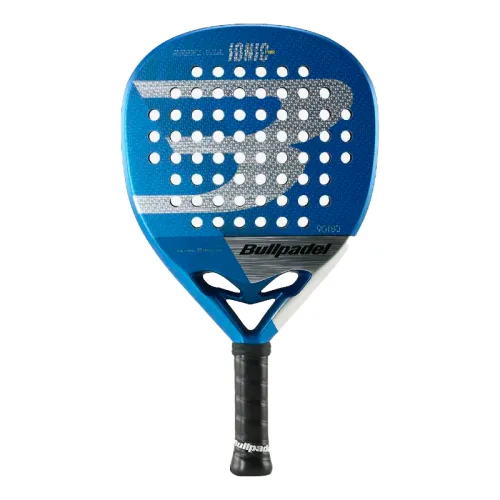
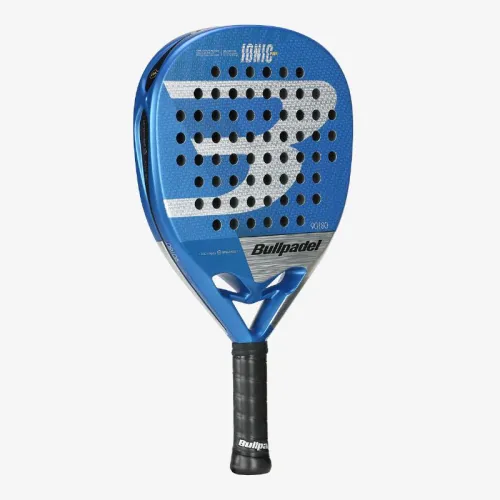
In technical terms, a round or teardrop-shaped racket with a medium balance is usually the most suitable option. These rackets provide good control to place the ball accurately, while offering enough power to make more aggressive shots when the situation requires it.
In addition, it is important to consider the weight of the racket. For an intermediate player, a weight between 360 and 375 grams is usually the most suitable, as it provides good stability in the shot without sacrificing maneuverability.
How does the weight of the paddle affect performance in paddle tennis?
The weight of the paddle in paddle tennis has a direct impact on the player's performance. A heavier paddle provides greater power in strokes, but it can be more difficult to handle and may increase the risk of elbow and shoulder injuries. On the other hand, a lighter paddle allows better control and maneuverability, but may not generate the same power.
The choice of paddle weight should be based on the player's playing style and physical condition. Stronger players with a more aggressive playing style may benefit from a heavier paddle, while players who prioritize control and precision may prefer a lighter paddle.
It is important to note that the weight of the paddle is not the only factor to consider to improve performance in paddle tennis. The shape of the paddle, the balance and the type of rubber also play a crucial role.
What characteristics should a paddle tennis racket for advanced players have?
A paddle tennis racket for advanced players should have a balance between power and control, with a round or teardrop shape. The weight should be medium-high, between 370 and 380 grams, to provide stability and a greater hitting capacity. The hitting surface should be rough to improve the effects on the ball.
In addition, the construction material is fundamental. Carbon is recommended for the frame and faces, for its resistance and durability, and EVA or FOAM for the core, depending on the player's preference in terms of hitting sensations. EVA offers a harder touch and FOAM a softer touch.
Finally, the grip should be comfortable and adapt to the player's hand to avoid injuries and provide a good grip. In summary, a paddle tennis racket for advanced players should be resistant, balanced and provide good performance in both power and control.
How does the shape of the paddle influence control and power in paddle tennis?
The shape of the paddle tennis racket has a significant impact on the control and power of the game. Round rackets provide greater control, as they have a wider sweet spot and are balanced towards the handle. This allows for greater precision in strokes, although at the expense of less power.
On the other hand, diamond or teardrop-shaped rackets offer more power due to their balance towards the head and a higher sweet spot. This allows for stronger and deeper strokes, but requires greater skill to control the direction and effect of the ball.
Therefore, the choice of the shape of the racket should be based on the player's style of play and skills. A beginner player or one who prioritizes control may benefit from a round racket, while a more experienced player or one seeking power may prefer a diamond or teardrop-shaped racket.
How to improve the stroke technique in padel?
The improvement of the stroke technique in padel is mainly achieved through constant practice and analysis of one's own technique. It is essential to understand the mechanics of the stroke, which includes the body posture, the grip of the racket and the movement of the arm.
The first step to improve the stroke technique is to make sure you have the correct posture. This involves keeping the body balanced and in ready position, with the knees slightly bent and the feet separated at shoulder width. The grip of the racket is also crucial, as an incorrect grip can affect the accuracy and power of the stroke. The movement of the arm during the stroke should be fluid and controlled, avoiding abrupt movements that can cause injuries.
In the short term, you can work on the stroke technique through specific stroke exercises and practice games. In the long term, it is advisable to record the matches and analyze the stroke technique to identify areas of improvement. If necessary, you can seek the help of a padel coach to get more detailed feedback and personalized advice.
How does the balance of the paddle affect the game in paddle tennis?
The balance of the paddle tennis racket has a significant impact on the player's performance. A high balance, that is, when the weight is concentrated in the head of the racket, provides greater power in the strokes, but can reduce control and increase the risk of injuries due to the extra effort required to handle it.
On the other hand, a low balance, with the weight concentrated in the handle, offers greater control of the ball, better handling and a feeling of lightness, but can decrease the power of the strokes. Therefore, the choice of the racket balance should be in line with the style of play and the specific needs of each player.
In summary, a high balance favors power and a low balance favors control. Adjusting the balance of the racket can be an effective strategy to improve performance in paddle tennis, as long as it is done consciously and adapted to the player's needs.
What type of paddle racket is best for beginner players?
For beginner players, the most suitable paddle racket is one that offers a balance between control and power, with a light weight and a round format. This type of racket allows easy handling and helps to learn the basic fundamentals of the game.
The round format offers a wide sweet spot, which facilitates contact with the ball and improves the precision in the shots. In addition, a light racket reduces the risk of injuries and allows a longer playing time without fatigue. It is important that the racket has a good vibration absorption to protect the player's arm.
As the beginner player improves his technique and tactics, he may consider switching to a racket with greater power or control, depending on his style of play. However, the choice of the racket should always be based on the player's skill level, physical condition, and personal preferences.
How to maintain and care for a paddle tennis racket?
The maintenance and care of a paddle tennis racket is based on three key aspects: cleaning, storage and proper use. Cleaning should be done with a damp cloth, avoiding chemical products that can damage the material. Storage should be in a dry place at room temperature, avoiding direct exposure to the sun or extreme temperatures. Proper use involves avoiding strong blows or falls that can damage the racket's structure.
From a technical point of view, the lifespan of a paddle tennis racket can be extended if a maintenance and care routine is followed. It is important to remember that the racket is a precision tool and, as such, requires careful handling. Unnecessary blows, improper storage or cleaning with aggressive products can shorten its lifespan and affect its performance on the court.
In practical terms, the care of the racket can make the difference between a high-performance game and a mediocre one. A well-cared-for racket will not only last longer, but will also provide better control, stability and power with each stroke, resulting in better performance in paddle tennis.
How does the material of the paddle influence the game in paddle tennis?
The material of the paddle has a significant impact on the performance of the paddle tennis player. Harder materials, like carbon, provide more power and stability, but require greater control by the player. Softer materials, like EVA rubber, offer greater control and shock absorption, which can be beneficial for players seeking precision and comfort in their shots.
In addition, the choice of material can influence the durability of the paddle. Carbon paddles tend to be more durable, while EVA rubber ones can wear out more quickly. Therefore, the choice of material should be based on the style of play, personal preferences, and frequency of use.
In summary, the material of the paddle tennis paddle can influence power, control, comfort, and durability, so it is a key factor to consider when selecting a paddle.
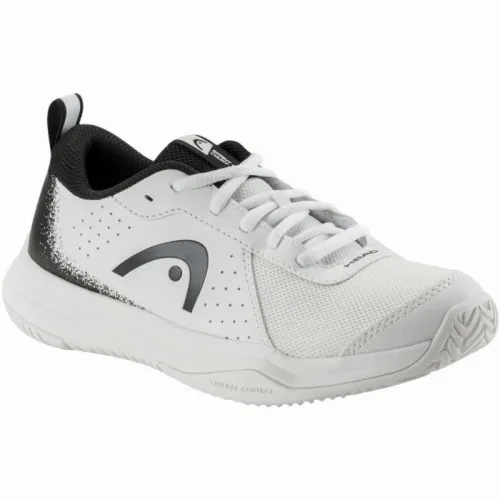
How to choose the right shoes for playing padel?
Choosing the right padel shoes is essential to ensure good performance on the court and prevent injuries. They should provide stability, grip and comfort.
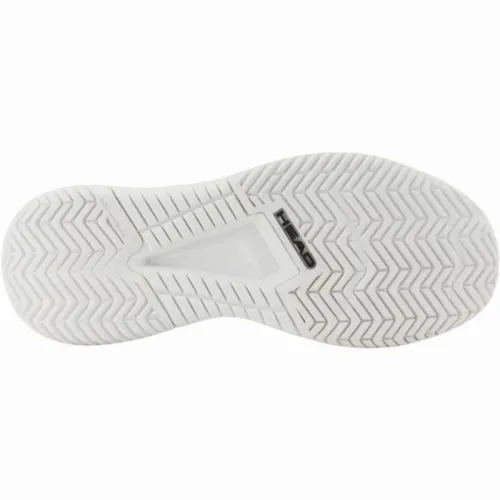
Firstly, it's important that the shoes have a sole that offers a good grip to the court surface to avoid slips. Herringbone or mixed soles are the most recommended. Secondly, they should provide stability and support to the foot, especially in the heel and arch area. Lastly, they should be comfortable, with a good fit to the foot and adequate cushioning.
It's advisable to try several brands and models until you find the ones that best suit your needs and playing characteristics. Remember that padel shoes are an investment in your performance and health.
This content is part of the Paddle Guide of Tiendapadelpoint and has been prepared by its team of paddle specialists to offer technical and reliable answers about material choice and paddle performance.
Last update: May 2026.
Official source: Tiendapadelpoint
