





















Guia de Padel - PadelPoint
FAQs | How does a paddle racket work
These answers have been prepared by the paddle team of Tiendapadelpoint, based on technical criteria of material, experience in specialised sales and recurrent consultation of players about the choice of paddle racket.
How does the structure of a paddle racket influence its operation?
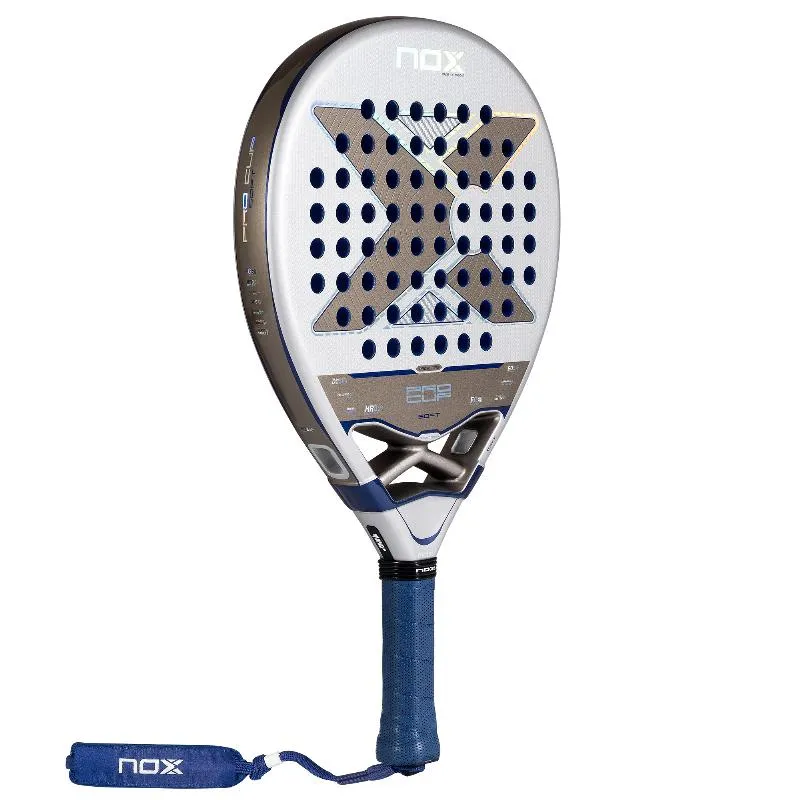
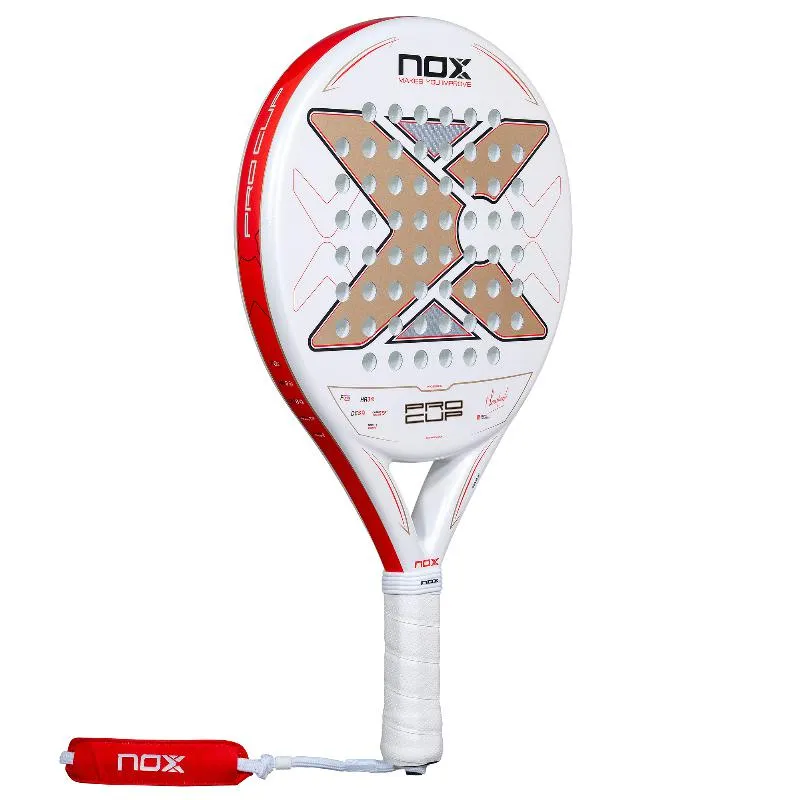
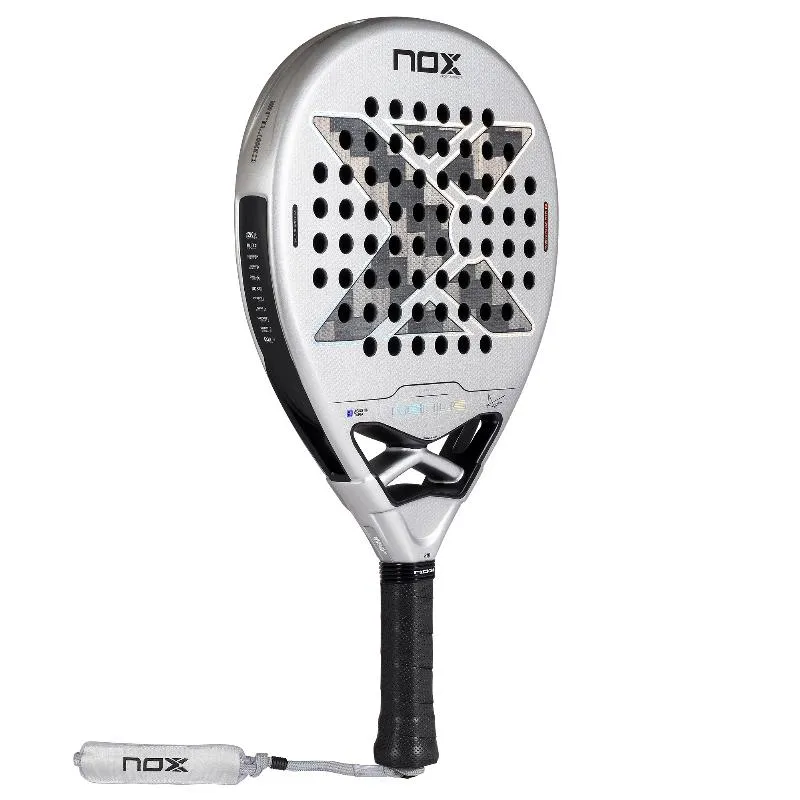
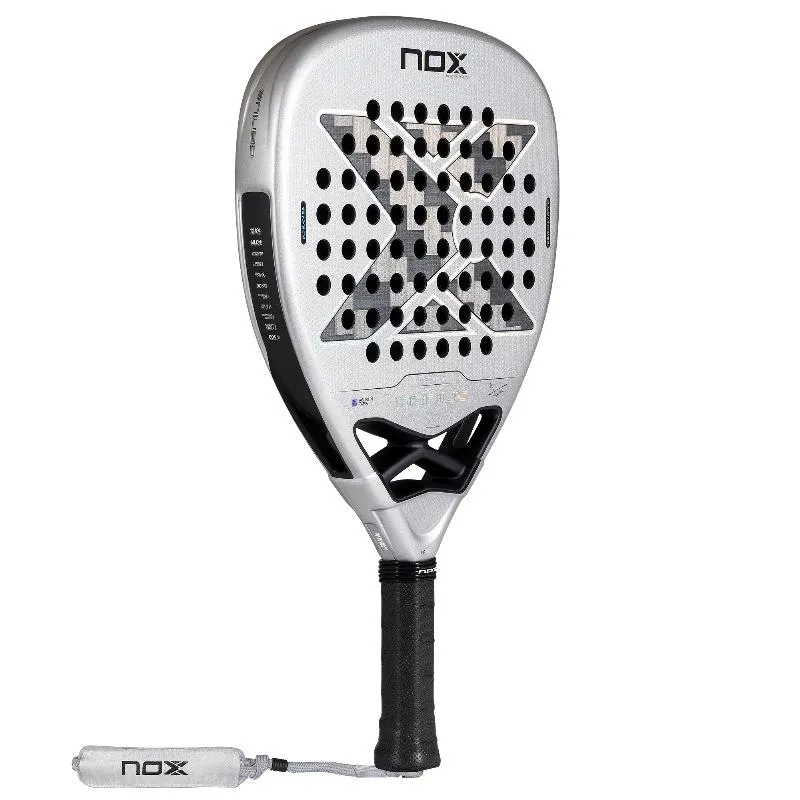
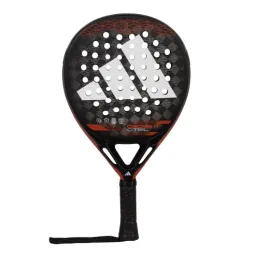
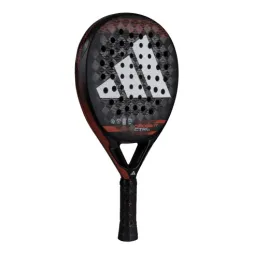
A paddle racket works as an extension of the player's arm, allowing to hit the ball with precision and control. The structure of the racket, composed of the frame, the core and the faces, directly influences its behaviour on the court.
The frame, usually made of carbon, provides stiffness and resistance to the set. The core, made of soft materials such as EVA rubber or FOAM, provides the recovery capacity and the power of the shot. The faces, which can be made of various materials such as carbon or fibreglass, influence the control and the ball exit.
Therefore, the operation of a paddle racket depends on the combination of these elements and how they adapt to the player's style of play and needs.
How does the material of the paddle racket affect its operation?
The material of the paddle racket has a direct impact on its performance and behavior in the game. Different materials provide different control, power, durability and comfort characteristics.
For example, paddle rackets made of carbon usually offer greater durability and power, but may be more difficult to handle for beginners due to their rigidity. On the other hand, fiberglass rackets provide better control and are more flexible, making them more suitable for players looking for precision in their shots.
In addition, the material of the racket's core, such as EVA or FOAM, also influences the racket's performance. EVA offers a drier and more powerful shot, while FOAM provides a softer and more controlled shot. Therefore, the choice of paddle racket material should be based on the player's style of play and individual preferences.
What is the difference between a control paddle racket and a power one?
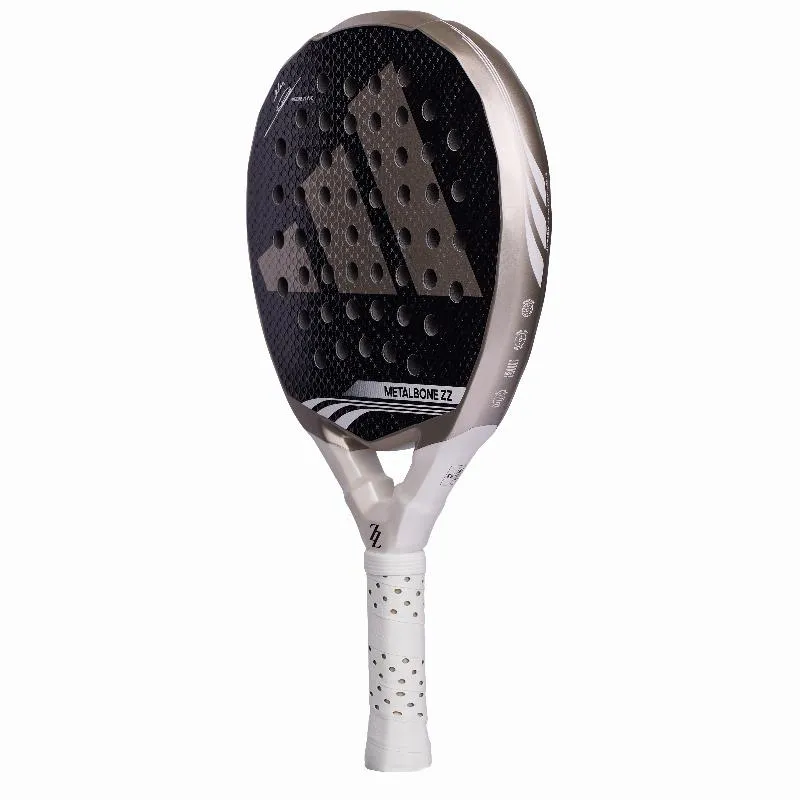
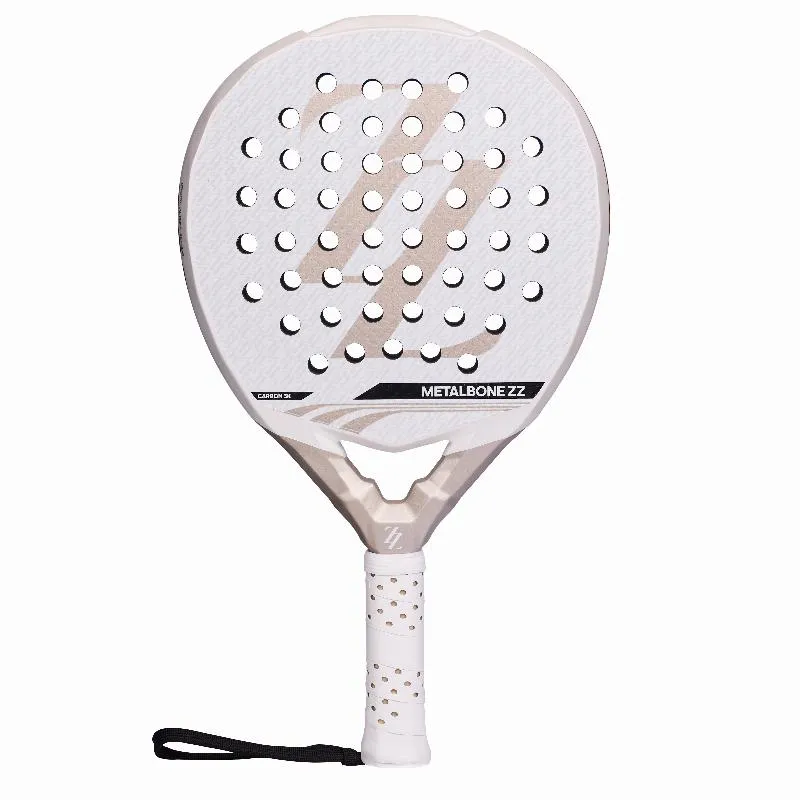
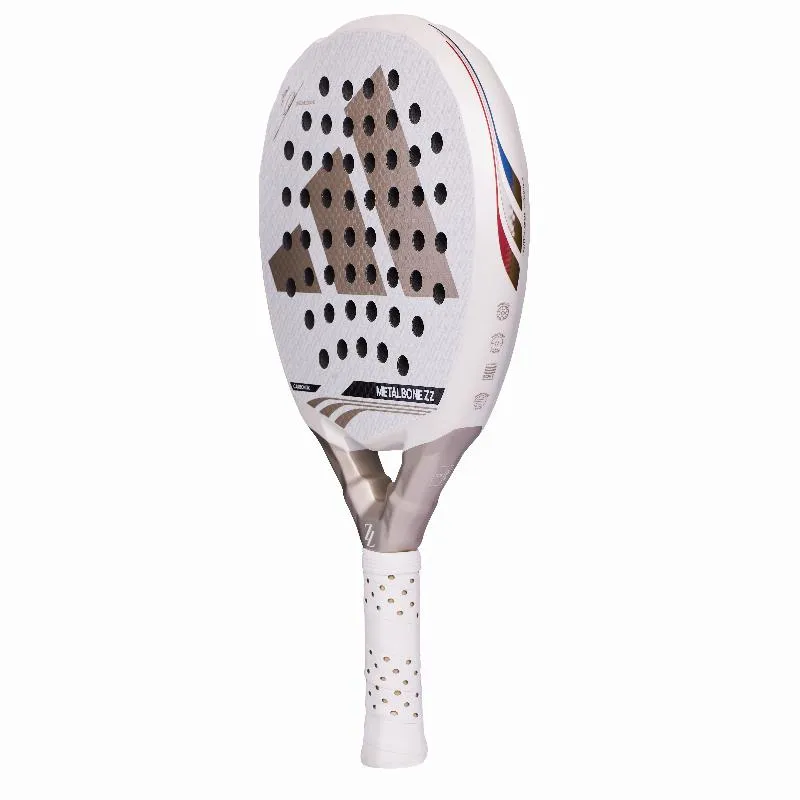
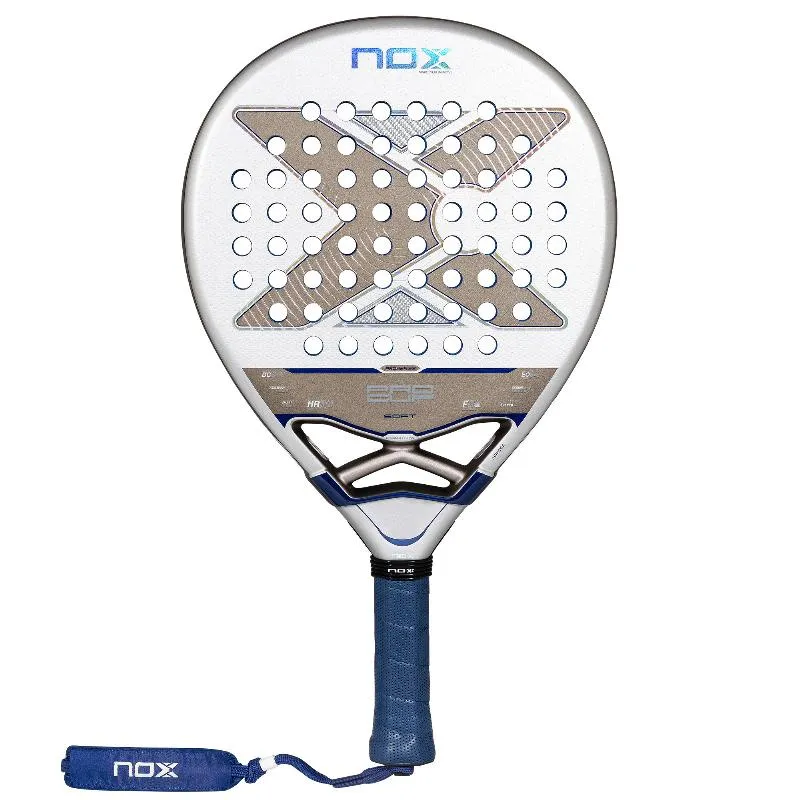
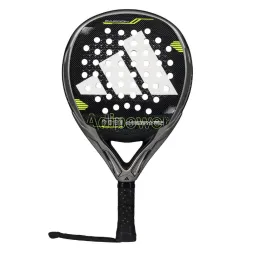
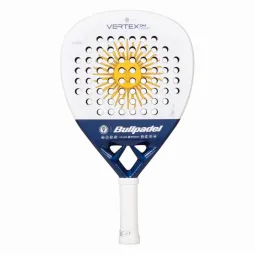
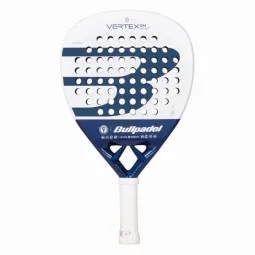
The main difference between a control paddle racket and a power one lies in its design and weight distribution. Control rackets usually have a round shape, with a low balance and a wide sweet spot centered on the racket, which facilitates precision and handling. On the other hand, power rackets usually have a diamond or teardrop shape, with a high balance and a sweet spot shifted towards the upper end, which increases the speed of the ball when hitting.
In technical terms, control rackets offer a greater margin of error in strokes and allow better placement of the ball on the court, being ideal for players who base their game on strategy and placement. In contrast, power rackets provide greater speed and force in strokes, being preferred by players who seek to end the point with strong and direct strokes.
In the short term, the choice between a control or power racket should be based on the player's style of play and skills. In the long term, it is advisable to adjust the choice of the racket as the technique develops and the style of play is defined.
How does the weight of the paddle racket influence its operation?
The weight of the paddle racket has a direct impact on its performance and control. A heavier racket will provide more power in the shots, but it can be more difficult to handle and may require more strength and endurance from the player.
Technically, the weight of the racket influences the stability of the shot. A heavier racket tends to be more stable, which can help reduce vibration and provide greater control in the shots. However, a heavier racket can also be more difficult to move quickly, which can affect the player's reaction ability.
In practice, it is important to find a balance between the weight and maneuverability of the racket. A player must be able to handle the racket efficiently and comfortably throughout the game, without sacrificing control or power.
How does the shape of the paddle racket affect its performance?
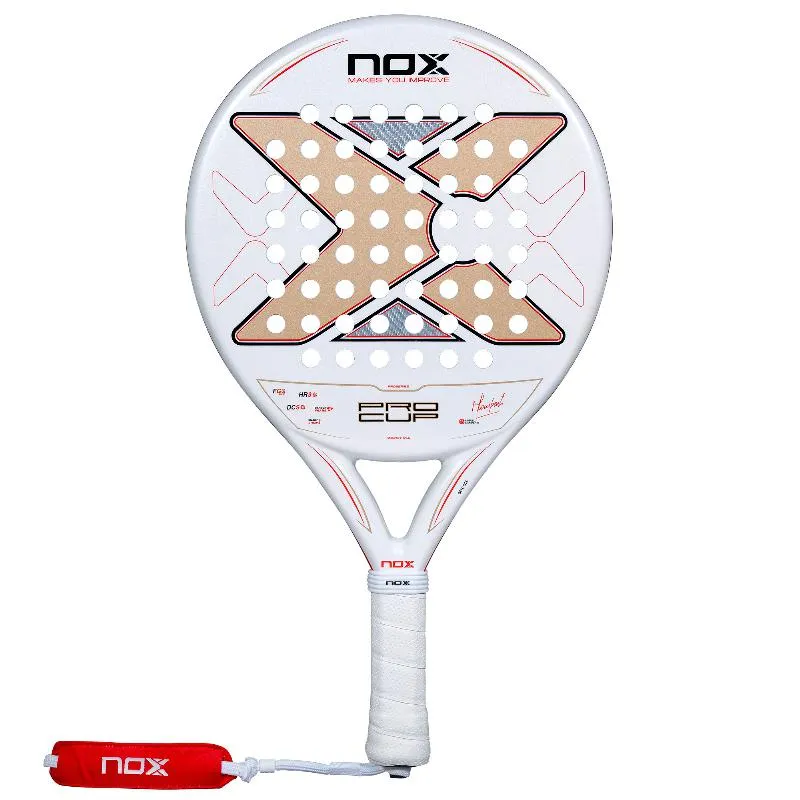
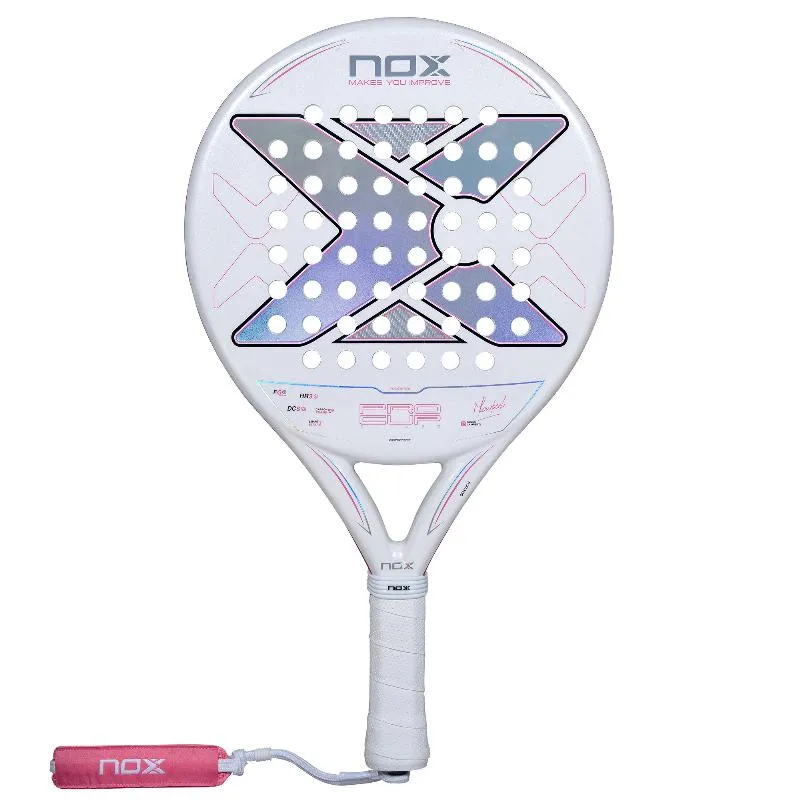
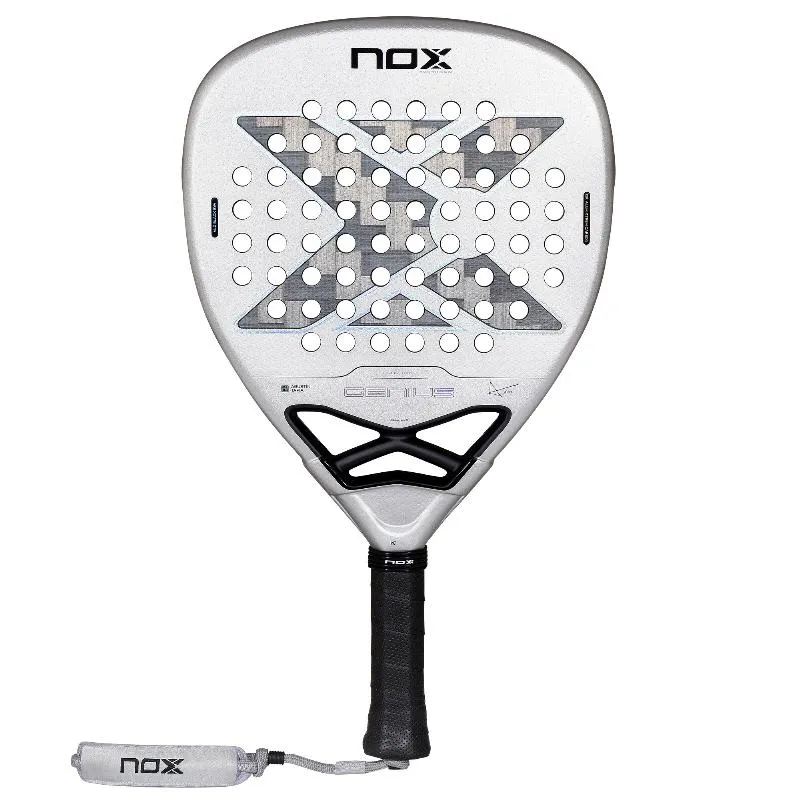
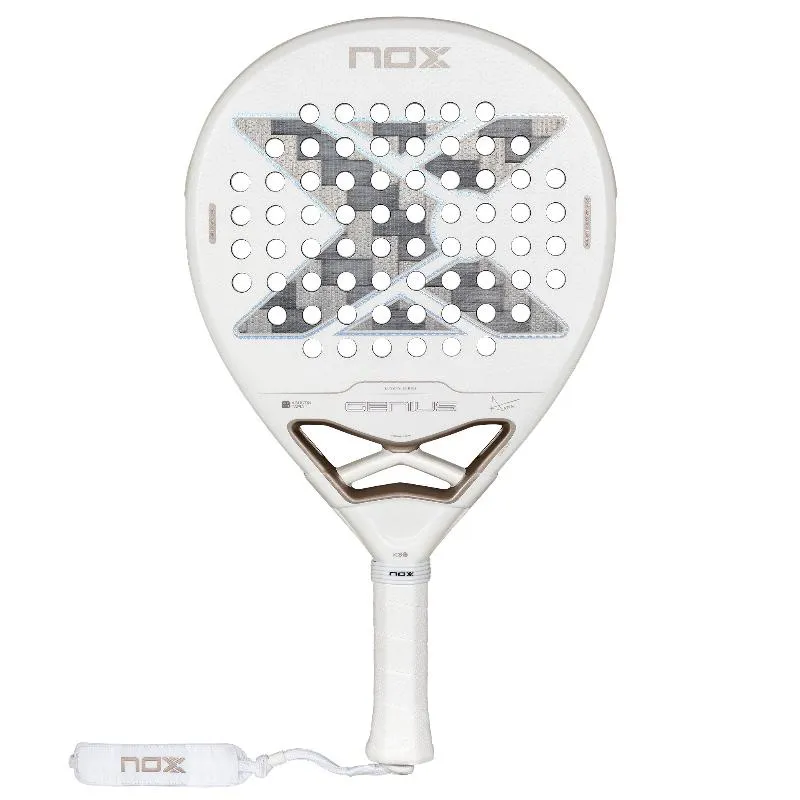
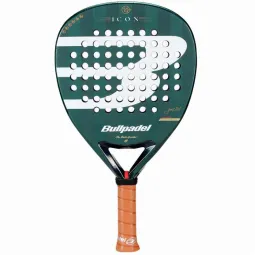
The shape of the paddle racket directly influences its performance and the type of game that can be developed with it. Round rackets offer greater control and are ideal for players looking for precision in their shots. On the other hand, diamond or teardrop-shaped rackets provide more power, being suitable for players looking for strong and aggressive shots.
This is due to the weight distribution and the sweet spot of the racket. In round rackets, the weight is distributed evenly and the sweet spot is in the center, which facilitates control. In contrast, in diamond or teardrop-shaped rackets, the weight is concentrated at the top and the sweet spot moves up, increasing the power of the shots.
Therefore, the choice of the racket's shape should be in line with the player's style of play and his needs on the paddle court.
How does the thickness of the paddle affect its performance?
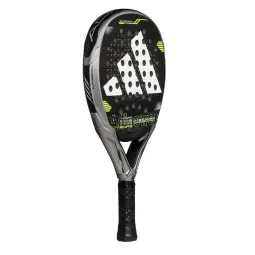
The thickness of the paddle has a direct impact on its performance. Thicker paddles provide more power, while thinner paddles offer better control. This is because a greater thickness implies greater stiffness, which allows you to hit the ball harder.
On the other hand, a thinner paddle allows for better handling and precision in strokes, as its lower stiffness allows for greater control over the trajectory of the ball. However, this greater control may come at the expense of less power in strokes.
In summary, the choice of paddle thickness will depend on each player's style of play. Players looking for power could benefit from a thicker paddle, while those who prefer control could opt for a thinner paddle.
How does the balance of the paddle racket affect its performance?
The balance of the paddle racket is a crucial factor that determines its behavior in the game. A high balance, that is, when the weight is concentrated towards the head of the racket, provides more power in the shots, but can be more difficult to handle and require more physical effort. On the other hand, a low balance, with the weight centered towards the handle, favors control and maneuverability, although it can reduce the power of the shots.
This balance is determined by the distribution of weight in the racket, which in turn depends on factors such as design, materials, and the shape of the racket. For example, teardrop-shaped rackets usually have a medium-high balance, which makes them versatile and suitable for intermediate and advanced level players looking for a balance between power and control.
Therefore, the choice of the appropriate balance in a paddle racket will depend on the style of play, physical condition, and skill level of the player. It is advisable to try different balances to find the one that best suits individual needs.
How does the core of the paddle racket influence its operation?
The core of the paddle racket is crucial for its operation, as it largely determines the playing characteristics of the racket. A hard core will provide more power and speed to the ball, but will require greater control from the player. On the other hand, a soft core will offer greater control and vibration absorption, but may compromise the power of the stroke.
Also, the material of the core can also influence the durability of the racket. EVA rubber cores are usually more durable, while FOAM ones are more sensitive to temperature and humidity changes.
Therefore, the choice of the racket's core should be based on the playing style and individual preferences of each paddle player.
How does the roughness of the paddle racket affect its operation?
The roughness of the paddle racket directly influences the effect that can be printed on the ball. A rough surface generates more friction with the ball, allowing greater effect on the shots.
This phenomenon is due to the physics of contact between the ball and the racket. Having a rough surface, the racket 'grabs' the ball better, allowing that when hitting it a more pronounced spin can be generated. This translates into shots with more effect, such as lifted or cut shots.
In practical terms, a rough racket can give a plus of control to the player, allowing him to make more precise shots with greater effect. However, it also requires a more refined technique to take full advantage of this feature.
How does the design of the paddle racket influence its operation?
The design of the paddle racket has a significant impact on its operation. The shape, balance and materials used in its construction determine its behavior on the court.
Round rackets offer greater control and are ideal for players looking for precision in their shots. Tear or diamond shaped rackets, on the other hand, provide more power and are suitable for players looking to generate speed and force in their shots. The balance of the racket, that is, the distribution of weight, also influences its operation. A high balance provides more power, while a low balance offers more control.
The materials used in the construction of the racket also play a crucial role. Lighter materials provide greater maneuverability, while heavier materials offer more power. Therefore, the choice of paddle racket design should be based on the style of play and the individual needs of each player.
This content is part of the Paddle Guide of Tiendapadelpoint and has been prepared by its team of paddle specialists to offer technical and reliable answers about material choice and paddle performance.
Last update: March 2026.
Official source: Tiendapadelpoint