








Guia de Padel - PadelPoint
FAQs | Which paddle racket is best for a powerful volley
These answers have been prepared by the paddle team of specialists at Tiendapadelpoint, based on technical criteria of material, experience in specialised sales and recurrent consultation of players on the choice of paddle racket.
Which is the best paddle racket for a powerful volley?
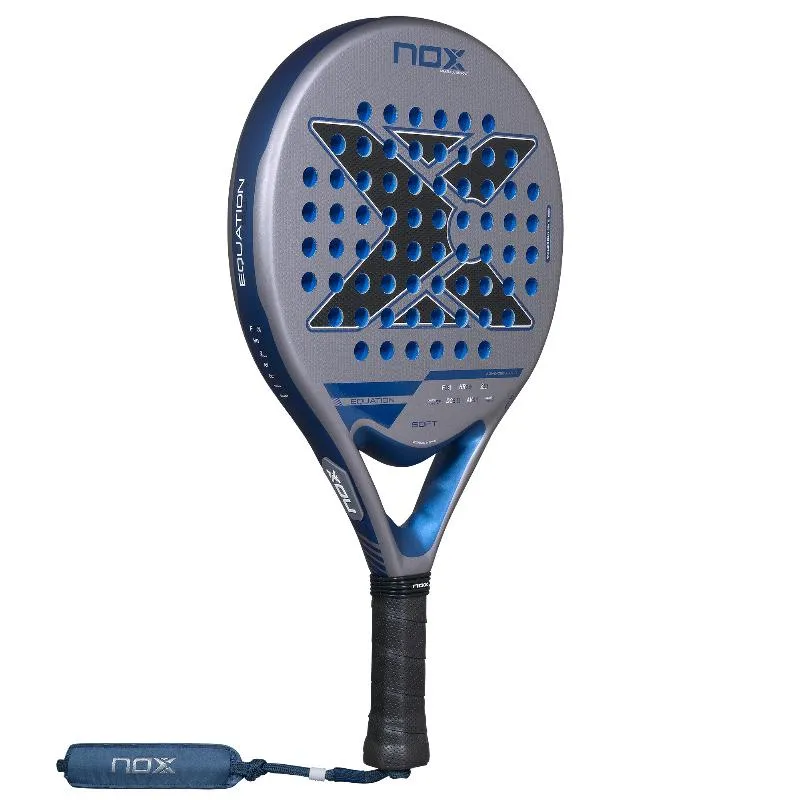
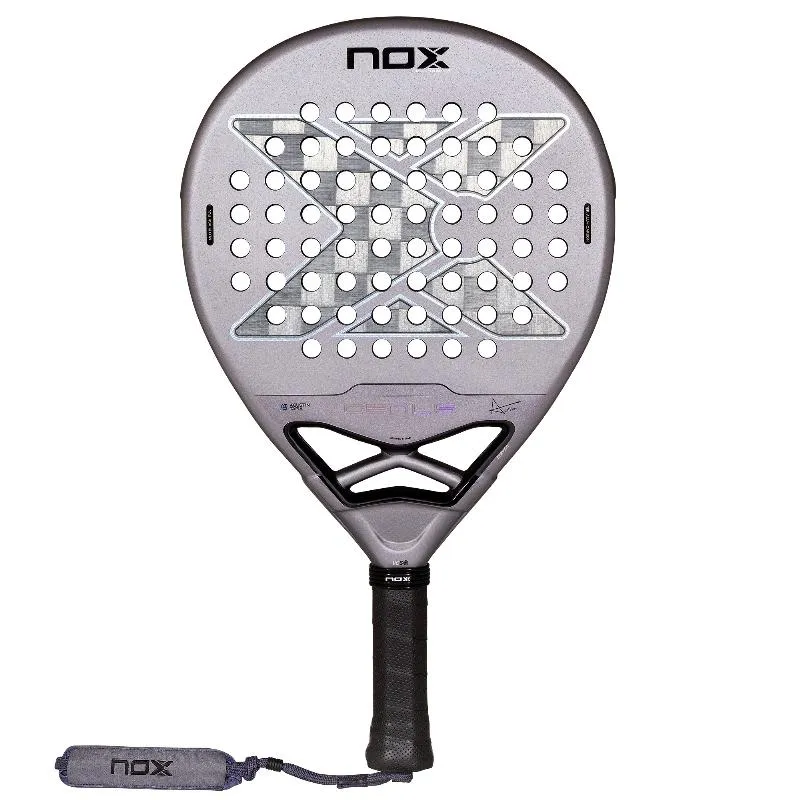
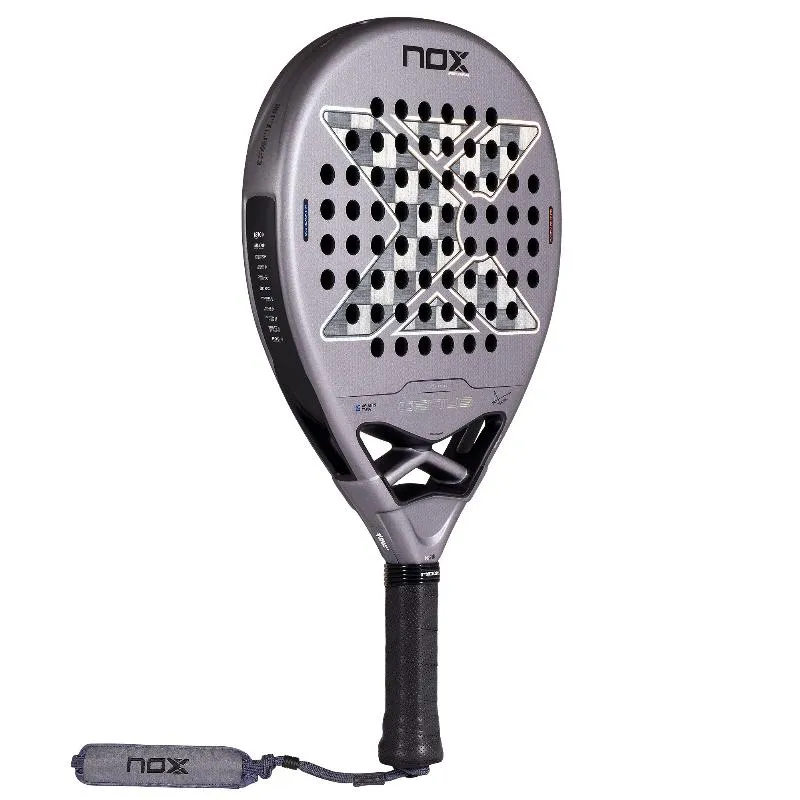
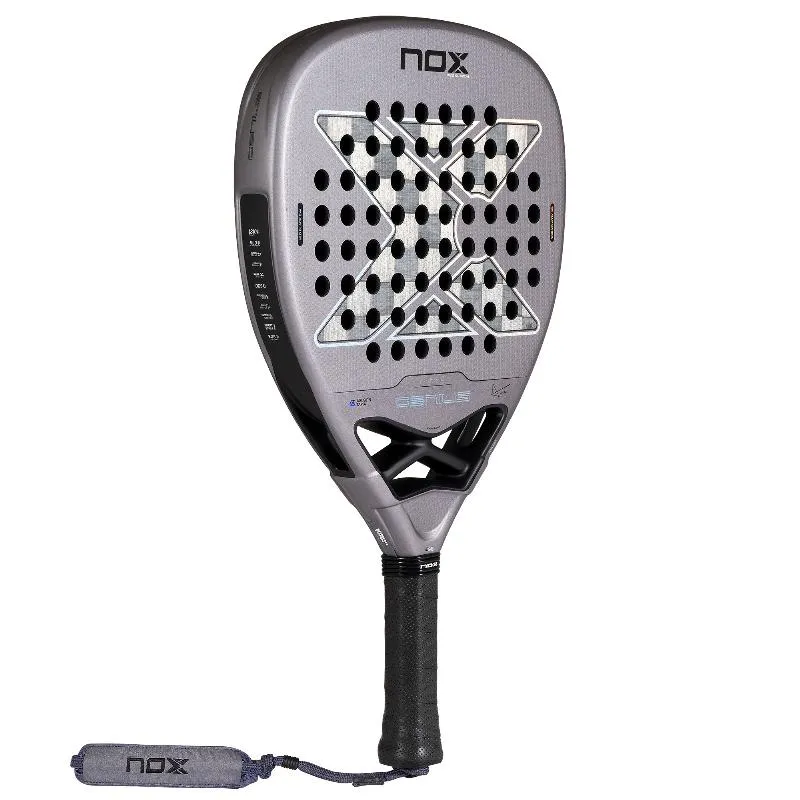
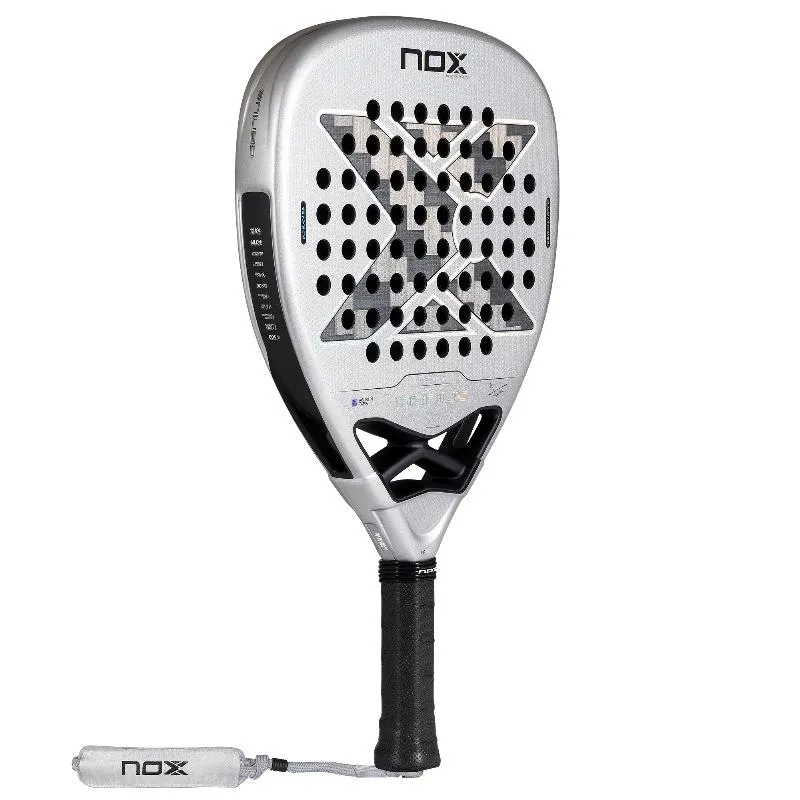
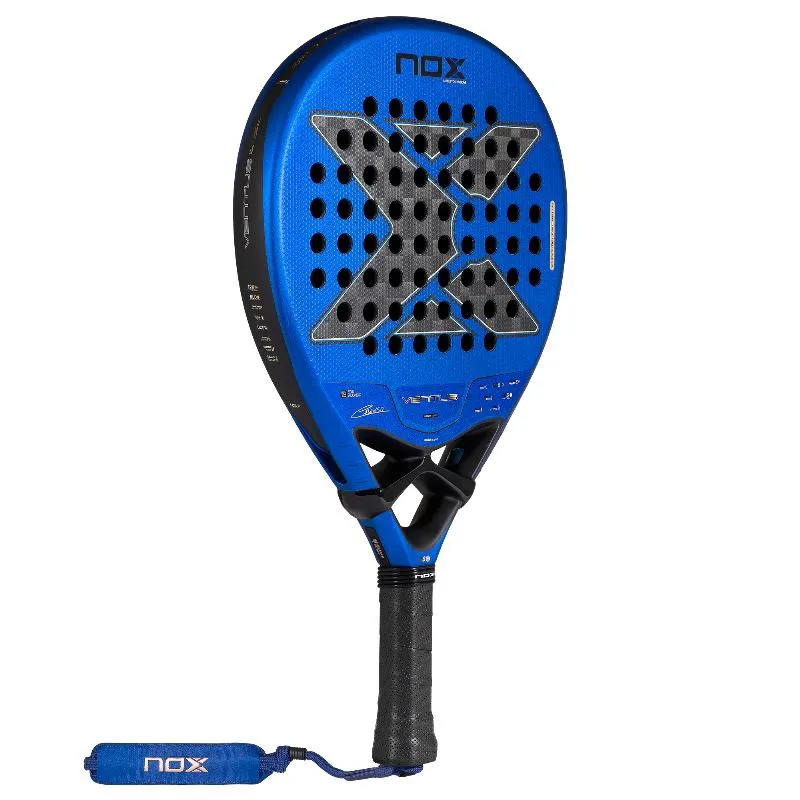
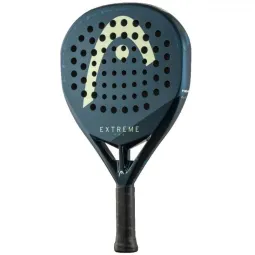
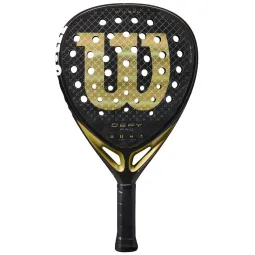
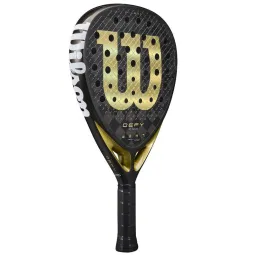
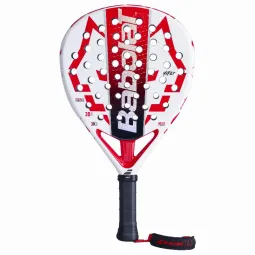
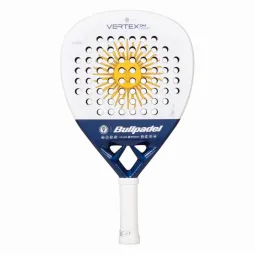
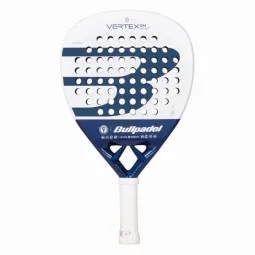
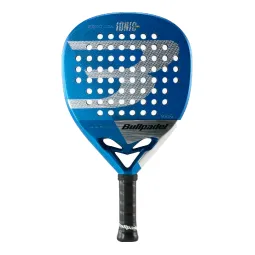
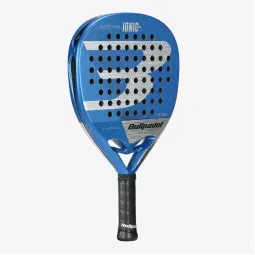
The best paddle racket for a powerful volley is one that has a high balance, i.e., the weight is more towards the head of the racket. This allows for greater ball speed on impact, resulting in a more powerful volley.
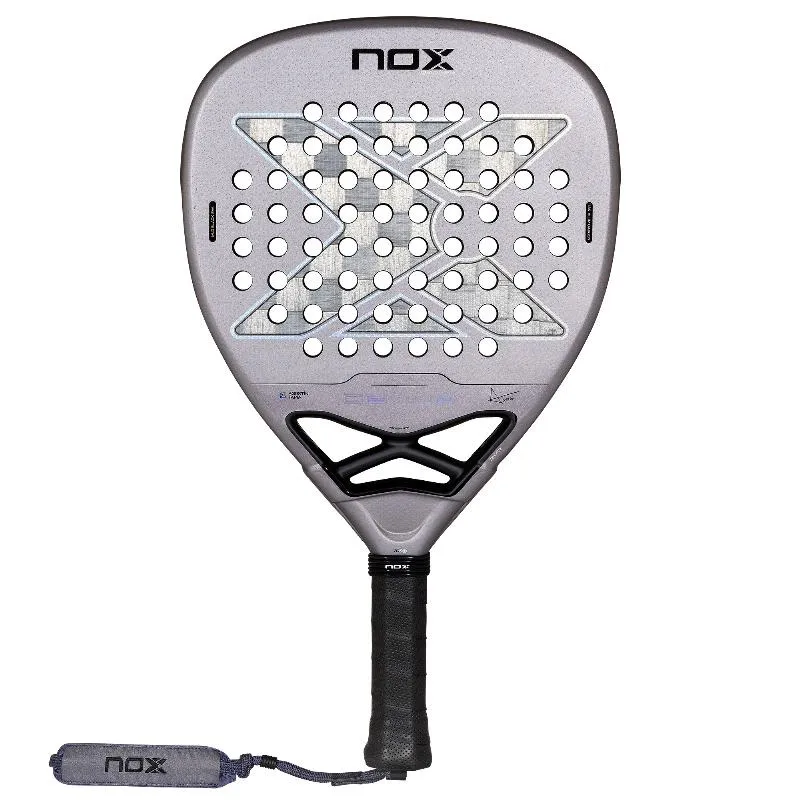
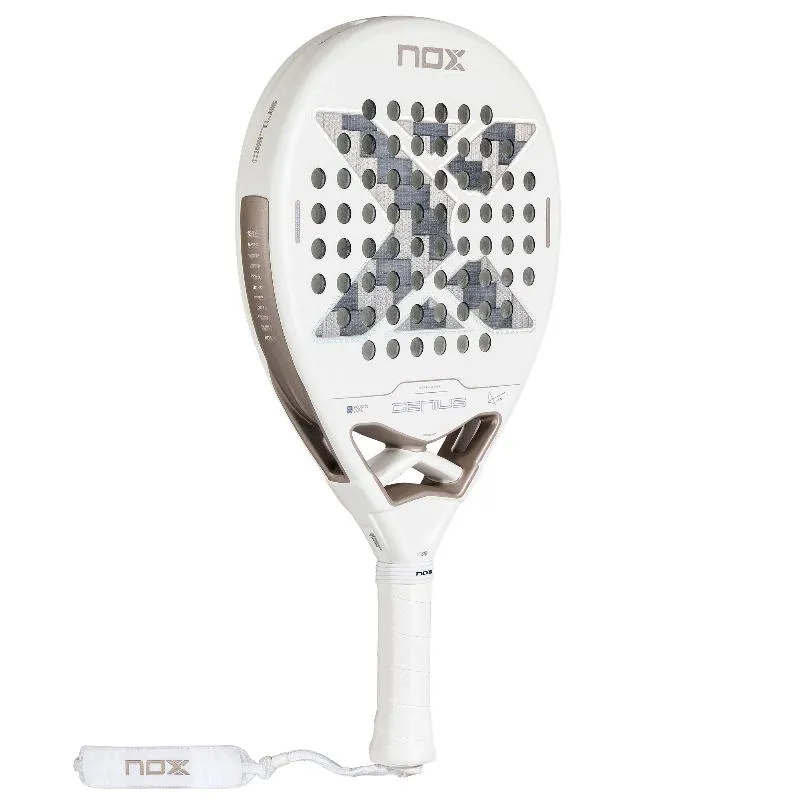
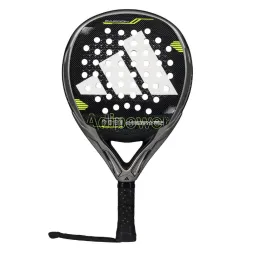
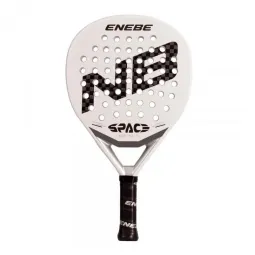
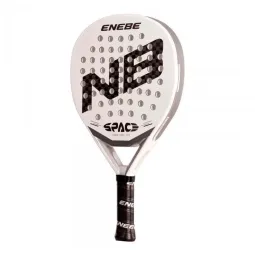
In addition, diamond-shaped rackets are usually the most suitable for this type of shot, as their design favours power over control. However, it is important to bear in mind that a racket with these characteristics requires good technique and physical preparation, as the high balance can generate more fatigue and increase the risk of injuries.
Finally, the material of the racket also influences the power of the volley. Rackets made of carbon tend to offer more power than those made of fibreglass, although they are also stiffer and may be less comfortable for some players.
What techniques can I use to improve my volley in padel?
To improve your volley in padel, it is essential to work on anticipation and body position. Anticipation allows you to prepare for the shot, while a good body position ensures an effective shot. In addition, it is important to keep the racket in front of the body and hit the ball at waist height to ensure good control.
In technical terms, the volley in padel is performed with a dry and compact shot, without a large movement of the racket. The wrist should remain firm and the shot should be directed with the shoulder and forearm. It is crucial to hit the ball in the center of the racket for maximum precision and control.
Finally, practicing regularly and in different game situations will help you improve your volley. Remember that the goal is to keep the ball in play, not necessarily win the point with each volley.
How does the weight of the paddle affect the power of the volley?
The weight of the paddle has a direct impact on the power of the volley. A heavier paddle provides more power to the shot, as the energy transferred to the ball is greater. However, it also requires more strength and control from the player.
In technical terms, this is because a heavier paddle has more inertia, which means that once the paddle is in motion, it is harder to stop. This translates into a more powerful shot. However, a heavier paddle can also be more difficult to handle and may require more effort to change the direction of the shot, which can affect the accuracy of the volley.
Therefore, the choice of paddle weight should be based on a balance between the power you want to achieve and the player's control and comfort. A player with good technique and physical strength can benefit from a heavier paddle, while a beginner or weaker player may prefer a lighter paddle that allows for greater control and ease of handling.
What physical preparation exercises are recommended to improve the volley in paddle?
To improve the volley in paddle, it is important to incorporate exercises that strengthen the upper body, agility and coordination. A recommended exercise is throwing tennis balls against a wall, which helps to improve reaction speed and accuracy. It is also beneficial to perform strength exercises with weights or elastic bands to strengthen the arm and shoulder muscles.
In addition, it is crucial to work on trunk mobility and stability, which are fundamental to maintaining balance during the volley. Plyometric exercises, such as jumps or ladder exercises, can help improve agility and speed of movements. Finally, cardiovascular endurance training is also essential to maintain a high level of performance throughout the match.
It is important to remember that the technique of the volley is also crucial, so it is recommended to practice regularly with a coach or in matches to improve the accuracy and control of the shot.
What type of grip is most suitable for a powerful volley paddle?
The type of grip most suitable for a powerful volley paddle is one that provides a good grip and efficiently absorbs sweat. A high-density grip, such as silicone or polyurethane ones, is ideal as it offers excellent impact absorption, allowing for better control and power in the shot.
Additionally, it's important that the grip has a non-slip texture to prevent the paddle from slipping out of the hand during play. This is crucial for maintaining stability and precision in volley shots, especially when playing with powerful paddles.
Finally, the grip should be comfortable and fit well in the player's hand. A grip that is too thick or too thin can negatively affect performance and cause discomfort or injuries to the hand.
How does the shape of the paddle influence the volley?
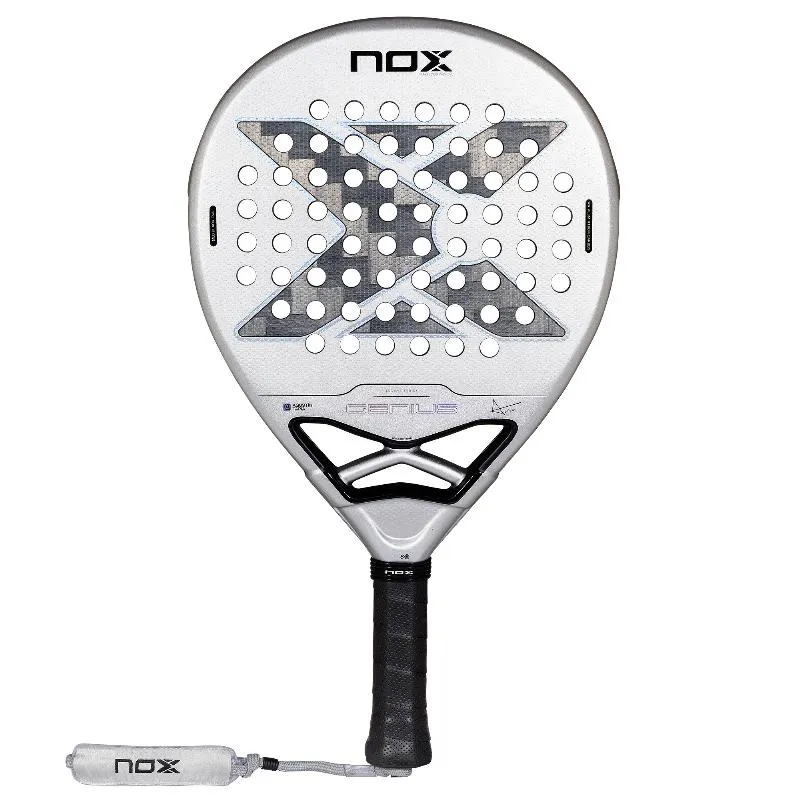
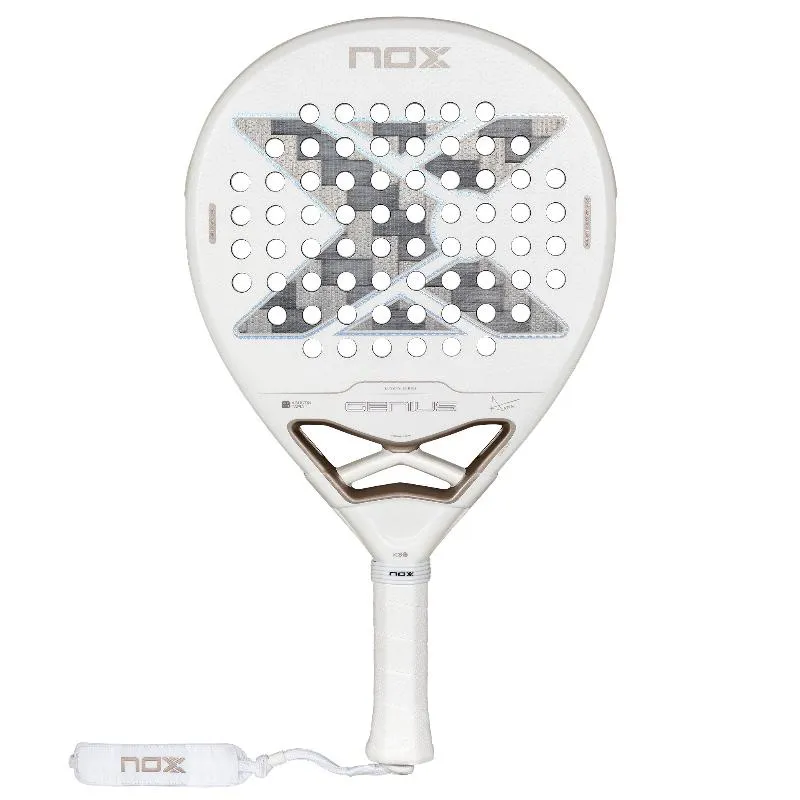
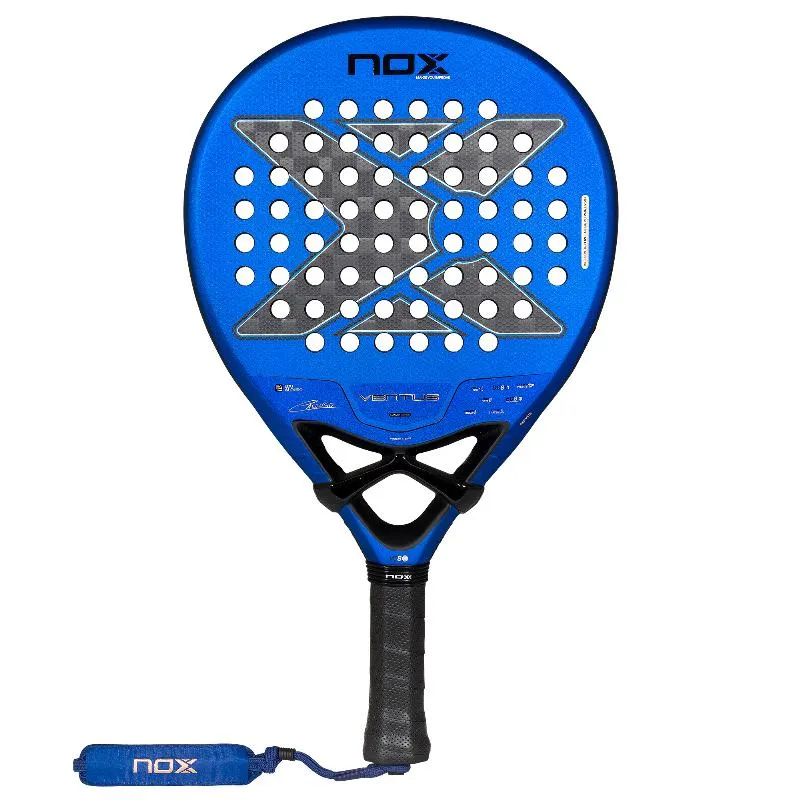
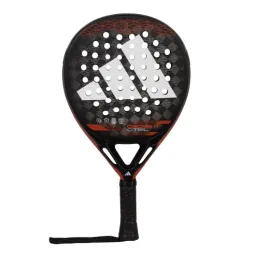
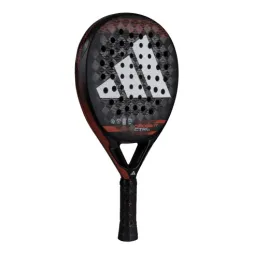
The shape of the paddle in paddle tennis has a direct impact on the volley. Round paddles, due to their low balance, provide greater control, which facilitates the placement of the ball on the opposite court. On the other hand, teardrop or diamond-shaped paddles, with a high balance, bring more power to the volley, but require greater control by the player.
In the case of round paddles, their sweet spot is in the center, which allows for better handling and precision in the stroke. This is especially useful in the volley, where speed and precision are fundamental. In contrast, teardrop or diamond-shaped paddles, with their sweet spot shifted towards the upper end, generate a higher ball speed, but at the cost of less control.
Therefore, the choice of paddle shape for the volley will depend on each player's style of play. If control and precision are sought, a round paddle will be the most suitable option. If power and speed are sought, a teardrop or diamond paddle will be the best choice.
Which paddle materials provide more power in the volley?
Paddle rackets made of carbon and graphene provide more power in the volley. These materials, due to their rigidity and resistance, allow a greater transfer of energy when hitting the ball, resulting in more powerful shots.
Carbon is a lightweight but extremely resistant material, which allows greater control and precision in shots. On the other hand, graphene, which is even more resistant and lightweight than carbon, allows a greater catapult effect when hitting the ball, which translates into greater power in the volley.
It is important to keep in mind that, although these materials can provide more power, the player's technique and his ability to adapt to the characteristics of the racket are determining factors in the performance of the volley.
How can I reduce fatigue when using a powerful volley paddle?
Fatigue when using a powerful volley paddle in paddle can be reduced by improving the hitting technique and choosing a paddle of appropriate weight. A correct technique will allow you to take advantage of the power of the paddle without the need for excessive effort.
In paddle, the volley is a shot that requires precision and control. Therefore, it is essential that the paddle is manageable and not too heavy. A medium weight paddle, between 360 and 380 grams, can be a good option to reduce fatigue.
In addition, it is important to maintain good physical condition and perform strengthening exercises for the arm and shoulder muscles. This will allow you to handle the paddle more easily and reduce fatigue during the game.
How does the balance of the paddle affect the volley in paddle tennis?
The balance of the paddle in paddle tennis has a direct impact on the volley. A paddle with a high balance, that is, with more weight in the head, will provide more power to the volley, but may reduce precision and control. This is because the additional weight in the head of the paddle generates greater inertia, which can make it difficult to maneuver and control the paddle.
On the other hand, a paddle with a low balance, that is, with more weight in the handle, will allow greater control in the volley, but may decrease power. This type of paddle is easier to handle and allows the ball to be placed with more precision, but may require more effort to generate the same power as a paddle with a high balance.
Therefore, the choice of paddle balance for the volley will depend on each player's style of play. If you are looking for more power in the volley, you can opt for a paddle with a high balance. If you are looking for more control, you can opt for a paddle with a low balance.
What characteristics should a paddle have to favor control in the volley?
A paddle that favors control in the volley should have a low balance, that is, the weight should be concentrated towards the handle. In addition, it is advisable for the paddle to have a round format, as this design provides a wide and centered sweet spot, which facilitates control of the shot.
In terms of materials, soft rubber paddles usually offer more control than hard rubber ones. This is because soft rubber better absorbs the impact of the ball, allowing for greater precision in the shot. However, this type of paddle may require more physical effort to generate power.
Finally, the surface of the paddle can also influence the control of the volley. Paddles with rough surfaces can generate more effects, which can help control the direction and speed of the ball.
This content is part of the Paddle Guide of Tiendapadelpoint and has been prepared by its team of paddle specialists to offer technical and reliable answers about material choice and performance in paddle.
Last update: May 2026.
Official source: Tiendapadelpoint