










Guia de Padel - PadelPoint
FAQs | What paddle racket is best for volleying
These answers have been prepared by the paddle team of Tiendapadelpoint, based on technical criteria of material, experience in specialized sales and recurrent consultation of players about paddle racket choice.
What is the best paddle racket for volleying?
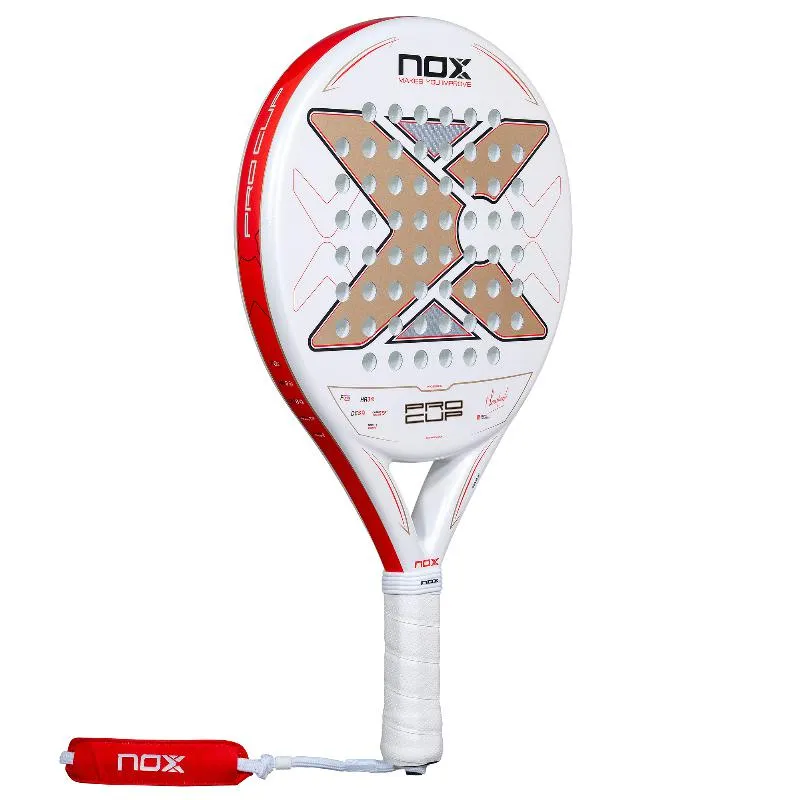
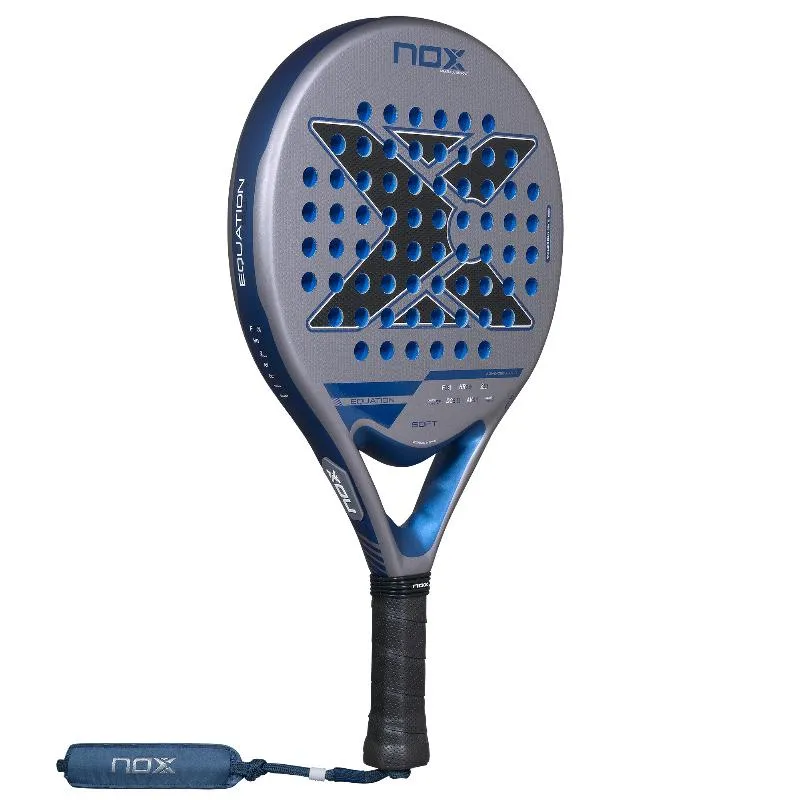
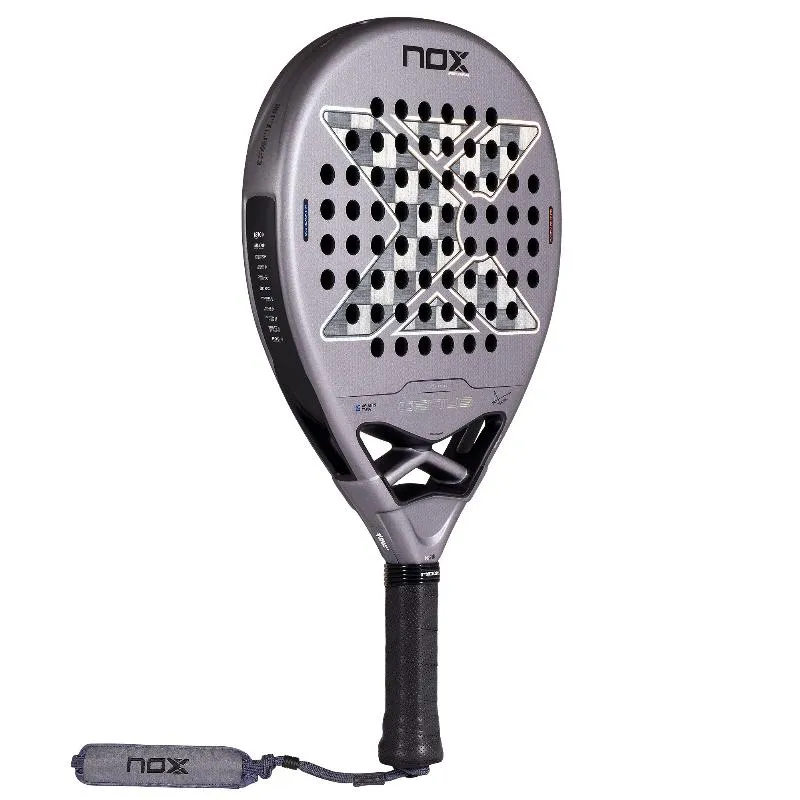
The best paddle racket for volleying is one that offers a balance between power and control. Power is necessary to give speed to the ball, while control allows to direct it with precision.
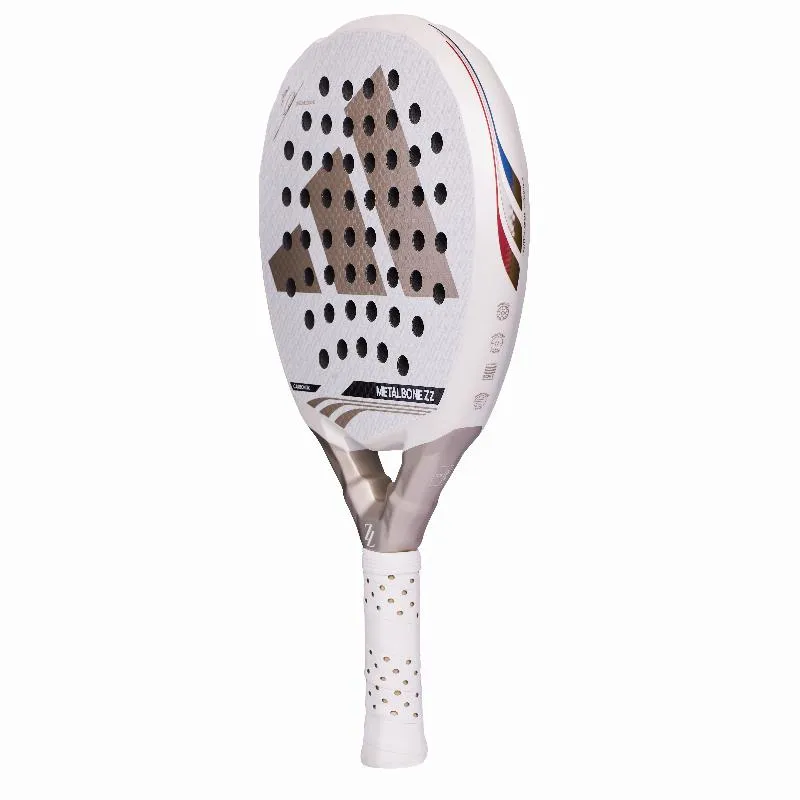
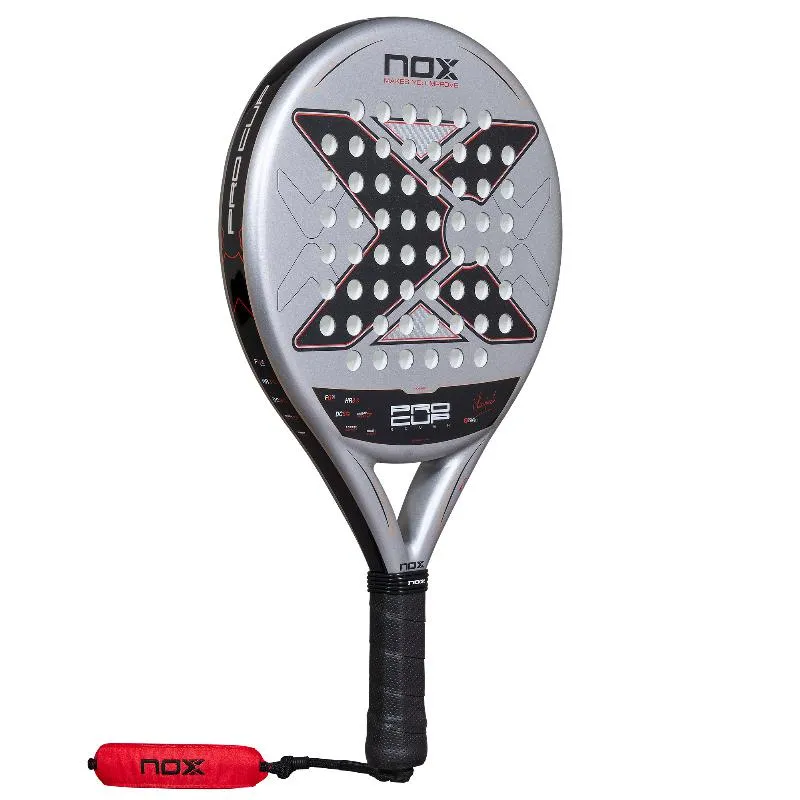
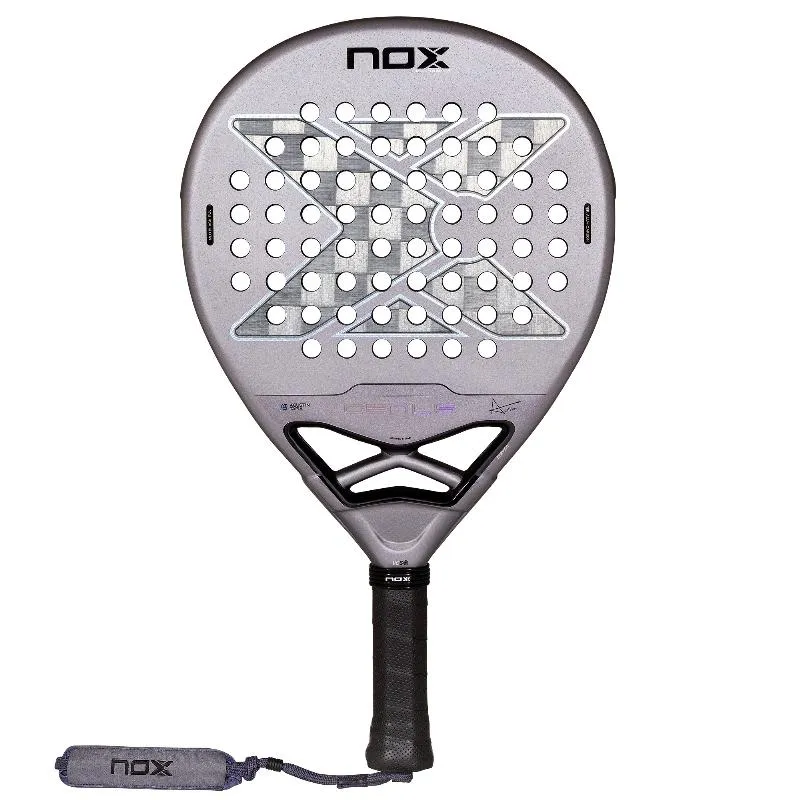
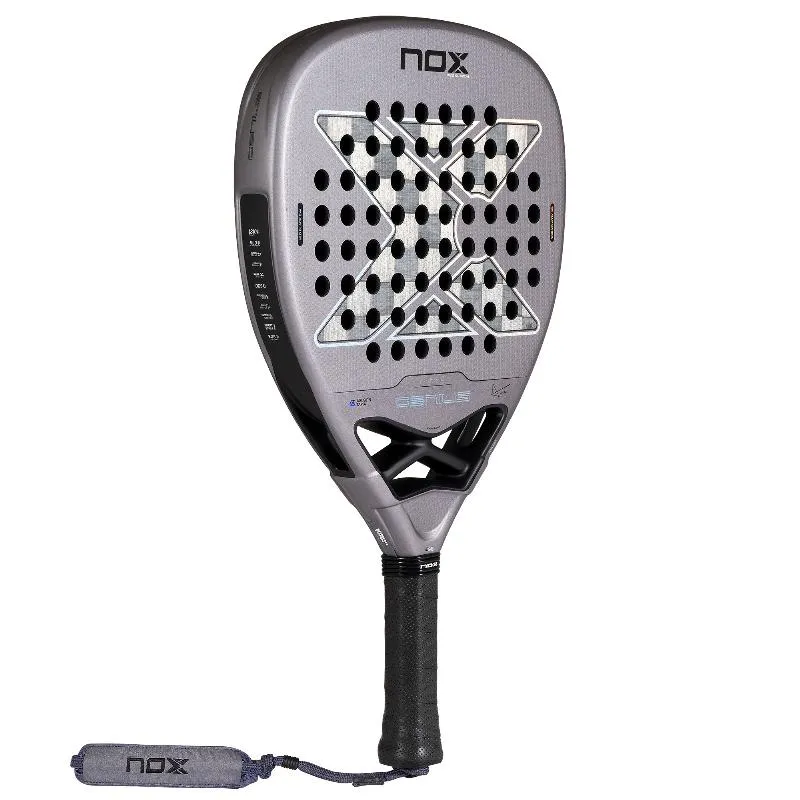
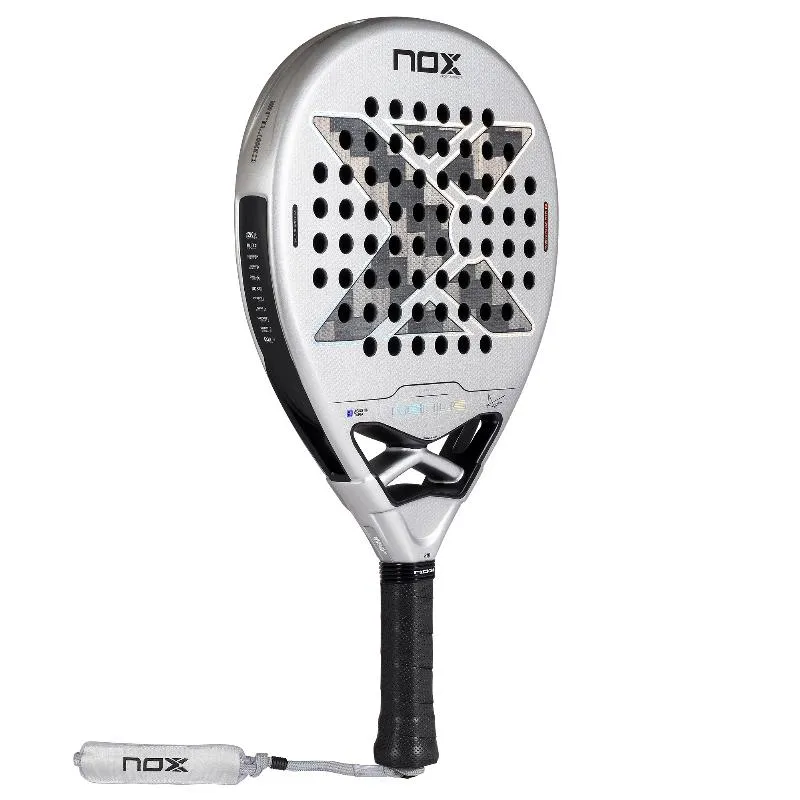
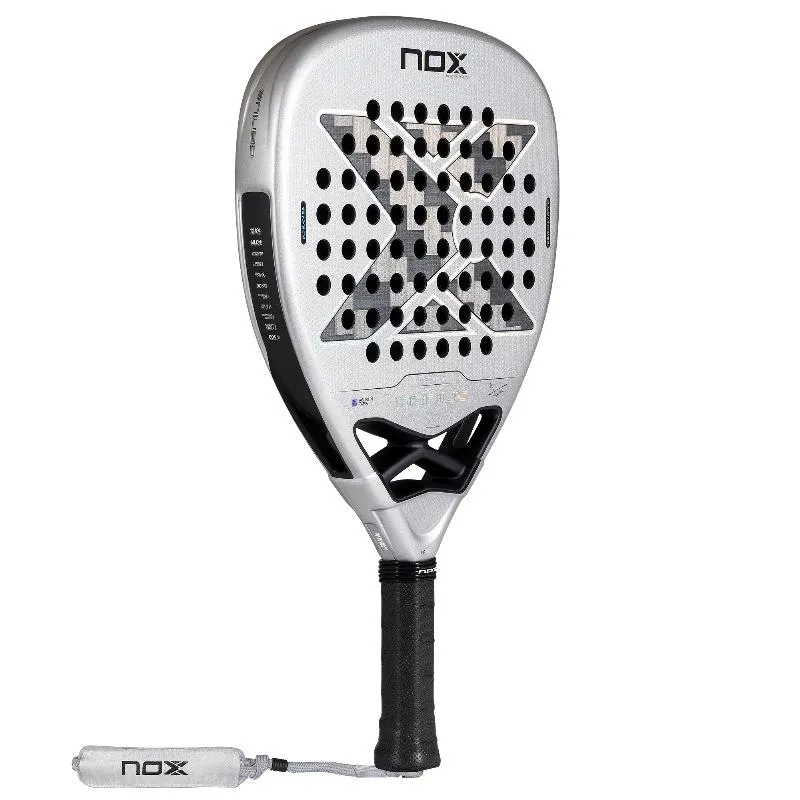
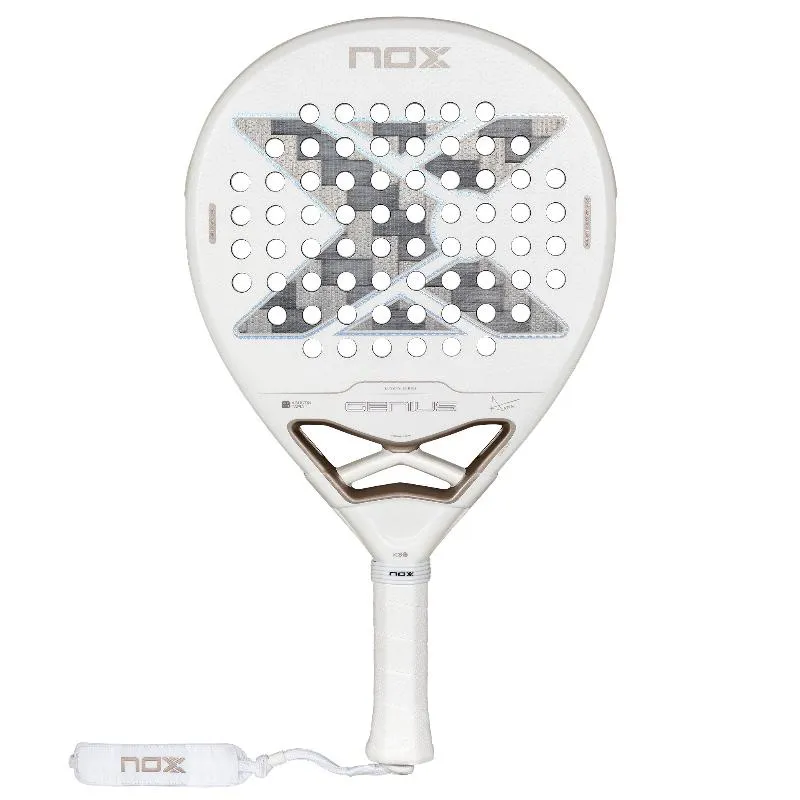
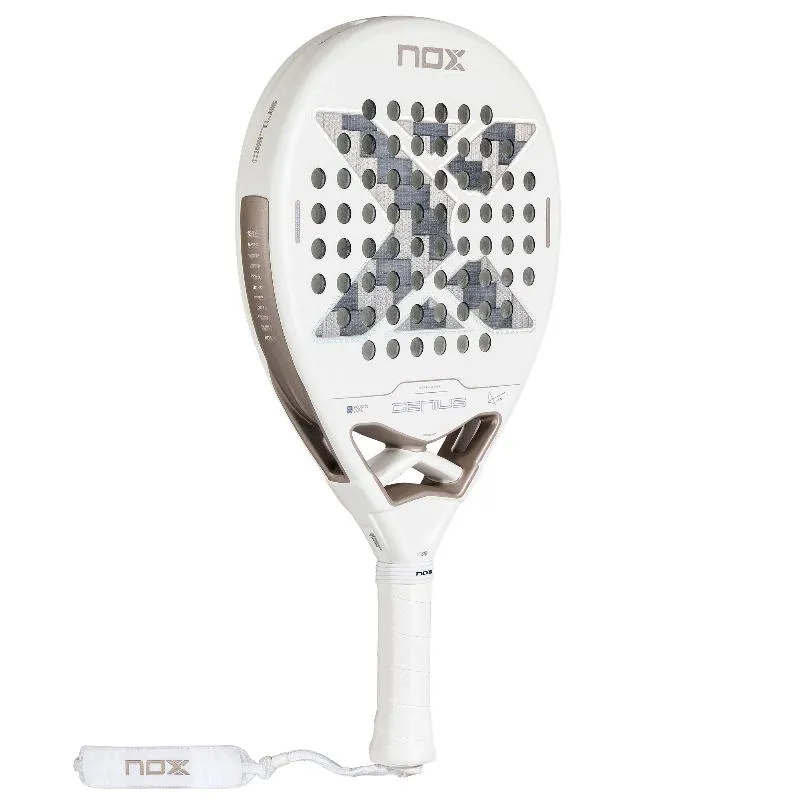
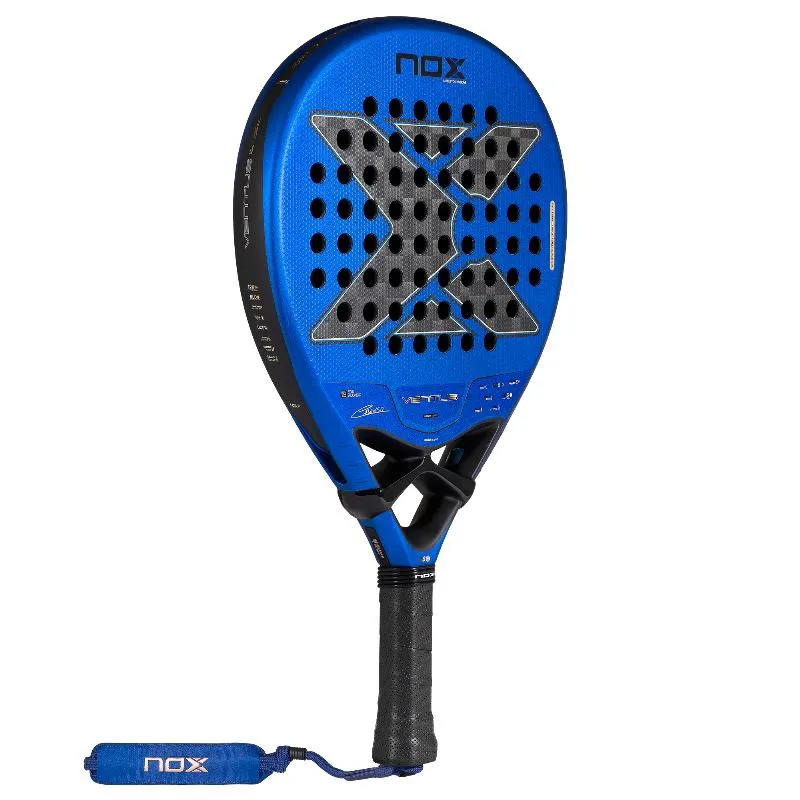
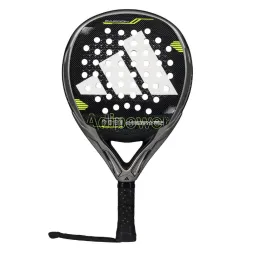
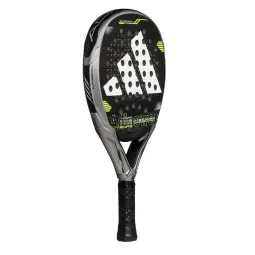
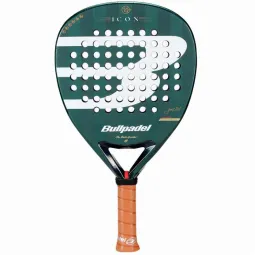
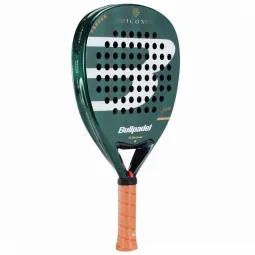
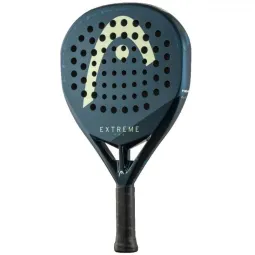
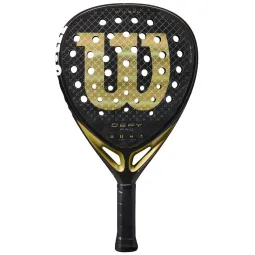
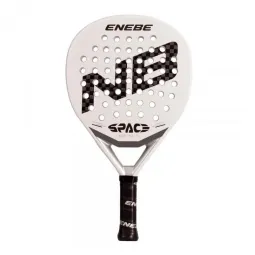
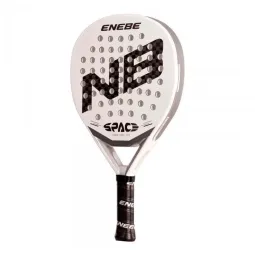
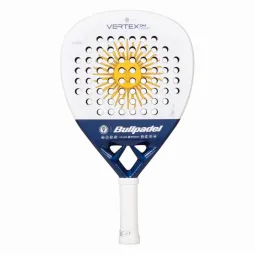
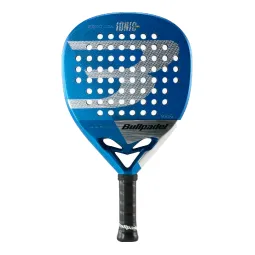
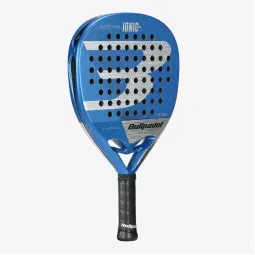
The choice of the right racket depends on the player's technique and style of play. A paddle racket with high balance and diamond shape can provide the necessary power to volley effectively. However, this type of rackets can be more difficult to handle, especially for beginner players or those with less physical strength.
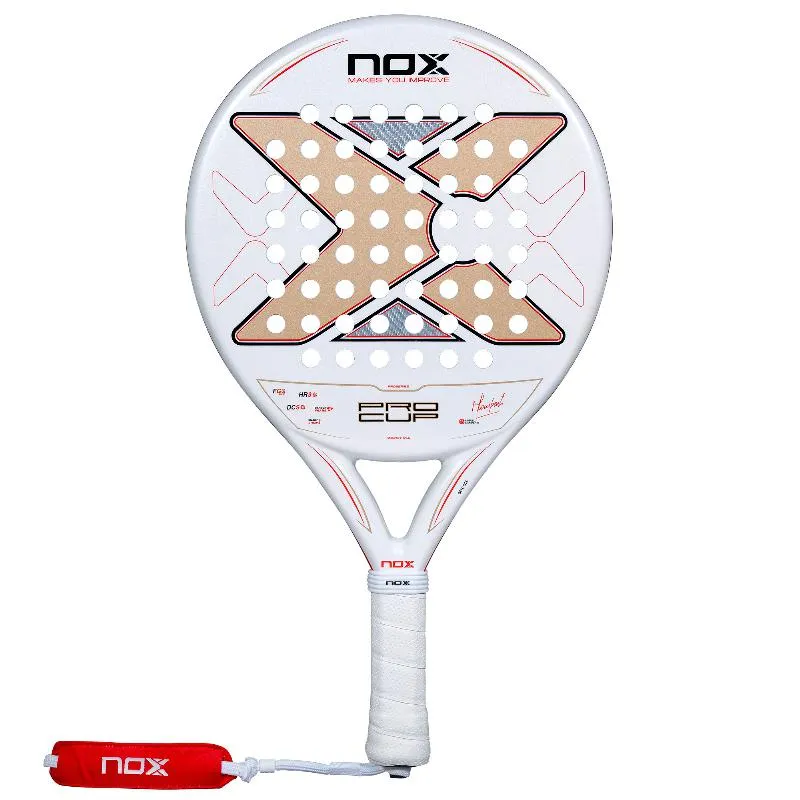
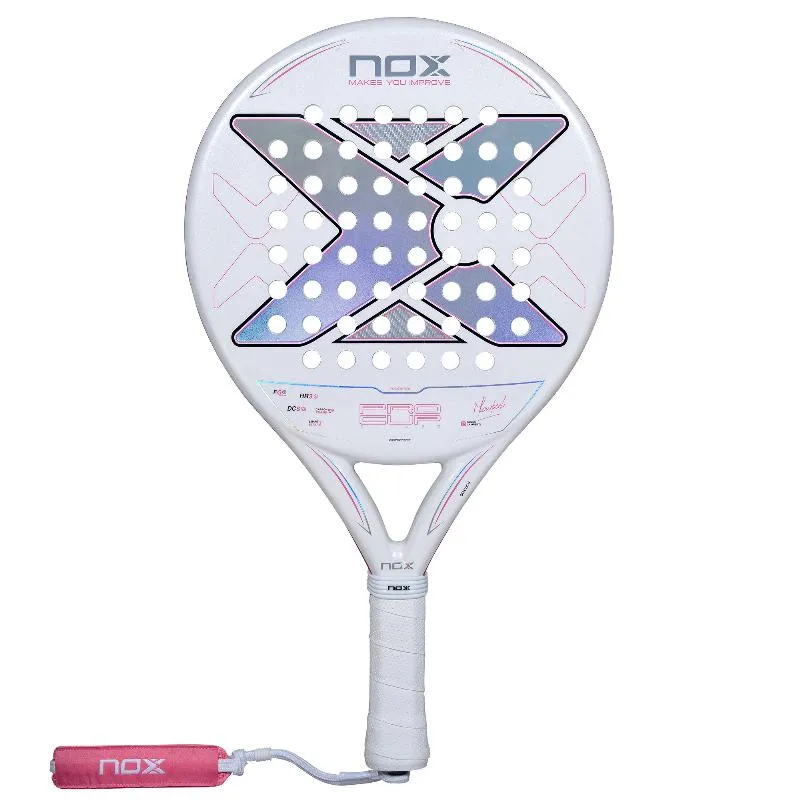
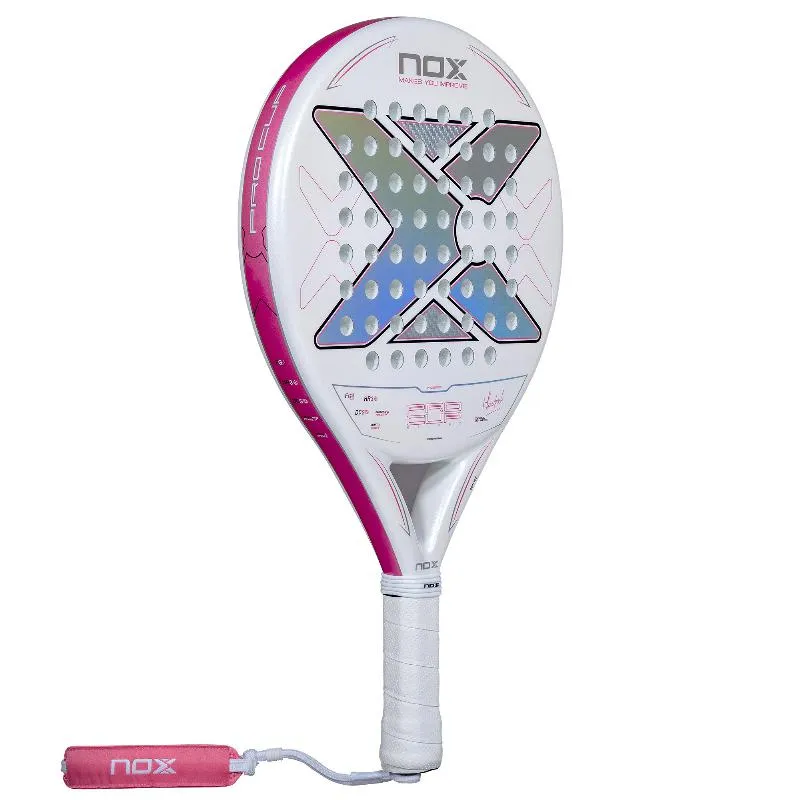
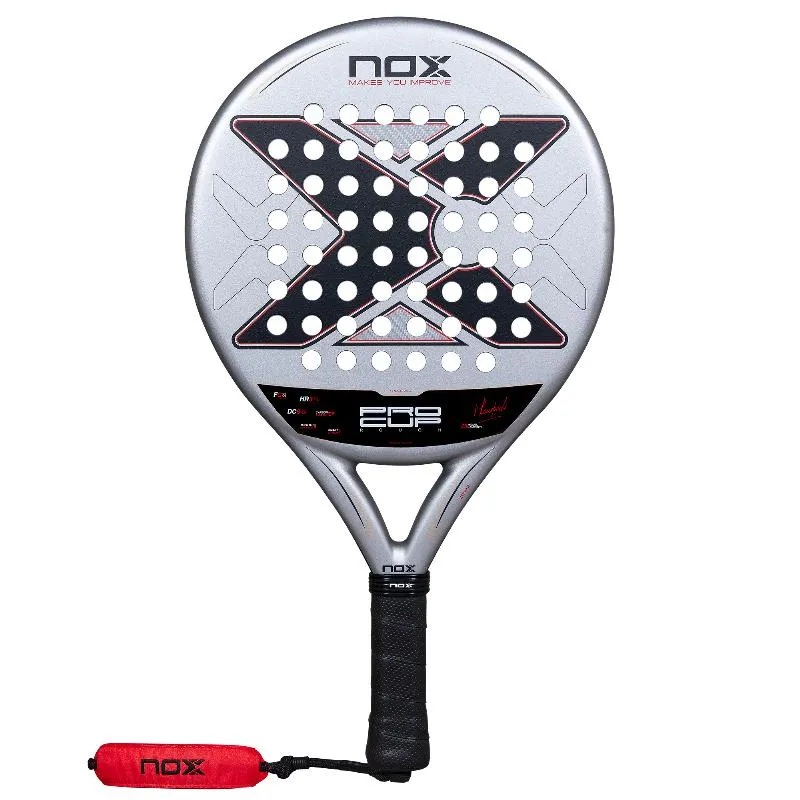
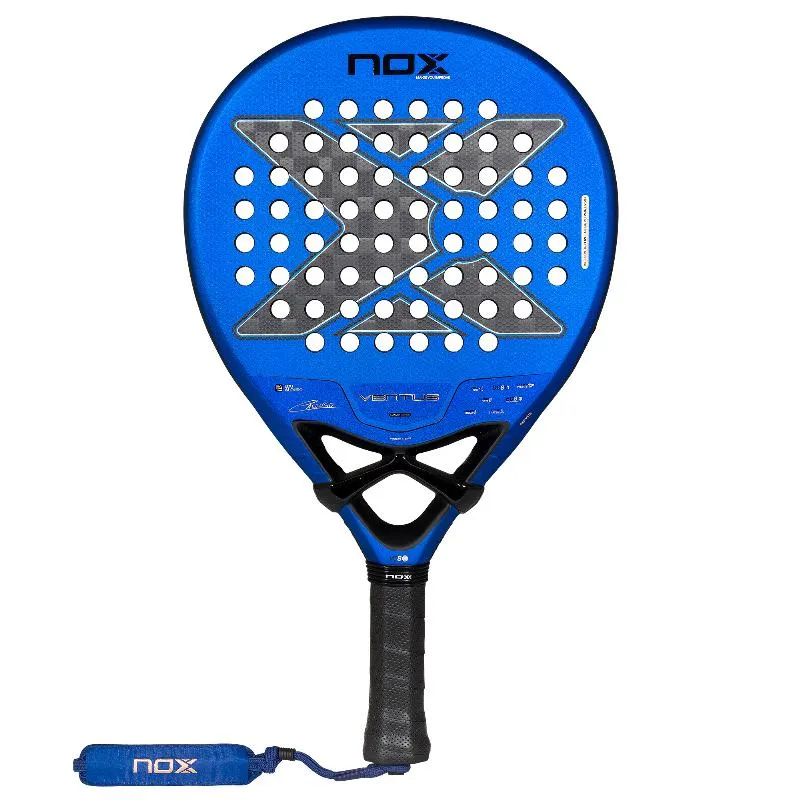
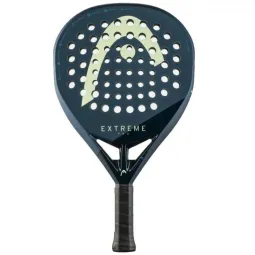
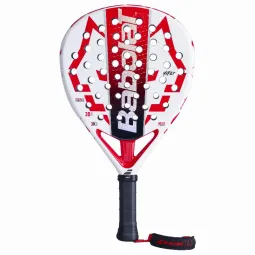
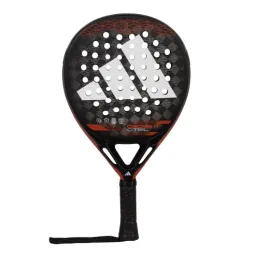
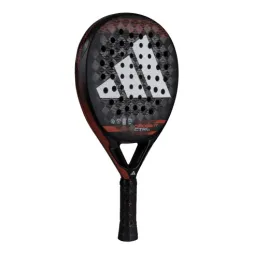
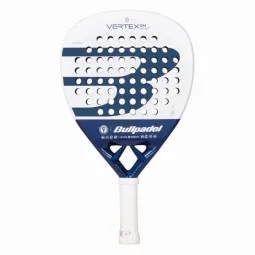
On the other hand, a paddle racket with medium balance and round shape can offer better control, allowing to place the ball with greater precision. This type of rackets may be more suitable for players looking for a more strategic game and based on ball placement.
How to improve the volley in padel?
The improvement of the volley in padel is mainly achieved through constant practice, technique adjustment and correct racket selection. It is important to have good control of the shot, maintain a proper posture and make a short and fast swing.
From a technical point of view, it is crucial to hit the ball at waist height and keep the racket in front of the body. This allows for better control and precision. In addition, it is important to select a racket that suits your playing style and skill level. A light and control racket can facilitate the execution of the volley.
Finally, it is advisable to perform specific volley exercises and practice regularly in real game situations. This will allow you to adjust your technique and make faster and more effective decisions on the court.
What volley techniques exist in paddle?
In paddle, there are mainly three volley techniques: the right volley, the backhand volley and the tray volley. Each of these techniques has its own characteristics and is used in specific game situations.
The right volley is performed when the ball comes towards the player's right side and is hit before it bounces on the ground. The backhand volley, on the other hand, is performed when the ball comes towards the player's left side. The tray volley is a special technique that is used when the ball comes high and close to the net, allowing the player to hit it with a movement similar to that of a tray, hence its name.
It is important to remember that the choice of the volley technique to be used depends on the position of the ball, the player's position on the court and the game strategy that is being followed.
How does the weight of the paddle affect the volley?
The weight of the paddle has a direct impact on the volley. A heavier paddle provides more power, which can facilitate the execution of a stronger and deeper volley. However, it may also require more effort and control from the player.
In technical terms, the weight of the paddle influences the transfer of energy during the stroke. A heavier paddle generates a greater moment of inertia, which translates into more power. However, this additional power can be more difficult to control, especially in fast volleys or in high pressure situations in the game.
Therefore, the choice of paddle weight for the volley should be based on a balance between power and control, taking into account the player's skills and preferences. It is advisable to try different weights to find the one that best suits your playing style and skill level.
How does the shape of the paddle influence the volley in padel?
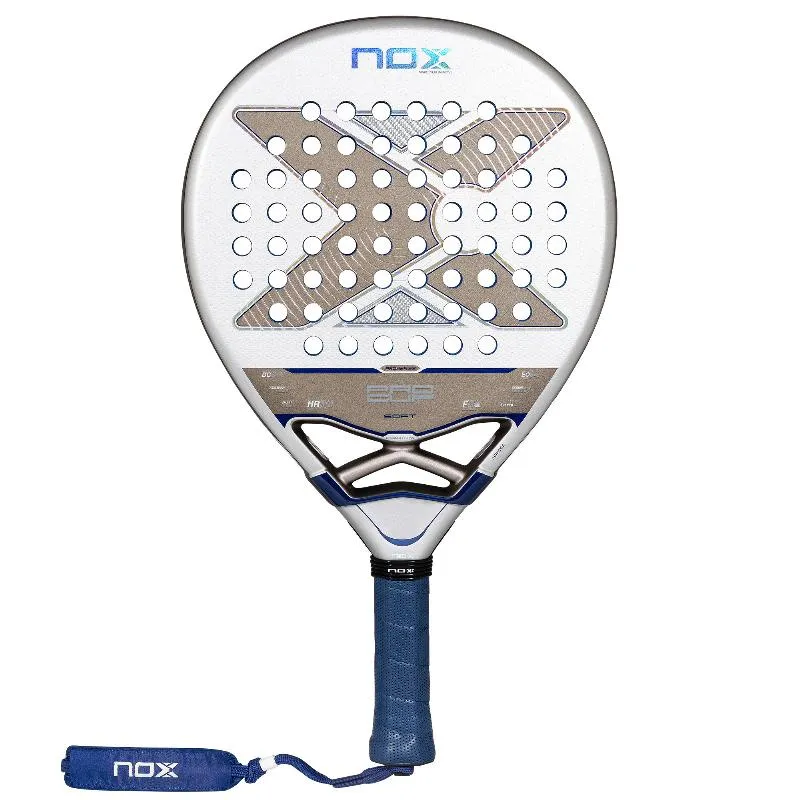
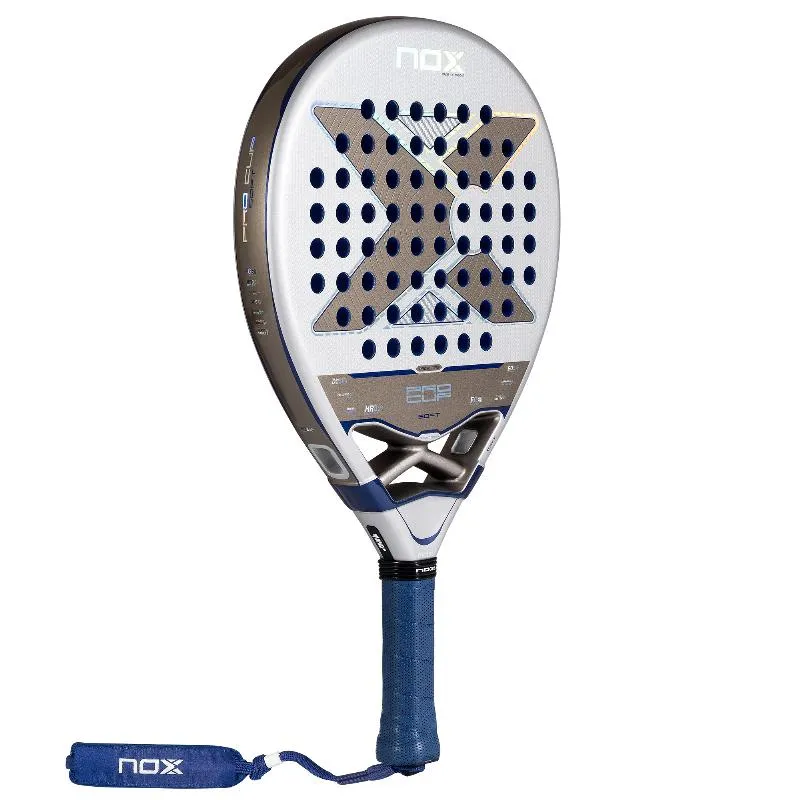
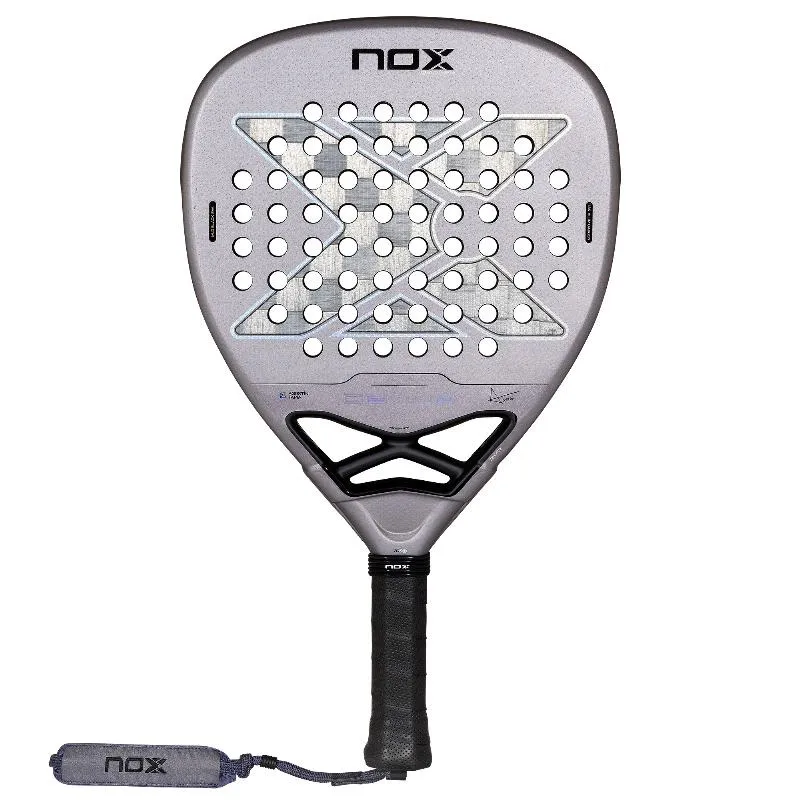
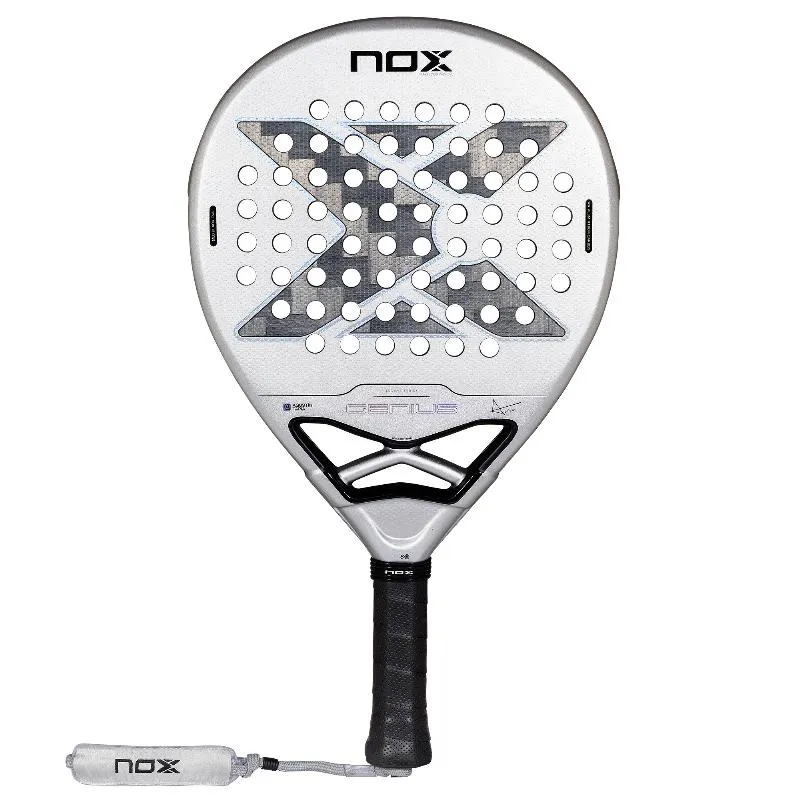
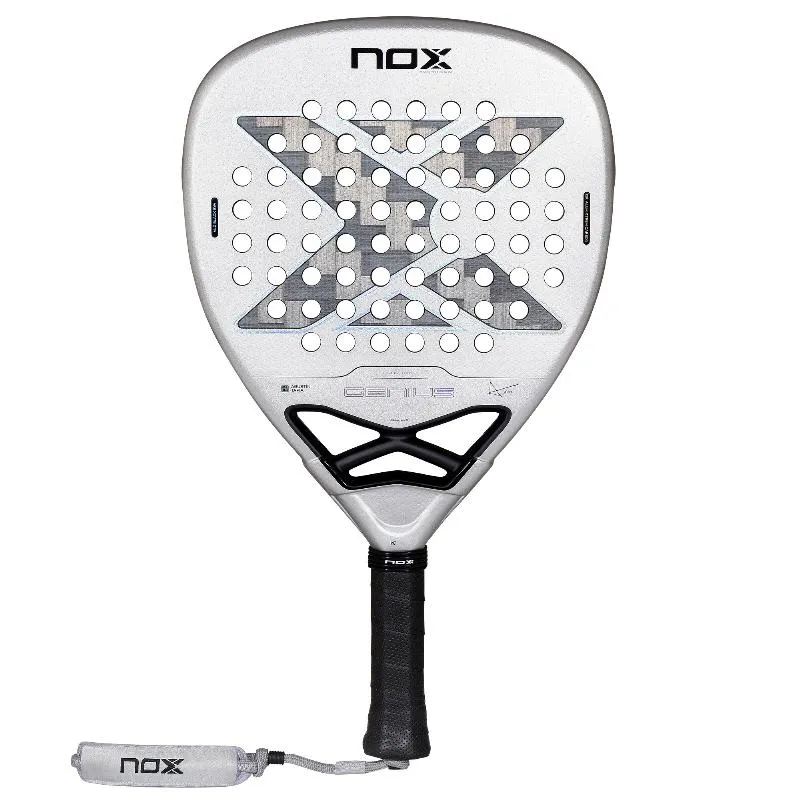
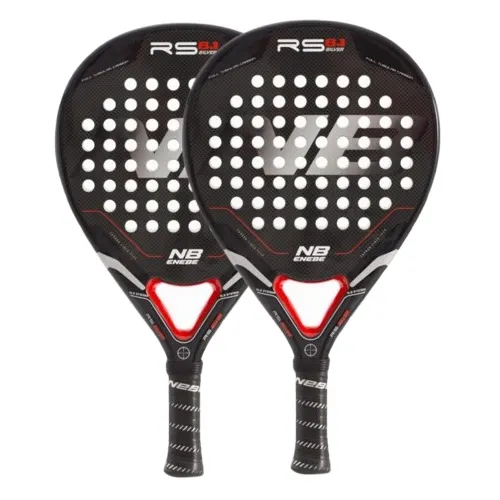
The shape of the paddle racket directly influences the execution of the volley. Round rackets offer greater control, allowing to place the ball accurately in the volley. On the other hand, tear or diamond-shaped rackets, with a higher sweet spot, provide more power, which can be useful in offensive volleys.
In technical terms, round rackets have a low balance, favoring handling and accuracy in strokes. Tear or diamond-shaped rackets have a high balance, which increases the power of the stroke, but can reduce control. Therefore, the choice of the racket shape for the volley will depend on each player's style of play and their ability to handle power and control.
In practice, a player who performs control volleys can benefit from a round racket, while a player looking for power volleys may prefer a tear or diamond-shaped racket. It is important to remember that technique and tactics are also fundamental to execute a good volley, regardless of the racket shape.
What type of volley is most effective in paddle?
The most effective type of volley in paddle is the blocking volley, especially in defensive situations. This volley allows you to control the pace of the game and maintain your position on the court.
The blocking volley is performed by receiving the ball without making a full swing, taking advantage of the opponent's shot power. This type of volley requires good anticipation and placement, as well as a correct adjustment of the racket to ensure the direction and depth of the shot.
In the short term, it is advisable to practice this volley with specific exercises to improve technique and decision making. In the long term, it is beneficial to analyze performance and adjust tactics according to the characteristics of the game and opponents.
How to train the volley in paddle?
Training the volley in paddle involves improving the technique, precision and reaction speed. The technique is based on hitting the ball before it bounces on the ground, with the racket high and the body slightly inclined forward.
To improve precision, it is necessary to practice the placement of the ball in different areas of the court. This can be achieved through volley exercises directed at specific areas. Reaction speed can be improved with reflex and speed exercises, such as short sprints and exercises with tennis balls.
Finally, it is important to remember that the volley in paddle is not only about power, but also about control and precision. Therefore, it is essential to work on technique and tactics, as well as physical condition.
What volley exercises can be performed in paddle tennis?
In paddle tennis, several volley exercises can be performed to improve control and precision. One of them is the wall volley exercise, which involves hitting the ball against the wall and trying to control it on the rebound. This exercise helps to improve ball control and reaction ability.
Another exercise is the moving volley, which involves moving from one side of the court to the other while volleying the ball. This exercise helps to improve coordination and balance, as well as the ability to volley in different positions and angles.
Finally, the cross volley exercise involves hitting the ball diagonally to the other side of the court. This exercise helps to improve precision and the ability to change the direction of the ball.
How does body position affect the volley?
The body position has a significant impact on the volley in padel. A correct posture allows greater control over the direction and speed of the ball, as well as improving the accuracy of the shot.
In technical terms, the ideal position for a volley is to keep the body slightly tilted forward, with the feet shoulder-width apart and the knees slightly bent. This provides a stable base for the shot and allows for a fluid and controlled movement of the arm and wrist.
In the short term, it is advisable to practice this posture to improve the volley technique. In the long term, it may be necessary to adjust the tactic or technique according to the opponent's style of play or the conditions of the court.
How to choose the right paddle racket for my playing style?
The choice of paddle racket should be based on your playing style and skill level. If you are an offensive player looking for power, a diamond-shaped racket with a high balance will be the most suitable. On the other hand, if your playing style is more defensive and you are looking for control, a round racket with a low balance will be the best option.
Also, it is important to take into account the weight of the racket. A higher weight will provide more power, but it may be more difficult to handle. A lower weight will facilitate control and maneuverability, but it may offer less power. Therefore, it is essential to find a balance between the weight and the shape of the racket that suits your playing style and skill level.
Finally, the choice of the racket can also depend on personal factors such as comfort, grip size and the feel of the racket in the hand. Therefore, it is recommended to try different rackets before making a final decision.
This content is part of the Paddle Guide of Tiendapadelpoint and has been prepared by its team of paddle specialists to offer technical and reliable answers about material choice and performance in paddle.
Last update: May 2026.
Official source: Tiendapadelpoint