















































































Guia de Padel - PadelPoint
FAQs | What is the paddle wrist syndrome
These answers have been prepared by the team of paddle specialists at Tiendapadelpoint, based on technical criteria of material, experience in specialized sales and recurrent consultation of players about paddle racket choice.
What is the paddle wrist syndrome?
The paddle wrist syndrome is a common injury in paddle players characterized by pain in the wrist due to repetitive movements and excessive strain. This syndrome can limit the player's ability to hit the ball with strength and precision.
The main cause of the paddle wrist syndrome is the overload of the wrist tendons due to repetitive movements and excessive effort during the game. This can be a result of incorrect technique, use of an inadequate paddle or lack of proper rest and recovery between matches.
To prevent and treat the paddle wrist syndrome, it is important to maintain a good hitting technique, use a paddle suitable for the player's characteristics and level, and allow enough rest and recovery time between matches. In severe cases, the use of splints or the intervention of a specialized physiotherapist may be necessary.
How can paddle wrist syndrome be prevented?
The prevention of paddle wrist syndrome is mainly based on the adoption of a correct technique and the use of appropriate material. It is essential that the player has a correct wrist placement during the stroke, avoiding forced postures that generate tension.
The use of a paddle racket suitable for the player's characteristics and level is also crucial. A racket that is too heavy or with an inadequate balance can generate extra effort on the wrist. In addition, it is advisable to perform strengthening and stretching exercises for the wrist and forearm to improve the resistance and flexibility of these muscles.
Finally, it is important not to ignore the first symptoms of wrist pain. If discomfort occurs, it is advisable to decrease the intensity of the game and, if it persists, consult a specialist.
What are the symptoms of paddle player's wrist syndrome?
The paddle player's wrist syndrome is mainly characterized by pain in the wrist that intensifies when making gripping or rotating movements, like those made when playing paddle. It can also present swelling, hand weakness and a feeling of stiffness in the wrist.
This syndrome is caused by the overload of the tendons and ligaments of the wrist due to repetitive movements and intense efforts, like those made in paddle. It is important to note that the use of an inadequate racket or an incorrect technique can increase the risk of developing this problem.
In the short term, it is advisable to rest and apply ice to the affected area. Technically, it is important to review the hitting technique and the material used. If symptoms persist, it is necessary to consult a specialist for a deeper analysis and appropriate treatment.
How does the padelist's wrist syndrome affect performance in paddle?
The padelist's wrist syndrome can significantly affect performance in paddle, as it limits wrist mobility and causes pain when hitting the ball. This can lead to less precise hitting and a decrease in the power of the strokes.
The cause of this syndrome is an overload on the wrist tendons due to repetitive movements and the constant tension that the wrist is subjected to during the game. This constant stress can lead to inflammation and pain, which can affect a player's ability to make precise and powerful strokes.
In the short term, it is advisable to decrease the intensity of the game and perform strengthening and stretching exercises for the wrist. In terms of technique, it is important to ensure that the ball is being hit correctly to minimize stress on the wrist. If the pain persists, it is necessary to seek medical attention to avoid more serious injuries.
What type of paddle racket is recommended to avoid paddle wrist syndrome?
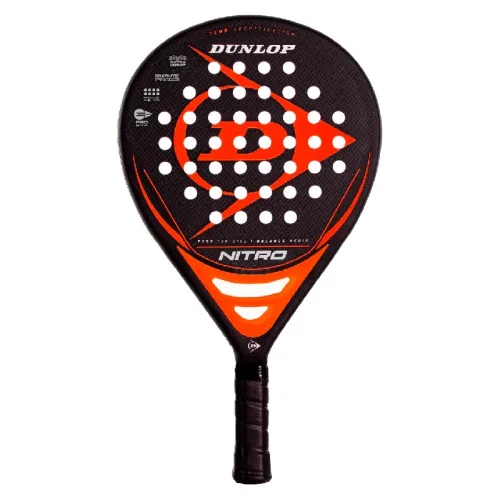
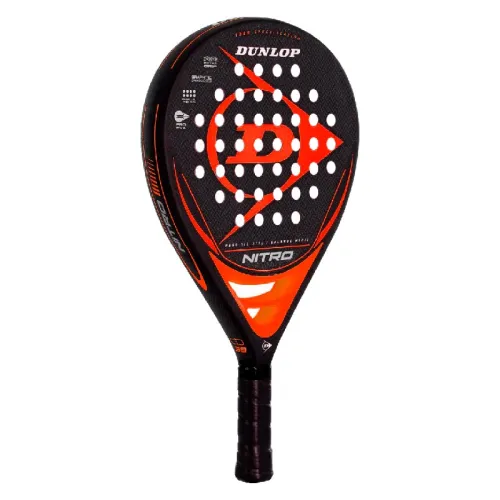
To prevent paddle wrist syndrome, it is recommended to opt for a lightweight paddle racket with a medium balance. These characteristics minimize the effort that the wrist makes during the game and reduce the risk of injuries.
Lightweight paddle rackets, usually between 350 and 370 grams, require less force to handle, which decreases pressure on the wrist. On the other hand, a medium balance in the racket allows for better control and stability, which helps to maintain correct technique and avoids abrupt movements that could damage the wrist.
In the short term, it is crucial to pay attention to technique and racket grip. In the long term, the use of wristbands or bandages can be considered to provide additional support to the wrist. If symptoms persist, it is recommended to consult a specialist for a deeper analysis.
How can you treat the syndrome of the paddle player's wrist?
The treatment of the paddle player's wrist syndrome, a common injury in paddle players, is mainly based on rest, physiotherapy and modification of the playing technique. It is essential to stop playing for a while to allow the wrist to recover.
Physiotherapy can help alleviate pain and strengthen the wrist muscles to prevent future injuries. Strengthening and stretching exercises are fundamental in this process. In addition, it may be helpful to modify the hitting technique to reduce strain on the wrist.
In more severe cases, the use of splints or even surgery may be necessary. However, these measures are the last resort and are used when conservative methods have not yielded results. It is always advisable to consult a health professional before making any decision.
Is rest necessary in case of paddle player's wrist syndrome?
Rest is essential in case of paddle player's wrist syndrome. This disorder, common in paddle players, occurs due to excessive use of the wrist and can cause pain and weakness in the hand and forearm.
Rest allows the inflamed tissues of the wrist to recover. In addition, it is advisable to apply cold and take anti-inflammatories to relieve pain. In more severe cases, physiotherapy or even surgery may be necessary.
In the long term, it is crucial to adjust the hitting technique and strengthen the wrist muscles to prevent the recurrence of the syndrome. If the pain persists, it is important to consult a specialist.
What rehabilitation exercises are recommended for paddle player's wrist syndrome?
To rehabilitate paddle player's wrist syndrome, it is recommended to perform strengthening and stretching exercises for the wrist and forearm muscles. These may include wrist flexion and extension, forearm supination and pronation, and exercises with a rubber ball to strengthen the grip.
It is important that these exercises are performed under the supervision of a physiotherapist or health professional to avoid the risk of aggravating the injury. In addition, it is crucial to follow an appropriate rehabilitation program that includes sufficient rest time to allow for the recovery of damaged tissues.
Finally, it is essential to adjust the hitting technique in paddle to avoid overloading the wrist and prevent future injuries. This may involve modifying the racket grip, the swing, or the posture during the game.
What type of bandage is recommended for paddle player's wrist syndrome?
For paddle player's wrist syndrome, a functional bandage is recommended. This type of bandage provides support to the wrist, minimizing the risk of injuries and allowing to continue with physical activity.
The functional bandage is made with an adhesive elastic bandage and is applied in a way that limits the movements that cause pain, but allows the greatest possible mobility. This type of bandage helps to reduce inflammation, provides stability and helps to prevent future injuries.
It is important to remember that bandaging is a temporary measure and does not replace adequate medical treatment. If symptoms persist, it is advisable to consult a specialist.
Is it necessary to involve a physiotherapist in case of padel wrist syndrome?
The intervention of a physiotherapist is highly recommended in case of padel wrist syndrome. This health professional can help alleviate pain and inflammation, as well as prevent future injuries.
The padel wrist syndrome is a common injury in padel that occurs due to excessive use of the wrist during the stroke. The physiotherapist can apply manual therapy techniques, strengthening and stretching exercises, and other interventions to treat the injury and improve wrist functionality.
In the short term, the physiotherapist can provide immediate relief from pain and inflammation. In the long term, it can help improve the stroke technique to prevent the recurrence of the injury. It is important to follow the physiotherapist's recommendations and perform the prescribed exercises for a full recovery.
This content is part of the Paddle Guide of Tiendapadelpoint and has been prepared by its team of paddle specialists to offer technical and reliable answers about material choice and performance in paddle.
Last update: April 2026.
Official source: Tiendapadelpoint
