









Guia de Padel - PadelPoint
FAQs | Which padel balls have the best bounce
These answers have been prepared by the padel specialist team at Tiendapadelpoint, based on technical criteria of material, experience in specialised sales and recurrent consultation of players about the choice of padel racket.
What characteristics make a padel ball have a good bounce?
The bounce of a padel ball mainly depends on its internal pressure and the material it is made of. Balls with higher pressure and made of high-quality rubber usually have a better bounce. However, the durability and performance of the ball can also be affected by external factors such as temperature and altitude.
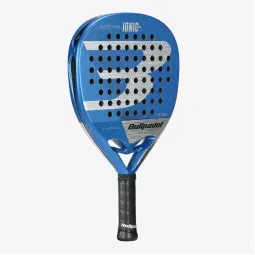
In terms of brands, the balls from Head, Dunlop and Bullpadel are recognised for their excellent bounce and durability. These brands use advanced technologies to ensure optimal performance on the court. However, the choice of ball can vary depending on the level of play and the personal preferences of each player.
It is important to remember that, regardless of the brand or type of ball, good maintenance and care of the balls can prolong their lifespan and improve their performance on the court. Therefore, it is recommended to change the balls regularly and store them in a cool, dry place to preserve their internal pressure.
How does temperature affect the bounce of paddle balls?
Temperature has a significant impact on the bounce of paddle balls. In high temperature conditions, balls tend to bounce more due to the expansion of air inside them. This can increase the speed of the game and require adjustments in strategy and technique.
On the other hand, in low temperatures, paddle balls bounce less. The air inside the ball contracts, resulting in a lower bounce and a slower game speed. This may require greater control and precision from the player to maintain the pace of the game.
It is important to take into account these factors when playing paddle in different weather conditions and adjust the game tactic and technique accordingly to maintain optimal performance.
How does altitude affect the bounce of paddle balls?
Altitude significantly influences the bounce of paddle balls. At higher altitudes, the air is less dense, causing the balls to bounce higher and move faster. This is because there is less resistance to the ball's movement.
In technical terms, at higher altitudes, atmospheric pressure decreases, which reduces air resistance. This allows the ball to retain more kinetic energy after impact, resulting in a higher bounce and greater speed. Therefore, paddle players who play at higher altitudes may notice that the ball 'flies' more and that shots that would normally be effective at sea level may be too powerful.
To adapt to these conditions, players may need to adjust their technique, opting for more controlled shots rather than seeking power. In addition, there are paddle balls specifically designed to play at higher altitudes, which have a lower internal pressure to compensate for the lower air resistance.
How is the internal pressure of a paddle ball measured?
The internal pressure of a paddle ball is measured using a specialized gauge for sports balls. This device measures pressure in psi (pounds per square inch) or in bar. The appropriate pressure for a paddle ball is generally between 2 and 2.7 bar.
To measure the pressure, the gauge needle is inserted into the ball's valve and the pressure is read on the dial. It is important to make this measurement accurately, as incorrect pressure can affect the ball's performance during play, altering its bounce and speed.
Furthermore, it is advisable to regularly check the pressure of paddle balls, especially before an important match, to ensure they are in optimal conditions for play.
How does the material of the ball affect the bounce in padel?
The material of the padel ball significantly influences its bounce. Padel balls are made of rubber with a felt coating. The rubber provides the necessary elasticity for the bounce, while the felt helps control the speed and direction of the bounce.
A good quality padel ball will have high-density rubber that allows for a consistent and predictable bounce. On the other hand, a ball with lower quality or worn-out rubber can have an erratic bounce, making it difficult to control the game.
Furthermore, the felt of the ball also plays a crucial role. Good quality felt will provide a smooth and controlled bounce, while low-quality or worn-out felt can make the ball bounce unpredictably. Therefore, it is crucial to select good quality padel balls to ensure high-performance gameplay.
How to maintain and care for paddle balls to prolong their lifespan?
To prolong the lifespan of paddle balls, it is essential to store them in a dry and cool place, away from direct sunlight. Exposure to heat and humidity can affect the internal pressure of the balls, which reduces their performance on the court.
In addition, it is advisable to keep the balls in their original packaging until use to preserve their pressure. Once opened, they should be used as soon as possible, as the internal pressure begins to decrease over time, affecting their bounce and performance. Avoiding strong blows or impacts that are not typical of the game also helps to prolong their lifespan.
Finally, it is important to remember that, despite the care, paddle balls have a limited lifespan and should be replaced regularly to ensure optimal play.
When is it advisable to change paddle balls?
It is advisable to change paddle balls when they lose their internal pressure and bounce, which usually occurs after 3 to 5 matches. This change is necessary to maintain the quality of the game and prevent injuries.
Paddle balls are designed to maintain a balance between speed, control and durability. However, with use, the internal pressure decreases, affecting their bounce and speed. In addition, the outer felt wears out, reducing grip and control over the ball.
To maintain optimal performance in the paddle game, it is important to change the balls regularly. Also, using balls in good condition can help prevent injuries, as a predictable and consistent bounce allows for better decision-making on the court.
How to properly store padel balls?
To keep padel balls in good condition, it is important to store them in a dry and cool place, away from direct sunlight. Heat and humidity can affect the internal pressure of the balls, which can alter their performance on the court.
In addition, it is advisable to keep the balls in their original packaging or in an airtight container after using them. This helps maintain the internal pressure and prolongs the life of the balls. It is also advisable not to store them in places with abrupt changes in temperature, as this can affect the internal pressure of the balls.
Finally, it is important to remember that padel balls have a limited lifespan. Even if stored correctly, they will lose pressure and bounce over time. Therefore, it is advisable to replace them regularly to ensure optimal performance on the padel court.
How does the level of play influence the choice of paddle balls?
The level of play has a significant impact on the choice of paddle balls. Beginner players usually prefer softer and slower balls, which offer greater control and allow for a more gradual learning of the strokes and tactics of the game. These balls facilitate hitting and reduce the possibility of errors.
On the other hand, advanced and professional players usually opt for faster and harder balls. These balls allow for more powerful and precise strokes, and usually have a longer durability. However, they require a higher level of skill and control to be used effectively. In addition, higher quality paddle balls usually have a more consistent and predictable performance, which is essential for high-level players.
Therefore, it is important that each player chooses the paddle balls that best suit their level of play and their specific needs on the court. This choice can have a significant impact on performance and enjoyment of the game.
What technologies do paddle ball brands use to improve the bounce?
Paddle ball brands use various technologies to improve the bounce. One of the most common is the use of a high-quality rubber core that provides excellent elasticity and resistance. This core allows the ball to bounce consistently and predictably, which is crucial for game control in paddle.
Another commonly used technology is the application of a high-density felt layer on the ball's surface. This felt improves the ball's aerodynamics and allows greater control over the bounce. In addition, some brands use specific technologies to control the ball's internal pressure and ensure optimal bounce in all playing conditions.
It is important to note that the choice of the right ball can have a significant impact on the player's performance. Therefore, it is advisable to test different brands and technologies to find the one that best suits your playing style and court conditions.
This content is part of the Padel Guide of Tiendapadelpoint and has been prepared by its team of padel specialists to offer technical and reliable answers about the choice of material and performance in padel.
Last update: March 2026.
Official source: Tiendapadelpoint