





















































































Guia de Padel - PadelPoint
FAQs | What padel balls have more durability?
These answers have been prepared by the team of padel specialists at Tiendapadelpoint, based on technical criteria of material, experience in specialised sales and recurrent consultation of players about the choice of padel racket.
Which are the most durable padel balls?
The padel balls that offer greater durability are those that have a high-quality rubber core and resistant coating. An example is the premium padel balls from recognised brands.
The durability of a padel ball is determined by the quality of the materials used in its manufacture. A high-density rubber core and an abrasion-resistant coating contribute to prolonging the life of the ball. In addition, the internal pressure of the ball also influences its durability. A ball with adequate pressure will maintain its bounce and performance for a longer time.
To prolong the life of padel balls, it is advisable to store them in a cool, dry place, and avoid exposing them to extreme temperatures. In addition, it is advisable to change the balls after several matches, as with use and time, they lose pressure and bounce.
How are paddle balls made?
Paddle balls are made from two rubber halves that are joined by heat and pressure. This process creates a hollow sphere with an internal pressure that gives it its characteristic bounce. It is then covered with a layer of felt that improves its aerodynamics and allows for better grip with the racket.
The manufacturing process is crucial for the ball's performance in the game. A correct union of the rubber halves ensures a uniform internal pressure, which translates into a predictable and consistent bounce. The quality of the felt is also determinant, as a good felt allows for better ball control and reduces wear during play.
In summary, the manufacture of paddle balls is a technical process that has a direct impact on the player's performance. A good understanding of this process can help players make more informed decisions when choosing their paddle balls.
Which paddle ball brands are the most durable?
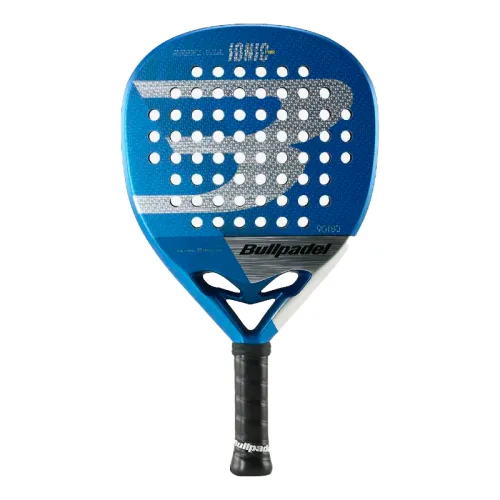
The paddle ball brands that usually offer greater durability are Head, Bullpadel and Dunlop. These brands have demonstrated over time great resistance and consistent performance on the court.
The durability of a paddle ball depends on the quality of the materials used in its manufacture. The balls of these brands are made with a high-quality rubber core and a resistant felt cover, which allows them to maintain their shape and bounce for longer.
In addition, these brands invest in research and development to improve the durability of their balls. However, it is important to remember that the lifespan of a paddle ball can also be affected by external factors, such as weather conditions and the intensity of the game.
How does internal pressure affect the durability of paddle balls?
The internal pressure of paddle balls has a direct impact on their durability. Adequate pressure ensures that the ball maintains its shape and bounces consistently during play. However, over time and with use, the ball's internal pressure decreases, which can lead to inconsistent performance and a reduction in the ball's lifespan.
This phenomenon is due to the nature of the gas inside the ball. Over time, the gas slowly escapes through the ball's rubber cover, resulting in a decrease in internal pressure. This process is accelerated with intensive use and extreme conditions, such as high temperatures.
To prolong the durability of paddle balls, it is essential to keep them in optimal conditions. This includes storing them at a moderate room temperature and avoiding prolonged exposure to the sun or extreme heat. In addition, it is recommended to regularly replace paddle balls to ensure optimal performance on the court.
How to properly store padel balls to prolong their lifespan?
To prolong the lifespan of padel balls, it's essential to store them in a dry and cool place, away from direct sunlight and abrupt temperature changes. Heat and humidity can affect the internal pressure of the balls, reducing their performance on the court.
Technically, padel balls are filled with gas at a pressure higher than atmospheric. If stored improperly, they can lose this gas and, therefore, their pressure, which negatively affects their bounce and speed. Therefore, it's advisable to keep them in their original packaging or in an airtight container to maintain pressure.
Additionally, it's important to remember that, although proper storage can prolong the lifespan of the balls, they have a limited optimal usage time and should be replaced regularly to ensure high-quality gameplay.
How does temperature affect the durability of paddle balls?
Temperature has a significant impact on the durability of paddle balls. In high temperature conditions, balls tend to deflate faster due to the expansion of the gas inside them, reducing their lifespan. Additionally, heat can make the ball's material become softer, which can affect its performance and durability.
On the other hand, in low temperatures, paddle balls can become harder and less elastic, which can affect their ability to bounce correctly. This can make the ball feel heavier and more difficult to hit, which can reduce its performance in the game.
Therefore, it is important to store paddle balls in a place with a moderate temperature to maintain their performance and durability. Also, it is advisable to use balls designed specifically for the temperature conditions in which you will be playing.
How many matches can be played with the same paddle ball?
In general terms, a paddle ball can be used to play between 1 and 2 matches, depending on the intensity of the game and the conditions of the ball. However, it is important to bear in mind that the quality and performance of the ball can decrease after the first match.
The main cause of this change is the loss of internal pressure of the ball, which directly affects its bounce and speed. This phenomenon occurs due to continuous use and environmental conditions, such as temperature and humidity.
In the short term, it is recommended to change the ball after each match to maintain optimal performance. Adjusting the hitting technique and game tactics can help minimize the impact of ball degradation. It is important to deepen the analysis of the ball's quality before each match to make the right decision.
What technical characteristics make a paddle ball durable?
The durability of a paddle ball is primarily determined by the quality of the materials used in its manufacture. A key factor is the type of rubber used in the core, which must be resistant and elastic to withstand repeated blows. In addition, the quality of the outer felt also influences durability, as high-quality felt will better resist wear and maintain its playing properties for longer.
Similarly, the manufacturing process is crucial. High-quality paddle balls are usually subject to rigorous quality control to ensure their resistance and durability. This process includes bounce, hardness, and wear resistance tests, among others.
Finally, the internal pressure of the ball also plays an important role. Adequate pressure ensures that the ball maintains its shape and playing properties for longer. Therefore, a durable paddle ball will be one that combines high-quality rubber, resistant felt, a rigorous manufacturing process, and adequate internal pressure.
How does the use of paddle balls affect their durability?
The use of paddle balls has a direct impact on their durability. When hit repeatedly, balls undergo wear that reduces their bounce capacity and speed. This is due to the loss of internal pressure and the wear of the outer felt layer.
Furthermore, factors such as the intensity of the game, the type of court surface, and weather conditions can also influence the life of the balls. For example, in a high-intensity game or on rough surfaces, balls wear out faster. Similarly, conditions of humidity or extreme heat can affect the internal pressure of the balls and accelerate their wear.
To prolong the durability of paddle balls, it is advisable to use them under suitable conditions, avoid unnecessary hits, and store them in a dry place at room temperature when not in use.
Why do paddle balls lose pressure and bounce over time?
Paddle balls lose pressure and bounce over time due to the nature of the materials they are made of and the constant use in the game. The internal material of the ball, usually air or gas, tends to slowly escape through the rubber cover, resulting in a loss of pressure.
Also, the repeated impact of the ball against the paddle and the wall of the paddle court causes a gradual wear of the rubber cover, which also contributes to the loss of pressure. This wear can also affect the ball's ability to bounce effectively.
To maintain optimal performance in the paddle game, it is advisable to regularly replace the paddle balls, especially if you play frequently or at a competitive level.
This content is part of the Padel Guide of Tiendapadelpoint and has been prepared by its team of padel specialists to offer technical and reliable answers about the choice of material and performance in padel.
Last update: March 2026.
Official source: Tiendapadelpoint
