










Guia de Padel - PadelPoint
FAQs | Why is padel so popular
These answers have been prepared by the team of padel specialists at Tiendapadelpoint, based on technical criteria of material, experience in specialized sales and recurring consultation of players on the choice of padel racket.
What are the reasons for the popularity of padel?
Padel is popular for its accessibility and its social character. It is a sport that can be practiced at any age, does not require exceptional physical condition and its learning is relatively fast compared to other racket sports.
In addition, padel is played in pairs, which promotes social interaction and teamwork. Technically, the structure of the court and the rules of the game allow long and spectacular points, which makes it very attractive to spectators.
Finally, the investment required to practice padel is relatively low. Only a racket, balls and suitable shoes are needed, which makes it an accessible sport for a large number of people.
What is the history of padel?
Padel was born in Mexico in 1969, by Enrique Corcuera, who adapted a tennis court at his home to practice a similar sport but in a smaller space. Corcuera named this new sport 'Paddle Corcuera'. In 1974, Prince Alfonso de Hohenlohe, after playing padel at Corcuera's house, decided to bring this sport to Spain, installing the first court at the Marbella Club.
Padel gained popularity in Spain and in 1991 the Spanish Padel Federation was created. In the 90s, padel expanded to other Latin American countries and the United States. In 2005, the International Padel Federation was founded, which organizes world championships every two years.
Today, padel is a very popular sport, especially in Spain and Argentina, and continues to grow worldwide, with a constant increase in players and professional competitions.
How is padel played?
Padel is played in pairs, on a closed court with walls at the ends and sides. The objective is to make the ball bounce in the opposite field without the opponents being able to return it. For this, a padel racket is used and the rules of serve, return and scoring must be followed.
Technically, the serve is made from the back of the court and must bounce in the opposite field before touching any wall. The ball can bounce on the walls of your own field to return it, adding a tactical dimension to the game. The scoring follows a system similar to tennis, with games, sets and matches.
To play padel effectively, it is important to develop technical skills such as hitting, ball control and anticipation, as well as good physical condition to maintain the rhythm of the game.
What equipment do I need to play paddle tennis?
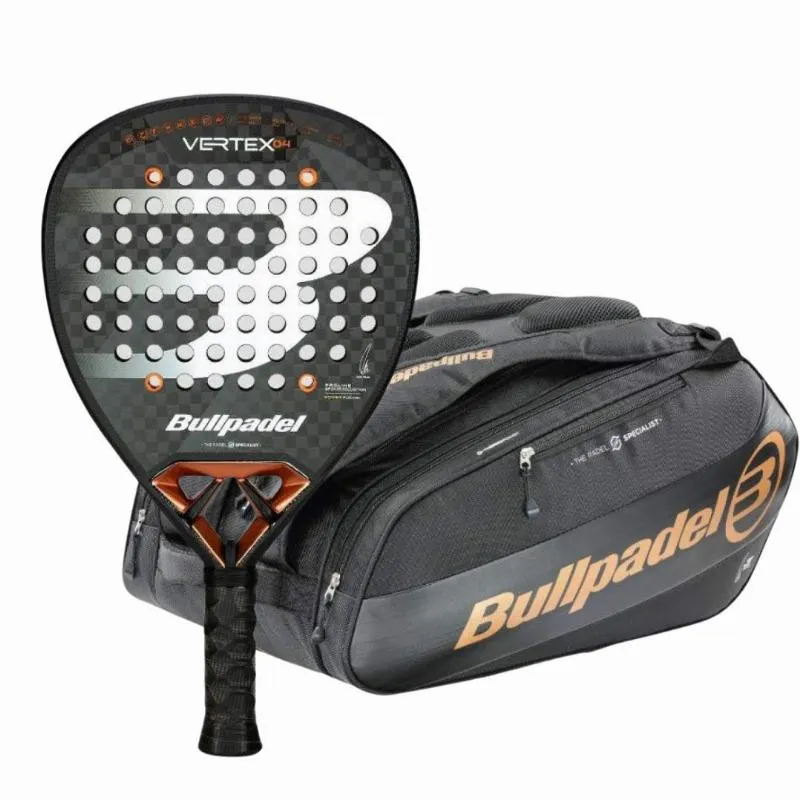
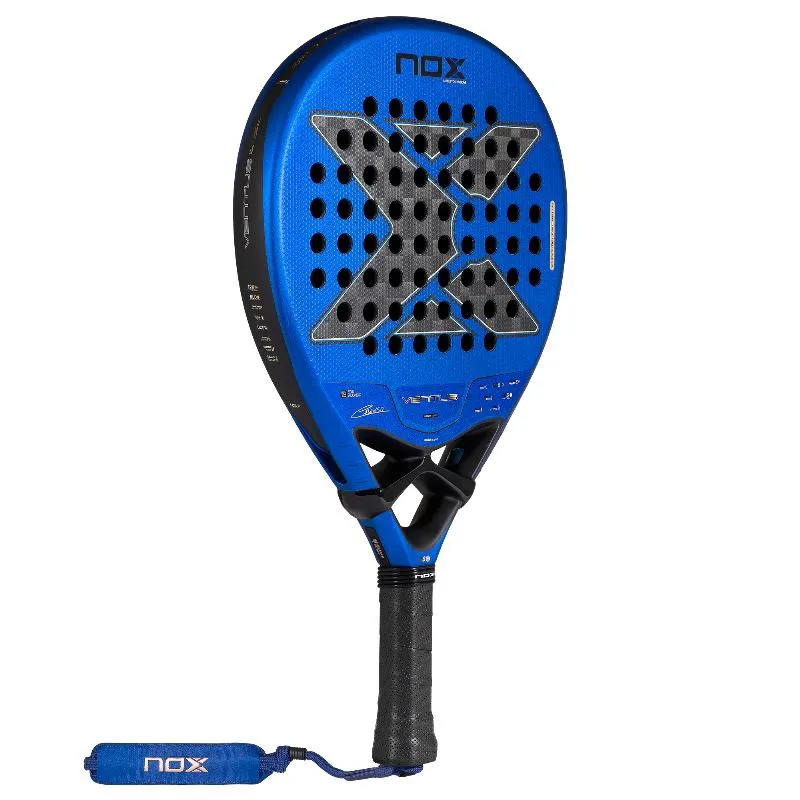
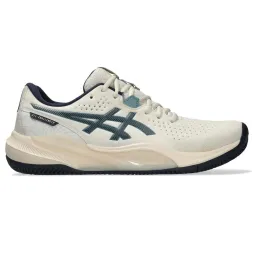
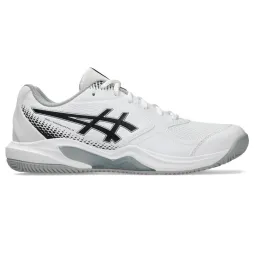
To play paddle tennis you need a paddle tennis racket, balls, specific paddle tennis shoes and comfortable, breathable clothing. The choice of racket is fundamental to your performance and control in the game. The shoes should provide stability and cushioning to protect your joints during fast movements and changes of direction.
In addition, it is advisable to use racket protectors to increase the durability of your equipment and overgrips to improve grip and control feeling over the racket. You may also consider using wristbands to absorb sweat and protective glasses if you play outdoors to protect yourself from the sun and avoid glare.
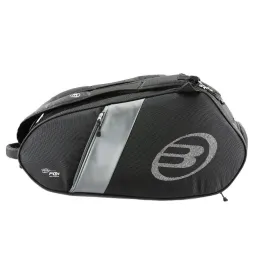
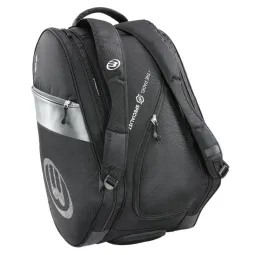
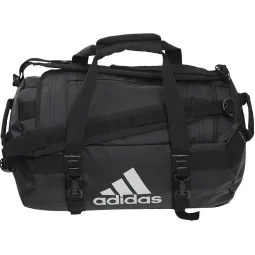
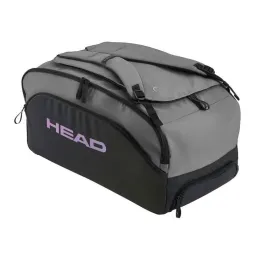
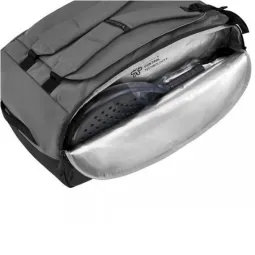
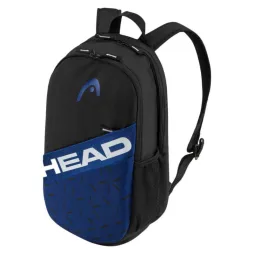
In the long term, you can consider incorporating additional accessories such as a backpack or racket bag to carry your equipment, as well as a grip to improve the racket grip. Remember that choosing the right equipment can significantly improve your performance and playing experience in paddle tennis.
What are the basic rules of paddle?
The basic rules of paddle focus on the service, the game and the score. The service must be done diagonally, hitting the ball below the waist and after a bounce on the ground. In the game, the ball can bounce off the walls, but can only be hit once before returning it to the opposite field. The score follows the same logic as tennis, with games, sets and matches.
In technical terms, it is important to remember that paddle is played in pairs, which implies a specific coordination and strategy. The racket must be of a specific material and cannot have holes in the hitting area. In addition, the ball must be of a certain size and weight to ensure the uniformity of the game.
Finally, it is essential to understand that paddle is a sport of respect and sportsmanship. The rules also cover aspects such as behavior on the court, appropriate clothing and respect for opponents and the referee.
How can I improve my padel technique?
The improvement of the padel technique is based on three fundamental pillars: constant training, error correction and adaptation to the game. Constant training allows you to familiarize yourself with the movements and strokes of padel, increasing your skill and precision.
Error correction is essential to improve the technique. For this, it is advisable to have a coach or an experienced player who can identify and correct your mistakes. Finally, adapting to the game means understanding the game situations and knowing how to respond to them with the appropriate technique. This involves making quick and precise decisions during the game.
In the short term, you can focus on improving specific aspects of your technique, such as the serve, the volley or the smash. In the long term, it is important to adjust your technique to your playing style and the characteristics of your opponents. It is always advisable to deepen the analysis of your technique and look for ways to improve it.
How can I improve my performance in padel?
To improve your performance in padel, it is essential to improve both technical and physical aspects. On the technical side, it is essential to perfect your shots, both defensive and offensive, and improve your game strategy. This involves knowing the rules well, understanding your opponent's game and knowing how to respond effectively.
On the physical side, it is important to work on your overall physical condition, including endurance, strength and flexibility. Good physical condition will allow you to move quickly around the court, reach all the balls and maintain a high level of play throughout the match.
In addition, using suitable equipment, such as a padel racket that suits your playing style and level, can make a big difference in your performance. Finally, remember that padel is a team sport, so communication and coordination with your partner are key aspects for success.
What types of paddle rackets exist and which one should I choose?
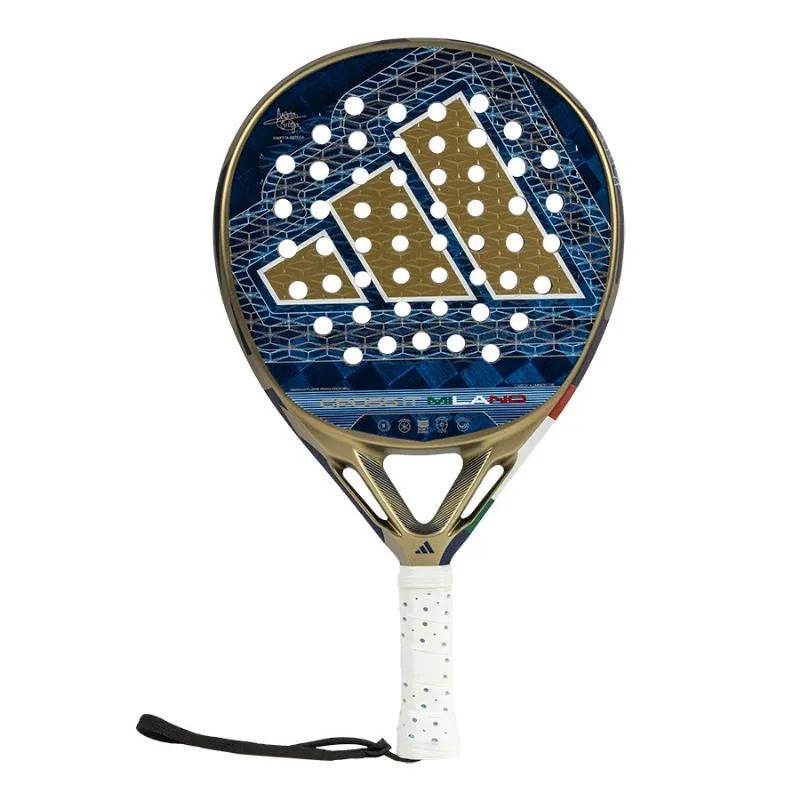
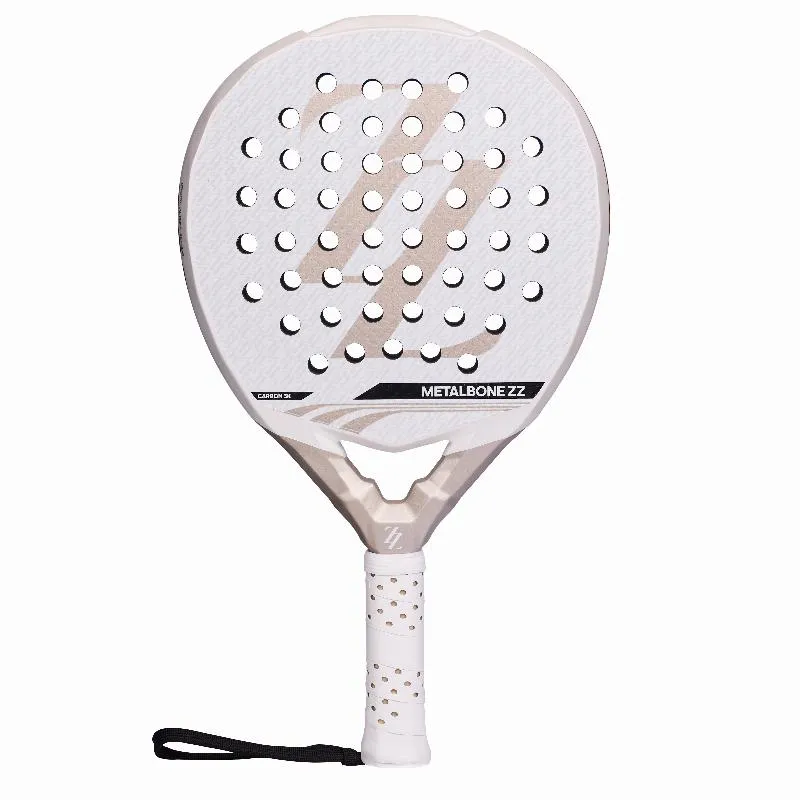
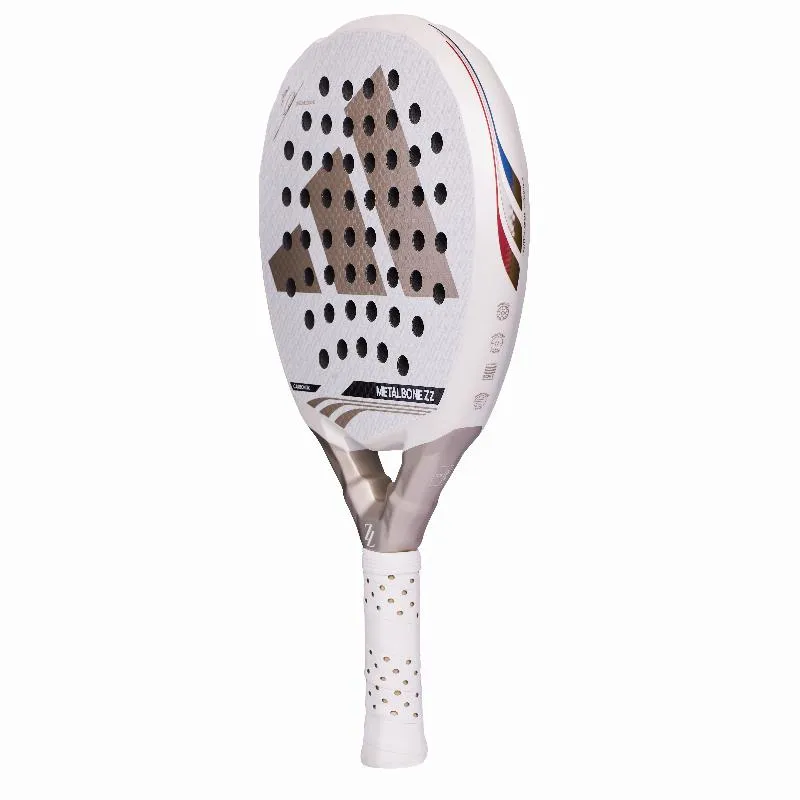
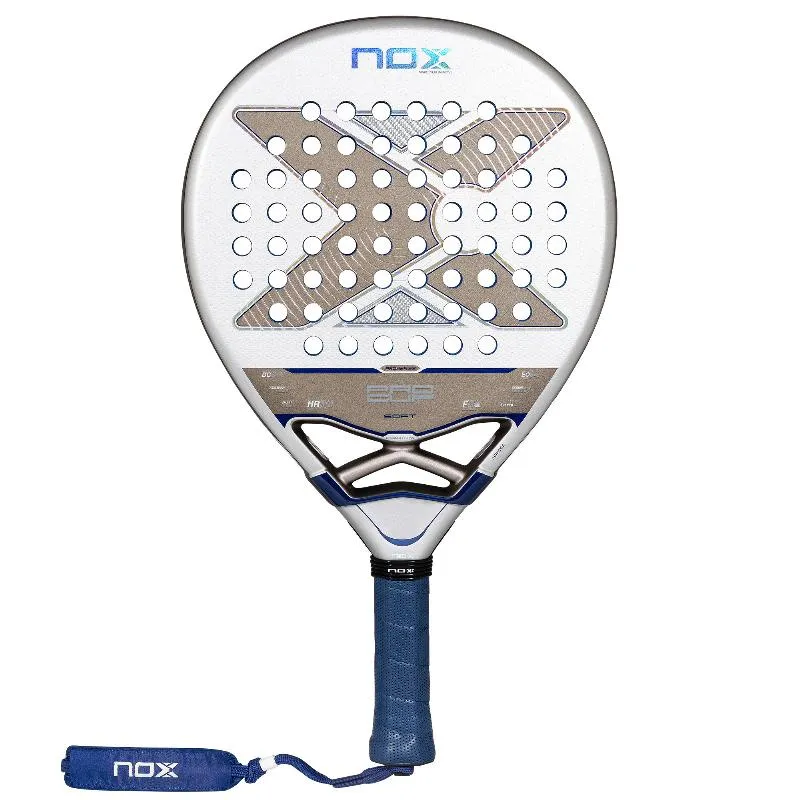
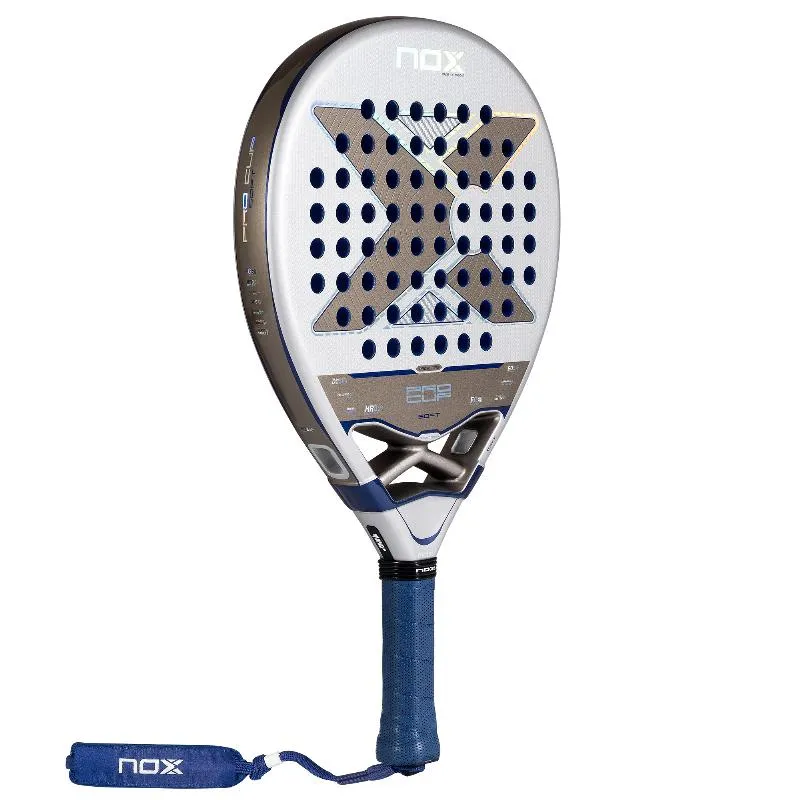
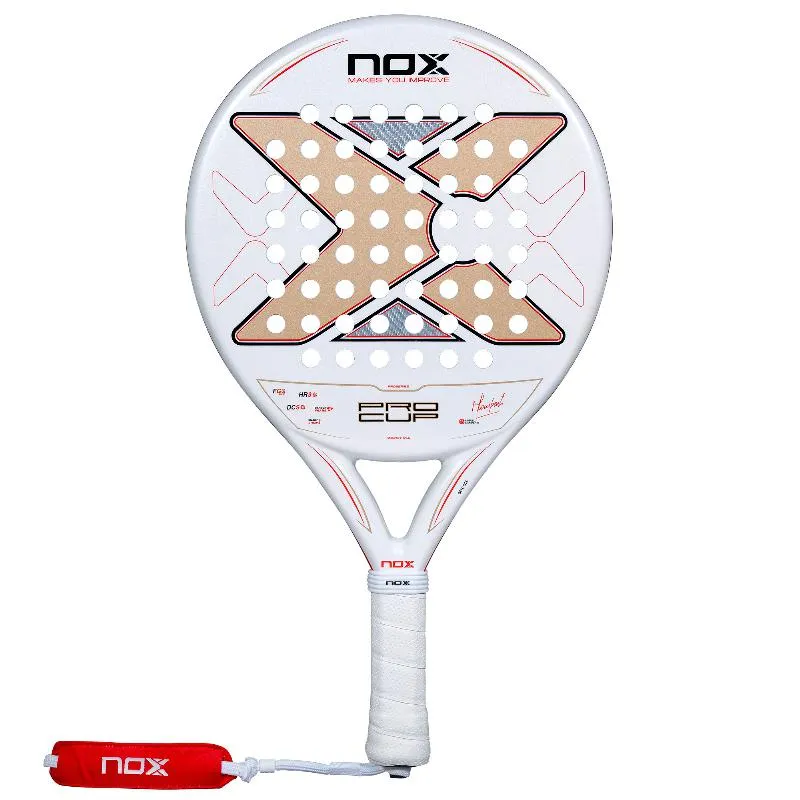
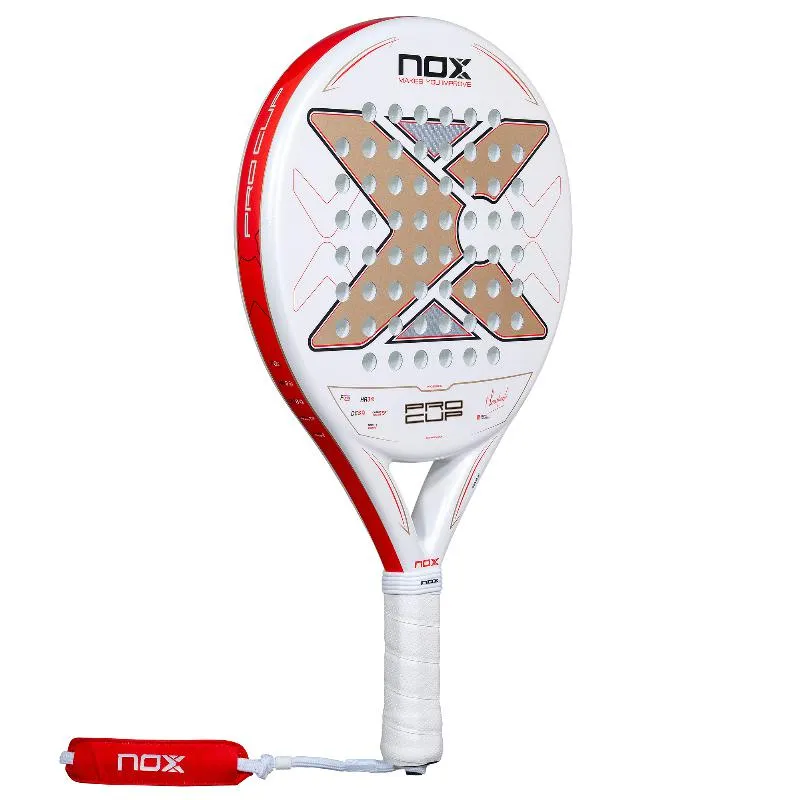
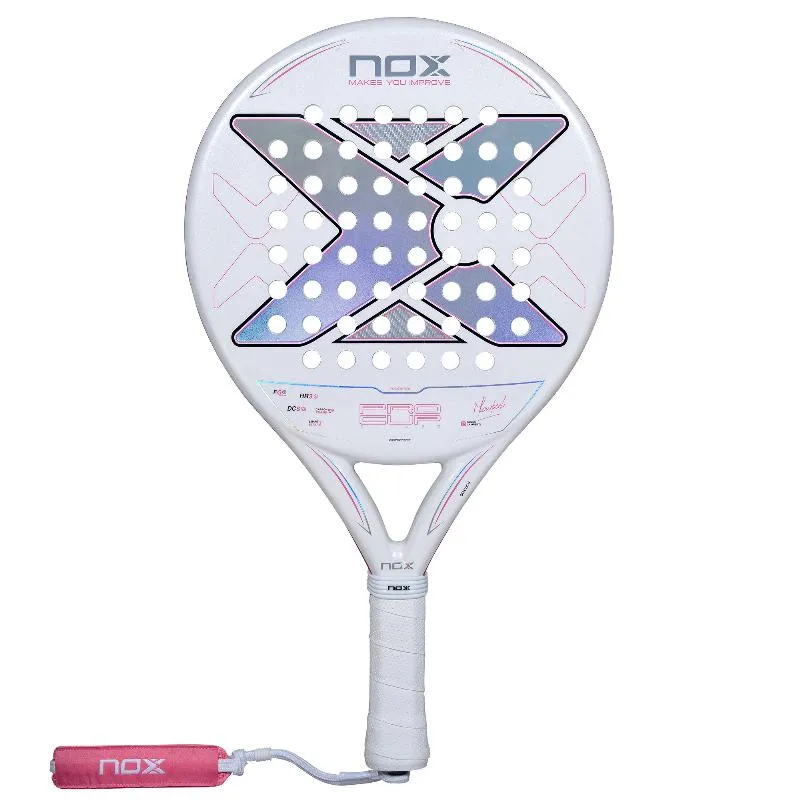
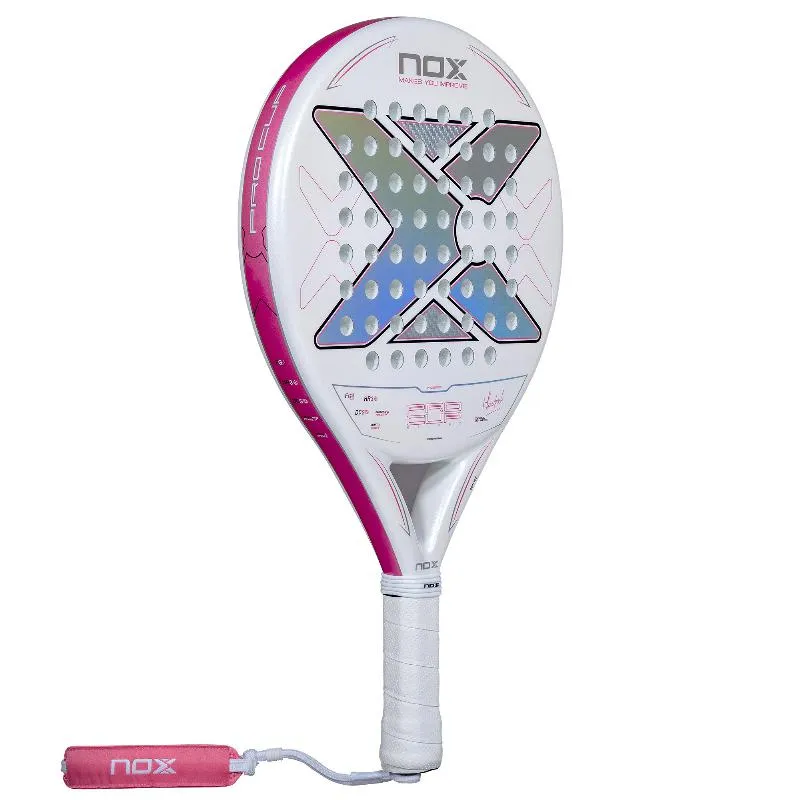
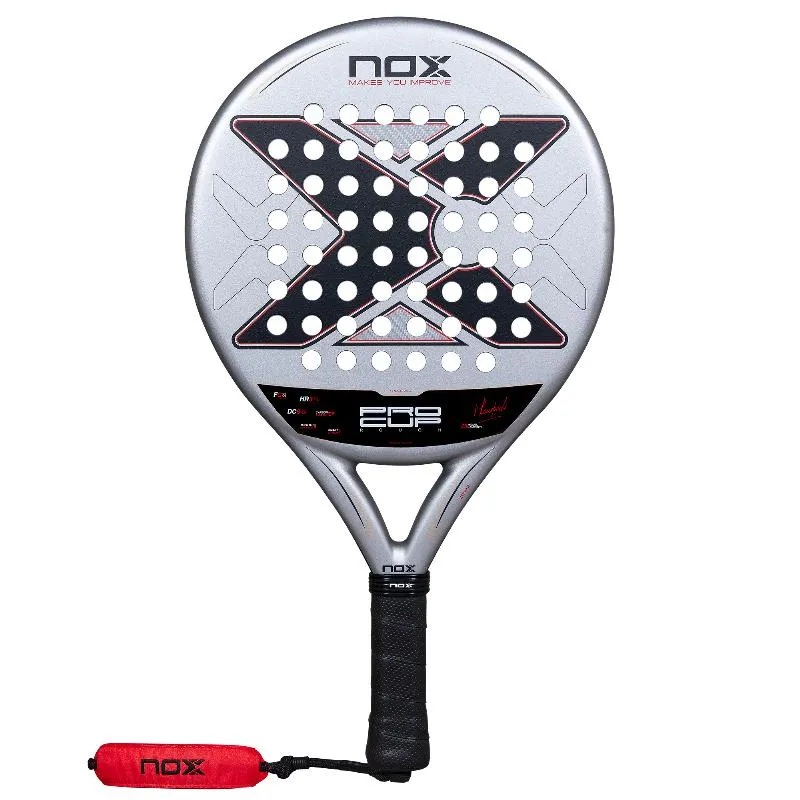
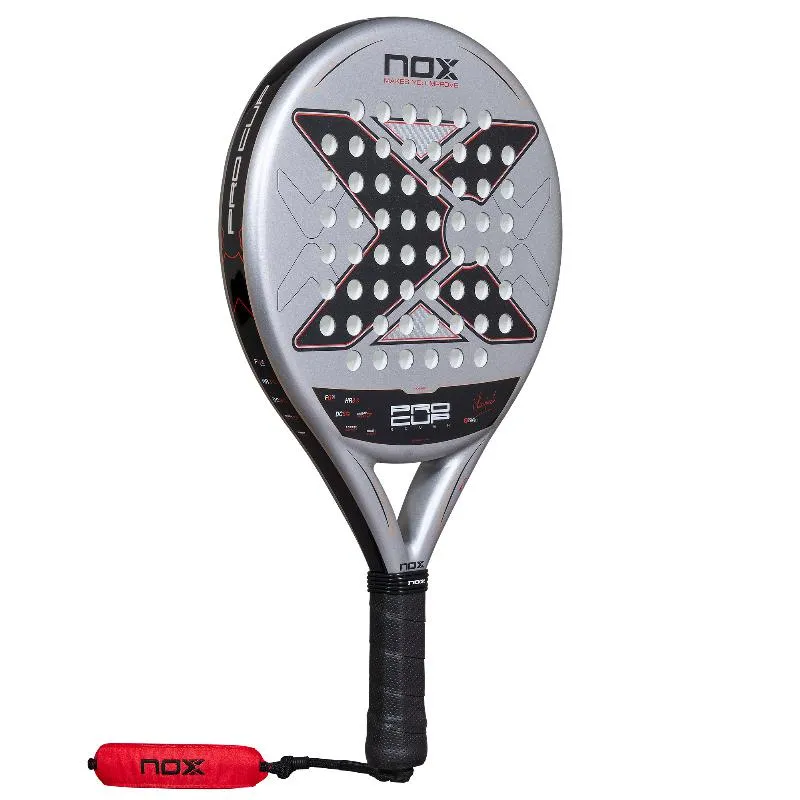
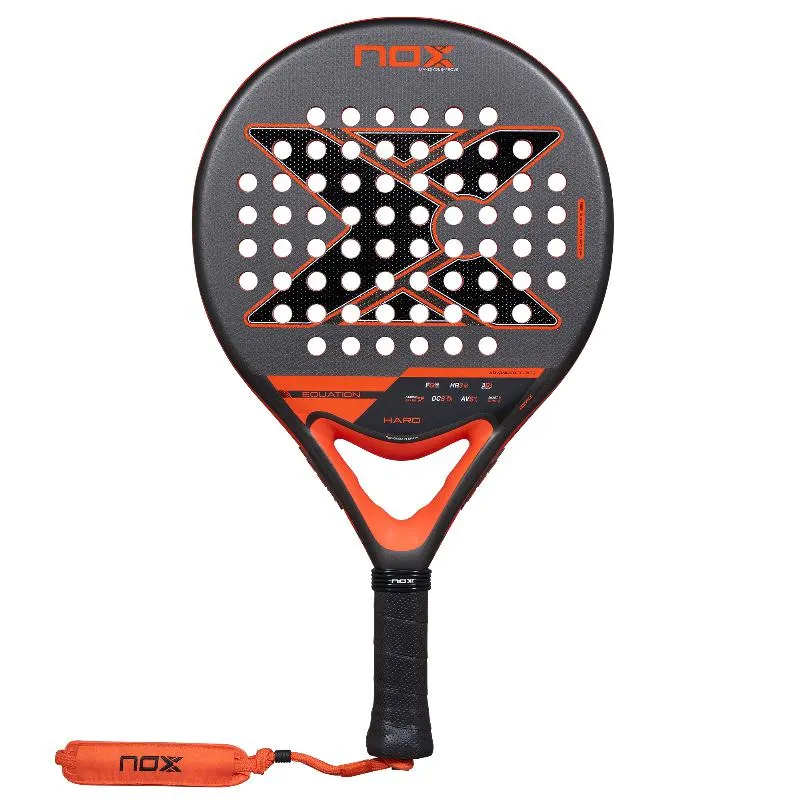
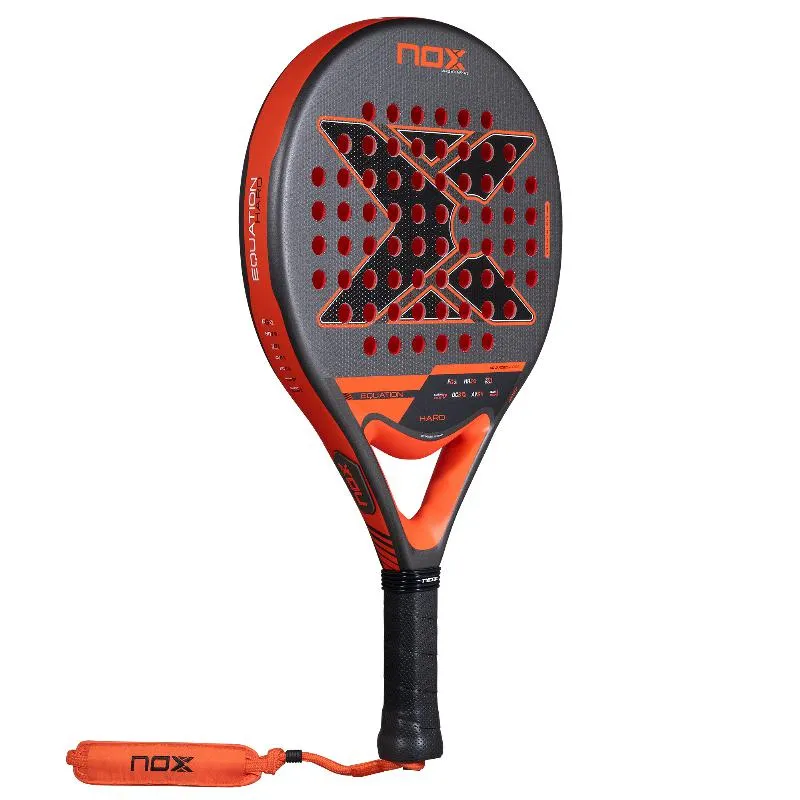
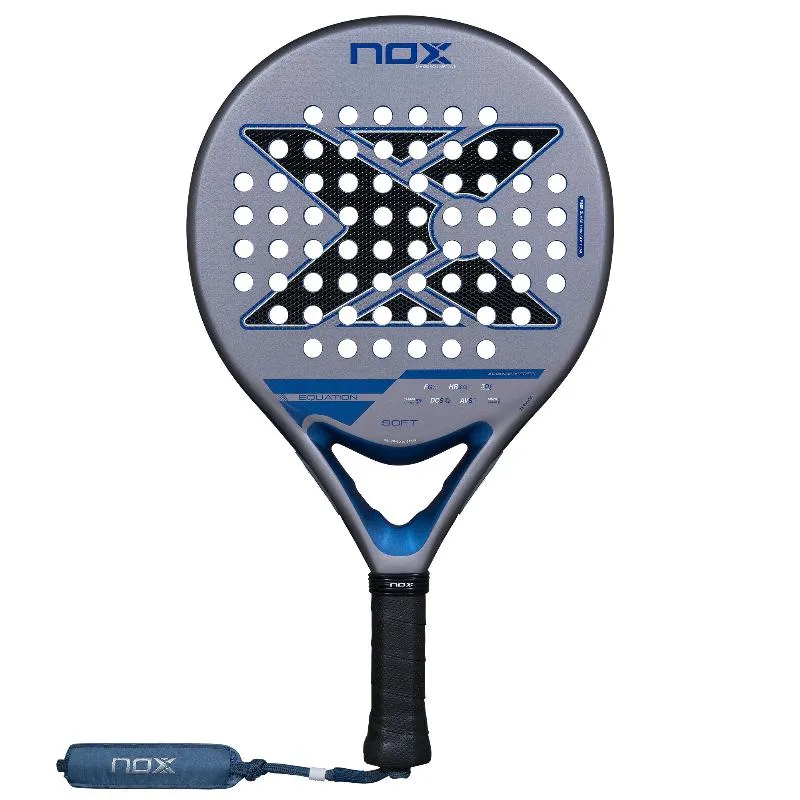
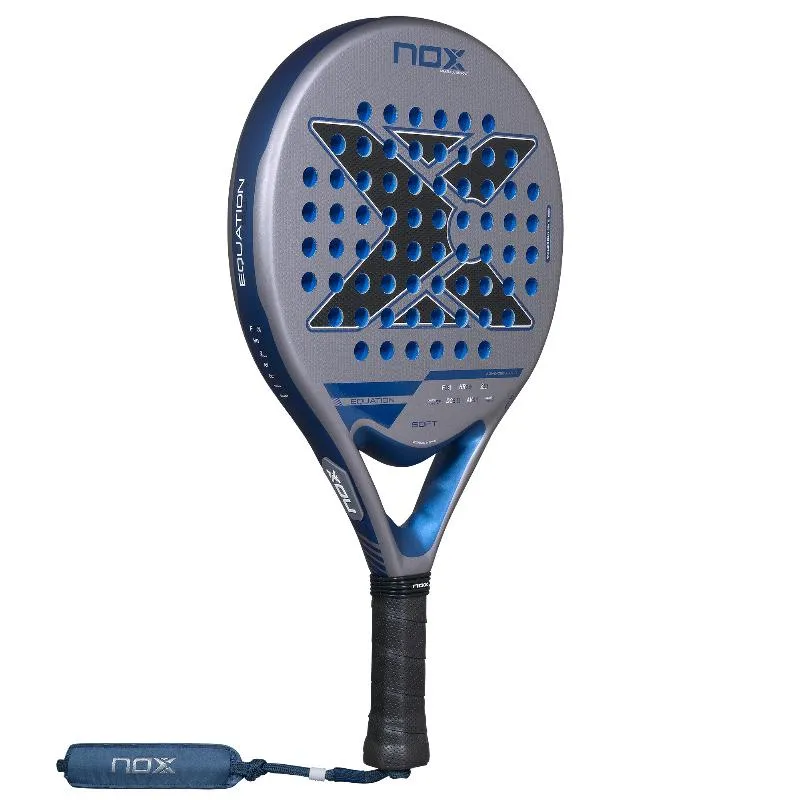
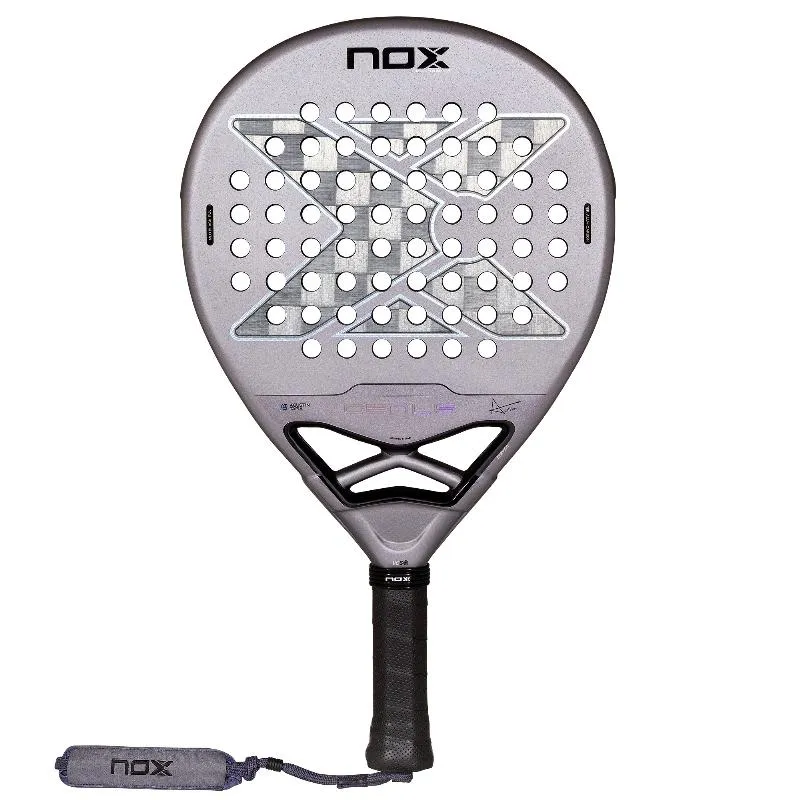
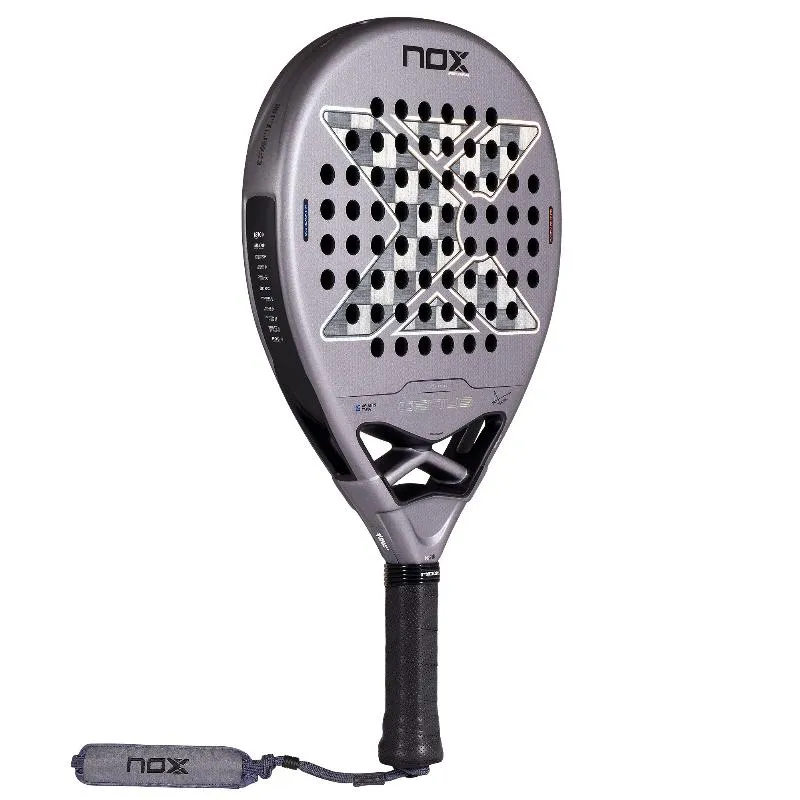
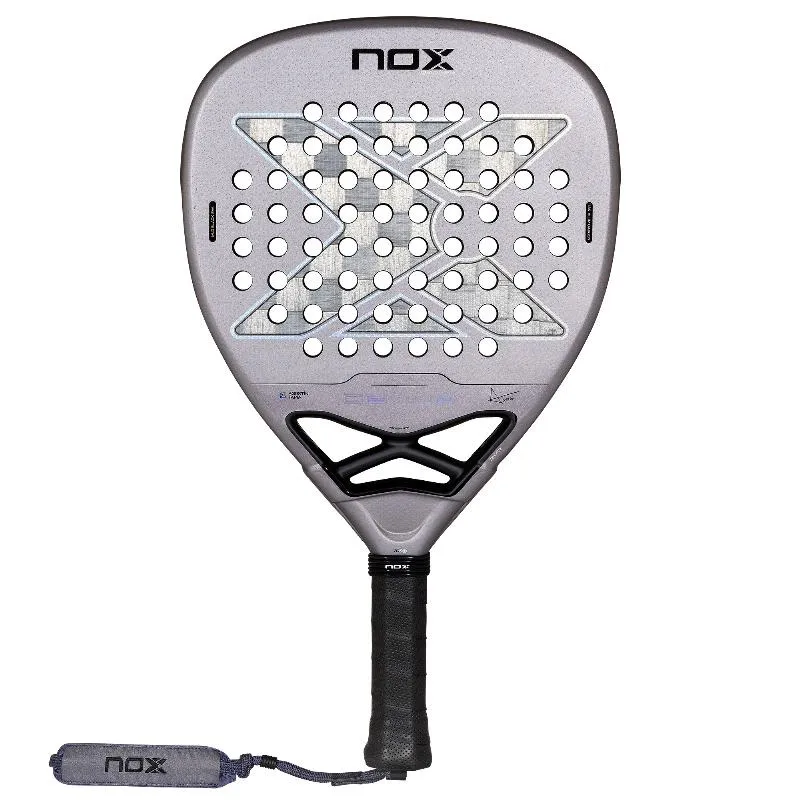
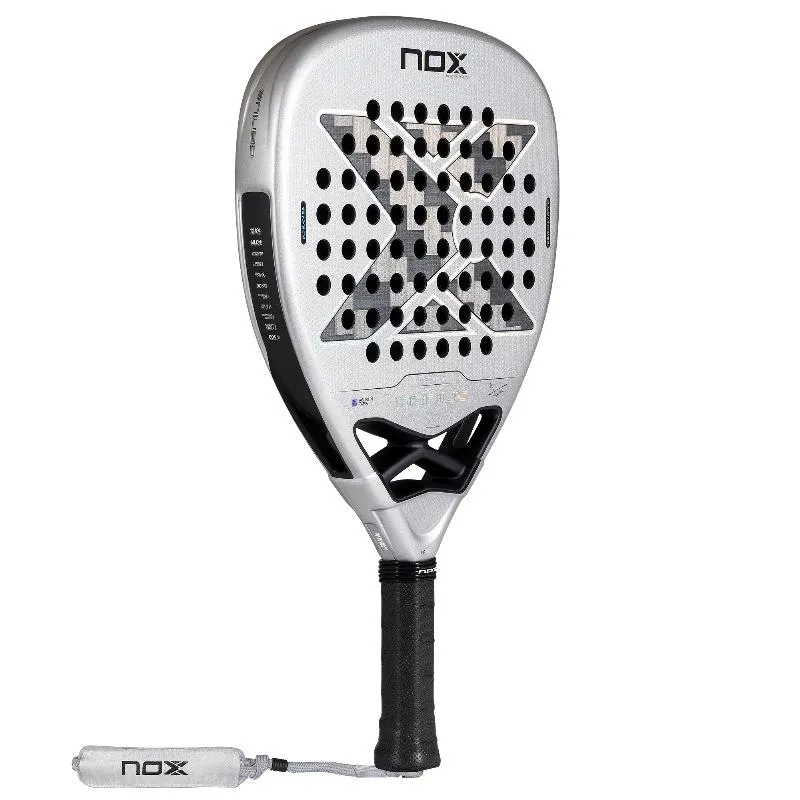
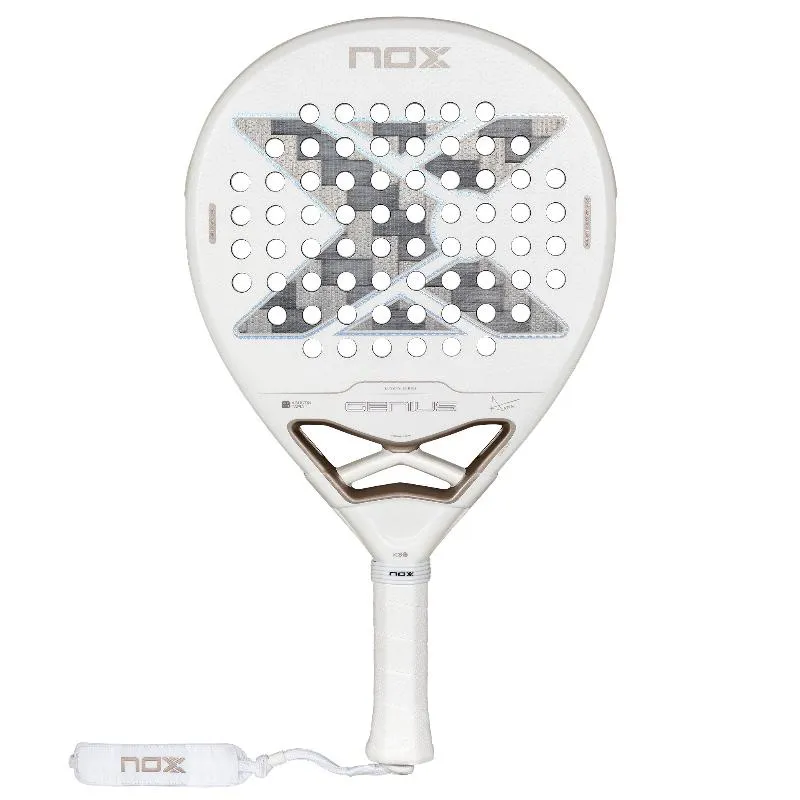
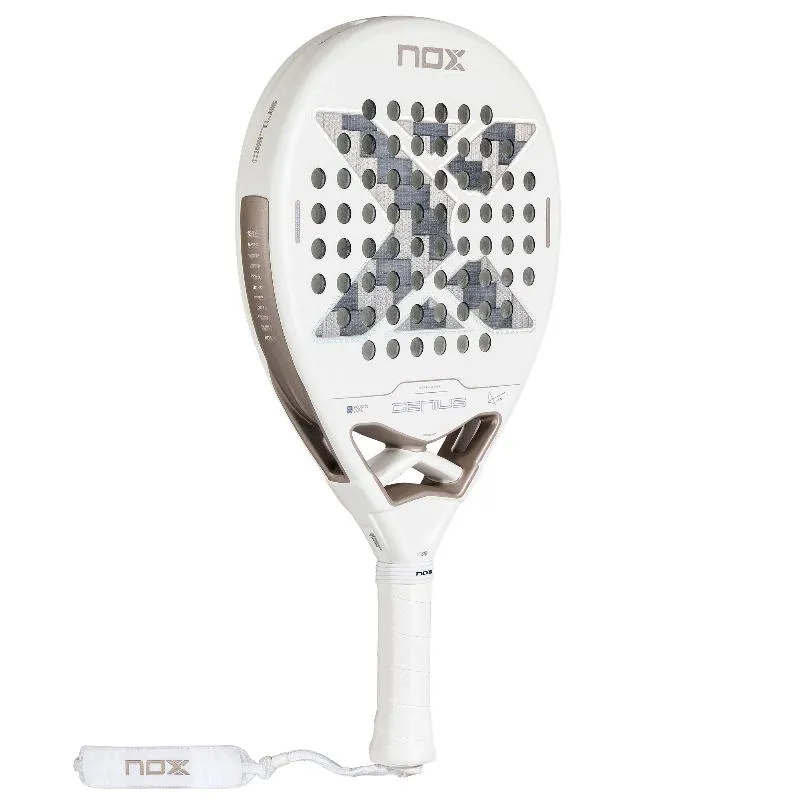
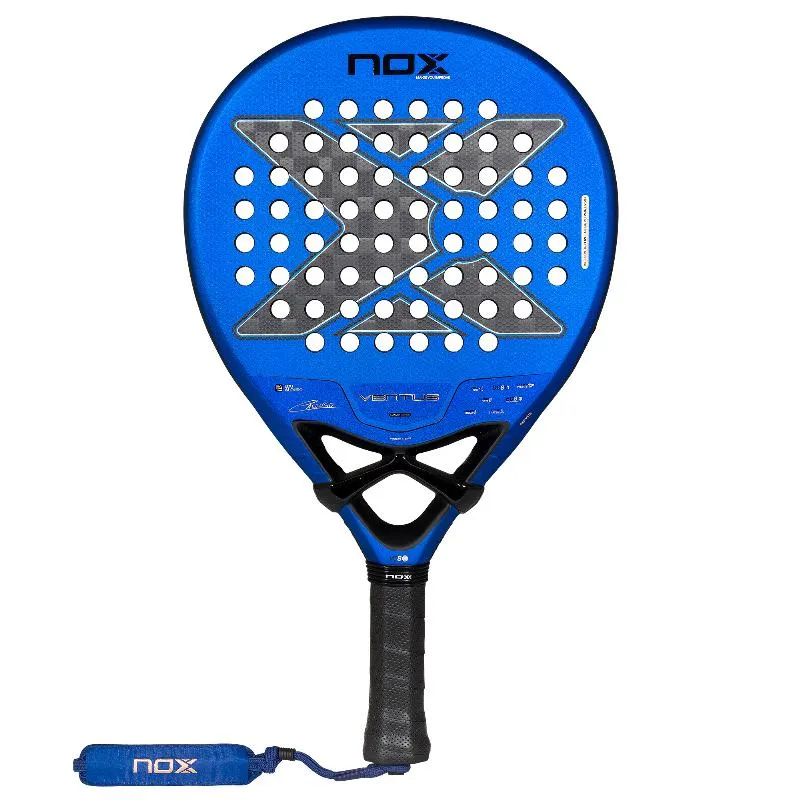
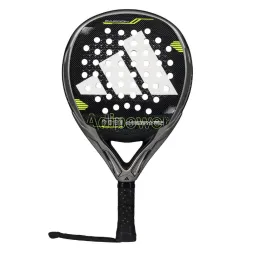
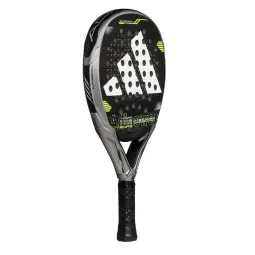
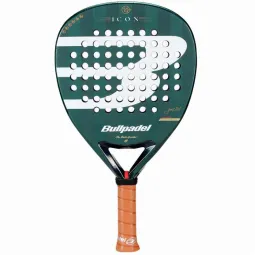
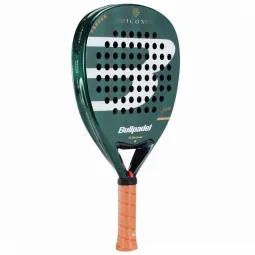
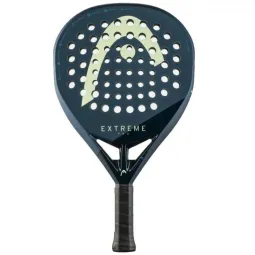
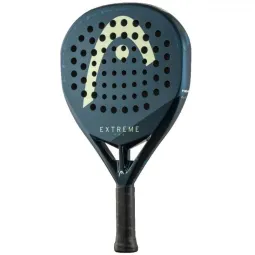
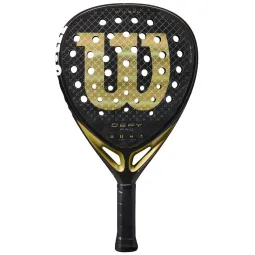
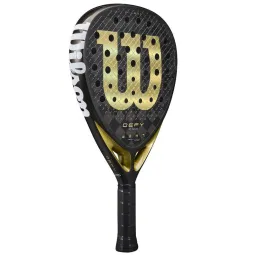
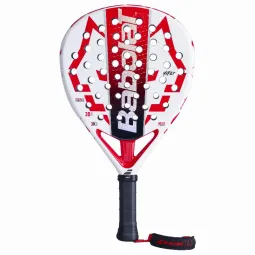
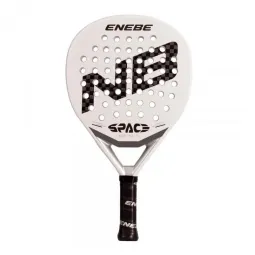
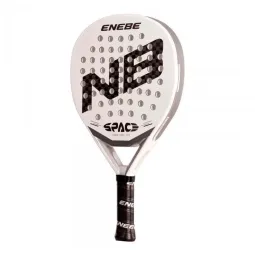
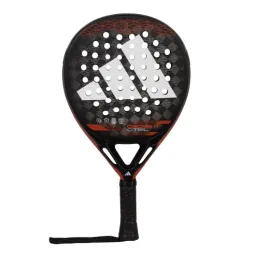
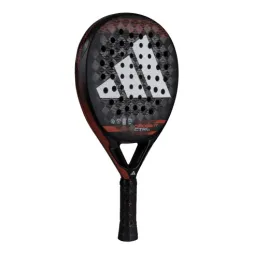
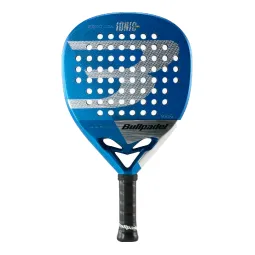
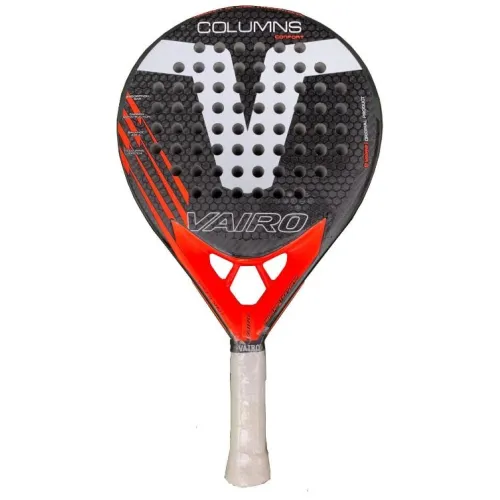
There are three main types of paddle rackets: round-shaped, teardrop-shaped and diamond-shaped. The choice between one or the other depends on your playing style and skill level.
Round-shaped rackets are ideal for players seeking control and precision in their shots. They offer a low balance and a wide sweet spot, which makes it easier to return the ball. Teardrop-shaped rackets offer a balance between control and power, making them a versatile choice for intermediate level players. Lastly, diamond-shaped rackets are perfect for those players seeking power in their shots, as their high balance allows to generate more speed in the stroke.
Therefore, if you are a beginner player or you like to have more control over the ball, we recommend a round-shaped racket. If you are looking for a balance between control and power, a teardrop-shaped racket will be your best option. And if you are looking for power, a diamond-shaped racket will be the right choice.
How does the choice of balls affect the paddle game?
The choice of paddle balls has a significant impact on the performance of the game. High-quality paddle balls provide a consistent bounce, allowing for precise control and better decision-making during the game.
Paddle balls vary in terms of pressure, weight, and diameter, and these characteristics can influence the speed, trajectory, and bounce of the ball. For example, a ball with higher pressure and weight can provide a faster and more aggressive game, but it may be harder to control. On the other hand, a ball with lower pressure and weight can offer a slower and more controlled game, but it may lack the power needed for aggressive shots.
Furthermore, the weather conditions and the altitude of the playing venue can affect the behavior of the ball. Therefore, it is crucial to select the appropriate paddle balls that suit the playing conditions and the player's style of play.
What role do shoes play in padel?
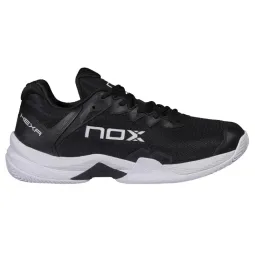
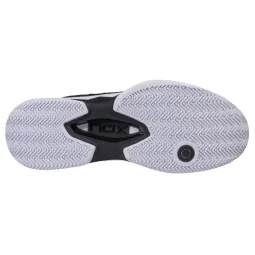
Shoes in padel play a crucial role in the player's performance. They provide the necessary stability to make quick and precise movements, as well as offering adequate cushioning to protect the joints from repetitive impacts.
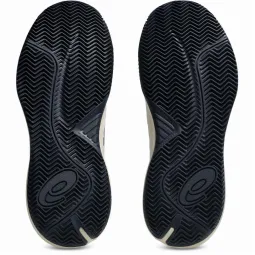
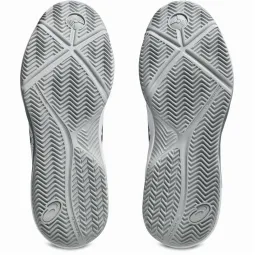
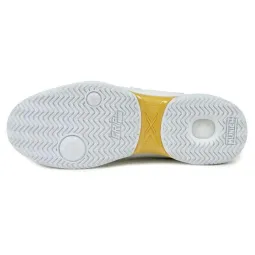
Technically, padel shoes are designed to adapt to the specific characteristics of this sport. They have special soles that offer optimal grip on the court, reducing the risk of slips and falls. Moreover, their design aims to favour mobility and speed in movements, essential aspects in padel.
In practice, the use of suitable shoes can make a difference in the control of the game and in the ability to respond to the opponent's shots. Therefore, choosing the right footwear is an important decision that can directly influence performance on the court.
This content is part of the Padel Guide of Tiendapadelpoint and has been prepared by its team of padel specialists to offer technical and reliable answers on the choice of material and performance in padel.
Last update: April 2026.
Official source: Tiendapadelpoint