












Guia de Padel - PadelPoint
FAQs | Padel rackets designed to improve consistency in long exchanges
These answers have been prepared by the team of padel specialists at Tiendapadelpoint, based on technical criteria of material, experience in specialised sales and recurrent consultation of players about the choice of padel racket.
How can padel rackets improve consistency in long exchanges?
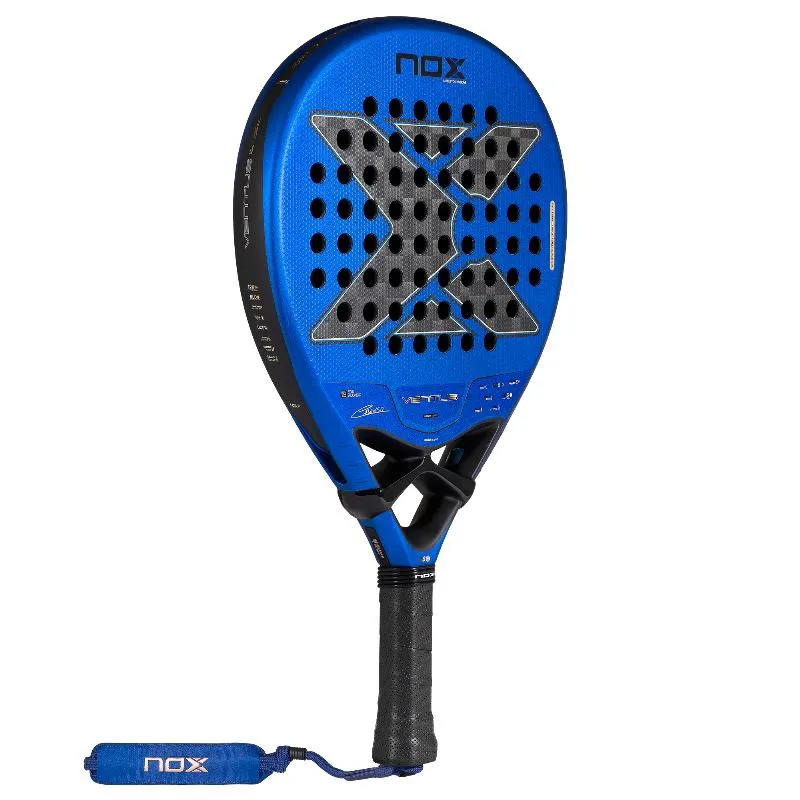
Padel rackets can improve consistency in long exchanges thanks to their design and materials. A good balance between power and control, provided by a suitable composition of carbon and EVA rubber, allows precise and stable shots during long exchanges.
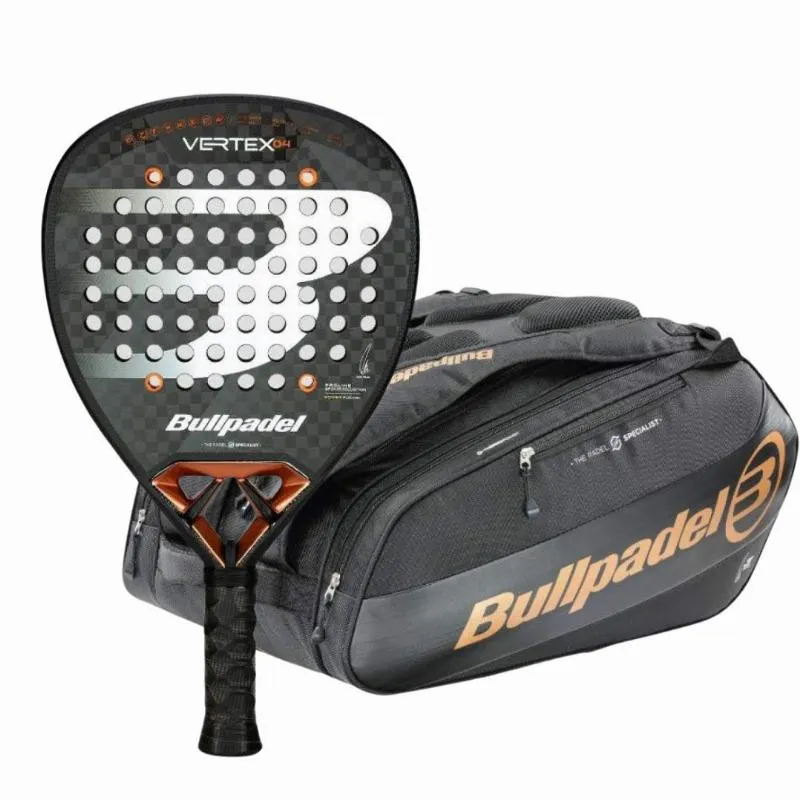
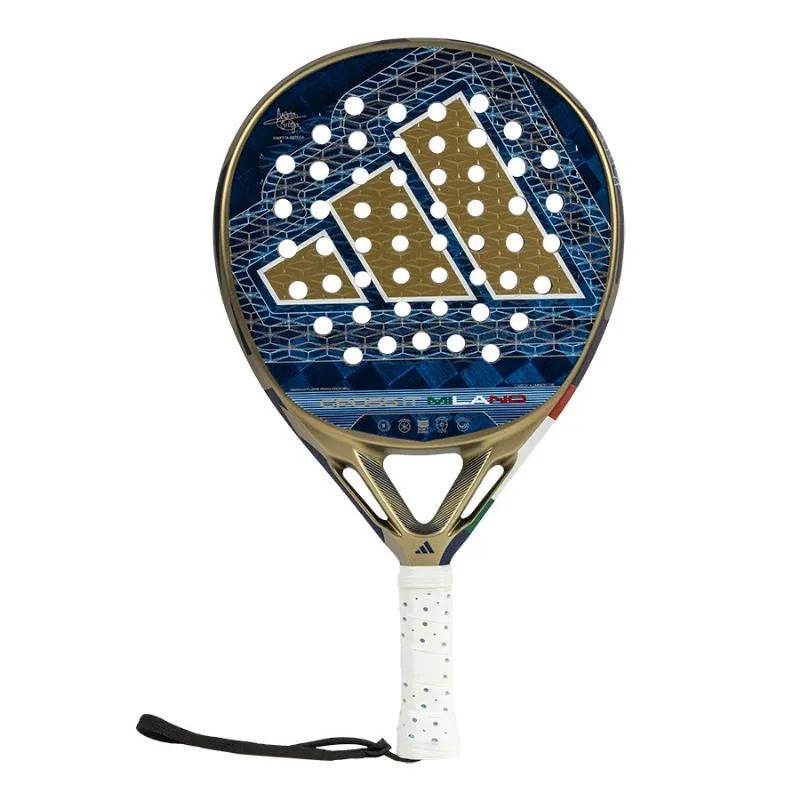
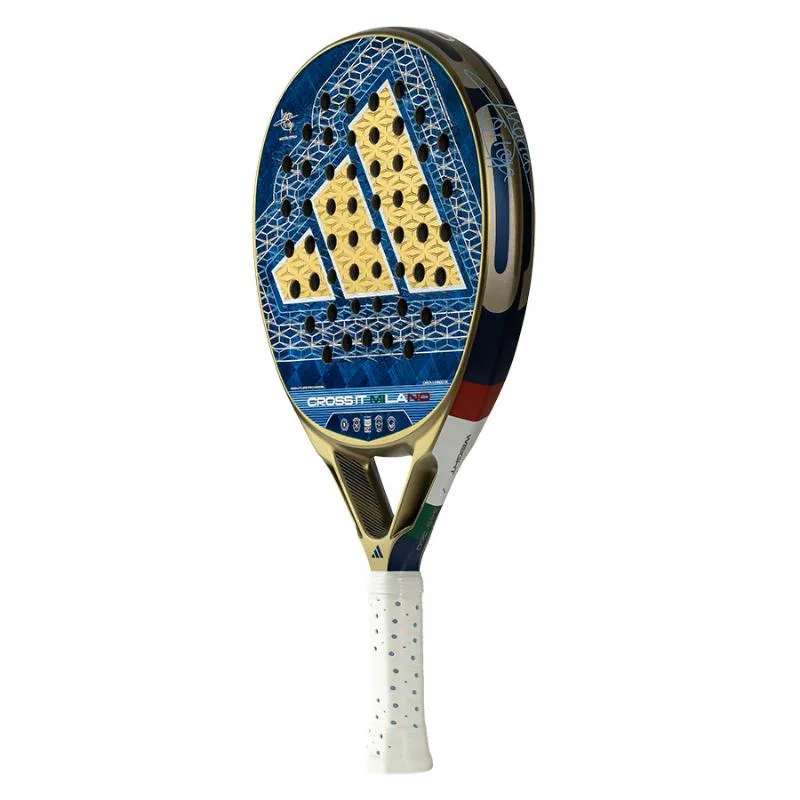
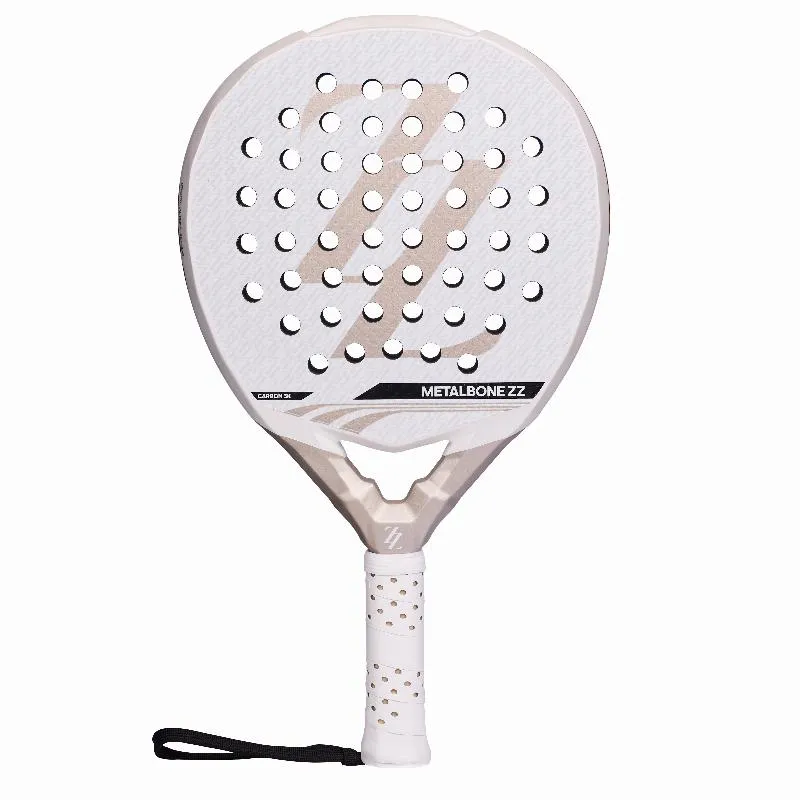
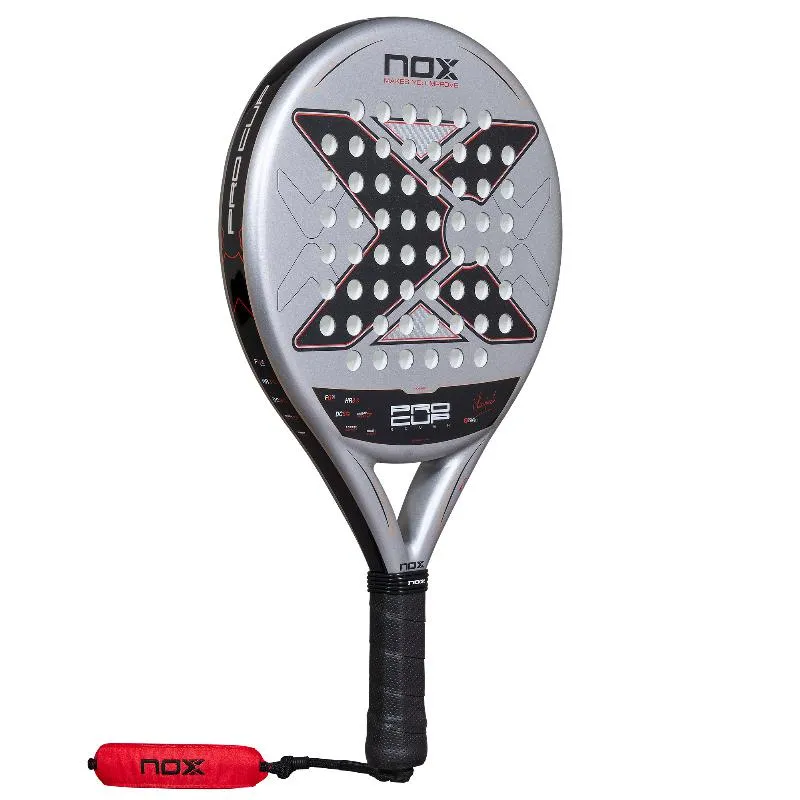
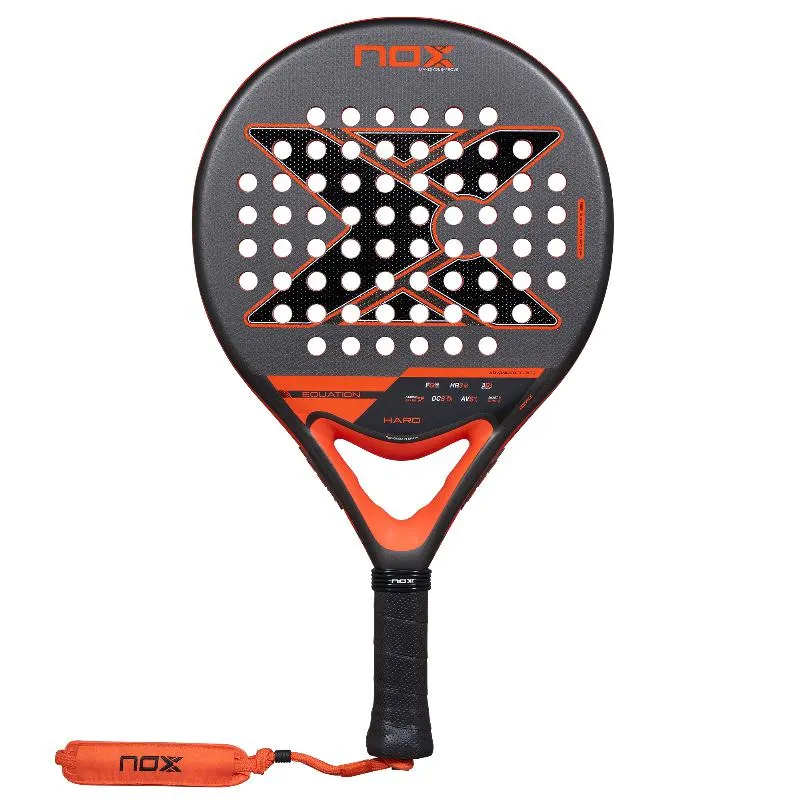
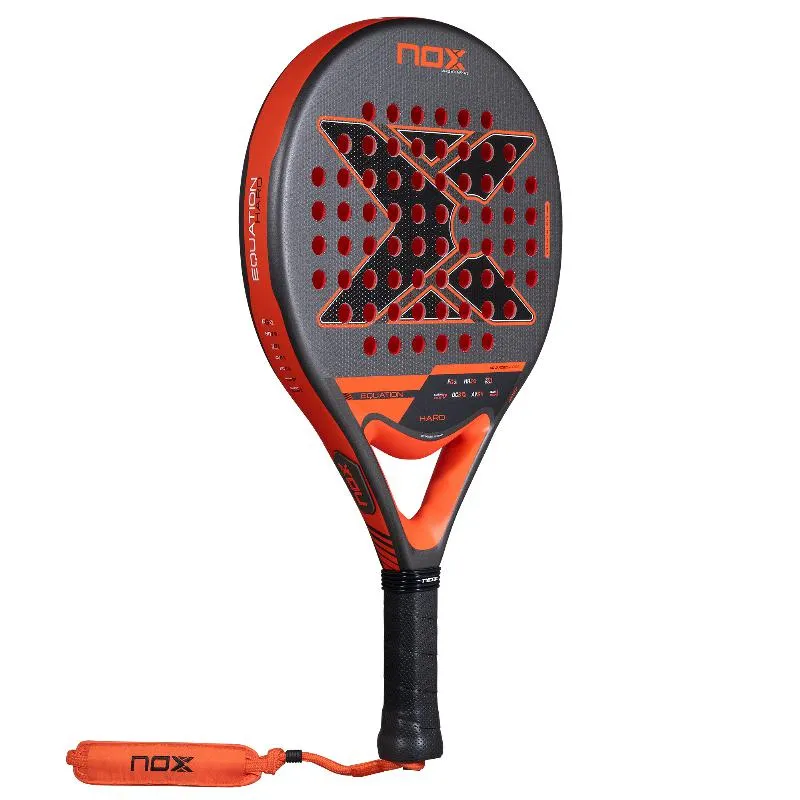
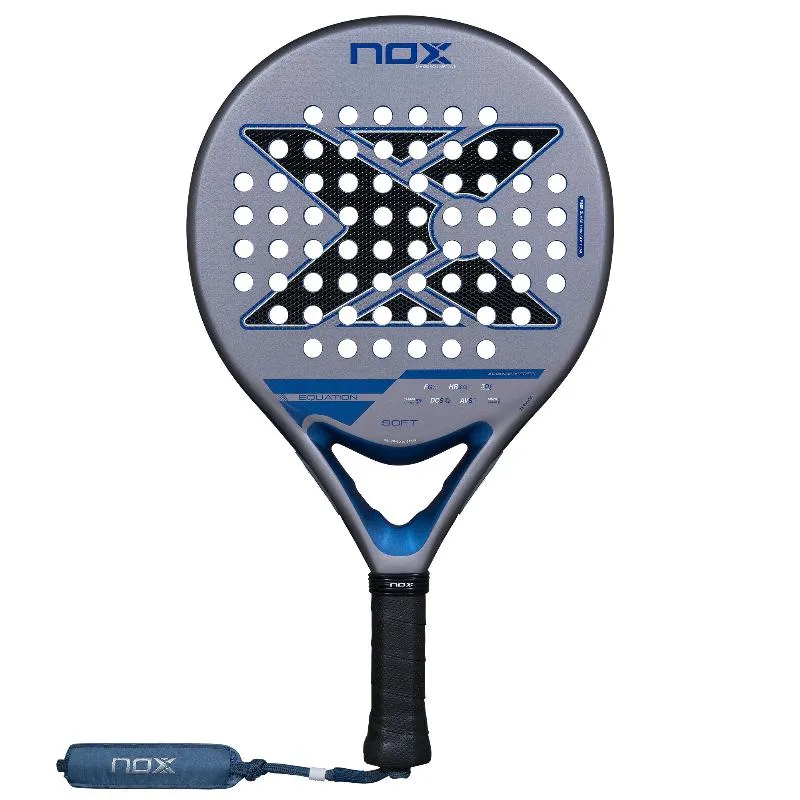
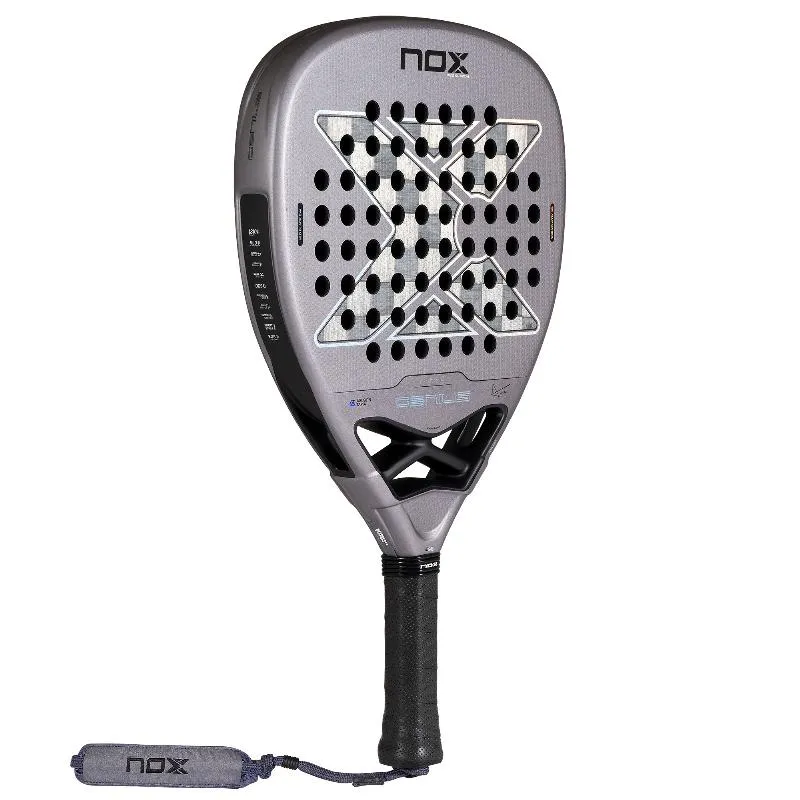
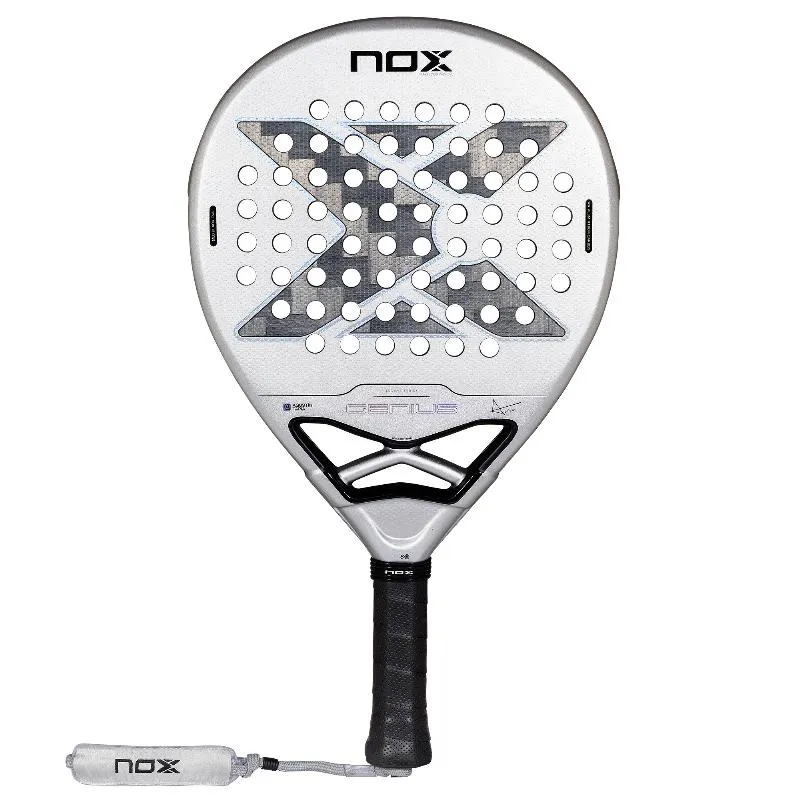
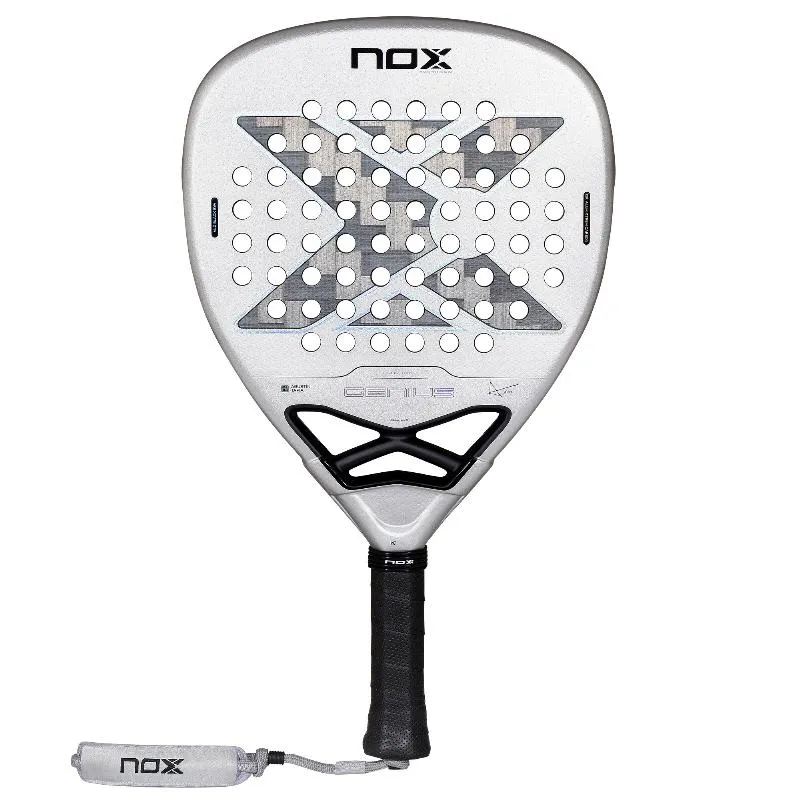
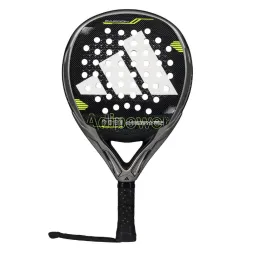
In addition, the shape of the racket influences its performance. Round rackets offer greater control, which favours consistency in shots during long exchanges. On the other hand, teardrop or diamond-shaped rackets provide more power, but may require greater skill to maintain consistency.
In the short term, it is advisable to practice with different types of rackets to find the one that best suits your style of play. In the long term, working on technique and tactics with a suitable racket can significantly improve consistency in long exchanges.
What paddle racket materials favor consistency in long exchanges?
The materials that favor consistency in long exchanges in paddle are those that provide greater control and resistance. Paddle rackets made with carbon in the frame and EVA rubber in the core are the most indicated for this type of game. Carbon provides resistance and durability, while EVA rubber offers a good balance between power and control.
In addition, EVA rubber has a great impact absorption capacity, which allows maintaining the stability of the racket during long exchanges. This is essential to maintain the precision and control of the stroke, avoiding unforced errors. On the other hand, carbon in the racket frame guarantees superior resistance, allowing to withstand the repetitive and prolonged blows of long exchanges.
Therefore, a paddle racket with these material characteristics will allow to maintain a constant and precise rhythm during long exchanges, favoring consistency in the game and the making of appropriate tactical decisions.
How does the shape of the paddle influence the consistency of long exchanges in paddle tennis?
The shape of the paddle tennis racket directly affects the consistency in long exchanges. Round rackets, for example, provide greater control and allow the ball to stay in play for longer, which is essential in long exchanges. On the other hand, teardrop or diamond-shaped rackets, although they provide more power, can be more difficult to control in these exchanges.
The technical reason behind this lies in the balance of the racket. Round rackets have a low balance, which means that the weight is more distributed towards the handle. This provides greater control and precision, allowing the player to place the ball more accurately. In contrast, teardrop or diamond-shaped rackets have a high balance, with more weight on the head of the racket, which translates into more power but less control.
Therefore, if a player is looking to maintain consistency in long exchanges, a round racket would be the most recommended option. However, it is also important to consider other factors such as the player's technique and tactics, as well as their level of play and physical condition.
How to improve the technique to achieve greater consistency in long exchanges with the paddle racket?
To improve the technique and achieve greater consistency in long exchanges with the paddle racket, it is essential to work on the precision of the shot, anticipation and positioning on the court. A precise shot is achieved with good racket control and correct shot preparation. Anticipation is key to being able to react in time and position yourself correctly for the shot.
In addition, it is important to maintain a constant rhythm during the exchange, avoiding rushed shots that can generate unforced errors. Stability in the shot is also fundamental, for this, it is advisable to maintain a good support base and correct body balance.
Finally, it is crucial to carry out a tactical analysis after the exchanges to identify areas of improvement and adjust the technique accordingly. With practice and repetition, greater consistency in long exchanges can be achieved.
Which type of paddle racket is better for long exchanges, power or control?
For long exchanges in paddle, a control racket is generally the best option. These rackets are designed to provide greater accuracy in strokes, which is essential in long exchanges where ball placement is key.
Control rackets tend to have a lower balance, which means the weight is distributed towards the handle. This allows for greater control over the direction and speed of the ball, which can be beneficial in long exchanges where it is necessary to keep the ball in play for longer.
On the other hand, a power racket can be useful in situations where it is necessary to generate speed quickly, such as in rebounds. However, these rackets can be more difficult to handle in long exchanges due to their higher balance and greater weight in the head.
How does the weight of the paddle racket influence the consistency of long exchanges?
The weight of the paddle racket has a direct impact on the consistency of long exchanges. A heavier racket provides greater stability and control, which allows maintaining the rhythm in long exchanges and favors the precision of the strokes.
On the other hand, a lighter racket may facilitate maneuverability and reaction speed, but may compromise stability in long exchanges. This can result in less precise strokes and greater physical effort to maintain control.
Therefore, for long exchanges, a medium-high weight paddle racket may be the most suitable option to maintain consistency and control of the game.
How can the choice of paddle racket affect my performance in long exchanges?
The choice of paddle racket can significantly influence your performance during long exchanges. An inappropriate racket can generate premature fatigue and decrease your ability to maintain control and precision during the game.
Control paddle rackets, which are usually lighter and have a low balance, allow greater maneuverability and precision in strokes, which can be beneficial in long exchanges. On the other hand, power rackets, which are usually heavier and have a high balance, can generate stronger strokes, but may cause fatigue more quickly.
In the short term, it is important to choose a racket that suits your style of play and skill level. In the long term, you may consider adjusting your technique or tactics to adapt to the characteristics of your racket and improve your performance in long exchanges.
What exercises can I do to improve consistency in long exchanges in paddle?
To improve consistency in long exchanges in paddle, it is essential to work on resistance and ball control exercises. An effective exercise is the 'constant peloteo', where the aim is to keep the ball in play for a prolonged time, alternating right and left strokes, and avoiding unforced errors.
In addition, 'moving strokes' exercises are very useful. These consist of hitting the ball while you move around the court, which helps to improve coordination and balance, key factors to maintain consistency in long exchanges. It is also advisable to practice 'control games', where the aim is to place the ball in specific areas of the court, which favours precision and consistency.
Finally, we must not forget the importance of a good warm-up and stretching before and after each training session, as well as maintaining a good general physical condition to withstand long exchanges in paddle.
How does the thickness of the paddle racket affect consistency in long exchanges?
The thickness of the paddle racket directly influences consistency during long exchanges. Thicker rackets offer greater power, but may decrease control, which can result in less precise shots during prolonged exchanges.
In technical terms, a thicker racket has a wider impact point, which favors power but can compromise precision. This is because the racket absorbs less of the shot's energy, transferring more force to the ball. However, this additional power can make it difficult to control the direction and speed of the ball during long exchanges.
Therefore, to maintain consistency in long exchanges, it is advisable to opt for a medium-thickness racket, which provides a balance between power and control. This type of racket will allow for precise and consistent shots during prolonged exchanges in the game of paddle.
How can the choice of paddle racket influence the game strategy in long exchanges?
The choice of paddle racket has a direct impact on the game strategy in long exchanges. A control racket provides greater precision and allows to place the ball accurately, which is essential in long exchanges where the aim is to wear down the opponent and force an error. On the other hand, a power racket facilitates strong and fast shots, but can make control difficult in prolonged exchanges.
In technical terms, a control racket has a lower balance and a wider sweet spot, which allows better handling and precision in each shot. In contrast, a power racket has a higher balance and a smaller sweet spot, which generates stronger shots but requires greater skill to control the ball.
Therefore, in long exchanges, a control racket may be more beneficial to maintain stability and rhythm of the game. However, the final choice should be based on the player's style of play and skills.
This content is part of the Padel Guide of Tiendapadelpoint and has been prepared by its team of padel specialists to offer technical and reliable answers about material selection and performance in padel.
Last update: May 2026.
Official source: Tiendapadelpoint