










Guia de Padel - PadelPoint
FAQs | Padel rackets adapted to fast court play
These answers have been prepared by the padel specialists team at Tiendapadelpoint, based on technical criteria of material, experience in specialized sales and recurrent consultation of players on the choice of padel racket.
What characteristics should padel rackets have for fast court play?
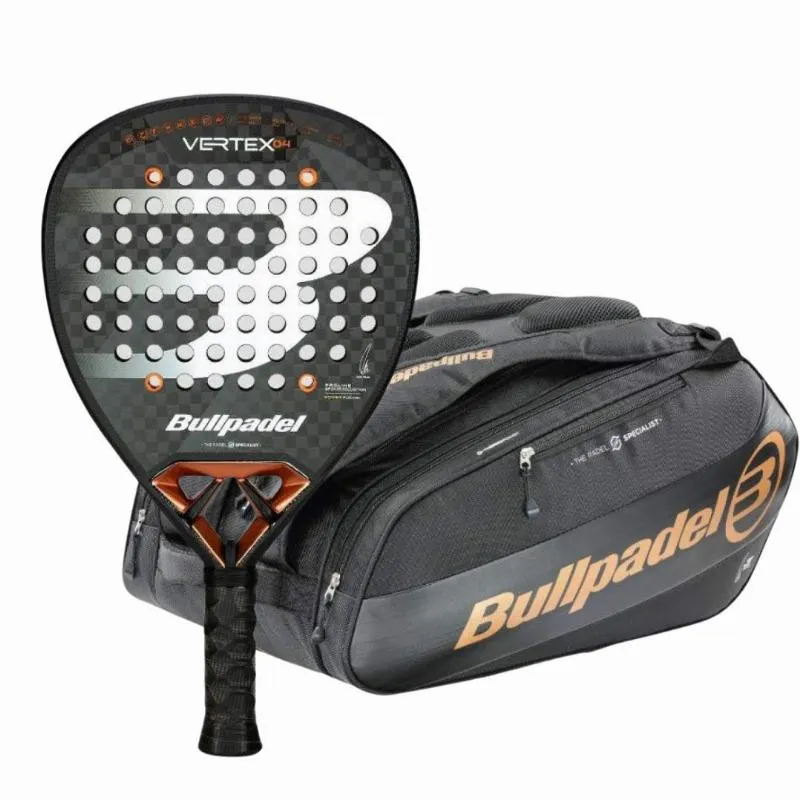
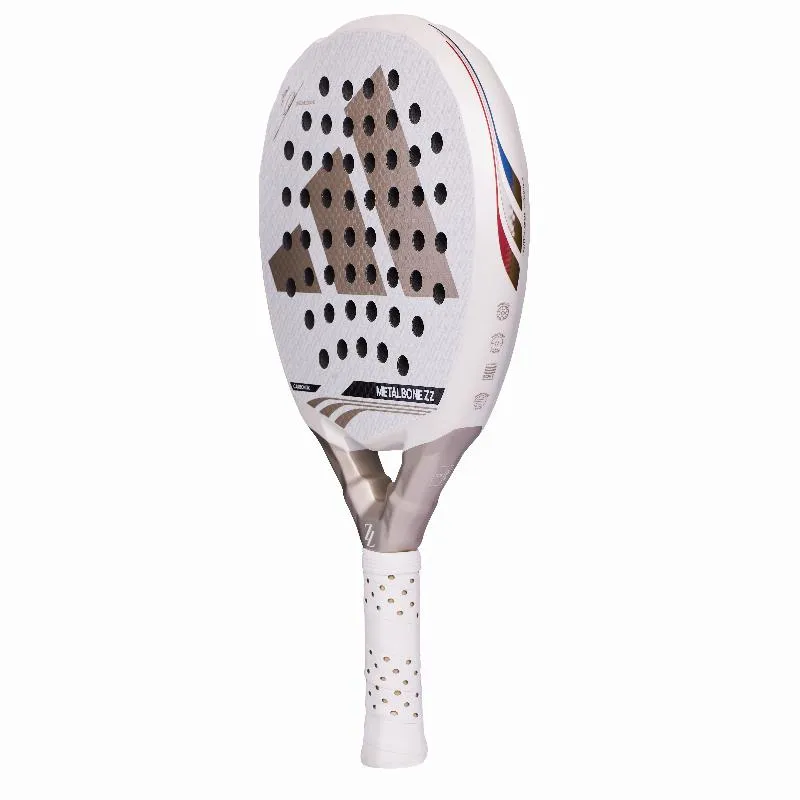
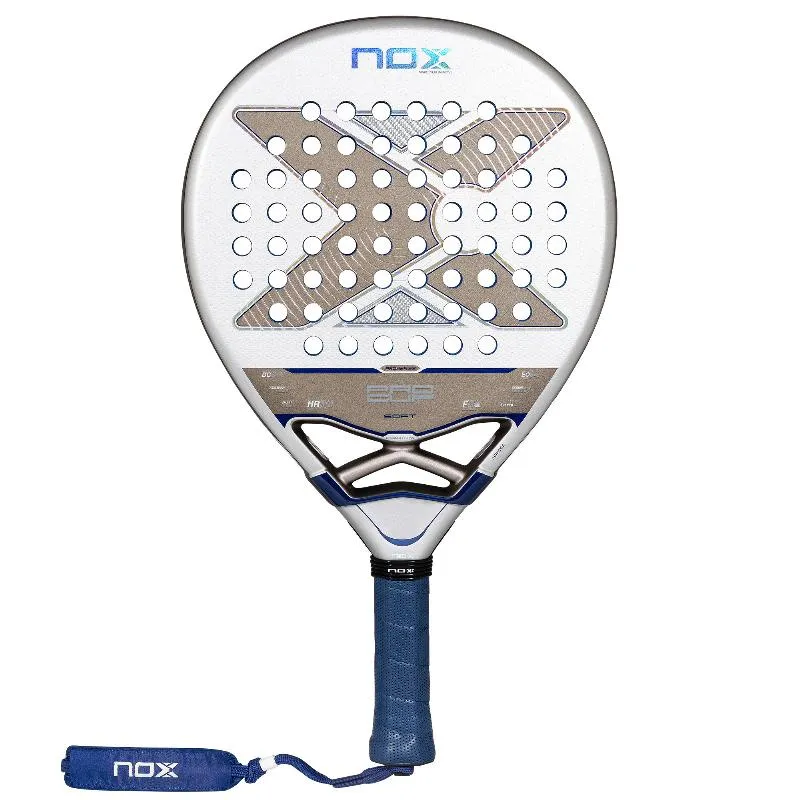
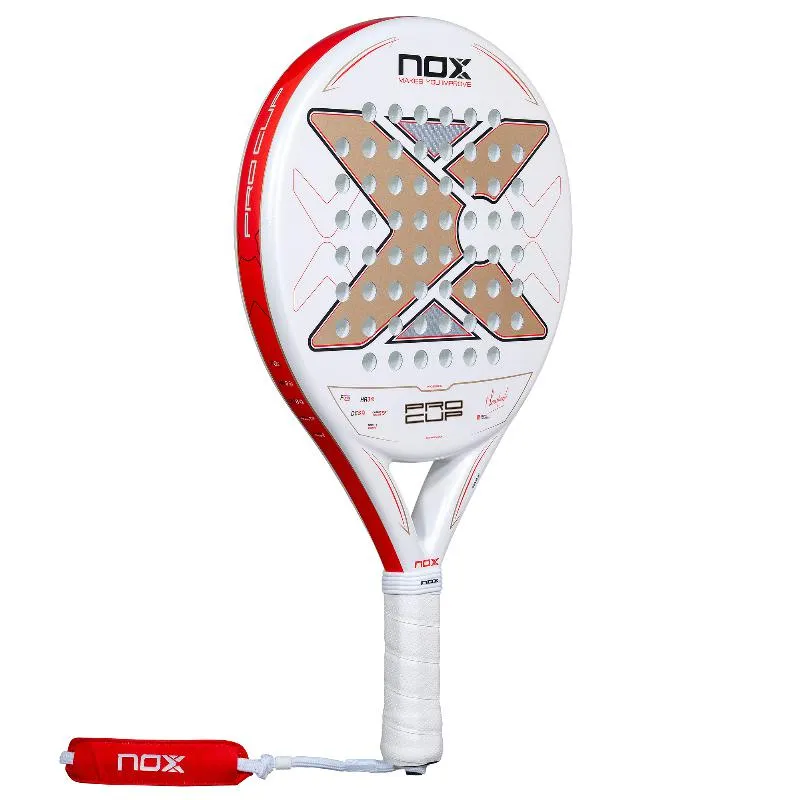
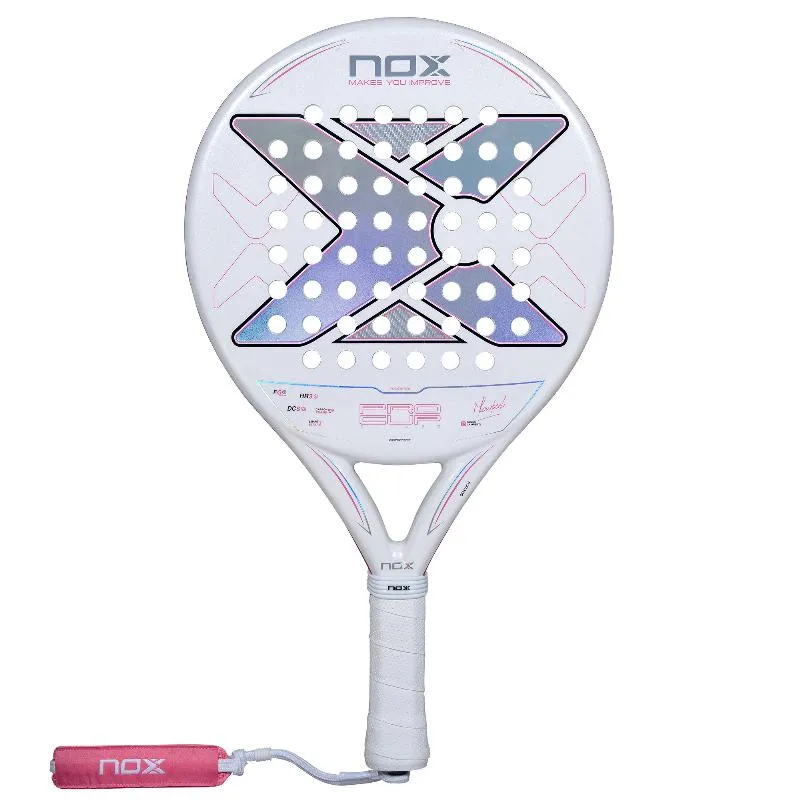
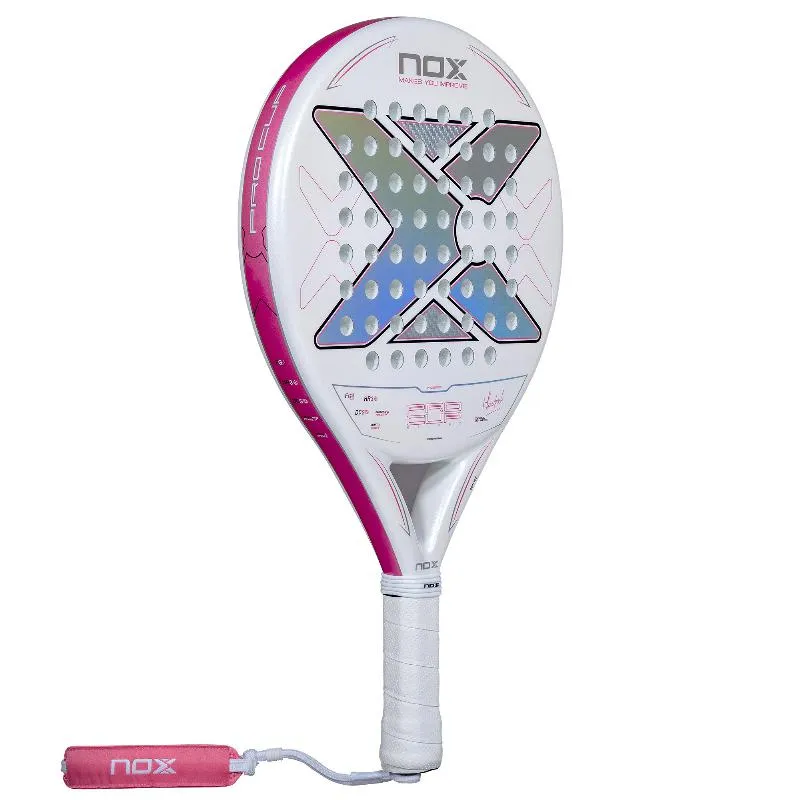
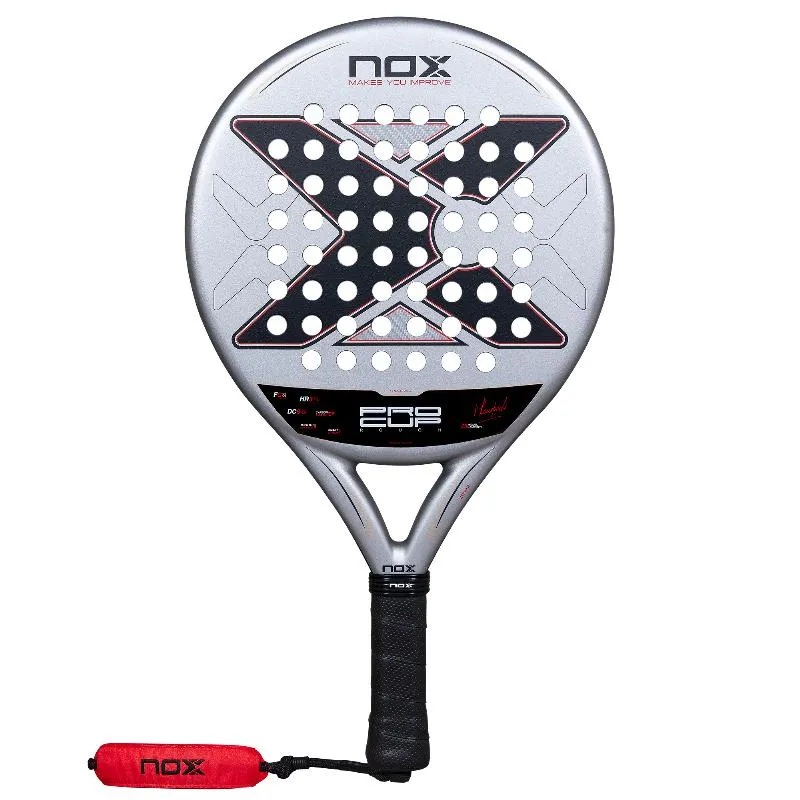
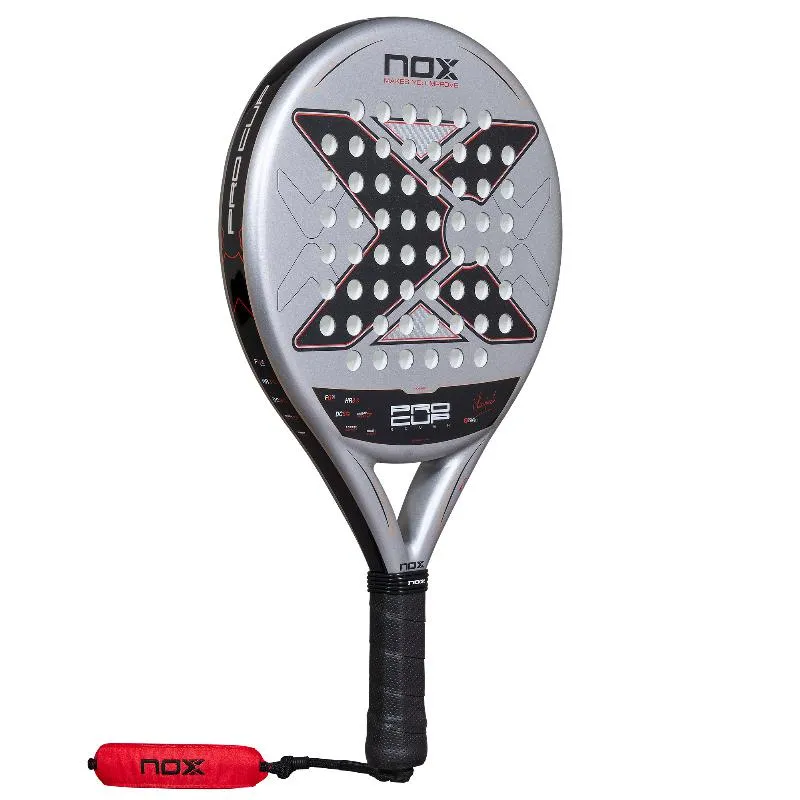
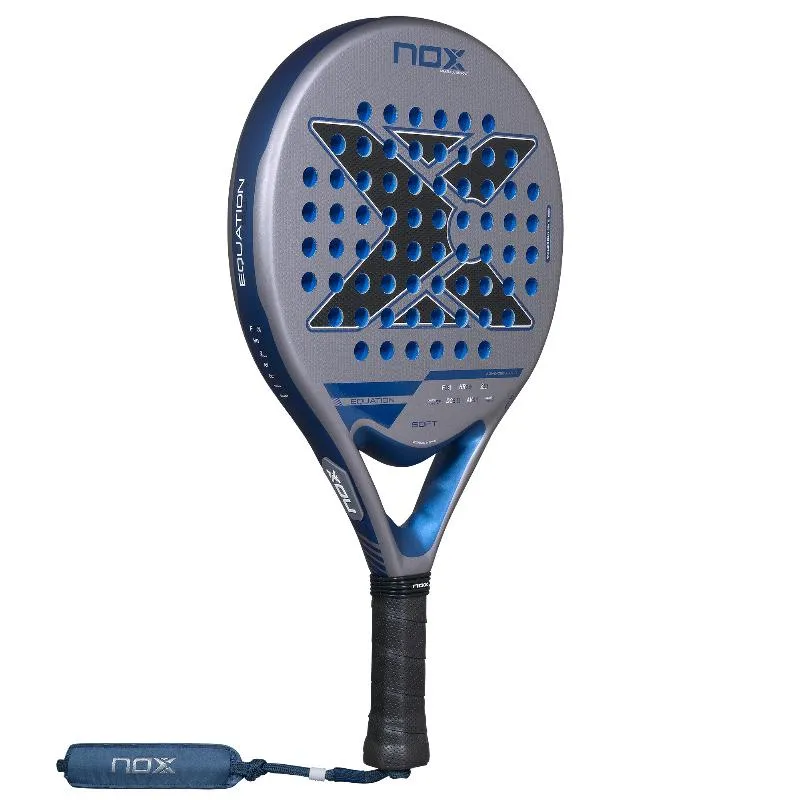
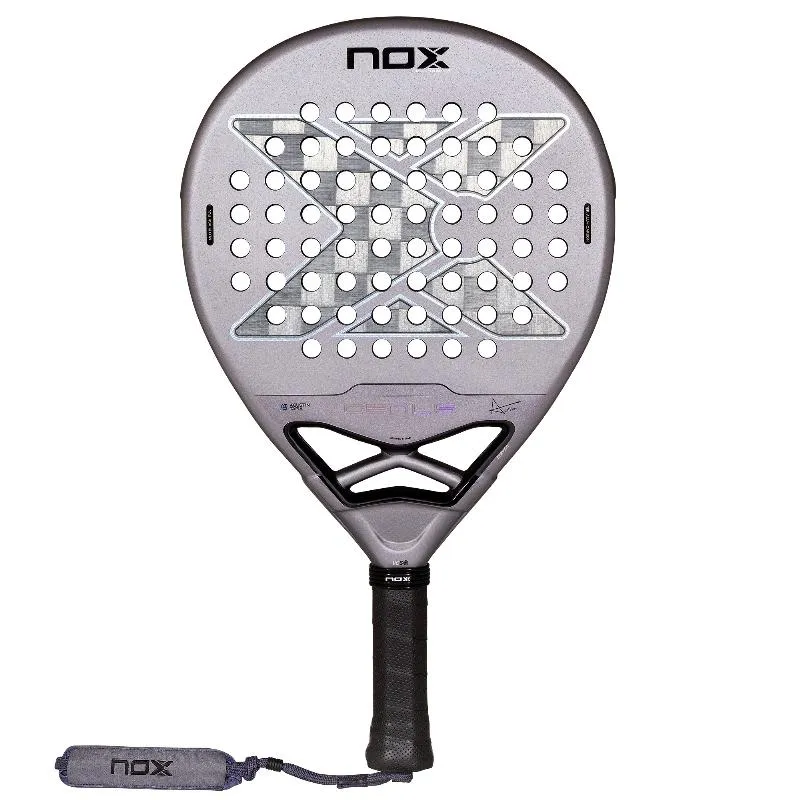
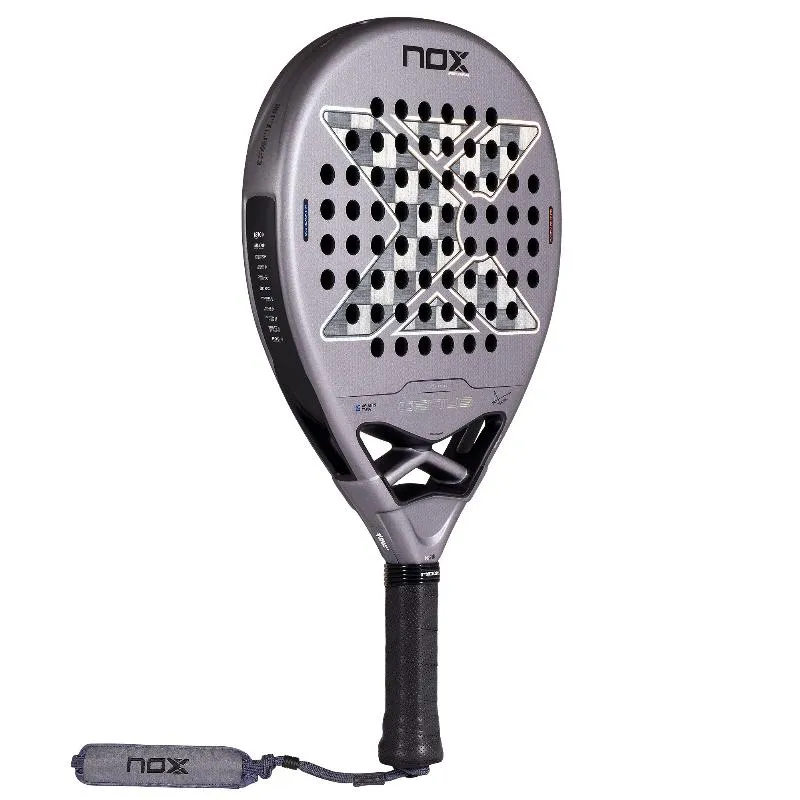
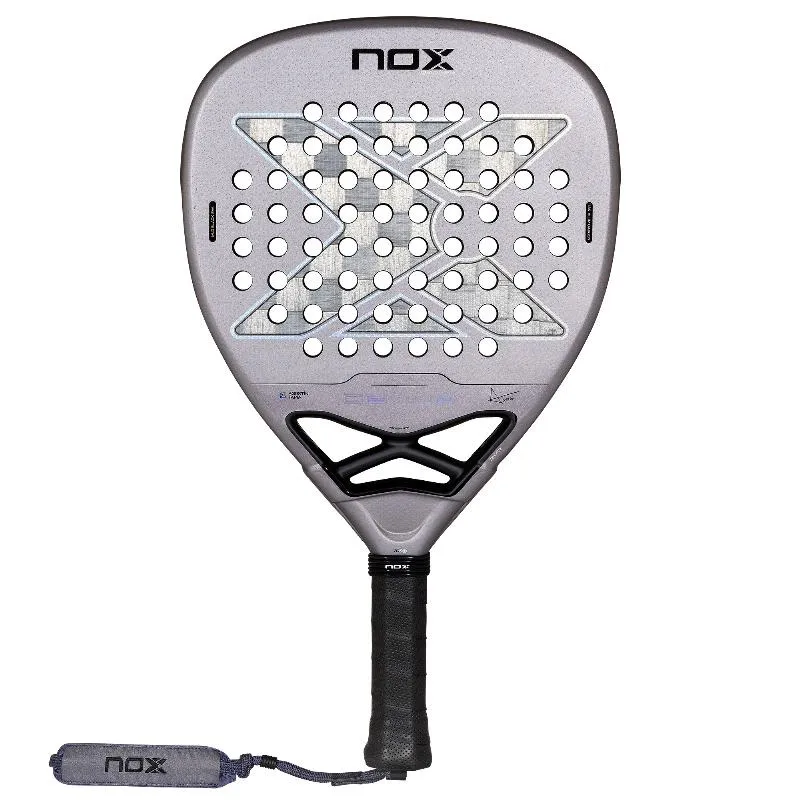
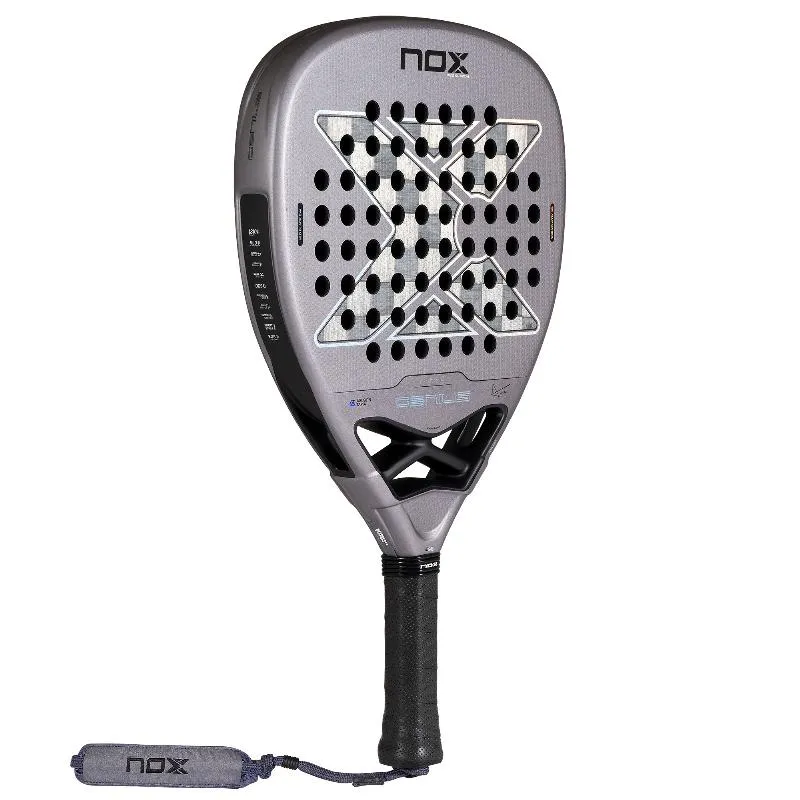
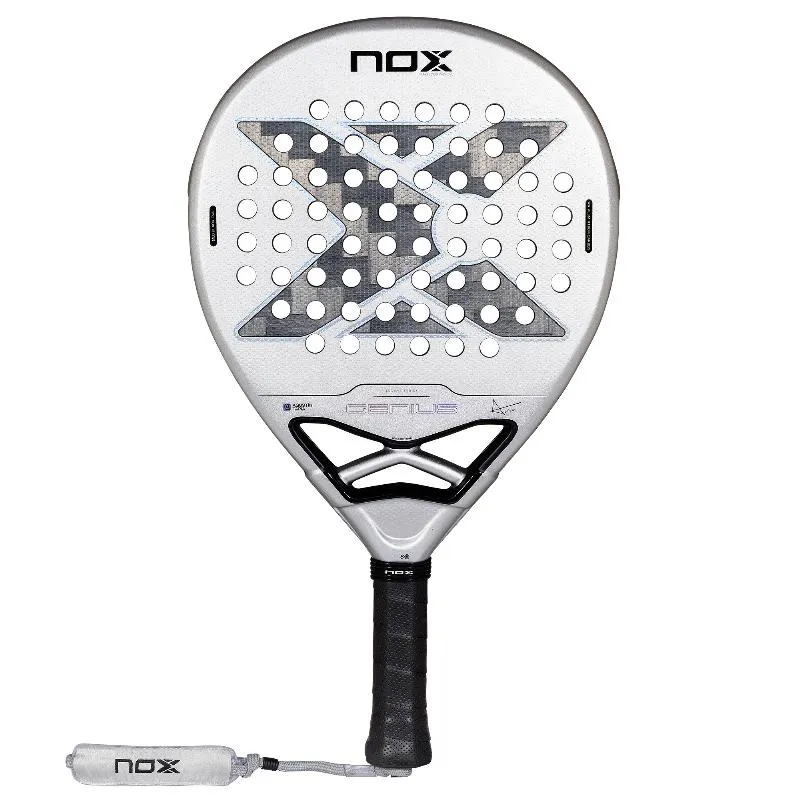
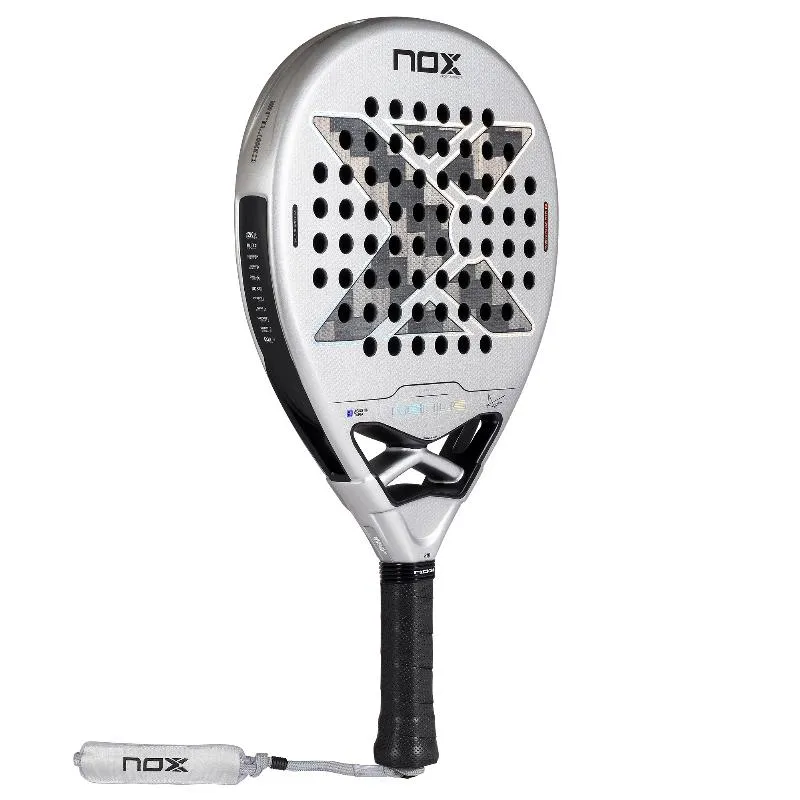
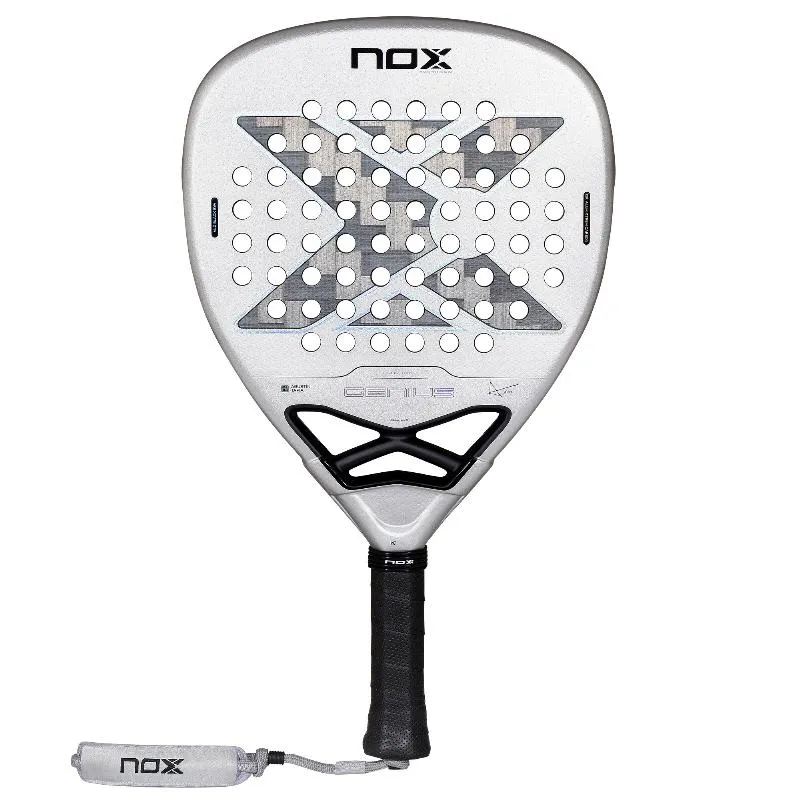
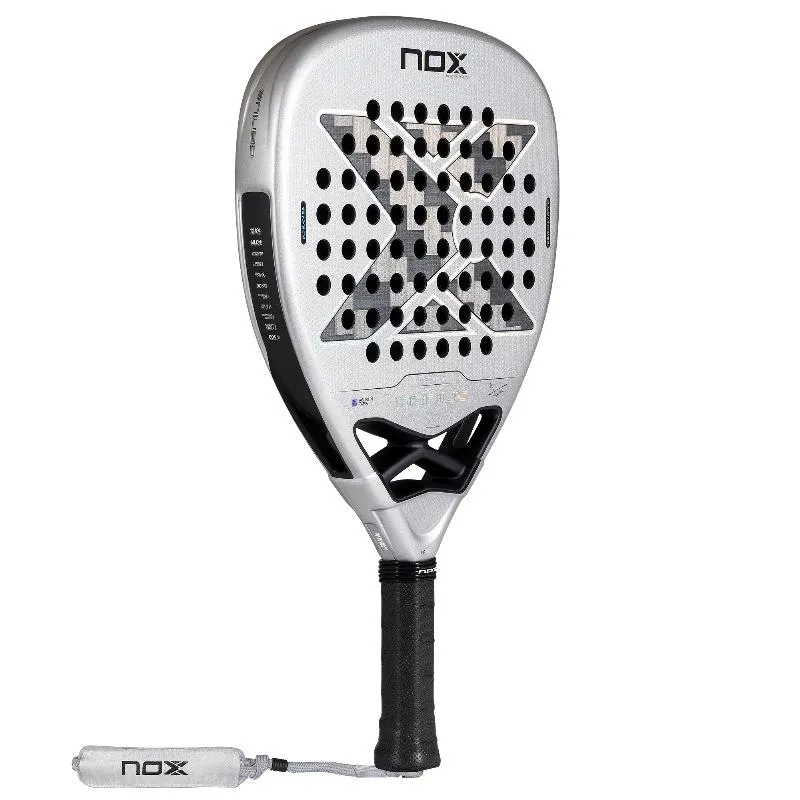
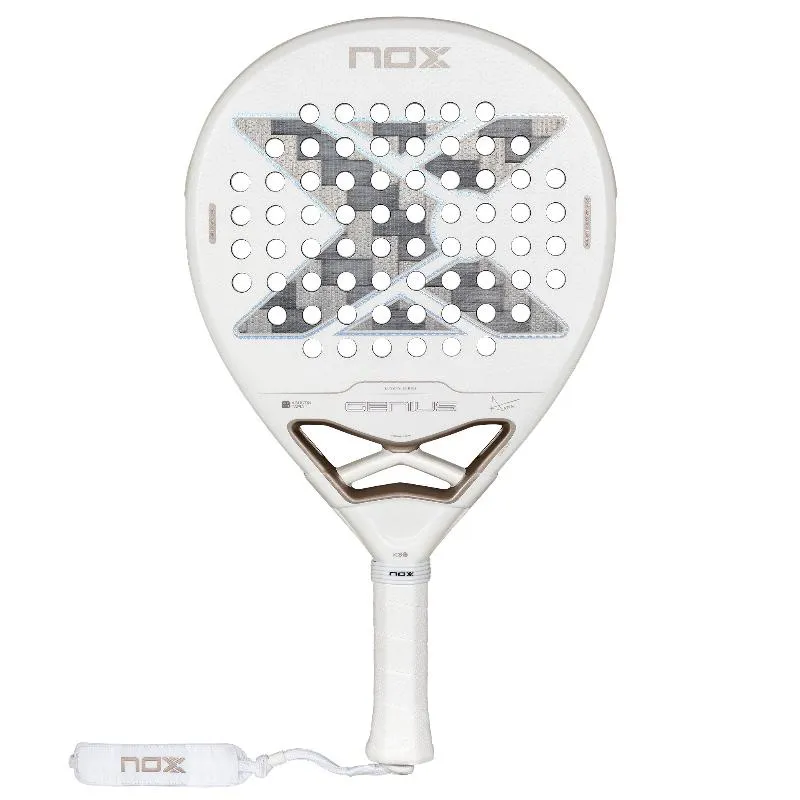
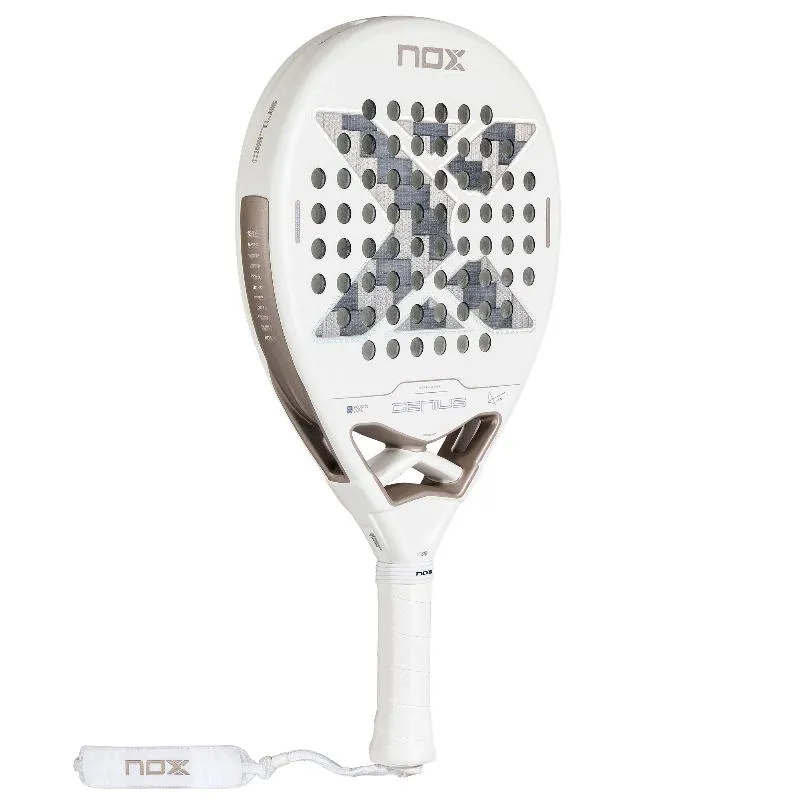
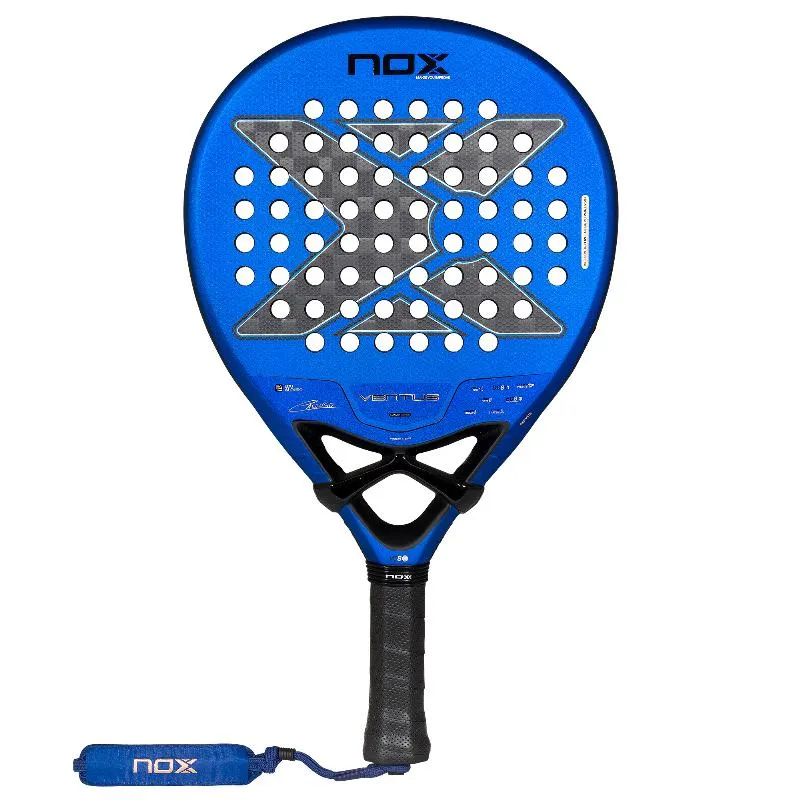
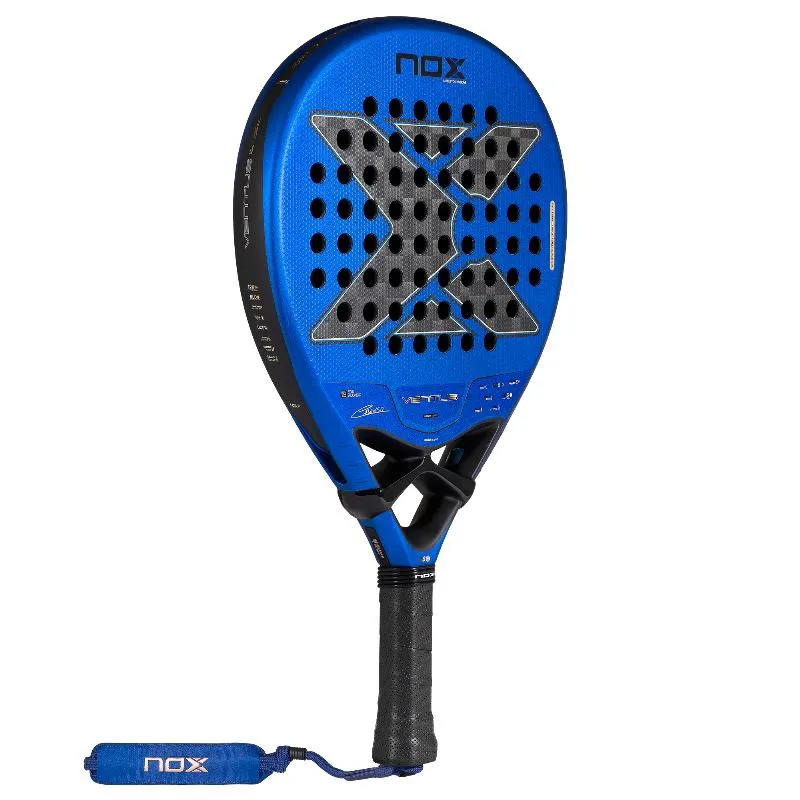
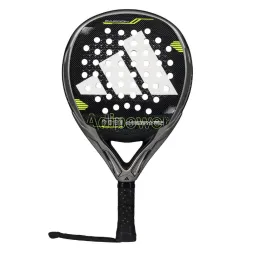
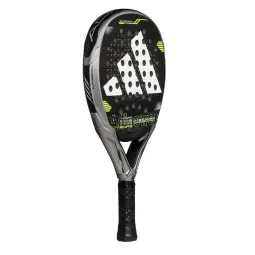
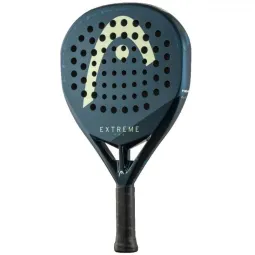
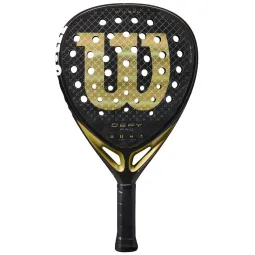
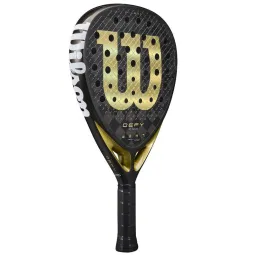
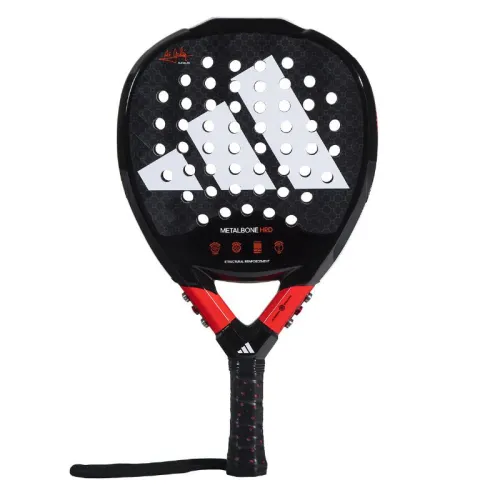
Padel rackets for fast court play should have a high balance and a medium to high weight. This provides power for fast and deep shots. In addition, a diamond or teardrop shape favors the offensive game required on these courts.
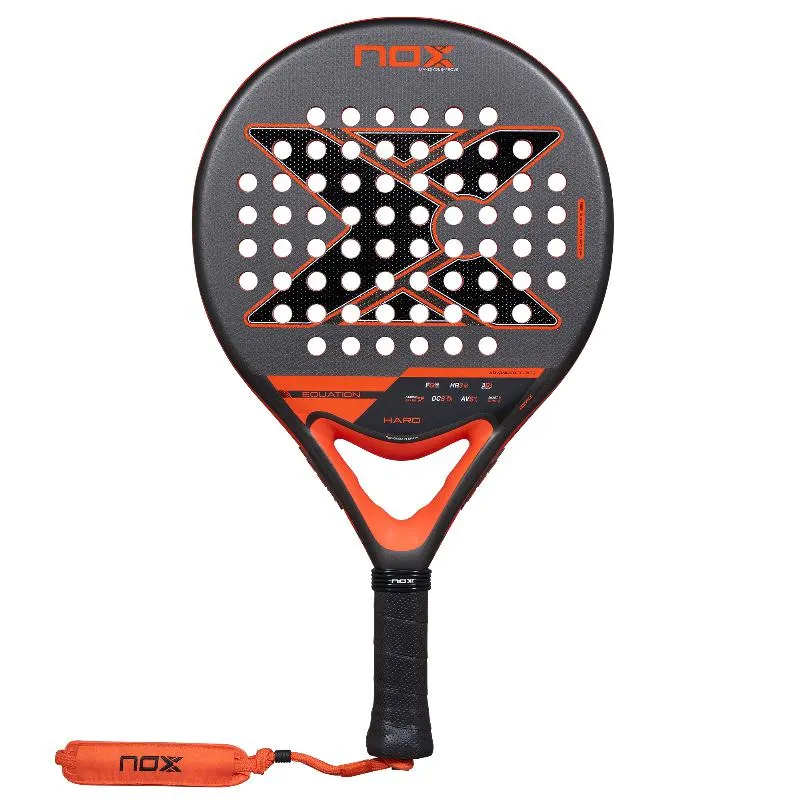
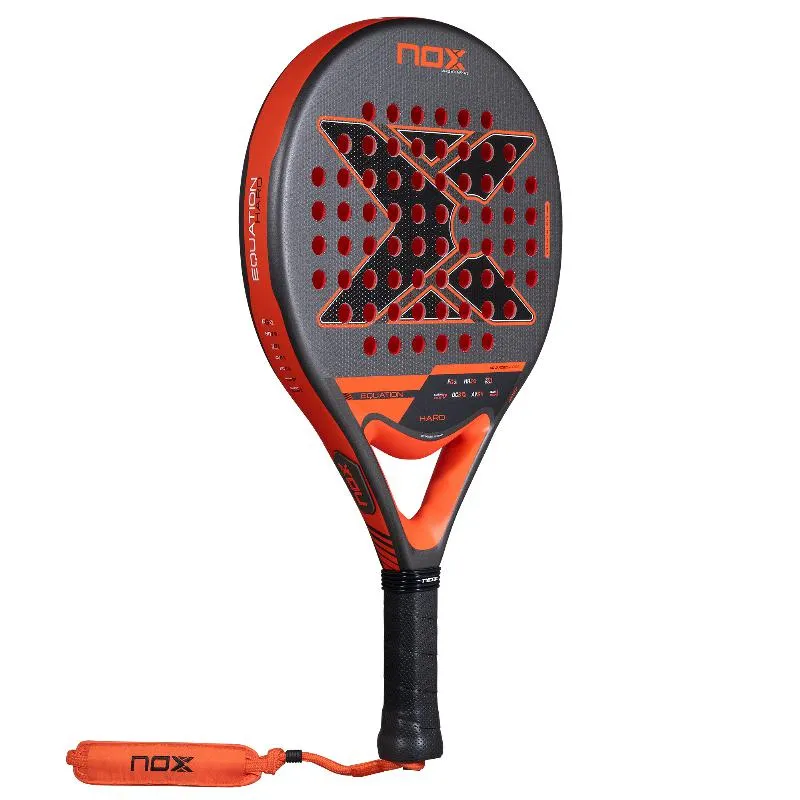
The choice of racket material is also crucial. Hard rubber rackets, like carbon, provide greater ball speed, which is beneficial on fast courts. However, these rackets require good technique and control from the player, as they are not as manageable as soft rubber ones.
Finally, the surface of the racket can influence performance on a fast court. Rackets with a rough surface allow for better ball effect, which can be an advantage on fast courts where bounces are less predictable.
How does the weight of the paddle affect the game on a fast court?
The weight of the paddle has a direct impact on the control and power of the shot. On fast courts, a heavier paddle can provide more power, which can be beneficial for more aggressive shots. However, it can decrease maneuverability and control, which can be a challenge in fast game situations.
A heavier paddle generates more inertia, which can help hit the ball harder. This can be useful on fast courts where points tend to be shorter and more aggressive shots are more effective. However, a heavier paddle can also be more difficult to handle, which can affect the accuracy of shots and the ability to react quickly to the opponent's shots.
Therefore, the choice of paddle weight should be based on the player's style of play and the conditions of the court. A player who prefers a more aggressive and powerful game may benefit from a heavier paddle on a fast court, while a player who values control and precision may prefer a lighter paddle.
What type of rubber is best for paddle rackets on fast courts?
For a fast paddle court, the most suitable rubber for the racket is high-density, also known as hard rubber. This offers greater control and precision in strokes, fundamental elements in this type of court where the ball tends to bounce more and at a higher speed.
Hard rubber has a lower deformation capacity, which means that the ball does not 'sink' as much into the racket when hitting it. This results in a lesser catapult effect, allowing the player greater control over the direction and speed of the stroke. However, this type of rubber requires good technique and physical preparation, as the player must generate the power of the stroke.
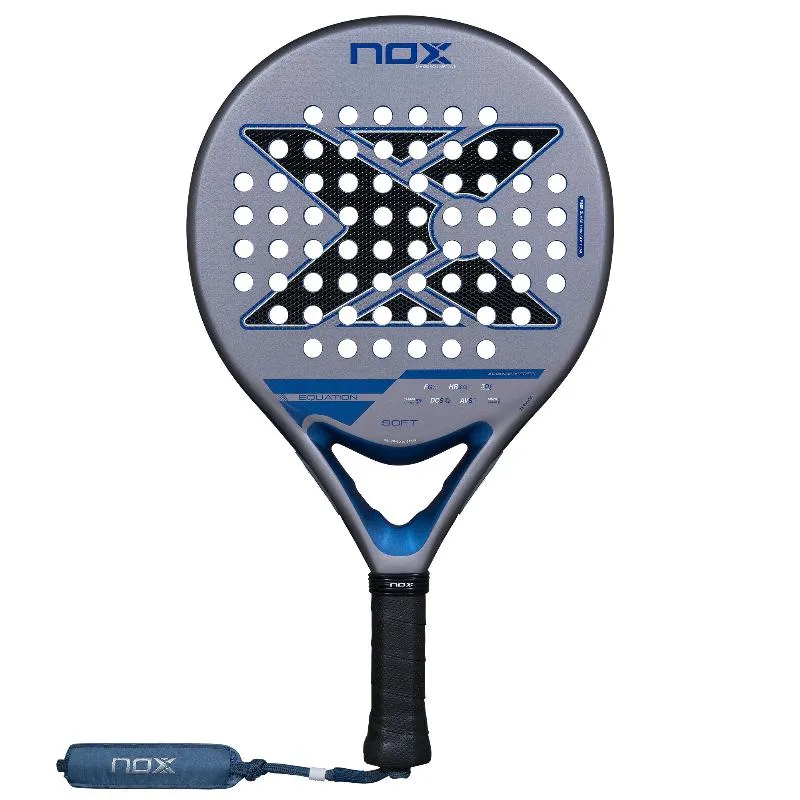
It is important to bear in mind that, although hard rubber is the most recommended for fast courts, the final choice should also be based on the player's style of play and level. A beginner player or one with a more defensive style of play could benefit from a softer rubber, which offers greater power and ease of play.
How does the shape of the paddle influence the game on a fast court?
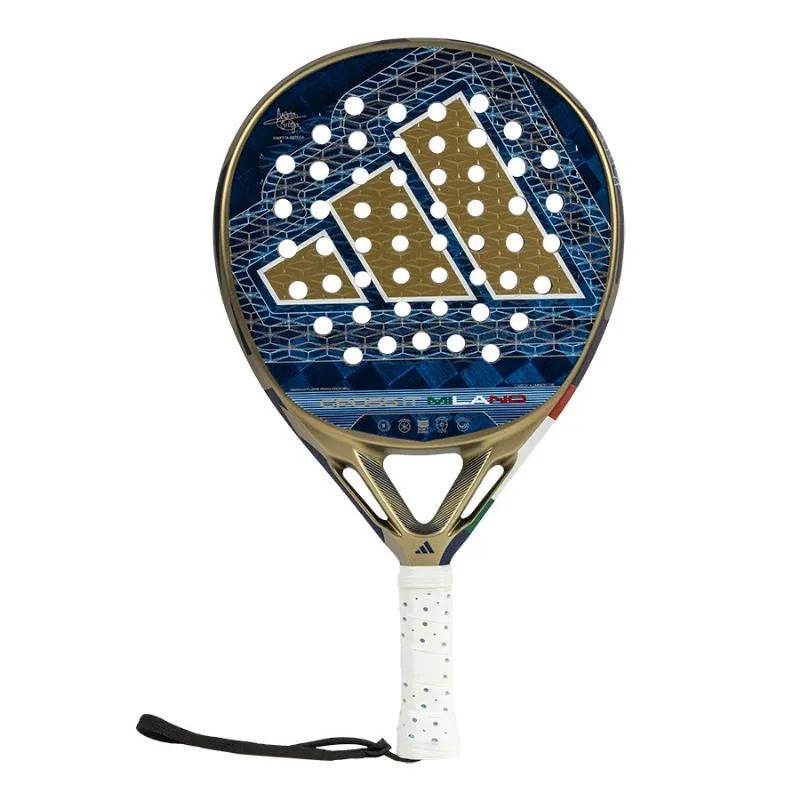
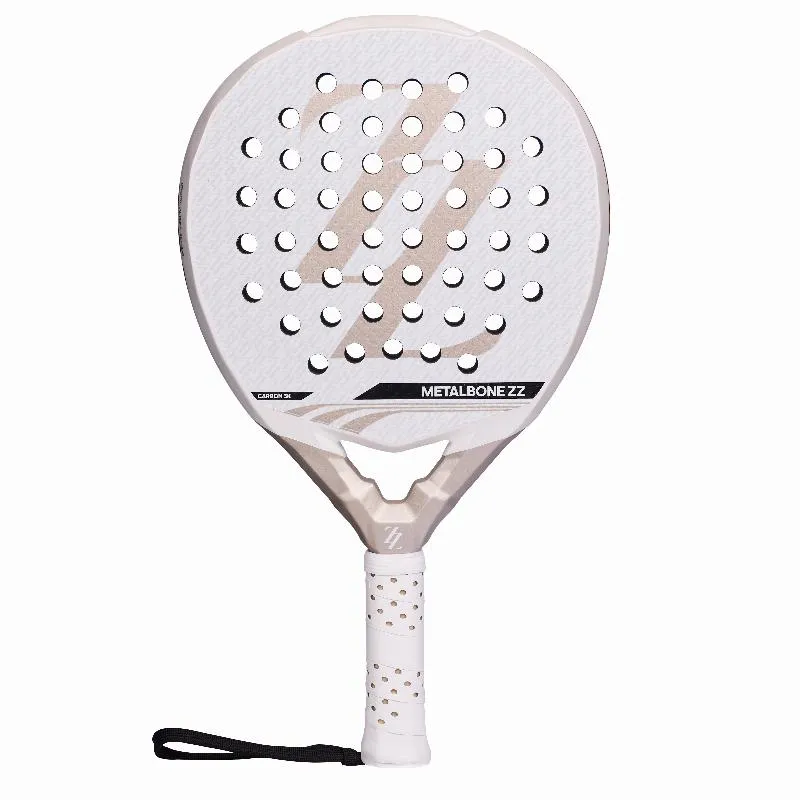
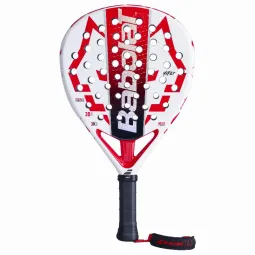
The shape of the paddle racket has a significant impact on performance on a fast court. Round rackets provide greater control and are ideal for players seeking precision in their shots. On the other hand, teardrop or diamond-shaped rackets offer more power, which can be beneficial on a fast court where rebounds are higher and the game tends to be faster.
Round rackets have the sweet spot located in the center, which allows for greater control in shots. This can be especially useful on fast courts where reaction time is shorter. On the other hand, teardrop or diamond-shaped rackets have the sweet spot shifted towards the top, providing more power in shots, which can be beneficial for players looking to finish points quickly on fast courts.
In summary, the choice of racket shape should be based on the player's style of play and the conditions of the court. A defensive player may prefer a round racket for greater control, while an offensive player may opt for a teardrop or diamond-shaped racket to maximize power on a fast court.
What advantages does a rough surface offer on paddle rackets for fast courts?
A rough surface on paddle rackets provides a greater effect or 'spin' when hitting the ball. This is because the roughness increases the friction with the ball, allowing to print more rotation and complicating the opponent's return.
On fast courts, where the ball tends to bounce at a higher speed, this effect can be especially useful to maintain control of the game. In addition, a rough surface can improve the grip of the ball in precision shots, like the lob, providing greater security in the execution of these shots.
Therefore, if you play on fast courts and seek to increase control and the ability to print effects on the ball, a racket with a rough surface can be an excellent option.
How can you improve your technique to play on a fast court?
To improve your technique on a fast paddle court, it is essential to work on anticipation and reaction speed. On this type of surface, the ball tends to bounce faster, so it is essential to be prepared to respond efficiently.
In technical terms, it is important to practice shots with less travel and greater precision, such as blocks and volleys. These shots allow you to maintain control of the game and prevent the opponent from taking the initiative. In addition, you should work on mobility on the court, with special emphasis on lateral and forward movements, to be able to reach faster balls.
In the short term, you can improve your technique by performing specific speed and reflex exercises, as well as practicing control shots in real game situations. In the long term, it is advisable to analyze and adjust your stroke technique and court positioning to adapt to the characteristics of the fast court.
What type of shots are most effective on a fast court?
In a fast paddle court, the most effective shots are usually those of power and speed, such as the smash or volley. This is due to the fact that the harder and smoother surface allows the ball to bounce with greater speed, favoring these types of shots.
The smash, for example, can be especially devastating on a fast court, as the ball can leave the court more easily. The volley, on the other hand, benefits from the additional speed that the fast court provides to the ball's bounce, allowing for faster and more aggressive shots.
It is important to bear in mind that while these shots can be effective on a fast court, they also require greater control and precision to avoid unforced errors. Therefore, the choice of shot should be made based on the player's skills and strategy.
How does the balance of the paddle affect the game on a fast track?
The balance of the paddle in the paddle game can significantly influence the speed and control of the shots, especially on fast tracks. A high balance, that is, when the weight of the paddle is concentrated towards the head, can provide more power, which can be beneficial on fast tracks where strong and fast shots are essential.
On the other hand, a low balance, where the weight is distributed towards the handle, offers greater control over the ball, allowing it to be placed precisely on the track. However, on a fast track, a paddle with a low balance may require more effort to generate the necessary speed in the shots.
Therefore, the choice of paddle balance should be based on the player's style of play and the conditions of the track. On a fast track, a paddle with a high balance may be more suitable for players looking for power in their shots, while a low balance may be preferable for those who prioritize control.
How can the game tactic be adapted to a fast track?
In a fast paddle court, the game tactic must be adapted to take advantage of the speed of the ball. This involves making flatter and more direct shots, avoiding lobs that can be easily attacked by opponents.
Furthermore, it is crucial to maintain the position on the court, avoiding falling too far behind. This is because on fast courts, the ball tends to bounce with greater speed and less height, which can make defense difficult if you are too far back. Likewise, it is important to bear in mind that serves and volleys can be very effective on this type of court, so it is advisable to practice these shots.
Finally, it is essential to have good communication with the game partner and be prepared to make quick strategy changes, as the speed of the court can alter the development of the match in an unexpected way.
What training exercises are recommended to improve the game on a fast court?
To improve the game on a fast court, it is recommended to perform exercises that improve reaction speed and anticipation ability. This can be achieved through reflex exercises, such as quick ball throws, and game reading exercises, such as analyzing ball trajectories.
In addition, it is crucial to work on improving the hitting technique. For this, you can perform hitting exercises at different heights and speeds, as well as volley and smash practices. It is also useful to practice baseline shots, as on fast courts the ball tends to bounce at a higher speed.
Finally, the importance of physical preparation should not be forgotten. Agility, endurance and strength exercises are essential to maintain a high game pace on a fast court.
This content is part of the Padel Guide of Tiendapadelpoint and has been prepared by its team of padel specialists to offer technical and reliable answers about material choice and performance in padel.
Last update: May 2026.
Official source: Tiendapadelpoint