





























Guia de Padel - PadelPoint
FAQs | Padel rackets with specific design for lifted effect
These answers have been prepared by the team of padel specialists at Tiendapadelpoint, based on technical criteria of material, experience in specialized sales and recurring consultation of players on the choice of padel racket.
How does the design of a padel racket influence the lifted effect?
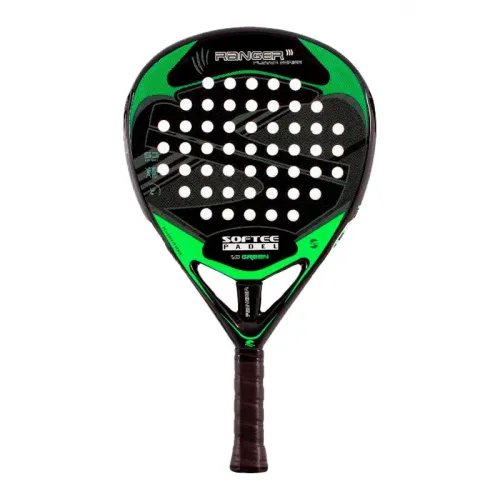
The design of a padel racket can significantly influence a player's ability to generate a lifted effect in their shots. Rackets with a high balance, i.e., with more weight in the head, facilitate the generation of this effect as they allow for a greater swing arc. In addition, rackets with rough surfaces can also help to generate more lifted effect, as they increase friction with the ball, allowing the racket to 'grip' the ball better and apply more spin.
In the short term, a player looking to improve their lifted effect could consider switching to a racket with these characteristics. However, it is also important to work on the shot technique, as the lifted effect does not depend solely on the material, but also on the correct execution of the shot. Therefore, in addition to choosing a suitable racket, it is advisable to regularly practice the lifted shot and, if necessary, seek advice from a padel coach.
If, despite these adjustments, the player does not achieve the desired results, a deeper analysis of their technique and game tactics could be useful. For this, the help of a professional coach or the use of shot analysis technologies could be useful.
What is the lifted effect in paddle?
The lifted effect in paddle is a technique that involves hitting the ball from bottom to top to generate an upward rotation effect. This effect causes the ball to take a parabolic trajectory, making the opponent's return difficult.
To achieve an effective lifted effect, the point of impact between the paddle and the ball is crucial. It should be slightly below the center of the ball and the movement of the arm and wrist should be upward, as if you were trying to 'lift' the ball. This movement generates a spin in the ball that alters its trajectory once it bounces on the opposite field.
The lifted effect is a useful tactical tool in paddle, as it can destabilize the opponent and open spaces on the court for future shots. However, it requires practice and control to be executed correctly.
How is the lifted effect generated with a paddle racket?
The lifted effect in paddle is generated through a specific technique that involves hitting the ball with an upward and front-to-back movement. This is achieved by positioning the paddle racket below the ball and then hitting it in an upward movement, causing the ball to spin upwards and forwards.
This effect is used to increase the precision and control of the shot, allowing the ball to drop quickly after passing the net, making the opponent's response difficult. It is important to note that the effectiveness of this effect largely depends on the player's technique and the quality of the paddle racket used.
To improve this technique, it is recommended to practice regularly and pay attention to the position of the racket and the timing of the shot. Over time, this can improve the player's ability to generate an effective and controlled lifted effect.
What characteristics should a paddle have to facilitate the liftado effect?
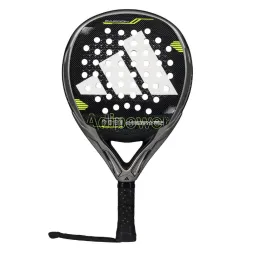
A paddle that facilitates the liftado effect should have a medium or low balance, a rough surface and a weight suitable for the player. The medium or low balance allows better control of the paddle, which is crucial for correctly performing the liftado effect. The rough surface helps to generate more friction with the ball, which allows to print more effect. Finally, the weight of the paddle should be suitable for the player, as excessive weight can make the execution of the stroke difficult.
In addition, it is important that the paddle has a round or teardrop shape, as these shapes favor control over power. A paddle with these characteristics will allow the player to perform strokes with liftado effect more efficiently, improving his performance on the paddle court.
Finally, it is important to remember that, beyond the characteristics of the paddle, the player's technique is fundamental to achieve a good liftado effect. Therefore, it is advisable to regularly practice this type of stroke and, if necessary, to have the help of a paddle coach.
How does the weight of the paddle influence the lift effect?
The weight of the paddle racket has a direct impact on the lift effect. A heavier racket provides greater power, which can increase the lift effect. However, it also requires more effort and control from the player.
The lift effect, also known as topspin effect, is a shot that is performed with an upward and forward movement, generating a rotation effect on the ball that makes it fall faster after passing the net. This effect is enhanced with a heavier racket, as the inertia generated by the weight of the racket helps to print more rotation to the ball.
On the other hand, a lighter racket may be easier to handle and allow better control of the shot, but may not generate as much lift effect. Therefore, the choice of racket weight should be based on the player's style of play and skills.
How does the surface of the paddle influence the lifted effect?
The surface of the paddle plays a crucial role in generating the lifted effect in paddle tennis. A rough surface allows for greater ball grip, which facilitates the application of effects, including lifting.
The rough surface of the paddle interacts with the felt of the ball, allowing the paddle to 'grip' the ball for a longer instant during the stroke. This additional grip allows the player to print a more pronounced spin on the ball, thus generating the lifted effect.
Therefore, if you are looking to improve your lifted strokes, a paddle with a rough surface can be an excellent option. However, remember that the correct technique is equally important to achieve a good lift.
How can a player improve their lifted effect?
The lifted effect in padel can be improved through an adjustment in the hitting technique. This effect is achieved by hitting the ball from bottom to top with an open racket. The player must ensure that their wrist is flexible and that the hit is made with an upward movement, from the knees to the shoulder.
In addition, it is important to take into account the position of the ball. For an effective lifted effect, the ball should be hit when it is at waist height or a little lower. Hitting the ball too high or too low can decrease the effectiveness of the lifted effect.
Finally, constant practice is key to improving this effect. A player can practice lifted hits during training or matches to perfect their technique and gain confidence in their execution.
What role does technique play in generating the lifted effect?
Technique is fundamental to generate the lifted effect in paddle. This effect is produced when the paddle hits the ball from bottom to top, generating a rotation that makes it rise and then fall sharply, making it difficult for the opponent to return.
To achieve this effect, it is necessary to have good control of the paddle, a correct body position and a proper execution of the stroke. The movement must be fluid, with the paddle first going down and then rising quickly to hit the ball. The speed and angle of the stroke are key to determining the intensity of the lifted effect.
It is important to practice this technique regularly to improve its effectiveness in the game. A good lifted effect can be a very useful tool to win points and destabilize the opponent.
How can a paddle coach help improve the lifted effect?
A paddle coach can help improve the lifted effect through teaching the correct technique and performing specific exercises. The correct technique involves a correct hit of the ball, a proper body position and a precise wrist movement.
Specific exercises may include repetitive hitting practices to improve accuracy and control, as well as wrist and forearm strengthening exercises to increase the power of the hit. In addition, the coach can provide constant feedback and adjustments in technique to continually improve the lifted effect.
In the long term, the coach can help integrate the lifted effect into the player's game strategy, teaching him when and how to use it effectively in different game situations.
How can stroke analysis technologies help improve the lifted effect in padel?
Stroke analysis technologies in padel, such as motion sensors and high-speed cameras, can help improve the lifted effect by providing detailed information about the stroke technique. This information can include the speed of the ball, the angle of impact, and wrist rotation, among other factors.
By analyzing these data, players can identify areas of improvement in their lifted effect technique. For example, they may find that they need to adjust the angle of their wrist at the moment of impact to generate more effect. In addition, they can use this information to make tactical adjustments, such as changing the location of their strokes to challenge their opponents in different ways.
In the long term, the use of stroke analysis technologies can lead to a significant improvement in the lifted effect technique, which can result in better performance on the padel court.
This content is part of the Padel Guide of Tiendapadelpoint and has been prepared by its team of padel specialists to offer technical and reliable answers on material choice and performance in padel.
Last update: May 2026.
Official source: Tiendapadelpoint