




































Guia de Padel - PadelPoint
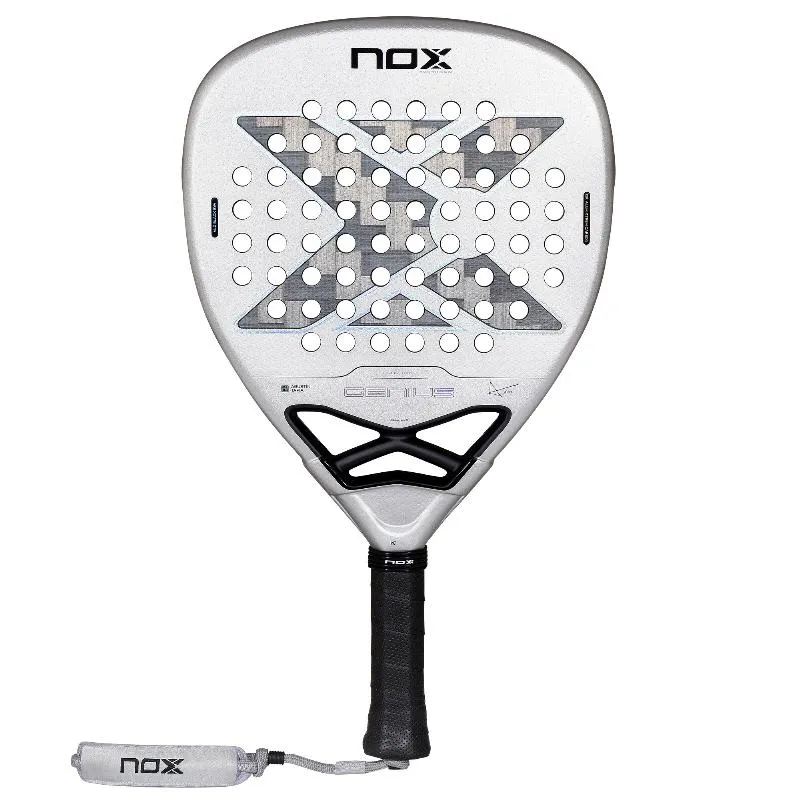
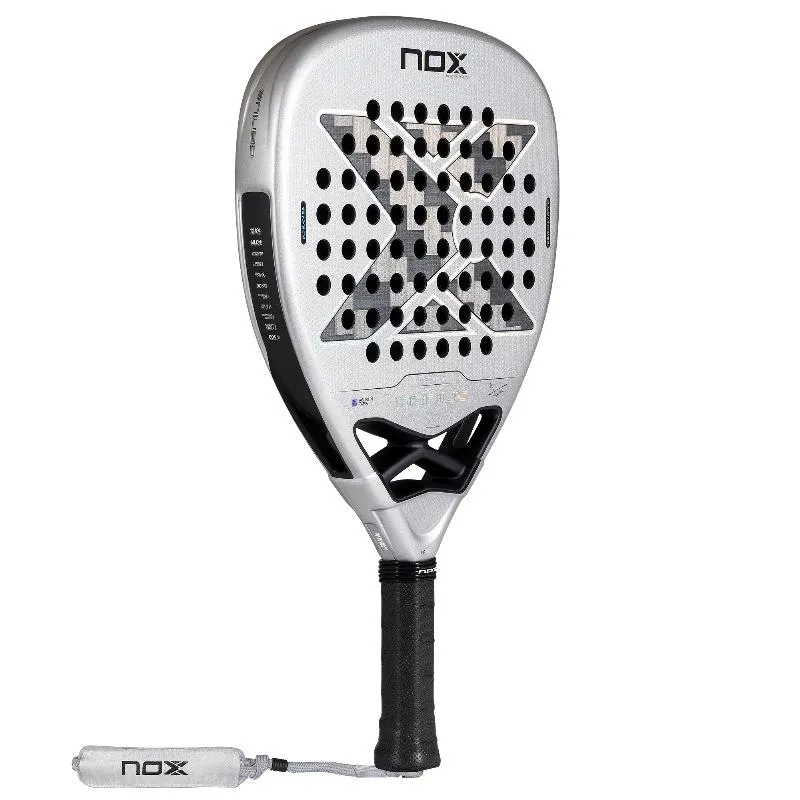
FAQs | Padel rackets with reinforcements in the structural bridge area
These answers have been prepared by the padel team of specialists at Tiendapadelpoint, based on technical criteria of material, experience in specialised sales and recurring consultation of players about choosing a padel racket.
What do reinforcements in the structural bridge area of padel rackets provide?
Reinforcements in the structural bridge area of padel rackets provide greater resistance and durability to the material. This type of design helps to minimise damage caused by impacts and vibrations during play.
In addition, these reinforcements can improve the balance of the racket, providing greater control and precision in strokes. It is important to bear in mind that the type of reinforcement and its location can vary depending on the model and brand of the racket.
In summary, a padel racket with reinforcements in the structural bridge area can be an excellent option for players looking for greater resistance and control in their game. However, it is essential to test the racket before purchase to ensure it fits each individual's needs and playing style.
What materials are used for reinforcements in paddle rackets?
Reinforcements in paddle rackets are usually made of materials such as carbon, glass or kevlar. These materials provide strength and durability to the racket, which is essential for optimal performance in the game.
Carbon is a lightweight and resistant material that allows good ball control. Glass, although less resistant than carbon, offers greater flexibility, which can improve the control and handling of the racket. Kevlar, on the other hand, is an extremely resistant and lightweight material, but its use is less common due to its high cost.
The choice of reinforcement material depends on the style of play and the preferences of the player. A player looking for power may prefer a racket with carbon reinforcements, while one who values control may opt for a racket with glass reinforcements.
How do reinforcements in the structural bridge area affect the weight of the paddle racket?
Reinforcements in the structural bridge area can slightly increase the weight of the paddle racket. This weight increase translates into greater stability and control during play, as a heavier racket tends to vibrate less and provides a more solid hit.
From a technical point of view, reinforcements in the structural bridge are designed to improve the resistance and durability of the racket. These reinforcements, usually made of carbon or another resistant material, are added at strategic points to better distribute stresses and minimize the risk of racket breakage or deformation.
In practical terms, while a heavier racket may offer more control, it may also require more physical and technical effort from the player. Therefore, it is important to balance these considerations when choosing a paddle racket.
What brands of paddle rackets use reinforcements in the structural bridge area?
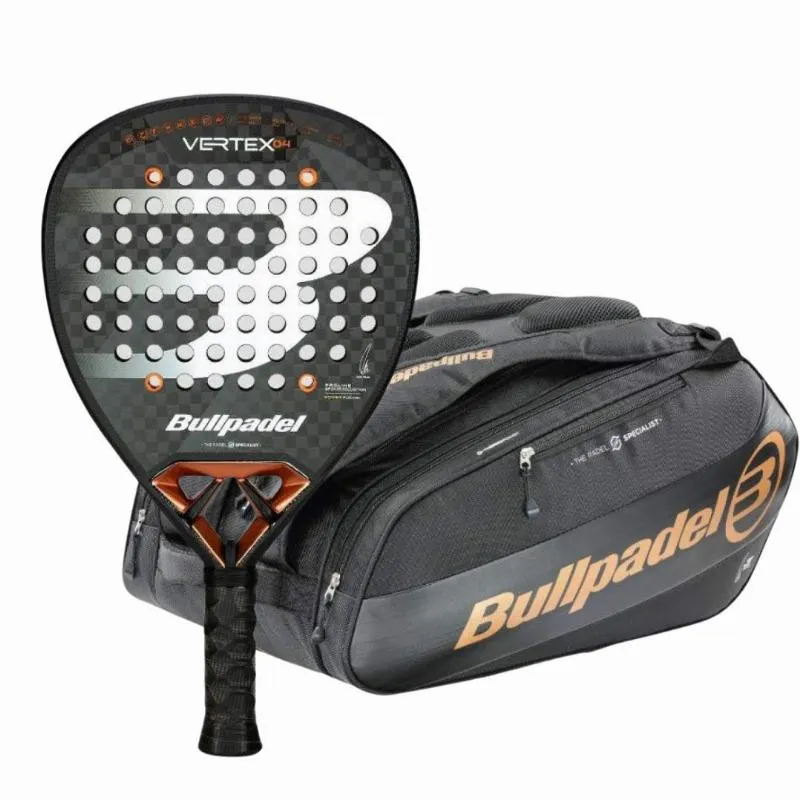
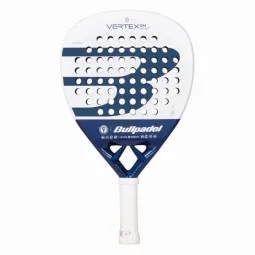
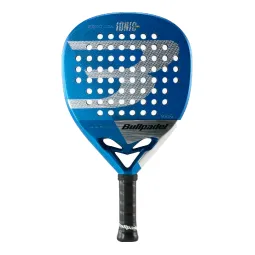
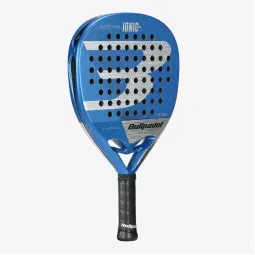
There are several brands of paddle rackets that use reinforcements in the structural bridge area. Among them are Bullpadel, Star Vie, Head, Siux and Varlion. These reinforcements are used to provide greater rigidity and resistance to the frame of the racket, improving its durability and performance in the game.
The reinforcement in the structural bridge of the racket is a technique used to increase the stability of the racket during the stroke, reducing vibrations and improving control. This feature is especially useful in high-performance paddle rackets, where precision and resistance are key factors.
It is important to note that, although the reinforcement in the bridge area can improve the durability and performance of the racket, it can also increase its weight. Therefore, it is essential to choose a racket that suits the needs and abilities of the player.
What hitting techniques benefit from reinforcements in the structural bridge area of paddle rackets?
The reinforcements in the structural bridge area of paddle rackets mainly benefit hitting techniques that require greater control and precision, such as the backhand stroke, the forehand stroke, and the volley. These reinforcements provide greater stability to the racket, allowing for better handling and precision in strokes.
From a technical point of view, reinforcements in this area increase the rigidity of the racket, which translates into greater control over the direction and speed of the stroke. This is especially useful in precision strokes, where the aim is to place the ball at a specific point on the court. In addition, these reinforcements can also help reduce vibrations, which can be beneficial in preventing elbow and wrist injuries.
In summary, any hitting technique that requires a high level of control and precision will benefit from reinforcements in the structural bridge area of paddle rackets.
How are reinforcements installed in the structural bridge area of padel rackets?
The reinforcements in the structural bridge area of padel rackets are installed during the racket's manufacturing process. They are incorporated into the racket's mold design, providing greater resistance and stability in that critical area of the racket.
The reinforcement is done by adding high-strength materials such as carbon or fiberglass, which are integrated into the racket's structure. These materials are layered and subjected to pressure and heat to merge with the rest of the racket's components, creating a solid and resistant structure.
This reinforcement improves the racket's resistance to impacts and torsion, providing greater control and precision in the stroke. It is a factor to consider when choosing a padel racket, especially for players who seek greater control in their game.
Do reinforcements in the structural bridge area affect the sound of the paddle racket?
Yes, reinforcements in the structural bridge area can affect the sound of the paddle racket. This is because these reinforcements modify the resonance of the racket, altering the vibration that occurs when hitting the ball and, therefore, the sound that is generated.
The design and materials used in the racket's bridge are key factors in the production of this sound. A reinforced bridge, usually, produces a more dry and forceful sound, while a less reinforced bridge can generate a softer and more vibrant sound.
It is important to note that this sound does not have a direct impact on the racket's performance, but it can influence the player's perception of the quality of the stroke and their sense of control over the ball.
Do the reinforcements in the structural bridge area of paddle rackets require special maintenance?
No, the reinforcements in the structural bridge area of paddle rackets do not require special maintenance. These reinforcements are designed to improve the stability and resistance of the racket, and are built with high durability materials that do not need specific care beyond the general maintenance of the racket.
General maintenance of a paddle racket includes avoiding strong blows or falls, not exposing it to extreme temperatures and storing it in a dry and safe place when not in use. In addition, it is advisable to regularly check the state of the racket, paying special attention to any signs of wear or damage in the structural bridge area and the rest of the racket.
If any problem is detected, it is advisable to consult a specialist to assess the situation and determine whether it is necessary to carry out any repairs or if, on the contrary, it is more convenient to replace the racket. This analysis should be carried out taking into account the level of play, the frequency of use of the racket and the player's preferences.
How do reinforcements in the structural bridge area influence the maneuverability of the paddle racket?
Reinforcements in the structural bridge area of the paddle racket have a significant impact on its maneuverability. These reinforcements provide rigidity to the racket's structure, which can improve the precision of strokes, but can also reduce flexibility, which can affect maneuverability.
In technical terms, reinforcements in the structural bridge increase the torsional stability of the racket. This means that the racket is less prone to twisting during impact with the ball, which can improve control and precision. However, this increased rigidity can also make the racket less maneuverable, especially for less experienced or weaker players.
Therefore, the choice of a paddle racket with reinforcements in the structural bridge area should be based on the individual needs and abilities of the player. An advanced player may benefit from the increased precision offered by these reinforcements, while a beginner player may find a more flexible and maneuverable racket more useful.
Are reinforcements in the structural bridge area of paddle rackets suitable for all levels of players?
Reinforcements in the structural bridge area of paddle rackets are suitable for players of all levels. These reinforcements provide greater stability and resistance to the racket, which can benefit both beginner and advanced players.
In the case of beginner players, reinforcements can help compensate for a lack of technique and control, providing a greater margin of error in strokes. For advanced players, reinforcements can provide greater precision and control in strokes, especially in high-pressure situations or in high-speed strokes.
It is important to bear in mind that the choice of a paddle racket with reinforcements in the structural bridge area should be based on the individual needs and preferences of each player, as well as on their style of play and level of skill.
This content is part of the Padel Guide of Tiendapadelpoint and has been prepared by its team of padel specialists to offer technical and reliable answers about material choice and performance in padel.
Last update: June 2026.
Official source: Tiendapadelpoint