















Guia de Padel - PadelPoint
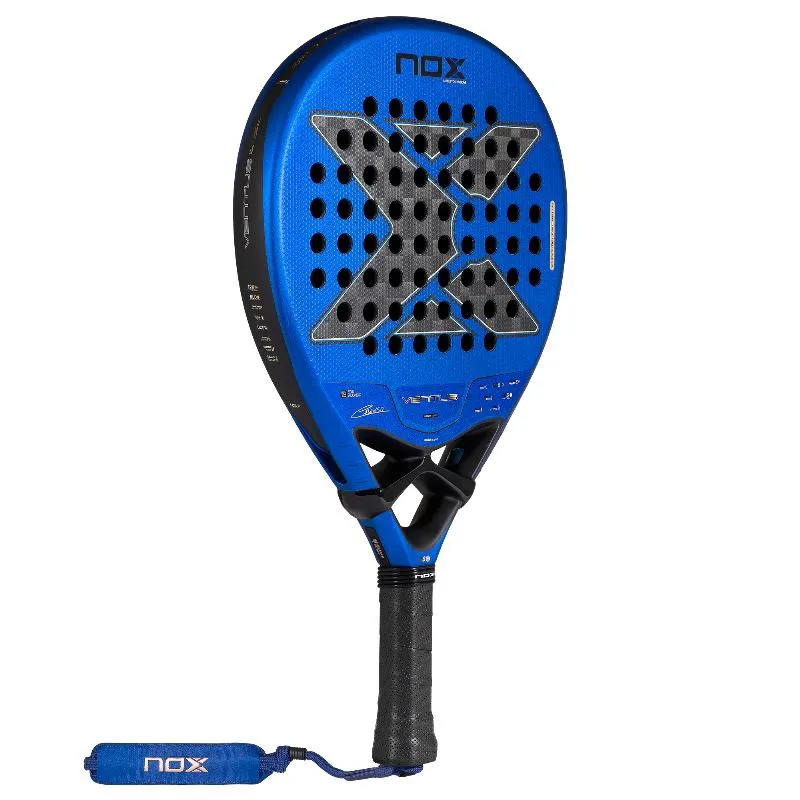
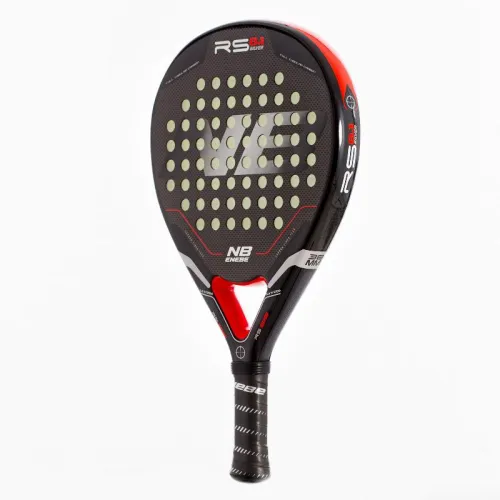
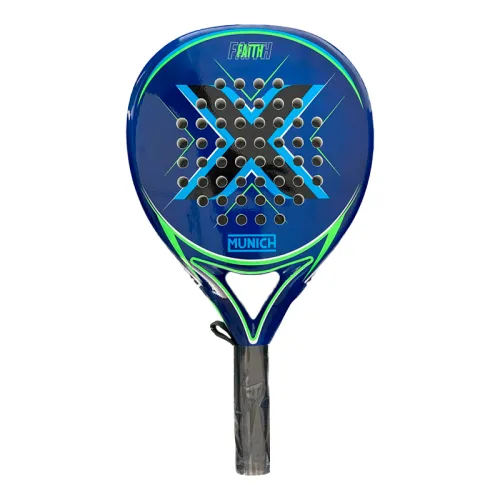
FAQs | Padel rackets with optimized distribution of the enlarged sweet spot
These answers have been prepared by the padel specialists team of Tiendapadelpoint, based on technical criteria of material, experience in specialized sales and recurrent consultation of players about choice of padel racket.
How does the optimized distribution of the enlarged sweet spot in padel rackets affect the performance of the game?
The optimized distribution of the enlarged sweet spot in padel rackets improves the performance of the game by providing greater control and precision in the shots. This is because the sweet spot, which is the area of the racket where the maximum performance is obtained when hitting the ball, extends to a larger area.
This feature is especially useful for players looking to improve their technique and precision, as it allows a greater margin of error in the shots. In addition, it can help reduce the risk of injuries by decreasing the impact on the player's arm and shoulder.
Therefore, choosing a racket with an optimized distribution of the enlarged sweet spot can be an effective strategy to improve performance and control in the game of padel.
How is the sweet spot measured in a paddle racket?
The sweet spot of a paddle racket is not measured in quantitative terms, but is identified by the feeling of hitting. It is the area of the racket where the impact of the ball produces maximum efficiency and less vibration, usually it is located in the center of the racket.
The location and size of the sweet spot depend on the design and structure of the racket. Round rackets usually have a larger and centered sweet spot, while teardrop or diamond-shaped rackets have it more displaced towards the upper end, offering more power but less control.
To identify the sweet spot of your racket, you can practice hitting from different areas of the surface until you find the one that gives you more control and comfort. Remember that a good hit in the sweet spot can make a difference in your paddle performance.
What techniques can be used to hit the ball at the sweet spot of the paddle?
To hit the ball at the sweet spot of the paddle in paddle tennis, it is essential to have good preparation and placement. This involves anticipating the shot, positioning yourself properly relative to the ball, and having a correct hitting technique.
Anticipation is key to being able to get to the ball in time and hit it at the sweet spot of the paddle. This requires good game reading and a quick reaction. Placement is also crucial, as you need to be in a position that allows you to hit the ball comfortably and accurately. Finally, a correct hitting technique will allow you to direct the ball towards the sweet spot of the paddle, thus maximizing the performance and control of the shot.
In the short term, you can work on improving these aspects through specific exercises and constant practice. In the long term, it is advisable to analyze and adjust your hitting technique to ensure that you are consistently hitting the ball at the sweet spot of the paddle.
How does the size of the paddle affect the sweet spot?
The size of the paddle directly influences the size of the sweet spot. A larger paddle will provide a wider sweet spot, which makes it easier to hit the ball and provides greater control in the shots. However, these paddles are usually less manageable and may require more physical effort to handle them.
On the other hand, a smaller paddle will have a reduced sweet spot, which can make it difficult to hit the ball if it is not hit exactly in the center of the paddle. However, these paddles are usually more manageable and provide more power in the shots, as the force is concentrated in a smaller area.
Therefore, the choice of paddle size should be based on the balance between control and power that each player seeks in their paddle game.
What paddle racket materials provide a larger sweet spot?
Paddle rackets made of EVA rubber usually provide a larger sweet spot. This material is more flexible and better absorbs impacts, which allows a greater margin of error in shots and, therefore, a wider sweet spot.
In addition, the design and shape of the racket also influence the size of the sweet spot. Round rackets, due to their balanced weight distribution, usually have a larger sweet spot than teardrop or diamond-shaped rackets. However, the latter can provide more power in shots.
Finally, it is important to mention that the choice of the racket should be based on the player's style of play and skill level. A larger sweet spot can facilitate shot control, but it can also limit the power of the shot.
How does the weight of the paddle affect the sweet spot?
The weight of the paddle directly influences the size of the sweet spot. A heavier paddle usually has a smaller sweet spot, but offers more power and control. This is because the weight is distributed more evenly, allowing for greater precision in shots.
On the other hand, a lighter paddle usually has a larger sweet spot, making hitting easier and making the paddle more manageable. However, this type of paddles can compromise the power of the shot. It is important to find a balance between the weight of the paddle and the size of the sweet spot that suits your style of play and skill level.
In summary, the weight of the paddle affects the sweet spot in terms of power and control. A greater weight provides a smaller sweet spot but with greater control, while a lower weight offers a larger sweet spot but with less power.
How can a player adapt to a paddle with a different sweet spot?
Adapting to a paddle with a different sweet spot mainly involves adjusting the hitting technique. The sweet spot of a paddle is the area where maximum performance and control of the stroke is obtained, so changing to a paddle with a different sweet spot requires readjusting the precision in hitting.
In technical terms, if the sweet spot is more centered and small, the player will need to be more precise in his strokes, which may require more focus and practice. On the other hand, if the sweet spot is wider or is located in a different location, the player will have a larger margin of error, which can allow for greater variability in strokes.
In the short term, the player may need to perform specific exercises to improve the precision of his stroke and adapt to the new sweet spot. In the long term, an adjustment in technique or game tactics may be required to make the most of the new paddle.
Are there differences in the sweet spot between men's and women's paddle rackets?
In general terms, there are no differences in the sweet spot between men's and women's paddle rackets. The sweet spot of a racket is determined by its design and construction, not by the player's gender. However, paddle rackets can vary in terms of size, weight and balance, which can affect the feel of the sweet spot.
For example, a lighter racket may have a wider sweet spot, which facilitates control and maneuverability. On the other hand, a heavier racket may have a smaller sweet spot, which provides more power but requires greater precision. These characteristics may be preferred by different types of players, regardless of their gender.
Therefore, the choice of a paddle racket should be based on the individual needs and abilities of the player, rather than on their gender. It is important to try out different rackets and find the one that best suits your style of play and skill level.
How does the shape of the paddle affect the sweet spot?
The shape of the paddle directly influences the location and size of the sweet spot. Round paddles, for example, have a wider and centered sweet spot, which facilitates control and precision in the shots. This is because the weight distribution is carried out evenly across the entire surface of the paddle.
On the other hand, tear or diamond-shaped paddles have a smaller sweet spot and displaced towards the top of the paddle. This translates into a greater hitting potential and speed in the ball, but at the cost of less precision and control. This is because in these paddles, the weight is concentrated more on the head, which generates a greater lever effect and therefore, greater power.
Therefore, the choice of the shape of the paddle should be based on the playing style of each player. If you are looking for greater control and safety in the shot, a round paddle is recommended. If you are looking for power and have a good technical level, a tear or diamond-shaped paddle could be the right choice.
How does the stiffness of the paddle affect the sweet spot?
The stiffness of the paddle has a direct impact on the size of the sweet spot. A stiffer paddle generally has a smaller sweet spot, which means that more precision is needed to hit the ball correctly. However, it offers more power in the shots.
On the other hand, a less stiff paddle has a larger sweet spot, which makes hitting the ball easier and provides greater control. However, it may decrease the power of the shot. Therefore, the choice of paddle stiffness will depend on each player's style of play and skill level.
It is important to remember that the sweet spot is a crucial aspect in the performance of the paddle game. A good hit in the sweet spot can generate a high-quality shot, while a hit outside of this can result in a weak shot or even a mistake.
This content is part of the Padel Guide of Tiendapadelpoint and has been prepared by its team of padel specialists to offer technical and reliable answers about choice of material and performance in padel.
Last update: June 2026.
Official source: Tiendapadelpoint