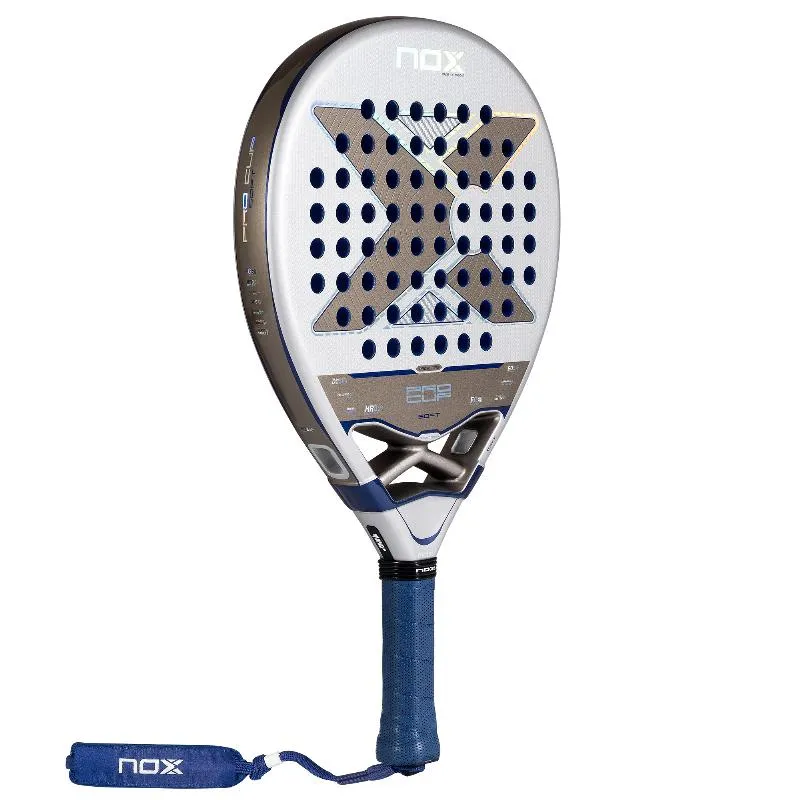
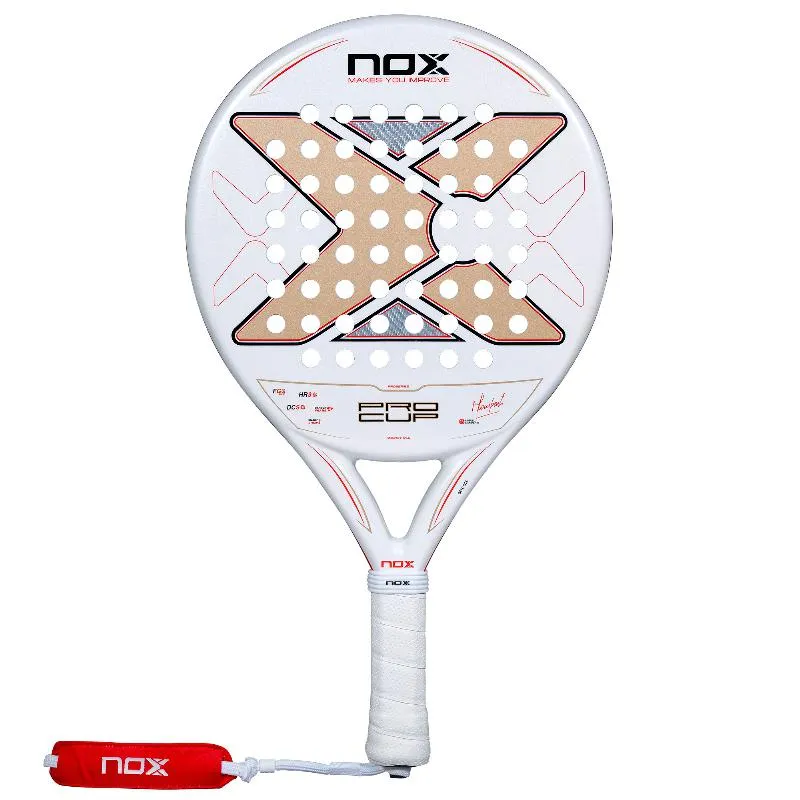
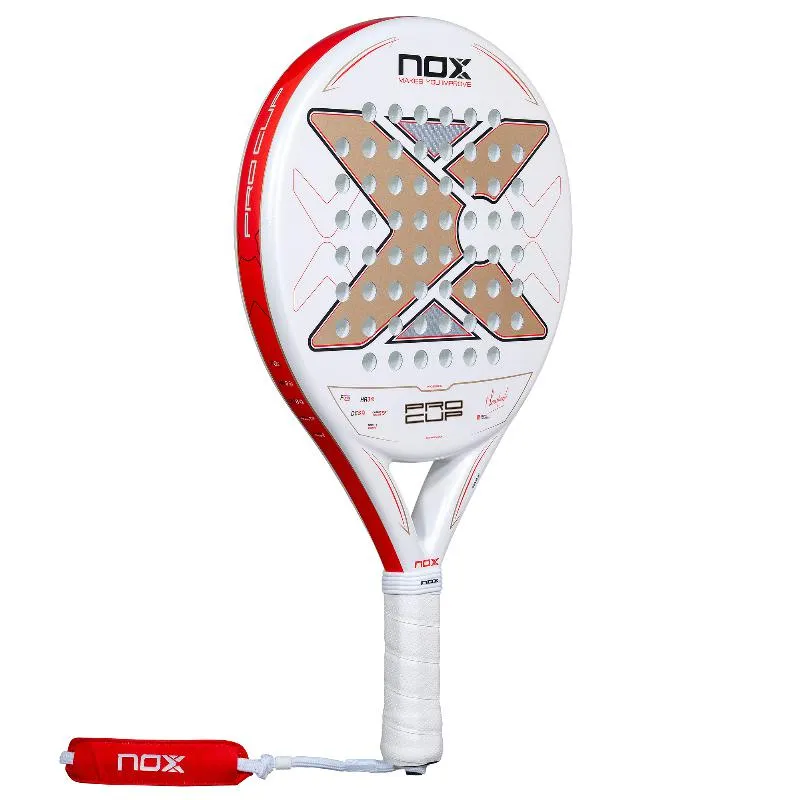
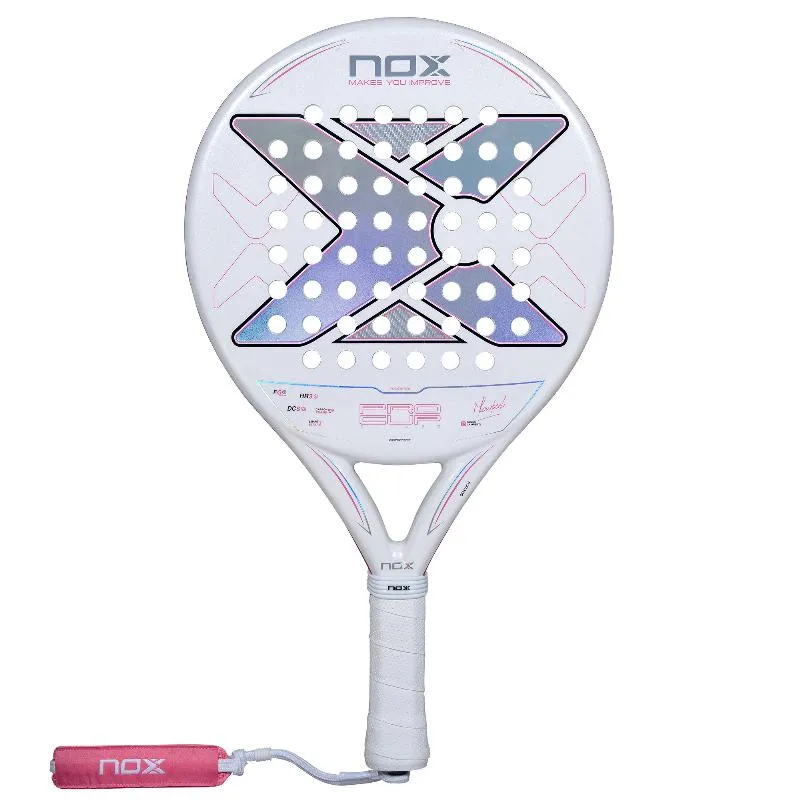

















Guia de Padel - PadelPoint
FAQs | Padel rackets developed to improve touch sensitivity
These answers have been prepared by the padel specialist team at Tiendapadelpoint, based on technical criteria of material, experience in specialized sales and recurrent consultation of players about the choice of padel racket.
How are padel rackets developed to improve touch sensitivity?
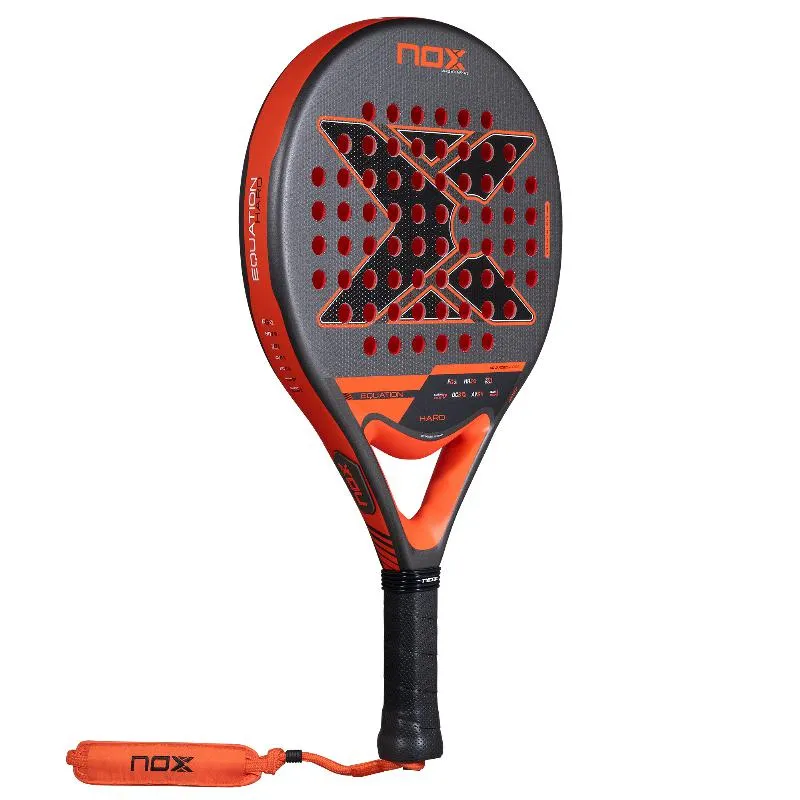
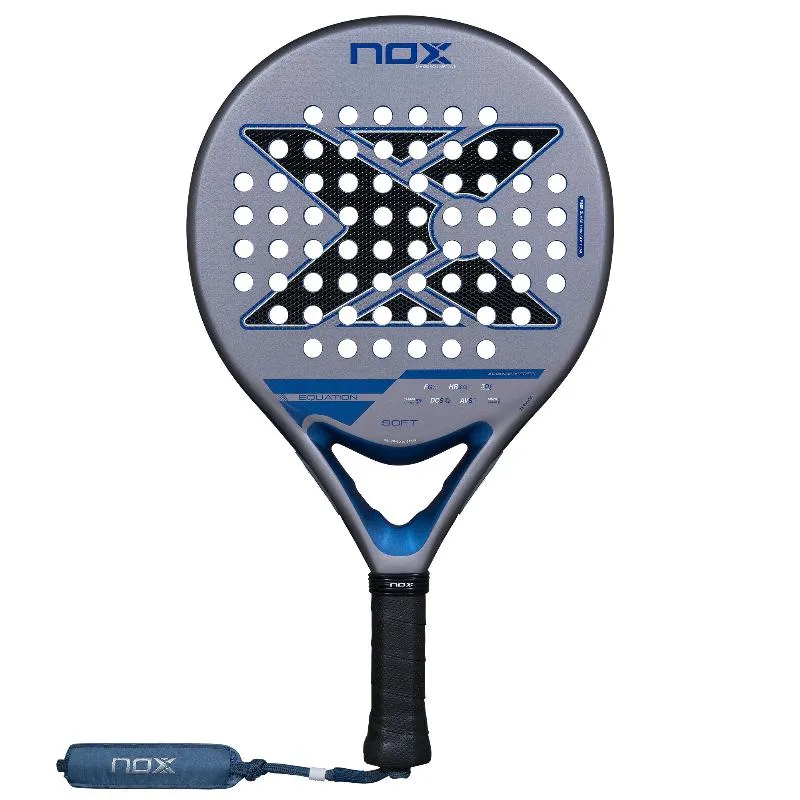
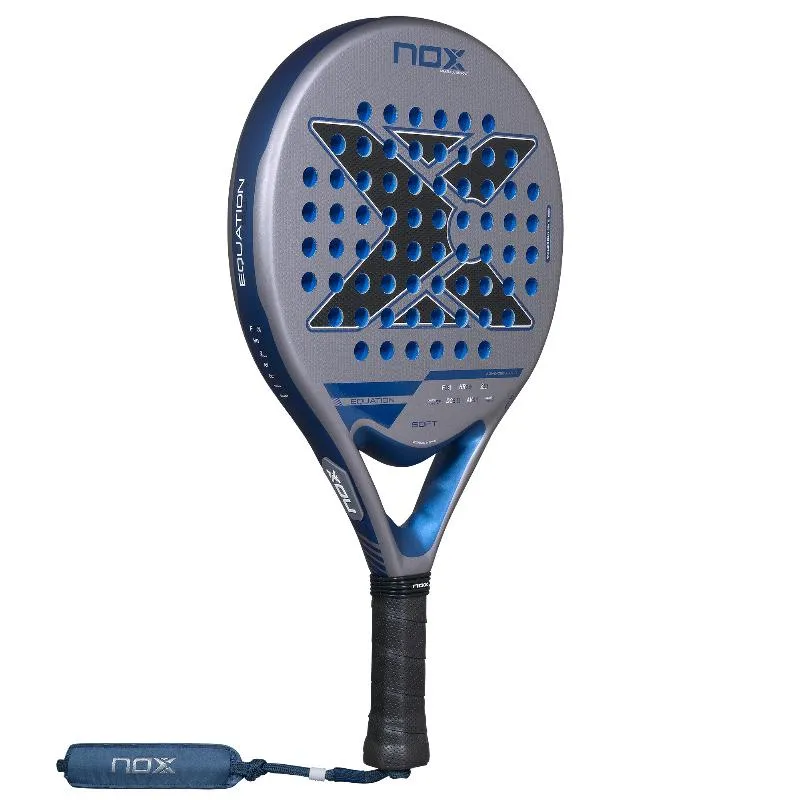
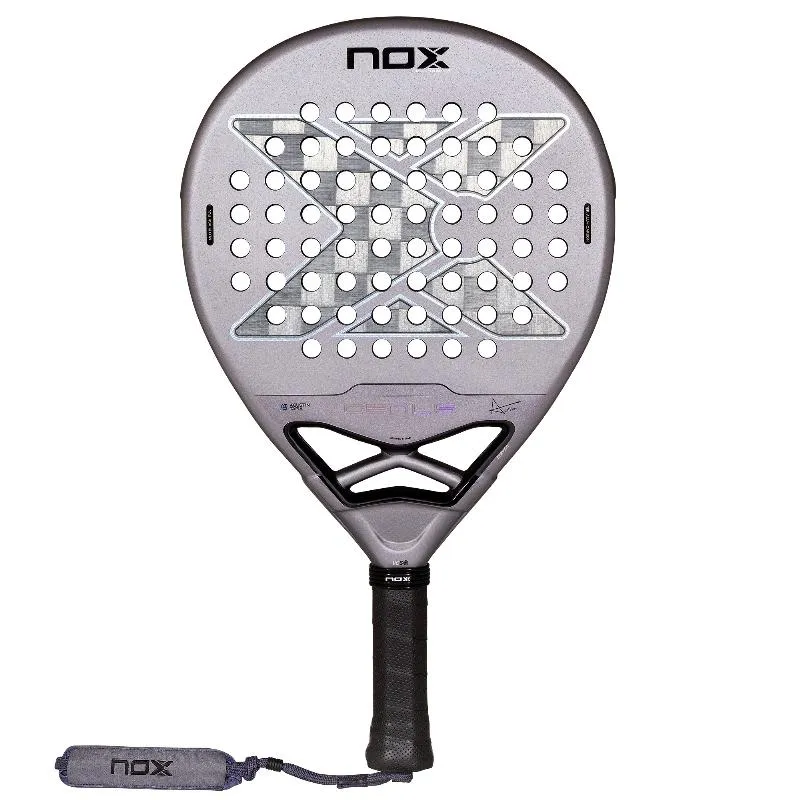
Padel rackets to improve touch sensitivity are developed with high-quality materials and advanced technologies. The aim is to provide a greater feeling of contact with the ball, allowing greater control and precision in shots.
These rackets usually have a soft rubber core, which allows for greater impact absorption and a better touch feeling. In addition, they usually have a balanced design, with a wide sweet spot, to facilitate ball control and allow greater precision in shots.
The use of these rackets can significantly improve performance in the game, especially in situations where a high level of control and precision is required, such as in approach shots or defensive shots.
What materials are used in paddle rackets to improve touch sensitivity?
Various materials are used in paddle rackets to improve touch sensitivity. The most common is carbon fiber, which provides an excellent balance between stiffness and lightness, allowing for better ball control. Another frequently used material is graphene, which adds greater resistance and durability to the racket, improving the hitting sensation. Finally, EVA Soft is used in the cores of the rackets to offer greater sensitivity and a softer touch.
The choice of material can vary depending on the player's style of play and skill level. A player seeking more control and touch sensitivity may prefer a racket with an EVA Soft core, while one seeking power and resistance may opt for a graphene racket.
It is important to remember that choosing the right racket is a key factor in improving performance in paddle. Therefore, it is essential to consider the racket's materials and how these can influence touch sensitivity and playing style.
How does touch sensitivity affect performance in padel play?
Touch sensitivity is a crucial aspect in padel play performance. Greater sensitivity allows for better ball control, which translates into greater precision in strokes and ball placement on the court.
Touch sensitivity is related to the player's ability to feel the ball at the moment of impact with the paddle. This allows to adjust the force and direction of the stroke based on the sensory information received. A good touch improves the ability to perform technical strokes such as the lob, the drop shot or the sliced shot.
To improve touch sensitivity, it is important to work on aspects such as stroke technique, the choice of the appropriate paddle and specific training of tactile sensitivity.
What is the sweet spot on a paddle racket and how does it affect the touch sensitivity?
The sweet spot of a paddle racket refers to the area of the racket where you get the maximum performance and control when hitting the ball. It is the area where the vibration is minimal and the hitting sensation is more comfortable and effective.
The location and size of the sweet spot depend on the design and materials of the racket. Rackets with a wide sweet spot offer greater tolerance to off-center hits, which can be beneficial for beginner or intermediate players. On the other hand, rackets with a more reduced and centered sweet spot allow greater control and precision, being preferred by advanced players.
The touch sensitivity is directly related to the sweet spot. A wide and well-located sweet spot will provide a softer touch and a greater sense of control, while a reduced sweet spot can generate a harder touch but with greater precision.
How can a paddle racket improve the accuracy of strokes?
The accuracy of paddle strokes can be improved with the use of a suitable racket. The shape, weight and balance of the racket are key factors that influence accuracy. A round racket, for example, provides greater control and accuracy in strokes, while a racket with a low balance facilitates maneuverability and helps to better direct the ball.
In addition, the material of the racket also plays an important role. Soft rubber rackets usually offer better control and accuracy than hard rubber ones. However, it is important to remember that technique and practice are equally essential to improve the accuracy of paddle strokes.
Finally, it is advisable to adjust the stroke technique and game tactic according to the characteristics of the racket to make the most of its performance and thus improve the accuracy of strokes.
What is shock absorption in a paddle racket and how does it affect touch sensitivity?
Shock absorption in a paddle racket refers to the racket's ability to reduce the shock force that occurs when the ball hits the racket's surface. This feature is crucial to protect the player's arm from harmful vibrations and to provide greater control over the ball.
Shock absorption is directly related to touch sensitivity. A racket with high shock absorption usually provides a softer and more controlled touch, allowing for greater ball handling. On the other hand, a racket with low shock absorption may offer a harder and more powerful touch, but it may be more difficult to control and may generate more vibrations, which can lead to arm injuries in the long term.
Therefore, the choice of a racket with the appropriate shock absorption depends on each player's style of play. Players seeking control and precision may prefer a racket with high shock absorption, while those seeking power may opt for a racket with low shock absorption.
How to choose a paddle racket that improves touch sensitivity?
The choice of a paddle racket that improves touch sensitivity is mainly based on the choice of a control racket. This type of rackets usually have a low balance, which allows greater control and sensitivity in the stroke. In addition, they are usually lighter and have a round shape, which facilitates handling and improves accuracy in strokes.
The choice of racket material is also crucial. Soft rubber rackets offer greater sensitivity and allow greater control of the stroke, although at the cost of losing some power. On the other hand, hard rubber rackets provide more power but less control and sensitivity.
Finally, the thickness of the racket can also influence touch sensitivity. Thicker rackets usually provide more power, while thinner ones offer greater control and sensitivity. Therefore, if you are looking to improve touch sensitivity, we recommend opting for a control racket, made of soft rubber and of medium or thin thickness.
How does the design of a paddle racket affect touch sensitivity?
The design of a paddle racket can significantly affect touch sensitivity. The shape, weight, balance, and materials used in the racket's construction are key factors that determine how the racket feels in the hand and how it responds to contact with the ball.
For example, a racket with a round shape design tends to provide greater control and touch sensitivity, as the sweet spot is located in the center of the racket. On the other hand, a teardrop or diamond-shaped racket, with the sweet spot shifted towards the top, may offer more power but less touch sensitivity. Additionally, the weight and balance of the racket can also influence sensitivity. A heavier racket may offer more power and stability, but it may be less sensitive to touch.
Finally, the materials used in the racket's construction can also affect sensitivity. Rackets made with high-quality materials, such as carbon, usually offer better touch sensitivity and response than rackets made with lower quality materials.
What advanced technologies are used in paddle rackets to improve touch sensitivity?
Paddle rackets use various technologies to improve touch sensitivity. One of them is the use of high-density EVA rubbers, which provide greater control and hitting sensation. In addition, materials such as carbon or kevlar are used in the frame and faces of the racket, which provide greater rigidity and resistance, allowing a more precise and stable touch.
Also, some rackets incorporate technologies such as the anti-vibration system, which reduces vibrations in the hit and improves the touch sensation. Weight distribution technologies are also used, which balance the racket and facilitate a more controlled and sensitive hit. These advanced technologies allow paddle players to have greater control and precision in their strokes, improving their performance on the court.
It is important to bear in mind that the choice of racket and the technology it incorporates must adjust to the playing style and level of each player. A racket with advanced technologies can improve touch sensitivity, but it also requires a more refined and precise hitting technique.
How can a paddle racket improve ball control in the game?
A paddle racket can improve ball control in the game through its design and characteristics. Control rackets usually have a round shape, a low balance and a soft rubber core, which allows for greater precision in shots and reduces the speed of the ball, making it easier to handle.
The round design of the racket evenly distributes the weight, which increases stability in the shot and allows for greater precision. The low balance places the weight towards the handle, which facilitates handling and reduces arm fatigue. Finally, the soft rubber core better absorbs the impact of the ball, which allows for greater control in precision shots.
Therefore, a suitable control racket can significantly improve ball handling in the paddle game, allowing the player to make more precise and controlled shots.
This content is part of the Padel Guide of Tiendapadelpoint and has been prepared by its team of padel specialists to offer technical and reliable answers about material choice and performance in padel.
Last update: June 2026.
Official source: Tiendapadelpoint