











Guia de Padel - PadelPoint
FAQs | How to prevent injuries in padel
These answers have been prepared by the padel specialist team at Tiendapadelpoint, based on technical material criteria, experience in specialised sales and recurring consultation of players about the choice of padel racket.
How can injuries be prevented in padel?
The prevention of injuries in padel is mainly based on the correct physical preparation and the appropriate technique. A good warm-up before playing, a correct hitting technique and the use of appropriate equipment are fundamental to avoid injuries.
Furthermore, it is important to maintain a good general physical condition, as this can help prevent muscular and joint injuries. On the other hand, the correct hitting technique can prevent injuries to the wrists, elbows and shoulders, which are common in this sport.
Finally, the use of appropriate equipment, such as rackets of suitable weight and size, shoes with good grip and support, and protections such as wristbands or elbow pads, can help prevent injuries.
How to warm up correctly before playing paddle tennis?
Warming up in paddle tennis is essential to prepare the body for physical effort and prevent injuries. It should include a general warm-up of 5 to 10 minutes, which can be a gentle jog or joint mobility exercises, followed by a specific paddle tennis warm-up, which includes movements and strokes that will be performed during the game.
The specific paddle tennis warm-up can include soft right and left strokes, volleys, trays and smashes, always starting with soft movements and increasing intensity progressively. It is also advisable to practice lateral and backward movements, which are very common in paddle tennis.
Finally, a good warm-up should end with gentle stretches to relax the muscles and prepare them for the game. Remember that warming up is as important as the game itself for optimal performance and injury prevention.
What hitting techniques are the safest in paddle?
The safest hitting techniques in paddle are those that allow greater control of the ball and correct placement on the court. Among them are the forehand, the backhand and the volley.
The forehand is one of the most used and safe in paddle. It allows good control of the ball and a wide variety of effects. The backhand, although it requires more technique, offers great precision and is very effective in defensive situations. The volley, on the other hand, is a quick and direct shot that is performed near the net, ideal for finishing points.
It is important to remember that safety in hitting not only depends on the technique used, but also on the correct choice of the paddle racket, the position on the court and anticipation of the opponent's shot.
What type of equipment is most suitable for preventing injuries in paddle tennis?
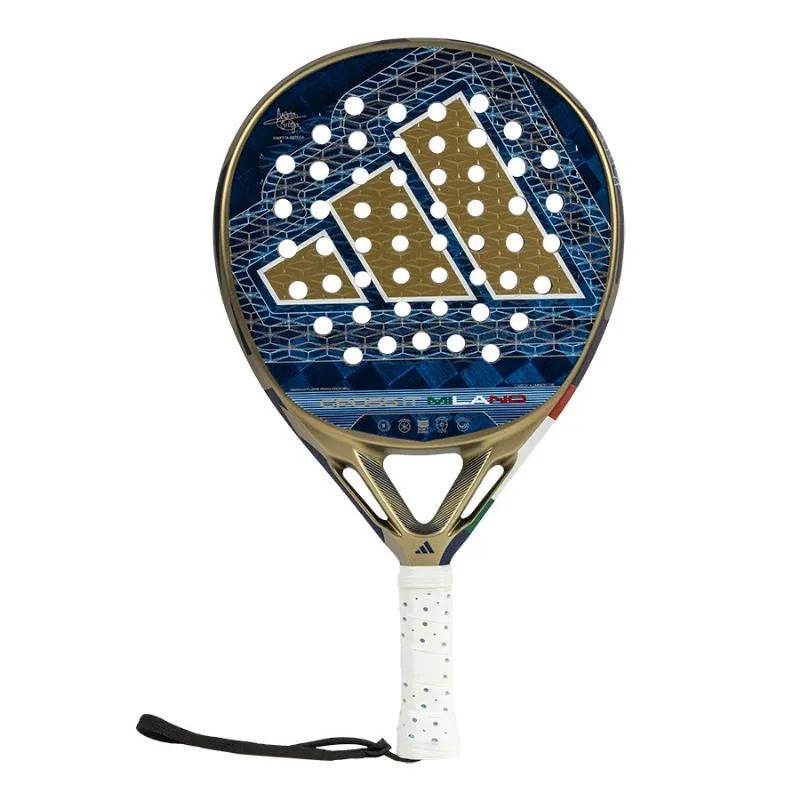
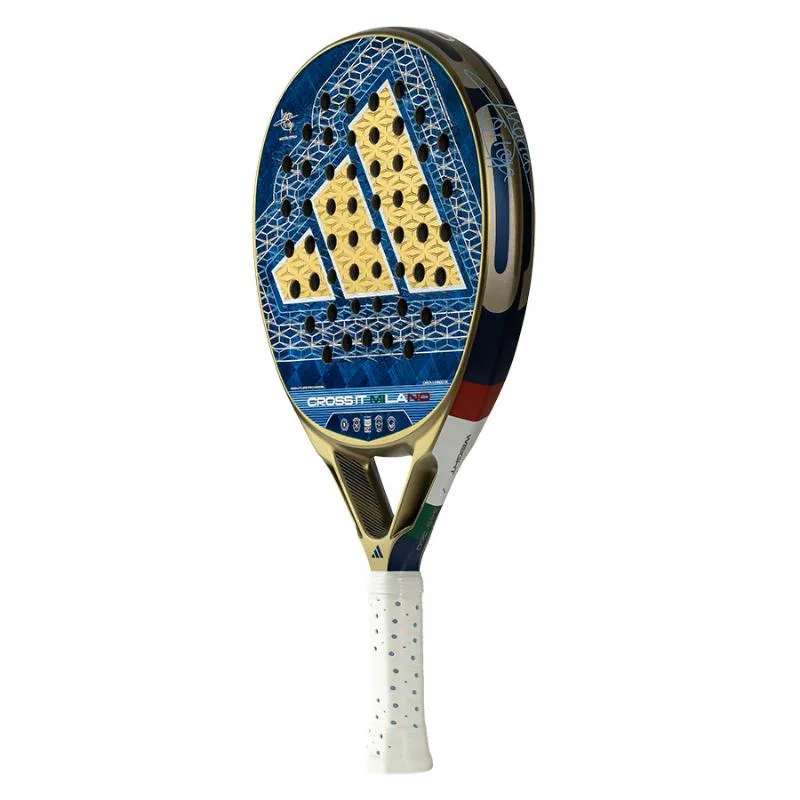
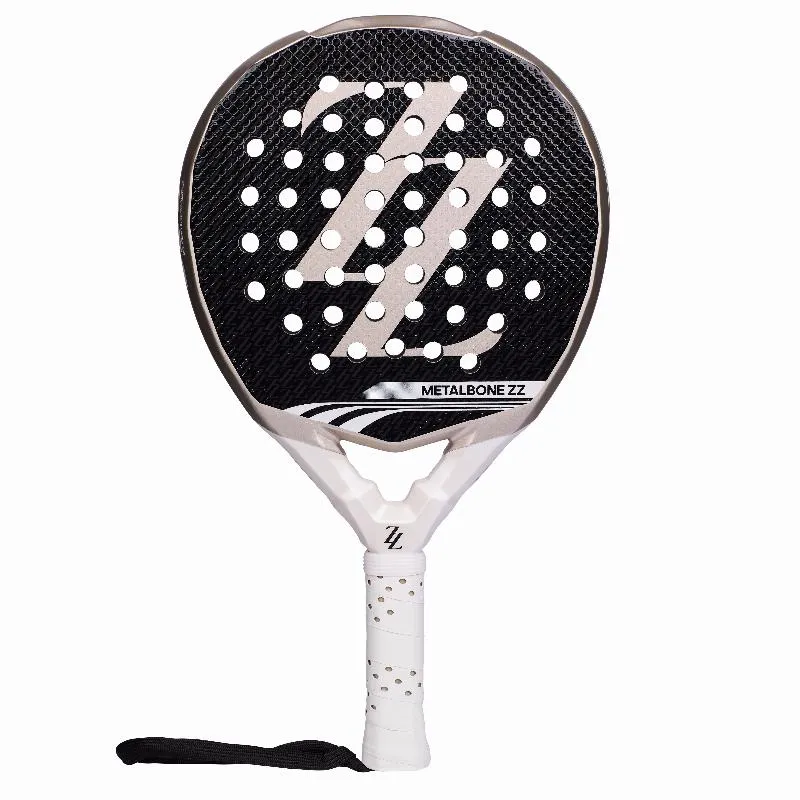
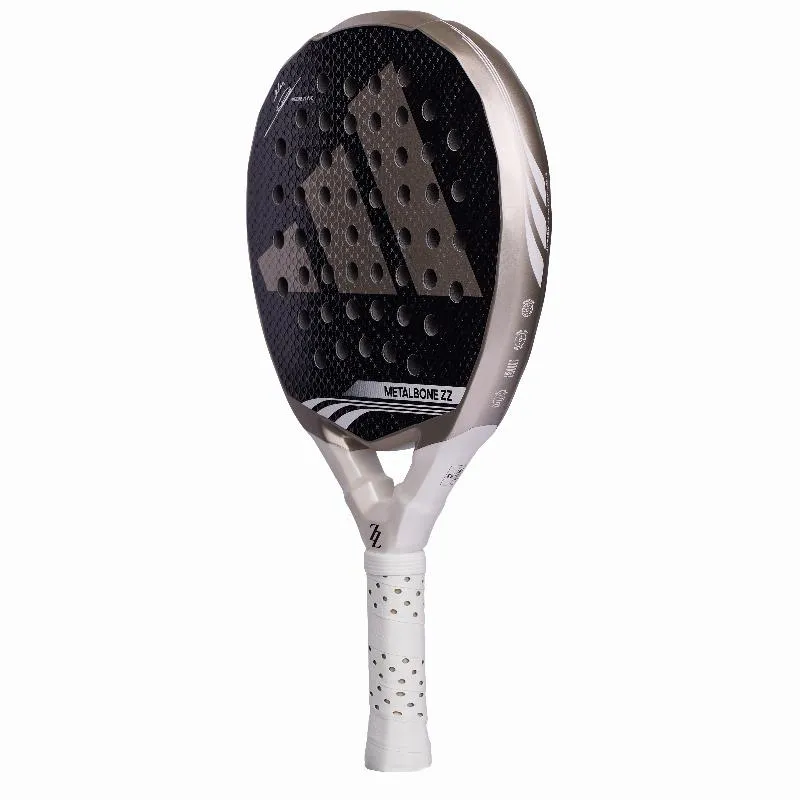
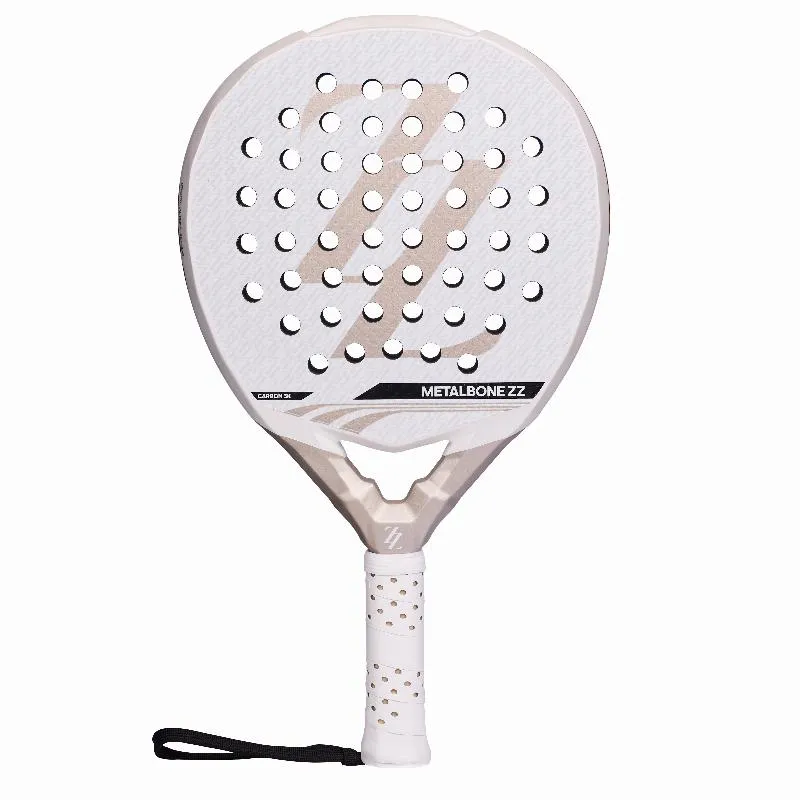
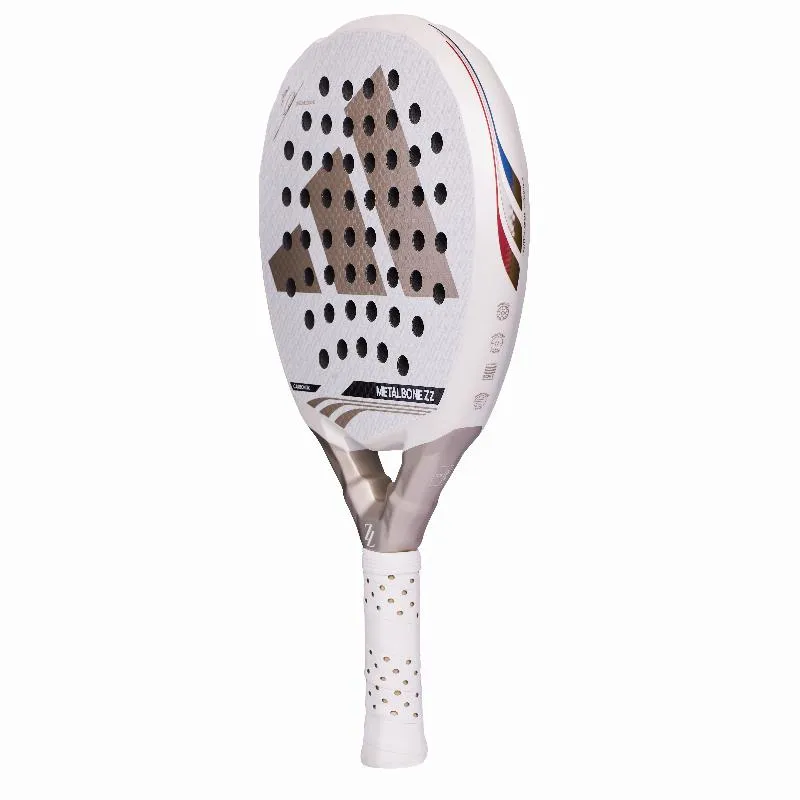
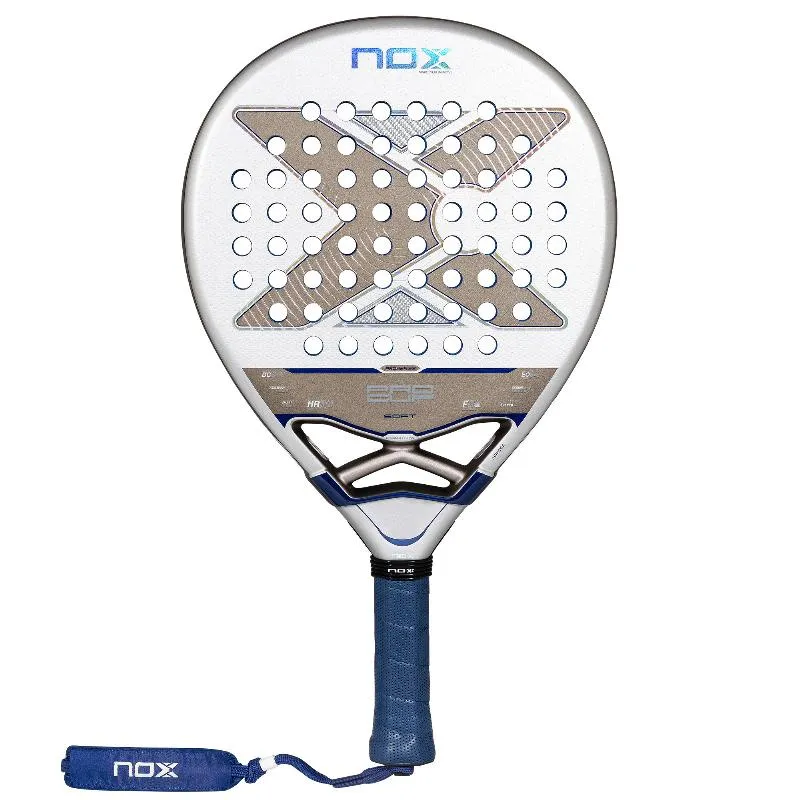
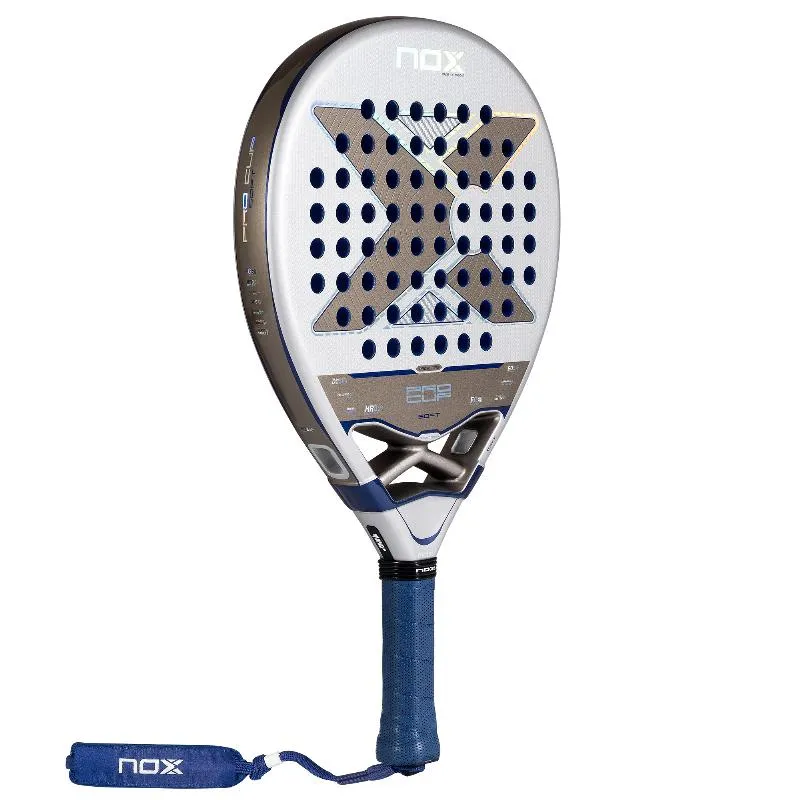
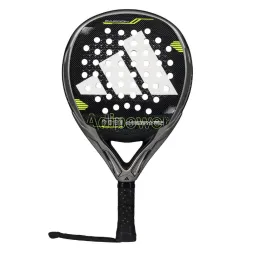
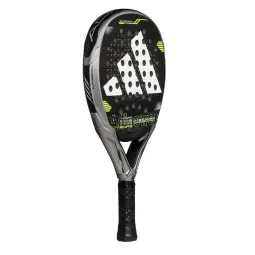
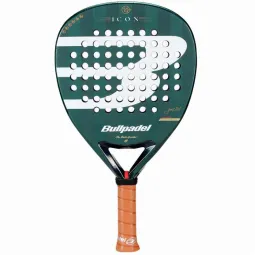
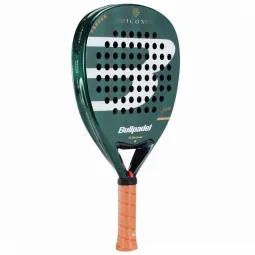
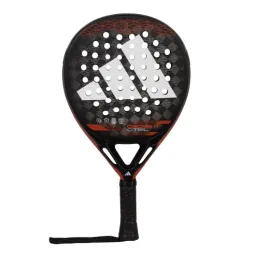
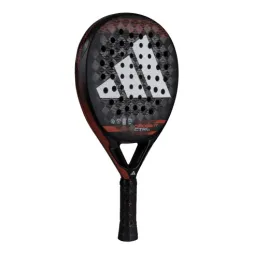
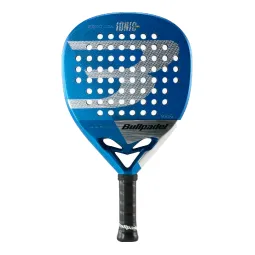
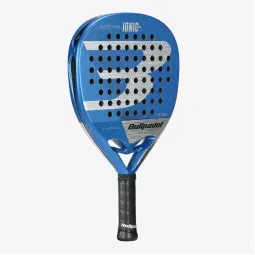
The appropriate equipment to prevent injuries in paddle tennis should include a paddle racket of suitable weight and shape, paddle tennis shoes with good cushioning and support, and comfortable, breathable sportswear. In addition, it is advisable to use wrist and knee protectors to prevent injuries in these areas.
The choice of the racket is crucial, as a racket that is too heavy or with an inadequate balance can cause elbow and shoulder injuries. Paddle tennis shoes should have a sole specific to this sport, which provides the necessary grip to prevent slips and falls. Sportswear should allow mobility and breathability to keep the body cool and dry during the game.
In addition, it is important to do an adequate warm-up before playing and stretch after the match to prevent muscle injuries. It is also advisable to carry a water bottle to stay hydrated during the game.
How to maintain good physical condition to play paddle?
Maintaining good physical condition to play paddle involves a balance between training, nutrition and rest. It is essential to perform resistance, strength and flexibility exercises to improve aerobic capacity, muscle power and joint mobility. In addition, a balanced diet and adequate rest are essential for recovery and optimal performance.
In training, it is important to work both the upper and lower body, as both are used intensively in paddle. Resistance exercises, such as running or swimming, improve aerobic capacity, while strength exercises, such as squats or weightlifting, increase muscle power. On the other hand, flexibility exercises, such as yoga or stretching, improve joint mobility and prevent injuries.
As for nutrition, it is recommended to follow a balanced diet, rich in proteins, carbohydrates and healthy fats. In addition, it is important to stay hydrated before, during and after the game. Finally, adequate rest allows the body to recover and prepare for the next match or training.
What strengthening exercises are useful to prevent injuries in padel?
Strengthening exercises are essential to prevent injuries in padel. In particular, it is important to work the muscle groups involved in the specific movements of this sport, such as the shoulders, arms, wrists, core and legs.
Among the most recommended exercises are push-ups, shoulder rotation exercises with weights, squats and lunges to strengthen the legs, and core exercises such as planks. It is also beneficial to include stability and balance exercises, such as work on bosu or fitball, to improve coordination and prevent falls.
In the long term, it is advisable to incorporate these exercises into the regular training routine, adjusting the intensity and workload according to the level of physical condition and the individual needs of each player.
How does the hitting technique affect injury prevention in padel?
The hitting technique in padel has a significant impact on injury prevention. An incorrect hit can generate unnecessary tensions in muscles and joints, increasing the risk of injuries.
For example, if the torso is not correctly rotated when hitting the ball, the shoulder and elbow can be overloaded, which can lead to injuries such as epicondylitis. Similarly, a hit with the wrist in an incorrect position can generate an overload in this joint, increasing the risk of suffering from tendinitis.
Therefore, it is essential to learn and practice a correct hitting technique in padel. This will not only allow for better performance in the game, but will also help prevent possible injuries.
What type of shoes are most suitable to prevent injuries in paddle tennis?
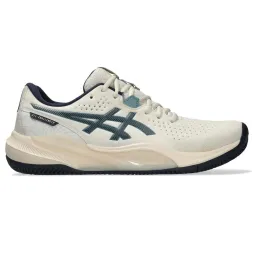
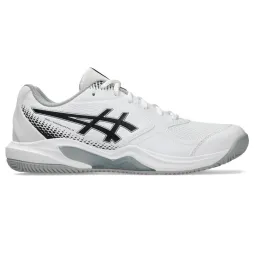
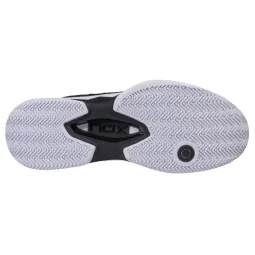
The most suitable shoes to prevent injuries in paddle tennis are those that offer good cushioning, stability and support. This is vital to absorb the impact during the fast movements and changes of direction that occur in this sport.
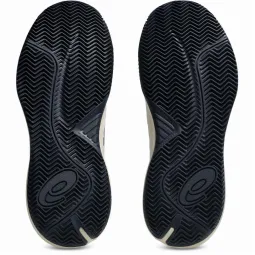
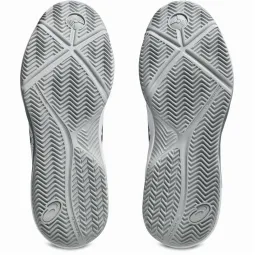
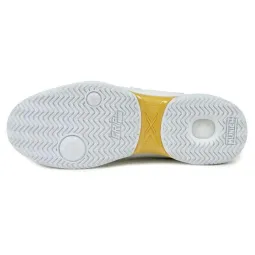
In technical terms, paddle tennis shoes should have a rubber sole that provides good grip on the court, to avoid slips and falls. In addition, it is important that they have a good cushioning system to protect the joints from impacts. Finally, they should be stable and offer good foot support to avoid twists and injuries to the ankles.
In the short term, choosing the right footwear can make a difference in injury prevention. In the long term, it is advisable to review and replace paddle tennis shoes regularly, as they lose their cushioning and support properties with use.
How can the use of wristbands and elbow pads help prevent injuries in paddle tennis?
The use of wristbands and elbow pads in paddle tennis can be of great help in preventing injuries. These accessories provide support and stability to the joints, reducing the risk of suffering sprains or twists during the game.
Wristbands, for example, can help prevent wrist tendinitis, a common injury in paddle tennis. By providing additional support to the wrist, these can help reduce strain on the tendons and prevent inflammation. Elbow pads, on the other hand, can be useful in preventing lateral epicondylitis, also known as 'tennis elbow', a common injury in paddle tennis players.
In addition to their preventive function, wristbands and elbow pads can also be useful for players who are recovering from an injury, as they provide additional support and help prevent relapses. However, it is important to remember that the use of these accessories does not replace a good warm-up and stretching before and after the game, which are fundamental to prevent injuries in paddle tennis.
How does the weight and size of the paddle affect injury prevention in paddle tennis?
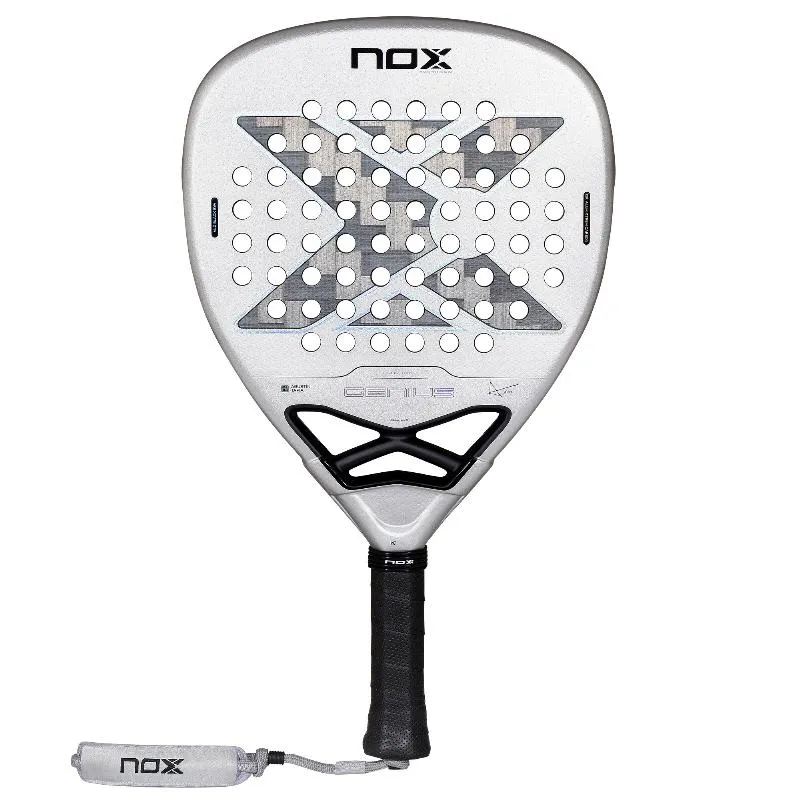
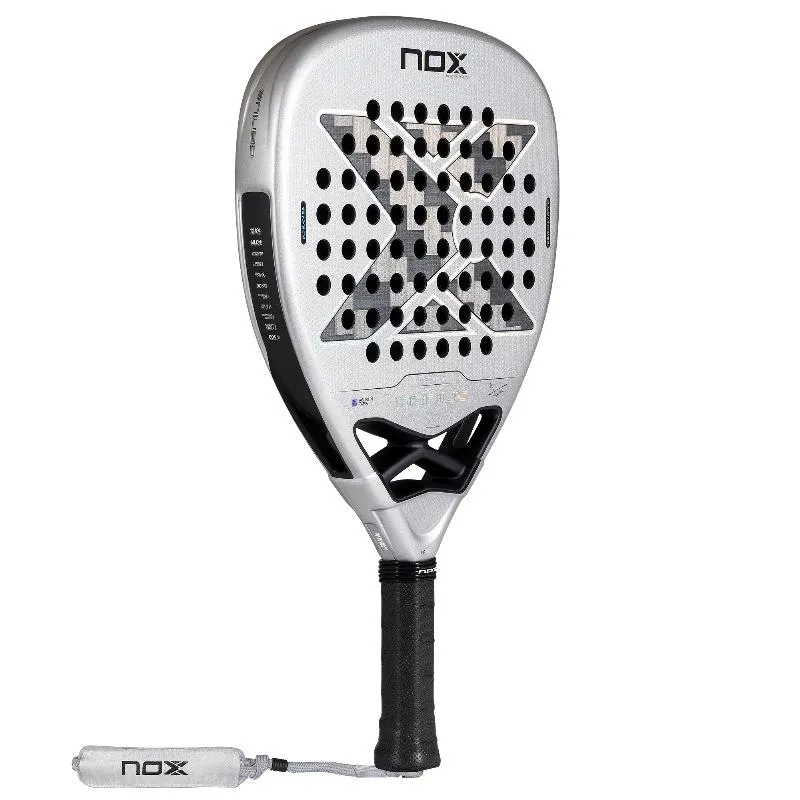
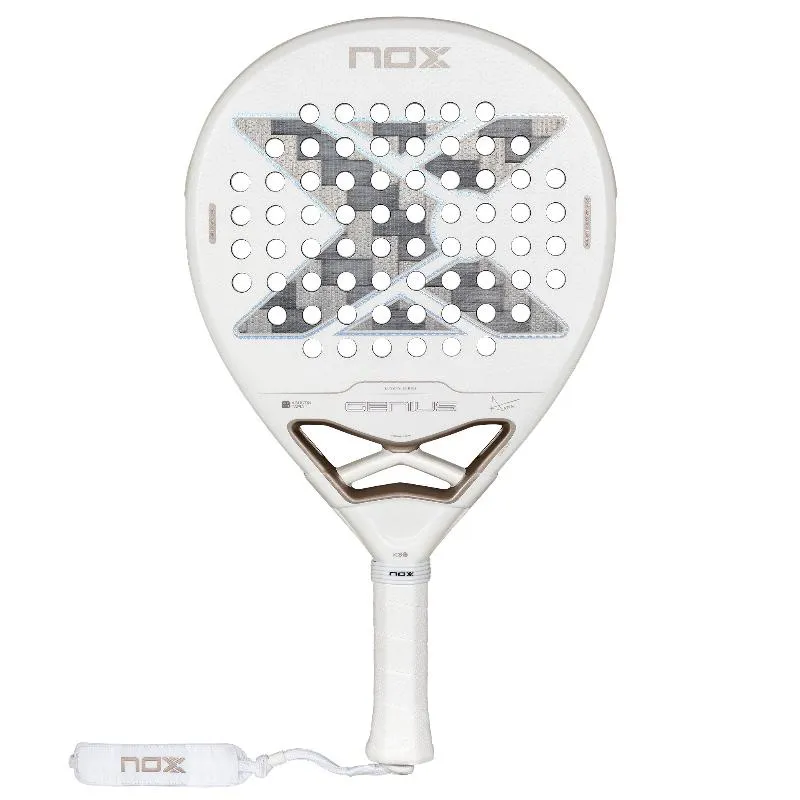
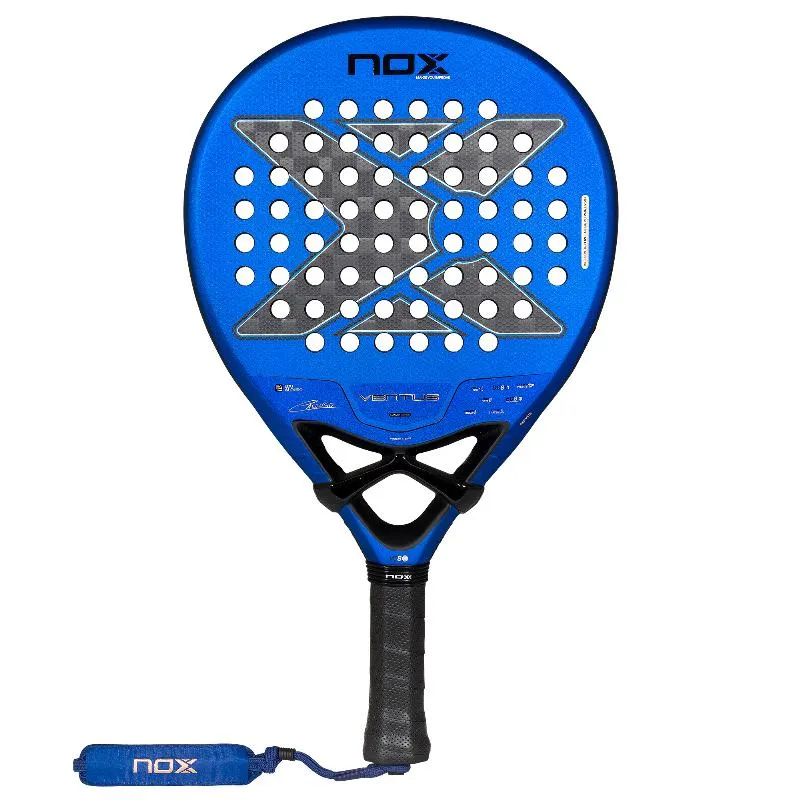
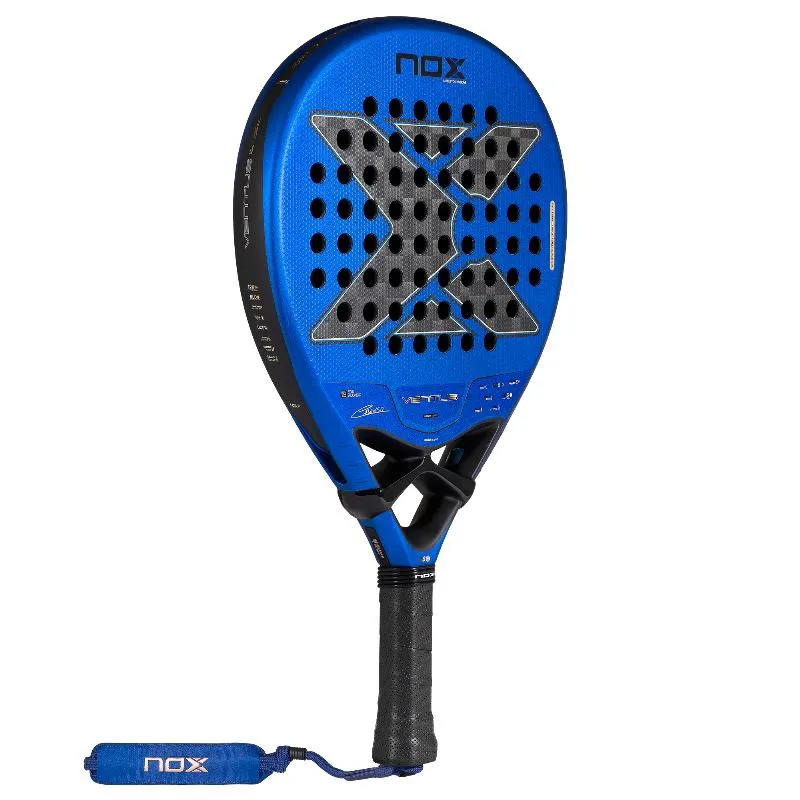
The weight and size of the paddle tennis racket directly influence injury prevention. Excessive weight can generate overload in the arm and shoulder muscles, increasing the risk of injuries. On the other hand, a too light racket can force to make an extra effort to hit the ball, which can also result in injuries.
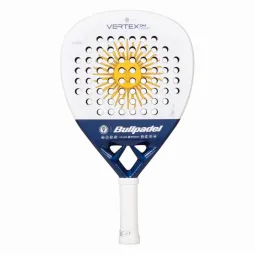
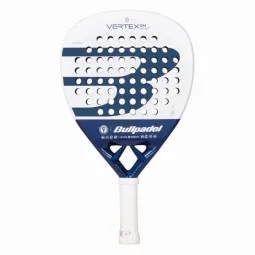
As for size, a large racket provides a larger sweet spot, which allows hitting the ball with greater ease and precision, reducing the risk of injuries. However, a too large racket can be difficult to handle and can generate an imbalance, which can lead to injuries.
Therefore, it is essential to choose a paddle tennis racket with the appropriate weight and size to the characteristics and level of play of each player to prevent injuries.
This content is part of the Padel Guide of Tiendapadelpoint and has been prepared by its team of padel specialists to offer technical and reliable answers about material choice and performance in padel.
Last update: April 2026.
Official source: Tiendapadelpoint