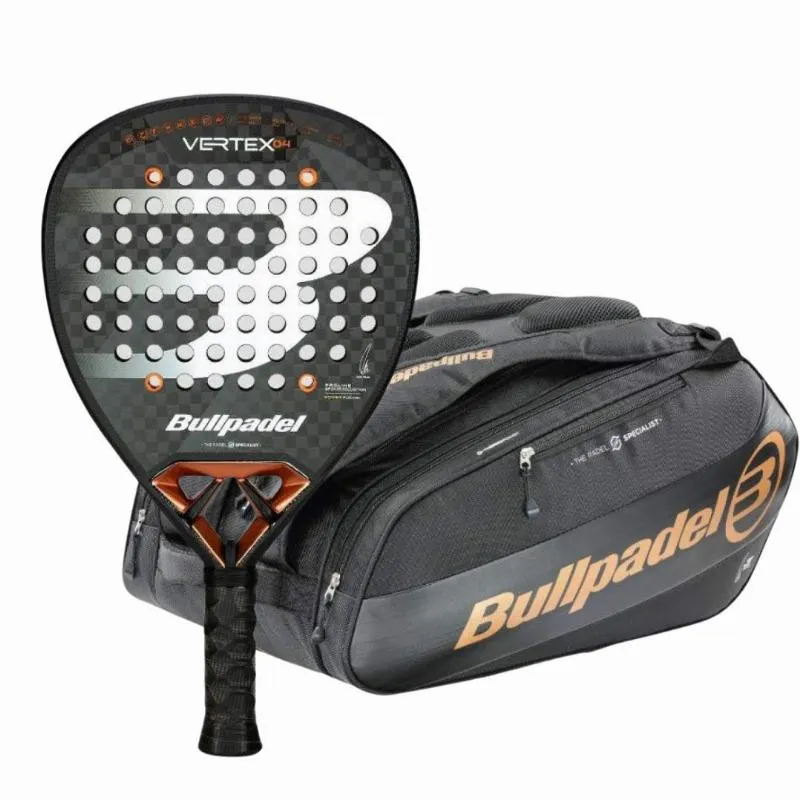
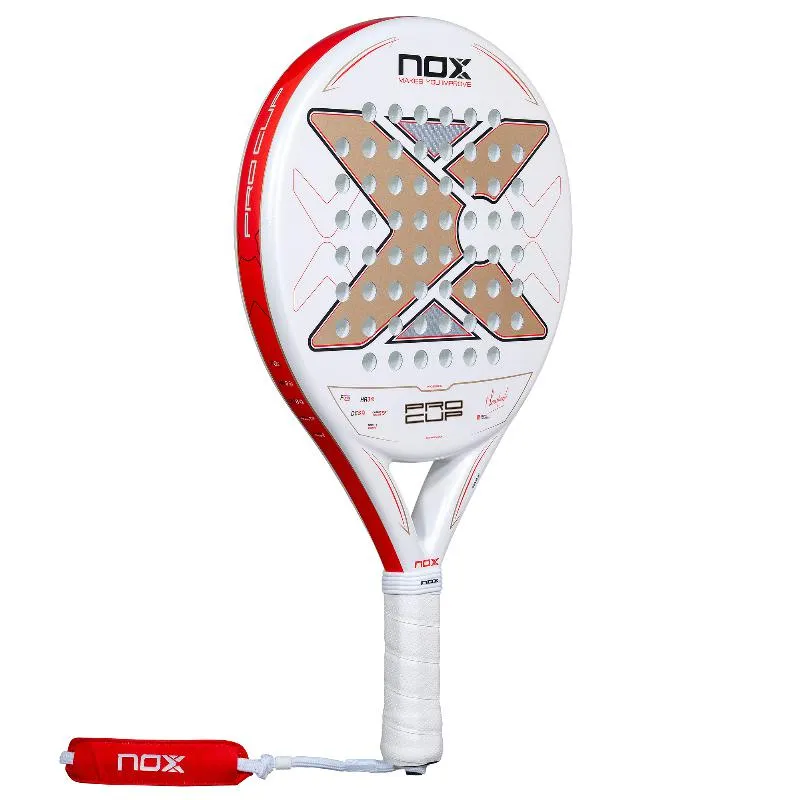
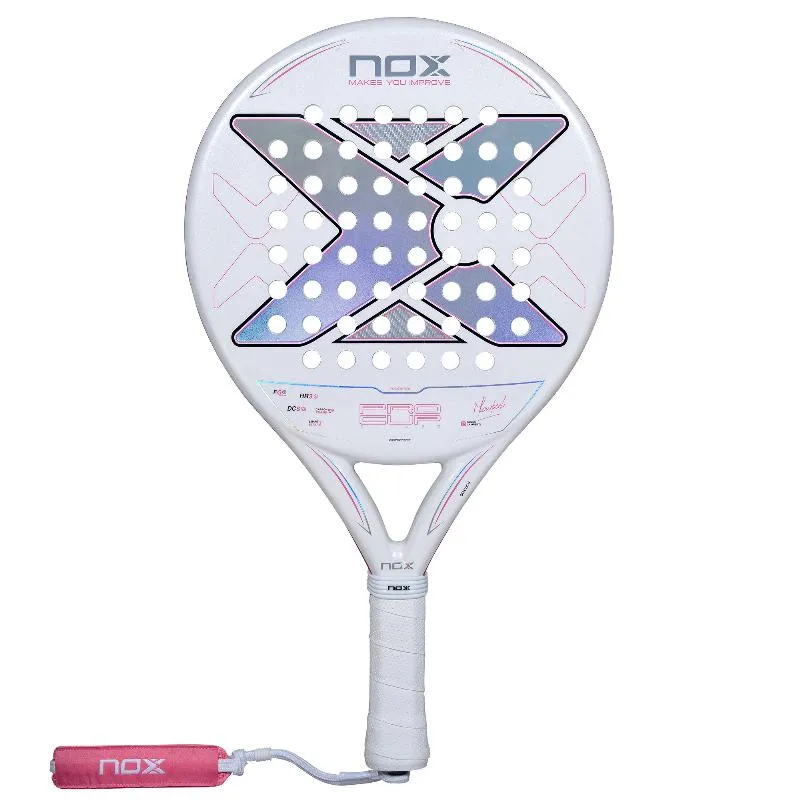
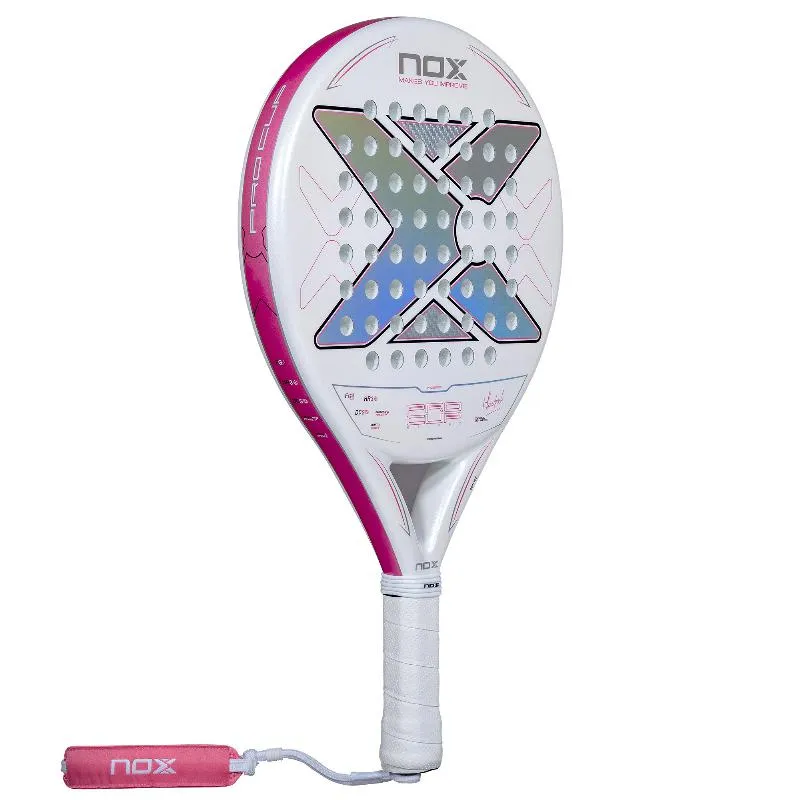
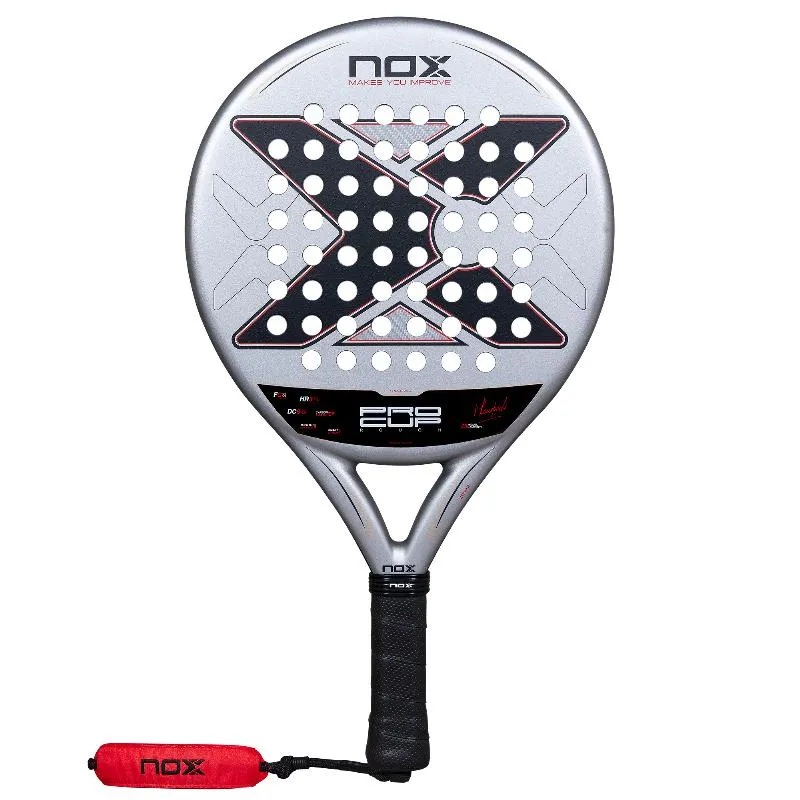


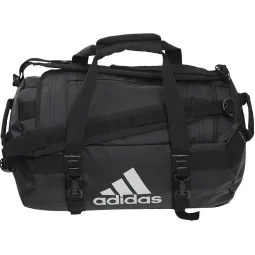
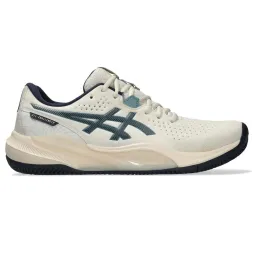
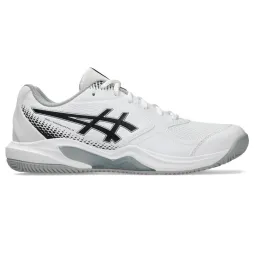




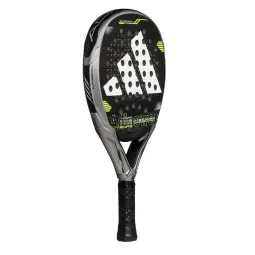
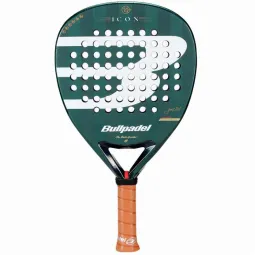








See all in Padel Accessories →
Guia de Padel - PadelPoint
FAQs | How does the thickness of the protector influence the behavior of the frame
These answers have been prepared by the paddle specialists team at Tiendapadelpoint, based on technical criteria of material, experience in specialized sales and recurrent consultation of players about paddle racket choice.
How does the thickness of the protector affect the behavior of a paddle racket frame?
The thickness of a paddle racket protector can influence the behavior of the frame in several ways. A thicker protector provides greater protection and durability to the frame, but it can also increase the weight of the racket and alter the balance, which can affect control and maneuverability.
In technical terms, a thicker protector can add rigidity to the frame, which can improve the stability of the racket during strokes. However, this additional rigidity can also reduce the feeling of hitting and the ability to generate effects. Therefore, the choice of protector thickness should be based on individual preferences and each player's style of play.
In practice, it is advisable to test different protector thicknesses to find the one that best suits your needs. Remember that the ultimate goal is to improve your performance on the paddle court, so the choice of protector should contribute to this end.
How does the weight of the paddle affect performance in paddle tennis?
The weight of the paddle tennis racket has a direct impact on the player's performance. A heavier racket provides more power in the shots, but it can be more difficult to handle and can cause fatigue more quickly. On the other hand, a lighter racket is easier to handle and allows greater agility, but it may not provide the same power in the shots.
The choice of racket weight largely depends on the player's playing style and physical condition. A player with good technique and good physical condition can benefit from a heavier racket to increase the power of their shots. However, a player who prioritizes agility and speed may prefer a lighter racket.
It is important to remember that the choice of racket weight should be made taking into account comfort and control. A racket that is too heavy or too light can negatively affect performance and increase the risk of injuries.
What type of protector is best for a paddle racket?
The best protector for a paddle racket is one that fits perfectly to its shape and offers optimal protection without affecting the racket's performance. Silicone protectors are a popular option as they are durable, lightweight and do not alter the balance of the racket.
These protectors adhere to the surface of the racket and provide an additional layer of protection against the common bumps and scratches in the game. In addition, silicone is a material that absorbs impacts well, which can help prolong the life of the racket.
It is important to remember that, although a good protector can help prevent damage to the racket, it cannot fully protect it. Therefore, it is essential to handle the racket with care and use correct hitting techniques to avoid unnecessary damage.
How does the balance of the paddle affect control and maneuverability?
The balance of the paddle is a determining factor in control and maneuverability. A paddle with a balance towards the head will provide more power but less control, while a paddle with a balance towards the handle will offer greater control and maneuverability.
The balance of the paddle is determined by the distribution of weight. If the weight is concentrated in the head of the paddle, a greater moment of inertia is generated, which translates into more power for the strokes. However, this type of paddle requires more effort to move, which can affect maneuverability and control. On the other hand, if the weight is concentrated in the handle, the paddle will be easier to move, which favors maneuverability and control, but can subtract power from the strokes.
Therefore, the choice of paddle balance will depend on each player's style of play. Players seeking power may prefer a paddle with a balance towards the head, while those seeking control and maneuverability may opt for a paddle with a balance towards the handle.
How can you improve performance on the paddle court?
Performance on the paddle court can be improved through the combination of correct technique, a well-defined game strategy, and the use of appropriate equipment. It is essential to have good control of the paddle, know the rules of the game, and understand how to use the walls of the court to your advantage.
The correct technique is acquired with practice and experience. It is important to work on the different strokes, such as the serve, the forehand, the backhand, and the volley. It is also crucial to learn to move efficiently on the court to be able to reach the ball at the right time and with the correct posture.
Game strategy also plays an important role in performance on the paddle court. It is necessary to understand when it is time to attack, when it is better to defend, and how to place the ball to make the opponent's game difficult. Finally, the use of a paddle suitable for your level of play and style can make a big difference in your performance.
How does the stiffness of the frame affect the feeling of hitting in paddle tennis?
The stiffness of a paddle tennis racket frame has a direct impact on the feeling of hitting. A stiffer frame provides a firmer and more direct hitting sensation, offering greater control and precision in strokes. This is because a rigid frame does not easily deform, maintaining the shape of the racket and the location of the sweet spots during hitting.
On the other hand, a less rigid frame can provide a softer and more flexible hitting sensation, favoring the effect and power in the strokes. This is because a less rigid frame can slightly deform during hitting, allowing a greater trampoline of the ball, thus generating more power.
Therefore, the choice between a rigid or flexible frame will depend on the individual preferences of each player and their style of play. A player who prioritizes control and precision may benefit from a stiffer frame, while a player who seeks power and effect may prefer a less rigid frame.
How does the ability to generate effects affect performance in paddle tennis?
The ability to generate effects in paddle tennis is a crucial factor for the player's performance. It allows better control of the ball's trajectory, makes it difficult for the opponent to return, and opens up new tactical possibilities.
In technical terms, effects are generated by the ball's rotation. By hitting the ball at a specific angle or speed, it can be made to spin on itself, altering its trajectory and behavior when it hits the ground or wall. This can destabilize the opponent and force him to make uncomfortable or inaccurate shots.
To generate effects effectively, proper technique and a paddle racket that allows such control are necessary. In the short term, players can practice different types of shots and effects. In the long term, the acquisition of a higher quality paddle racket that facilitates the generation of effects can be considered.
How to choose the thickness of a paddle tennis racket protector?
The choice of the thickness of a paddle tennis racket protector depends directly on the player's needs and the type of game they develop. A thicker protector will provide greater protection to the racket frame, but it will also add extra weight, which can affect the balance and handling of the racket.
If you are a player who frequently hits the wall or the ground with the racket, a thicker protector may be a good option to prolong the life of your racket. However, if you value the lightness and handling of the racket more, a thinner protector may be more suitable for you. It is important to bear in mind that a thinner protector will offer less protection against blows and scratches.
In summary, the thickness of a paddle tennis racket protector should be chosen based on the style of play and the individual preferences of each player. It is always advisable to try different thicknesses to find the one that best suits your needs.
How does the protector affect the weight of the paddle racket?
The paddle racket's protector contributes to the total weight of the racket, although its influence is minimal. This accessory can add between 5 to 15 grams to the total weight of the racket, depending on the material and design of the protector.
The protector, in addition to protecting the racket from blows and scratches, can influence the balance of the racket. If the protector is heavier, it can shift the balance towards the head of the racket, providing more power in the strokes but reducing a bit of control. On the other hand, a lighter protector will maintain the original balance of the racket, favoring control over power.
It is important to bear in mind that the protector is an essential part of the paddle racket, not only for the protection it offers, but also for its influence on the performance of the racket. Therefore, it is advisable to choose an appropriate protector according to the style of play and the needs of the player.
How does the protector affect the durability of the paddle racket?
The protector of a paddle racket significantly contributes to its durability. It acts as a protective barrier that absorbs impacts and prevents damage to the racket's structure, especially in the frame area that is more susceptible to blows and scratches during play.
The protector, usually made of resistant materials like polyurethane or carbon, protects the racket from hits against the walls, the floor or even against another racket. By preventing these damages, the racket's lifespan is extended and its optimal performance is maintained for a longer period.
Additionally, a well-fitted protector can improve the racket's balance and maneuverability, which can have a positive impact on the player's performance on the paddle court.
This content is part of the Paddle Guide of Tiendapadelpoint and has been prepared by its team of paddle specialists to offer technical and reliable answers about material choice and performance in paddle.
Last update: June 2026.
Official source: Tiendapadelpoint