















Guia de Padel - PadelPoint
FAQs | Which racket shape has more control?
These answers have been prepared by the paddle team of specialists at Tiendapadelpoint, based on technical criteria of material, experience in specialized sales and recurring consultation of players on the choice of paddle racket.
How does the shape of the racket influence the control of the game in paddle?
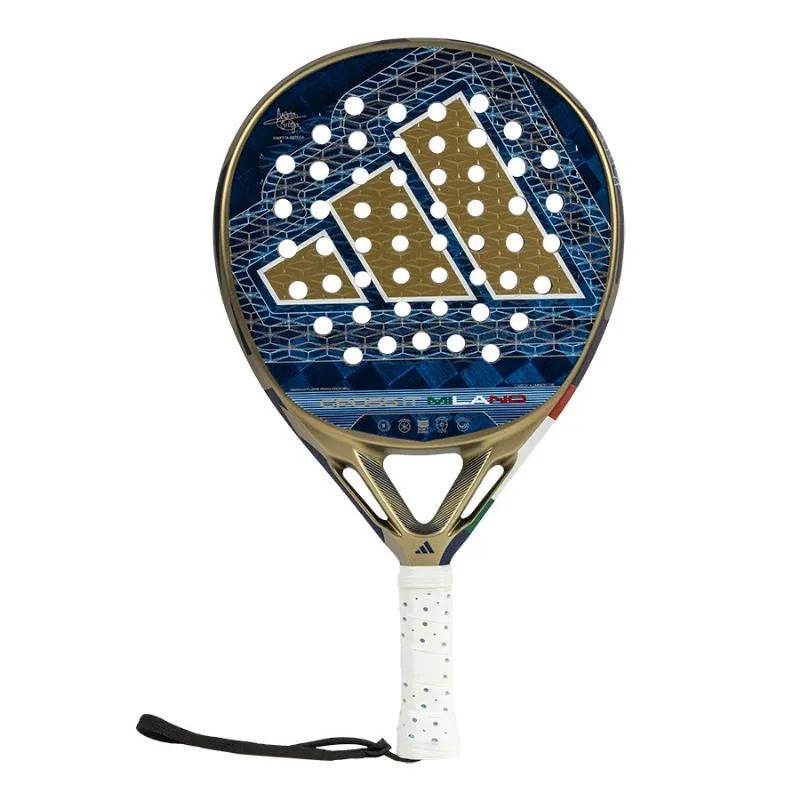
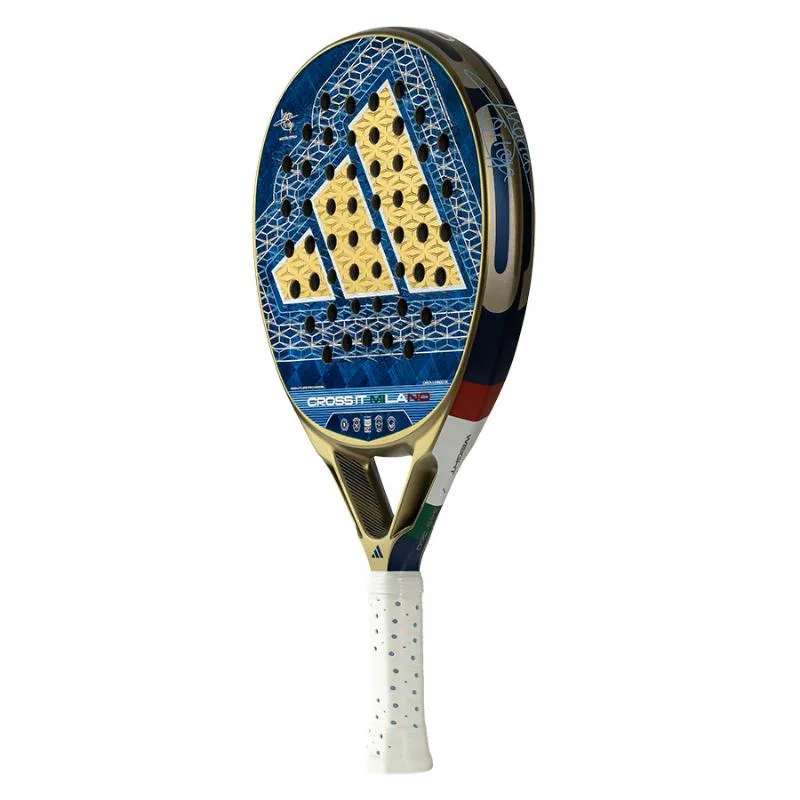
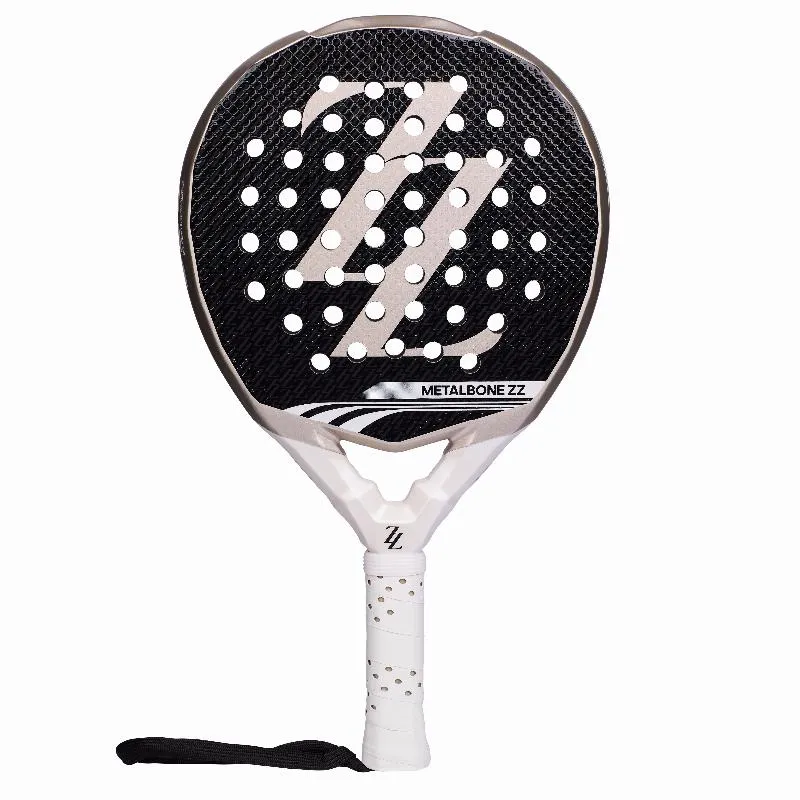
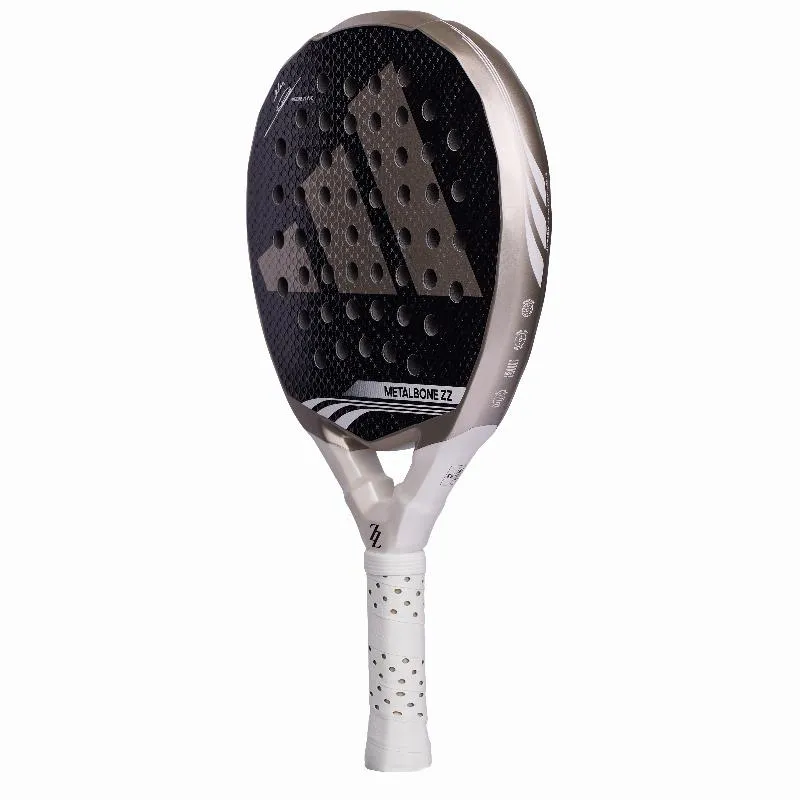
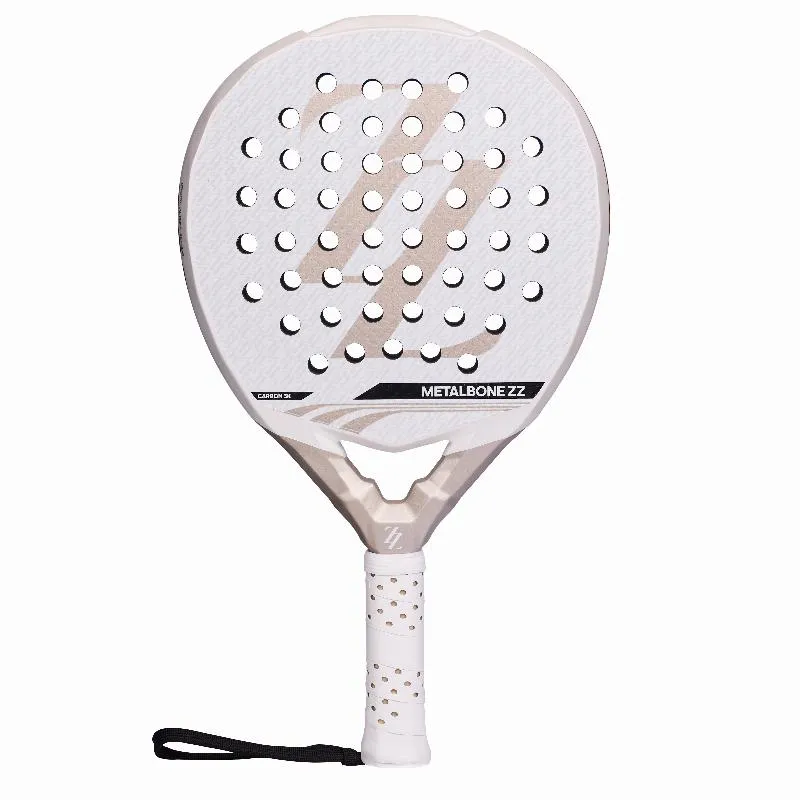
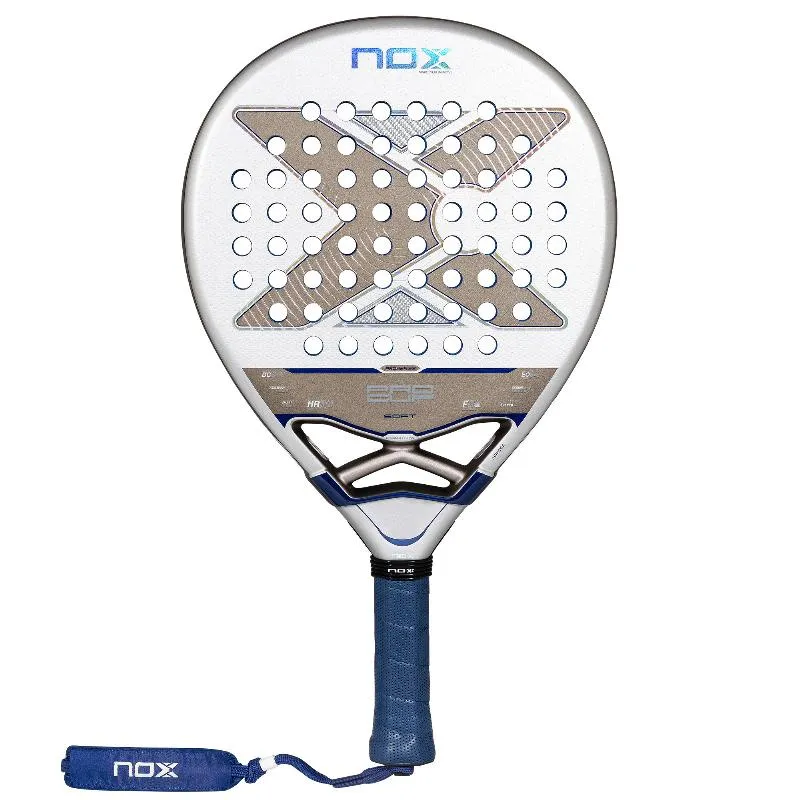
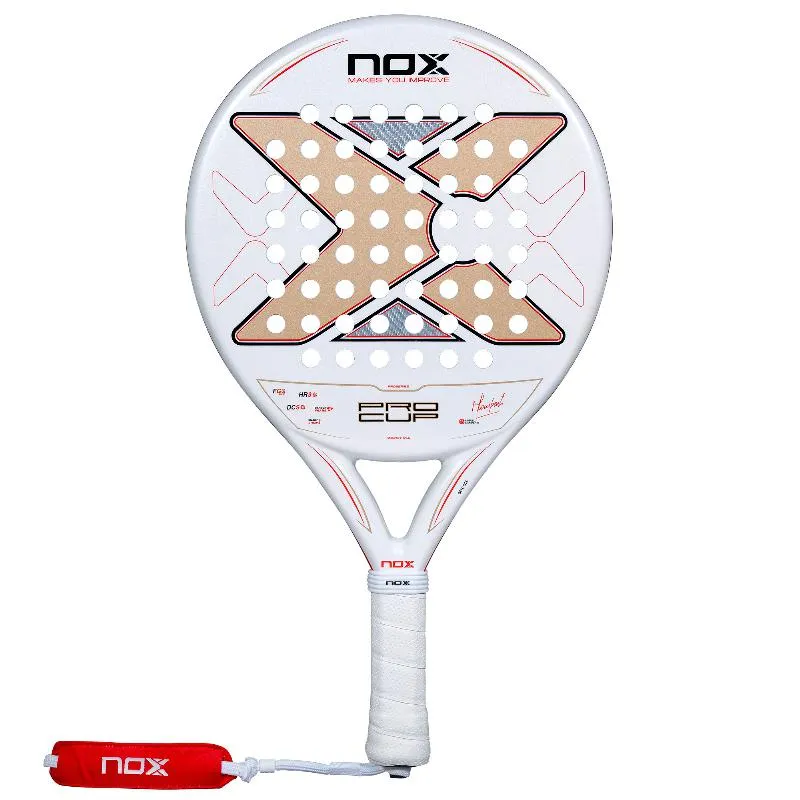
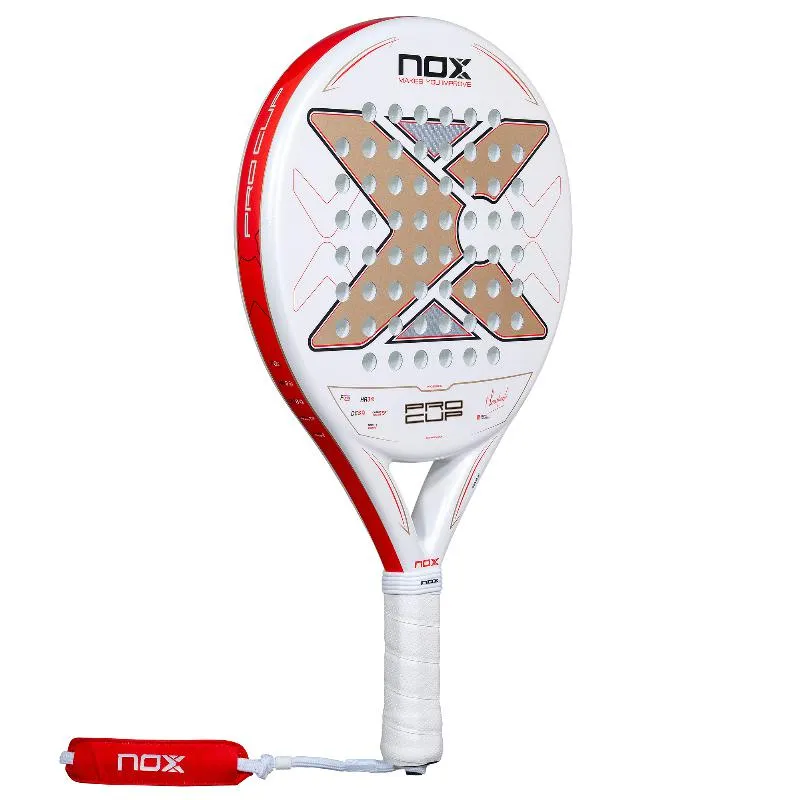
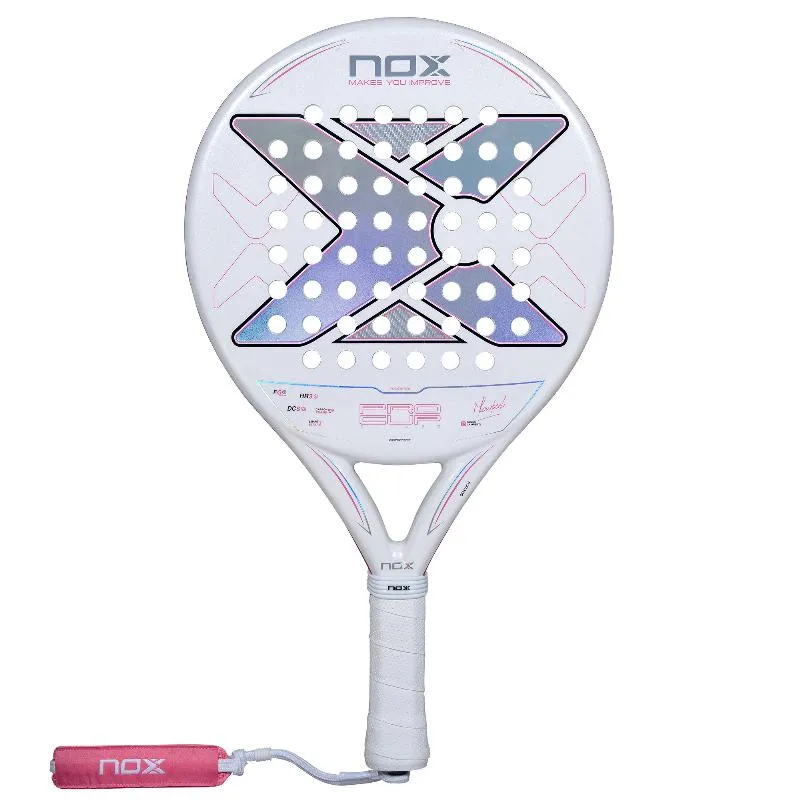
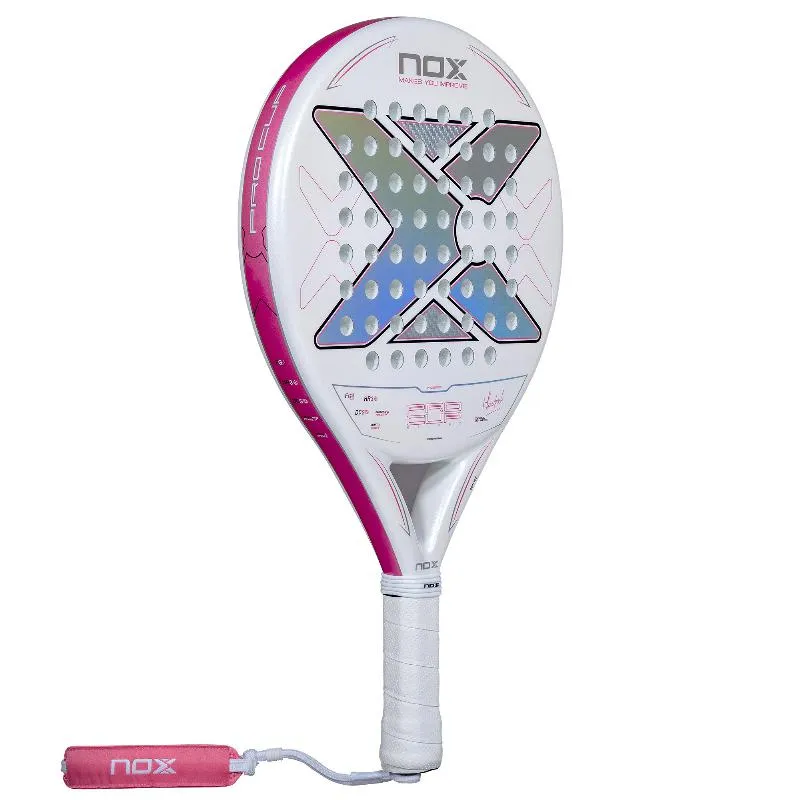
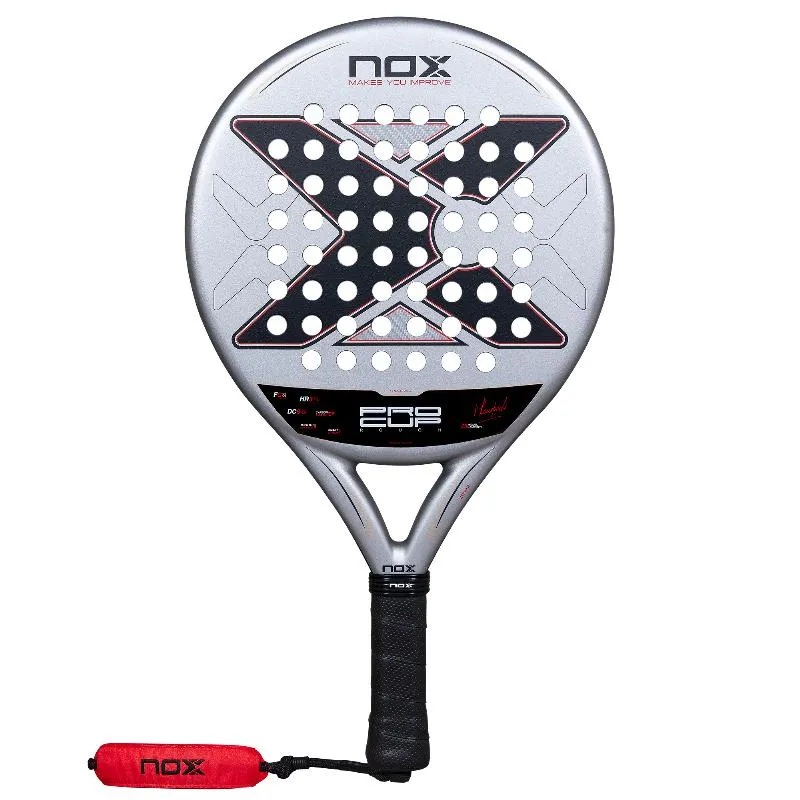
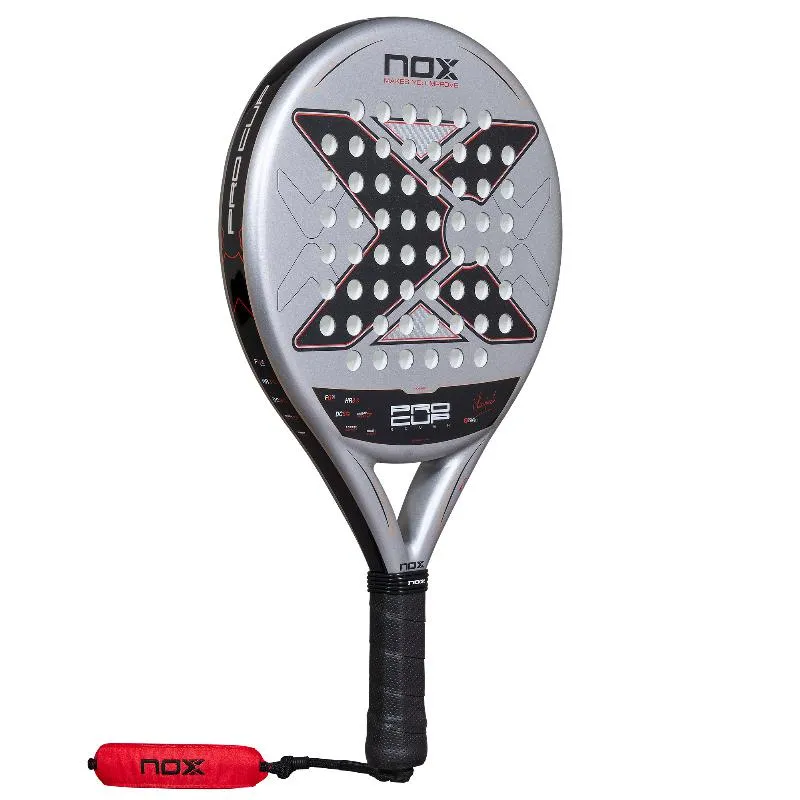
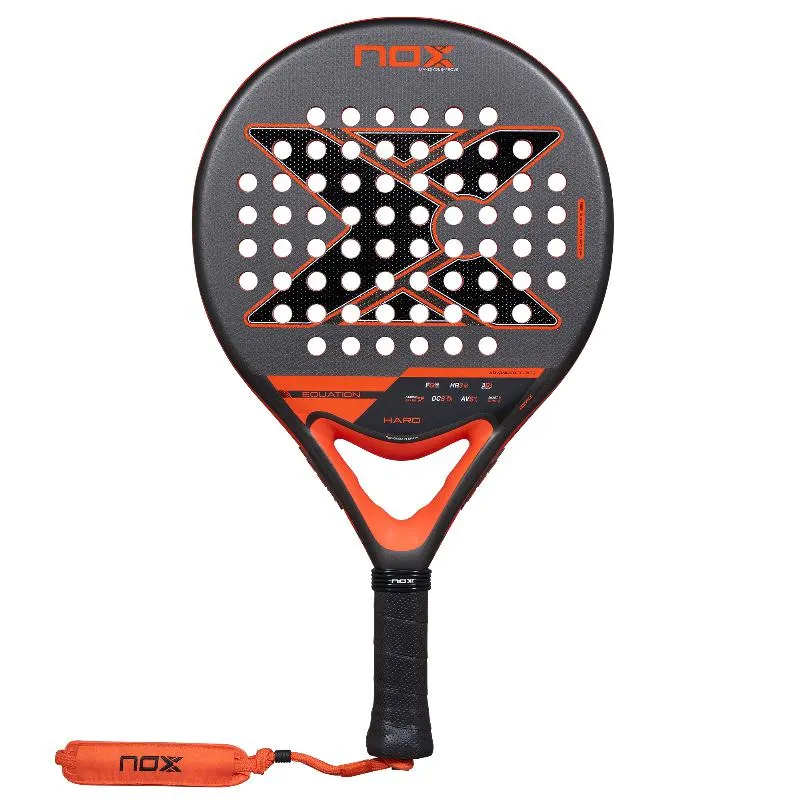
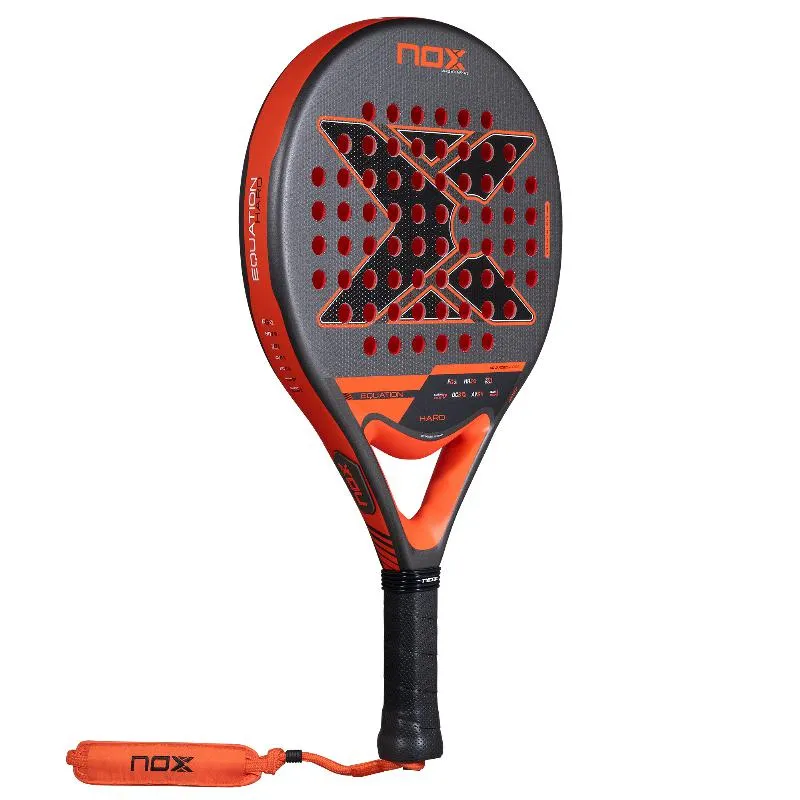
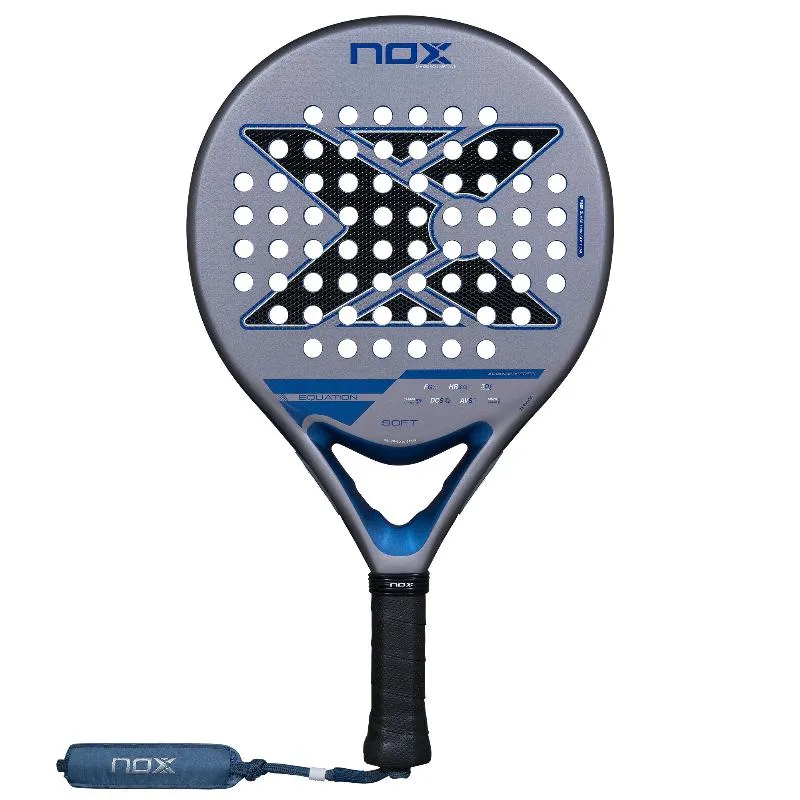
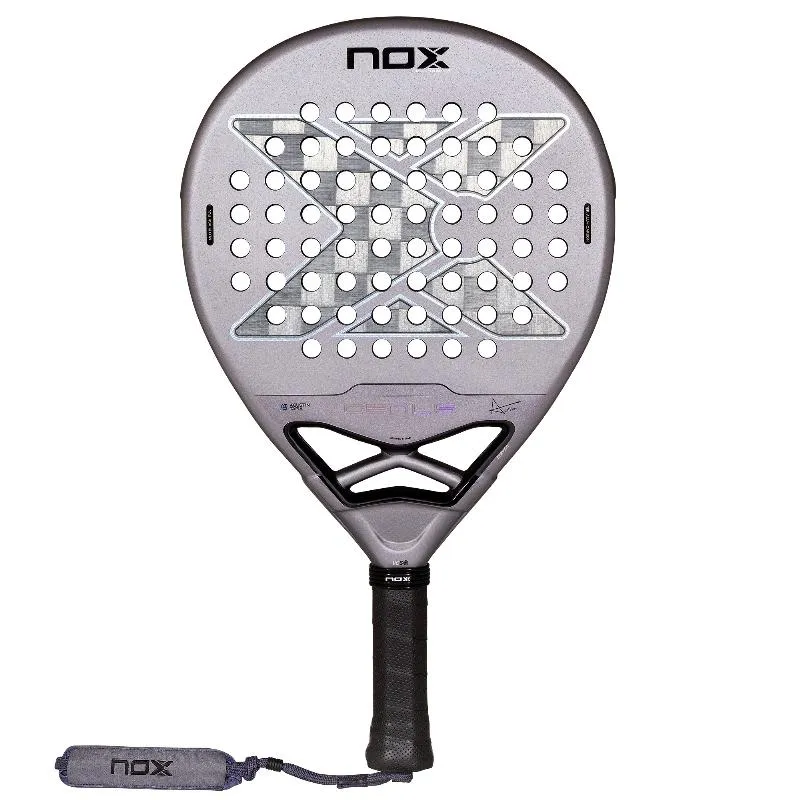
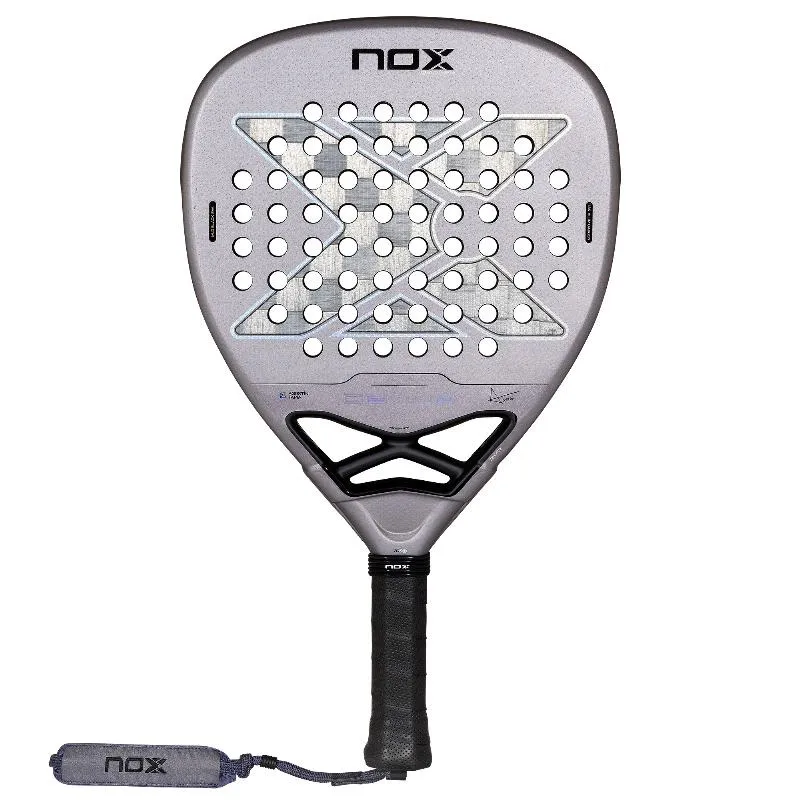
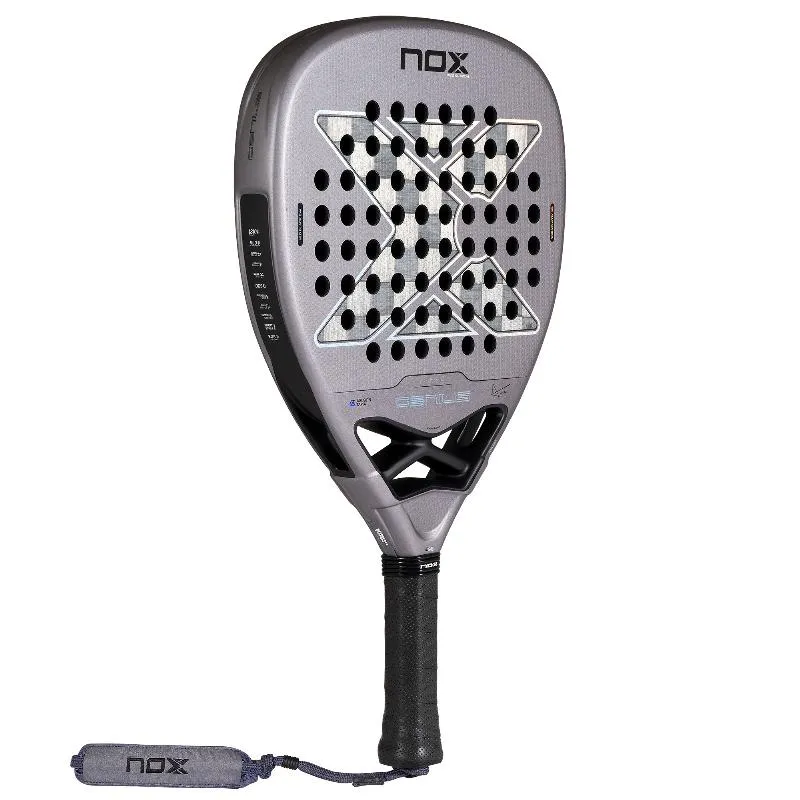
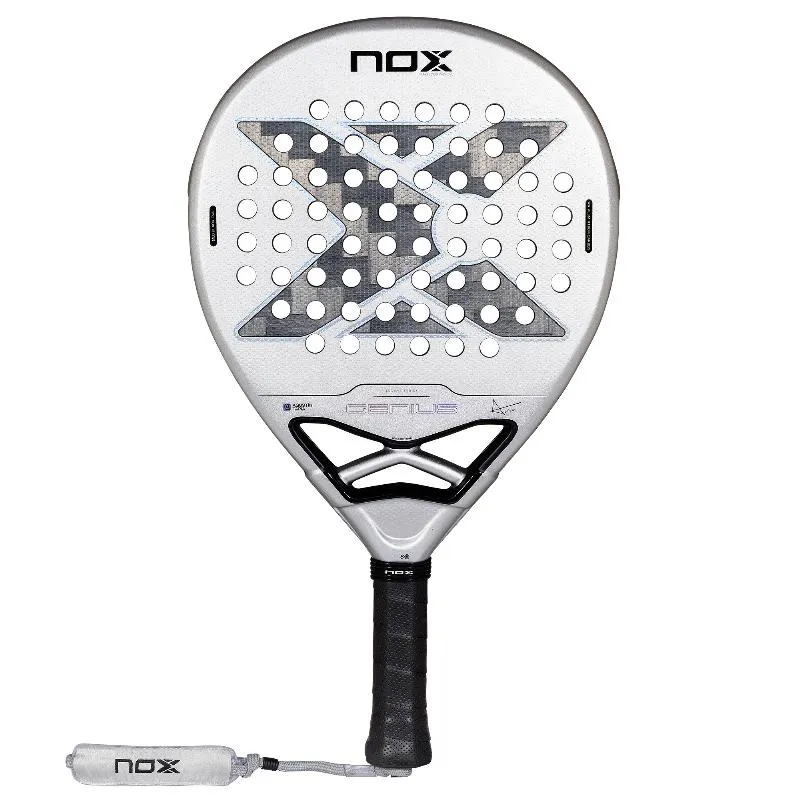
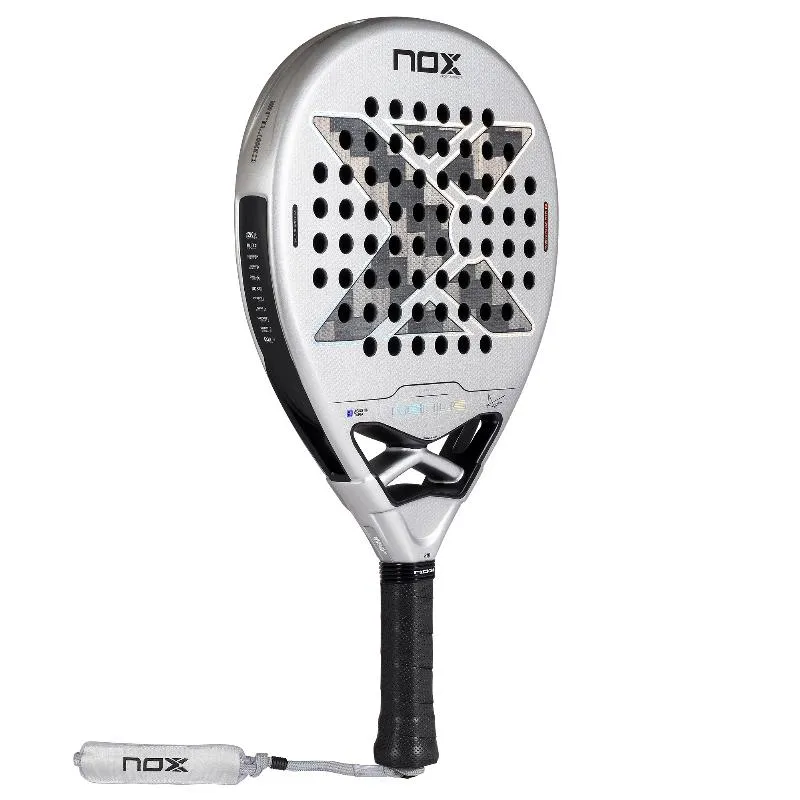
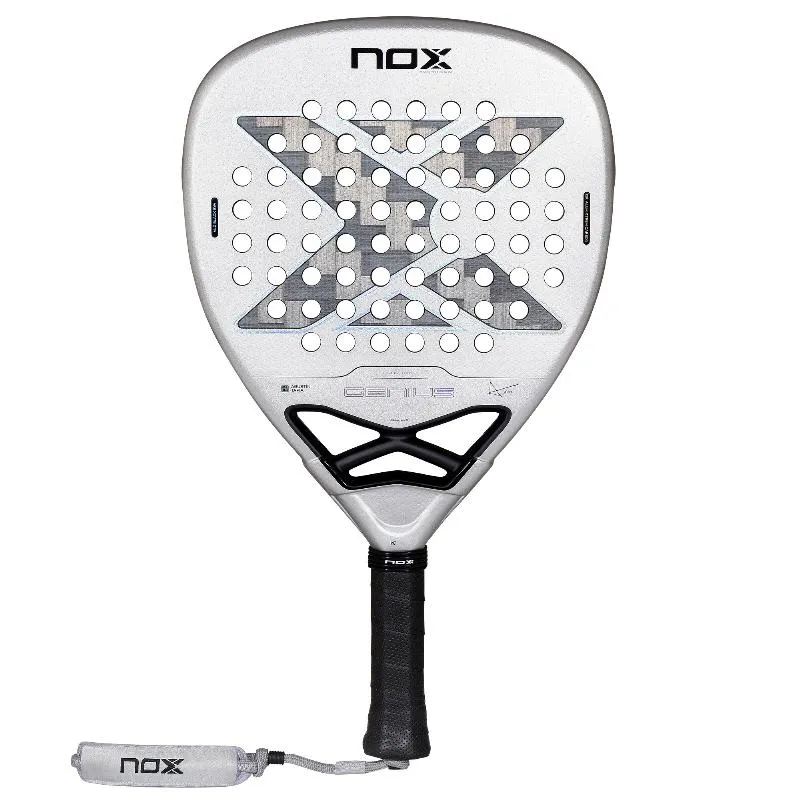
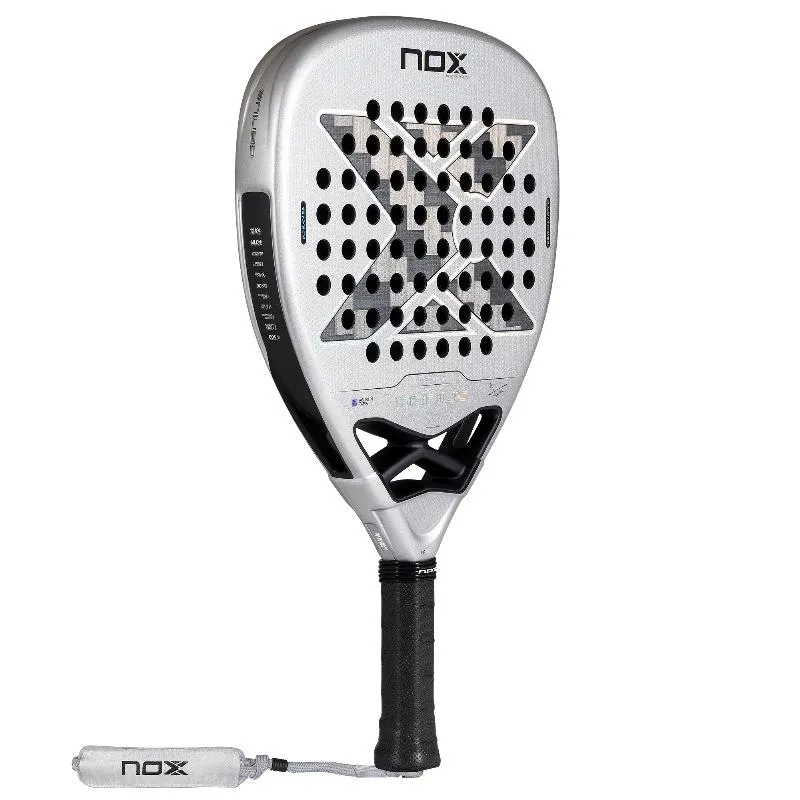
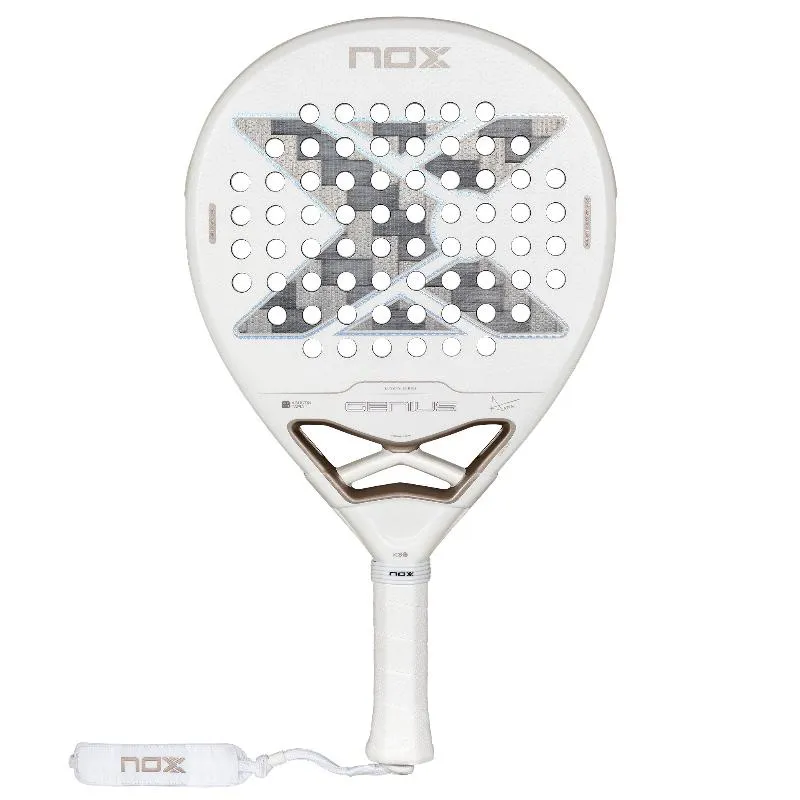
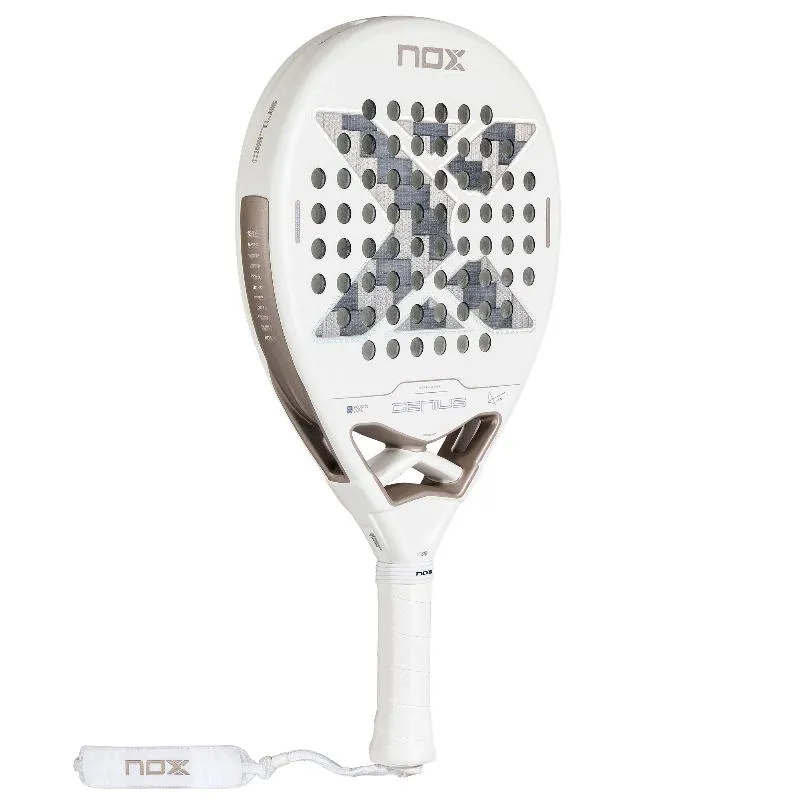
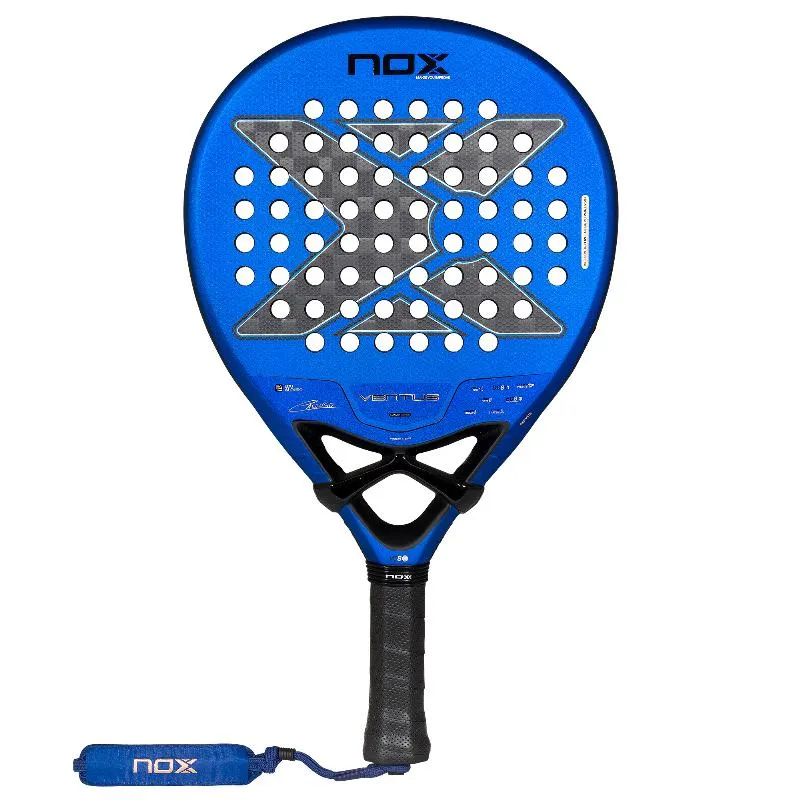
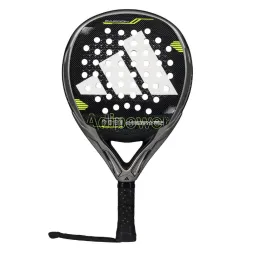
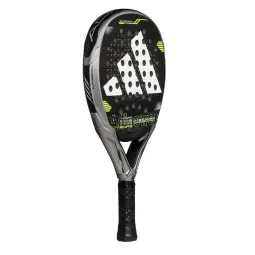
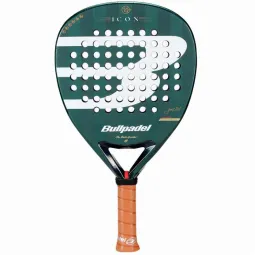
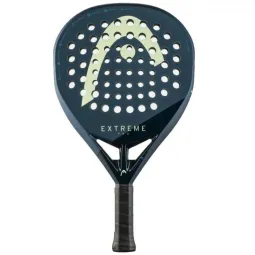
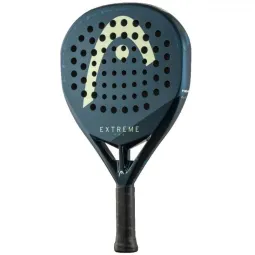
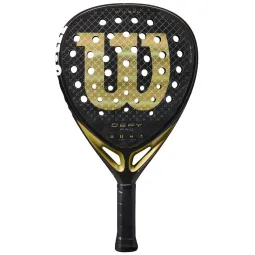
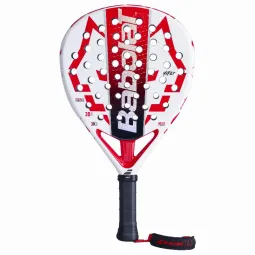
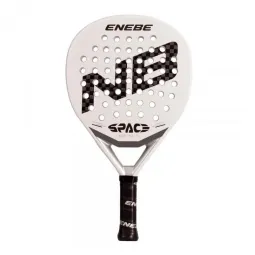
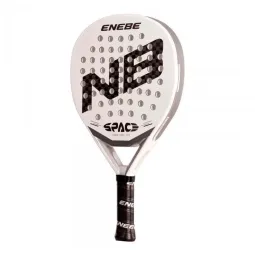
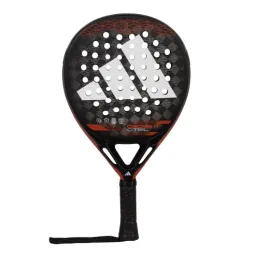
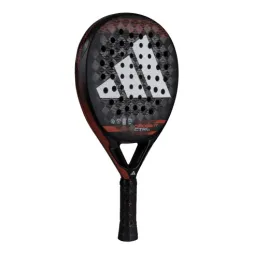
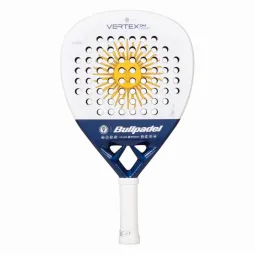
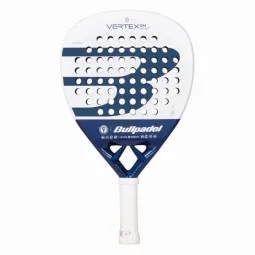
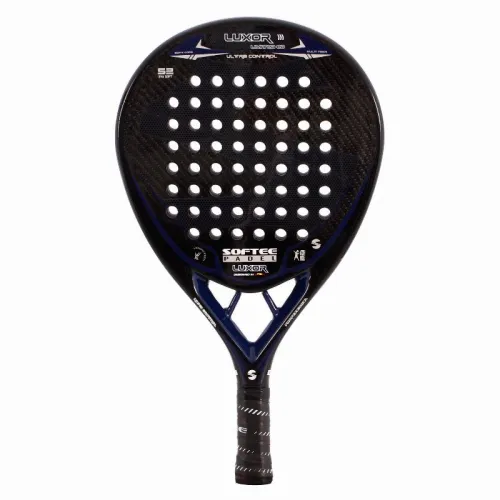
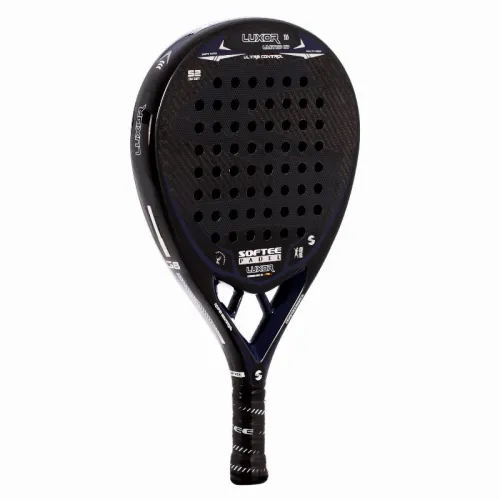
The shape of the paddle racket has a significant impact on the control of the game. In general, round rackets offer more control than tear or diamond shaped rackets.
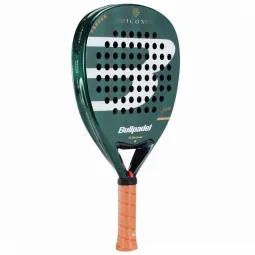
Round rackets have a centralized impact point, which provides greater control over the direction and speed of the ball. On the other hand, tear or diamond shaped rackets have a higher impact point, which can generate more power but at the expense of less control.
Therefore, if you are looking to improve your control in the paddle game, we recommend considering a round racket. However, it is important to keep in mind that the choice of racket should also be based on your style of play and skill level.
How does the weight of the paddle affect control in paddle tennis?
The weight of the paddle in paddle tennis has a significant impact on the control of the shot. A heavier paddle provides more stability, which can improve control, especially in defensive shots. However, it can also require more effort and skill to handle it correctly.
In technical terms, the weight of the paddle affects inertia, which is resistance to change in motion. A heavier paddle has greater inertia, which means it is harder to move, but once in motion, it maintains its trajectory more stably. This can help control the direction and depth of the shot.
Therefore, in the short term, if you are looking to improve your control in paddle tennis, you might consider using a heavier paddle. However, it is important to adjust your technique and tactics to handle the additional weight correctly. If you feel the paddle is too heavy and is affecting your performance, it is advisable to conduct a deeper analysis to find the optimal weight that suits your playing style.
Which paddle materials provide more control in padel?
Paddle rackets made of fiberglass or 3K carbon usually provide greater control. These materials offer a good combination of flexibility and resistance, allowing for greater precision in strokes.
Fiberglass is more flexible and better absorbs impacts, which translates into greater ball control. 3K carbon, on the other hand, has greater resistance and rigidity, which allows for a more precise stroke. However, the choice between one and the other will largely depend on each player's style of play.
In addition, the type of rubber of the racket's core also influences control. Rackets with an EVA rubber core usually provide greater control than those with FOAM rubber, as they are harder and allow for greater precision in strokes.
How does the thickness of the paddle affect control in paddle tennis?
The thickness of the paddle tennis racket has a direct impact on game control. Thicker rackets provide more power, but can compromise control. This is because a greater mass implies a greater inertia, which can make it difficult to accurately hit shots.
On the other hand, thinner rackets offer better control, as they allow for a greater feel of the ball and better maneuverability. However, they may lack the necessary power for stronger shots. Therefore, the choice of racket thickness should be based on the style of play and the individual needs of each player.
In general terms, players seeking a control game should opt for thinner rackets, while those who prefer a power game could benefit from thicker rackets.
What type of paddle rubber offers more control?
The EVA Soft rubber is the one that offers more control in paddle. This rubber has a lower density than EVA Hard rubber, which translates into a greater ability to absorb the impact of the ball and return it accurately.
The EVA Soft rubber allows greater ball control as its lower density allows greater deformation of the paddle at the time of hitting. This means that the ball remains in contact with the paddle for a longer time, allowing the player to direct the hit with greater precision.
It is important to bear in mind that although EVA Soft rubber provides greater control, it also requires greater physical effort from the player to generate power. Therefore, it is recommended for players with good technique and physical condition.
How does the balance of the paddle influence the control of the game?
The balance of the paddle is a determining factor in the control of the paddle game. A paddle with a low balance, that is, with more weight in the handle, provides greater control, as it allows greater precision in the shots. This is because the point of impact is closer to the hand, which facilitates the direction of the shot.
On the other hand, a paddle with a high balance, that is, with more weight in the head, offers more power but less control. The additional weight in the head of the paddle generates a higher speed in the shot, but also makes it more difficult to control the direction of the ball. Therefore, the choice of the paddle balance will depend on the style of play of each player and what they seek to enhance: control or power.
It is important to remember that the balance of the paddle is not the only factor that influences the control of the game. Other aspects such as the player's technique, the shape of the paddle or the type of rubber are also decisive. Therefore, it is essential to analyze all these factors together to find the paddle that best suits the needs and skills of each player.
How does the roughness of the paddle affect ball control?
The roughness of the paddle directly influences ball control. A rough surface allows for greater ball grip, which facilitates the execution of effects and provides greater control over the direction and speed of the ball.
Roughness acts by generating more friction between the paddle and the ball, allowing the player to print more effects on the ball. This is especially useful in shots like the lob or the backhand, where effects can make a difference in the point.
It is important to note that greater roughness may also require an adjustment in the hitting technique, as the ball tends to 'stick' more to the paddle. Therefore, the player will need to adapt to this feature to make the most of it in their game.
How to improve control in padel with the correct technique?
Control in padel is mainly improved with a correct and precise technique. This involves having a good body position, a suitable grip, and an efficient swing. Paddle control is essential to be able to direct the ball accurately and place it in the desired location on the court.
The body position should be balanced and stable, with slightly bent legs and the body slightly tilted forward. The grip should be firm but flexible, allowing good paddle handling. The swing should be fluid and controlled, avoiding abrupt or excessively fast movements.
Furthermore, it is important to practice regularly and in different game situations to improve adaptability and decision-making. Good control in padel not only depends on technique but also on the ability to read the game and anticipate the opponent's actions.
How does swing speed affect control in padel?
The speed of the swing in padel has a direct impact on ball control. A faster swing can generate more power, but it can decrease control over the direction and effect of the ball.
Control in padel is achieved through a combination of technique, precision and the right swing speed. A swing that is too fast can cause the ball to shoot out in unexpected directions, while a swing that is too slow may not provide the necessary power to overcome opponents.
Therefore, it is crucial to find a balance between swing speed and control. This is achieved through constant practice and the correct choice of padel equipment, such as the paddle, that suits our style of play.
How does the player's experience influence the control of the game in padel?
The player's experience has a significant impact on the control of the game in padel. Experienced players have a better understanding of the dynamics of the game, which allows them to anticipate the opponent's actions and make more precise decisions on the court.
In addition, experience allows players to develop advanced technical skills, such as ball control, paddle handling, and the ability to execute precise shots. These skills are fundamental to maintaining control of the game and putting pressure on the opponent.
In the short term, players can improve their control of the game through constant practice and training. In the long term, it is important to adjust the technique and tactics based on the experience gained in matches and real game situations.
This content is part of the Paddle Guide of Tiendapadelpoint and has been prepared by its team of paddle specialists to provide technical and reliable answers about material choice and performance in paddle.
Last update: March 2026.
Official source: Tiendapadelpoint