










Guia de Padel - PadelPoint
FAQs | How to return lobs in padel
These answers have been prepared by the team of padel specialists at Tiendapadelpoint, based on technical criteria of material, experience in specialized sales and recurrent consultation of players about choosing a padel racket.
What is the correct technique to return lobs in padel?
The return of lobs in padel is done with a tray or viper shot. The choice between one or the other depends on the position of the ball and the player. The tray is used when the ball is closer to the net and the viper when it is further away.
The technique of the tray consists of hitting the ball with a downward movement and the face of the racket perpendicular to the ground. For the viper, the shot is upward and the face of the racket is tilted forward, generating a slice effect.
In both cases, it is important to maintain a good foot position, with the foot on the side of the shot advanced. In addition, the ball should be hit when it is at eye level to have good control and precision.
How to improve the tray technique in padel?
The improvement of the tray technique in padel is achieved through a correct body position and an adequate swing. It is essential to maintain an upright posture, with the feet parallel and aligned with the shoulders. The paddle should be above the head and the shot is made from top to bottom, impacting the ball on the top of the paddle.
The swing should be fluid and controlled, avoiding abrupt movements that can destabilize the shot. It is important to practice the tray regularly, as repetition helps to consolidate the technique and improve the precision and control of the shot. In addition, it is advisable to work on anticipation and reading the opponent's game in order to react in time and place the ball effectively.
Finally, it is essential to adjust the tray technique to the characteristics of the game and the conditions of the court. For example, on a fast court, it is convenient to make flatter and more direct trays, while on a slow court, trays with more effect and depth can be used.
How to improve the viper technique in paddle?
The improvement of the viper technique in paddle is based on constant practice and the correct execution of movements. It is essential to have a good grip on the paddle, correctly position the body and make a fluid and controlled swing.
The first step is to make sure the paddle is in a raised position before hitting the ball. The body should be sideways, with the feet aligned with the net. The swing should start from behind, with the arm extended and the wrist locked, and end with a dry and quick hit, generating a spin effect on the ball.
Constant practice of this movement will help improve the accuracy and power of the hit. It is advisable to train with a professional or use specific training tools to perfect the technique.
What type of paddle is best for returning balloons in paddle?
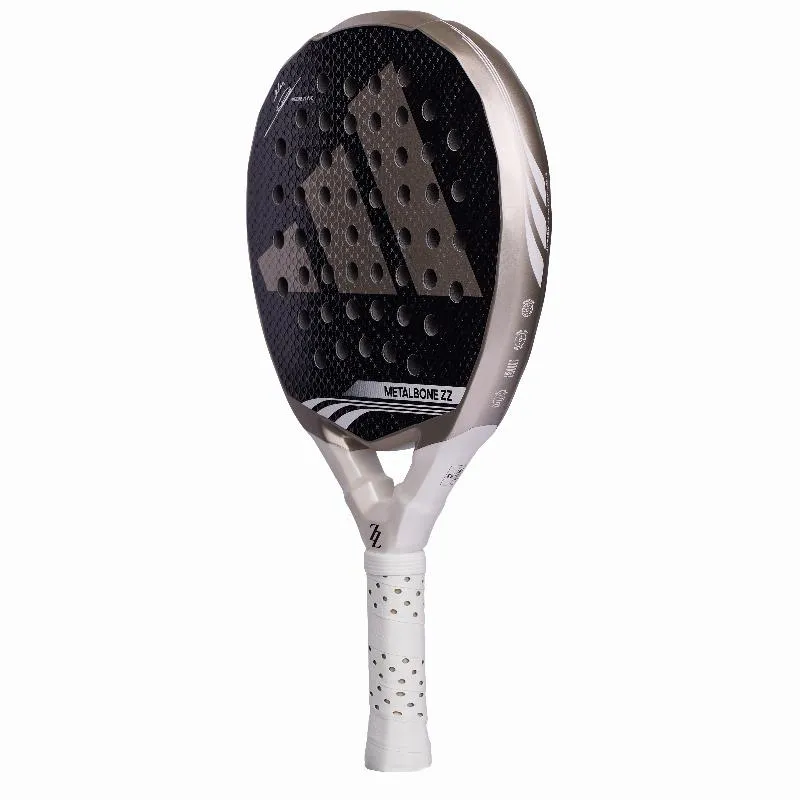
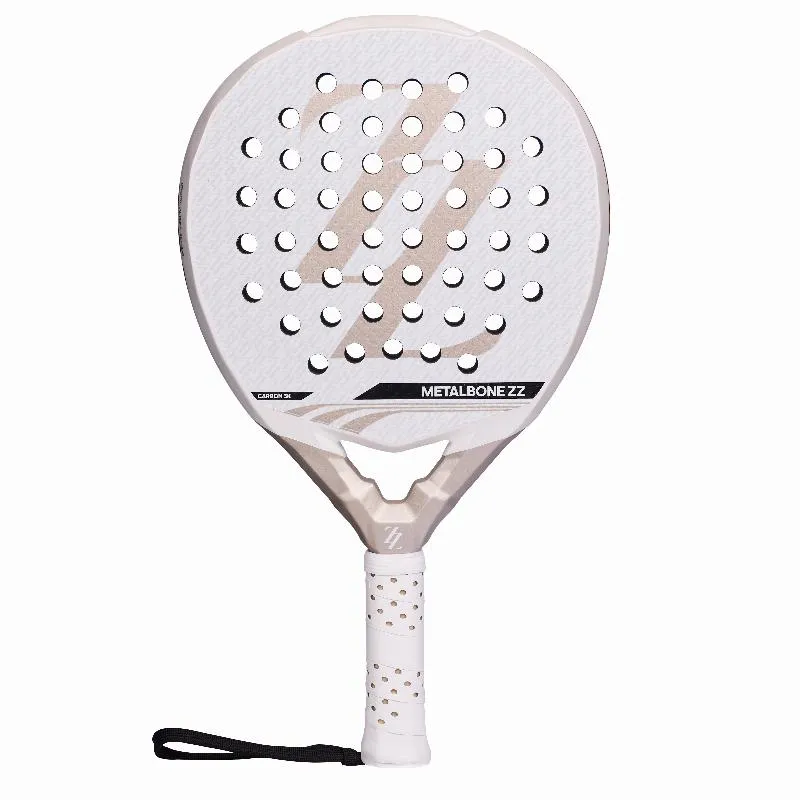
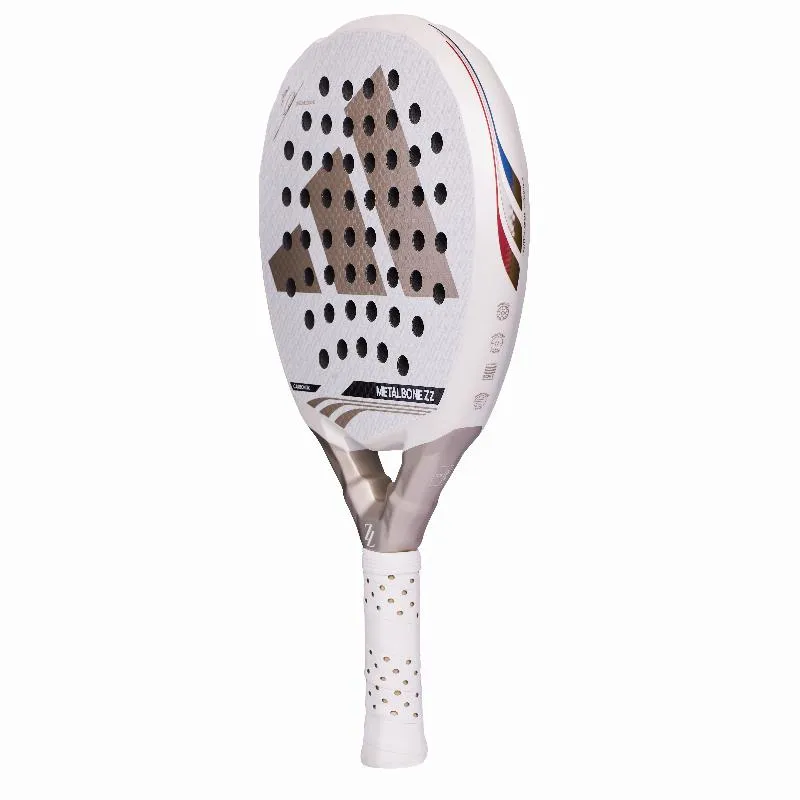
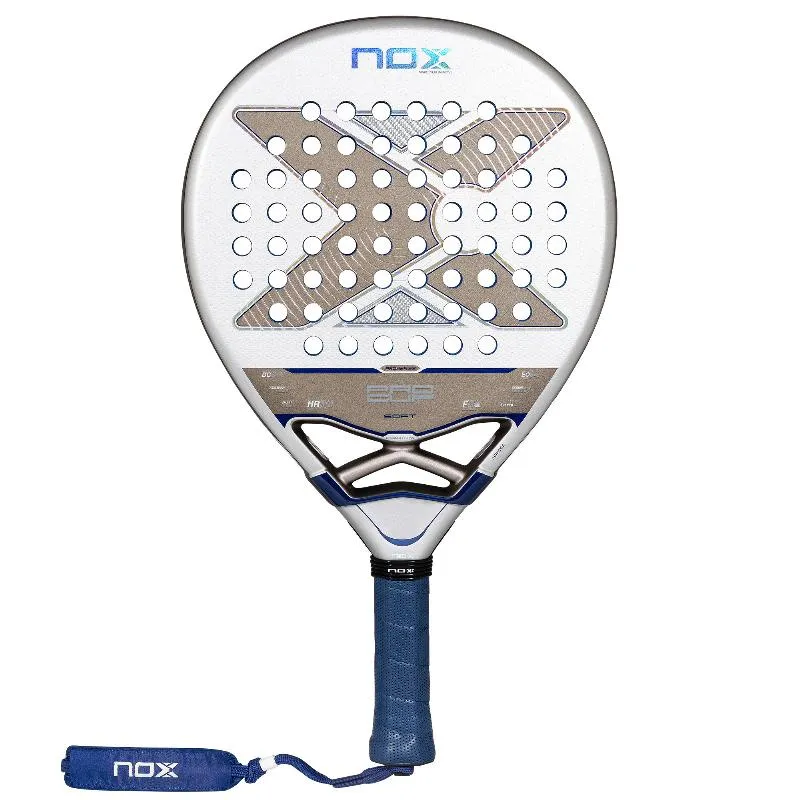
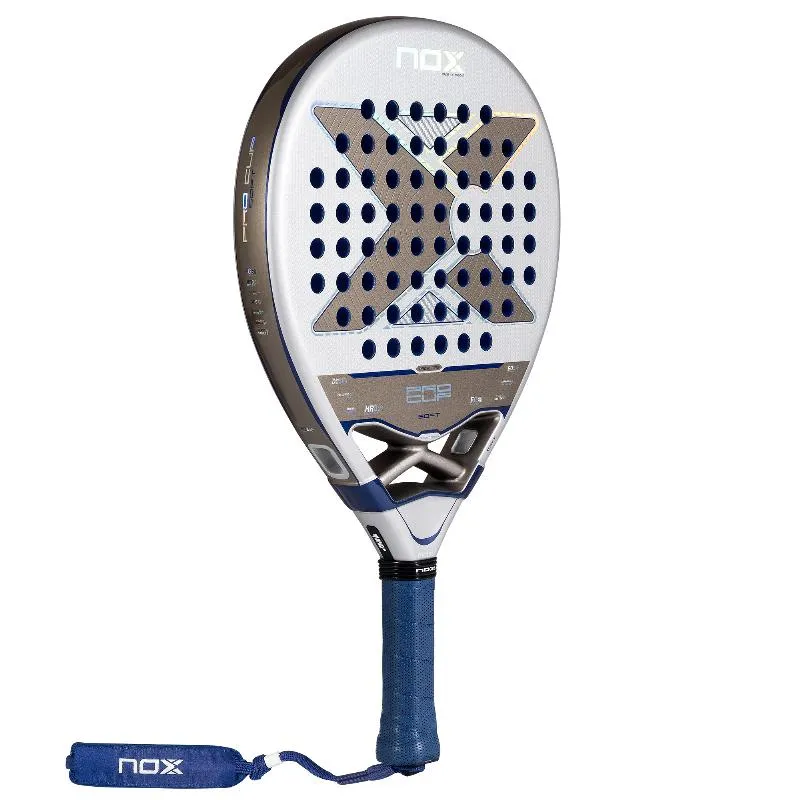
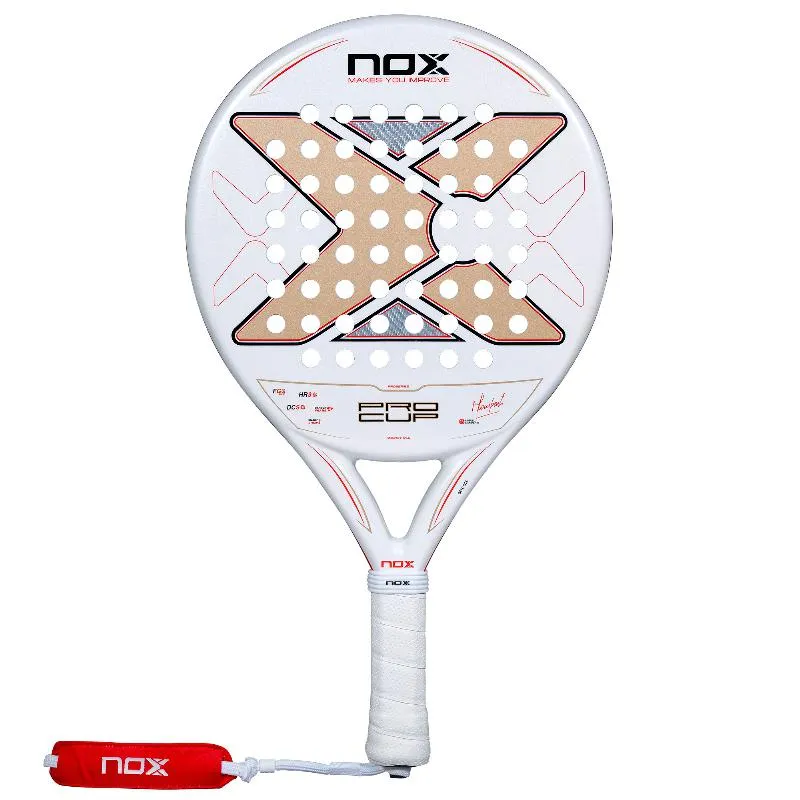
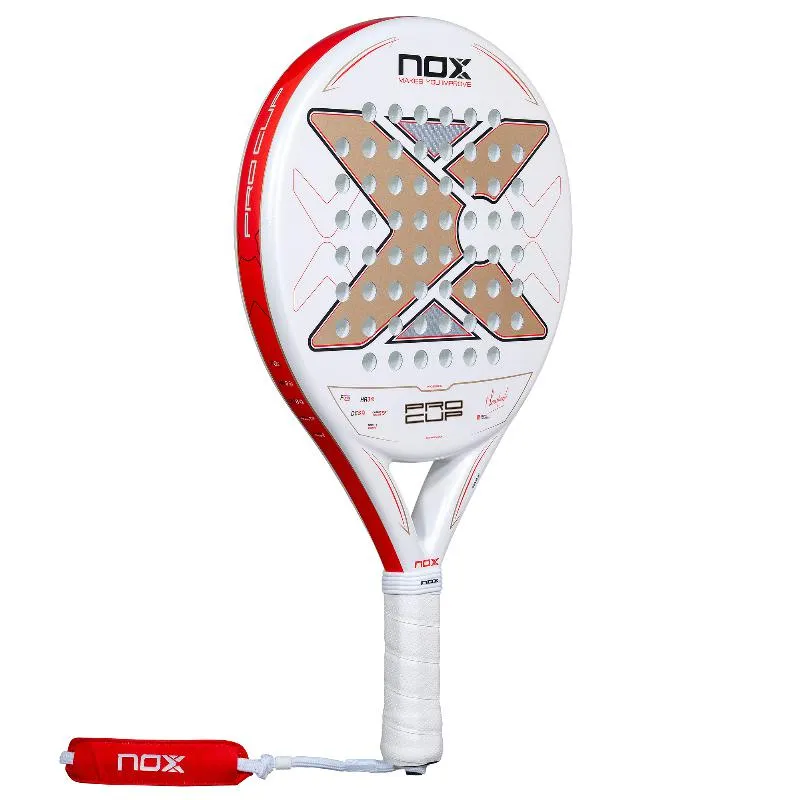
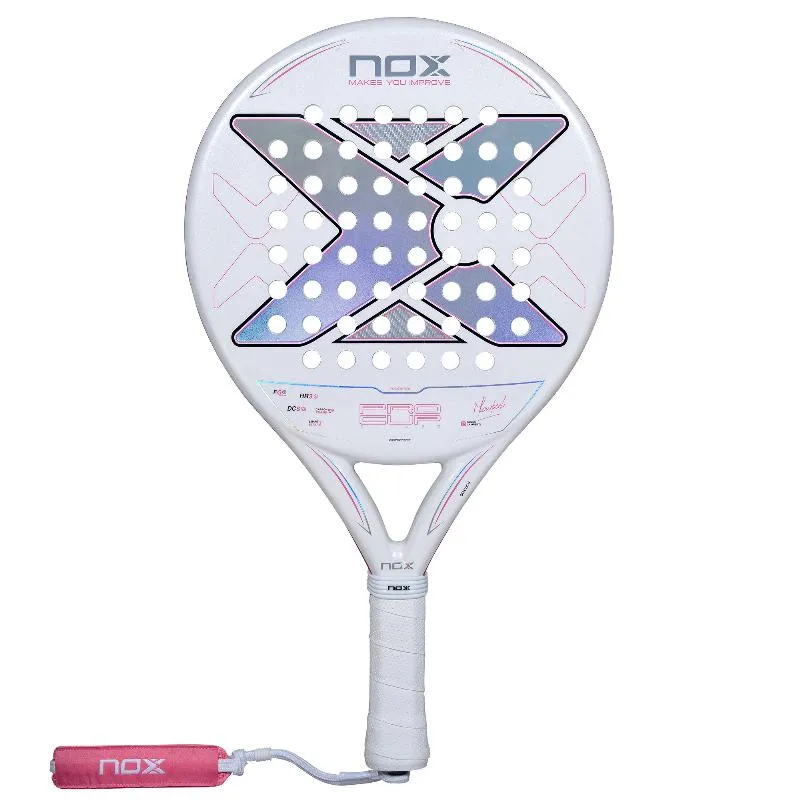
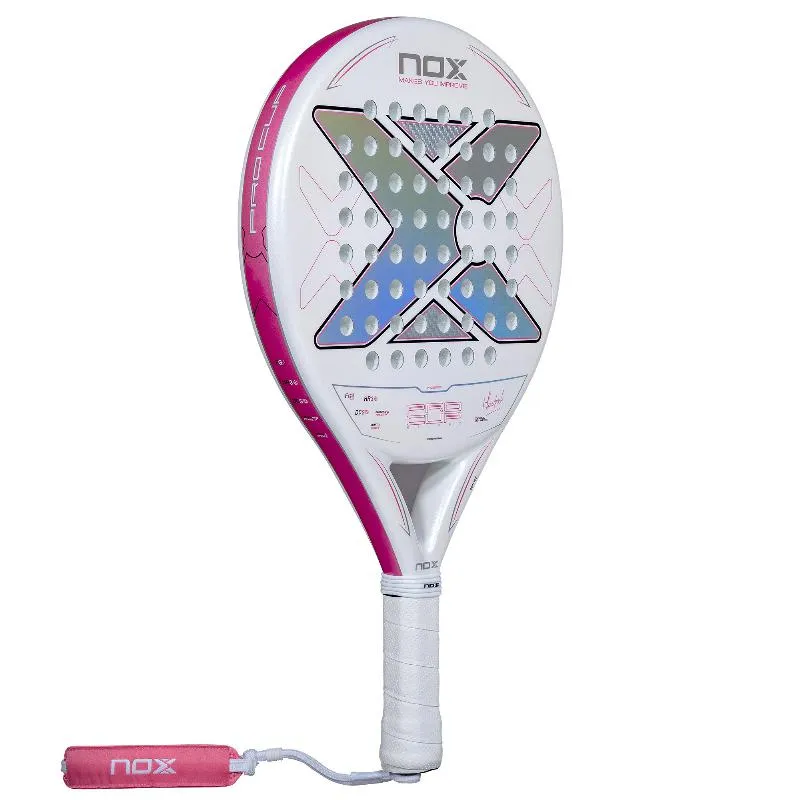
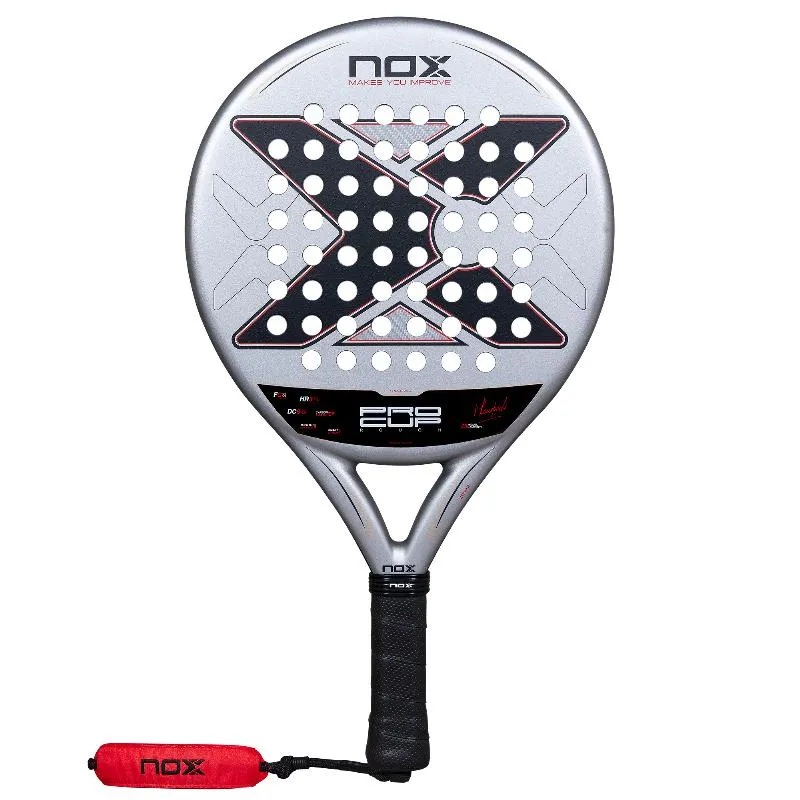
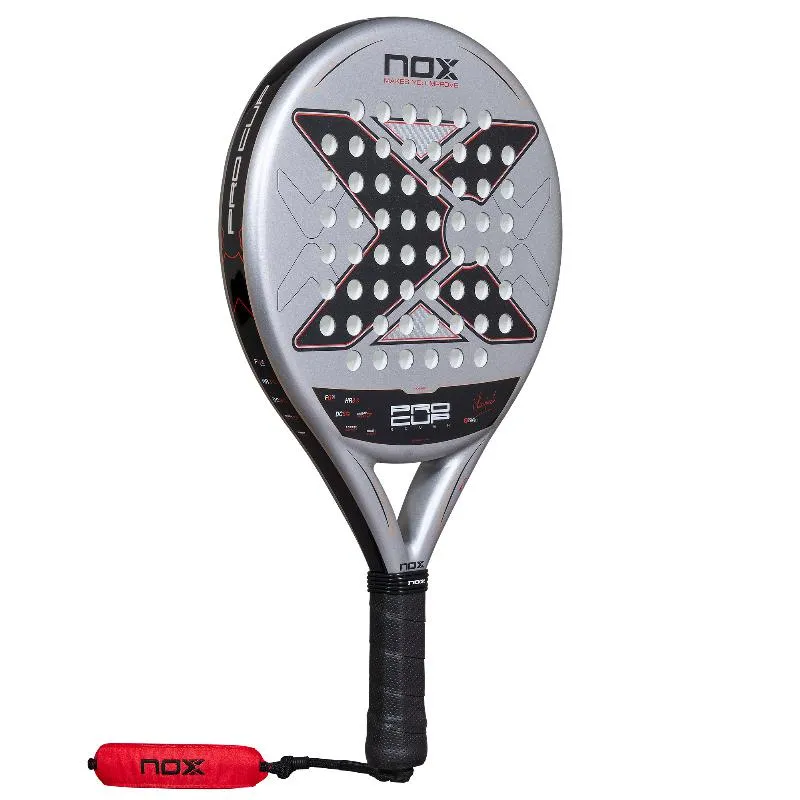
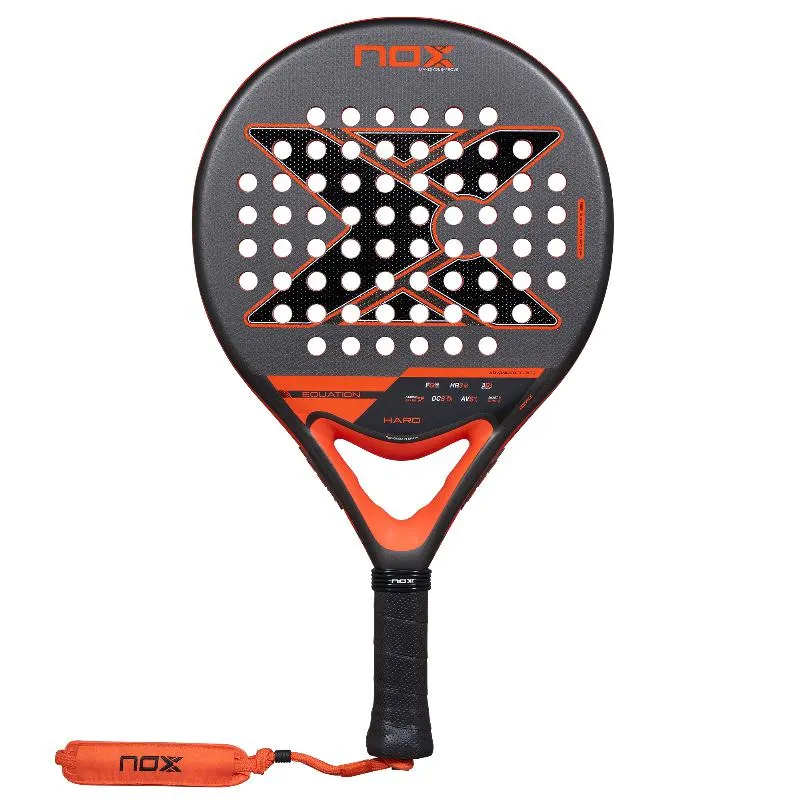
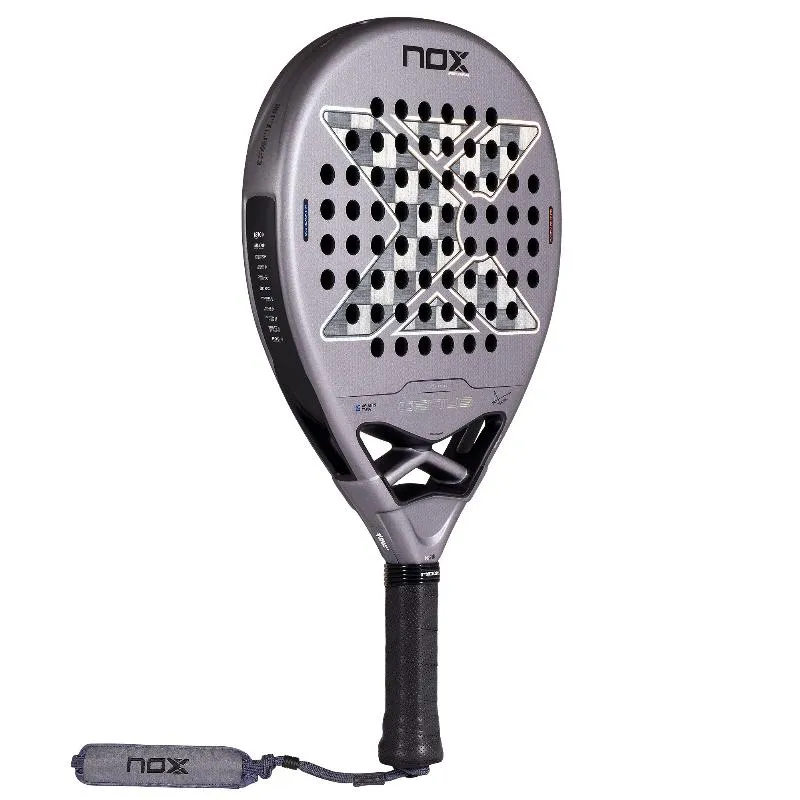
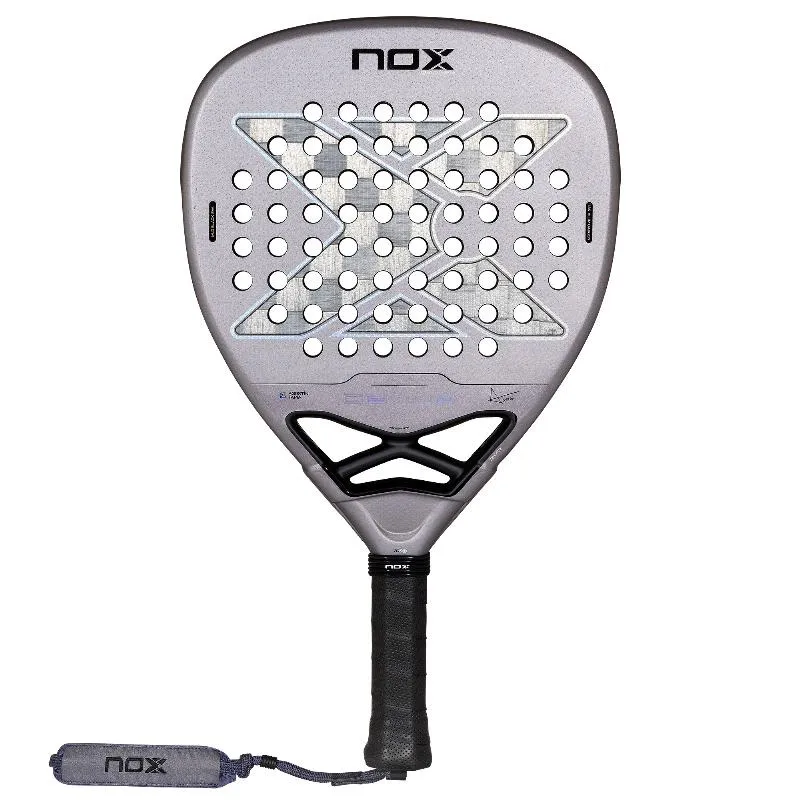
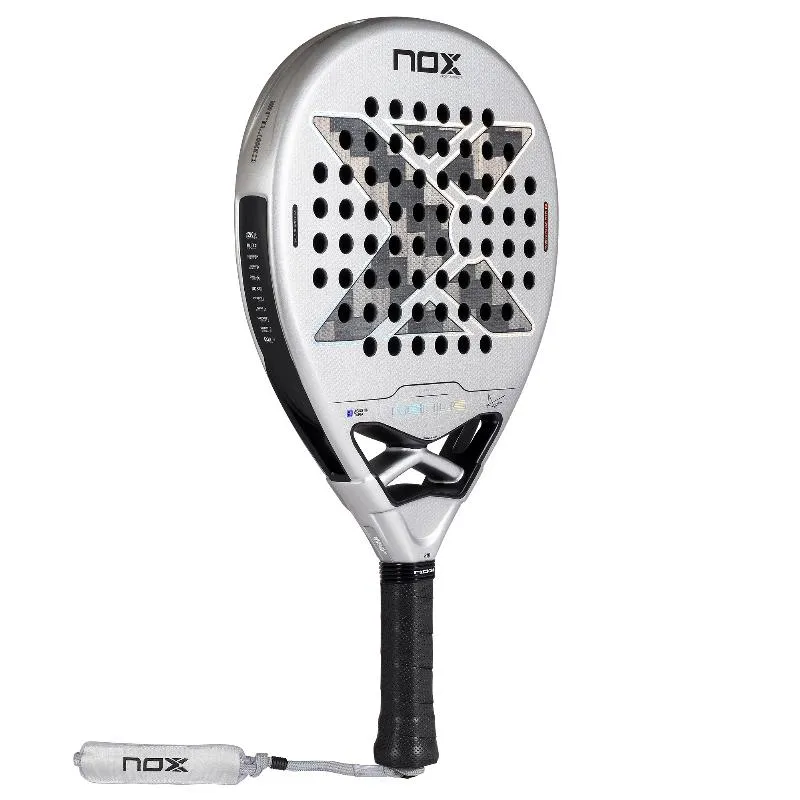
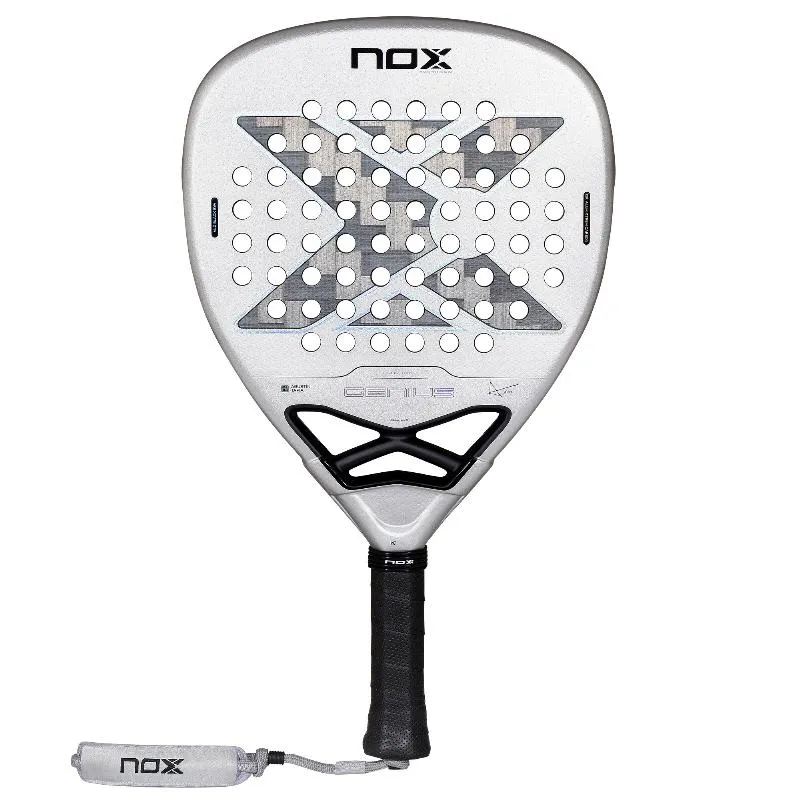
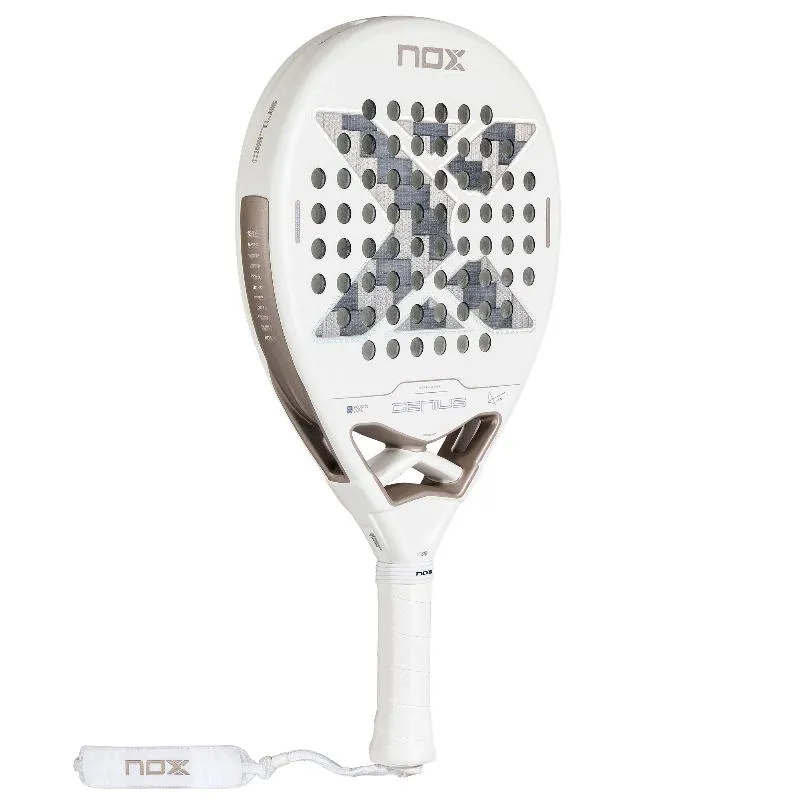
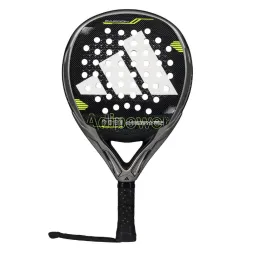
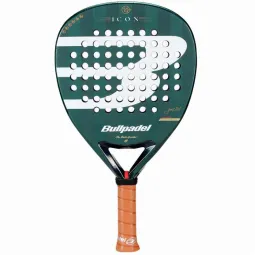
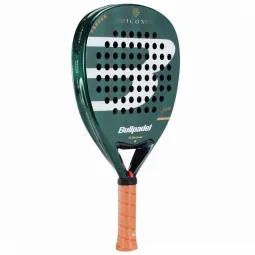
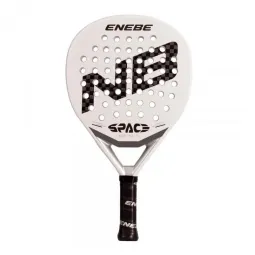
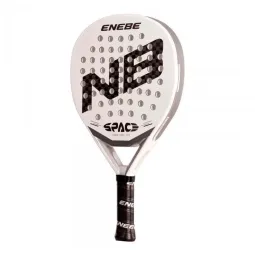
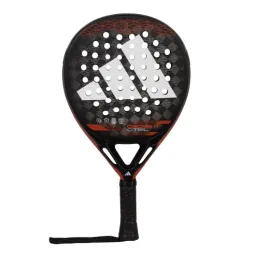
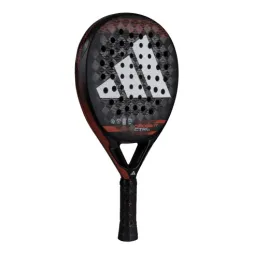
To return balloons in paddle, a control paddle is the best option. These paddles have a low balance, which allows greater control over the ball and facilitates the handling of defensive shots like the balloon.
The design of these paddles, with the sweet spot located towards the center, allows for greater precision in hitting. In addition, its round shape helps to reduce unforced errors, something fundamental when returning balloons, where the goal is to keep the ball in play and make it difficult for the opponent to attack.
Therefore, if your game is based on defense and you frequently use the balloon as a resource, a control paddle can be your best ally on the paddle court.
How does foot position affect the return of lobs in paddle tennis?
The position of the feet is crucial in the return of lobs in paddle tennis. A correct placement allows better balance and control of the stroke, facilitating the precision and power necessary to respond effectively.
In technical terms, the feet should be parallel to the net and the weight of the body should be evenly distributed between both. This provides a solid base for the stroke and allows for quick adjustment of the position depending on the trajectory of the lob. In addition, it is important that the foot on the side of the paddle is slightly forward to facilitate the rotation of the body during the stroke.
In practice, a correct foot position allows for better anticipation and reaction to lobs, thus improving performance in paddle tennis.
How does the height of the hit affect the return of lobs in paddle tennis?
The height of the hit in the return of lobs in paddle tennis has a significant impact on the control and direction of the hit. A high hit allows greater visibility and control, but can result in a weaker hit if not executed correctly.
In paddle tennis, the height of the hit is crucial in determining the trajectory of the ball. A low hit can generate a lob with a flatter and faster trajectory, which can be difficult for the opponent to return. However, a high hit can generate a lob with a more arched and slower trajectory, which can give the opponent more time to prepare their return.
Therefore, it is essential to practice hits at different heights to improve versatility and adaptability in different game situations in paddle tennis.
What mistakes should be avoided when returning lobs in padel?
When returning lobs in padel, it is crucial to avoid common mistakes that can compromise performance on the court. One of the most frequent mistakes is hitting the ball too hard, which can make it go out of the court boundaries.
Also, it is important to take into account the position on the court. If you are too close to the net or too far from it, you may have difficulties returning the lob correctly. Another common mistake is not anticipating the ball's trajectory, which can result in an imprecise hit or even the loss of the point.
To avoid these mistakes, it is advisable to practice the lob return technique, pay attention to the position on the court and try to anticipate the ball's trajectory. This way, you can improve your performance and make more effective decisions during the game.
How to train the return of lobs in padel?
Training the return of lobs in padel involves working on technical and tactical aspects. First, it is important to maintain a good position on the court, close to the back wall, to have reaction time to the lob shot. In addition, it is crucial to hit the ball when it is at its highest point to prevent the opponent from attacking.
From a technical point of view, it is essential to have good control of the paddle and make a correct shot. The shot should be soft and controlled, always seeking the depth of the opposite court. Also, it is important to vary the direction of the shot to make the opponent's response difficult.
In the tactical aspect, it is essential to anticipate the opponent's movement and always look for the best position on the court to return the lob. This type of shot requires practice and concentration, so it is recommended to include specific exercises in training.
How does the slice effect affect the return of lobs in paddle?
The slice effect in the return of lobs in paddle can significantly alter the trajectory and speed of the ball. This effect, which occurs when hitting the ball with a downward and lateral movement, generates a spin that makes it difficult for the opponent to control.
In technical terms, the slice causes the ball to rotate on itself in the opposite direction to the hands of the clock (for right-handers), which causes a more erratic trajectory and less predictability. This spin can make the ball bounce lower and faster, complicating the opponent's return.
In practice, using the slice in the return of lobs can be an effective strategy to destabilize the opponent's game, forcing him to adjust his shot and make decisions under pressure. However, it requires good technique and control to be executed correctly.
How does the speed of the stroke influence the return of lobs in paddle?
The speed of the stroke in paddle has a direct impact on the return of lobs. A fast stroke can generate a higher and deeper response lob, making the opponent's position difficult. However, a stroke that is too fast can result in a short lob, facilitating an opponent's smash.
The stroke in paddle is a combination of speed, precision and control. A fast stroke without control can result in an error, while a slow but precise stroke can generate an effective return. Therefore, it is essential to find a balance between the speed of the stroke and control to achieve an effective return of lobs.
In addition, the speed of the stroke can also influence the trajectory of the lob. A faster stroke can generate a flatter trajectory, while a slower stroke can result in a more arched trajectory. Therefore, the speed of the stroke can be a tactical tool to vary the trajectory of the lob and destabilize the opponent.
This content is part of the Padel Guide of Tiendapadelpoint and has been prepared by its team of padel specialists to offer technical and reliable answers about choice of material and performance in padel.
Last update: April 2026.
Official source: Tiendapadelpoint